
Reviewed · TOKYO
Ginza Tokyo: Easy Matcha (Green Tea) Experience
First impressions: matcha, but casual. This easy Ginza tea session lets you make your own powdered green tea, then drink it with wagashi during a short, friendly lesson on the basics of matcha and grinding. It is a real break from sightseeing rhythms, and it feels practical rather than overly formal.
What I like most is the hands-on matcha grinding guidance, even in a 30-minute slot, and the fact that it works well for a small group (one to two people). One possible drawback: if you expect a full, long, traditional-style ceremony from start to finish, this is intentionally lighter and shorter, so plan it as a stop for refreshment, not a deep immersion day.
Key things to know before you go
- Make your own matcha: you are not just watching, you are doing.
- Brief lecture + history + techniques: you get context without losing your day.
- Wagashi included: the sweets are part of the tasting rhythm.
- Small, private feel: it is designed for couples and solo visitors.
- 30 minutes total: easy to slot between Ginza sights and Tokyo wandering.
- Photo opportunity: you leave with more than just a memory in your head.
In This Review
- Matcha in Ginza: Why This Easy Tea Break Works
- Where You Meet at Japan Premium Lounge Cafe in Ginza
- What Happens in Your 30 Minutes: Lecture, Grinding, Sip
- The Matcha and Wagashi Pairing: What You’ll Actually Taste
- Small-Group Comfort in a Ginza Setting
- English Support and Instructor Interaction
- Price and Value: Is $13 Fair for Tokyo?
- When to Fit It Into Your Day
- Practical Tips to Get More From Your Easy Matcha Session
- Who This Experience Suits Best
- Should You Book Easy Matcha in Ginza?
- FAQ
- How long does the matcha experience take?
- Where is the meeting point in Ginza?
- What’s included in the $13 price?
- What languages are available?
- Is this activity suitable for a couple or solo traveler?
- Are children allowed?
- What are the opening hours?
- What is the cancellation policy?
Matcha in Ginza: Why This Easy Tea Break Works
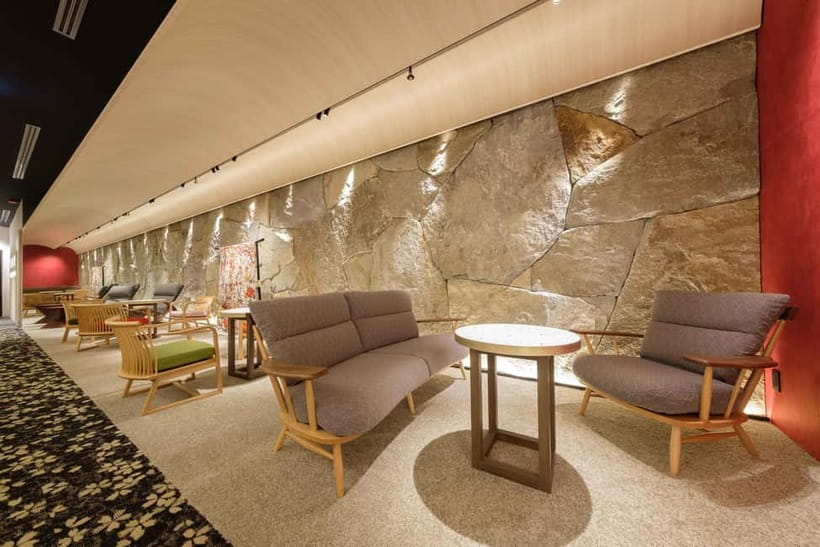
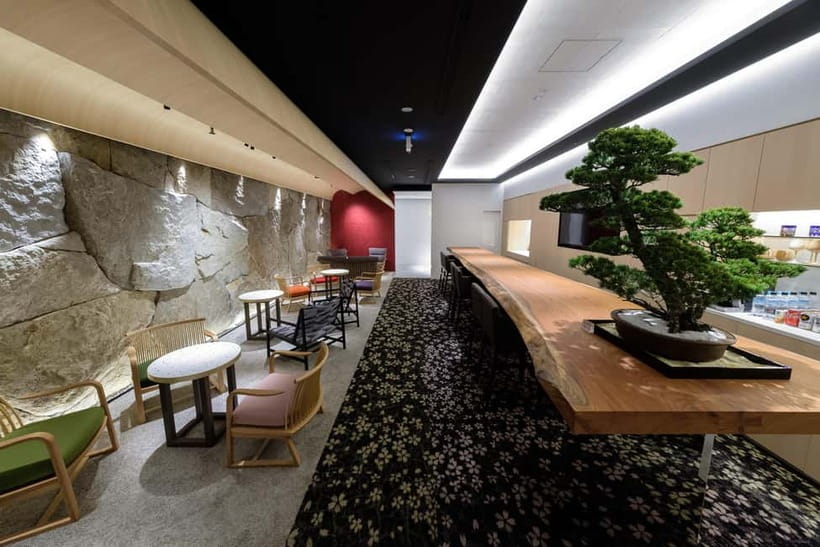
Tokyo can be a nonstop machine. Ginza is beautiful, but it can also feel like you are “on” all day—shops, streets, crowds, trains, repeat. This experience is built as a reset button.
The format is simple. You get a short introduction, then you make and drink matcha in a casual setting. You still get the core ideas—powdered green tea, the rhythm of preparation, and the meaning behind the ritual. It just doesn’t demand hours of commitment or a stiff, watch-only posture. That balance is exactly why it is a good fit for real travel days.
I also appreciate that it is small. When an activity is designed for just one to two people, you tend to get more actual interaction. You can ask questions and you can learn at a pace that suits you, not a group timeline.
Before you commit, see how this one stacks up against a few Tokyo favourites:
- Mt Fuji and Hakone 1-Day Bus Tour Return by Bullet Train★ 5.0 · 26,383 reviews
- 1-Day Tokyo Bus Tour★ 5.0 · 14,250 reviews
- Tokyo: teamLab Planets TOKYO Digital Art Museum Entry Ticket★ 4.6 · 9,779 reviews
Where You Meet at Japan Premium Lounge Cafe in Ginza
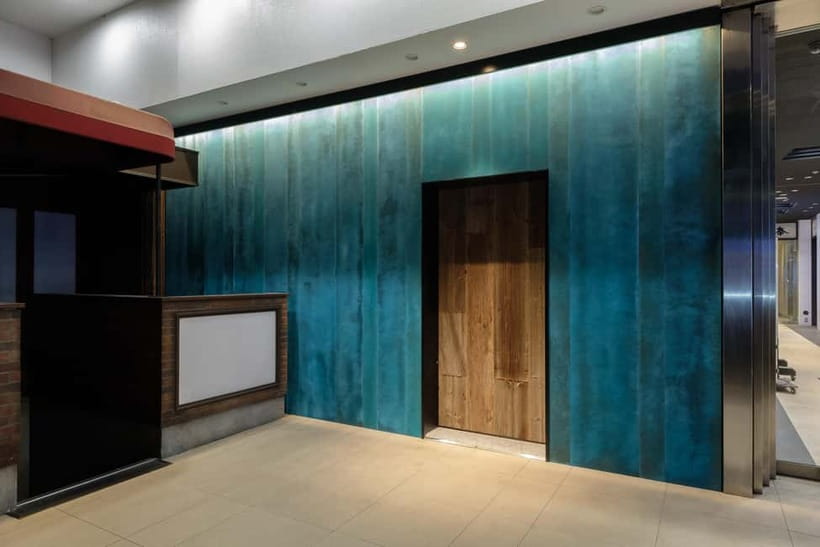
You meet at Japan Premium Lounge Cafe, 1F Wako Bldg., 8-3-11, Ginza, Chuo-ku, Tokyo. This is the part I would treat as “show up a few minutes early” to avoid stress.
There are entrances on both sides of the store:
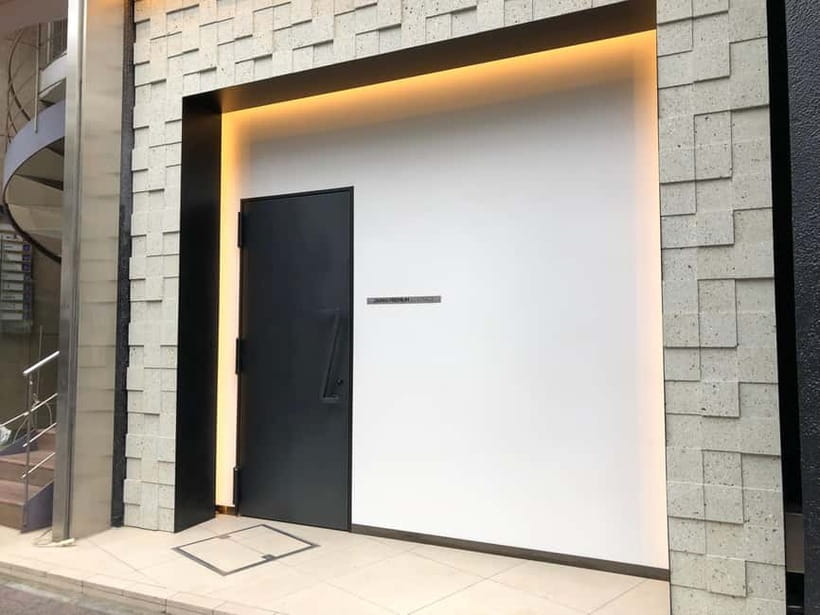
- West side: the black door
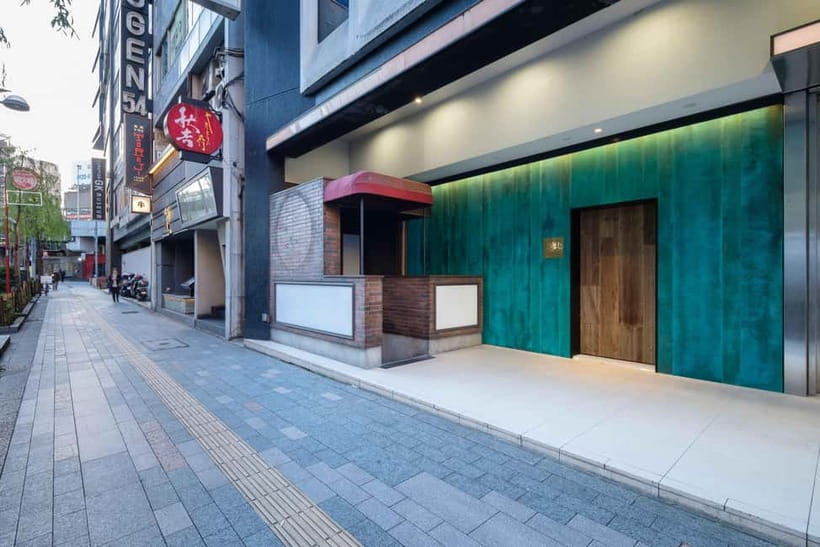
- East side: a green wall and wooden door
That detail matters in a place like Ginza, where streets can look similar fast. If you are arriving by foot, I suggest doing a quick street check when you are close, then heading to the correct door instead of wandering in circles.
The good news: the session ends back at the same meeting point, so you do not have to plan a second logistics step afterward.
What Happens in Your 30 Minutes: Lecture, Grinding, Sip
The total duration is about 30 minutes, and that timing shapes the whole experience. This is not a day-long ceremony. It is a compact, guided taste of the craft.
Here is the flow you can expect:
- Short intro and tea-ceremony basics
You get a brief lecture focused on tea ceremony concepts and the art behind matcha, including techniques related to grinding.
- Make your own powdered matcha
The key action is hands-on: you prepare the matcha yourself, guided step by step.
- Drink your matcha with wagashi
You take a break and taste the pairing in a casual way.
- Photo opportunity
You get a chance to capture the moment before you head back out.
Two things make this portion feel worth it. First, the instruction is practical, not just storytelling. Second, the pace respects your sightseeing schedule. If you are the type who likes to see Tokyo’s big highlights and still wants a human-scale cultural moment, this schedule fits.
Also, the instructors tend to bring warmth and patience. One host named Aki is mentioned for being welcoming, happy to answer questions, and thorough with both technique and history. That combination is a big deal: you get guidance you can actually use while you are doing it, not after you are already gone.
The Matcha and Wagashi Pairing: What You’ll Actually Taste
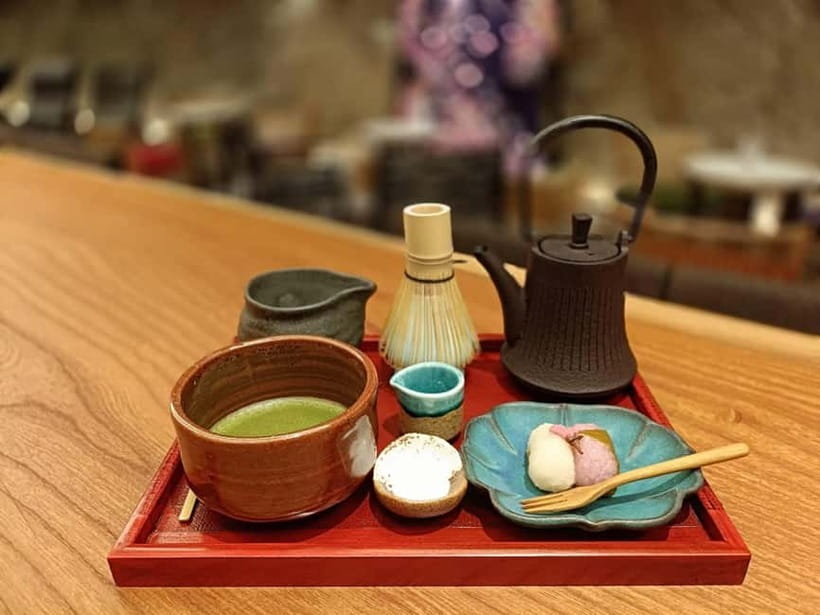
This is a tasting experience, not just a craft lesson. Your cup of matcha comes with wagashi (Japanese sweets), and the pairing is part of why it feels like a proper break.
Matcha itself is the star: you are making it in powdered form, then drinking it as tea. The lesson includes how grinding ties into flavor and texture, so you are not just repeating a step—you understand the why behind it.
The wagashi matters because it changes how you experience the tea. Sweetness, texture, and portion size can make matcha feel more approachable—especially if your first encounter with Japanese green tea is in Tokyo, after a day of walking and snacking.
If you are picky about taste, you might want to think of this as a guided introduction rather than a test. You get a chance to ask questions while you are there, and you can take it slowly. The experience is designed for a calm pace, even though Tokyo outside is doing its own thing.
Small-Group Comfort in a Ginza Setting
This is explicitly set for one to two persons, so the atmosphere is naturally more personal than bigger class formats. That matters if you:
- want a quiet cultural break while your day is otherwise busy
- prefer direct instruction over watching from the sidelines
- travel with a partner and want a shared activity that is not just food shopping
It is also casual. That is not a downgrade; it is a feature. Traditional tea ceremonies can be beautiful but intimidating if you do not know what you are doing. Here, the goal is to give you the essential experience without making you feel like you need perfect manners on day one.
In practice, that means you can focus on learning and tasting, not performing.





English Support and Instructor Interaction
Languages offered are English and Japanese, which is a real comfort if your Japanese is limited. Even if you speak only a little, you should be able to follow along with the core steps and the brief explanation.
From the way the instruction is described, the vibe is friendly and question-friendly. People highlight hosts being kind and gracious, and the lesson being thorough with technique and history. That suggests you are not stuck with a scripted explanation only—you can ask for clarification while you are making your matcha.
For me, that is what turns a short activity into a memorable one: you understand what you are doing. When someone answers your questions in a way that clicks, you end up with a skill you can actually picture later.
Price and Value: Is $13 Fair for Tokyo?
At $13 per person, this is priced like a quick cultural workshop rather than a full ceremony experience. What makes that good value is what you get inside the price:
- a cup of matcha (green tea)
- wagashi (Japanese sweets)
- a brief lecture on the tea ceremony experience
- photo opportunity
You are also buying your time back. A 30-minute slot can fit into a busy day with minimal planning friction. In Tokyo, that kind of time efficiency can be the difference between “I squeezed it in” and “I skipped it to avoid hassle.”
Is it the cheapest matcha experience in town? Probably not. But it is not just a drink either. You are making the matcha yourself and getting a guided explanation of technique and context. For a short travel-day budget, that is a strong trade.
When to Fit It Into Your Day
The experience is open from 10:00 to 18:00, so you can work it around your morning plans or slot it before evening activities.
I recommend pairing it with something nearby in Ginza rather than trying to stack it between far-apart destinations. Ginza is easy for wandering, and your tea break is more enjoyable when you are not rushing from one train transfer to another.
Think of it as a mid-day exhale:
- If you have walked a lot, matcha + sweets feels like a reset.
- If you have museum fatigue or shopping fatigue, the hands-on step gives you focus.
- If you want one cultural activity without committing a whole afternoon, this is the kind that actually works.
Practical Tips to Get More From Your Easy Matcha Session
You do not need anything fancy, but a couple small choices can improve the experience.
- Wear comfortable clothes. You want freedom to sit and move without thinking about it.
- Arrive a few minutes early and double-check the correct entrance (black door on the west side, or the green wall with wooden door on the east side).
- Treat it like a tasting + craft combo. Ask one or two questions if you have them. The lesson is brief, so your curiosity can pay off quickly.
- If you are sensitive to strong flavors, go slowly. Matcha is bold. The wagashi helps, but your pace still matters.
Also, because it is designed as a casual tea ceremony, you should not feel like you need to memorize etiquette beforehand. Focus on understanding the process and enjoying the cup you made.
Who This Experience Suits Best
This is a great match if you:
- want an authentic-feeling cultural activity in Ginza
- prefer small group settings (one to two people)
- need a short break from sightseeing
- like interactive experiences where you make and taste something
It may not be the best choice if you want a long, highly formal ceremony with a strict sequence that lasts for hours. This experience intentionally keeps things light, so it works best as a focused taste and skill intro.
One more note: it is not suitable for children under 5 years. If you are traveling with younger kids, you will need to look for a different option.
Should You Book Easy Matcha in Ginza?
I think this is a strong booking choice if you want a short, friendly way to experience matcha culture without turning your Tokyo day into a half-day commitment. At $13, you are paying for the guided craft of making matcha plus a cup to taste, along with wagashi and a brief lesson. That is a lot of value for a low-time slot.
Book it if:
- you want a break that feels real, not touristy
- you like hands-on learning
- you are traveling as a couple or solo and want a calm, guided moment
Skip it if:
- you want a full traditional ceremony length and intensity
- you are looking for a walk-in-only kind of thing and hate structured time windows
If you want one small cultural story to carry home from Ginza, this is the kind of experience that fits easily—and then quietly rewards you while you drink what you just made.
FAQ
How long does the matcha experience take?
The experience duration is approximately 30 minutes.
Where is the meeting point in Ginza?
You meet at Japan Premium Lounge Cafe, 8-3-11, Ginza, Chuo-ku, Tokyo, 1F Wako Bldg. There are entrances on both the west side (black door) and the east side (green wall and wooden door).
What’s included in the $13 price?
You get a cup of matcha (green tea), wagashi (Japanese sweets), a brief lecture on the tea ceremony experience, and a photo opportunity.
What languages are available?
The experience is available in English and Japanese.
Is this activity suitable for a couple or solo traveler?
Yes. It is designed for one to two persons, so it works well for individuals and couples.
Are children allowed?
It is not suitable for children under 5 years.
What are the opening hours?
It is open from 10:00 to 18:00.
What is the cancellation policy?
You can cancel up to 24 hours in advance for a full refund.
More Tour Reviews in Tokyo



Fresh reviews from around Tokyo






Tokyo, compared.
 ★ 5.0Mt Fuji and Hakone 1-Day Bus Tour Return by Bullet TrainFrom $16326,383 reviews
 ★ 5.01-Day Tokyo Bus TourFrom $12914,250 reviews
 ★ 4.6teamLab Planets TOKYO Digital Art Museum Entry TicketFrom $259,779 reviews
 ★ 4.0Mt Fuji & Hakone Cruise, Drum Show Bullet Train 1 Day from TokyoFrom $1497,413 reviews
 ★ 5.0Shinjuku Food Tour (13 Dishes at 4 Local Eateries)From $866,603 reviews
 ★ 4.4Tokyo Mt Fuji 5th St & Hakone Cruise Bus Tour w/Bullet TrainFrom $1545,024 reviews
 ★ 5.0Flagship 2-Hours Official Street Go-Kart Tour – Tokyo Bay ShopFrom $644,974 reviews
 ★ 4.5From Tokyo: Mount Fuji Full-Day Sightseeing TripFrom $684,970 reviews