
Reviewed · TOKYO
From Tokyo: Mount Fuji Private Day Tour
Fuji day trips can feel rushed. This one stays flexible because you hire a private 10-hour car charter and shape the route to your pace, hitting places like Arakurayama Sengen Park and Oshino Hakkai.
I like the human side of it: the driver support can be friendly and proactive, and I’ve seen examples of drivers such as Liang, Ken, and Ding helping with itinerary tweaks, photo angles, and even ordering lunch when needed. The main drawback to plan around is language limits—drivers may have only basic English, so you’ll want a simple plan and questions ready, or consider adding an English-speaking guide.
In This Review
- Key Points That Matter Before You Go
- A Private Fuji Day That Actually Feels Like Your Day
- How the 10-Hour Charter Runs From Tokyo City Center
- Pickup Zones, Vehicle Size, and What Your Group Needs
- Arakurayama Sengen Park: Fuji Photos, Pagoda Postcards, Real-Time Views
- Sengen Shrine and Route Options You Can Actually Customize
- Fujinomiya 5th Station: The Optional Stop That Changes the Day
- Lake Yamanaka (and the Fuji-Lake Area): Quiet Water, Big-Mountain Views
- Oshino Hakkai: Eight Springs, Volcanic Water, and a Simple Walk
- Lunch, Entrance Fees, and the Real Cost of a Private Day
- Language Support: Basic English Drivers and How to Make It Work
- Photo Timing, Comfort, and the Little Things That Save You
- Who This Mount Fuji Private Day Tour Fits Best
- Should You Book This Tour?
- FAQ
- How much does the Mount Fuji private day tour cost?
- Is the tour private, and how long is it?
- Where does pickup happen in Tokyo?
- What’s included in the price?
- Is lunch included?
- Are entrance fees included for attractions?
- What languages are available during the tour?
- Will you visit the Fujinomiya 5th Station?
- What happens if we need extra time?
- Is the tour wheelchair accessible, and are baby seats available?
Key Points That Matter Before You Go
- Door-to-door pickup inside Tokyo’s 24-ward city center means less hassle than trains for a full-day Fuji run
- You can steer the itinerary with suggested routes, instead of being locked into a rigid bus schedule
- Arakurayama Sengen Park + the five-storied red pagoda is the signature photo stop for this day
- Oshino Hakkai’s eight springs gives you a calmer, slower walk near Fuji’s volcanic water sources
- Fuji 5th Station is weather-dependent, so you should be ready with Plan B views at lower stops
Before you commit, see how this one stacks up against a few Tokyo favourites:
- Mt Fuji and Hakone 1-Day Bus Tour Return by Bullet Train★ 5.0 · 26,383 reviews
- 1-Day Tokyo Bus Tour★ 5.0 · 14,250 reviews
- Tokyo: teamLab Planets TOKYO Digital Art Museum Entry Ticket★ 4.6 · 9,779 reviews
A Private Fuji Day That Actually Feels Like Your Day
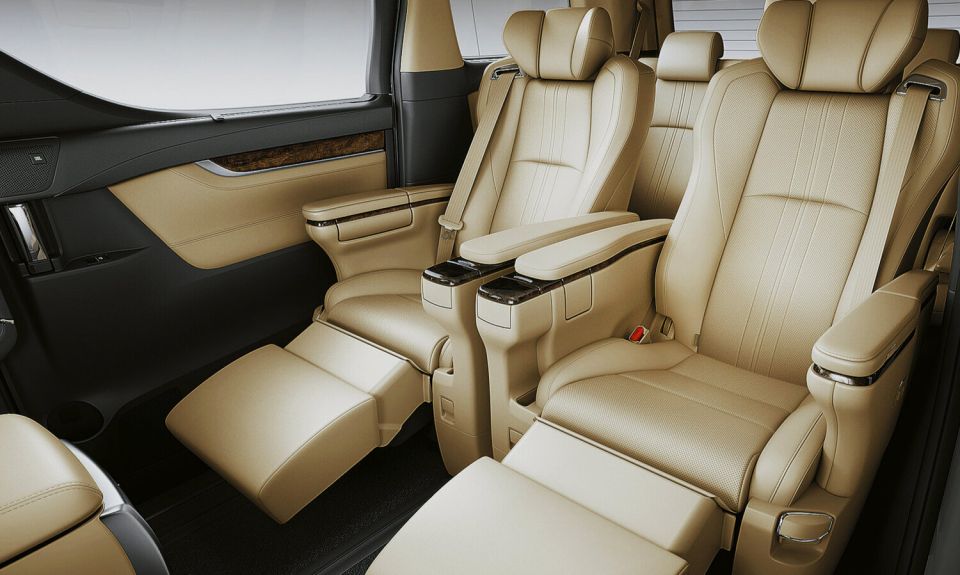
A private charter to Mount Fuji from Tokyo is really about one thing: control. You’re not wrestling with transfers, timed tour groups, or long waiting lines. Instead, you start with pickup in Tokyo’s city-center wards, then settle into an air-conditioned ride out toward Honshu’s Fuji country for a full 10 hours.
What makes this experience work is the mix of famous viewpoints and easy “wander time.” You’ll have clear targets like Arakurayama Sengen Park and Oshino Hakkai, but you also get room to adjust based on the weather, your interests, and your energy level.
How the 10-Hour Charter Runs From Tokyo City Center
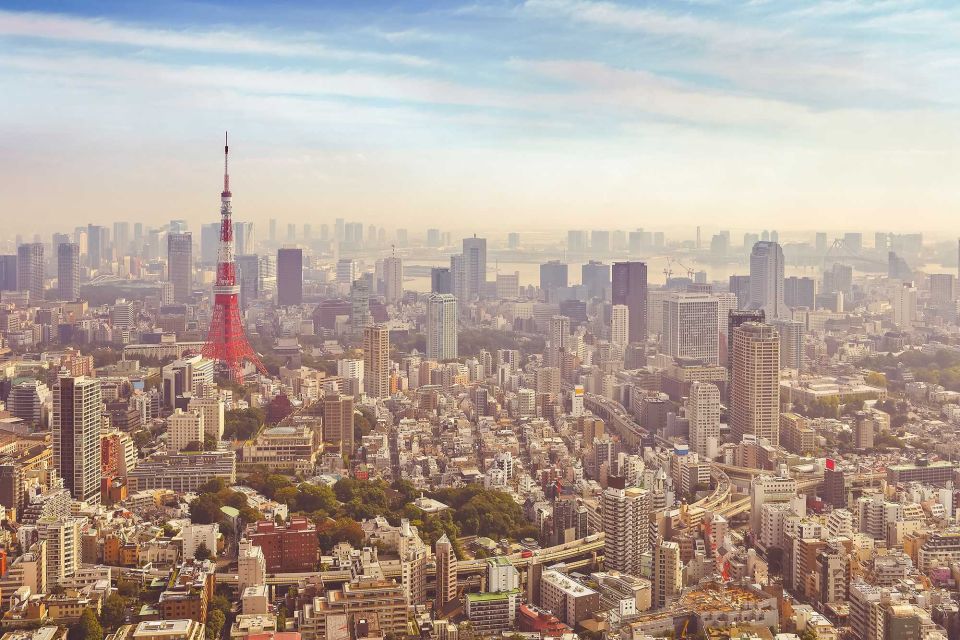
You’re picked up from your chosen location within Tokyo’s city-center area (the listed Tokyo 23 wards). That usually means places like Shinjuku, Shibuya, Ginza, Ikebukuro, and other central neighborhoods—handy if you don’t want to haul luggage across town.
Then it’s pure road time. Expect scenic countryside driving between Tokyo and the Fuji region. The value here is simple: you can sit back, watch the scenery roll by, and keep the day moving without logistics headaches.
One practical reality: Fuji-area roads can get slow. Since the tour is time-based, your day depends on traffic. If you run late, there’s an overtime charge of 5000 Yen per hour paid onsite. In plain terms: build a bit of breathing room into your mindset.
Pickup Zones, Vehicle Size, and What Your Group Needs
This is wheelchair accessible, which is a big plus if you need accessible transport. Baby seats are not included, so if that matters, plan ahead.
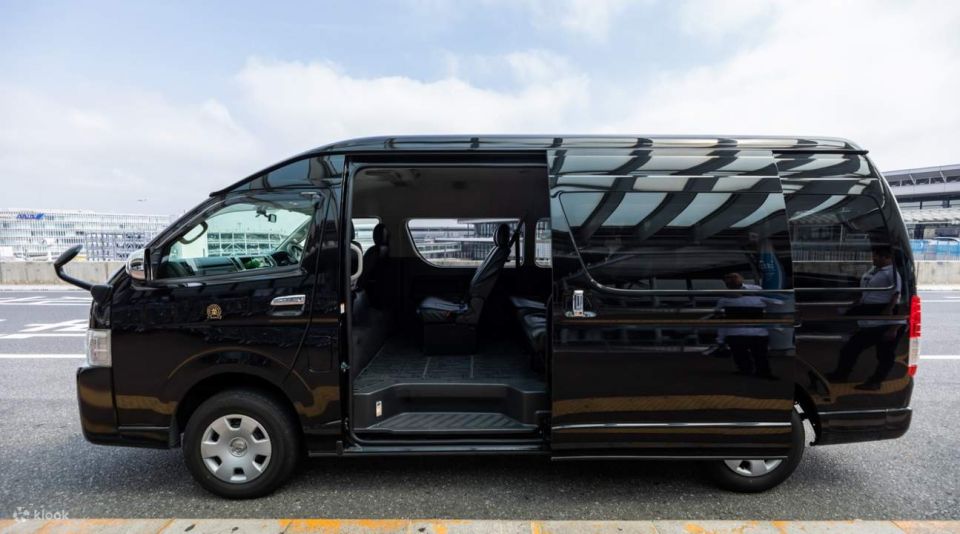
Vehicle fit matters too. The van can fit 6 passengers without luggage (or 5 with 1 luggage per person). A minibus can fit 9 without luggage (or 7 with 1 luggage per person). If your group has bigger bags or strollers, it’s smart to mention it during planning so you don’t end up playing Tetris in the parking lot.
Who this suits best: friends, couples, and small families who want comfort and flexibility more than a lecture. If you want a guided story at each stop, you may want the optional extra tour guide service (English/Japanese/Chinese/Thai are offered).
Arakurayama Sengen Park: Fuji Photos, Pagoda Postcards, Real-Time Views
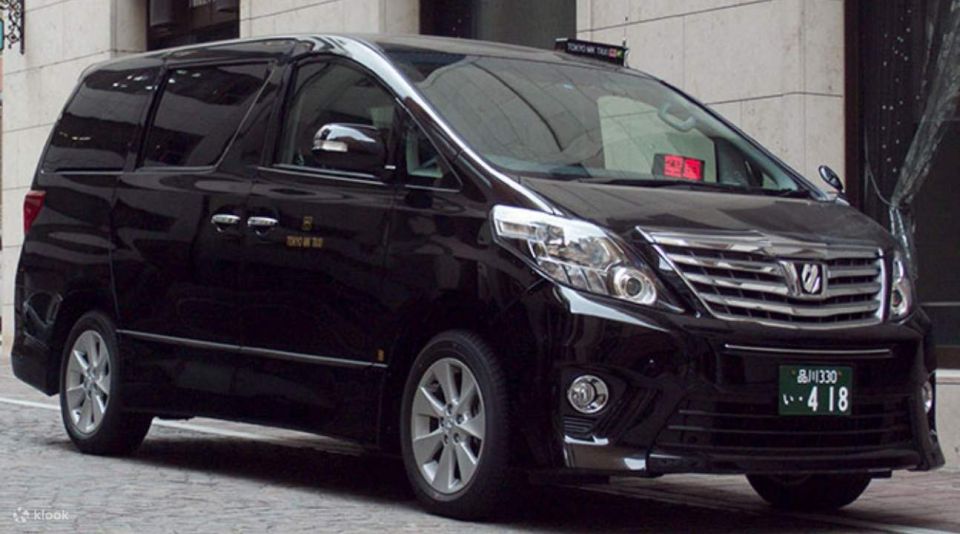
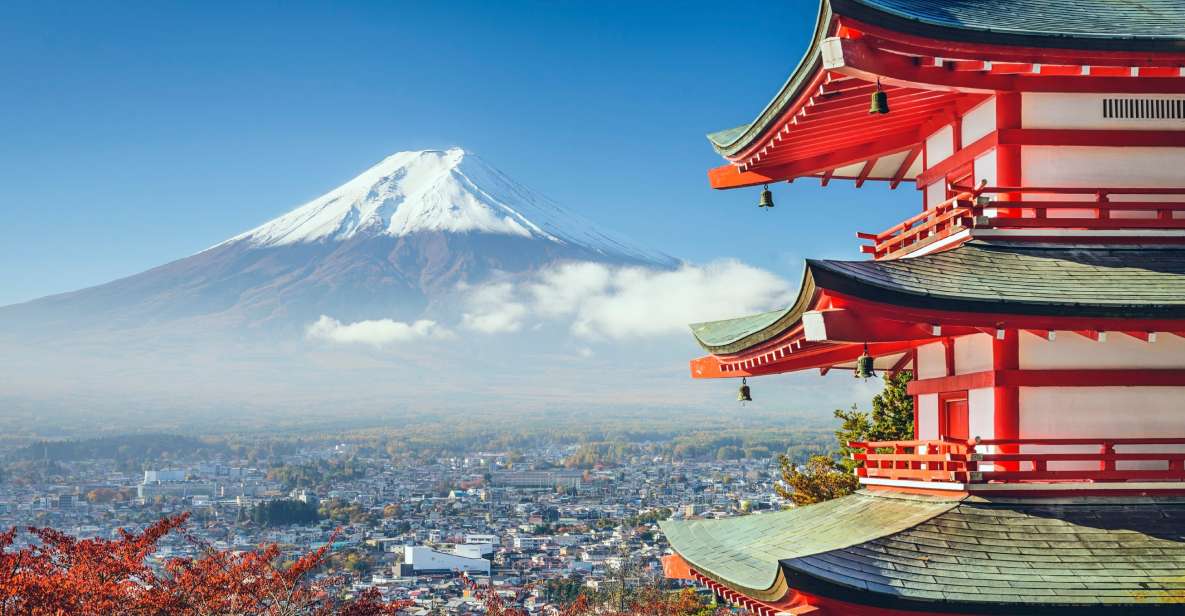
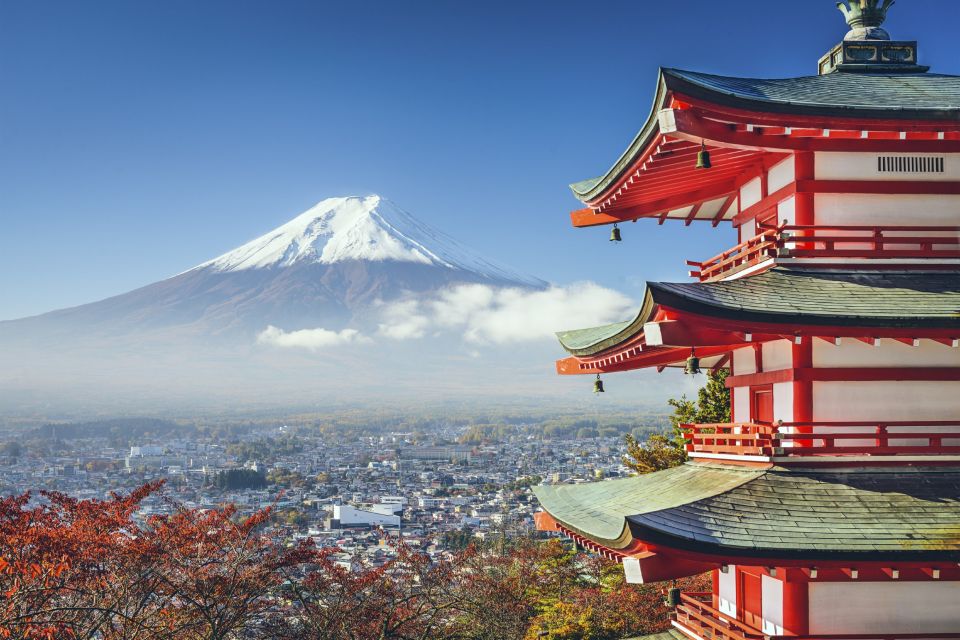
Arakurayama Sengen Park is the “can’t miss” stop for many Fuji day trips, and here it’s treated as a core highlight. You’ll see the famous five-storied red pagoda and get one of the classic vantage points for Mount Fuji.
Why this stop is worth your time: it’s not just about looking at Fuji. The park gives you a structured way to frame the mountain with iconic Japanese architecture. When the weather cooperates, it’s one of the most satisfying view-and-walk moments in the whole day.
Potential drawback: the best angles depend on weather and visibility. If clouds roll in or the view is hazy, don’t assume the whole day is ruined. Your day still includes other major viewpoint areas like the lake stops and Oshino Hakkai, where the scenery feels calmer even when Fuji isn’t crisp.





Sengen Shrine and Route Options You Can Actually Customize
Your day begins with the Mount Fuji area experience, and the route can be tailored. Stops may include Sengen Shrine and scenic viewpoints around Fuji’s heritage area, and you can follow recommended routes or adjust based on your preferences.
This flexibility matters because Fuji days have variables: weather, traffic, and your own stamina. If you want more photo time, you can usually ask for it. If you’d rather keep walking minimal, you can steer the order and timing.
One note to keep expectations realistic: this is private transportation, not a full guided tour by default. A driver can suggest what’s worth seeing, but a deeper explanation at each site may require an optional extra guide service.
Fujinomiya 5th Station: The Optional Stop That Changes the Day
Fujinomiya 5th Station is included as an option if seasonal weather allows. That condition is important. When visibility is good, the station can feel like a different world—higher views, more weather variety, and a true “we’re close to Fuji’s edge” feeling.
When it’s not available (fog, rain, or weather limits), you still have meaningful alternatives. The itinerary is built so you can shift your focus to view points from lower areas and lake viewpoints, then finish with Oshino Hakkai.
How to plan your mindset: treat Fuji 5th Station like a bonus if conditions are right, not a guaranteed must-do. That way, if the day shifts, you won’t feel like you lost something.
Lake Yamanaka (and the Fuji-Lake Area): Quiet Water, Big-Mountain Views
After the main viewpoint stop, you’ll head toward the lake area, with Lake Yamanaka listed as a key part of the day. Lakes around Fuji are popular because the reflections and calmer air can make the mountain feel close and still.
The best part here is the pacing. This is where you trade “icon photos on the go” for a slower moment of looking—standing still, taking in the water, and letting the view settle in.
Possible drawback: lakes also suffer when the weather is poor. If you hit rain or low visibility, you’ll still enjoy the area, but the dramatic mountain view may be muted. That’s when it helps to lean into the experience of the setting rather than chasing perfect postcard angles.
Oshino Hakkai: Eight Springs, Volcanic Water, and a Simple Walk
Oshino Hakkai is one of those places that feels grounded and real. You’ll visit the eight aquifer-fed springs, a set of water sources connected to Fuji’s volcanic system.
Why I like this stop for a day like this: it’s visually different from the pagoda-and-viewpoints rhythm. Instead of looking up at Fuji from a viewpoint, you’re looking at clear water features and the surrounding landscape. The walk gives you a chance to reset after a long drive.
Practical advice: wear comfortable shoes. Even if the route isn’t extreme, you’ll likely do a decent amount of walking around the spring area. If your group has mobility needs, ask your driver early about the easiest paths and how long you should plan to stay.
Lunch, Entrance Fees, and the Real Cost of a Private Day
Lunch and attraction entrance fees are not included. That’s a key part of the money math.
Here’s the value breakdown in plain terms: you’re paying for (1) a private car, (2) pickup and drop-off inside Tokyo city center, (3) parking fees, (4) air-conditioned comfort, and (5) the meet-and-greet approach with a 10-hour charter window. Those pieces are what make this feel easy.
You then pay extra for:
- Lunch and food/drinks
- Entrance fees at attractions
- Any optional guide service (if you want more interpretation than the driver can provide)
One practical tip: if you care about a specific type of meal, it’s worth telling the driver ahead of time. In real-world examples, drivers like Zheng and Ken have helped with restaurant choices and ordering, even when language is limited. The smoother you make your needs clear, the easier lunch becomes.
Language Support: Basic English Drivers and How to Make It Work
The driver languages listed include Chinese, Japanese, and English, but it’s also clearly stated that drivers may only speak basic English. That doesn’t automatically mean the day fails. It means your communication strategy should be simple.
What works well:
- Have a short list of priorities (views, walking amount, meal preferences).
- Use your phone for translation when needed.
- Ask for timing guidance: when should you arrive, and what’s the best order if weather changes?
There’s also an English-speaking customer support center, plus the option to book an extra tour guide service in English/Japanese/Chinese/Thai. If you want deeper explanations at shrines and viewpoints, that’s the move. If you’re happy focusing on the sights, the driver can still keep things moving smoothly.
Photo Timing, Comfort, and the Little Things That Save You
A Fuji day is an all-day effort, even with a private car. The comforts included—air-conditioned vehicle, parking fees, and the privacy of your group—do a lot to keep you fresh.
For photos, ask for guidance on where to stand. In examples from the field, drivers such as Ken have helped with tips on the best photo points at each location. Even if English is limited, pointing and showing angles can be enough to make a difference.
If you have mobility concerns, prioritize safety and comfort with your questions early. One driver-centered example highlighted extra care for a mother with mobility challenges—again, this is where a calm plan and clear needs matter.
Who This Mount Fuji Private Day Tour Fits Best
Book this if you want:
- Private comfort with hotel/station pickup in central Tokyo
- A schedule you can adjust, not a rigid bus route
- A full day that covers signature Fuji area stops like Arakurayama Sengen Park and Oshino Hakkai
- Wheelchair accessibility
Consider a different style tour if you want:
- A professional guide doing detailed explanations all day (since a tour guide is not included by default)
- Guaranteed entrance fees/lunch pre-arranged in the price
- A budget-friendly alternative to private transport
This is especially good for first-time visitors who want to see a lot without learning train connections. It’s also a solid choice for families who want flexibility around kids’ energy levels—slower pace, more breaks, and fewer transfers.
Should You Book This Tour?
I’d book it if your priority is a comfortable, flexible Fuji day with door-to-door convenience and a clear set of major sights. The biggest reason to choose it is simple: you buy peace of mind. The car handles the hard part—getting out to Fuji—so you can focus on enjoying the viewpoints and the spring area.
I would pause before booking if you know you’ll need lots of interpretation at each stop and you don’t want to manage basic communication. In that case, the optional English-speaking guide service is likely worth it. Also, budget for lunch, food, and entrance fees, since they’re not included, and remember that traffic can push you into overtime.
If you want Fuji without stress and you’re okay steering the day yourself (with driver suggestions), this private charter is a very practical way to do it.
FAQ
How much does the Mount Fuji private day tour cost?
The price is $483 per group, up to 6 people.
Is the tour private, and how long is it?
Yes, it’s a private group. The duration is 10 hours.
Where does pickup happen in Tokyo?
Pickup is available only within Tokyo City Center, which includes the Tokyo 23 wards listed (including areas like Shinjuku, Shibuya, Ginza, and Ikebukuro).
What’s included in the price?
Included items are hotel pickup and drop-off within Tokyo’s city center wards, parking fees, an air-conditioned vehicle, private transportation, meet-and-greet service, and the 10-hour private charter service.
Is lunch included?
No. Lunch, food, and drinks are not included.
Are entrance fees included for attractions?
No. Entrance fees to attractions are not included.
What languages are available during the tour?
The driver languages include Chinese, Japanese, and English. Drivers can speak basic English, and there’s an English-speaking customer support center. An optional extra tour guide service is also available in English/Japanese/Chinese/Thai.
Will you visit the Fujinomiya 5th Station?
You may go to the Fujinomiya 5th Station if seasonal weather allows.
What happens if we need extra time?
Overtime is charged at 5000 Yen per hour, paid onsite.
Is the tour wheelchair accessible, and are baby seats available?
The experience is wheelchair accessible. Baby seats are not included.
More Tour Reviews in Tokyo



Fresh reviews from around Tokyo






Tokyo, compared.
 ★ 5.0Mt Fuji and Hakone 1-Day Bus Tour Return by Bullet TrainFrom $16326,383 reviews
 ★ 5.01-Day Tokyo Bus TourFrom $12914,250 reviews
 ★ 4.6teamLab Planets TOKYO Digital Art Museum Entry TicketFrom $259,779 reviews
 ★ 4.0Mt Fuji & Hakone Cruise, Drum Show Bullet Train 1 Day from TokyoFrom $1497,413 reviews
 ★ 5.0Shinjuku Food Tour (13 Dishes at 4 Local Eateries)From $866,603 reviews
 ★ 4.4Tokyo Mt Fuji 5th St & Hakone Cruise Bus Tour w/Bullet TrainFrom $1545,024 reviews
 ★ 5.0Flagship 2-Hours Official Street Go-Kart Tour – Tokyo Bay ShopFrom $644,974 reviews
 ★ 4.5From Tokyo: Mount Fuji Full-Day Sightseeing TripFrom $684,970 reviews