
Reviewed · TOKYO
From Asakusa: Old Tokyo, Temples, Gardens and Pop Culture
Tokyo changes fast, and that’s the point. This 4-hour small-group walk connects old temples, market street life, and pop-culture neon in one tight route. I especially like how the guide ties the neighborhoods together, and how the day includes both Asakusa and Akihabara so you see Tokyo’s two “faces” on the same schedule. One drawback to plan for: you’ll be on your feet a lot, so comfortable shoes matter.
I also like the human touch behind the scenes. In the past, guides named Taka, Michelle, Takee, and Toru have brought lots of detail and a friendly vibe, and you can tell they’re thinking about the group, not just the checklist. Still, since food and drinks aren’t included, you’ll want a simple plan for snacks between stops (or you’ll end up hunting around with the crowd).
In This Review
- East Tokyo in 4 Hours: old streets, new obsessions
- Meeting at Kamiya Bar in Asakusa: getting your bearings
- Asakusa and Senso-ji Temple: a morning of incense and subway history
- Ueno and Okachimachi: market grit, museum streets, and real daily life
- Koishikawa Korakuen: where the city slows down
- Akihabara: Electric Town, electronics roots, and otaku culture
- Guides that make the difference: Taka, Michelle, Takee, Toru
- Price and value at $68: what you’re really paying for
- Pace, logistics, and what to wear
- Who should book this tour (and who might want something else)
- Should you book this Asakusa-to-Akihabara private tour?
- FAQ
- How long is the tour?
- Where do I meet the guide?
- What group size is this tour?
- Is the tour wheelchair accessible?
- What language is the guide?
- What is included in the price, and what is not?
- What should I bring?
East Tokyo in 4 Hours: old streets, new obsessions
This tour is built for people who want Tokyo’s story in motion. You start in Asakusa, then move through Ueno and Okachimachi (where the everyday street energy feels very real), and finish with Koishikawa Korakuen’s quiet garden moment and Akihabara’s tech and anime atmosphere. The best part is that you don’t treat these places like separate postcards. Your guide helps you see how Tokyo’s past turns into today’s daily life.
It’s also a practical length. Four hours is long enough to feel like you crossed multiple “mood zones,” but short enough to still do your own dinner plans afterward. With a group limited to 8, it’s easier to ask questions and get answers that fit your interests.
Before you commit, see how this one stacks up against a few Tokyo favourites:
- Mt Fuji and Hakone 1-Day Bus Tour Return by Bullet Train★ 5.0 · 26,383 reviews
- 1-Day Tokyo Bus Tour★ 5.0 · 14,250 reviews
- Tokyo: teamLab Planets TOKYO Digital Art Museum Entry Ticket★ 4.6 · 9,779 reviews
Meeting at Kamiya Bar in Asakusa: getting your bearings
You meet at Kamiya bar in Asakusa. That matters more than you might think, because Asakusa streets can feel maze-like until you’ve got a mental map. When the group starts together, you waste less time figuring out which alley to take and more time spotting the details your guide points out.
Once you’re walking, you’ll get a clear rhythm for the day: temple area first, then market neighborhoods, then a garden pause, then pop-culture. The route also keeps transitions manageable, mixing short guided segments with time to look around.
One small tip: if you’re sensitive to crowds, go slower at the first major temple area. The area around Senso-ji is popular, and even with a guide, you’ll feel the foot traffic.
Asakusa and Senso-ji Temple: a morning of incense and subway history
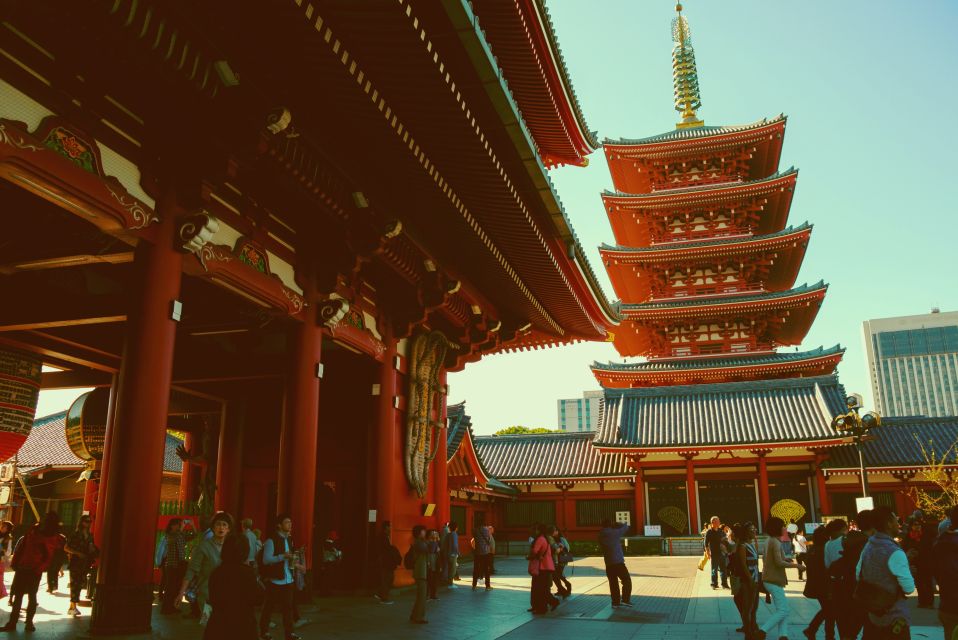
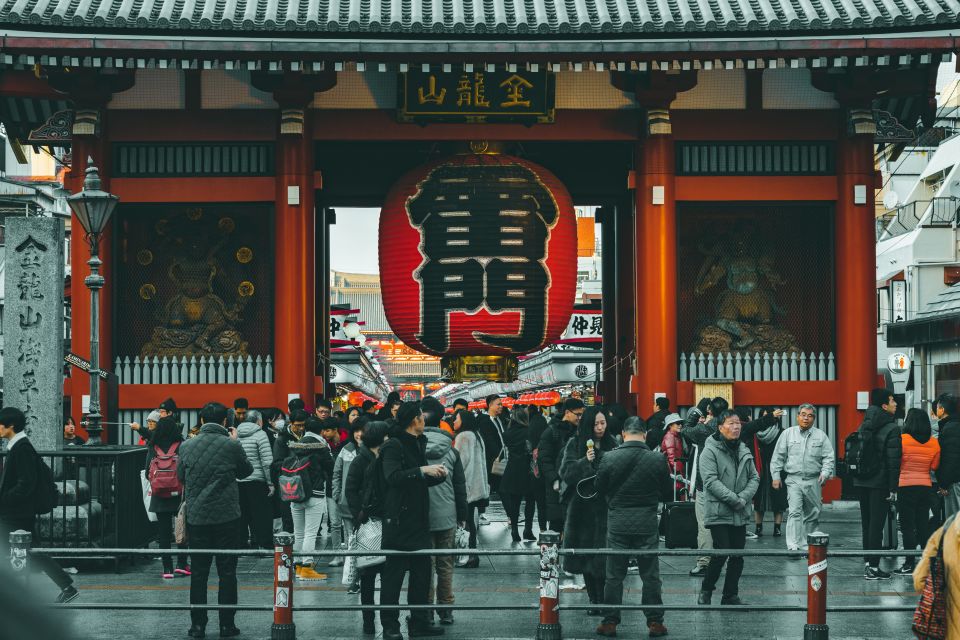
Your tour begins with time in Asakusa—about 45 minutes. This is the warm-up block where you learn how the neighborhood works and what to notice as you walk. Your guide focuses on how Asakusa became what it is, and how much of it still feels “local,” not just staged for visitors.
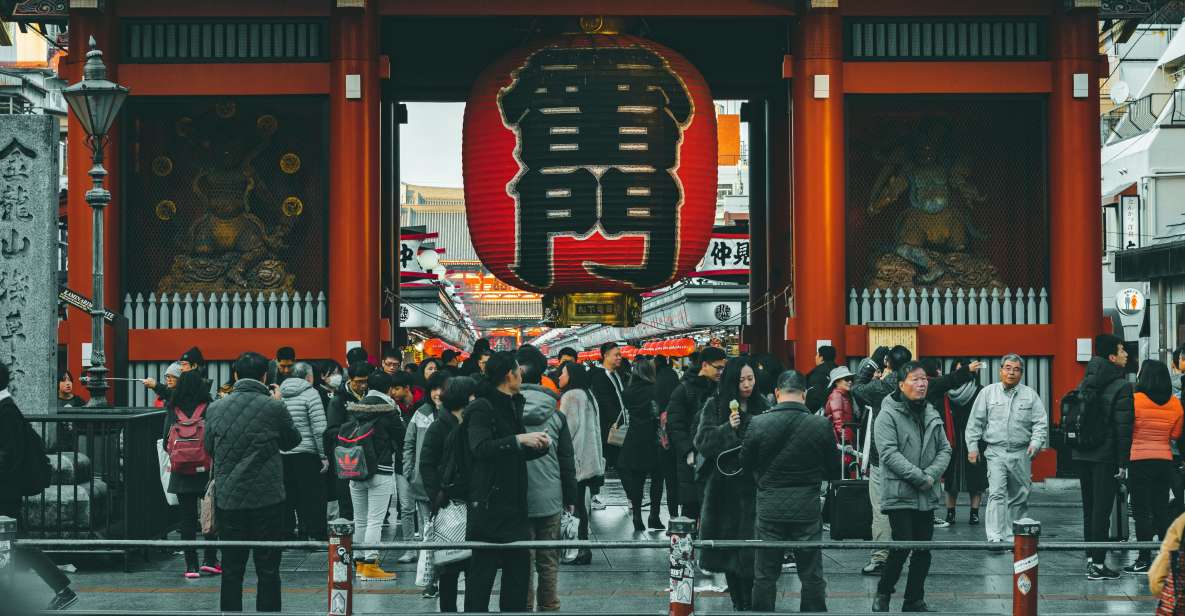
Then you hit Senso-ji for a guided stop (around 15 minutes). The big draw is the temple itself, but the value is what you learn while you’re there—your guide explains the temple’s background and why it’s been important for so long. Even if you’ve seen photos, standing there with context changes the experience fast.
Nakamise-dori is part of the story here too. You’ll stroll through the shopping street atmosphere leading up to the temple. It’s busy, yes, but it’s also the kind of street where you see how tradition and commerce sit side by side. That combination is Tokyo in miniature.
Here’s one fact that makes the stop click: Asakusa wasn’t just connected to the rest of the city in a modern way. About a hundred years ago, Asia’s first subway started operating between Asakusa and Ueno. Your guide uses this to explain why this area always mattered as a gateway—people moved through it, and businesses followed.
Ueno and Okachimachi: market grit, museum streets, and real daily life
After Asakusa, you head toward Ueno for about 25 minutes and then Okachimachi for another 25 minutes. These are two neighborhoods that often get lumped together on maps, but on foot they feel different.
Ueno is where the museums and parks sit close to street-level life, so you get a mix: cultural institutions above, everyday commerce on the sidewalk. Okachimachi adds the market feel—street vendors and shops of all types, the kind of place where you can look at what people actually buy, not just what’s designed for tourists.
This is one of the best parts of the tour if you like Tokyo that doesn’t try too hard. Your guide helps you read the scene: the shop signage, the flow of foot traffic, and how the area functions across generations. It doesn’t feel like an office district that happens to have sights. It feels like a neighborhood where life keeps going.
Timing note: because you’ll be walking through busy shopping areas, this section rewards patience. If you want perfect photos without people in them, you’ll have to be realistic. You’re here for the vibe and the context, not for empty streets.
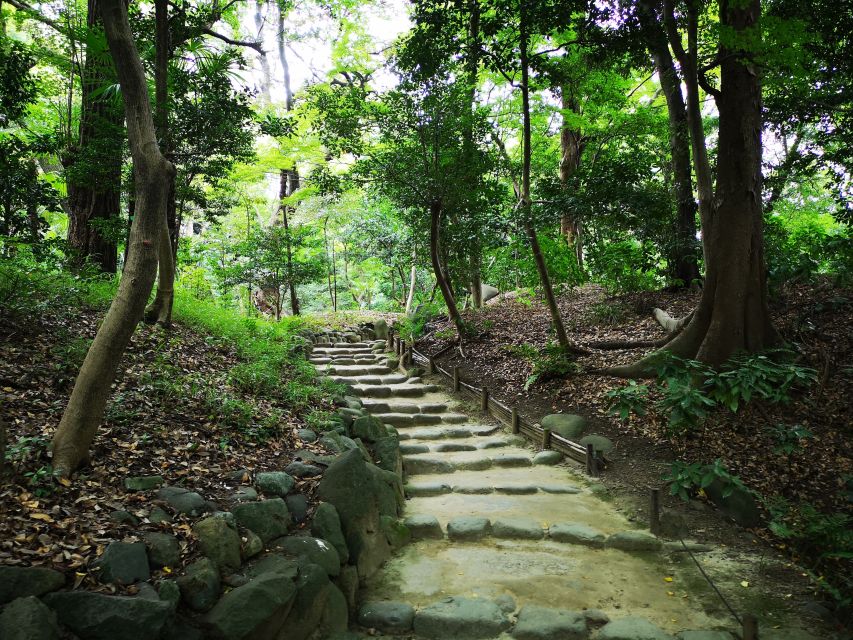
Koishikawa Korakuen: where the city slows down
Next comes Koishikawa Korakuen, with about 45 minutes here. This is your reset button between the high-energy streets and the neon atmosphere later.
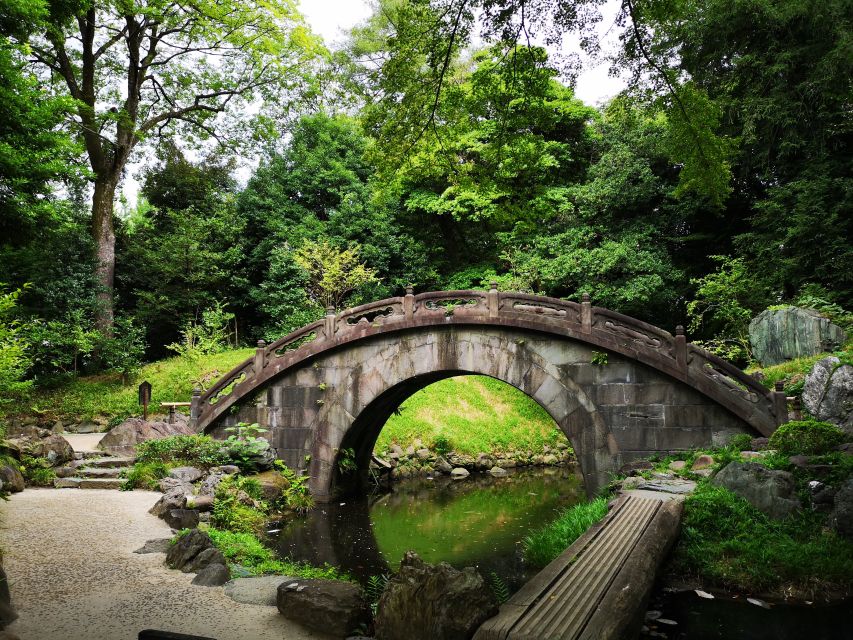
Koishikawa Korakuen is a traditional Japanese garden from the Edo era, and the guide gives you the “how to look” part—what paths mean, how the garden design shapes movement, and why it feels calm even though you’re in Tokyo. You also get a seasonal lens. In spring, cherry blossoms are the big visual event, while autumn brings the more dramatic color shift.
I like that the tour doesn’t treat the garden as a random stop between shopping areas. It’s placed so you can feel the contrast. One moment you’re thinking about markets and crowds, and the next you’re slowing down, watching light move over paths and water features. Even if your attention span is short, this part helps your day feel balanced.
Practical tip: this stop includes scenic views on the way, so wear shoes that handle uneven garden paths. Bring the same mindset you’d bring to a museum walk—take a few minutes to just observe, then follow what your guide points out.





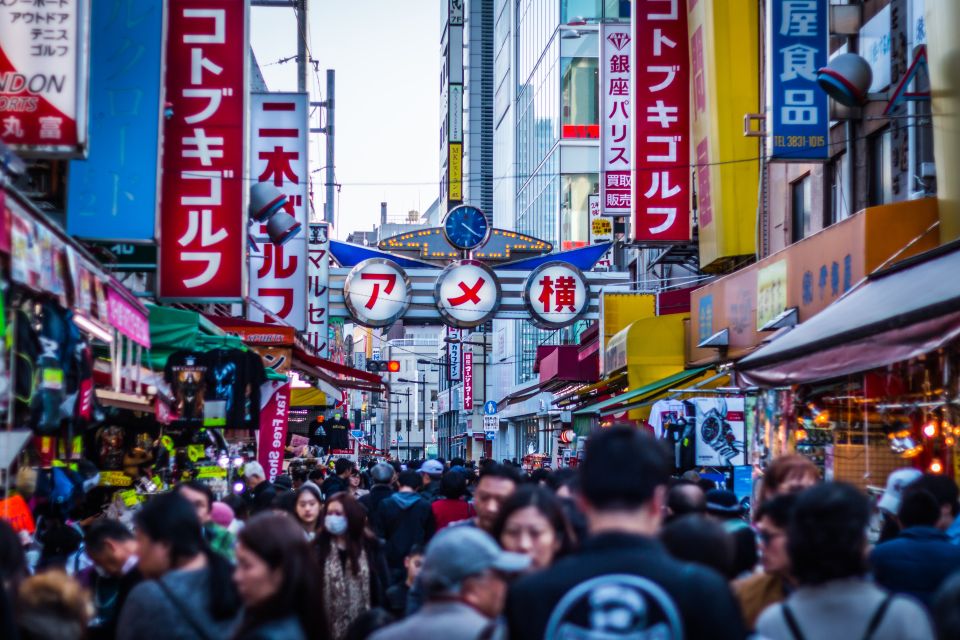
Akihabara: Electric Town, electronics roots, and otaku culture
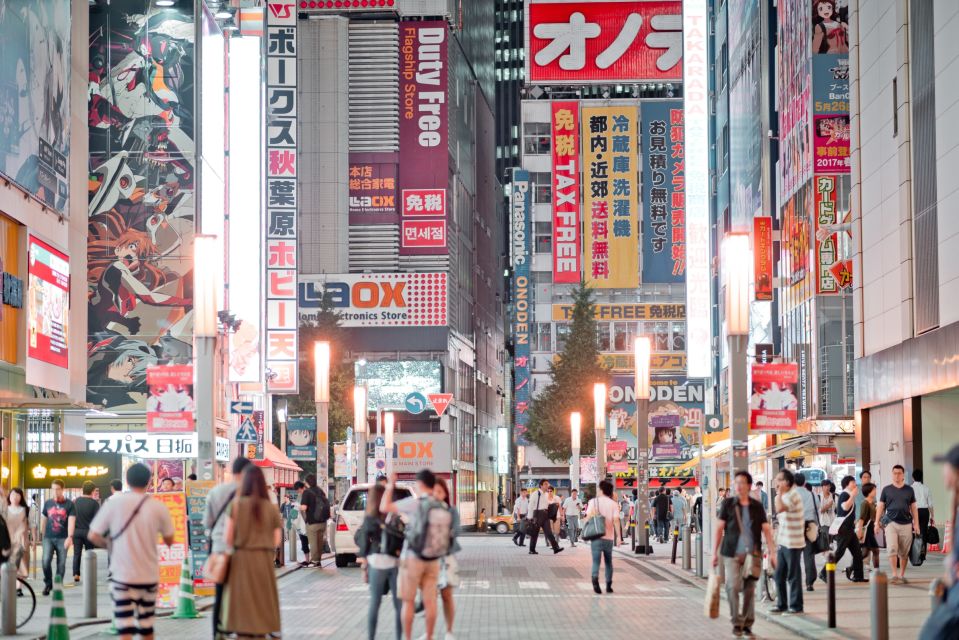
You finish with Akihabara for about 45 minutes. If Asakusa is about the city’s older spine, Akihabara is about the newer obsession: electronics and pop culture.
Your guide explains that Akihabara has been associated with cutting-edge electronics since the pre-war era. Over time, that technical identity turned into a home base for otaku culture—anime, manga, and related fandom. The neighborhood still carries that sense of playful fandom energy, and you’ll likely see cosplayers and pop-culture references while you walk.
What makes Akihabara especially fun on this tour is that it’s not treated like a single theme park. You’re shown how one kind of innovation fed another. The logic is simple: people form communities around what they love, and cities adapt to match.
Also, with a small group, you can manage the flow better. If the group hits a crowded corner, your guide can help you reposition so you keep moving without losing the best sights.
Guides that make the difference: Taka, Michelle, Takee, Toru
A lot of tours have scripts. This one tends to feel more personal because the guide shows up with real energy and question-friendly explanations.
In the guide lineup I’ve heard about here, you’ll run into styles like:
- Taka, who has been credited with lots of information around Asakusa and a very engaging approach.
- Michelle, who has impressed people with professionalism and fluency beyond English, including Italian.
- Takee, who has led groups in a way that kept both kids and adults engaged, with extra activities like origami and even a pub stop added in some cases.
- Toru, praised as very kind and attentive, more like a travel companion than a lecturer.
One practical takeaway for you: if you have a specific angle—history, shopping, anime, or garden design—say it early. A good guide will adjust on the fly, and this route is flexible enough to take questions without throwing the day off.
Price and value at $68: what you’re really paying for
At $68 per person for about 4 hours, this tour is priced in the mid-range for private walking experiences. The value comes from what’s handled for you: guide costs plus standard costs while on tour, including admissions and local train rides.
Food and drinks are not included. That’s common, but it changes how you should plan. For example, if you know you’ll get hungry during the market sections, consider grabbing something before the tour starts or planning a quick stop right after. If you don’t, you’ll be paying more time and energy to “solve lunch” while you’re also trying to enjoy the walk.
Also, if you decide to add the Tokyo National Museum later, its admission isn’t included. The tour itself is designed as a walking loop through several neighborhoods, so don’t expect a museum visit unless you customize your plan.
Overall, the price makes sense if you want:
- a clear route in East Tokyo,
- less “where do I go next?” stress,
- and a guide who helps you connect the dots between old and new.
Pace, logistics, and what to wear
This is a walking tour with guided segments: Asakusa, then Senso-ji, then Ueno/Okachimachi, then Koishikawa Korakuen, then Akihabara. Even when each stop is timed, the transitions add up.
So do this one smart: wear shoes that won’t punish you after an hour. Bring a light layer too, because Tokyo weather can switch moods quickly, and gardens can feel cooler or shadier than the street.
The tour is also wheelchair accessible, and your group is limited to 8 participants. If you travel with mobility needs, this is a real plus because it’s not a giant crowd shuffle where you feel stuck.
Who should book this tour (and who might want something else)
This tour fits you if you want Tokyo’s contrast without jet lag-level planning. It’s great for:
- First-time visitors who want a guided path through multiple districts
- People who like both temples and pop culture
- Families and groups who want an English-speaking guide and a manageable walking schedule
- Anyone who prefers context over just “look at that”
You might choose a different option if you:
- hate walking in crowds
- want a slow, long garden day with no shopping districts
- plan to spend lots of time shopping heavily at every stop (this tour is about the whole story, not maximum shopping time)
Should you book this Asakusa-to-Akihabara private tour?
I’d book it if you want a single, organized way to see East Tokyo’s range in one go. The combination is strong: Senso-ji and Asakusa street culture, market-level Ueno/Okachimachi energy, the calm pause of Koishikawa Korakuen, then Akihabara’s electronics and fandom world.
It’s also the kind of tour where the guide can shape your day. If you land with a guide like Taka, Michelle, Takee, or Toru (names that have come up in past experiences), you’re likely to get both practical explanations and a friendly tone. You still control the day—especially around food, and you can add interests if you want.
If you’re on the fence, think about your priorities. If you want Tokyo’s “old-to-new” connections explained clearly, this is a solid value for $68. If you only care about one theme—just temples or just anime—then a focused tour might feel more efficient.
FAQ
How long is the tour?
It lasts 4 hours total.
Where do I meet the guide?
You meet at Kamiya bar in Asakusa.
What group size is this tour?
It is limited to 8 participants.
Is the tour wheelchair accessible?
Yes, the tour is wheelchair accessible.
What language is the guide?
The live guide speaks English.
What is included in the price, and what is not?
Included: all guide costs and standard costs while on tour, such as admissions and local train rides. Not included: food and drinks, plus admission to the Tokyo National Museum if you choose to go, and any costs from customizing your tour.
What should I bring?
Bring comfortable shoes. This is a walking tour.
More Tour Reviews in Tokyo



Fresh reviews from around Tokyo






Tokyo, compared.
 ★ 5.0Mt Fuji and Hakone 1-Day Bus Tour Return by Bullet TrainFrom $16326,383 reviews
 ★ 5.01-Day Tokyo Bus TourFrom $12914,250 reviews
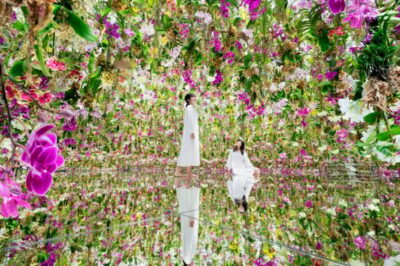 ★ 4.6teamLab Planets TOKYO Digital Art Museum Entry TicketFrom $259,779 reviews
 ★ 4.0Mt Fuji & Hakone Cruise, Drum Show Bullet Train 1 Day from TokyoFrom $1497,413 reviews
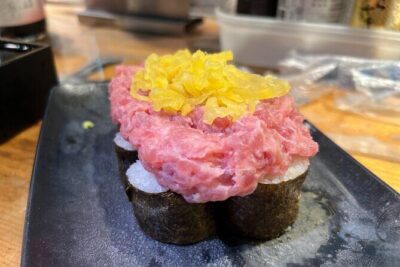 ★ 5.0Shinjuku Food Tour (13 Dishes at 4 Local Eateries)From $866,603 reviews
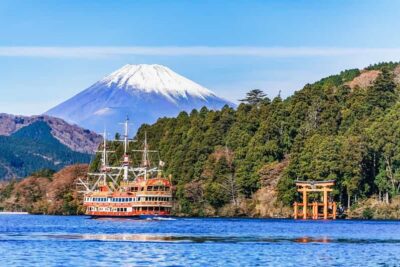 ★ 4.4Tokyo Mt Fuji 5th St & Hakone Cruise Bus Tour w/Bullet TrainFrom $1545,024 reviews
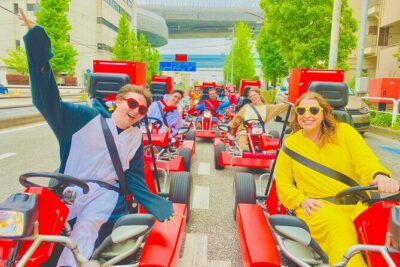 ★ 5.0Flagship 2-Hours Official Street Go-Kart Tour – Tokyo Bay ShopFrom $644,974 reviews
 ★ 4.5From Tokyo: Mount Fuji Full-Day Sightseeing TripFrom $684,970 reviews