
Reviewed · TOKYO
F: Tokyo:Nagano snow monkey/Zenko Ji temple private day tour
Snow monkeys in the wild can change your day fast. This private Nagano outing pairs Jigokudani Monkey Park with Zenko-ji Temple, so you get both playful hot-spring wildlife and a serious dose of Buddhist calm. I like that it’s built around a timed rhythm (two hours at the monkeys, then one at Zenko-ji) and a guide who keeps things moving without rushing. I also like the comfort extras—door-to-door transfers, bottled drinks, and onboard Wi‑Fi—because that matters when you’re leaving Tokyo and spending most of the day in a car. The main drawback to plan for is simple: if the macaques aren’t in the mood (or the weather is rough), you might only get them at a distance.
This is a private group tour for up to 6, run with English-speaking guidance and a customizable itinerary feel. Pickup works from the Tokyo 23 wards and from Nagano/Obuse-area accommodations, so you’re not stuck figuring out trains and transfers on your own. Still, it’s a full day—about 10 hours including commuting—so it’s not the kind of outing you do on a day when you need to sleep in.
In This Review
- Key points I’d circle before you book
- Private pickup, luxury vehicles, and a day that moves at your pace
- Jigokudani Monkey Park: hot-spring macaques and why timing matters
- Zenko-ji Temple: 1,400+ years old, and a calmer kind of sightseeing
- Yudanaka lunch break and Obuse crafts for that local flavor
- How the 10-hour schedule feels: comfort, timing, and realistic expectations
- Price and value: is $499 per group worth it?
- What to bring, what not to do, and who this tour fits best
- Should you book the Snow Monkey and Zenko-ji private day tour?
- FAQ
- How long is the tour?
- Is this tour private?
- Where does pickup and drop-off happen?
- What’s included in the price?
- Are meals or attraction entry fees included?
- Is the guide English-speaking?
- What should I wear or bring for Jigokudani and the day outside?
Key points I’d circle before you book
- Private door-to-door pickup and drop-off from Tokyo 23 wards and Nagano/Obuse-area stays
- Two hours at Jigokudani Monkey Park with a guided visit and time to actually watch the macaques
- Zenko-ji Temple with history and guided context at a site over 1,400 years old
- Comfort on the road: Wi‑Fi onboard, a charger, and bottled drinks (plus coffee/tea/water)
- Smart pace for a 10-hour day: monkeys, temple, then Yudanaka and Obuse for a break and views
- Important weather and footwear prep so you’re not miserable in snow, sleet, or cold wet air
Before you commit, see how this one stacks up against a few Tokyo favourites:
- Mt Fuji and Hakone 1-Day Bus Tour Return by Bullet Train★ 5.0 · 26,383 reviews
- 1-Day Tokyo Bus Tour★ 5.0 · 14,250 reviews
- Tokyo: teamLab Planets TOKYO Digital Art Museum Entry Ticket★ 4.6 · 9,779 reviews
Private pickup, luxury vehicles, and a day that moves at your pace
This tour is designed like a smooth, private transfer day—not a group bus shuffle. You’ll be picked up at a hotel lobby or a station exit/landmark and dropped back at your Tokyo or Nagano location. The provider also calls out luxury vehicle options such as a Toyota Vellfire, Crown, or Land Cruiser (so you’re not squeezing into something tiny).
It runs about 10 hours total, and the schedule is heavy on driving time. You’ll spend around 3.5 hours in the van getting from Tokyo toward Nagano, then another 3.5 hours heading back. The upside? When you’re on a private tour, you can use that time to reset, charge your phone, and not lose your morning to train transfers.
Communication is also handled like an organized service. You’re asked to be ready about 10 minutes before pickup, and the driver can wait up to 60 minutes after the scheduled pickup time. If you want the low-stress version of Japan logistics, this is the kind of buffer that helps.
One more small detail I appreciate: the tour is explicitly customized. You’re not locked into a one-size-fits-all script, even though the main stops are consistent. That’s useful if you want slightly more time for photos, or if you care more about the temple than the town markets.
Jigokudani Monkey Park: hot-spring macaques and why timing matters
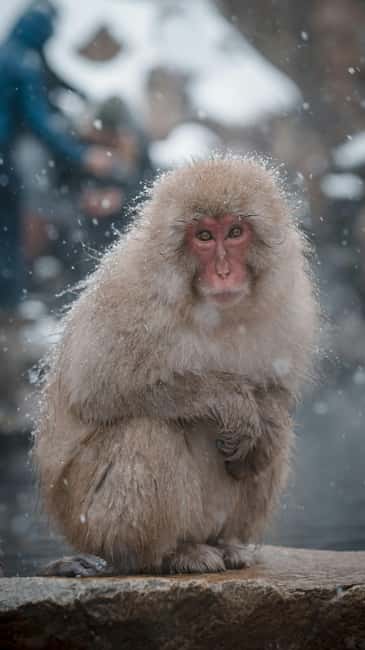
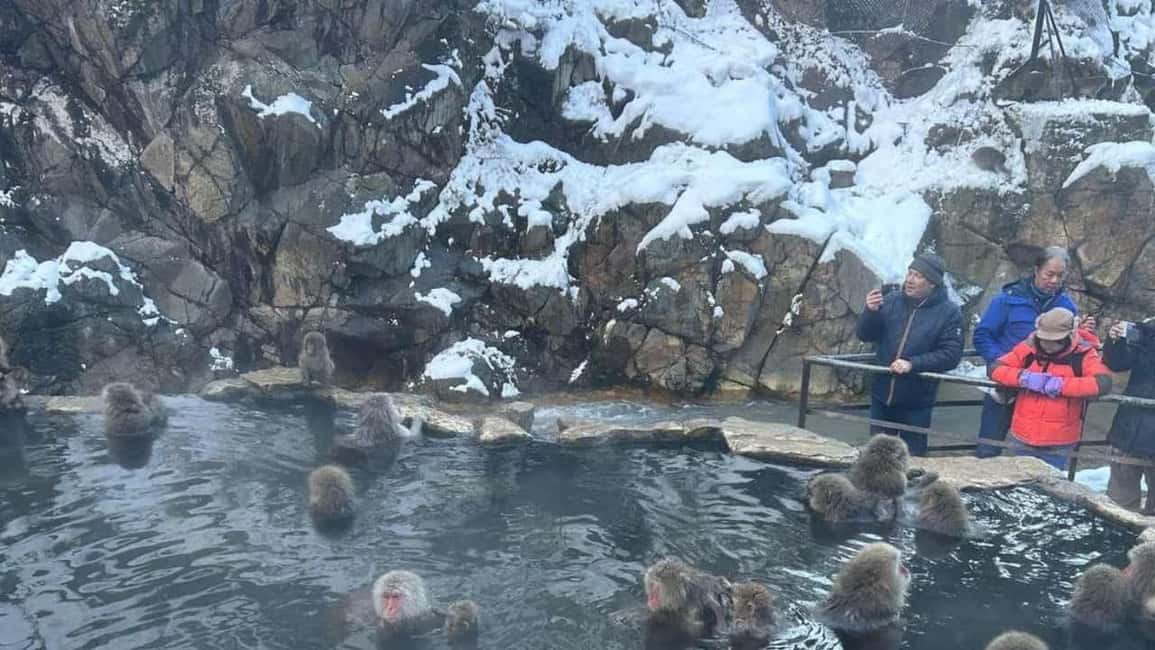
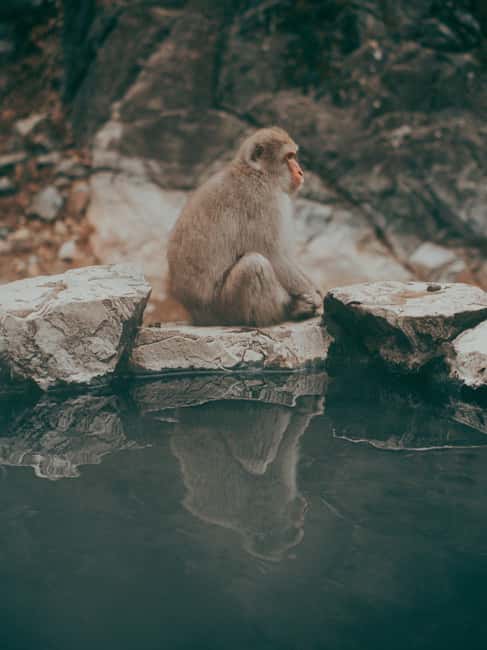
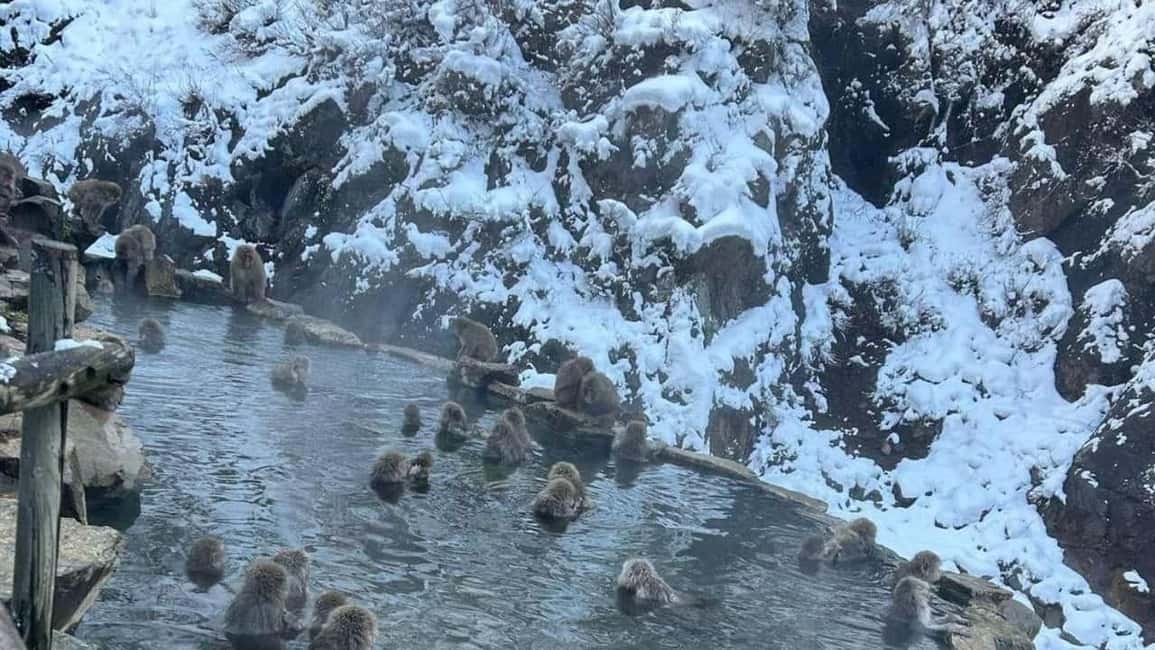
Jigokudani Monkey Park is the star stop, and it’s given about two hours with a mix of photo time and guided touring. This is where you go for the famous Japanese macaques soaking in hot springs, often with snow-laced scenery in colder months. You’re not just walking past exhibits—you’re there to watch behavior: how they scramble, settle in, and react to weather.
Here’s the practical tip: visibility can swing based on season and where the monkeys decide to hang out. One of the best reviews I saw described an amazing winter scene with snow falling and monkeys totally focused on their hot springs. Another review noted that sometimes the monkeys stay farther up and you’ll see them from a distance. So go in expecting that wildlife is wildlife. Your job is to bring patience and good footing.
Cold-weather prep is not optional here. The tour lists warm clothing, warm shoes, waterproof shoes, and even a waterproof bag. If you only bring regular sneakers, you’ll regret it when cold mist or slush shows up. And if you plan to photograph, bring something you can hold steady in slippery conditions—a waterproof camera setup really helps.
Also note the direction on photography: it’s generally allowed, but you should respect any on-site restrictions at cultural or sensitive areas. For monkey viewing areas, the rule is usually simple—don’t crowd, don’t block sightlines, and keep moving when staff ask.
Zenko-ji Temple: 1,400+ years old, and a calmer kind of sightseeing
After the wildlife stop, the tour shifts gears to Zenko-ji Temple in Nagano. You’ll get about one hour there, with photo time plus a visit and guided tour.
The temple is described as a revered Buddhist sanctuary dating back over 1,400 years, and that age shows in how the site feels: it’s not about quick highlights. It’s about walking slowly through spaces where visitors are expected to keep a quieter rhythm. A guide is a big help here, because the value of Zenko-ji isn’t just the architecture. It’s the context—what you’re looking at and why it matters.
The itinerary description also mentions traditional rituals and ceremonies, with time for reflection. Even if you don’t actively join anything, having a guide who explains what’s happening lets you see more than the scenery. When you know what you’re looking at, even a one-hour visit feels complete instead of rushed.
If you get lucky, you’ll have that one good moment of stillness—when the temple crowd thins and you can hear the site rather than your own thoughts. One review praised the guide’s patient temple walkthrough, which is exactly what you want at a place like this: someone who can pace you and answer questions without steamrolling you through.
Yudanaka lunch break and Obuse crafts for that local flavor
After Zenko-ji, the day includes Yudanaka for about one hour with lunch. The tour doesn’t include meals, so you’ll be making your own choices there. That’s not automatically a downside; it usually means you can pick what fits your appetite and dietary needs. Just don’t expect the schedule to become a long food crawl. It’s a break—use it to warm up, eat something simple, and reset before the final sightseeing stop.
Then comes Obuse, also around one hour, with a photo stop, a guided visit, and time at an arts & crafts market. This is a nice counterbalance to the spiritual and wildlife parts of the day. At a market, you can slow down, browse at human pace, and bring home something small that actually feels like Nagano rather than another souvenir shelf.
The best way to use this hour is to pick a target: one snack, one small shop experience, and one item you truly want. If you treat it like a marathon, you’ll end up tired and spending money just to fill space.
One practical point: since meals and shopping aren’t included, plan for small spending at lunch and the market. This is especially important because the day is mostly fixed-time touring, not open-ended wandering.




How the 10-hour schedule feels: comfort, timing, and realistic expectations
Let’s talk pacing. This is not a “drive 30 minutes and hop out” day. It’s a full outing, and the van time is a large part of the plan. You’ll do roughly 3.5 hours each way, then work in the main stops: monkeys (2 hours), temple (1 hour), and stops in between.
Because it’s private, you get two things group tours often don’t deliver:
- You can sit, relax, and not waste energy on navigation.
- Your guide can adjust within reason, based on your comfort and what the day is doing.
Still, there’s a real-world consideration: long car time plus cold weather can make anyone feel a bit cranky by late afternoon. That’s why the included extras matter. You’re getting bottled drinks, Wi‑Fi onboard, and a charger, plus the tour mentions complimentary coffee, tea, and water. Those small comforts keep the day from turning into a test of endurance.
Also, the guide language is English (and guides are noted as fluent in both English and Japanese). If you want extra clarity, having a guide who can explain naturally is a big quality boost. Reviews mention guides like Safraz and Ali, and the common theme is friendliness and patience—especially helpful when you’re trying to take in a temple without feeling lost.
One more caution: the tour is not suitable for pregnant women. If that affects you, look for a less physically demanding alternative.
Price and value: is $499 per group worth it?
The price is $499 per group, with a cap of up to 6 people. That sounds high if you’re traveling solo or as a couple, but it often becomes sensible when you split it.
Here’s how I’d judge the value based on what’s included:
- You’re paying for private transport and door-to-door pickup/drop-off.
- You get an English live guide for the day.
- You receive bottled drinks, onboard Wi‑Fi, and a charger (plus coffee/tea/water noted in the comfort list).
- The itinerary is customized, which matters if you care about pacing and attention.
What isn’t included matters too: meals and attraction entry fees are not covered. So your total spend will depend on what you choose to eat and what fees apply at the sites. The listing also says food and shopping aren’t included, so budget for lunch and Obuse market browsing.
If you have a group of 3–6 adults, this becomes a strong value proposition because the cost per person drops. If you’re only 2 people, it can still be worth it if you really want the convenience of private logistics, but you should expect to pay a premium for that comfort.
What to bring, what not to do, and who this tour fits best
Your packing list is very clear for a reason: snow and cold wet weather are part of the experience when you head for Jigokudani.
Bring:
- Warm clothing and warm shoes
- Waterproof shoes and a waterproof bag
- A waterproof camera if you plan to shoot in snow or mist
Know the rules:
- No smoking
- No alcohol and drugs
The tour also flags a key readiness point: be in your hotel lobby about 10 minutes before pickup time. It’s the small difference between a smooth start and a rushed one.
Mobility and accessibility are something you should check directly. The guide asks you to inform them in advance about mobility concerns or accessibility requirements. If you have luggage, let them know in advance too.
Who this fits best:
- Couples and small families who want a guided day without train hassles
- Wildlife and nature lovers who want a real hot-spring monkey experience
- Travelers who care about cultural context, not just photo stops
- People who value comfort perks during long drive time
Who might want a different option:
- Anyone who can’t handle cold weather and uneven viewing areas
- Pregnant women (explicitly not suitable)
- Anyone expecting meals and attraction fees to be fully covered
Should you book the Snow Monkey and Zenko-ji private day tour?
I think this is a good booking if you want a single day that feels thoughtfully planned and not stressful. The pairing makes sense: monkeys first (high energy, outdoors), then Zenko-ji (calm, indoor/temple walking), and then a practical lunch + an Obuse market stop to break up the day.
Book it if:
- You’re traveling with up to 6 people and can split the cost.
- You want door-to-door convenience from Tokyo or Nagano-area accommodations.
- You like the idea of a guided walkthrough where you understand what you’re seeing.
Skip it or reconsider if:
- You’re going solo and feel the $499 cost would feel too steep after adding meals and entry fees.
- You know you don’t do well with long drive days or cold outdoor walking.
- You need a fully meals-included package.
If you’re flexible on expectations for monkey sightings—remembering that macaques don’t always cooperate—you’ll get a day that’s both fun and meaningful: winter wonder vibes when it’s snowing, and a quiet temple experience that doesn’t feel like a checkbox.
FAQ
How long is the tour?
The tour lasts approximately 10 hours, including commuting time.
Is this tour private?
Yes. It’s a private group tour, and only your group participates.
Where does pickup and drop-off happen?
Pickup and drop-off are available for accommodations within Tokyo’s 23 Wards and Nagano/Obuse: Chuo, Chiyoda, Minato, Shibuya, Shinjuku, Toshima, Taito, Meguro, Bunkyo, Shinagawa, Nakano, Setagaya, Suginami, Ota, Kita, Arakawa, Sumida, Koto, Itabashi, Nerima, Edogawa, Katsushika, and Adachi, plus Nagano/Obuse-area coverage listed. Pickup isn’t available from airports or ports.
What’s included in the price?
Included items are hotel pickup and drop-off, a customized tour itinerary, transportation, bottled drinks, a charger, and onboard Wi‑Fi. Coffee/tea/water are also mentioned as complimentary comfort.
Are meals or attraction entry fees included?
No. Meals and attraction entry fees are not included.
Is the guide English-speaking?
Yes. The tour includes a live guide in English. The guides are also described as fluent in English and Japanese, with translation for other languages available upon request.
What should I wear or bring for Jigokudani and the day outside?
Bring warm clothing, warm shoes, waterproof shoes, and a waterproof bag. The tour also recommends a warm waterproof camera setup if you want photos in snowy or wet conditions.
More Tour Reviews in Tokyo



Fresh reviews from around Tokyo






Tokyo, compared.
 ★ 5.0Mt Fuji and Hakone 1-Day Bus Tour Return by Bullet TrainFrom $16326,383 reviews
 ★ 5.01-Day Tokyo Bus TourFrom $12914,250 reviews
 ★ 4.6teamLab Planets TOKYO Digital Art Museum Entry TicketFrom $259,779 reviews
 ★ 4.0Mt Fuji & Hakone Cruise, Drum Show Bullet Train 1 Day from TokyoFrom $1497,413 reviews
 ★ 5.0Shinjuku Food Tour (13 Dishes at 4 Local Eateries)From $866,603 reviews
 ★ 4.4Tokyo Mt Fuji 5th St & Hakone Cruise Bus Tour w/Bullet TrainFrom $1545,024 reviews
 ★ 5.0Flagship 2-Hours Official Street Go-Kart Tour – Tokyo Bay ShopFrom $644,974 reviews
 ★ 4.5From Tokyo: Mount Fuji Full-Day Sightseeing TripFrom $684,970 reviews