
Reviewed · TOKYO
Experience Nature and Culture Private Day Tour in Nikko
Nikko feels like a reset button. In about 10 hours, you go from Tokyo’s pace into a quiet world of UNESCO sights and big nature moments, guided by an English-speaking driver in an air-conditioned car.
I especially like two things here. First, the English-speaking chauffeur keeps the day smooth and understandable, with explanations mostly while you’re moving between stops. Second, the schedule is built around high-impact places—Nikkō Tōshōgū, Lake Chūzenji, and Kegon Falls—so you don’t spend your whole day commuting.
One consideration: it’s a long day, and some entrances are optional and paid on-site (not included for places like Tamozawa Imperial Villa Memorial Park and Tobu World Square). Also, there’s no separate walking guide, so if you want lots of on-foot narration, you’ll want to be comfortable reading the signs and asking the chauffeur questions in the car.
In This Review
- Key highlights at a glance
- From Tokyo to Nikko, with a chauffeur and a clear pace
- Nikkō Tōshōgū Shrine: the UNESCO centerpiece
- Shinkyo Bridge: short stop, strong photo value
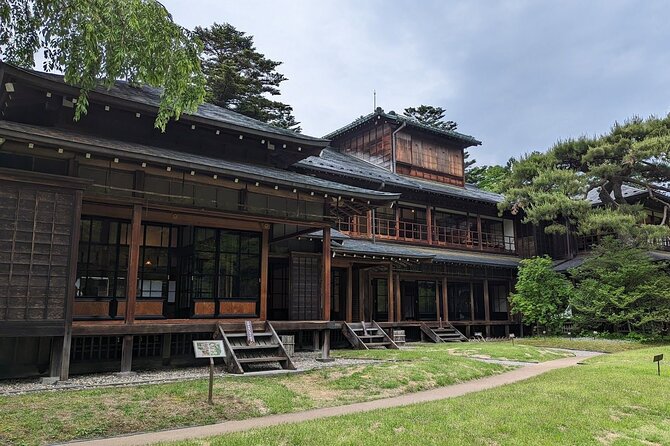
- Nikko Tamozawa Imperial Villa Memorial Park: an architectural change of tempo
- Lake Chūzenji: volcanic origin and a slower scenic stretch
- Kegon Falls: the 97-meter payoff
- Tobu World Square: a fun add-on if you still have energy
- How private up to 3 changes the value
- When the season actually matters (summer vs autumn)
- Practical tips to make the most of the 10 hours
- Should you book this Nikko private day tour?
- FAQ
- How long is the Nikko day tour from Tokyo?
- Is this tour private?
- Does the tour include pickup from Tokyo?
- Are attraction admission fees included?
- Is there an English-speaking guide or driver?
- What’s the cancellation policy?
Key highlights at a glance
- Private group up to 3 means a calmer pace and less waiting around
- English-speaking chauffeur helps you connect the dots between sites
- Lake Chūzenji + Kegon Falls deliver top-tier nature in one go
- Nikkō Tōshōgū Shrine is the cultural anchor of the day
- Optional on-site admissions give you control over how much you pay for add-ons
Before you commit, see how this one stacks up against a few Tokyo favourites:
- Mt Fuji and Hakone 1-Day Bus Tour Return by Bullet Train★ 5.0 · 26,383 reviews
- 1-Day Tokyo Bus Tour★ 5.0 · 14,250 reviews
- Tokyo: teamLab Planets TOKYO Digital Art Museum Entry Ticket★ 4.6 · 9,779 reviews
From Tokyo to Nikko, with a chauffeur and a clear pace
This is the kind of day trip that works because transportation is handled for you. You get pickup offered, bottled water, and an air-conditioned vehicle. Add the chauffeur on board and you can relax while the route threads you out of the city and into the Nikko area.
The day is also designed for a steady rhythm. You’re not bouncing between distant places with constant train hops or transfers. Instead, you move between stops by car, then spend time where you actually want to be: shrines, bridge views, and that famous waterfall area.
Private touring matters more than people think. With a group size capped at your party (up to 3), the timing feels less rigid. If someone needs an extra minute to regroup, you’re not stuck waiting for a large group’s pace.
Nikkō Tōshōgū Shrine: the UNESCO centerpiece
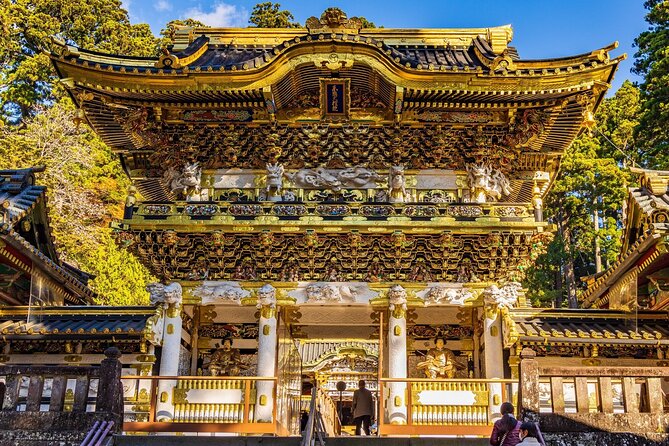
Nikkō Tōshōgū Shrine is the cultural reason many people come to Nikko. It’s a lavishly decorated UNESCO World Heritage site dedicated to Tokugawa Ieyasu, the founder of the Tokugawa shogunate. Since it’s located in a forested shrine area, it feels like a switch flips the moment you enter the complex.
You’ll have about 2 hours here, which is a good amount of time for taking in the architecture and walking the main areas without feeling rushed. Admission at this stop is listed as free, so you can focus on the experience rather than deciding whether it’s worth paying at the gate.
Two practical ways to get more out of this stop:
- Go in with a simple focus: connect the place to Tokugawa Ieyasu and look for the details that support that theme.
- Use car-time Q&A. The tour notes that insights are given mostly between destinations, so ask your chauffeur what to look for before you start walking.
If you love history and symbolism, this is where the day earns its keep. If you’re mainly a nature person, you’ll still appreciate Nikkō Tōshōgū because it sets the context for why the area feels so sacred and calm.
Shinkyo Bridge: short stop, strong photo value
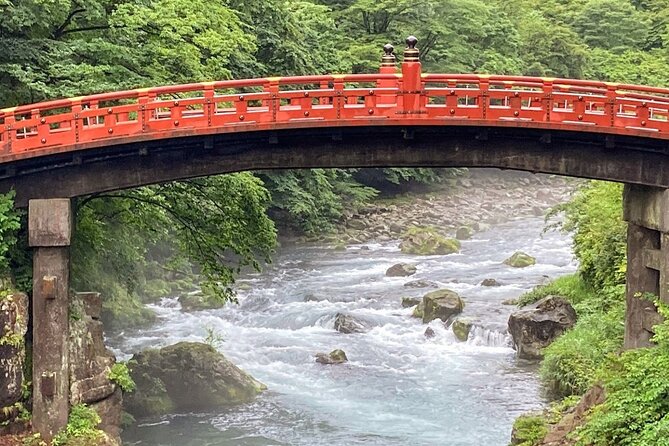
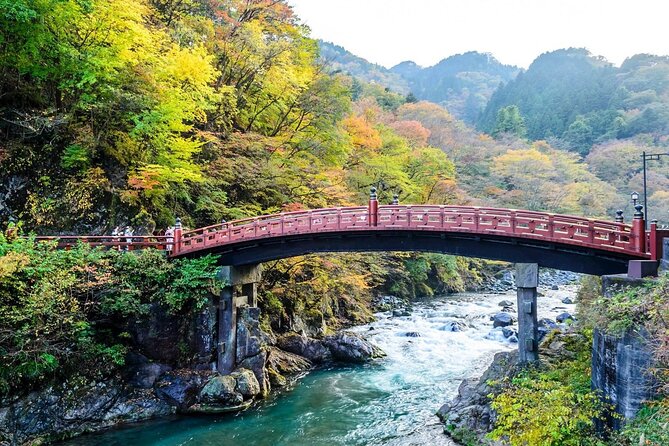
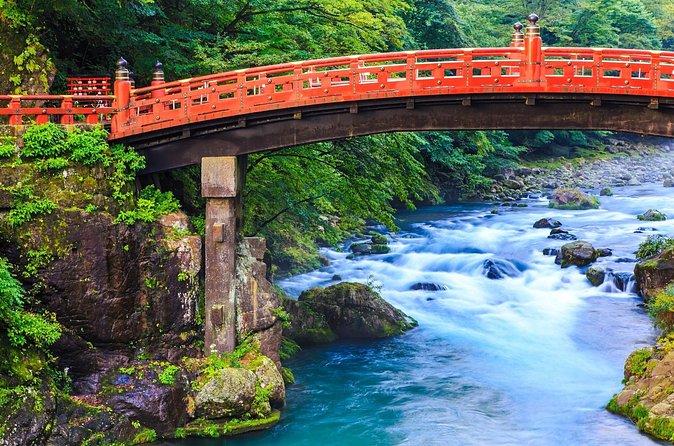
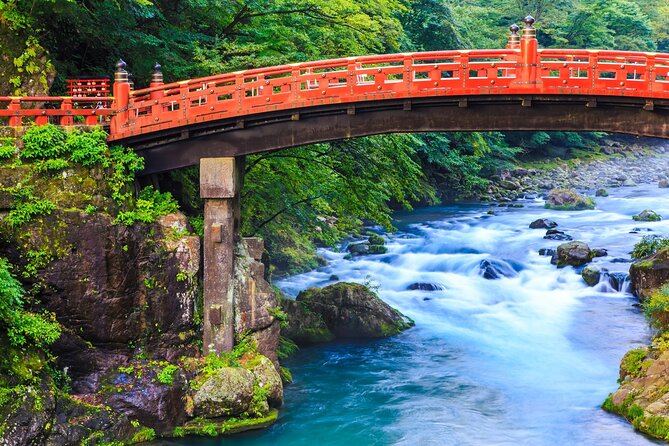
Next up is Shinkyo Bridge, the vermilion-lacquered bridge that spans the Daiya River at the entrance to Nikko’s sacred shrines and temples. It’s considered one of Japan’s most beautiful bridges, and even with limited time, the visual payoff is clear.
You’ll spend about 1 hour here. That’s enough time to take photos, pause, and enjoy the transition from the shrine atmosphere to the river setting. Admission is also listed as free at this stop, which keeps things easy.
The watch-out is simple: bridges are weather-dependent. If it’s raining or visibility is poor, you might feel like you’re mostly taking photos through damp air rather than soaking in the full look. If the weather is good, this stop is a great “breather” between bigger walking areas.
Nikko Tamozawa Imperial Villa Memorial Park: an architectural change of tempo
Tamozawa Imperial Villa Memorial Park offers a different side of Nikko compared to the shrine and bridge. This former imperial residence blends traditional Edo architecture with modern Meiji and Taishō styles, so it feels like a timeline you can walk through.
Plan for about 2 hours. Admission is not included here, so if you want to go inside and see the preserved spaces, you’ll pay on-site. That’s not a bad thing—it’s actually a nice way to keep your spending flexible based on your interests.
Why I think this stop works, even for people who came only for the famous waterfall: it breaks the day into “culture then nature then culture,” and it keeps you from feeling like it’s all the same type of viewing. If you’re the kind of traveler who enjoys how Japanese design shifts across eras, this place will likely feel rewarding.





Lake Chūzenji: volcanic origin and a slower scenic stretch
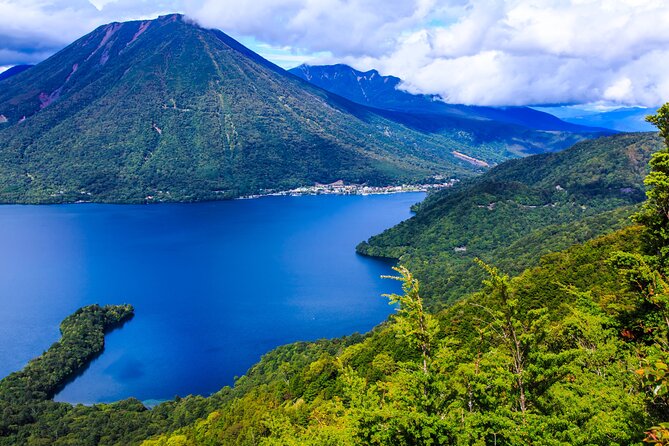
Lake Chūzenji is where the day starts turning more nature-focused. The lake is described as a crater lake formed by a volcanic eruption nearly 20,000 years ago, sitting at the foot of Mount Nantai. That detail matters because it explains why the scenery feels dramatic even when you’re not right next to a mountain peak.
You’ll have about 1.5 hours here, with admission listed as free. This is a good length of time for cooling off, taking in the lake setting, and adjusting to mountain air. The tour information also highlights that you can get cool breezes in summer and stunning autumn foliage—so what you experience at this stop depends heavily on season.
If you’re visiting in fall, this is likely where you’ll feel the “autumn Nikko” vibe most clearly. In warmer months, the benefit is more about comfort—escaping Tokyo heat while still enjoying an easy, scenic pause.
A small reality check: Lake time can be more about your viewpoint and atmosphere than a long walk. If you want heavy hiking, this tour isn’t built for that. If you want scenic soaking-in time with a chauffeur, it fits well.
Kegon Falls: the 97-meter payoff
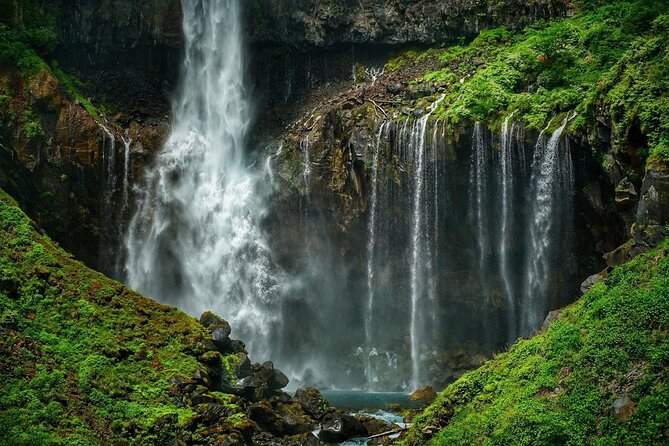
Then comes Kegon Falls. This is one of Japan’s best-known waterfalls, with water plunging 97 meters from Lake Chūzenji into a dramatic gorge. The sheer height is the headline, and once you’re there, it’s hard not to feel the scale.
You’ll spend about 1.5 hours at this stop, and admission is listed as free. The seasonal notes are useful: expect lush greenery in summer and brilliant foliage in autumn. That means you’re not just looking at a waterfall—you’re looking at the seasonal frame around it.
What to consider:
- You may want to arrive with the expectation that this will be your most “wow” photo moment. If that’s the case, plan to take your time first, then move back toward any viewpoint areas afterward.
- If weather is rough, waterfall visibility can change fast. Clouds and mist might make it feel moody, but it can also reduce clarity. In good weather, the 97-meter drop really reads instantly.
For nature lovers and photographers, this stop is the anchor. For culture-first travelers, it’s the perfect counterweight after the shrine complex.
Tobu World Square: a fun add-on if you still have energy
Tobu World Square is the lighter, playful part of the day. It’s described as a theme park featuring over 100 miniature replicas of world-famous landmarks at 1/25 scale—including places like the Eiffel Tower and Statue of Liberty, plus replicas such as the Pyramids of Egy pt. (It’s a “big world” remix done through mini models.)
You’ll have about 2 hours here, but admission is not included. You pay on-site if you choose to go in.
This stop can go two ways depending on you. If you like quirky contrasts—swapping sacred Japan for miniature world monuments—this is a very enjoyable way to end the day. If you’re strictly focused on Nikko’s natural and historical themes, it can feel like a detour. The nice part is that it’s optional in the sense that you control your interest level by deciding whether to pay and how long you stay.
How private up to 3 changes the value
This is priced at $383.07 per group for up to 3 people. That pricing structure matters because it’s not “per person.” If you’re traveling solo, you’re paying the same group rate as two or three travelers would. If you’re traveling with a partner, the cost per head becomes more reasonable. If you’re a small family (or two friends sharing a ride), it often starts to feel like a very fair way to buy time and reduce stress.
I also like that you’re not just buying driving. You’re buying the ability to keep your day organized: pickup offered, English-speaking chauffeur, car-based explanations, and fuel/parking/toll handled. With these big sites spread across Nikko, that “logistics package” is a real part of the value.
One more value signal: this type of tour is typically booked well ahead (on average around 97 days in advance). If you want specific dates—especially for autumn foliage—reserve earlier rather than treating it like a last-minute idea.
When the season actually matters (summer vs autumn)
The tour info gives you at least two concrete seasonal cues. At both Lake Chūzenji and Kegon Falls, the scenery is described as greener in summer and more brilliant in autumn. That means your best-looking day is likely in fall, especially if you’re chasing those famous Nikko autumn colors.
In summer, cool breezes at Lake Chūzenji are a practical perk. You’re still in a full-day schedule, so you’ll want to dress smart for changing temperatures, but having a cooler scenic stop helps you avoid feeling like the day is only “heat + sightseeing.”
For photographers, this is more than comfort—it’s light quality and color. For everyone else, it’s simply a better mood.
Practical tips to make the most of the 10 hours
Here’s how I’d set yourself up for an easier, more enjoyable day with this format:
- Wear comfortable shoes for shrine and waterfall walking. The tour is paced by car, but you still cover key viewing areas on foot.
- Ask your chauffeur questions in the car. Since insights are mostly provided between destinations, you’ll get more value by turning transitions into mini lessons.
- Plan for optional admissions. Nikkō Tōshōgū and Shinkyo Bridge are listed as free, while Tamozawa Imperial Villa Memorial Park and Tobu World Square are not included. Decide your priorities early so you’re not negotiating in the moment.
- Expect a “see the main sights” day. This tour is built for a highlights route. If you want deep hiking or extra temples beyond what’s scheduled, you’d need additional time or a different style of itinerary.
- Traveling with older family members? One of the most praised aspects in the feedback is the driver being patient and kind, which can make a big difference when you need a slower pace or extra time.
Should you book this Nikko private day tour?
If you want a low-stress Nikko day with the big cultural and nature hits in one shot, this is a strong match. It’s especially attractive if:
- you’re traveling with up to 3 people and want to split the group rate,
- you like having an English-speaking chauffeur to smooth out timing and explain what you’re seeing,
- you care about both Nikkō Tōshōgū and the nature pair of Lake Chūzenji + Kegon Falls.
I’d think twice if you’re looking for lots of on-foot guiding and constant walking commentary, because this tour’s insights are mostly delivered while you’re riding. I’d also be selective if Tobu World Square sounds like a skip for you, since it’s included in the schedule even though admission isn’t included.
Overall: this feels like a very practical way to experience Nikko without turning your day into logistics.
FAQ
How long is the Nikko day tour from Tokyo?
It’s approximately 10 hours.
Is this tour private?
Yes. It’s a private tour for your group only, up to 3 people.
Does the tour include pickup from Tokyo?
Pickup is offered.
Are attraction admission fees included?
Some admissions are free at certain stops, but other places have admission fees that are not included and must be paid on-site. The tour notes that entry fees are optional and paid by guests on-site.
Is there an English-speaking guide or driver?
You’ll have an English-speaking chauffeur. The tour information says insights are given mostly while in the car between destinations.
What’s the cancellation policy?
You can cancel for a full refund if you cancel at least 24 hours before the start time.
More Tour Reviews in Tokyo



Fresh reviews from around Tokyo






Tokyo, compared.
 ★ 5.0Mt Fuji and Hakone 1-Day Bus Tour Return by Bullet TrainFrom $16326,383 reviews
 ★ 5.01-Day Tokyo Bus TourFrom $12914,250 reviews
 ★ 4.6teamLab Planets TOKYO Digital Art Museum Entry TicketFrom $259,779 reviews
 ★ 4.0Mt Fuji & Hakone Cruise, Drum Show Bullet Train 1 Day from TokyoFrom $1497,413 reviews
 ★ 5.0Shinjuku Food Tour (13 Dishes at 4 Local Eateries)From $866,603 reviews
 ★ 4.4Tokyo Mt Fuji 5th St & Hakone Cruise Bus Tour w/Bullet TrainFrom $1545,024 reviews
 ★ 5.0Flagship 2-Hours Official Street Go-Kart Tour – Tokyo Bay ShopFrom $644,974 reviews
 ★ 4.5From Tokyo: Mount Fuji Full-Day Sightseeing TripFrom $684,970 reviews