
Reviewed · TOKYO
Exclusive Tokyo Ramen Kitchen Experience
A ramen kitchen in Tokyo beats any food tour.
This one goes further than eating: you get exclusive access inside a top ramen shop and learn how real bowls come together. Two things I really love here are the VIP behind-the-counter look at the kitchen rhythm and the chance to learn the why behind ramen prep from a guide like Frank. One thing to plan for: it’s hot, fast-paced, and not a full-from-scratch cooking class.
You’ll also appreciate the end result: two small bowls of ramen plus two gyoza that actually feel like part of the craft, not a filler tasting. The shop’s reputation helps too, since this ramen place has won multiple awards and runs like a professional operation.
The main drawback is the price-to-time ratio: at $83 for one hour, you’re paying for access and instruction more than a long cooking session. If you want hours of hands-on training and lots of extra food, this may feel short.
In This Review
- Key highlights you can bank on
- Nezu Station to a real Tokyo ramen counter
- Inside the kitchen: what “exclusive access” changes
- The 1-hour rhythm: what happens during your ramen session
- Broth takes 10 hours: the lesson behind the shortcut
- From ingredients to bowls: what you actually do
- Learning ramen like a pro: origins, types, and prep logic
- The food payoff: two bowls plus two gyoza
- Safety and comfort: the “real kitchen” reality
- Price and value: is $83 for one hour fair?
- Who should book this ramen kitchen experience
- Should you book this $83 Tokyo ramen kitchen experience?
- FAQ
- How long is the Tokyo ramen kitchen experience?
- How much does it cost?
- Where do I meet the guide?
- Is this a cooking class where everything is made from scratch?
- What is included with the experience?
- Is the ramen vegetarian?
- What language is the tour guide?
- How big is the group?
- What should I bring?
- Is there free cancellation?
- One last decision tip
Key highlights you can bank on
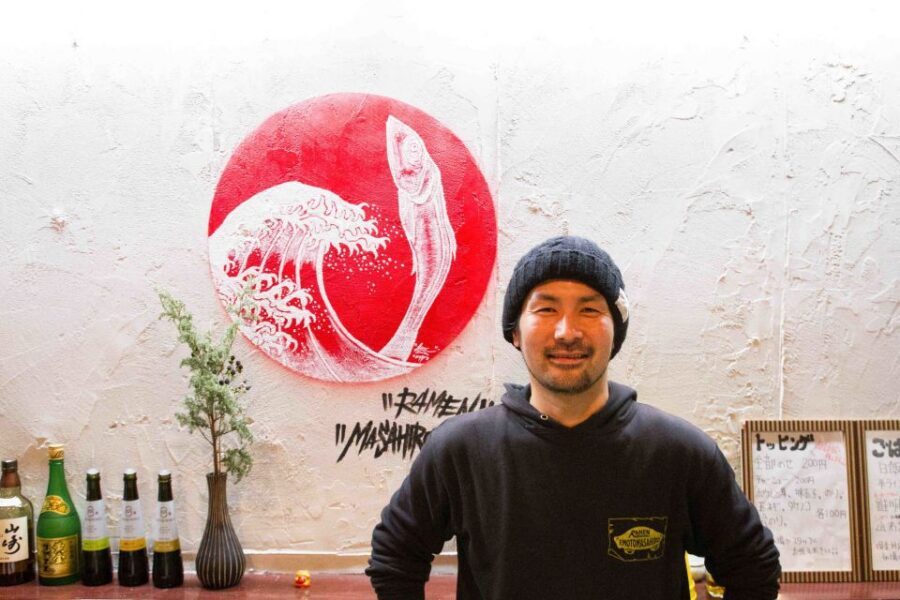
- Hands-on ramen bowl building in an actual ramen shop kitchen, not a classroom setup
- Small group (up to 6), which keeps the pace personal and questions from getting lost
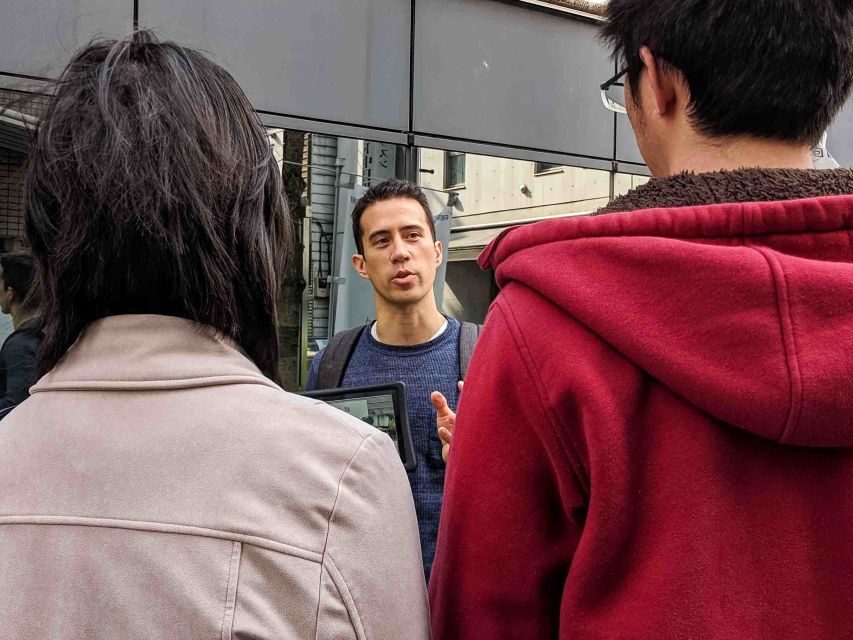
- Live English guide, including ramen-focused explanations from hosts like Frank
- Broth reality check: you learn why it takes around 10 hours even when your prep time is shortened
- You eat what you make: two small bowls of ramen and two gyoza
- Ramen basics you can use later: origins, ramen types, and ingredient roles
Before you commit, see how this one stacks up against a few Tokyo favourites:
- Mt Fuji and Hakone 1-Day Bus Tour Return by Bullet Train★ 5.0 · 26,383 reviews
- 1-Day Tokyo Bus Tour★ 5.0 · 14,250 reviews
- Tokyo: teamLab Planets TOKYO Digital Art Museum Entry Ticket★ 4.6 · 9,779 reviews
Nezu Station to a real Tokyo ramen counter
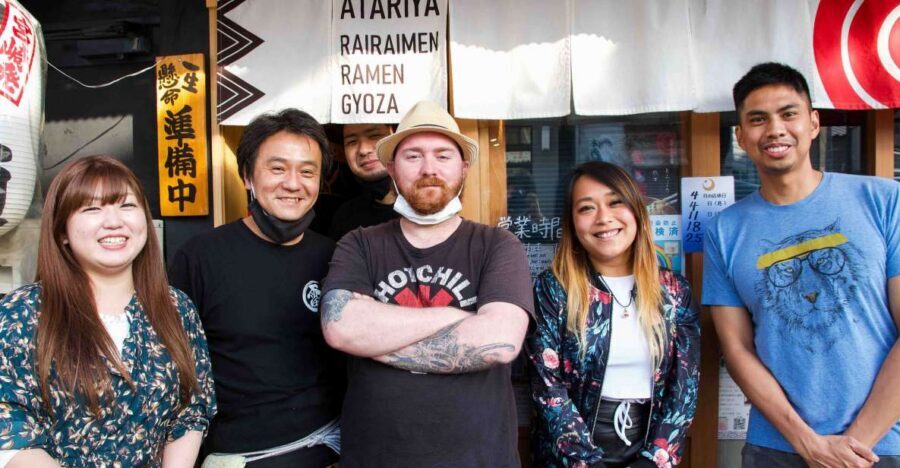
This experience starts at Nezu Station (C 14), Exit 1, in front of the supermarket Akafudado. Your guide will be holding a Tokyo Ramen Tours sign, so you should have an easy visual check-in. From there, you’re headed straight into the ramen shop where everything happens.
What matters here is timing and comfort. You’ll be in a real kitchen environment with hot water and soup, so I’d wear comfortable clothes you don’t mind getting splashed (a little kitchen life is the point). The whole session runs about 1 hour, so treat it like a focused stop rather than a long dinner plan.
Inside the kitchen: what “exclusive access” changes
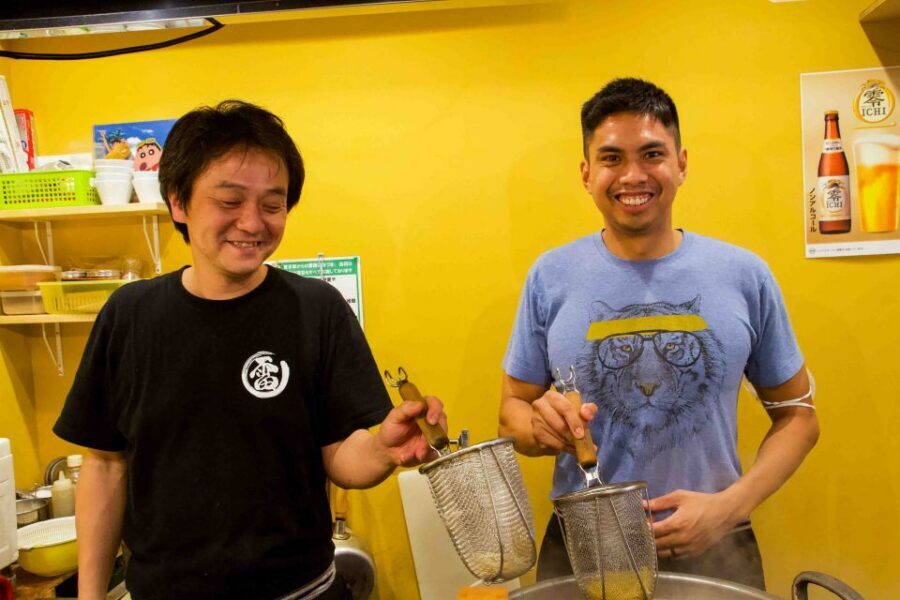
A normal ramen meal is mostly sights from your seat. Here, you experience the other side—sound, motion, and the little choreography that makes service work. The shop has kindly offered exclusive access, something you generally don’t get unless you’re invited behind the counter.
Because it’s a working ramen shop, you don’t see a staged “demo kitchen.” You see what the kitchen does every day: prep flow, station work, and how ingredients are handled. You also learn that ramen is not one simple thing. It’s a system—broth, noodles, toppings, seasoning, and timing—built to work together.
Also note the scope. This is not a full-on cooking class where you make everything from scratch. The process is shortened so you spend time on what matters most: understanding prep, assembling a delicious bowl, and learning the key roles of ingredients.
The 1-hour rhythm: what happens during your ramen session
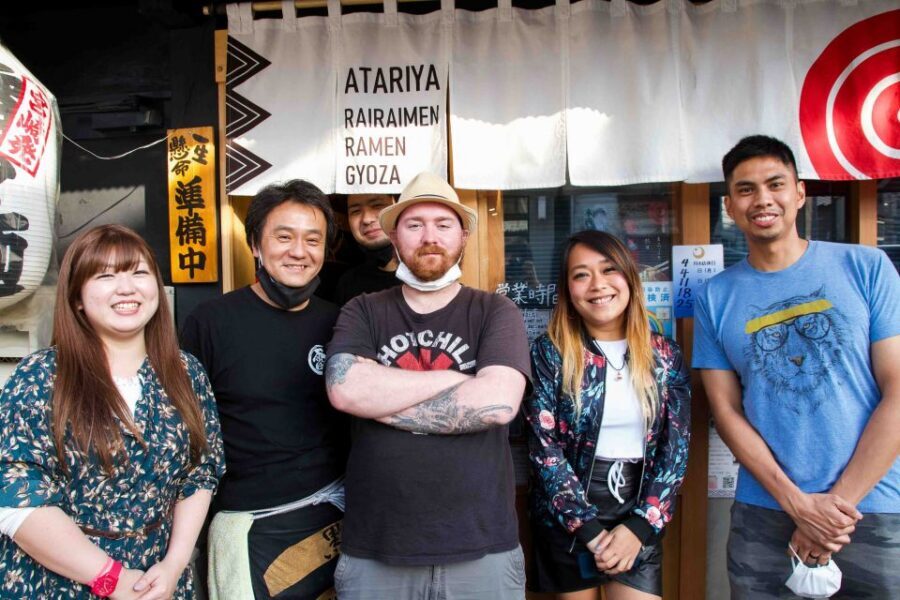
The length is short on purpose. Ramen shops can’t pause their production, and the experience is designed to give you a proper VIP look without turning into a half-day event. Expect a guided flow that moves from learning to doing.
Here’s the typical structure you should expect based on how the experience is described:
- You meet your live English guide and enter the shop and kitchen area.
- The guide explains ramen foundations: origins, common ramen types, and how preparation works.
- You learn ingredient roles and prep steps, including what goes into broth and why it takes so long.
- You assemble your ramen bowl with the kitchen’s direction, focusing on how the bowl comes together properly.
- You eat the meal you made, plus gyoza.
The teaching part is important because it prevents the experience from feeling like a cooking trick. You’re not only assembling food; you’re building ramen understanding—so when you order a bowl later, you’ll know what you’re tasting.
Broth takes 10 hours: the lesson behind the shortcut
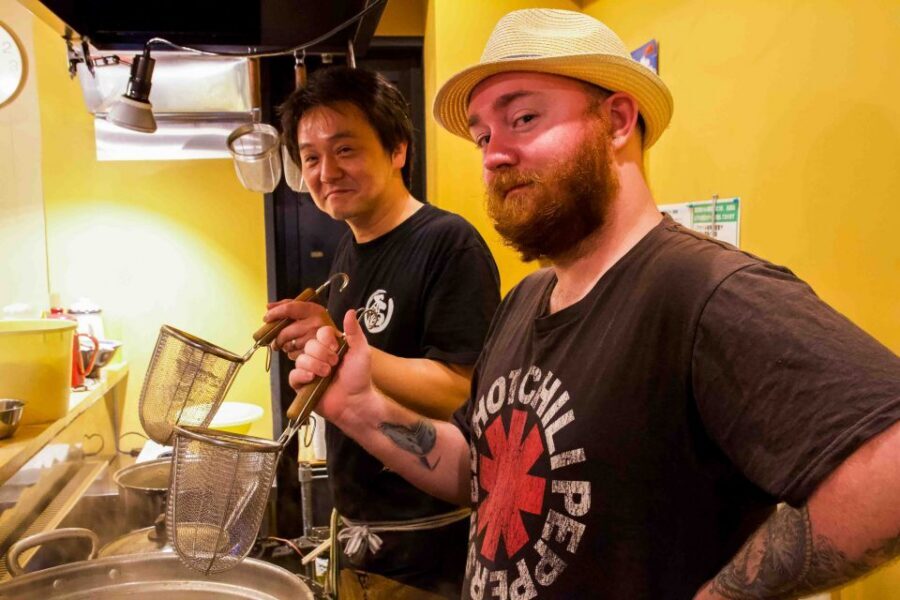
Even though you’re not making broth from scratch, you should take the broth detail seriously. The broth alone takes about 10 hours to make, and that fact explains why ramen shops run like professional systems.
So what do you get in a one-hour experience? You get a clear perspective: you learn what goes into the broth and how the process affects flavor. Then you apply that understanding to the rest of the bowl—how noodles and toppings interact, and why timing and balance matter.
This is also where you can get real value. If you’ve ever wondered why some ramen tastes deeper or more rounded, you now have a concrete starting point: broth time and ingredient purpose.





From ingredients to bowls: what you actually do
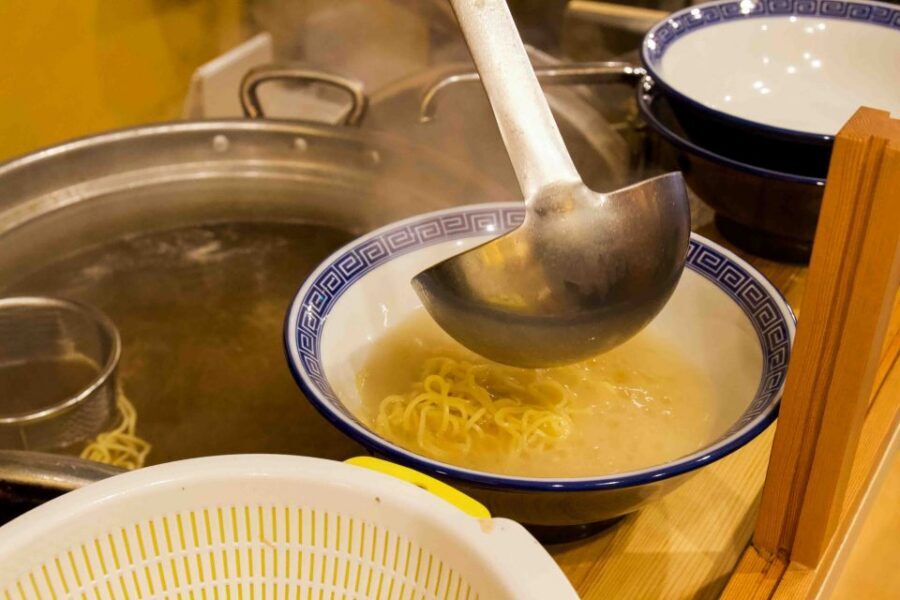
This is the part that most people remember. You don’t just watch—you take part in building ramen. The kitchen experience is set up so guests feel like they’re acting as ramen chefs during the process.
Based on the experience description and feedback, you’ll be taught what each ingredient is for and where it comes from, not just how to assemble it. You’ll also get guidance on the steps that matter for a finished bowl—so your ramen looks right, tastes right, and doesn’t feel like you copied a recipe from the internet.
One practical note: the ramen contains chicken, pork, and fish. That’s listed as part of what’s in the meal, so it’s worth checking your dietary preferences ahead of time.
Learning ramen like a pro: origins, types, and prep logic
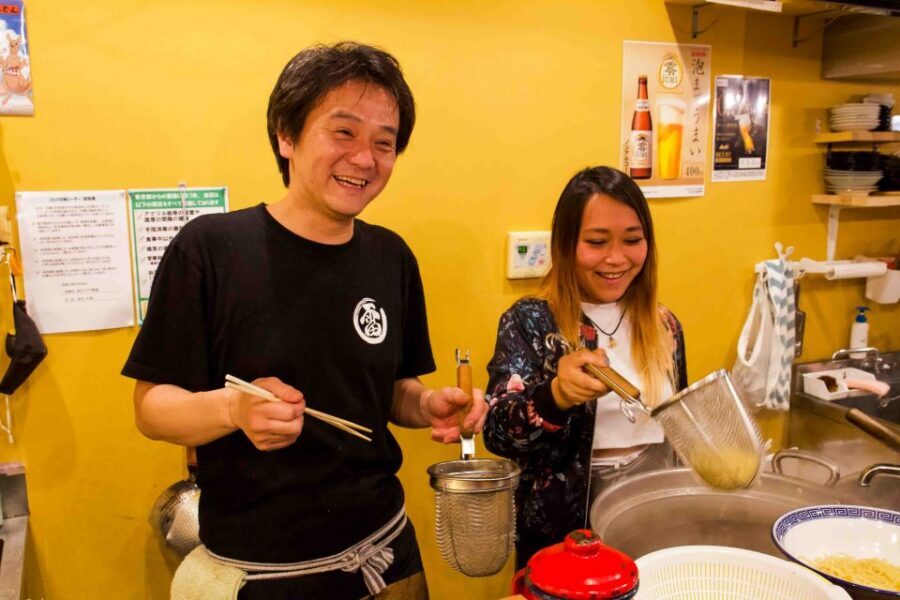
A lot of food experiences tell you what to eat. This one teaches you ramen itself—so you can recognize what makes different bowls different.
You’ll learn:
- Ramen origins (where it comes from and how the dish developed)
- Ramen types (so you can later tell styles apart)
- How ramen is prepared at a shop level
- Ingredient purposes, including their roles in flavor and texture
This matters because ramen can feel confusing when you’re just ordering off a menu. With this knowledge, you start seeing patterns: which element creates depth, what gives body, and why toppings are not random. You’ll also walk away with more respect for the craft. Ramen is humble on the surface, but the workflow is serious.
The food payoff: two bowls plus two gyoza
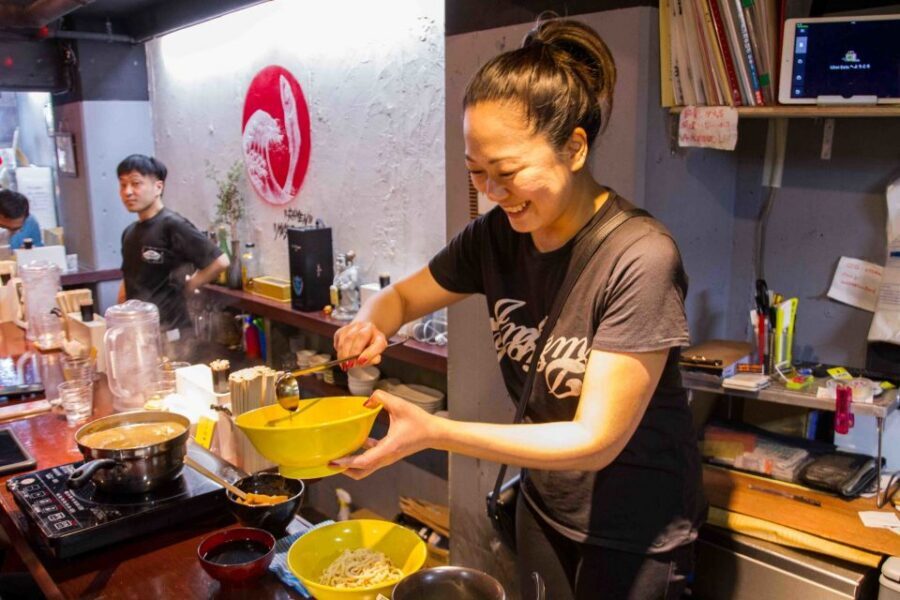
Yes, you get to eat. And the portions are clearly part of the value package: two small bowls of ramen and two gyoza (fried dumplings). That’s a real meal for an hour experience, not just a snack.
The feedback around the bowls is consistently strong—people highlight that these are among the best ramen they had in Japan. While every bowl depends on the day and chef’s approach, you should expect flavorful ramen that reflects the shop’s award-winning reputation.
Gyoza matters too because it adds variety. You get something crisp and fried alongside the warm, savory ramen world.
Safety and comfort: the “real kitchen” reality
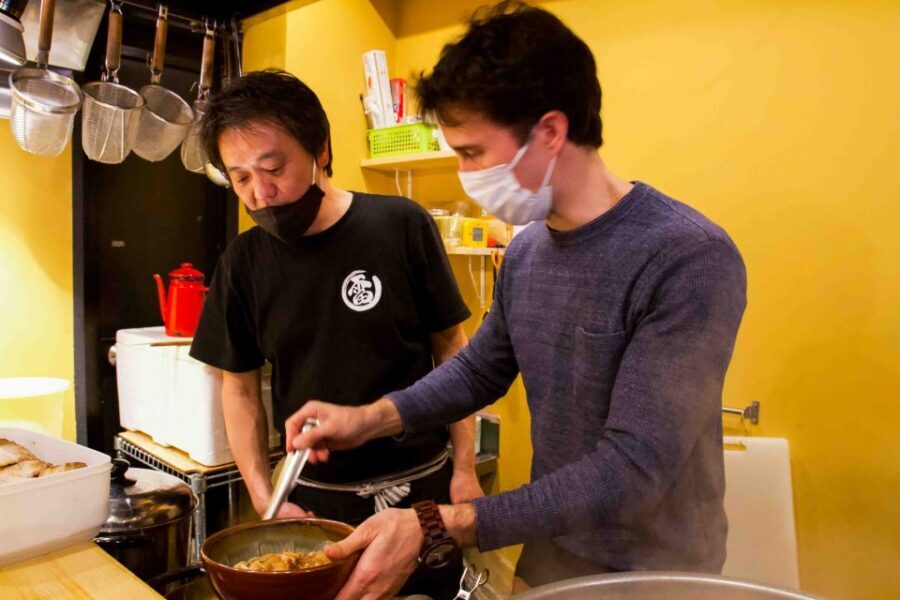
This is not a hands-off experience. It’s set in a ramen shop and kitchen, so you’ll be dealing with hot water and soup. The experience notes explicitly say guests need to be careful.
So what should you do?
- Wear comfortable clothes you can move in.
- Be mindful around steam, hot water, and soup.
- Keep your focus during the kitchen portion, since the pace is designed for a small group.
If you’re traveling with kids, pay attention to the guidance and follow the chef and guide closely. Some groups have included children, and the chef’s careful handling is part of what makes this experience work for families—but safety rules still matter.
Price and value: is $83 for one hour fair?
Let’s talk honestly. $83 per person for about 1 hour is not cheap, especially if you compare it to a regular ramen meal. You’re paying for:
- Exclusive access to a professional ramen kitchen
- A live English guide who explains origins, types, and ingredients
- Hands-on participation, followed by a meal (two ramen bowls and gyoza)
So the value depends on what you want. If your priority is spending the least money on ramen, you’ll find cheaper options in Tokyo. If your priority is doing something truly different—seeing how ramen shops operate and leaving with food knowledge that improves how you order later—this price starts to make sense.
In other words: you’re buying the experience engineering. The broth takes 10 hours to make, but your time is used efficiently. You don’t wait for hours of production; you get the VIP view and a bowl at the end.
Who should book this ramen kitchen experience
Book it if you:
- Love ramen and want more than just a great bowl
- Want to see how a ramen shop kitchen actually functions
- Prefer small groups (this is limited to 6 participants)
- Like food experiences that teach you how to understand what you’re eating
You might skip it if you:
- Want a long, full cooking class where everything is made from scratch
- Have strong dietary restrictions beyond the listed ramen ingredients (chicken, pork, fish)
- Feel price-sensitive and would rather spend your budget on more meals around Tokyo
Should you book this $83 Tokyo ramen kitchen experience?
I think it’s a strong choice if ramen is a main character in your Tokyo trip. The biggest reason to book is simple: you’re not just eating. You’re getting a structured, small-group kitchen look with real instruction about ramen origins, types, and ingredient purpose, then you finish with two ramen bowls and gyoza.
If you’re the type who wants maximum hands-on time, adjust your expectations: this is a behind-the-counter VIP session with a shortened process. But if you want an efficient, memorable way to understand ramen from the inside, this is exactly the kind of Tokyo experience that leaves you with stories—and smarter ordering for the rest of your trip.
FAQ
How long is the Tokyo ramen kitchen experience?
It lasts about 1 hour.
How much does it cost?
The price is $83 per person.
Where do I meet the guide?
Meet at Nezu Station (C 14), Exit 1, in front of the supermarket Akafudado. Your guide holds a Tokyo Ramen Tours sign.
Is this a cooking class where everything is made from scratch?
No. It’s not a full-on cooking class. It’s a behind-the-counter experience with a shortened process so you don’t wait for hours.
What is included with the experience?
You get two small bowls of ramen and two gyoza.
Is the ramen vegetarian?
The ramen contains chicken, pork, and fish.
What language is the tour guide?
The tour is guided in English.
How big is the group?
It’s a small group limited to 6 participants.
What should I bring?
Wear comfortable clothes, since you’re in a kitchen setting.
Is there free cancellation?
Yes. Free cancellation is available up to 24 hours in advance for a full refund.
One last decision tip
If you’re torn between a regular ramen meal and this, pick based on your goal. Want the best possible bowl? Eat ramen on your own. Want the how and why plus hands-on access in a real kitchen? This is the kind of experience that’s worth paying for.
More Tour Reviews in Tokyo



Fresh reviews from around Tokyo






Tokyo, compared.
 ★ 5.0Mt Fuji and Hakone 1-Day Bus Tour Return by Bullet TrainFrom $16326,383 reviews
 ★ 5.01-Day Tokyo Bus TourFrom $12914,250 reviews
 ★ 4.6teamLab Planets TOKYO Digital Art Museum Entry TicketFrom $259,779 reviews
 ★ 4.0Mt Fuji & Hakone Cruise, Drum Show Bullet Train 1 Day from TokyoFrom $1497,413 reviews
 ★ 5.0Shinjuku Food Tour (13 Dishes at 4 Local Eateries)From $866,603 reviews
 ★ 4.4Tokyo Mt Fuji 5th St & Hakone Cruise Bus Tour w/Bullet TrainFrom $1545,024 reviews
 ★ 5.0Flagship 2-Hours Official Street Go-Kart Tour – Tokyo Bay ShopFrom $644,974 reviews
 ★ 4.5From Tokyo: Mount Fuji Full-Day Sightseeing TripFrom $684,970 reviews