
Reviewed · TOKYO
Essential tour for fashion and art in Tokyo for 6 hours with local lunch
Tokyo style hits different in the street.
This is a private, guide-led way to see where Tokyo’s looks are born, from Harajuku’s Takeshita Street energy to Shibuya’s youth style vibe, then onward to Aoyama’s more polished fashion streets. You also get a culture beat at the National Museum of Modern Art Tokyo with a stop at the Craft Gallery, plus time for classic street treats like crepes and shaved ice.
I really like how structured-but-flexible the day feels for your group. Two standouts for me: the private setup (only your party up to 4, with hassle-free pickup offered from your Tokyo hotel) and the guide’s ability to tailor the day to your pace and interests—one guide, Erika, is specifically praised for making it feel easy and family-friendly even when there’s a group of five.
One consideration: the main museums and meals can cost extra. The Craft Gallery admission is listed as not included, and lunch is unclear because the tour description mentions local lunch while the details list Lunch as not included—so you’ll want to confirm what’s covered for your departure.
In This Review
- Key highlights at a glance
- Fashion on a schedule: what the 6 hours are really like
- Takeshita Street: a fast hit of Harajuku style
- Shibuya Cat Street: casual street style with room to wander
- Aoyama Street: where Tokyo style gets sleek
- National Museum of Modern Art Tokyo and the Craft Gallery stop
- Pickup, pace, and private group comfort (up to 4)
- Food, shopping, and what you should budget for
- Price and value: is $450 per group worth it?
- Weather matters: plan for a Tokyo street day
- Who should book this fashion and art tour
- Should you book Travel Assist Japan’s Tokyo Fashion and Art tour?
- FAQ
- How long is the Tokyo fashion and art tour?
- Is this tour private?
- Where is the meeting point, and where do we end?
- Is hotel pickup included?
- What is included in the tour price?
- Is lunch included?
- Do I need to pay for the museum?
- What is the cancellation policy?
- What happens if the weather is bad?
Key highlights at a glance
- Private, up to 4 people: your guide can slow down, point things out, and answer questions without rushing the group.
- Harajuku to Aoyama in one day: street style plus more fashion-forward shopping streets, not just one neighborhood.
- Photo-worthy fashion streets: Takeshita Street and Shibuya Cat Street are built for people-watching.
- Time for street snacks: you’ll have chances for crepes, cotton candy, and shaved ice.
- Craft Gallery stop: a calmer art moment with modern architecture and a practical arts focus.
- 6 hours from a central meeting spot: starts at Hachiko Square in Shibuya and ends back there.
Before you commit, see how this one stacks up against a few Tokyo favourites:
- Mt Fuji and Hakone 1-Day Bus Tour Return by Bullet Train★ 5.0 · 26,383 reviews
- 1-Day Tokyo Bus Tour★ 5.0 · 14,250 reviews
- Tokyo: teamLab Planets TOKYO Digital Art Museum Entry Ticket★ 4.6 · 9,779 reviews
Fashion on a schedule: what the 6 hours are really like
This tour is designed for people who want more than a quick walk-and-scroll. In about six hours, you cover four distinct areas that Tokyo treats very differently: youth-driven street style in Harajuku and Shibuya, then the fashion-and-design tone shift you get around Aoyama, and finally a museum stop that grounds the day with modern art and crafts.
The timing is also the point. Each street segment is long enough for you to actually see patterns in outfits and signage (not just pass through), and then the museum segment gives you an air-conditioned reset if you get tired of the sidewalk hustle. Because it’s private, you’re not stuck following a giant crowd’s pace.
That said, Tokyo’s fashion streets are busy. You’ll want comfortable shoes and a little patience for foot traffic. If you come hoping for quiet galleries the whole time, adjust your expectations: this is a style-focused walking day with real street energy.
Takeshita Street: a fast hit of Harajuku style
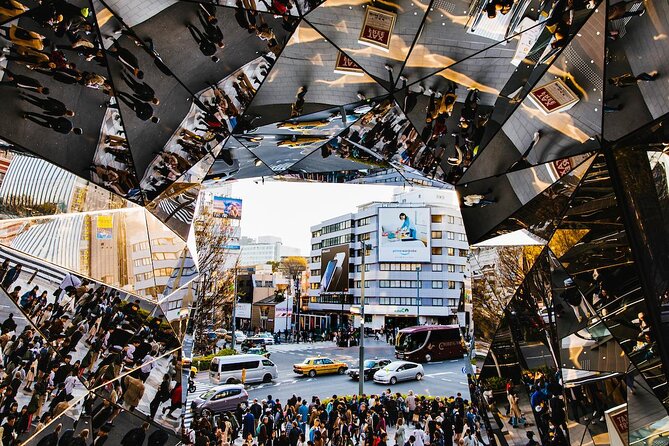
Takeshita Street is the kind of place where you can understand Tokyo fashion in minutes. It’s especially associated with younger looks and playful styling, which is why it’s such a common starting point. You get about 40 minutes here, and admission is free, so your money goes where it should: on what you choose to buy or snack on.
What I like about this stop is that it’s not just shopping. It’s visual culture. You’ll see how brands, casual streetwear, and bold accessories mix together, and how color and fit change from one block to the next. It’s a place where you can learn by watching—how people layer, how they carry bags, and how they treat their outfits like self-expression.
A drawback to keep in mind: Takeshita Street can feel crowded, especially around peak hours. If your group wants space to move and talk, treat this stop as a short “scan and select” moment. Go in with a quick plan like: take photos first, then decide what to try or purchase after you’ve seen the range.
Shibuya Cat Street: casual street style with room to wander
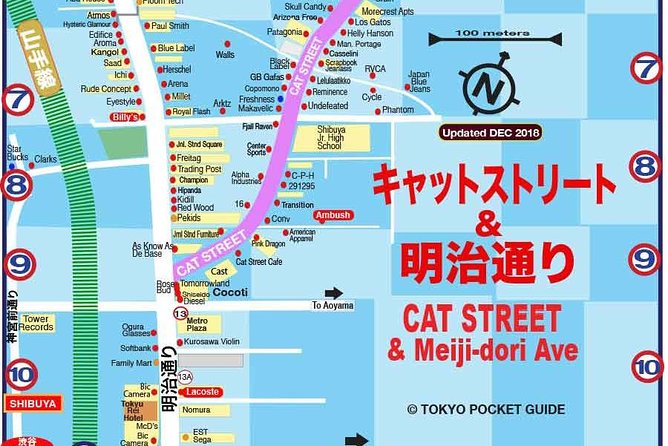
Next is Shibuya Cat Street, and it works as the bridge between loud Harajuku energy and more refined fashion streets. You get about an hour here, again with free admission. The vibe is more casual than Takeshita, so you can look at everyday style choices and streetwear trends without everything feeling maxed out.
This is a great spot for people-watching with purpose. Cat Street is where you’ll start noticing how outfits become more wearable: the kind of denim, sneakers, outerwear, and accessory combinations that look good in real life, not just on a runway. If you’re shopping, this is also often where you can find pieces that won’t look too costume-y back home.
One more thing: the tour’s overall style theme includes classic street foods like crepes, cotton candy, and shaved ice. Even if you don’t buy them, the smell and the flow of snacks are part of the street atmosphere. If you do buy, plan on paying out of pocket—food inclusion is not clearly listed, and lunch is listed as not included.
Aoyama Street: where Tokyo style gets sleek
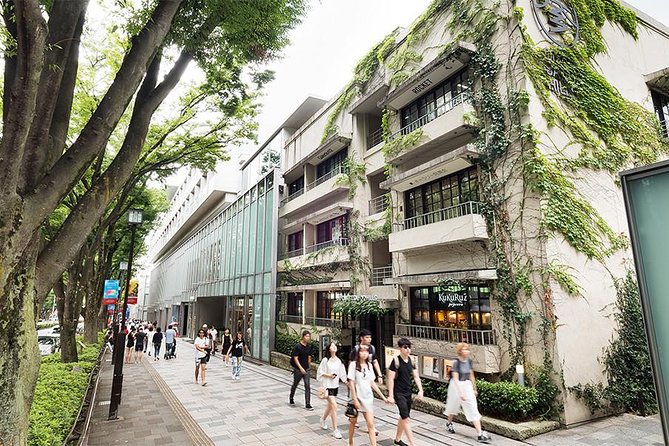
Then you shift gears. Aoyama Street is known as a central fashion area, and in practice it feels calmer and more upscale than the youth-famous streets. You have about 40 minutes here with free admission, which means you can focus on window displays, storefront style, and how the architecture and streetscape influence fashion.
I love this part because it shows Tokyo’s range. You get to compare street-driven looks with a more design-forward shopping style. This is where the day starts to feel balanced: playful streetwear earlier, then a more polished fashion world with clean lines and higher-end signals.
Potential consideration: if your group is obsessed with only street fashion, Aoyama can feel a bit less chaotic—still stylish, but less of that spontaneous, hyper-young energy. It’s worth it anyway for the contrast. Tokyo’s fashion isn’t one lane, and this stop makes that clear fast.





National Museum of Modern Art Tokyo and the Craft Gallery stop
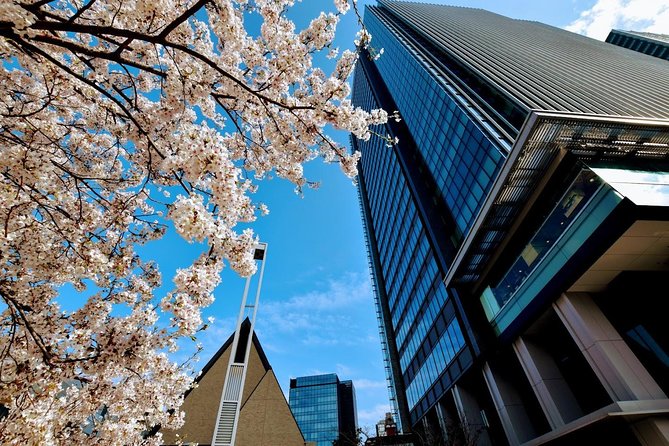
After the streets, the tour moves into an art pause at the National Museum of Modern Art Tokyo, specifically the Craft Gallery. You get about 1 hour here, and admission is not included.
This stop matters because it keeps the day from becoming only fashion shopping and sidewalk snacks. Modern art spaces also help you reset your brain. Plus, the building’s architecture is described as a draw, which makes the museum stop feel like a destination, not just a restroom break.
If you’re wondering what to expect: think of this as the craft-and-design side of Tokyo. Even if you’re not an art specialist, craft displays tend to be approachable—materials, techniques, and objects you can look at up close. Pair that with what you’ve seen outside: Tokyo’s styling isn’t random. Patterns, materials, and design thinking show up both in fashion and in crafted objects.
Main caution: the museum ticket cost isn’t included, so budget extra for entry. And since this is part of your 6-hour timeline, wear layers. Museums can swing in temperature depending on the space.
Pickup, pace, and private group comfort (up to 4)
This tour is set up as a private tour exclusively for your party, up to 4 people. That’s a big deal in Tokyo, where efficient route planning can make or break a walking day. You’re not stuck with other groups slowing you down, and your guide can adjust if someone needs extra time at a storefront or wants a different direction based on what they’re into.
Pickup is offered from your Tokyo hotel, which is especially helpful if you’re not staying near Shibuya or you just don’t want to think about transit transfers. The tour also starts at Hachiko Square (Shibuya) and ends back at the same meeting point, which keeps the logistics tidy.
Pace is described as moderate physical fitness. That’s a polite way of saying: expect walking, crowded sidewalks, and some standing. If your group includes kids or older relatives, this private format becomes even more valuable—you can ask your guide to structure breaks into the schedule.
One practical detail: the tour uses a mobile ticket. It’s convenient, but do make sure you can access it on the day (battery, screen brightness, and data or offline access).
Food, shopping, and what you should budget for
You’ll get time for street foods associated with the style stops—crepes, cotton candy, and shaved ice are named as examples. That’s a fun part of the experience because these treats match the youth street culture you’re seeing. Still, don’t assume these are paid-for. Lunch is listed as not included, and only the local guide fee is clearly included.
For budgeting, think in layers:
- Tour fee (private guide)
- Optional museum admission at the Craft Gallery
- Your street snack choices
- Lunch, unless you confirm it’s actually included for your group
If you want the best value, come in with a clear shopping mindset. If your goal is just browsing and photos, you’ll spend less. If you want to buy pieces, set a limit before you go. Takeshita and Cat Street make it easy to get carried away.
Price and value: is $450 per group worth it?
At $450 per group (up to 4) for about 6 hours, the price is basically for a guide plus route planning and private time. Here’s the math that matters: if you’re a group of four, you’re effectively splitting the cost into something more reasonable per person. If you’re just one or two people, you’ll feel the private premium more.
So who gets the best value?
- Friends or small families who want a guided style hunt with fewer interruptions
- Fashion-minded travelers who want explanations and context, not only pictures
- People who prefer hotel pickup and hate transit math on vacation
What you should weigh: some key extras are not included, like museum admission and likely meals. That doesn’t make it a bad deal. It just means you shouldn’t compare it to a tour that wraps every ticket and lunch into the price.
The bigger value is the contrast: you’re covering multiple neighborhoods plus an art stop, all with a guide who can connect what you’re seeing. That’s harder to replicate on your own in the same smooth sequence.
Weather matters: plan for a Tokyo street day
This experience requires good weather. That’s not a small detail. When you’re walking through street-fashion areas, rain can change the day quickly: crowds get different, outdoor browsing gets slower, and you’ll want to adjust your comfort level.
Also, the tour is described as ending back at the meeting point, so you’ll still want to be ready to return even if the day’s energy shifts due to weather.
If you’re booking far ahead (and it’s commonly reserved in advance), try to pick a date where your schedule is flexible. You’ll be happier if you don’t lock yourself into a single rainy afternoon.
Who should book this fashion and art tour
This tour fits best if you:
- Love Tokyo street fashion and want to compare Harajuku, Shibuya, and Aoyama in one day
- Want an art stop that connects to design and craft rather than only sightseeing
- Prefer a private experience where a guide can tailor the day for your group
It’s less ideal if you:
- Only want museum time and quiet galleries
- Plan to rely on your guide for every cost (museum entry and meals are not clearly included)
- Want a slow, low-walking day with lots of sitting
If you’re a solo traveler, you can still book it, but look at the value through the lens of “Am I paying for a guide plus convenience?” If you’re traveling as a couple or small group, the price usually starts to make more sense.
Should you book Travel Assist Japan’s Tokyo Fashion and Art tour?
I think you should book this if Tokyo fashion is high on your trip agenda and you want a guided, organized path through the neighborhoods that actually shape style. The private format, the sensible mix of street stops and the Craft Gallery art hour, and the practical hotel pickup option make it feel built for people who want less guesswork.
Skip it or at least confirm inclusions if you’re counting on lunch being provided and you don’t want to add museum admission costs later. Also, make sure you’re comfortable with walking in busy areas.
If your group likes to shop, take photos, and ask questions as you go, this tour gives you a clean day structure and a guide who can keep the experience feeling personal.
FAQ
How long is the Tokyo fashion and art tour?
It runs for about 6 hours.
Is this tour private?
Yes. It’s a private tour exclusively for your party, with up to 4 people.
Where is the meeting point, and where do we end?
You meet at Hachiko Square 2 Chome-1 Dogenzaka, Shibuya, Tokyo, and the tour ends back at the same meeting point.
Is hotel pickup included?
Pickup is offered from your Tokyo hotel.
What is included in the tour price?
The local guide fee is included.
Is lunch included?
The details list Lunch as not included, even though the tour description mentions local lunch. It’s worth confirming what’s included for your specific booking.
Do I need to pay for the museum?
Yes. Admission to the National Museum of Modern Art Tokyo, Craft Gallery is not included.
What is the cancellation policy?
Free cancellation is available up to 24 hours in advance for a full refund.
What happens if the weather is bad?
If it’s canceled due to poor weather, you’ll be offered a different date or a full refund.
More Tour Reviews in Tokyo



Fresh reviews from around Tokyo






Tokyo, compared.
 ★ 5.0Mt Fuji and Hakone 1-Day Bus Tour Return by Bullet TrainFrom $16326,383 reviews
 ★ 5.01-Day Tokyo Bus TourFrom $12914,250 reviews
 ★ 4.6teamLab Planets TOKYO Digital Art Museum Entry TicketFrom $259,779 reviews
 ★ 4.0Mt Fuji & Hakone Cruise, Drum Show Bullet Train 1 Day from TokyoFrom $1497,413 reviews
 ★ 5.0Shinjuku Food Tour (13 Dishes at 4 Local Eateries)From $866,603 reviews
 ★ 4.4Tokyo Mt Fuji 5th St & Hakone Cruise Bus Tour w/Bullet TrainFrom $1545,024 reviews
 ★ 5.0Flagship 2-Hours Official Street Go-Kart Tour – Tokyo Bay ShopFrom $644,974 reviews
 ★ 4.5From Tokyo: Mount Fuji Full-Day Sightseeing TripFrom $684,970 reviews