
Reviewed · TOKYO
EDOCCO Tea House–A Quick Dive into Japanese Traditional Culture
A one-hour Japan lesson with real hands-on arts.
I love the way EDOCCO brings together tea ceremony and multiple traditional crafts in a small, well-run studio setting. I also like the small-group feel—there’s enough attention to actually try things, not just watch. One note: if you’re a serious dance fan, the Japanese dance portion can feel brief inside the tight 1-hour schedule.
You’ll meet in Sotokanda (Chiyoda City), then move through the activities with English explanations, so it works even if your Japanese is zero. Expect a calm pace for learning matcha, doing calligraphy, folding origami, and dressing in kimono, all without needing extra planning time in your day.
If you want a quick cultural “start here” experience for Tokyo—something more fun than a museum stop—this is a smart pick. If you’re craving long performances or deep, multi-hour training, you may want to pair it with other longer activities.
In This Review
- Key things to know before you go
- Your first 30 minutes at EDOCCO Studio in Sotokanda
- Matcha and Japanese sweets: tea ceremony basics you can actually use
- The Japanese dance show: cultural context in English, not just dancing
- Kimono cosplay: dressing up as a shortcut to better photos and better memory
- Shodo calligraphy and origami: two classic skills with a keep-it experience
- Price and scheduling: is $72.48 worth it for a one-hour class?
- Who this fits best (and who may want a different option)
- Should you book EDOCCO Tea House?
- FAQ
- How long is the EDOCCO Tea House experience?
- What does the price include?
- What is not included?
- Where do I meet for the experience?
- Is the experience offered in English?
- How many people are in the group?
- How far in advance should I book?
- Do I get a ticket on my phone?
- What happens if the weather is bad?
- Is free cancellation available?
Key things to know before you go
- Edo-style studio vibe: a restored space designed to feel like you stepped into an older Tokyo.
- English support throughout: explanations are provided in English, including for the dance show.
- Make your own keepsakes: you’ll leave with calligraphy practice and an origami creation.
- Kimono cosplay time: you’ll dress in traditional garments for the experience (and photos).
- Matcha + sweets are included: plus you get a clear tea-ceremony intro that fits beginners.
- Max 20 people: the group size stays small enough for real guidance during workshops.
Before you commit, see how this one stacks up against a few Tokyo favourites:
- Mt Fuji and Hakone 1-Day Bus Tour Return by Bullet Train★ 5.0 · 26,383 reviews
- 1-Day Tokyo Bus Tour★ 5.0 · 14,250 reviews
- Tokyo: teamLab Planets TOKYO Digital Art Museum Entry Ticket★ 4.6 · 9,779 reviews
Your first 30 minutes at EDOCCO Studio in Sotokanda
The whole experience starts at the EDOCCO address in Sotokanda, Chiyoda City—right in central Tokyo, and described as near public transportation. That matters because this isn’t the kind of activity where you want to fight for time with complicated last-mile directions. You arrive, get oriented, and then you’re moved step-by-step through the cultural stations.
I like that the format feels structured but not stiff. You’re not just sitting through demonstrations—you’re doing. In that first block of time, you’ll begin with the tea setting and then transition into the other arts. The studio environment is set up to match the theme: an Edo-style atmosphere where the rituals and crafts make sense together.
A practical point: keep expectations realistic. Since the total duration is about 1 hour, the pacing is intentionally tight. You’ll learn the basics, do the activities, and get enough guidance to understand what you’re doing—but it won’t turn into hours of practice.
Also, the booking is small-group (maximum 20). That’s a big deal in Tokyo, where many “cultural shows” feel like a lecture with photo ops. Here, the format is more like a short lesson with participation, which is why it lands well for first-timers, families, and people who just want a memorable start to their Tokyo trip.
Matcha and Japanese sweets: tea ceremony basics you can actually use
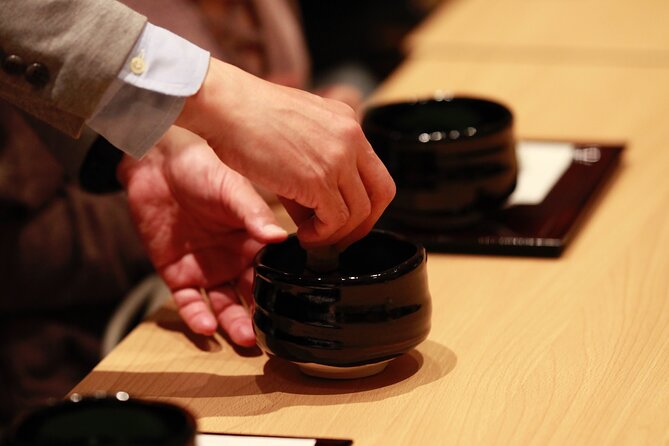
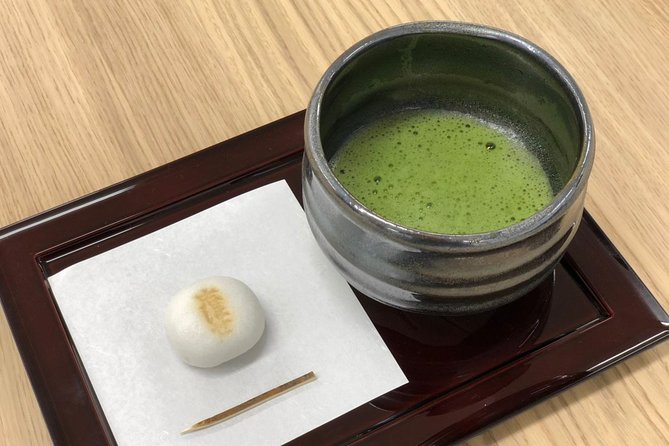
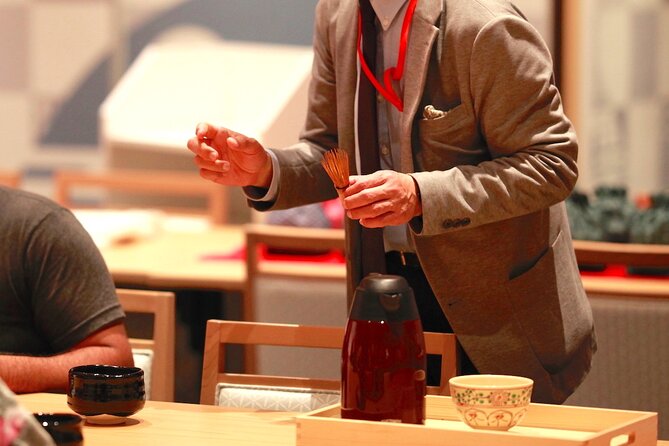
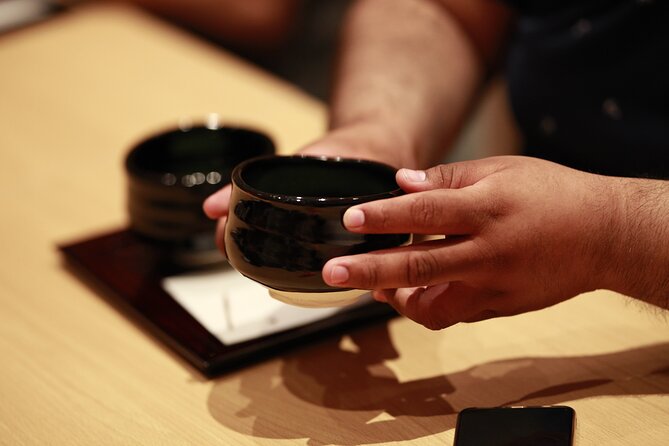
The matcha portion includes both matcha and Japanese sweets, and it’s led by an instructor. This is where the experience earns its keep: tea ceremony isn’t just fancy behavior—it’s a way of slowing down, paying attention, and presenting something with care.
In a one-hour format, you’re not trying to master everything. Instead, you learn the key ideas behind preparing and serving matcha: how the tools connect to the ritual, what you should notice in the preparation, and how the serving moment works. If you’re new, this kind of guided start is perfect because it turns matcha from a café product into something with cultural meaning.
What I found most useful is the “do it with instruction” approach. You’re not left guessing how matcha should look, taste, or feel when you’re making it. And because sweets are included, you get the expected contrast—something sweet to pair with the tea. That pairing helps you understand why Japanese tea culture isn’t only about bitterness or only about sweetness. It’s about balance.
One more practical detail: the matcha set tools are available for purchase, but they aren’t included by default. If you buy a set later (or already own one), you’ll understand what you’re buying. If you don’t plan to buy anything, you still leave with the basics and the experience of doing it.
The Japanese dance show: cultural context in English, not just dancing
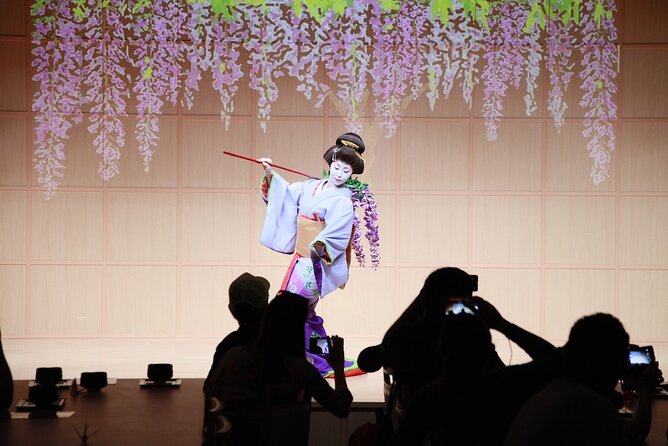
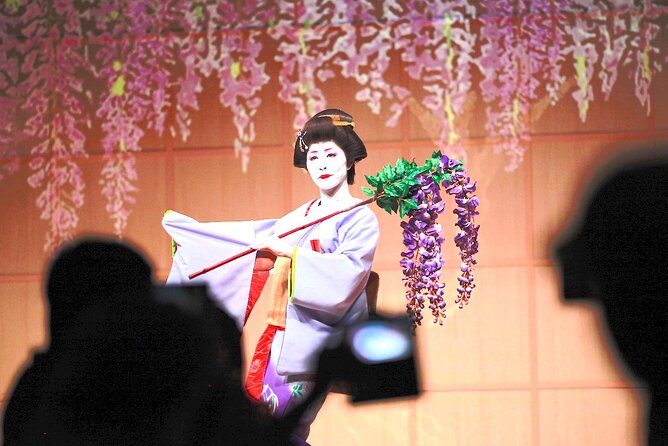
After tea, you’ll watch the Japanese dance show. The important part here is that there’s English explanation included, so you’re not just staring at movements without knowing what they mean.
Dance in traditional performance can be easy to misunderstand if you don’t know the intent behind the gestures and timing. In this format, you get the story side quickly—why the movements matter and how the performance fits Japanese aesthetics. Then you get to see it in person, which is the best kind of learning: you understand first, then your eyes catch up.
I should flag a timing reality: the whole activity is about one hour, and the dance segment can end up short compared with what some people hope for. One fair concern that comes up is that the performance may feel under-extended for someone who specifically wants a longer show. If you’re that person, consider this experience as a package deal—dance included, but not the sole focus.
Still, it’s a great add-on because it brings your cultural day out of “craft table mode.” Tea and paper arts are hands-on; the dance gives you something to watch and absorb. When it’s explained clearly in English, it stops feeling like random spectacle and starts feeling like a cultural snapshot.
Kimono cosplay: dressing up as a shortcut to better photos and better memory
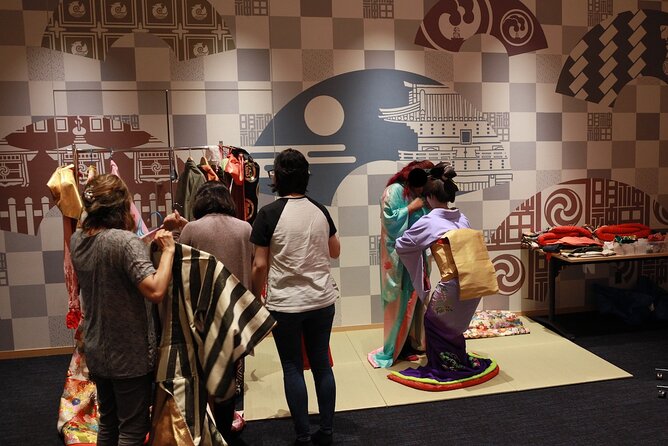
Then comes the kimono cosplay component—fully dressed, Edo-style. This part is simple on paper, but it’s powerful in practice. Putting on a kimono changes how you hold yourself, how you move, and how you notice the studio around you. It’s also just fun.
For photography, kimono moments are hard to fake. Casual clothes don’t create the same effect, and the right outfit instantly makes the experience feel “real.” In an hour, that matters because you want a strong memory you’ll still care about later.
It’s also a confidence-builder for visitors who worry they might feel awkward doing cultural activities. Kimono dressing is structured. You’re guided, and the goal is participation, not perfection.
One note to keep your day smooth: since the overall schedule is tight, your time in kimono is built into the flow. If you want extended photo time, this may not be the best match. Think of it as enough to enjoy and capture the moment—then you move on to hands-on arts.





Shodo calligraphy and origami: two classic skills with a keep-it experience
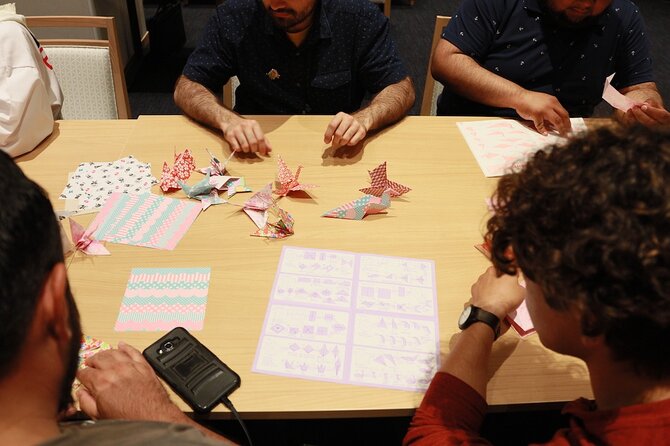
This is where the experience gets hands-on in the best way. You’ll do shodo (Japanese calligraphy) and an origami mini workshop—and both are taught with guidance aimed at beginners.
For calligraphy, the focus is on the brush strokes and learning to produce a character through basic technique. The payoff is that you don’t just watch someone write. You learn the process, you try your own strokes, and you end up with something tangible you made yourself. That kind of outcome is rare in short cultural activities, and it’s why calligraphy is one of the most memorable parts of this experience.
Origami adds a different kind of satisfaction. You fold paper step-by-step and learn how a single sheet turns into something meaningful. Traditional cranes are the kind of example people often start with, but the bigger lesson is the method: careful creases, patience, and following instructions closely enough to make the final form.
In both workshops, I like the way the instructions make you feel like you’re participating in Japanese arts, not just doing a craft for tourists. Even if your technique isn’t perfect, your brain locks onto the ritual of it—brush control for calligraphy, and precision for folding.
This is also where the small-group setup really helps. If the group is larger, one instructor has to split time. With a max of 20, you get enough attention to correct mistakes and understand what you’re seeing.
Price and scheduling: is $72.48 worth it for a one-hour class?
The price is listed at $72.48 per person, and the experience typically gets booked about 17 days in advance. Duration is about one hour, and you’ll get a mobile ticket.
So is it good value? In my view, it is—because you’re paying for a tightly organized bundle:
- matcha and Japanese sweets
- a Japanese dance show with English explanations
- kimono dressing
- shodo calligraphy
- origami workshop
In Tokyo, short-format cultural activities can sometimes feel pricey if you only do one thing. Here, the value comes from the variety and the fact that you’re participating in multiple crafts, not only watching.
The one-hour duration is a double-edged sword. It’s great if you want a quick, high-impact stop that won’t eat your whole afternoon. It’s less ideal if you want deep practice or a long performance. For most people, the compromise works: you get a foundation you can build on later with museums, longer classes, or hands-on experiences in other parts of Japan.
When to schedule it? If you’re arriving in Tokyo and want a fast cultural orientation, this is a strong candidate. It sets a tone for the rest of your trip. If you’re already exhausted, it’s still doable because the structure keeps you moving and focused, and the instruction is offered in English.
Who this fits best (and who may want a different option)
This experience is a great match if you want:
- a friendly first look at tea culture, calligraphy, origami, and dance
- an activity that works with English explanations
- hands-on making, not only sightseeing
- a kimono moment without needing to rent it separately
It’s also a practical choice for families and multi-generational groups. The format is short, the setting is controlled, and the activities are designed for beginners.
It may be less satisfying if you’re specifically hunting for one long, deep performance or advanced technique. Because the whole schedule is about one hour, the dance segment and workshops are intentionally introductory. Still, that’s not a flaw—it’s simply a different goal.
One more small benefit: the instructors and hosts have names you may hear during the session. In the materials associated with this experience, Ori and Mr. Bambu are mentioned as part of the team, and that personal, instructor-led feel comes through in how the activities are handled.
Should you book EDOCCO Tea House?
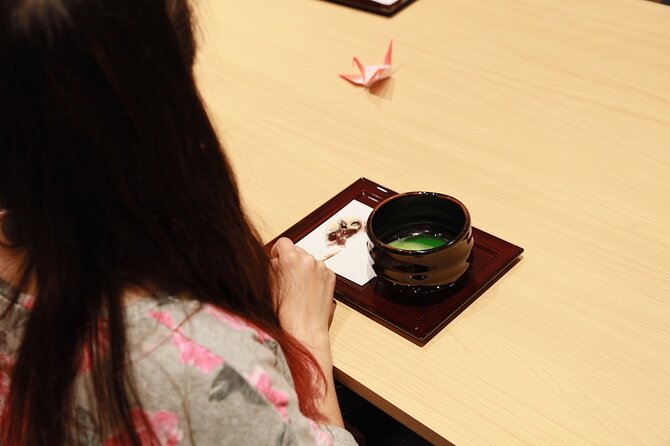
Book it if you want a compact, well-paced Tokyo cultural stop where you do real activities: matcha, shodo, origami, and kimono dressing, plus a Japanese dance show with English context. For your money, the combination is strong, and the small-group size helps you actually participate.
Skip it (or treat it as a bonus) if you’re hoping for a long performance or advanced workshop time. The structure is built to fit everything into about an hour, so the experience is a “starter level with keepsakes,” not a masterclass.
If you’re planning your first week in Tokyo and you want one easy booking that gives you a meaningful taste of traditional arts, this is an efficient choice.
FAQ
How long is the EDOCCO Tea House experience?
It runs for about 1 hour.
What does the price include?
The included items are a set of matcha and Japanese sweets, Japanese dance show appreciation, calligraphy experience, origami experience, and Japanese dress cosplay (kimono).
What is not included?
A matcha set (tea bowl, matcha powder, bamboo whisk, and other tools) is available for purchase, but it is not included.
Where do I meet for the experience?
You meet at EDOCCO 2-chōme-16-2 Sotokanda, Chiyoda City, Tokyo 101-0021, Japan. The activity ends back at the meeting point.
Is the experience offered in English?
The Japanese dance show includes explanations in English, and English availability is also highlighted in feedback.
How many people are in the group?
The maximum group size is 20 travelers.
How far in advance should I book?
On average, it’s booked about 17 days in advance.
Do I get a ticket on my phone?
Yes, it’s a mobile ticket.
What happens if the weather is bad?
It requires good weather. If it’s canceled due to poor weather, you’ll be offered a different date or a full refund.
Is free cancellation available?
Yes. You can cancel up to 24 hours in advance for a full refund.
More Tour Reviews in Tokyo



Fresh reviews from around Tokyo






Tokyo, compared.
 ★ 5.0Mt Fuji and Hakone 1-Day Bus Tour Return by Bullet TrainFrom $16326,383 reviews
 ★ 5.01-Day Tokyo Bus TourFrom $12914,250 reviews
 ★ 4.6teamLab Planets TOKYO Digital Art Museum Entry TicketFrom $259,779 reviews
 ★ 4.0Mt Fuji & Hakone Cruise, Drum Show Bullet Train 1 Day from TokyoFrom $1497,413 reviews
 ★ 5.0Shinjuku Food Tour (13 Dishes at 4 Local Eateries)From $866,603 reviews
 ★ 4.4Tokyo Mt Fuji 5th St & Hakone Cruise Bus Tour w/Bullet TrainFrom $1545,024 reviews
 ★ 5.0Flagship 2-Hours Official Street Go-Kart Tour – Tokyo Bay ShopFrom $644,974 reviews
 ★ 4.5From Tokyo: Mount Fuji Full-Day Sightseeing TripFrom $684,970 reviews