
Reviewed · TOKYO
Discover Shimokitazawa: Tokyo’s Bohemian Neighbourhood
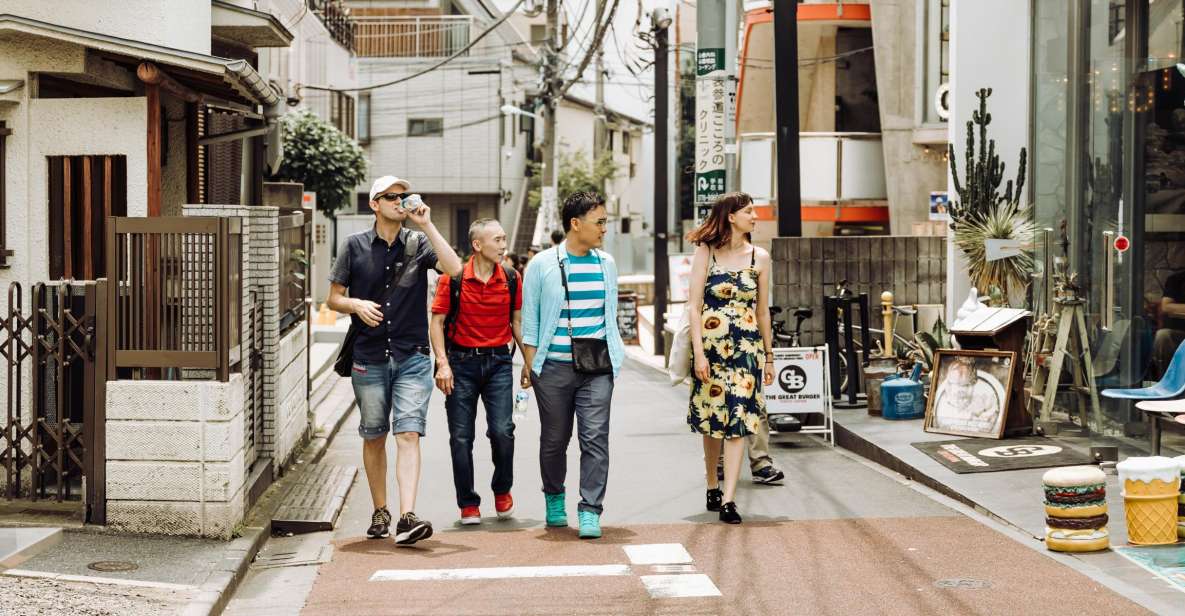
Shimokitazawa is Tokyo with its collar popped. What makes this tour work is that you’re not sent through a cookie-cutter route—you’re matched with a Tokyoite whose taste shapes the walk. I love the personalized matching, because the day feels like it was planned for your interests. I also like that you get both the recognizable area rhythm and the less-touristy side streets a local tends to point out. One possible drawback: with only 2–3 hours, there’s a limit to how much shopping or hopping around you can do, so plan for priorities.
The experience leans hard into Shimokita’s reputation for coffee, vintage, and alternative Tokyo. You’ll move around the station area, where locals linger for the slow vibe, then wander into tight lanes where indie music, retro style, and small vendors can change street-to-street. A strong bonus from past guides like Amir and Nobu is how much they enjoy answering broader Japan questions and tailoring stops on the fly, not just reciting facts.
For the price, you’re paying for a private local brain plus a built-in drink, not for museum tickets or big sightseeing logistics. If you’re the type who wants a very structured checklist of major landmarks, this may feel more like a guided hangout than a strict sightseeing circuit.
In This Review
- Key Things That Make This Shimokitazawa Tour Worth It
- Why Shimokitazawa Feels Different From Most Tokyo Neighborhoods
- How the Local Matching Works (And Why It Matters)
- The 2–3 Hour Walking Route: From Station Energy to Side-Street Finds
- Vintage Shopping That Actually Has Personality: Garage Department Store and Flash Disk
- Garage Department Store: funky finds over generic souvenirs
- Flash Disk: old-school CDs with a music-shop brain
- Coffee Culture and the Included Drink: Where the Tour Slows Down
- The Real Value: A Private Guide Who Answers the Day in Front of You
- What You Might Miss (And How to Avoid the Frustration)
- Price and Value: Why $79 Can Be Fair (If You Want the Right Kind of Tour)
- Who This Tour Fits Best (And Who Should Skip It)
- Should You Book the Discover Shimokitazawa Tour?
- FAQ
- How long is the Shimokitazawa tour?
- What’s included in the price?
- Where do we meet the guide?
- Do you need tickets for attractions?
- Is the tour private?
- What cancellation options are available?
Key Things That Make This Shimokitazawa Tour Worth It

- Match with a like-minded local guide after answering a few questions about your interests
- 2–3 hours of walking through station energy and side-street character, with room to adjust as you go
- Vintage shopping stops like Garage Department Store and Flash Disk (old-school browsing, not rushed window shopping)
- A coffee or non-alcoholic drink included, ideally in Shimokita’s quirky café or izakaya style
- A private group (normally up to 6 people), which keeps questions and detours realistic
- Guides who go beyond Shimokita, like Amir’s multilingual, multicultural perspective and Nobu’s friendly Q&A
Before you commit, see how this one stacks up against a few Tokyo favourites:
- Mt Fuji and Hakone 1-Day Bus Tour Return by Bullet Train★ 5.0 · 26,383 reviews
- 1-Day Tokyo Bus Tour★ 5.0 · 14,250 reviews
- Tokyo: teamLab Planets TOKYO Digital Art Museum Entry Ticket★ 4.6 · 9,779 reviews
Why Shimokitazawa Feels Different From Most Tokyo Neighborhoods

Shimokitazawa is one of those Tokyo areas where the vibe hits you before the first photo. Instead of grand avenues and “look but don’t touch” tourist stops, you get narrow streets, small shops, and the sense that people actually live their lives here. It’s the kind of place where you can spend an hour just walking slowly and noticing posters, record stores, thrift windows, and the constant hum around cafés.
This tour leans into that feeling. You’re not dragged from one attraction to another. You’re guided through the neighborhood’s culture: thrift hunting, coffee culture, indie music energy, and the late-day habit of grabbing a drink and lingering a while. If you like Tokyo at street level, this style fits.
Also, Shimokita has an “alternative Tokyo” credibility that doesn’t need a speech. Even when you’re not buying anything, browsing in the right places turns the whole walk into an experience. That’s a big reason this tour can feel more valuable than it looks on paper.
How the Local Matching Works (And Why It Matters)
Here’s the practical magic: after you book, the hosts contact you within 24 hours and ask you what you want to get out of the neighborhood. Your answers are used to match you with a local guide whose interests align with yours. Then they build a bespoke itinerary around that.
Why this matters for you:
- If you love vintage fashion, you’ll likely spend more time in the shops where the inventory is genuinely interesting.
- If you’re more into coffee and drinks, the pacing can tilt toward cafés and casual hangout spots.
- If you want culture and Japan context, a guide may use the walk as a jumping-off point for broader Q&A (that’s something guides like Nobu have done well—answering questions beyond just Shimokita).
This isn’t a single fixed route. It’s a guided plan that can breathe. And that breathing room is exactly what makes a neighborhood tour better than a one-size-fits-all city tour.
One thing to keep in mind: your guide can only optimize what you tell them. If you care about thrift shopping, say it early. If you want lighter walking and more sitting with coffee, say that too. The matching works best when your priorities are clear.
The 2–3 Hour Walking Route: From Station Energy to Side-Street Finds
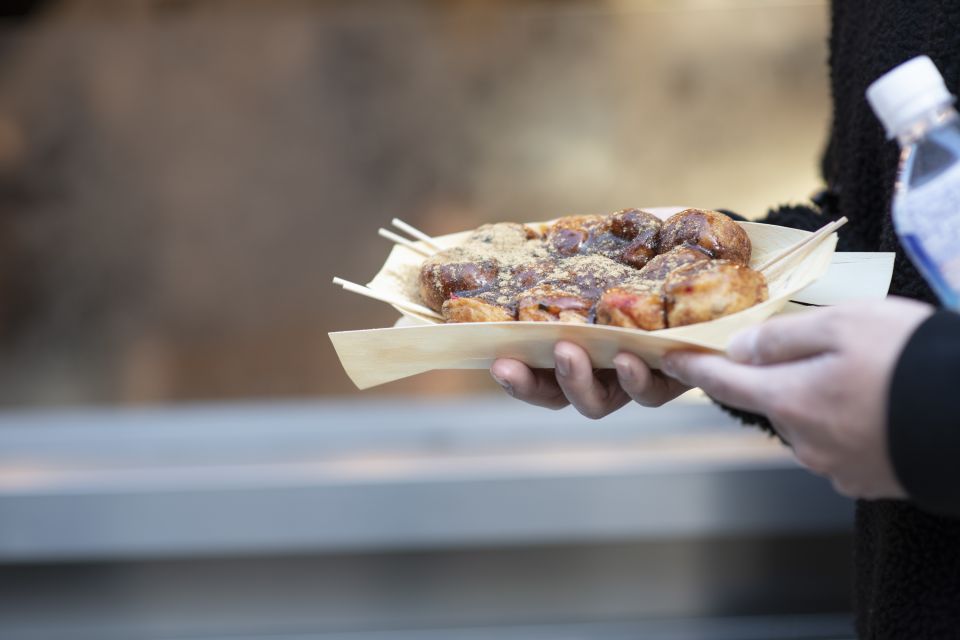
Most likely, your day starts in the Shimokitazawa station area. This is where you’ll get the local “slow life” atmosphere: people waiting for the sun to go down, grabbing a bite, and checking out what’s playing nearby. It’s also where you can orient yourself fast, because Shimokita’s charm lives in its walking maze.
From there, the tour typically shifts into smaller streets and tighter commercial pockets—places where you’ll see trendy vendors, retro items, and the kind of indie culture that doesn’t translate well to a bus tour. The pace is walking-focused, so you’re able to slow down without worrying about navigating every turn yourself.
What I’d watch for as you go:
- You may get both “main” sights and “only a local can unveil” moments, but the exact balance depends on your guide match.
- You’ll likely see enough to understand why Shimokita is known for its alt scene without needing a strict schedule.
- If you’re prone to overplanning your shopping, the tour timing can sneak up on you—2 to 3 hours goes fast once you start looking at records, clothes, and small design objects.
And if you’re traveling with kids, this format can be a win. One account described how the kids really enjoyed discovering unusual items, not just watching adults browse.
Vintage Shopping That Actually Has Personality: Garage Department Store and Flash Disk
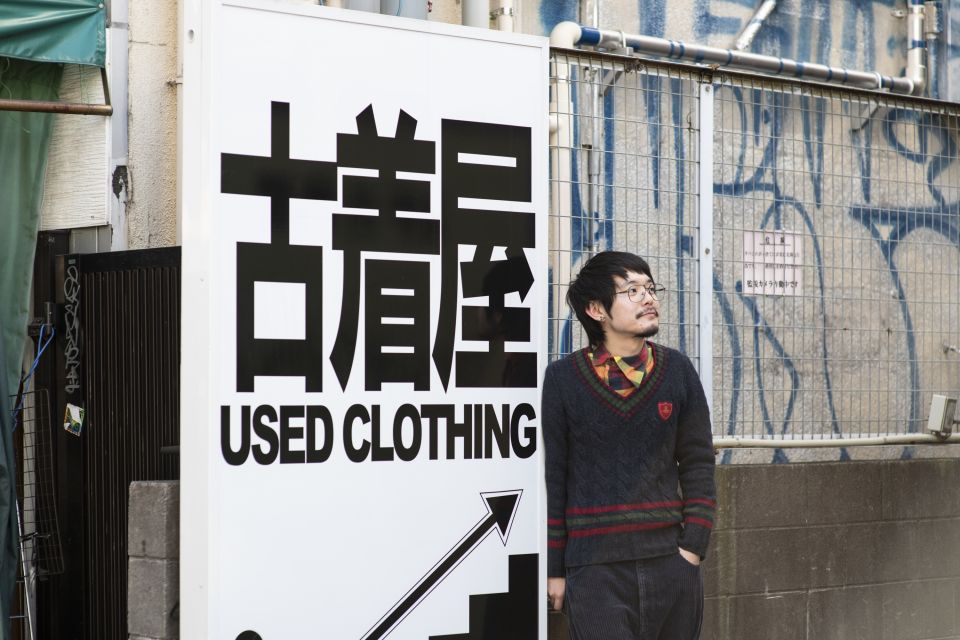
Shimokitazawa is famous for thrifting and vintage. The best part is that the shops don’t feel identical. They each have a different “browsing mood,” and the tour takes advantage of that by guiding you to specific places.





Garage Department Store: funky finds over generic souvenirs
If you want retro fashion, Garage Department Store is one of the stands you’ll want time for. The point isn’t to buy a specific item. It’s to get the style literacy of Shimokita—how locals remix old looks into today’s streetwear.
This stop works well if:
- You want to browse with purpose.
- You enjoy scanning details—labels, cuts, materials, and the small differences between “similar” items.
Potential drawback: vintage shopping can turn into a long detour. If your time window is tight, set a limit for try-ons before you get carried away.
Flash Disk: old-school CDs with a music-shop brain
Flash Disk adds a different flavor. Instead of fashion, it’s about music, specifically the joy of sifting through old CDs. It’s the kind of stop that helps you understand Shimokita’s indie heartbeat without needing a concert ticket.
This stop is great if:
- You collect music or just love the physical browsing experience.
- You want a “Tokyo you can touch,” not only look at.
Practical note for your planning: if you’re planning to buy, leave space mentally for the time it takes to compare titles and ask questions. Guides can help you decide what’s worth your money when you don’t speak the same browsing language.
Coffee Culture and the Included Drink: Where the Tour Slows Down
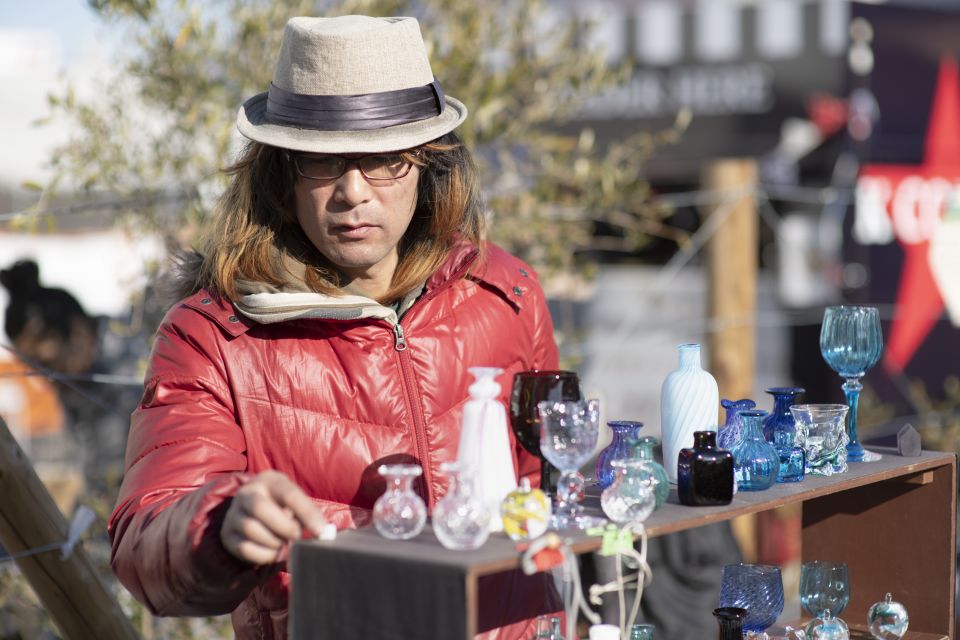
One of the smartest inclusions here is simple: your tour includes a coffee or non-alcoholic drink at a quirky café or coffee shop (and the overall vibe can also tilt toward an izakaya style option). This isn’t just a perk. It’s a pacing tool.
When you take a drink break in the right neighborhood, you do three things:
- You recharge without breaking the flow of walking.
- You get a better sense of the local social rhythm.
- You can ask questions when you’re relaxed, not when you’re rushing to the next stop.
The tour also signals what Shimokita runs on by pointing you toward specific spots. For example:
- City Country City, known for the mix of good music and good coffee
- Shimokitazawa Mother, which pairs Gaudi-esque decoration with fine Okinawan cuisine if you choose that direction
If you’re not sure whether you want coffee or something more like a casual meal setting, pick the mood that matches your energy. If you walked hard earlier in the day, go coffee and people-watch. If you want a more “evening begins” feeling, choose the izakaya-style option.
Small advice: if you love cafés, don’t treat the included drink as the only stop. Use it as your anchor point, then let your guide recommend a second place depending on what you’re seeing.
The Real Value: A Private Guide Who Answers the Day in Front of You
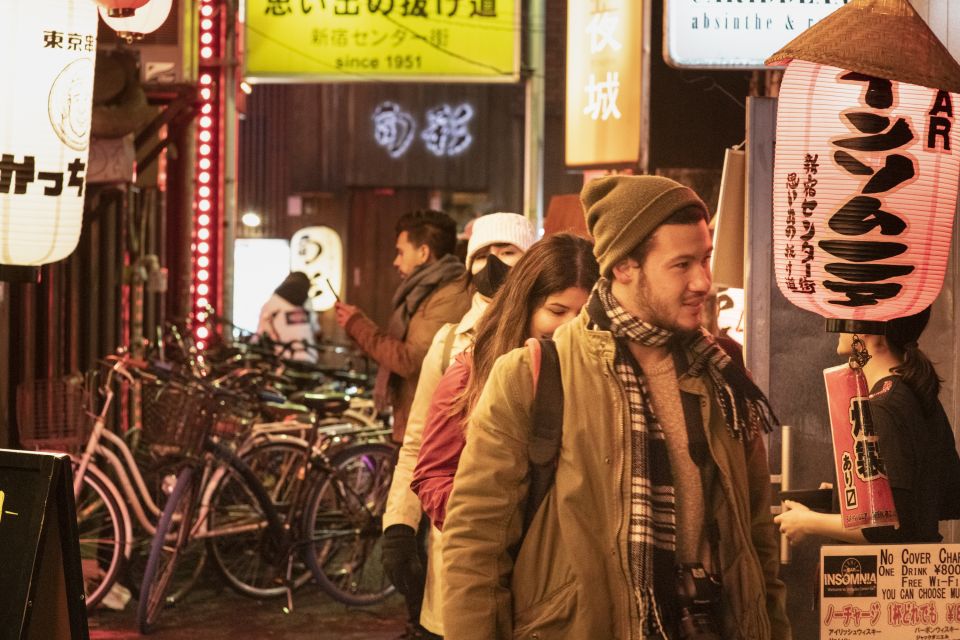
This tour isn’t about collecting stamps. It’s about having a local who can interpret what you’re looking at. That’s where guides like Amir stand out—multicultural, multilingual, and able to make the area feel more personal. It’s also where Nobu’s approach shines: friendly answers about Japan beyond Shimokita, plus suggestions for what to do next in your trip.
That last part matters. A neighborhood walk can be a standalone experience, but it can also become your steering wheel for the rest of Tokyo. When your guide recommends what fits your interests, you avoid the common problem of spending the next day “trying to pick” things instead of enjoying them.
Also, the private setup keeps the experience humane. You’re not competing with a crowd for attention, and you can ask questions without feeling like you’re slowing everyone down. The tour is normally no larger than 6 people in a private group, which usually means more flexibility and fewer bottlenecks.
What You Might Miss (And How to Avoid the Frustration)
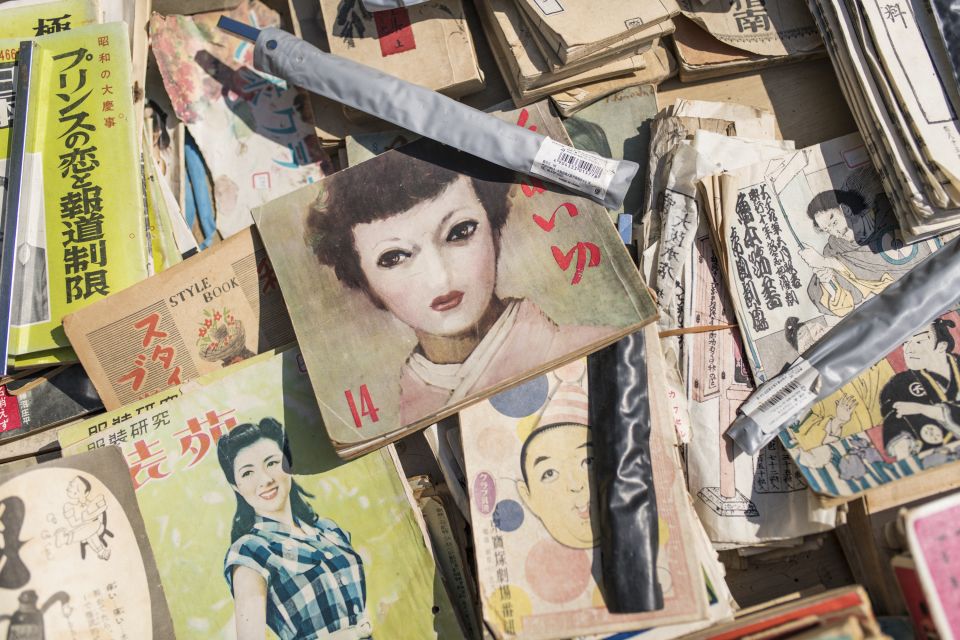
With a 2–3 hour window, you won’t do everything. That’s not a failure; it’s just reality. Even with a smart itinerary, thrift shopping and browsing take time. If you insist on trying on lots of clothes, hunting specific records, and hitting multiple café stops, you’ll feel the clock.
So here’s how I’d reduce stress:
- Pick one main shopping goal: vintage fashion or music browsing or small design objects.
- Choose one drink stop as a must.
- Leave room for detours only if your guide knows you’re flexible.
Also consider that this is a walking experience. If you’re tired, hot, or carrying heavy bags, ask your guide to adjust pacing early. A good guide will steer you to the most worthwhile streets first, not after you’ve already drained your energy.
Price and Value: Why $79 Can Be Fair (If You Want the Right Kind of Tour)
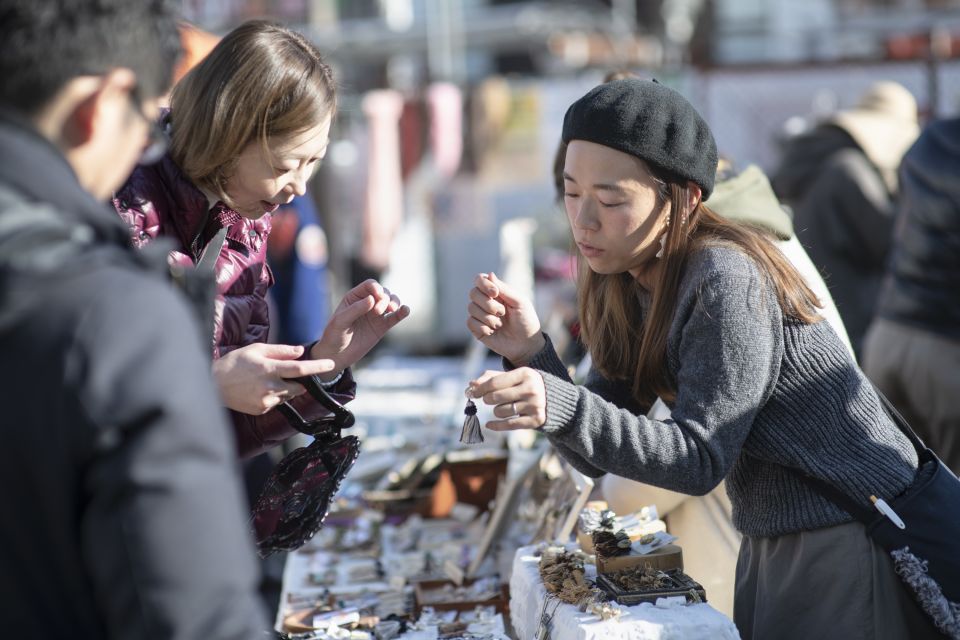
The price is $79 per person for 2–3 hours. That may sound like “just a walk with a drink,” but you’re actually paying for:
- A private and personalized itinerary
- A local host who can adapt based on your interests
- Pickup from your accommodation if it’s within reasonable distance
- A walking-guided route through places that are hard to prioritize on your own
- A coffee or non-alcoholic drink included
Value-wise, this is best when you care about curation and questions. If you don’t want to spend time chatting and you already know exactly where you want to go, you might feel like you could do it independently. But if you want help deciding which shops to hit, how to read the vibe, and where to take breaks, the price starts looking more like a booking for a local collaborator.
In my view, this is also a great “first Shimokita day” option. It gives you context quickly, so if you come back later, you know what to chase.
Who This Tour Fits Best (And Who Should Skip It)
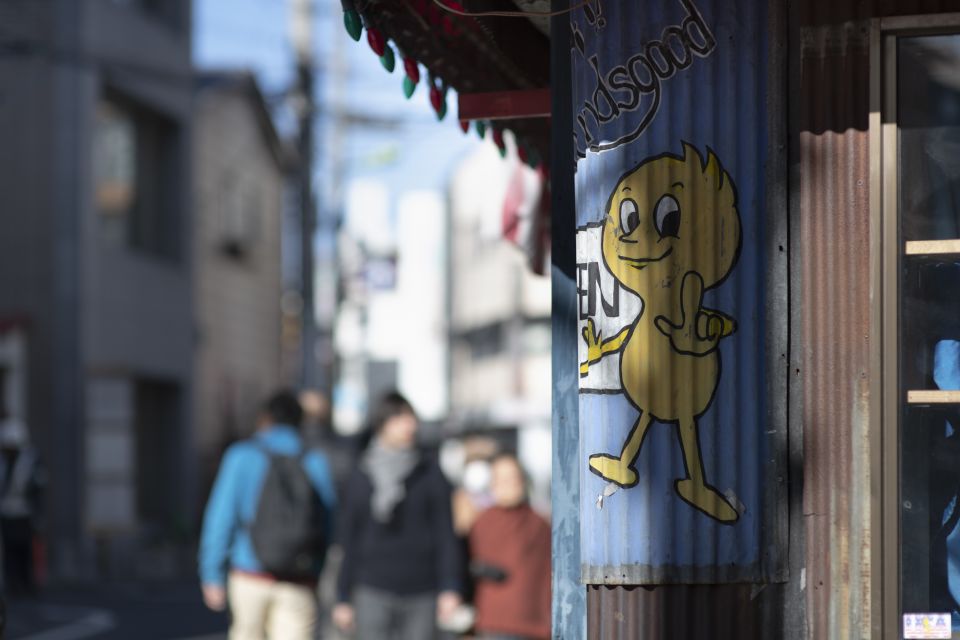
This tour is ideal for you if:
- You love vintage shopping, especially browsing in a focused way
- You’re into indie music energy and the culture around it
- You want coffee or a drink break that feels part of the neighborhood, not a random stop
- You like asking questions and getting recommendations that go beyond the walk
It may not be the best fit if:
- You only want big, famous, ticketed attractions
- You dislike walking and browsing-based sightseeing
- You need a strict schedule with zero flexibility
If you’re traveling as a family, it can also work well; one experience noted that kids enjoyed the unusual finds, which suggests the browsing element doesn’t have to be boring for younger folks.
Should You Book the Discover Shimokitazawa Tour?
Yes, if your idea of a great Tokyo day includes thrift racks, indie-street energy, and a guide who helps you choose where to spend your limited time. The strongest reason to book is the matching: you answer questions, then you get a local host who can steer the walk toward your interests, whether that’s coffee culture, vintage fashion, or music browsing.
Skip it only if you’re seeking a checklist of major monuments or you want to move fast through the neighborhood without stopping to ask questions. Otherwise, this is a practical way to see Shimokitazawa as more than a map label.
FAQ
How long is the Shimokitazawa tour?
It lasts about 2 to 3 hours.
What’s included in the price?
You get a private personalized itinerary, a 3-hour local host experience, pickup from your accommodation if it’s within reasonable distance, a walking experience, and a coffee or non-alcoholic drink at a quirky café or coffee shop.
Where do we meet the guide?
The host waits in front of the café at the meeting point.
Do you need tickets for attractions?
Tickets into attractions are not included.
Is the tour private?
Yes. It’s a private group, normally up to 6 people.
What cancellation options are available?
Free cancellation is available up to 24 hours in advance for a full refund.
More Tour Reviews in Tokyo



Fresh reviews from around Tokyo






Tokyo, compared.
 ★ 5.0Mt Fuji and Hakone 1-Day Bus Tour Return by Bullet TrainFrom $16326,383 reviews
 ★ 5.01-Day Tokyo Bus TourFrom $12914,250 reviews
 ★ 4.6teamLab Planets TOKYO Digital Art Museum Entry TicketFrom $259,779 reviews
 ★ 4.0Mt Fuji & Hakone Cruise, Drum Show Bullet Train 1 Day from TokyoFrom $1497,413 reviews
 ★ 5.0Shinjuku Food Tour (13 Dishes at 4 Local Eateries)From $866,603 reviews
 ★ 4.4Tokyo Mt Fuji 5th St & Hakone Cruise Bus Tour w/Bullet TrainFrom $1545,024 reviews
 ★ 5.0Flagship 2-Hours Official Street Go-Kart Tour – Tokyo Bay ShopFrom $644,974 reviews
 ★ 4.5From Tokyo: Mount Fuji Full-Day Sightseeing TripFrom $684,970 reviews