
Reviewed · TOKYO
Discover Japanese Umami: Onigiri & Dashi Masterclass in Tokyo
Umami is the secret lever.
In this Tokyo hands-on cooking class, you learn why Japanese flavor starts with dashi and umami, not sauce bottles. You also get a rare look at how three dashis are made in front of you: kombu, katsuobushi, and awase (the mixed style), then you compare them side by side.
What I really like is the hands-on flow: lecture first, then you jump in and do the cooking. You’ll shape rice into onigiri, cook dashimaki tamago with a rectangular tamagoyaki pan, and get to see (and plate) classic side dishes and miso soup.
One thing to think about before you book: this class includes katsuobushi-based dashi and a sake tasting. If you avoid fish flavors or alcohol, you might want to check whether the staff can accommodate you.
In This Review
- Key takeaways before you go
- The Umami Lesson That Makes Tokyo Food Click
- Kombu, Bonito, and Awase: Seeing Dashi Take Shape
- Miso Soup and Side Dishes: The Patterns Behind Washoku
- Dashimaki Tamago with a Rectangular Pan (Yes, Technique Matters)
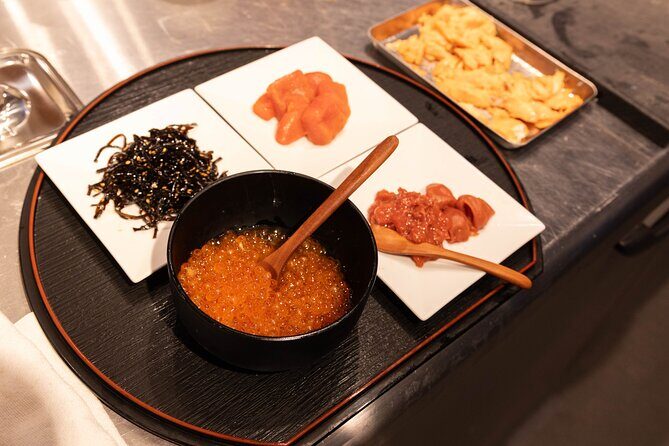
- Onigiri by Hand: Choosing Fillings and Building Shape
- The Meal, the Sake, and What You Take Home
- Price and Timing: Is $129.49 Good Value?
- Where It Starts: Nishiazabu and a Studio You Can Find
- Who Should Book This Class (and Who Might Pause)
- Should You Book the Umami and Onigiri Masterclass?
- FAQ
- What is the duration of the Japanese Umami: Onigiri & Dashi Masterclass?
- Where is the meeting point in Tokyo?
- What time does the class start?
- Is the instruction available in English, and do I need prior cooking experience?
- What will I learn and make during the class?
- Does the experience include food, or is it just a demonstration?
- Is alcohol included?
- What do I take home after the class?
- How many people are in the group?
- Is free cancellation available?
Key takeaways before you go
- Three dashis, made right in front of you: kombu, katsuobushi, and awase, so you can connect taste to process.
- Side-by-side comparison that actually sticks: you’ll learn what changes when the stock changes.
- Washoku technique, not just recipes: miso soup and side dishes come with practical plating and process.
- Dashimaki tamago on the rectangular pan: the pan shape matters for texture and rolling.
- Hand-shaped onigiri with classic fillings: you practice shaping, not just assembling.
- Small group format: capped at 8 travelers, with English instruction and tools provided.
Before you commit, see how this one stacks up against a few Tokyo favourites:
- Mt Fuji and Hakone 1-Day Bus Tour Return by Bullet Train★ 5.0 · 26,383 reviews
- 1-Day Tokyo Bus Tour★ 5.0 · 14,250 reviews
- Tokyo: teamLab Planets TOKYO Digital Art Museum Entry Ticket★ 4.6 · 9,779 reviews
The Umami Lesson That Makes Tokyo Food Click
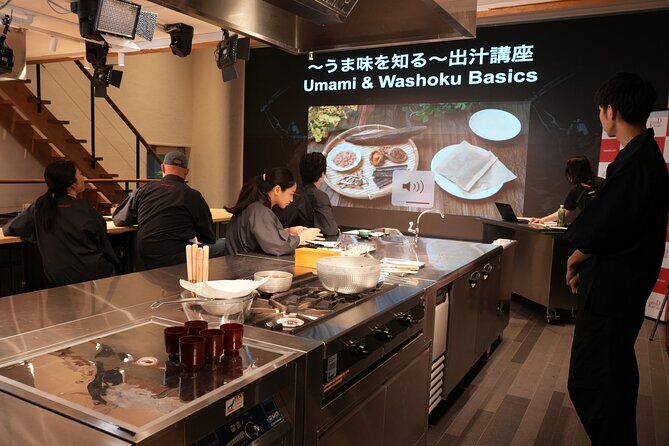
If you’ve ever wondered why Japanese food tastes both clean and satisfying, you’re not alone. A big part of the answer is umami, Japan’s savory “fifth taste,” and it shows up constantly through dashi. This class is built to make that idea feel concrete, not theoretical.
You start with a welcome, then you shift into a straightforward explanation of umami and dashi. The goal is simple: once you understand what umami is and how dashi builds it, Japanese flavors stop feeling like magic and start feeling like something you can recreate at home.
The class also keeps it traveler-friendly. You don’t need prior cooking experience, and everything is taught in English. That matters because cooking classes can be frustrating when the focus is on speed or language tricks.
Kombu, Bonito, and Awase: Seeing Dashi Take Shape
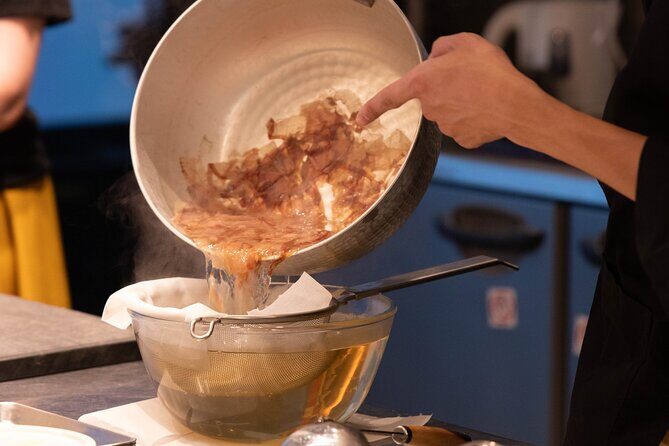
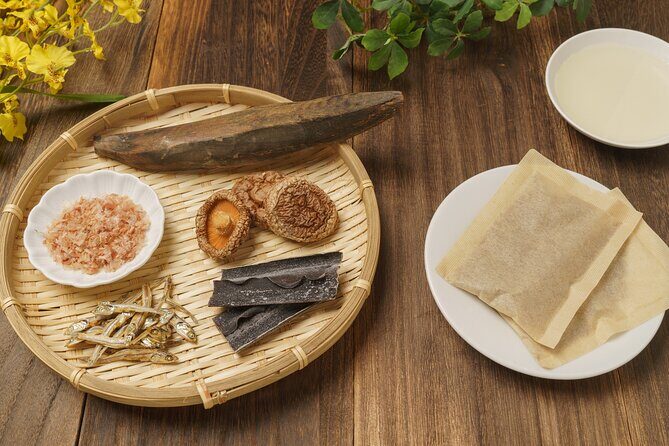
The best part of the experience for flavor nerds is also the most practical. You watch three types of dashi being made, right in the workshop. That means you can connect what you see (kelp, bonito flakes, and the mixed approach) with what you taste.
Here’s how the three styles matter:
Kombu (kelp) dashi
Kelp is the start point. You’ll learn how this ingredient creates a clean, savory backbone. It’s a gentler flavor profile, which helps you understand umami without the heavier punch.
Katsuobushi (bonito) dashi
Bonito flakes bring a different kind of depth. This is where you notice that umami isn’t one single taste. It has texture, aroma, and intensity that change depending on the ingredients.
Awase (combined) dashi
Awase is where Japanese kitchens often land: a blend meant to balance character. You’ll compare it side by side so you can feel the difference rather than just memorize it.
A big bonus is that this comparison isn’t just tasting glasses. You learn the foundation through a lecture and demonstration format, then you build confidence by using what you learned later in the meal. That’s how it sticks.
Miso Soup and Side Dishes: The Patterns Behind Washoku
After the dashi lesson, you move into traditional Japanese side dishes and miso soup. This part feels like a bridge between ingredients and the everyday rhythm of washoku cooking.
You watch a demonstration first, including the process for miso soup and classic sides. Then there’s time for you to pay attention to how the food is presented. The plating process is called out as a fun and engaging part of the class, and you’ll likely pick up that Japanese home cooking pays attention to shape, balance, and timing as much as taste.
Why this is valuable: many cooking classes teach how to make one dish. This one shows you how different dishes can share the same flavor logic. If you can make a solid miso soup and a couple side dishes that rely on dashi and umami, you’re no longer stuck ordering out every time you want Japanese comfort food.
You’ll also get a sense of what kind of portioning and seasoning style to expect. That helps when you go home and start reading recipes that use the same vocabulary.
Dashimaki Tamago with a Rectangular Pan (Yes, Technique Matters)
Next up is dashimaki tamago, the Japanese rolled omelet that looks simple and tastes anything but. This class takes it seriously by having you cook it using a rectangular tamagoyaki pan.
That pan shape matters because the rolled egg ends up with a different texture and form than you’d get from a round skillet. It also encourages a specific rhythm while cooking: heat control, repeated rolling, and layering so the inside stays tender rather than dry.
You’ll learn the process step by step. The class includes the hands-on cooking portion, so you’re not just watching someone else do the magic trick. You’ll also get tools and aprons, which keeps the focus on the technique instead of scrambling to find kitchen gear.
Even if you’ve never handled a pan before, this is the kind of dish where practice is fast. Small movements and timing decisions make a difference, and you get to make those adjustments in the classroom environment.





Onigiri by Hand: Choosing Fillings and Building Shape
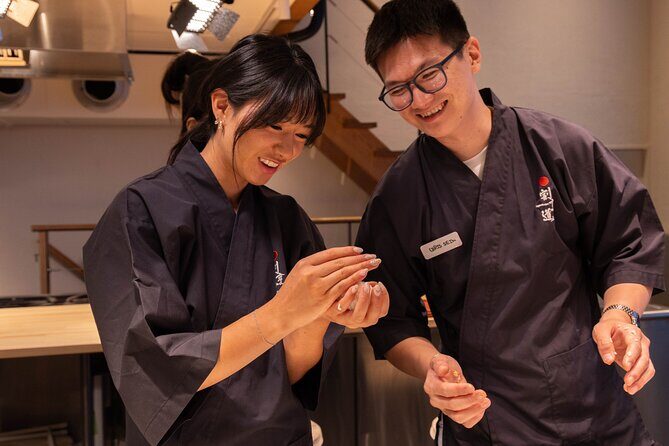
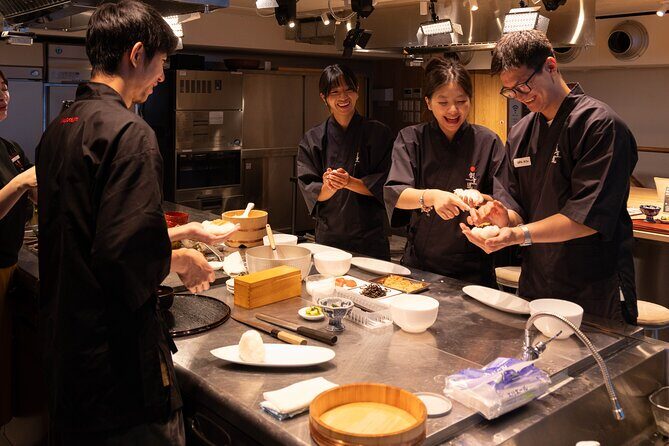
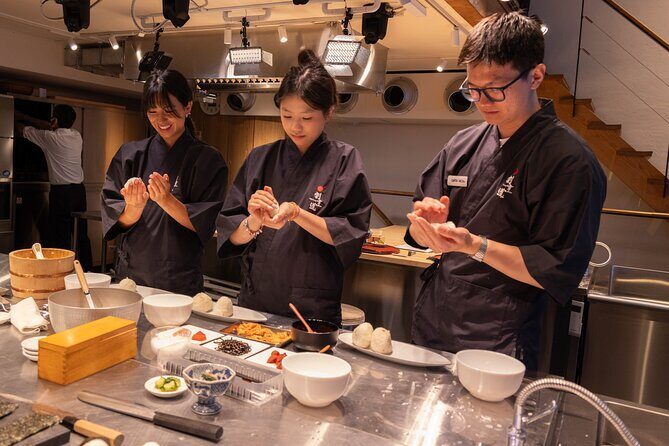
Then you get to the part most people come for: shaping onigiri. You’ll choose from a variety of classic fillings and then make and shape your own rice balls by hand.
This section is more than meal prep. It teaches you how Japanese rice cooking becomes a tool for food structure. Onigiri works because the rice has the right stickiness and the right packing pressure. You learn how to shape it without crushing the texture.
A hands-on onigiri class is also one of the fastest ways to understand how Japanese flavors travel in a bite. The filling and the rice aren’t separate. They’re meant to work together in one compact form, which is why the fillings matter so much.
If you’re planning to eat Japanese food at home later, onigiri is a smart skill. It’s portable, snackable, and you can customize it with what you learn about umami and dashi.
The Meal, the Sake, and What You Take Home
This experience includes lunch-style food: hands-on onigiri making, plus a demonstration and tasting of side dishes, miso soup, and dashimaki tamago. The class is designed so you leave with a full plate of food, not just a few bites.
One of the stand-out practical surprises is how filling the meal feels. You’re tasting multiple components that share a flavor base, and you’re also eating what you cook. That’s a big part of the value for a class priced in the $129.49 range.
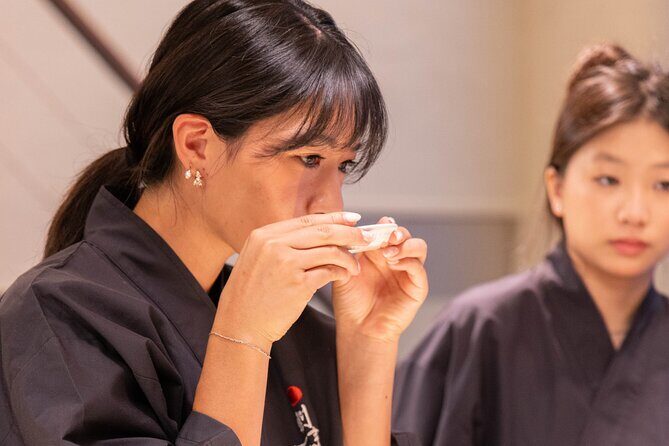
You’ll also have an alcoholic beverages tasting as part of the experience: Kappodo original sake. If you want to learn how sake fits into a Japanese meal culture moment, this is built in. If alcohol isn’t your thing, you might consider it as a potential mismatch, since the sake tasting is included.
You get more than food too. You’ll receive:
- a printed recipe set
- Japanese seasonings to take home
- a certificate of participation
- all tools and aprons used during the lessons
That take-home kit is the difference between a fun day and a skill you can repeat. If you keep cooking at home, the recipe set plus seasonings are exactly what you need to recreate the same flavor logic without hunting down obscure ingredients.
Price and Timing: Is $129.49 Good Value?
Let’s talk money honestly. The price is $129.49 per person for about 2 hours, and the class includes instruction in English, a hands-on cooking portion, tools and aprons, lunch-style items (including miso soup, side dishes, onigiri, and dashimaki tamago), and a sake tasting. It’s capped at 8 travelers, which helps the instruction stay practical instead of turning into a big show.
If you’ve ever paid for a Tokyo “tasting only” experience, this is a different deal. You’re not just sampling. You’re learning processes: how dashi types are made, how Japanese breakfast-and-lunch classics are put together, and how to shape onigiri and roll dashimaki.
If you’re the kind of traveler who buys a class and then actually uses it afterward, this is a strong value. The printed recipe and seasonings make it easier to cook again, which turns the class into a repeatable cost.
Timing is also friendly. It starts at 11:00 am and ends back at the meeting point, so you can plan the rest of your day around a late lunch and a fully stocked “Japan at home” pantry.
Where It Starts: Nishiazabu and a Studio You Can Find
The meeting point is Kappodo H.Q / Tokyo D kitchen Studio in Minato City, Nishiazabu (2-chōme 21-12, DKビル, 106-0031). It’s described as near public transportation, which is what you want in Tokyo—reliable access, no weird transfers, and less time lost to station-hunting.
Because the class ends back at the meeting point, you don’t have to worry about a long finish somewhere else. That also makes it easier if you’re combining it with a neighborhood walk after.
Private transportation isn’t included, so use public transit as your default. The class being near transit is a real advantage for keeping your day smooth.
Who Should Book This Class (and Who Might Pause)
This experience fits best if you fall into one of these groups:
- You love Japanese food and want to understand it at the ingredient level, especially umami and dashi.
- You want a hands-on skill day: shaping onigiri and making dashimaki tamago are techniques you can repeat.
- You like small groups, clear English instruction, and structured learning.
You might pause if:
- You avoid fish-based ingredients, since katsuobushi is used for one of the dashi types.
- You avoid alcohol, since a Kappodo sake tasting is included.
- You’re looking for a sightseeing-focused tour, because this is a cooking studio experience first.
Also consider your appetite. This is a lunch-style class, and it’s meant to be satisfying. If you tend to under-eat before classes, you’ll probably feel better coming hungry.
Should You Book the Umami and Onigiri Masterclass?
Yes, if you want a Tokyo food class that actually teaches you something repeatable. The dashi component is the standout: seeing kombu, katsuobushi, and awase made and tasting them side by side turns umami from a buzzword into a usable flavor tool.
Book it especially if you want to go beyond eating and start cooking Japanese comfort food with confidence. Between the hands-on onigiri shaping, dashimaki tamago technique with a rectangular pan, and the take-home recipe set and seasonings, this isn’t just a one-day souvenir.
If fish flavor or alcohol are dealbreakers for you, you’ll want to think twice. Otherwise, it’s one of those rare cooking experiences where the value comes from understanding, not just the final plate.
FAQ
What is the duration of the Japanese Umami: Onigiri & Dashi Masterclass?
The class runs for about 2 hours.
Where is the meeting point in Tokyo?
You’ll meet at Kappodo H.Q / Tokyo D kitchen Studio in Nishiazabu, Minato City (2-chōme 21-12, DKビル, 106-0031 Tokyo).
What time does the class start?
The start time is 11:00 am.
Is the instruction available in English, and do I need prior cooking experience?
Yes. No prior cooking experience is needed, and instruction is in English.
What will I learn and make during the class?
You’ll learn about dashi and umami, compare three types of dashi (kombu, katsuobushi, awase), and participate in making onigiri by hand. You’ll also cook dashimaki tamago and take part in miso soup and side dish demonstrations.
Does the experience include food, or is it just a demonstration?
Food is included. The format includes lunch hands-on onigiri making, plus demonstration of side dishes, dashimaki tamago, and miso soup.
Is alcohol included?
Yes. There is an alcoholic beverages tasting of Kappodo original sake included.
What do I take home after the class?
You receive a printed recipe set and Japanese seasonings to take home. You also get a certificate of participation.
How many people are in the group?
The class has a maximum of 8 travelers.
Is free cancellation available?
Yes. Free cancellation is available up to 24 hours in advance for a full refund.
More Tour Reviews in Tokyo



Fresh reviews from around Tokyo






Tokyo, compared.
 ★ 5.0Mt Fuji and Hakone 1-Day Bus Tour Return by Bullet TrainFrom $16326,383 reviews
 ★ 5.01-Day Tokyo Bus TourFrom $12914,250 reviews
 ★ 4.6teamLab Planets TOKYO Digital Art Museum Entry TicketFrom $259,779 reviews
 ★ 4.0Mt Fuji & Hakone Cruise, Drum Show Bullet Train 1 Day from TokyoFrom $1497,413 reviews
 ★ 5.0Shinjuku Food Tour (13 Dishes at 4 Local Eateries)From $866,603 reviews
 ★ 4.4Tokyo Mt Fuji 5th St & Hakone Cruise Bus Tour w/Bullet TrainFrom $1545,024 reviews
 ★ 5.0Flagship 2-Hours Official Street Go-Kart Tour – Tokyo Bay ShopFrom $644,974 reviews
 ★ 4.5From Tokyo: Mount Fuji Full-Day Sightseeing TripFrom $684,970 reviews