
Reviewed · TOKYO
Celebrate Unique Japanese New Year Tradition Culture Festivity
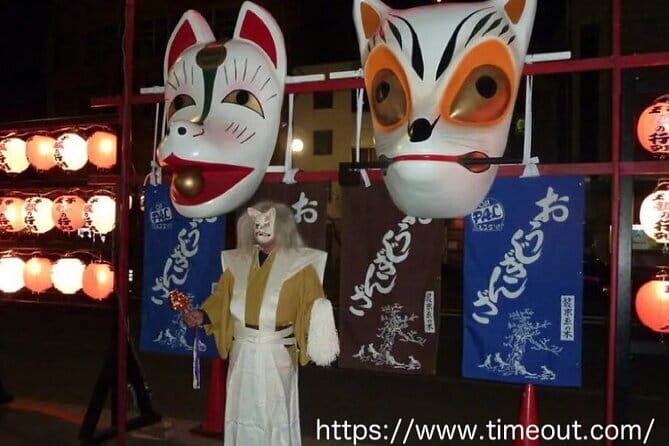
Fox folklore in Tokyo feels way more real than it sounds. This Oji New Year experience ties together Oji Inari Shrine legend, local pageant performers, and the same kind of foxfire imagery that shows up in ukiyo-e art. You’ll follow the story from the shrine area to the pageant finale with yellow lanterns, kimonos, and fox masks.
What I like most is the 3-shrine walk with a Japanese host and the built-in cultural context before the fun starts. My other favorite bit is the sake portion: you’ll learn about brewing and then do a tasting with hinoki cypress masu cups and snacks. One thing to think about: group size can be a deal-breaker for a shrine setting, and while the tour lists a max of 30, at least one review complained it ran much larger than that.
In This Review
- Key highlights you should know
- Oji Fox Folklore and Why This Feels Like New Year in a Different Key
- Starting at JR Ōji Station: The Fastest Way to Get Oriented
- Three Local Shrines: More Than Photo Stops
- The Sake Lesson and Hinoki Masu Toast: A Practical Cultural Shortcut
- Sake Tasting With Snacks: What the Pairing Actually Gives You
- All-You-Can-Drink Drinks: Fun, But Plan for Control
- Heading to the Fox Procession Starting Point: Position Matters
- The Finale With Traditional Dance and the Lion Dance
- Group Size Reality: When a Shrine Visit Can Feel Tight
- Price and Value: Why $106.74 Might Be a Bargain for the Right Traveler
- Who This Tour Fits Best (and Who Should Think Twice)
- A Quick Way to Get the Most Out of It
- Should You Book This Oji Fox Pageant New Year Experience?
- FAQ
- FAQ
- What is the meeting point for this experience?
- When does the tour start?
- How long is the tour?
- What is included in the sake experience?
- Are soft drinks included?
- Does the tour include food?
- Will I be able to see the fox procession and dances?
- How big are the groups?
- What happens if the weather is bad?
Key highlights you should know
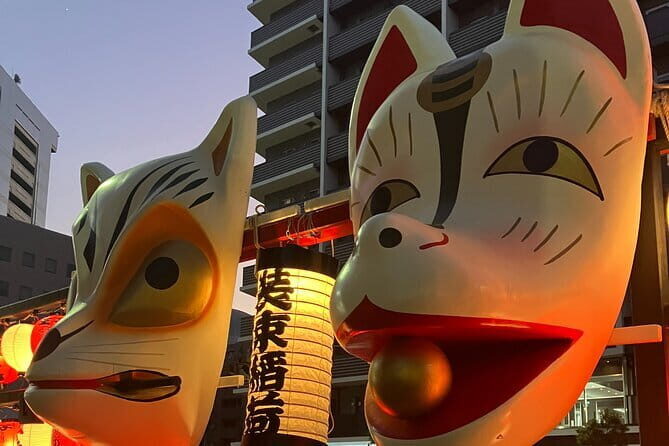
- Yellow lantern foxfires and fox-themed costumes set the mood long before the main procession
- Three shrine stops with on-the-ground local guidance so you’re not just walking and guessing
- Sake brewing lesson + sommelier-led tasting in hinoki masu (cypress wood cups)
- All-you-can-drink beer and sake for adults, plus soft drinks for under drinking age visitors
- You’re taken to the starting point of the fox procession so you’re positioned before the dancing begins
- Traditional dance finale includes the lion dance, not just generic street entertainment
Before you commit, see how this one stacks up against a few Tokyo favourites:
- Mt Fuji and Hakone 1-Day Bus Tour Return by Bullet Train★ 5.0 · 26,383 reviews
- 1-Day Tokyo Bus Tour★ 5.0 · 14,250 reviews
- Tokyo: teamLab Planets TOKYO Digital Art Museum Entry Ticket★ 4.6 · 9,779 reviews
Oji Fox Folklore and Why This Feels Like New Year in a Different Key
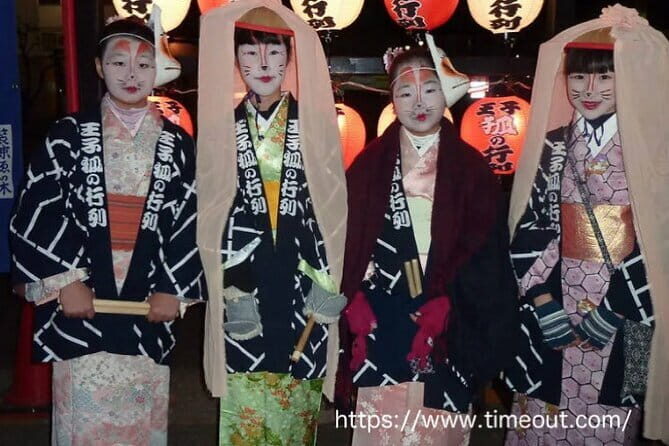
Most New Year plans in Tokyo are about big crowds and bright lights. This one takes a different route: it’s built around a local legend that links foxes, Oji Inari Shrine, and community storytelling. On New Year’s Eve, the story goes that foxes from the region visit the shrine, and that belief turned into the Oji Fox Pageant that locals organize.
What makes it more interesting is how the folklore shows up in real performance details. You’ll see participants carrying yellow lanterns meant to represent foxfires, and many wear kimonos with fox masks or fox makeup. Even if you don’t know every story beat, you can read the event like a visual script.
Starting at JR Ōji Station: The Fastest Way to Get Oriented
You meet at the north entrance of JR Ōji station. The address listed for Ōji station is 1-chōme-10-18 Ōji, Kita City, Tokyo 114-0002, Japan, so you can plug it straight into maps and avoid wandering in the station maze.
Why this matters: the shrine area and pageant flow can feel tight around event times. Starting with a clear meeting point helps you avoid the common New Year problem—showing up at the wrong exit and arriving late when the group already has momentum.
One practical tip: arrive a few minutes early, even if you’re tempted to be “just on time.” New Year crowds make timing unforgiving, and this experience is built on moving together.
Three Local Shrines: More Than Photo Stops
The core cultural portion is a guided visit to three local shrines. That’s a big difference from the usual “meet and march” tours, because the point isn’t just to reach landmarks. The host helps you understand what you’re looking at and why these places connect to the fox story.
A shrine walk also changes how you experience the area. Instead of treating Oji as a backdrop, you’re learning the spiritual geography first, and then the pageant makes more sense when it arrives. You’re essentially going from meaning to spectacle.
What to watch for: shrine etiquette. Even if you’re traveling from abroad, act like you’re in someone’s living tradition. Keep voices down, move when asked, and don’t treat the shrine steps like a queue for selfies.
The Sake Lesson and Hinoki Masu Toast: A Practical Cultural Shortcut
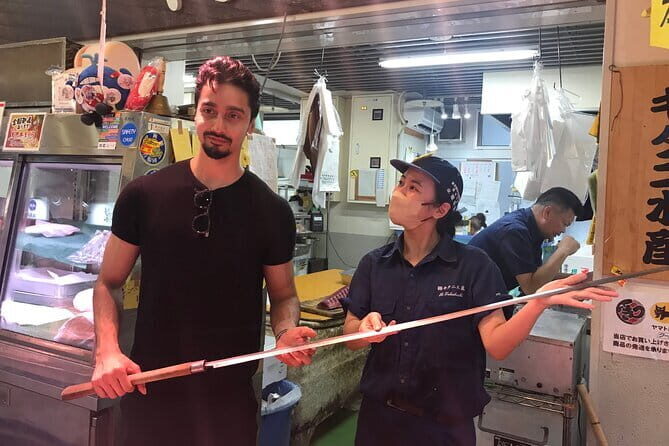
After the shrine portion, the evening-style highlight is sake. You’ll hear about sake brewing from a sake sommelier, which is a smart way to get beyond the basics of sake types. You’re not only tasting; you’re learning how the drink is made and why that matters for flavor.
Then comes the signature toast: Kanpai (cheers) with sake served in aromatic hinoki cypress masu cups. This is one of those details that affects the whole experience. Hinoki is known for scent, and you’ll likely notice the wood aroma as you lift the cup.
For your palate, the big win is that you’re building context first. When you understand the brewing side, the tasting portion is less like a guessing game and more like you’re tracking cause-and-effect.





Sake Tasting With Snacks: What the Pairing Actually Gives You

The tasting includes five kinds of snacks and a sake session designed around them. Snacks listed include things like edamame (green soybeans), fried chicken, and French fries, which tells you the approach is meant to be easy to enjoy.
This is also where the value shows up. You’re paying for more than a quick sip. You get a structured tasting moment plus food, and the experience includes alcohol for adults and soft drinks for those under drinking age.
One caution: pace yourself. Even with “free flow” included, you’ll enjoy the fox procession more if you don’t end up rushing through the last steps. Eat a bit before your first pours, and don’t feel shy ordering water between drinks.
All-You-Can-Drink Drinks: Fun, But Plan for Control
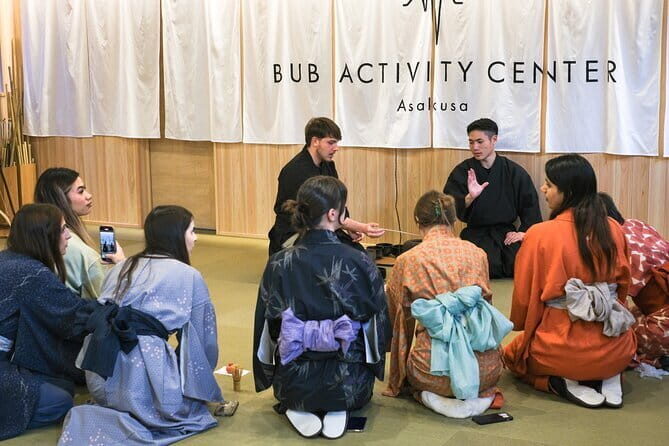
The drink setup is free-flow of sake and beer or other alcoholic beverages for adults, plus soft drinks for under drinking age visitors. That’s great for people who want a full New Year party vibe without hunting for places or menus afterward.
But it changes how the group moves. As the alcohol stacks up, people tend to slow down or linger. The event portion depends on getting to the starting point of the procession at the right time, so stay aware of your spot in the group.
If you prefer lighter drinking, you can still enjoy the lesson and tasting. The tour’s format doesn’t require you to “win” the all-you-can-drink part.
Heading to the Fox Procession Starting Point: Position Matters
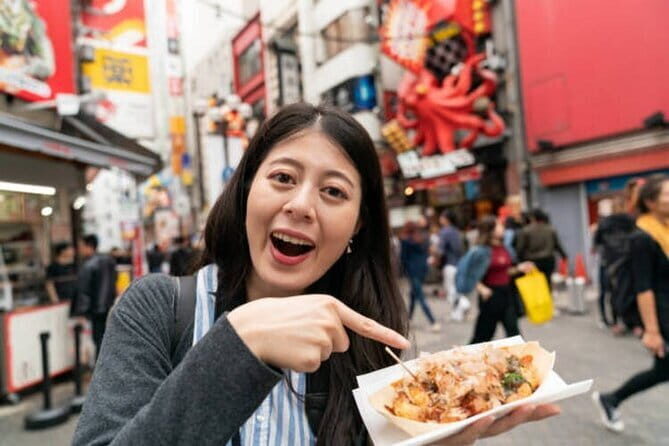
At some point, you’ll be taken to the starting point of the fox procession. This is one of the most important practical elements of the tour, because big New Year performances can turn into a line-of-sight battle.
Instead of arriving and hoping you end up with a good view, you get guided placement. That’s especially helpful for the kind of event you’re watching: the fox pageant finale includes traditional dances, and those visuals depend on seeing the group clearly.
If you’re the type who likes details, keep your eyes on the lanterns and the costumes. The yellow lanterns representing foxfires are a strong visual anchor, and they make the story feel consistent from earlier shrine symbolism to the final performance.
The Finale With Traditional Dance and the Lion Dance
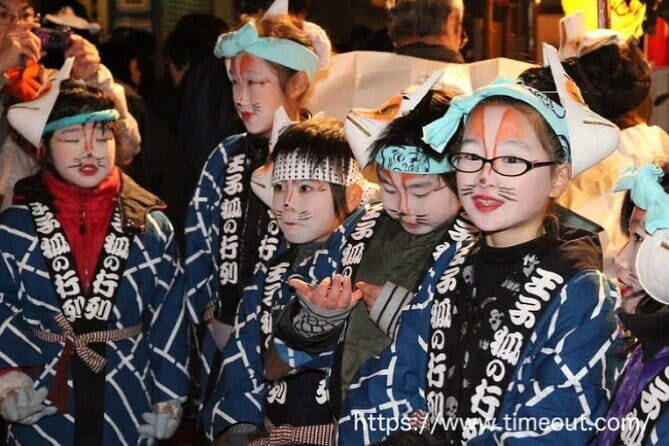
The big payoff is the pageant finale featuring traditional dances, including the lion dance. That’s not small talk entertainment; it’s a major cultural performance element in many Japanese festival contexts.
Also, the tour’s description frames this portion around the countdown as New Year approaches. Even if you’re not fluent in the pageant rhythms, you’ll feel the energy shift as the crowd gathers and the dances start to peak.
What makes this worth your time is the mix: fox folklore storytelling in the morning, sake learning and tasting, and then a physical, loud, kinetic dance finale near the main event moment. It’s a full sensory loop.
Group Size Reality: When a Shrine Visit Can Feel Tight
Here’s the one flag I’d take seriously. The tour lists a maximum of 30 travelers, which is a manageable number for a guided walk. But one review said the group felt far larger than expected, and that the size made the shrine stops uncomfortable.
So here’s how I’d handle it: if you hate crowded-feeling situations, message the provider close to the date and ask what the actual group size usually looks like. If you’re sensitive to respectful space in shrine areas, plan for the possibility of a larger crowd than you’d want.
Even with a well-run event, New Year in Tokyo is crowded by nature. Your goal is to protect the vibe: keep your voice down, give space, and let the performance flow.
Price and Value: Why $106.74 Might Be a Bargain for the Right Traveler
At $106.74 per person for about 3 hours, you’re not just buying a seat. You’re buying a combo: shrine guidance at three shrines, a sake brewing lesson with a sommelier, a structured tasting with snacks, free-flow sake and beer, and admission to the procession starting point area for the dance finale.
Whether that’s good value for you comes down to what you’d otherwise do on your own. If you’d spend part of your day trying to figure out where the cultural event connections are, and then separately find a sake experience with an instructor, the cost starts making sense.
If you hate alcohol formats, this might feel pricey compared with a simpler shrine-and-stroll day. But if you want the story explained and the sake portion handled, this is the kind of package that saves you time and decision stress.
Who This Tour Fits Best (and Who Should Think Twice)
This tour is a strong match if you want New Year in Tokyo with a local legend at the center. It’s also great for travelers who like structure: a clear meeting point, guided shrine time, a planned sake experience, and then a fixed viewing area for the fox procession.
It’s less ideal if:
- you want a quiet, reflective shrine day with minimal crowd energy
- you dislike group movement timed around performances
- you don’t drink and don’t care about sake-focused learning
If you’re traveling with friends who like food, drinks, and performance energy, you’ll probably appreciate the way the schedule connects meaning to spectacle.
A Quick Way to Get the Most Out of It
A few choices can make your experience smoother:
- Wear layers, especially if the event tempo changes and you’re outside for parts of the evening program.
- Bring a light snack hunger buffer before you start tasting, so you don’t feel rushed through drinks and food.
- If you’re skipping alcohol, still join the lesson. It’s the easiest way to turn sake from a label on a bottle into something you can talk about.
Should You Book This Oji Fox Pageant New Year Experience?
Yes, I think you should book it if you want a story-led New Year experience that mixes shrine context, sake learning, and a real performance finale with the lion dance. The package is designed to reduce guesswork and keep you in the right place for the procession.
Just don’t ignore the crowd risk. This is a shrine-area event where space and respect matter, and one review flagged that the group felt larger than expected. If that’s your personal priority, check group size expectations before you go. If you’re flexible and keep your etiquette game strong, you’ll likely find this is exactly the kind of Tokyo New Year moment you’ll remember.
FAQ
FAQ
What is the meeting point for this experience?
You meet at the north entrance of JR Ōji station (1-chōme-10-18 Ōji, Kita City, Tokyo 114-0002, Japan).
When does the tour start?
The start time listed is 8:30 am.
How long is the tour?
The duration is about 3 hours.
What is included in the sake experience?
You get a sake brewing lesson from a sake sommelier and then a sake-tasting session with five kinds of snacks. Adults also get free-flow sake and beer or other alcoholic beverages.
Are soft drinks included?
Yes. Soft drinks are included for under drinking age customers.
Does the tour include food?
Yes. Snacks are included, with examples such as edamame, fried chicken, and French fries.
Will I be able to see the fox procession and dances?
Yes. The experience includes being taken to the starting point of the fox procession, where you can watch traditional dances, including the lion dance.
How big are the groups?
The tour lists a maximum of 30 travelers.
What happens if the weather is bad?
This experience requires good weather. If it’s canceled due to poor weather, you’ll be offered a different date or a full refund.
More Tour Reviews in Tokyo



Fresh reviews from around Tokyo






Tokyo, compared.
 ★ 5.0Mt Fuji and Hakone 1-Day Bus Tour Return by Bullet TrainFrom $16326,383 reviews
 ★ 5.01-Day Tokyo Bus TourFrom $12914,250 reviews
 ★ 4.6teamLab Planets TOKYO Digital Art Museum Entry TicketFrom $259,779 reviews
 ★ 4.0Mt Fuji & Hakone Cruise, Drum Show Bullet Train 1 Day from TokyoFrom $1497,413 reviews
 ★ 5.0Shinjuku Food Tour (13 Dishes at 4 Local Eateries)From $866,603 reviews
 ★ 4.4Tokyo Mt Fuji 5th St & Hakone Cruise Bus Tour w/Bullet TrainFrom $1545,024 reviews
 ★ 5.0Flagship 2-Hours Official Street Go-Kart Tour – Tokyo Bay ShopFrom $644,974 reviews
 ★ 4.5From Tokyo: Mount Fuji Full-Day Sightseeing TripFrom $684,970 reviews