
Reviewed · TOKYO
Breakfast Ramen Tour in Shinjuku, Tokyo
Breakfast ramen in Shinjuku is a smart hack.
This 2-hour tour turns early-morning Shinjuku into a food classroom, with stops at two ramen shops plus a quick warm-up at a coffee spot. You’ll learn what makes shoyu (soy sauce) and tonkotsu (pork bone) ramen different, then eat your way through the flavors.
I love that you get three mini bowls instead of one big meal. It’s enough variety to actually compare styles, and the portions are about 1/3 of a full bowl, so you can taste without feeling stuffed.
One possible drawback: you’ll be up early. If mornings grind your soul, this tour may feel like too much commitment, even though the early start helps Shinjuku feel calmer.
In This Review
- Key Highlights You’ll Care About
- Breakfast in Shinjuku Means You’re Eating Tokyo at Its Best
- The Food Plan: 3 Mini Bowls and Gyoza That Actually Teach You Something
- Before You Eat: The Coffee Shop Ramen Basics Quiz Sets the Tone
- Ramen Stop One: Classic Tokyo Shoyu and the Soy Sauce Lesson
- Ramen Stop Two: A Different Style Moment, Plus Gyoza
- Price and Value: What $90 Buys in a City Where Food Costs Add Up
- Meeting Point in Shinjuku: How to Avoid the Usual First-Day Confusion
- The Guide Makes It: Friendly, Interactive, and Real About Ramen
- Who Should Book This Breakfast Ramen Tour
- Should You Book This Breakfast Ramen Tour?
- FAQ
- How long is the Breakfast Ramen Tour in Shinjuku?
- What’s included in the tour price?
- How many ramen shops do you visit?
- Is there an English-speaking guide?
- Where do you meet for the tour?
- Is the price all-inclusive, including train tickets?
Key Highlights You’ll Care About
- 3 mini bowls of ramen (about 1/3 size each) across 2 ramen shops
- Gyoza included with the final ramen stop
- English guide plus a coffee-shop warm-up and ramen basics quiz
- A focused education on shoyu vs tonkotsu, with history and why soy sauce matters
- A route that’s designed for the early Shinjuku vibe, not the late-night chaos
Before you commit, see how this one stacks up against a few Tokyo favourites:
- Mt Fuji and Hakone 1-Day Bus Tour Return by Bullet Train★ 5.0 · 26,383 reviews
- 1-Day Tokyo Bus Tour★ 5.0 · 14,250 reviews
- Tokyo: teamLab Planets TOKYO Digital Art Museum Entry Ticket★ 4.6 · 9,779 reviews
Breakfast in Shinjuku Means You’re Eating Tokyo at Its Best
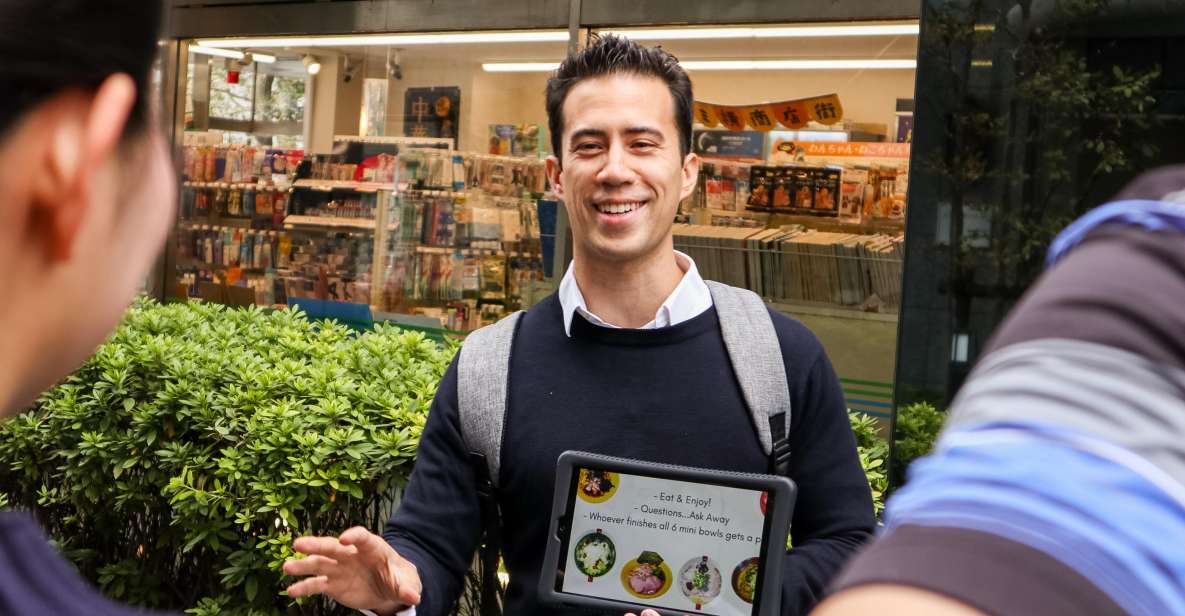
Shinjuku at breakfast feels like a different neighborhood than Shinjuku at midnight. That’s the point of an early start: you beat the crowds, and you get access to ramen shops while the day is still fresh. The tour meets near the action—front of a 7-Eleven on Yasukuni-dori Avenue, at the entrance of Kabukicho, close to Shinjuku Station East Exit—but you’re not arriving for nightlife. You’re arriving for noodles.
The whole experience is built around a short time window: 2 hours. In a city where meal plans often sprawl into side quests, this keeps things efficient. You’ll have enough time to eat well, learn the basics, and still be on your feet for the rest of your Tokyo day.
Also, the tour uses a simple way to keep you oriented: your guide will be waiting with a Tokyo Ramen Tours sign. That matters in Shinjuku, where streets can feel like a maze even when you think you’ve got it.
The Food Plan: 3 Mini Bowls and Gyoza That Actually Teach You Something
Let’s talk portions, because this is the biggest reason the tour works. You’re not paying for one bowl and a guided walk. You’re paying for a tasting structure.
Here’s what’s included:
- 3 mini bowls of ramen
- 2 gyoza dumplings
- 1 beverage
Each ramen bowl is about 1/3 the size of a full portion. For some people, that sounds small. For the tour’s goal, it’s perfect: you can try different styles back-to-back and notice differences in broth, seasoning, and toppings without your palate going numb.
This tour also gives you a clear sequence:
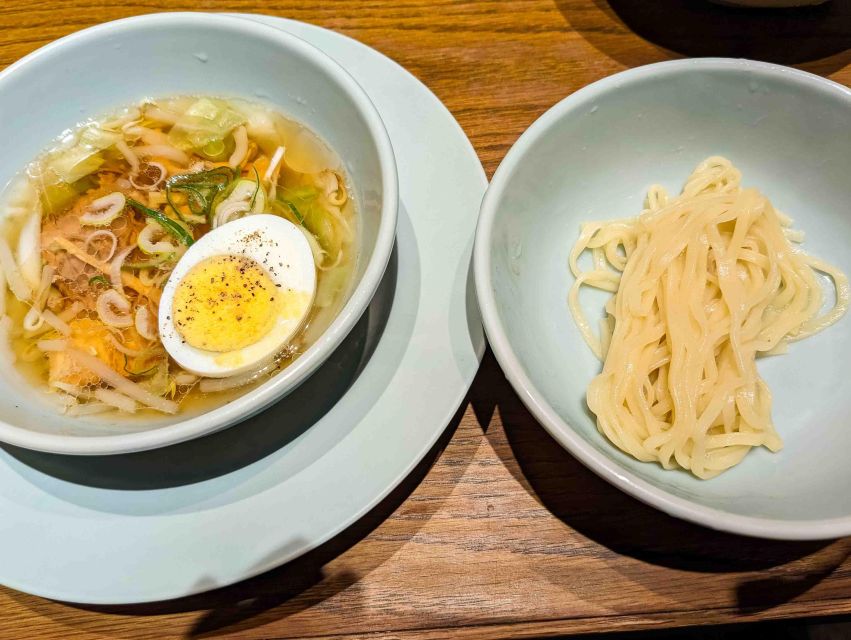
- First ramen stop: 2 mini bowls of classic Tokyo shoyu ramen
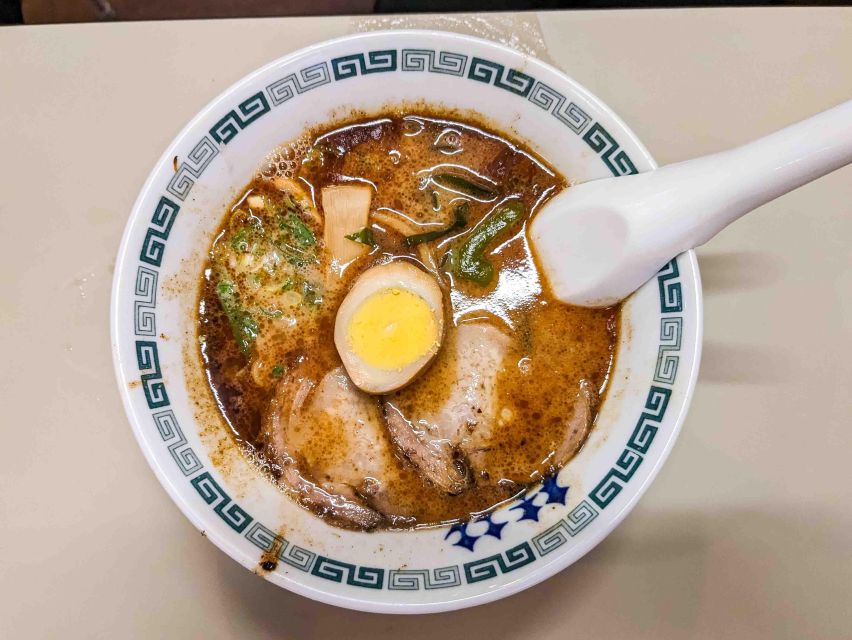
- Second ramen stop: 1 mini bowl plus gyoza, with the guide connecting this stop to other ramen styles—especially tonkotsu
If you’re the type who always wants to order one bowl and save the rest for later, this tour flips the script. You get comparison by design. And comparison is how you stop treating ramen like one flavor and start treating it like a spectrum.
Before You Eat: The Coffee Shop Ramen Basics Quiz Sets the Tone
Right after meeting up, you head to a nearby coffee shop for a quick ramen foundation. This is where the tour stops being just a food crawl and becomes a skill-building experience.
What you do there:
- Learn ramen basics
- Hear explanations about the dish and its building blocks
- Get quizzed on your ramen knowledge
That quiz part sounds playful, but it’s genuinely useful. When you’re about to eat, your brain goes from watch-and-nod to pay-attention. You start noticing questions like:
- What does the broth taste like first—salty, savory, creamy?
- How does the seasoning show up across bowls?
- What changes when you go from shoyu to tonkotsu?
It also makes the tour more interactive. Even if you come alone, you’re not just following a person through streets. You’re participating, and that tends to make the early start feel less sleepy.
Ramen Stop One: Classic Tokyo Shoyu and the Soy Sauce Lesson
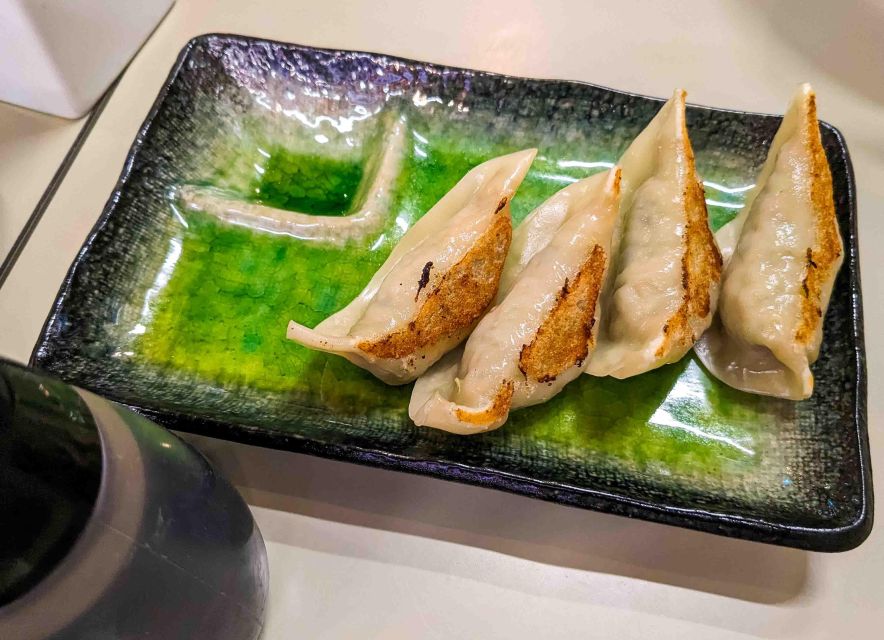
Your first ramen shop is built for shoyu fans. You’ll eat two mini bowls of Tokyo-style shoyu ramen, while the guide talks about the history of ramen and the importance of soy sauce ramen.
Why shoyu matters, in practical terms:
- Shoyu ramen is all about clarity and balance. Soy sauce creates a savory backbone that often feels sharper and more direct than heavier broths.
- When you eat the first bowl, you’re establishing a baseline flavor. Later, when the tour shifts toward tonkotsu, you can taste the contrast immediately.
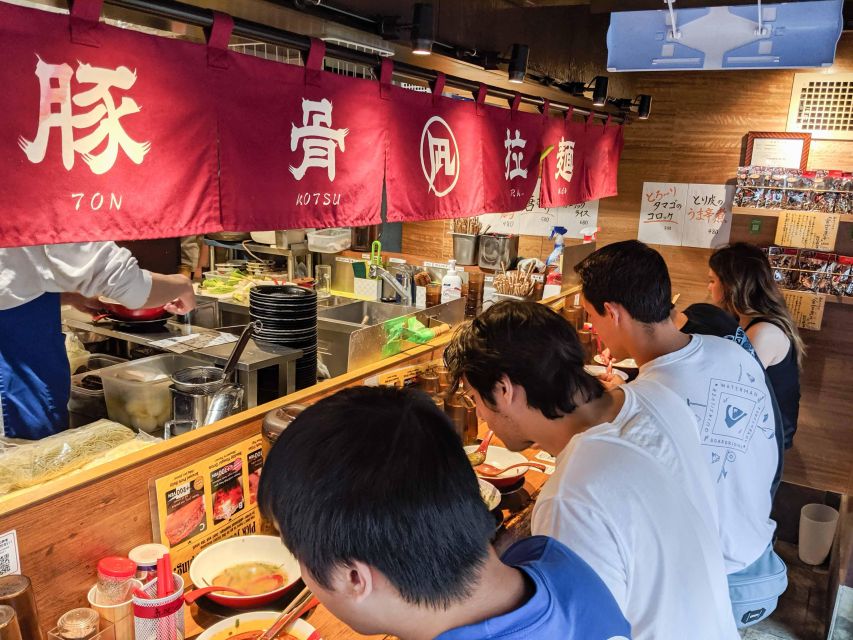
This is also where that early-morning strategy pays off. Ramen places can be hard to navigate solo, especially if you’re aiming for the kind of shop where the experience is in the bowl, not in the tourist-friendly signage. The tour route aims for spots you might miss on your own.
From the feedback, one strong theme is that guides help you understand what you’re eating without making it feel like a lecture. People highlighted how interactive and friendly guides were—names like Frank, Deep, and Daisy came up for bringing the topic to life and keeping the mood light while still being serious about the ramen details.





Ramen Stop Two: A Different Style Moment, Plus Gyoza
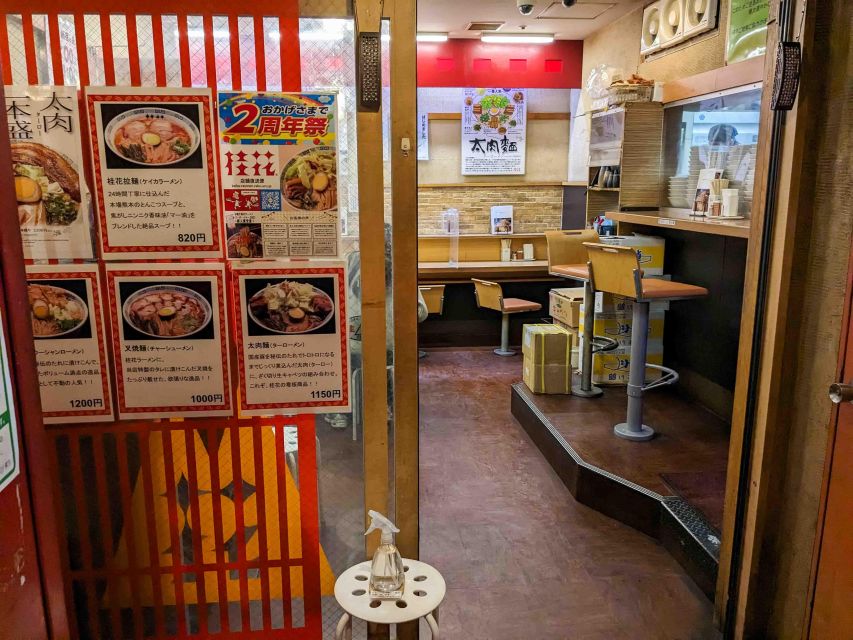
At the second ramen shop, you get the final mini bowl and your gyoza. The guide connects this part of the meal to different ramen styles and, specifically, tonkotsu (pork bone) ramen.
Even if you don’t walk out as a certified ramen judge, this stop helps you do the simplest, most useful thing: differentiate broth personalities.
In general, tonkotsu is the “heavier” lane. If shoyu often reads as straightforward and savory, tonkotsu tends to feel richer and more rounded. That difference shows up in how the broth coats the noodles and in how the flavor lingers after the first few sips.
Then there’s the gyoza. Dumplings are a great pairing for ramen education because they’re a different texture and flavor family. They help reset your palate between bites, so you don’t blur everything into one category of warm comfort food.
Also, you’ll be finishing this tour still hungry in a good way—not stuffed. Multiple mini-bowls tends to leave you satisfied but curious, which is the ideal setup for your next meal choice in Tokyo.
Price and Value: What $90 Buys in a City Where Food Costs Add Up
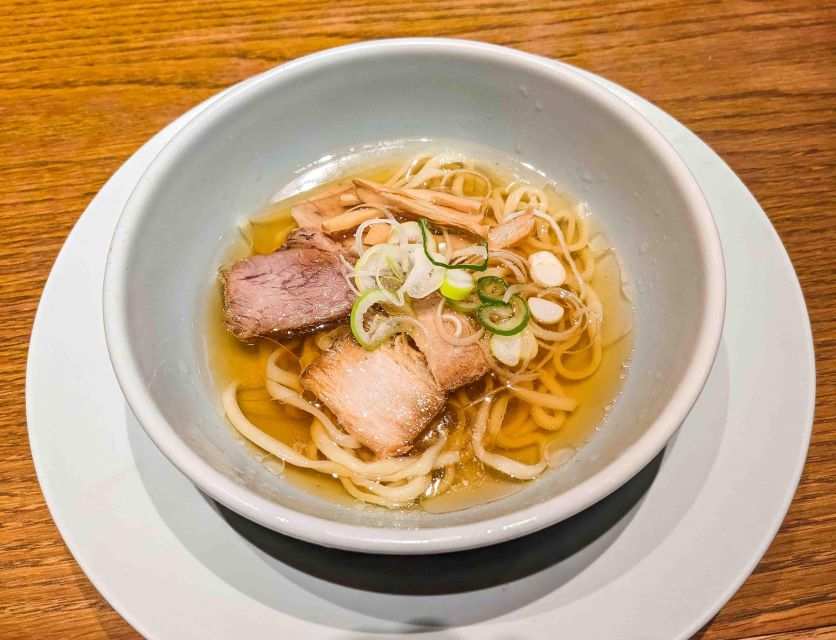
Let’s get real about the price: $90 per person for a 2-hour tour.
At face value, that’s not a bargain ramen bowl. But the value isn’t just the food—it’s the structure:
- You receive 3 ramen tastings across 2 shops
- 2 gyoza and 1 beverage are included
- You get an English live guide
- You get ramen education and a quiz, not just directions
In Tokyo, paying for a guide can be worth it when it helps you do one of three things: find the right place early, order with confidence, or understand what you’re eating. This tour hits all three. You’re not only eating; you’re being taught how to notice the differences between ramen types.
Is it a stretch if you’re on a tight budget? Yes. If you’re trying to keep spending down, you can absolutely eat ramen on your own.
But if you want a morning plan that feels focused, efficient, and genuinely fun, $90 starts to make sense. You’re buying a short experience that turns ramen into something you can talk about after.
Meeting Point in Shinjuku: How to Avoid the Usual First-Day Confusion
Your meeting point is very specific: front of a 7-Eleven on Yasukuni-dori Avenue, at the entrance of Kabukicho, near Shinjuku Station East Exit. The guide waits with a Tokyo Ramen Tours sign.
This matters because Shinjuku can overwhelm your orientation fast. Having a clear landmark like a 7-Eleven helps. Still, I’d give yourself extra buffer time. The tour runs for only 2 hours, so you don’t want to show up stressed.
A small practical note: if you’re arriving from farther out, plan on getting to the East Exit side early. You don’t want to spend the first part of your morning searching for the exact entrance.
The Guide Makes It: Friendly, Interactive, and Real About Ramen
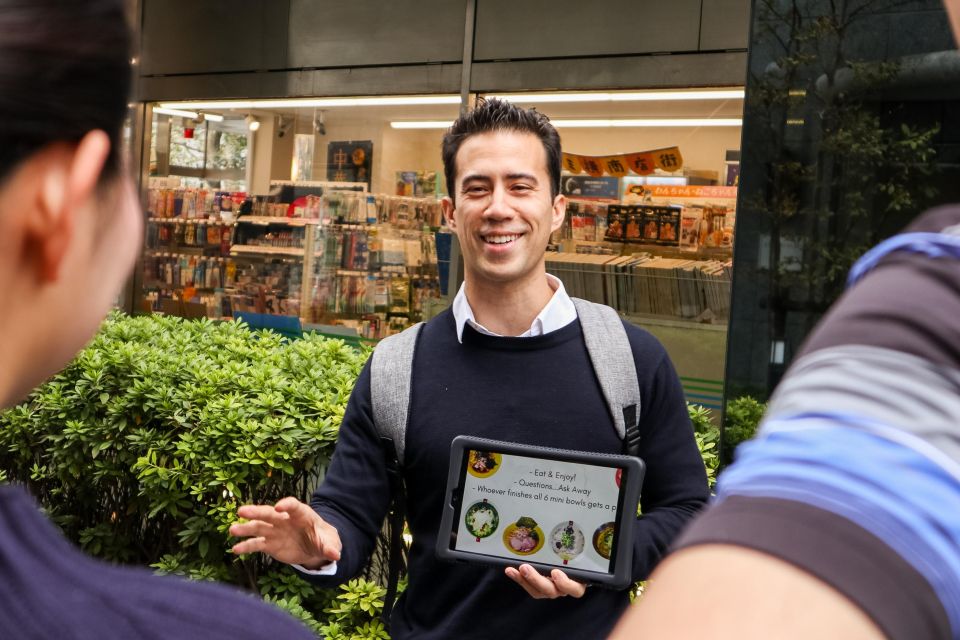
The standout across feedback is guide quality—people repeatedly mention that the guides were friendly, easy to talk to, and made the ramen topic feel approachable.
You might meet guides like:
- Deep, described as warm, easy-going, and genuinely fun to learn from
- Daisy, praised for taking groups to delicious ramen spots and for being personable and interactive
- Frank, credited with attention to detail and an expert level of ramen knowledge
What I like about this kind of guide-led approach is that it avoids two extremes. It’s not just hype and entertainment, and it’s not a dry food history lecture. You get explanations tied directly to the bowls in front of you.
If you’re the type who asks why something tastes a certain way, you’ll probably enjoy how the guide frames shoyu and tonkotsu as differences you can actually taste.
Who Should Book This Breakfast Ramen Tour
This tour fits best if:
- You want an early Shinjuku plan that isn’t all walking and photo stops
- You like learning while you eat
- You’re interested in shoyu vs tonkotsu and want a simple way to understand the difference
- You want a guide to lead you to small shops you might not find quickly alone
It’s also a good fit for small groups and even private setups, since the format is designed for interaction during the coffee-shop portion and between ramen stops.
You might skip it if:
- You hate early mornings
- You only want one bowl and don’t care about ramen education
- You’re expecting full-size portions (the tour is built on mini-bowls)
Should You Book This Breakfast Ramen Tour?
I think you should book if your priority is a structured, enjoyable ramen experience with an education component and two real shop stops. The mini-bowl format is a smart way to compare shoyu and tonkotsu without wasting time or over-ordering. And if you value a friendly, interactive guide—like Deep, Daisy, or Frank—this kind of tour tends to click fast.
If you’re more of a free-form eater who wants to wander Shinjuku at your own pace, then you could do ramen independently for less money. But you’ll be giving up the comparison framework and the ramen basics quiz that makes the whole morning memorable.
FAQ
How long is the Breakfast Ramen Tour in Shinjuku?
The tour lasts 2 hours.
What’s included in the tour price?
You get 3 mini bowls of ramen, 2 gyoza dumplings, and 1 beverage.
How many ramen shops do you visit?
You visit 2 different ramen shops in Shinjuku.
Is there an English-speaking guide?
Yes, the tour includes a live guide in English.
Where do you meet for the tour?
Meet in front of the 7-Eleven on Yasukuni-dori Avenue at the entrance of Kabukicho in Shinjuku (close to Shinjuku station, East Exit). Your guide will be waiting with a Tokyo Ramen Tours sign.
Is the price all-inclusive, including train tickets?
Train tickets, if required, are not included.
More Tour Reviews in Tokyo



Fresh reviews from around Tokyo






Tokyo, compared.
 ★ 5.0Mt Fuji and Hakone 1-Day Bus Tour Return by Bullet TrainFrom $16326,383 reviews
 ★ 5.01-Day Tokyo Bus TourFrom $12914,250 reviews
 ★ 4.6teamLab Planets TOKYO Digital Art Museum Entry TicketFrom $259,779 reviews
 ★ 4.0Mt Fuji & Hakone Cruise, Drum Show Bullet Train 1 Day from TokyoFrom $1497,413 reviews
 ★ 5.0Shinjuku Food Tour (13 Dishes at 4 Local Eateries)From $866,603 reviews
 ★ 4.4Tokyo Mt Fuji 5th St & Hakone Cruise Bus Tour w/Bullet TrainFrom $1545,024 reviews
 ★ 5.0Flagship 2-Hours Official Street Go-Kart Tour – Tokyo Bay ShopFrom $644,974 reviews
 ★ 4.5From Tokyo: Mount Fuji Full-Day Sightseeing TripFrom $684,970 reviews