
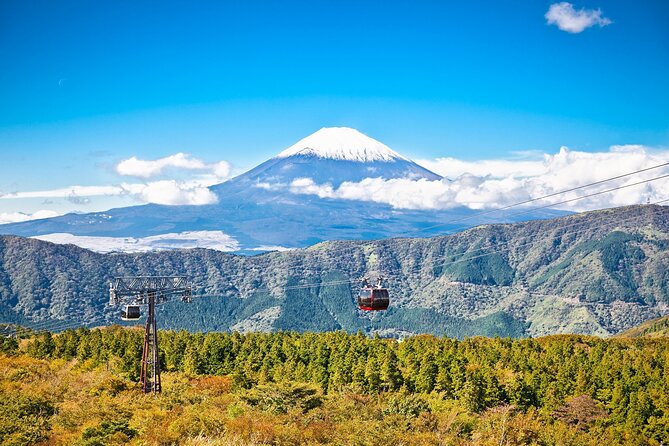
Reviewed · TOKYO
Best Mt Fuji and Hakone Full-Day Bus Tour from Tokyo
A day trip that hits big scenery fast. This full-day shared bus plan strings together Mt. Fuji and Hakone with built-in photo stops, a ninja-themed village, and the classic lake-and-shrine sights you came for. You also get a tight schedule that’s realistic if you’re short on time in Tokyo and don’t want to babysit trains, tickets, and transfers.
I especially like the value: the price covers bus transport, a professional English-speaking guide, buffet lunch, ropeway, and Lake Ashi cruise—plus admission to Shinobi no Sato. The other thing I like is the small group feel (max 15) paired with multilingual audio guidance, so you’re not stuck listening to one language all day.
The main drawback to consider is pacing. This is a packed, scheduled day, so you’ll have limited time at each stop, and mountain access can depend on weather.
In This Review
- Key highlights to know
- Morning in Shinjuku, then straight to Mt. Fuji’s 5th Station
- Mt. Fuji 5th Station photos: quick window, big payoff
- Oshino Shinobi no Sato and Samurai Restaurant: a fun lunch with a purpose
- Hakone Ropeway to Owakudani Valley: volcanic views, included logistics
- Lake Ashi cruise and Hakone Jinja Torii of Peace: the iconic photo sequence
- Finishing near Shinjuku: Odawara option and the end-of-day rhythm
- What you actually get for $188.59: value, not just sightseeing
- Group size, language tools, and the comfort level of a shared bus day
- Tips to make this day run smoothly (and not feel rushed)
- Should you book this Mt. Fuji and Hakone full-day bus tour?
- FAQ
- Where is the meeting point in Tokyo?
- What time does the tour check in and depart?
- How long is the tour?
- Is hotel pick-up or drop-off included?
- What places does the tour stop at?
- How long is the time at Mt. Fuji 5th Station?
- What’s included in the price?
- Are drinks included with lunch?
- What languages are available for audio guidance?
- How many people are in a booking?
- What is the cancellation policy?
Key highlights to know
- Small group size (max 15 per booking) keeps the day from feeling chaotic.
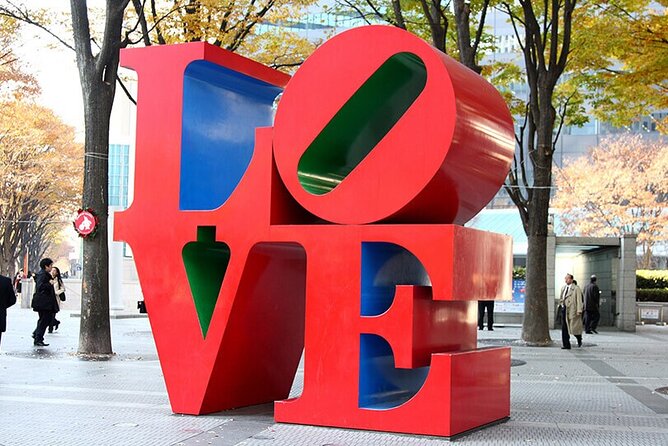
- Direct Shinjuku meeting point at the LOVE statue in front of i-Land tower makes morning logistics easier.
- Mt. Fuji 5th Station timing is built in for morning light and a manageable stop length.
- Ninja House lunch break at Oshino Shinobi no Sato adds a fun detour beyond just sightseeing.
- Hakone Ropeway + Owakudani Valley gives you volcano views via included transport.
- Lake Ashi cruise + Hakone Jinja delivers the iconic Torii-of-the-water photo moment.
Before you commit, see how this one stacks up against a few Tokyo favourites:
- Mt Fuji and Hakone 1-Day Bus Tour Return by Bullet Train★ 5.0 · 26,383 reviews
- 1-Day Tokyo Bus Tour★ 5.0 · 14,250 reviews
- Tokyo: teamLab Planets TOKYO Digital Art Museum Entry Ticket★ 4.6 · 9,779 reviews
Morning in Shinjuku, then straight to Mt. Fuji’s 5th Station
The day kicks off in Nishishinjuku. You check in at 7:50am near the “LOVE” statue in front of i-Land tower, and the bus leaves at 8:00am. That’s a helpful setup if you’re staying in central Tokyo and want one clear meeting point instead of hunting down rail platforms.
From there, you’re on a road plan with shared transport. It’s not about flexibility—you’re signing up for an organized flow. The upside is stress reduction: you don’t have to calculate routes while jet-lagged, and you get frequent windows for photos rather than long stretches of aimless commuting.
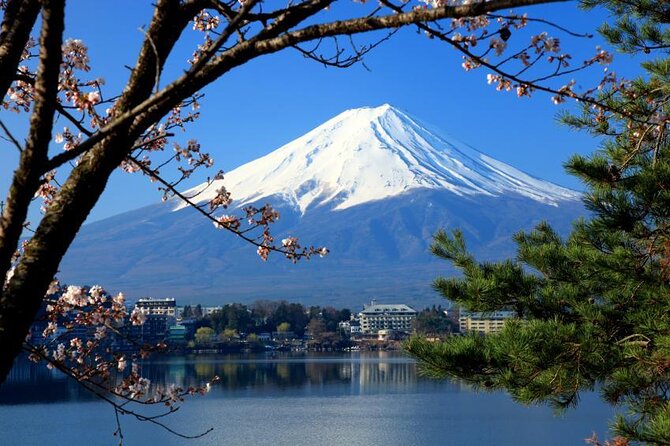
You’ll arrive at Mt. Fuji 5th Station (Subashiri Trail) around 10:30am. This is set about 2,000 meters from sea level on the eastern side of the mountain. The stop is short—about 30 minutes—so it works best if you’re okay with quick photos, a bit of breathing room, and then moving on.
One practical note: access to the mountain area may depend on weather conditions. The tour still runs in all weather, but if conditions are poor, you may have less time actually on the mountain site. Pack for cold and wind anyway, even if Tokyo feels mild that morning.
Mt. Fuji 5th Station photos: quick window, big payoff
Mt. Fuji 5th Station is the tour’s headline moment, and the timing matters. Reaching it just after 10:30am means you have a decent shot at visibility before the day’s haze thickens. Also, the tour gives you a focused, no-fuss window rather than dragging the stop out forever.
Here’s what you can realistically aim for:
- A clear view of the mountain if weather cooperates
- Photo angles that are hard to reproduce from street level
- A chance to step into a high-altitude zone even if you’re not hiking
The drawback is exactly what makes this a “bus tour” style stop: you won’t have hours to explore. You’ll need to decide quickly—photos first, then a quick look around. If you’re the type who loves lingering, you’ll probably feel the clock. If you want the iconic Mt. Fuji moment without a full expedition, this is a good fit.
And because weather can affect access, it’s smart to avoid planning any delicate “only if X happens” expectations for this part of the day. Think of it as: you’re going for the view, and if the view is limited, you still get the rest of Hakone’s highlights.
Oshino Shinobi no Sato and Samurai Restaurant: a fun lunch with a purpose
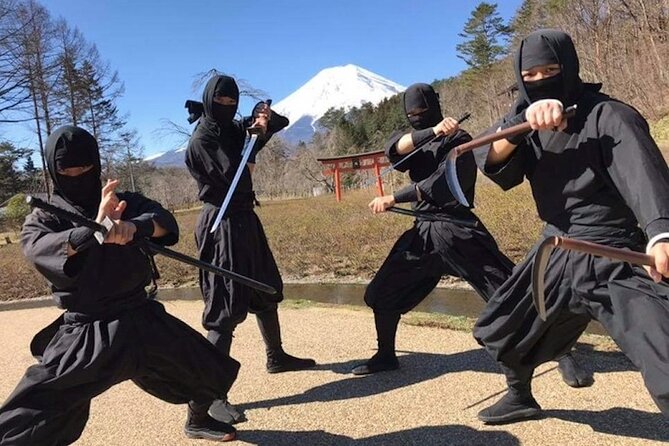
After your Mt. Fuji stop, the schedule shifts to the calmer, quirky side of the region. You head to Oshino Shinobi no Sato in Yamanashi Prefecture, arriving around 11:10am.
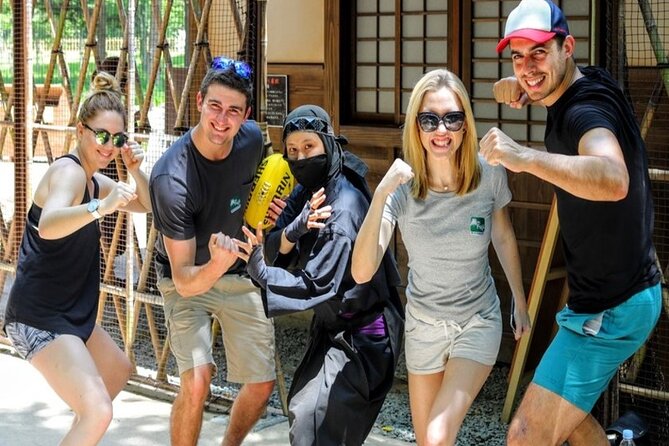
This is a ninja-themed village with views back toward Mt. Fuji. The point isn’t just costumes. It gives you a change of pace from scenic overlooks: a place you can walk around, take photos, and enjoy a themed setting that feels distinctly Japanese-pop-culture without being overly complicated.
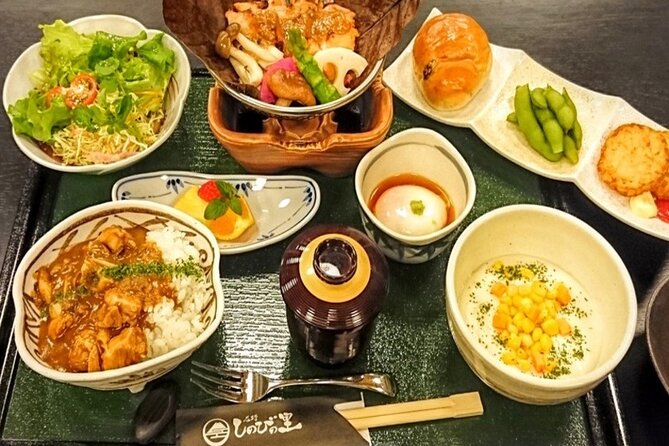
Lunch runs 11:10am to 12:20pm at a Samurai Restaurant (buffet lunch is included). That matters because it prevents the classic full-day trip problem: getting stuck hunting for food between transfers. You don’t have to time a restaurant reservation or guess where to eat while everyone else is moving on.
A consideration: since lunch is part of the included, scheduled block, you’ll likely eat during the tour’s set time rather than at your ideal slow pace. If you have a sensitive schedule or need dietary flexibility, it’s worth double-checking what you can manage with buffet-style dining—but based on the format, you should be able to eat without hunting down options.
Hakone Ropeway to Owakudani Valley: volcanic views, included logistics
At 1:30pm, you head to the Hakone Ropeway and take a ride up toward Owakudani Valley. This is one of Hakone’s most famous “you’re here because it’s famous” stops, and the tour includes the ropeway fee, so you’re not paying extra at the last second.
The time block here is about 1 hour. That’s usually enough for a short walk, some breathy photo time, and a look at the volcanic setting. The ropeway portion is also a nice break from bus riding—your eyes get something different to process while you move.
What I like about this segment is the way it solves a common traveler headache. Without a tour, you can spend mental energy working out where to go next. Here, the transport and timing are handled for you, and you get the benefit of a guided day that keeps you from wandering in circles.
The caution is simple: ropeway days can be cold, windy, or foggy. If visibility is limited, don’t expect dramatic long-distance views. Still, the volcanic atmosphere tends to be interesting up close, even when the weather isn’t perfect.





Lake Ashi cruise and Hakone Jinja Torii of Peace: the iconic photo sequence
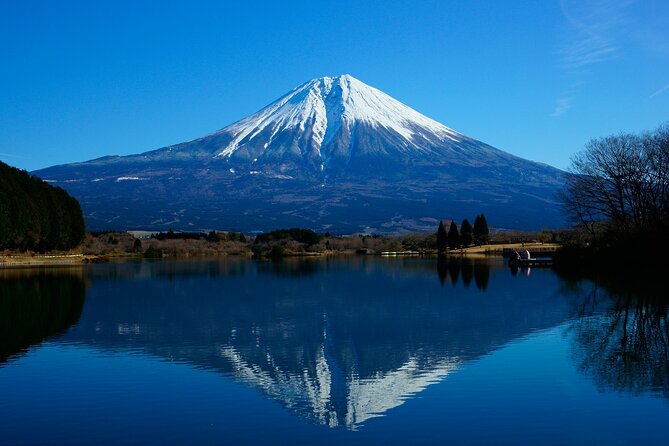
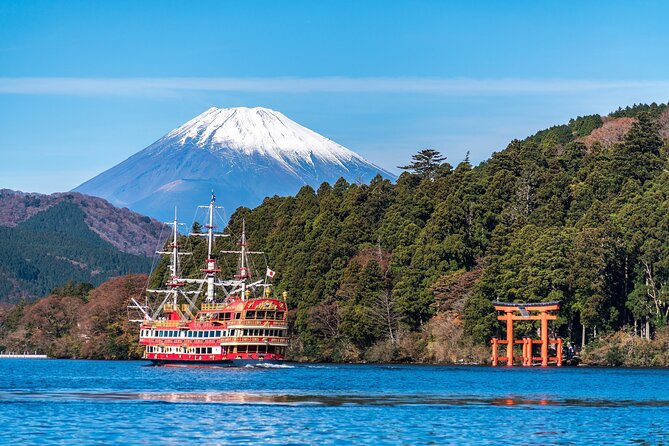
Around 2:50pm, you reach Lake Ashi, and then you take a cruise—about 45 minutes. This is where your Mt. Fuji day turns into the classic Hakone postcard view: a big body of water, a calm surface, and a chance to photograph Mt. Fuji from a distance if it’s visible.
This cruise is included, which I appreciate. In Japan, scenic transport can add up fast, and getting the cruise wrapped into your tour price removes one of the easiest places to overspend.
Next comes Hakone Jinja, starting 3:15pm to 3:30pm for the ride, followed by 3:30pm to 4:00pm at the shrine. This stop is especially valuable for the red torii gate on the water, known as the Torii of Peace. Even if you don’t care about shrine details, that water-gate view is the whole reason many people come to Hakone.
Time is tight here, too—about 30 minutes. That’s plenty to:
- Get the torii photos
- Walk the immediate shrine area
- Take in the water views
But if you want a long sit-down moment, pray-and-stroll pace, this won’t be it. Still, the sequence—ropeway volcano, then lake cruise, then the famous torii—creates a strong “progression” that feels like you’re moving through Hakone’s best hits in logical order.
Finishing near Shinjuku: Odawara option and the end-of-day rhythm
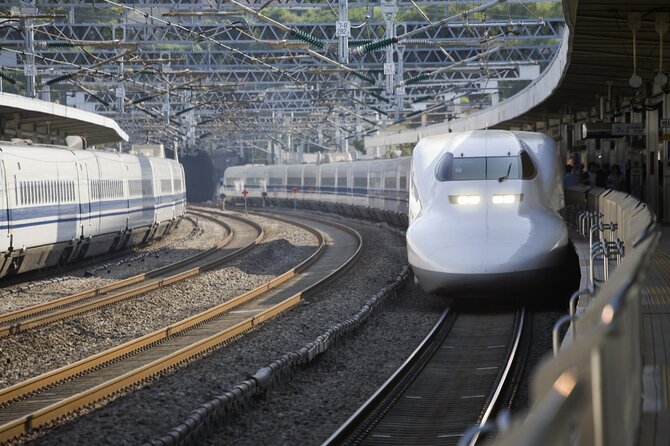
After Hakone Jinja, you head toward Odawara Station. You arrive around 4:30pm to 4:40pm, and this is a key fork in the road.
If you choose the Shinkansen option, you finish the tour at Odawara Station. If not, you continue by bus back to Shinjuku—about 70 minutes—and return around 6:50pm to the west exit of Shinjuku Station.
This matters because it affects your evening plan. Ending in Odawara can be handy if you’re traveling onward that night. Finishing back in Shinjuku is convenient if you want dinner near where you started.
Either way, the tour’s total time is about 9 hours. It’s long enough to feel like a full day away, but not so long that you’re totally wrecked when you get back.
What you actually get for $188.59: value, not just sightseeing
At $188.59 per person, this tour may look “tour expensive” if you compare it to the cost of a single train ride. But the real value is that it bundles the expensive, time-consuming parts of the day.
You’re paying for:
- Bus fare (so you don’t have to manage transfers)
- A professional English-speaking tour guide
- Buffet lunch (so you’re not stuck finding food)
- Ropeway fee
- Admission for Shinobi no Sato
- Lake Ashi cruise
- Multilingual audio guidance in English, Spanish, French, Italian, Indonesian, Thai, Russian, and Ukrainian
On top of that, you get a mobile ticket, which simplifies check-in and reduces paper clutter.
This bundle is why the day feels efficient. Those add-on items—admissions, ropeway, cruise—are exactly the kind of costs that sneak up when you plan independently. Here, they’re controlled and predictable, and you spend your attention on seeing rather than scheduling.
One more practical value point: the tour is capped at 15 people. That size usually means less waiting, fewer delays from constant regrouping, and a better chance for the guide to keep everyone on track.
Group size, language tools, and the comfort level of a shared bus day
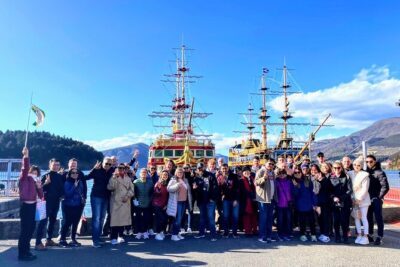
Shared transportation is never going to feel like private, door-to-door service. Still, this tour is built to reduce the pain points.
- Max 15 people: small enough that the day doesn’t feel like a cattle call.
- Professional English-speaking guide: helpful for context, logistics, and quick decisions when the schedule is moving.
- Multilingual audio: this is great if you’re not fluent in English but still want to follow what’s happening.
One standout detail from guide experience is Yuki-san, who has been described as kind and giving strong practical tips. Even if you don’t speak the guide’s language, that matters because good guidance is about timing and where to stand for photos—not just facts.
Also note: drinks are not included. That’s a common gotcha on day trips. Bring water or plan to buy it along the way, especially if the weather turns cold at higher elevation.
Tips to make this day run smoothly (and not feel rushed)
This tour works best when you travel with the right mindset: you’re doing “great hits,” not full wandering.
Here’s how I’d prepare:
- Dress for mountain weather. Even in good seasons, it can feel colder and windier near the 5th station.
- Wear comfortable walking shoes. You’re moving between stops and doing short walks at several locations.
- Have a light “photo plan” before you arrive. Decide that you’ll grab your main shots quickly at Mt. Fuji 5th Station and Hakone Jinja, then relax into the rest.
- Keep your schedule flexible. The tour runs on a tight timeline, so late arrivals create stress for everyone.
- Plan for buffet lunch logistics. You’ll be eating during the included time block, so don’t assume you can browse nearby restaurants freely.
And if you’re traveling with kids, this kind of structured day can actually be easier than independent planning. The ninja-themed village and the shrine-and-torii photo moment give you visual “wow” moments without needing to explain deep history on the spot.
Should you book this Mt. Fuji and Hakone full-day bus tour?
Book it if you want a predictable, efficient day that covers Mt. Fuji and Hakone’s headline sights without rental car headaches. The strongest reasons to choose it are the bundled inclusions (guide, lunch, ropeway, cruise, admissions) and the tight route that’s designed for people who don’t want to spend half the day commuting.
Skip it or consider another style if:
- You hate feeling rushed and want long, unstructured time at each stop.
- You’re expecting a full hiking or deep sightseeing day on Mt. Fuji itself. This focuses on the 5th station photo window.
- You’re sensitive to weather-related access limitations, since mountain area entry can vary.
If your goal is a high-impact day with minimal logistics work, this one is a solid bet.
FAQ
Where is the meeting point in Tokyo?
You meet at the “LOVE” statue in front of i-Land tower in Shinjuku, at 6-5-1 Nishi-shinjuku, Shinjuku, Tokyo.
What time does the tour check in and depart?
Check-in time is 7:50am, and departure time is 8:00am.
How long is the tour?
The duration is about 9 hours.
Is hotel pick-up or drop-off included?
No. Hotel pick-up and drop-off are not included.
What places does the tour stop at?
Key stops include Mt. Fuji 5th Station, Oshino Shinobi no Sato, Owaku-dani Valley (via Hakone Ropeway), Lake Ashi, and Hakone Jinja, with the day finishing at either Odawara (option) or Shinjuku Station.
How long is the time at Mt. Fuji 5th Station?
You arrive around 10:30am and have about 30 minutes there.
What’s included in the price?
Included are bus fare, a professional English-speaking tour guide, buffet lunch, ropeway fee, admission to Shinobi no Sato, Lake Ashi cruise, and multilingual audio guidance.
Are drinks included with lunch?
No. Drinks are not included.
What languages are available for audio guidance?
Audio guidance is available in English, Spanish, French, Italian, Indonesian, Thai, Russian, and Ukrainian.
How many people are in a booking?
There is a maximum of 15 people per booking.
What is the cancellation policy?
Free cancellation is allowed up to 24 hours before the experience start time for a full refund. If you cancel less than 24 hours before, you won’t get a refund.
More Tour Reviews in Tokyo



Fresh reviews from around Tokyo






Tokyo, compared.
 ★ 5.0Mt Fuji and Hakone 1-Day Bus Tour Return by Bullet TrainFrom $16326,383 reviews
 ★ 5.01-Day Tokyo Bus TourFrom $12914,250 reviews
 ★ 4.6teamLab Planets TOKYO Digital Art Museum Entry TicketFrom $259,779 reviews
 ★ 4.0Mt Fuji & Hakone Cruise, Drum Show Bullet Train 1 Day from TokyoFrom $1497,413 reviews
 ★ 5.0Shinjuku Food Tour (13 Dishes at 4 Local Eateries)From $866,603 reviews
 ★ 4.4Tokyo Mt Fuji 5th St & Hakone Cruise Bus Tour w/Bullet TrainFrom $1545,024 reviews
 ★ 5.0Flagship 2-Hours Official Street Go-Kart Tour – Tokyo Bay ShopFrom $644,974 reviews
 ★ 4.5From Tokyo: Mount Fuji Full-Day Sightseeing TripFrom $684,970 reviews