
Reviewed · TOKYO
Asakusa: Kimono Tea Ceremony with Matcha and Sweet
Kimono and matcha in 90 calm minutes. In Asakusa, you get a full, guided Japanese tea ceremony experience paired with dressing time: you choose a seasonal kimono, get help with your outfit and hair, then learn how matcha is made the traditional way. The whole thing is paced for quiet attention, with English guidance throughout.
I especially liked two parts. First, the tea lesson doesn’t stop at procedure; it explains the meaning behind Wa, Kei, Sei, and Jaku so you understand why people do each small step. Second, you don’t just watch—you whisk your own bowl of matcha, and you get hands-on practice with the tools.
One consideration: you’ll sit on tatami mats in a calm room, and shoes aren’t allowed, so it helps if you’re comfortable with that style of setting. You’ll also only have the included Japanese sweets, not a full meal.
In This Review
- Key highlights to look for
- A kimono ceremony in Asakusa: why it feels special
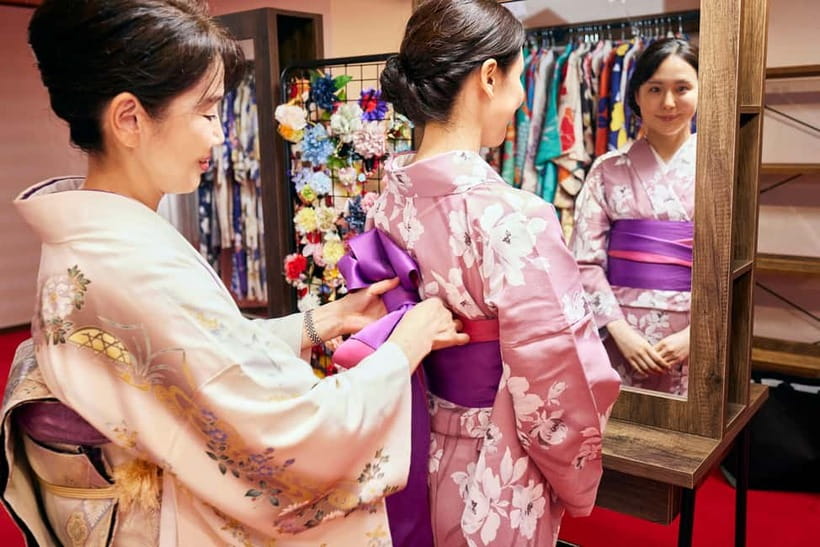
- Choosing your seasonal kimono and getting dressed correctly
- Tatami calm and tea etiquette: Wa, Kei, Sei, Jaku in plain terms
- Matcha prep with a real lesson, then your turn
- Wagashi sweets: what you get with your matcha
- Photography time and wearing your kimono afterward
- Price and value: what $66 includes, and what that means in real life
- Group size, pacing, and how it should feel
- Who should book this Asakusa kimono tea ceremony
- Quick practical tips before you go
- Should you book it?
- FAQ
- How long is the kimono and tea ceremony experience in Asakusa?
- What is included in the price?
- Is transportation to the venue included?
- Are shoes allowed during the ceremony?
- Can I request a bamboo chair instead of sitting on tatami mats?
- Are children under 7 allowed to join?
Key highlights to look for
- Kimono selection with professional dressing: choose a seasonal kimono and get help with the obi and look.
- English-led tea etiquette: you learn the meaning behind Wa, Kei, Sei, Jaku, not just the motions.
- Hands-on matcha prep: watch the proper utensil handling, then whisk your own bowl.
- Seasonal wagashi included: sweets paired with your matcha, with options described as vegan-friendly in at least one session.
- Photo-friendly setup: small garden and indoor staging, plus you can plan for kimono time afterward if you want.
Before you commit, see how this one stacks up against a few Tokyo favourites:
- Mt Fuji and Hakone 1-Day Bus Tour Return by Bullet Train★ 5.0 · 26,383 reviews
- 1-Day Tokyo Bus Tour★ 5.0 · 14,250 reviews
- Tokyo: teamLab Planets TOKYO Digital Art Museum Entry Ticket★ 4.6 · 9,779 reviews
A kimono ceremony in Asakusa: why it feels special
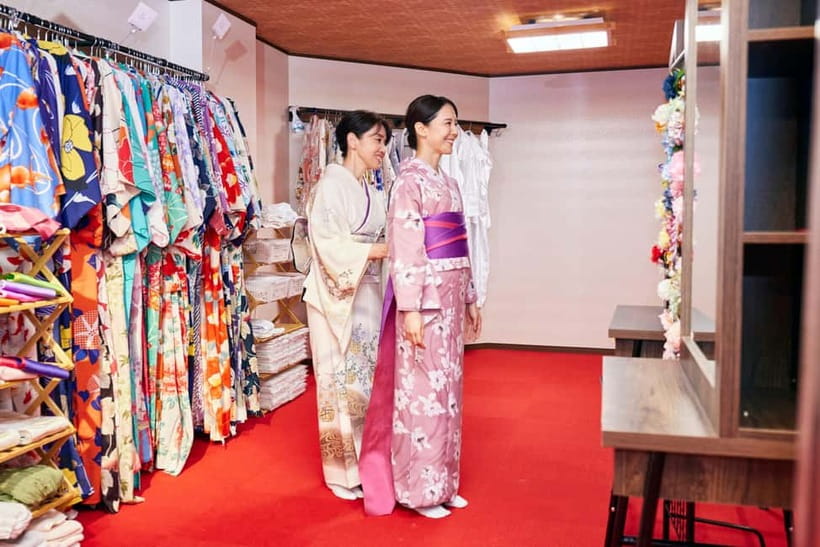
Asakusa is a great place to do this because it already has that old-meets-traditional feel. This experience leans into it hard, starting with the clothes. You’ll pick from a selection of seasonal patterns and colors, and the team helps you get fully dressed in a way that looks right, not just “put on a kimono.”
That matters more than people think. Kimono fitting changes your posture and your movements, so the whole tea ritual lands more naturally once you’re in it. And since you’re guided through etiquette, the time in the tea room doesn’t feel like a lecture; it feels like a slow, careful performance you’re learning to join.
Choosing your seasonal kimono and getting dressed correctly
Your first chunk of time goes to selecting your kimono and getting dressed. You’ll have staff on hand to help you choose a look that fits and to get the obi and accessories in place. The result is what most people come for: a kimono that photographs well and feels authentic, not like a quick costume.
Women also get hair styling included, but there’s one clear limit: hair styling is for long hair only. If you don’t fall into that category, you’ll want to plan around the fact that you might only get dressing support, not a styled hair look.
A useful detail is how “hands-on” the dressing phase feels. You don’t just hand over your passport-sized photo and hope for the best. The staff help you get ready so you can relax once you reach the tea room.
Tatami calm and tea etiquette: Wa, Kei, Sei, Jaku in plain terms
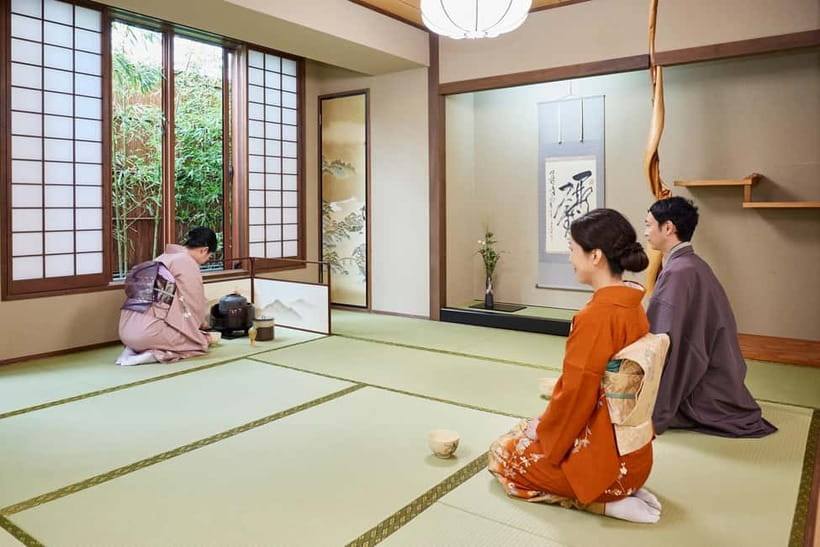
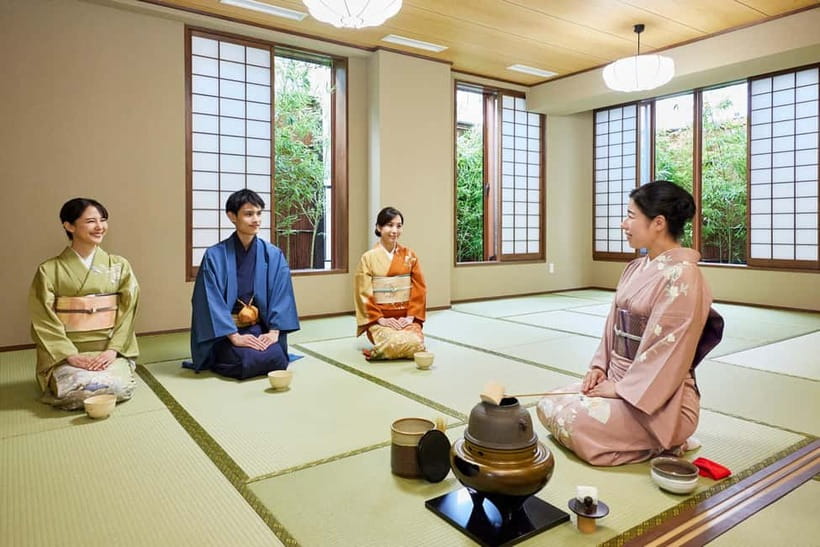
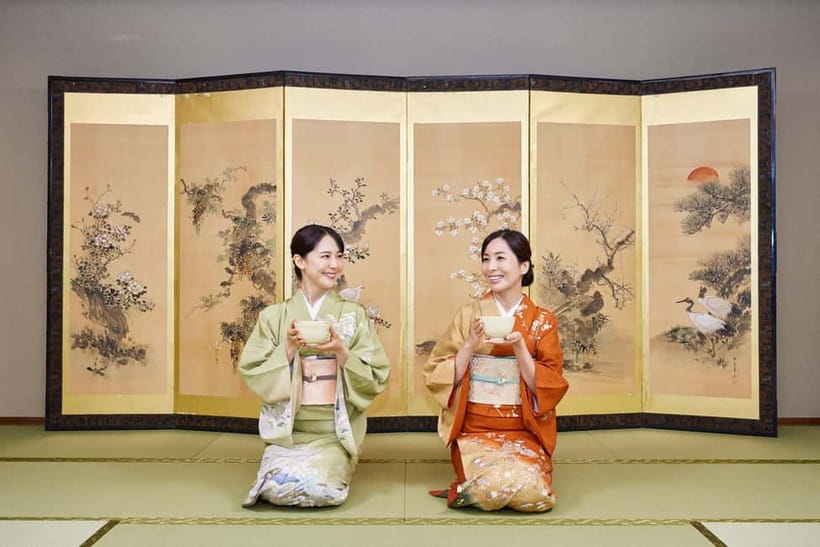
Then you move into the quiet tea room where the tea master leads the ceremony. The big educational value here is that you learn what the practice stands for, not just how to hold a whisk.
You’re taught the four Zen-influenced principles tied to the ceremony:
- Wa (harmony): the mood and balance of the room
- Kei (respect): for the tools, the host, and the shared ritual
- Sei (purity): careful preparation and cleanliness in the process
- Jaku (tranquility): the calm state the ceremony aims to create
Even if you’re new to Japanese culture, this framework makes the ceremony easier to follow. Instead of wondering why everyone is moving slowly, you understand the “why” behind each careful action.
Seating is on tatami mats, which is part of the authenticity. If you want a different seating setup, bamboo chairs are available but only if you request them in advance. Shoes are not allowed, so plan to be ready to be barefoot or in socks once you’re inside.
Matcha prep with a real lesson, then your turn
The matcha portion is where this experience earns its price. You start by watching the host demonstrate the proper handling of the utensils. These tools aren’t treated like generic kitchen props; they’re handled with care, and the demonstration is done step-by-step.
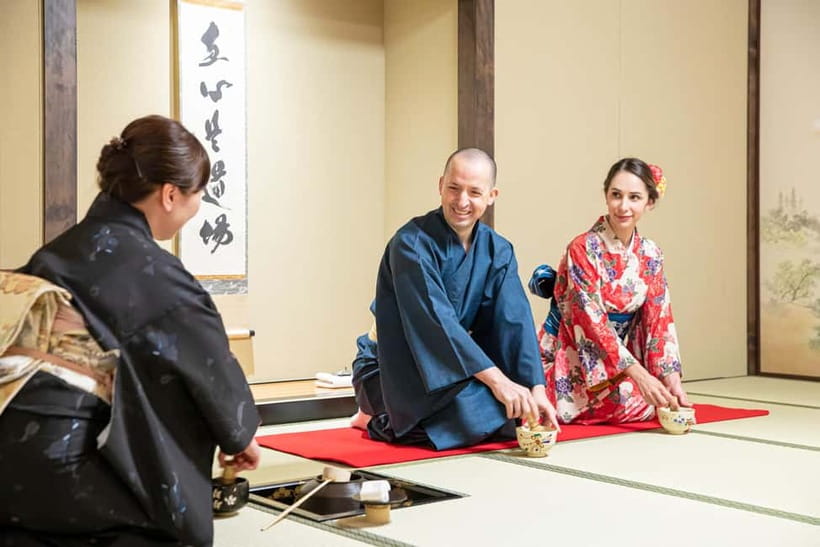
Then it’s your turn. You whisk your own bowl of matcha, guided through the process so you can get it right without stress. That hands-on part is the difference between a “see it” activity and a “you did it” memory.
You’ll also get to enjoy the matcha right after, paired with the sweets that come with the session. The timing helps: you taste what you just made while everything is still fresh and focused.





Wagashi sweets: what you get with your matcha
Your session includes seasonal Japanese sweets called wagashi, served alongside your freshly made matcha. Because they’re seasonal, the flavors and look follow what’s appropriate for the time of year, so each visit tends to feel different.
One detail that stood out from past experiences: some seasonal sweets have been described as vegan-friendly. That doesn’t guarantee every sweet will be vegan, so if dietary needs are strict, I’d treat wagashi as “ask first.” Still, it’s good to know that at least some sets have worked for vegan diners.
The wagashi step also slows the ceremony down in a good way. You’re not racing through matcha; you’re learning to experience it—tea, sweetness, and quiet—like a small moment of Japanese everyday culture.
Photography time and wearing your kimono afterward
There’s a practical reason this activity is so popular: it’s very photo-friendly. You’ll find set areas designed for kimono pictures, including a small garden space for photos. Indoors, there are staging spots too, so you’re not stuck relying only on weather.
The staff also help with pictures, including support for couples photos. If you’re traveling solo, you may also find extra attention during photos, since the team is used to guiding people who need help getting the angle right.
Another big value point: kimono rental can last for the remainder of the day. That means you can plan a little extra time after the tea ceremony in your outfit if you want. One person even noted being able to go out afterward in kimono. In other words, the experience isn’t just a one-room event; it can spill into the rest of your Tokyo day.
Price and value: what $66 includes, and what that means in real life
At $66 per person for a 90-minute session, the value comes from the full package, not one single attraction. You get:
- Traditional tea ceremony guidance with English support
- Kimono rental plus professional dressing
- Hair styling for women with long hair
- Matcha preparation (you make it)
- Seasonal wagashi
- Bilingual staff and full English guidance during the experience
If you’ve ever priced kimono rental plus a guided tea class separately, you’ll understand why bundling is the smart move. You’re paying for coordinated help: correct fitting, correct utensils, and a lesson that connects etiquette to meaning.
You should also note what’s not included. Transportation to the venue is on you, and meals beyond the Japanese sweets aren’t part of the package. So plan your day with a light schedule—this works best as a dedicated cultural block rather than something you squeeze between meal rushes.
Group size, pacing, and how it should feel
This runs about 90 minutes, and sessions are typically 12–14 participants, so you’re not alone in the space. Still, the ceremony is quiet and calm, which helps the experience feel personal even when there are others around.
In practice, that calm pacing is part of the point. This isn’t a loud “do this, next stop” tour. You’re meant to slow down, sit down on tatami, and take the ceremony seriously enough that your matcha whisking and wagashi tasting feel connected.
If you prefer high-energy activities, this might feel slower than you’re used to. If you like learning by doing, calm environments, and careful cultural steps, it’s a strong match.
Who should book this Asakusa kimono tea ceremony
This is a great fit if you want a cultural experience that’s both meaningful and practical. The biggest draw for me is the combination of dressing help and hands-on tea-making. You leave with real skills you can remember, not just a photo in a kimono.
I’d especially recommend it for:
- Couples or friends who want a shared, calm cultural activity and good photo time
- Solo travelers who want English guidance and staff support for photos
- People who like “learn the meaning” experiences, not just “watch the performance”
- Travelers who want to understand Japanese tea etiquette through Wa, Kei, Sei, Jaku
It may be less ideal if you need frequent movement, lots of speaking time, or a full meal included. And if you’re traveling with kids, note that children under 7 aren’t permitted.
Quick practical tips before you go
Small logistics matter here because the experience depends on quiet and correct ritual behavior.
- Go in knowing shoes aren’t allowed, and you’ll be on tatami mats.
- If you don’t want tatami seating, request a bamboo chair ahead of time.
- Expect a calm room and a slower pace; this is a ceremony, not a fast show.
- Confirm whether your hair length fits the included styling for women (long hair only).
Also, keep your expectations right: this is 90 minutes focused on kimono, tea etiquette, matcha making, and wagashi. It’s designed to end cleanly so you can keep exploring after.
Should you book it?
If you’re deciding between a quick photo stop and a real cultural activity, I’d book this. You get more than a costume: you get English-led etiquette (Wa, Kei, Sei, Jaku), tool handling, your own matcha whisking, and seasonal wagashi, all wrapped into one timed session.
I’d hold off only if you strongly dislike quiet experiences, aren’t comfortable with tatami seating, or need a full meal included. If those are your priorities, pick something else. If not, this is one of those Tokyo activities that turns into a lasting memory because you actively participate.
FAQ
How long is the kimono and tea ceremony experience in Asakusa?
It lasts about 90 minutes.
What is included in the price?
The price includes the traditional tea ceremony, kimono rental and professional dressing, matcha preparation, seasonal wagashi, full English guidance, and hair styling for women with long hair only. Bamboo chairs are available upon advance request.
Is transportation to the venue included?
No. Transportation to the venue is not included.
Are shoes allowed during the ceremony?
No. Shoes are not allowed.
Can I request a bamboo chair instead of sitting on tatami mats?
Yes, bamboo chairs are available upon advance request.
Are children under 7 allowed to join?
No. Children under 7 years old are not permitted.
More Tour Reviews in Tokyo



Fresh reviews from around Tokyo






Tokyo, compared.
 ★ 5.0Mt Fuji and Hakone 1-Day Bus Tour Return by Bullet TrainFrom $16326,383 reviews
 ★ 5.01-Day Tokyo Bus TourFrom $12914,250 reviews
 ★ 4.6teamLab Planets TOKYO Digital Art Museum Entry TicketFrom $259,779 reviews
 ★ 4.0Mt Fuji & Hakone Cruise, Drum Show Bullet Train 1 Day from TokyoFrom $1497,413 reviews
 ★ 5.0Shinjuku Food Tour (13 Dishes at 4 Local Eateries)From $866,603 reviews
 ★ 4.4Tokyo Mt Fuji 5th St & Hakone Cruise Bus Tour w/Bullet TrainFrom $1545,024 reviews
 ★ 5.0Flagship 2-Hours Official Street Go-Kart Tour – Tokyo Bay ShopFrom $644,974 reviews
 ★ 4.5From Tokyo: Mount Fuji Full-Day Sightseeing TripFrom $684,970 reviews