
Reviewed · TOKYO
3h Tokyo E-Bike Tour: Hidden Gems, and Local Life with guide
Tokyo on an e-bike changes everything. This 3-hour small-group tour mixes big landmarks with real neighborhoods, and you choose the morning or afternoon route. I like the easy e-assist bikes that let you see more without arriving exhausted, and I also like how the guides bring the city to life, from Yo to Ted to Jenny. One heads-up: you’ll need to feel comfortable riding in busy central Tokyo traffic for the whole ride.
Expect a lot of motion and a lot of turning corners. If you can’t handle a bicycle confidently, this tour won’t work for you, and the pace depends on keeping the group together on city streets.
In This Review
- Key points I’d build your day around
- Why this 3-hour e-bike tour is a smart Tokyo starter
- Kanda meeting point: quick setup and the local bar district feel
- Imperial Palace, Tokyo Station and Sakura-damon gates on the morning route
- Ginza backstreets and Tsukiji Outer Market without the marathon
- Afternoon stops: Akihabara, Kappabashi knives, and Asakusa temple etiquette
- Ryogoku sumo area and Nihonbashi Bridge: where Tokyo’s distances begin
- Safety, pacing, and what to do when streets get busy
- Price and value: what’s included for $63, and what you pay for yourself
- Should you book this tour? My practical recommendation
- FAQ
- How long is the Tokyo e-bike tour?
- Where do I meet for the tour?
- What’s included, and can I store luggage?
- Are the morning and afternoon routes different?
- What happens if it rains or it gets extremely hot?
- Is food and drink included?
- What should I bring for comfort?
- What are the age and riding requirements?
Key points I’d build your day around
- Small group (max 6) means you’re not lost in the crowd, and the guide can slow down for questions.
- E-assist rental + helmet + insurance keeps the tour practical, not just scenic.
- Morning and afternoon routes differ, so you can pick the parts of Tokyo you care about most.
- Photo-stop planning lets you take in Tokyo Station and the Imperial Palace area without wasting time.
- Local street access is part of the value since some backstreets are only practical by bike.
Before you commit, see how this one stacks up against a few Tokyo favourites:
- Mt Fuji and Hakone 1-Day Bus Tour Return by Bullet Train★ 5.0 · 26,383 reviews
- 1-Day Tokyo Bus Tour★ 5.0 · 14,250 reviews
- Tokyo: teamLab Planets TOKYO Digital Art Museum Entry Ticket★ 4.6 · 9,779 reviews
Why this 3-hour e-bike tour is a smart Tokyo starter
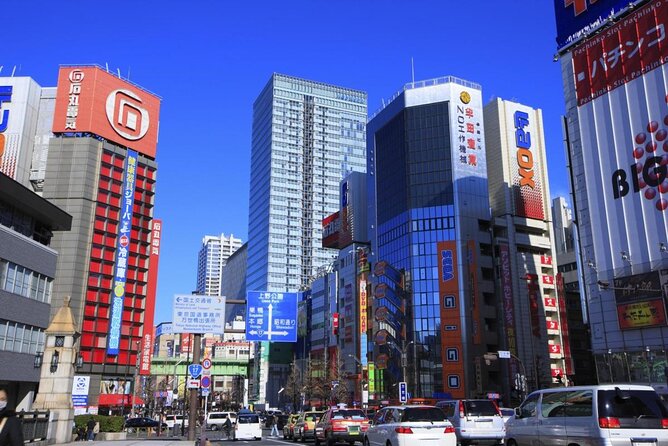
Tokyo is big. This tour is a focused way to get your bearings without doing a full-day marathon of trains and on-foot detours. You’ll cover major icons like Tokyo Station and the Imperial Palace area, plus neighborhood flavor in spots such as Kanda, Ginza side streets, Tsukiji Outer Market, Akihabara, and Asakusa.
I also love the structure: it’s long enough to feel like you explored, but short enough that you can still enjoy the rest of your day. The 3-hour timing matters because Tokyo daylight shifts quickly, and you’ll want energy left for walking and dinner afterward.
Finally, the bike itself does real work. The e-assist function helps you keep a comfortable pace even when you’re doing lots of stops, photo breaks, and quick changes of direction.
Kanda meeting point: quick setup and the local bar district feel
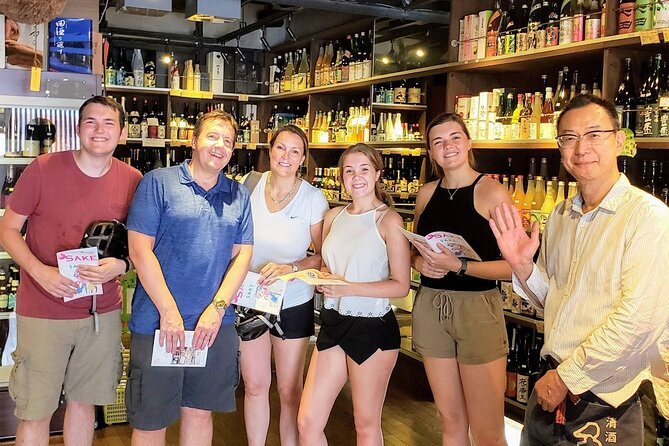
Your tour starts at Cycling Holiday Tokyo, basically next to Kanda Station (about a one-minute walk from the west exit). You can use the restroom, and there’s luggage storage for anything except valuables. That small bit of prep is a big deal in Japan: you want to start moving, not spending your first hour hunting for lockers.
Kanda is described as a small downtown for Japanese business people, with lots of smaller-style bars. Even if you’re not going out at night, you’ll get the vibe during the day: it feels like a working neighborhood where people actually live their routine, not a staged tourist zone.
Most rides begin with a simple briefing and a smooth learning curve. The e-bike is easy to operate, and guides tend to keep everyone together so you’re not constantly dodging other riders or worrying you’ll fall behind.
Imperial Palace, Tokyo Station and Sakura-damon gates on the morning route
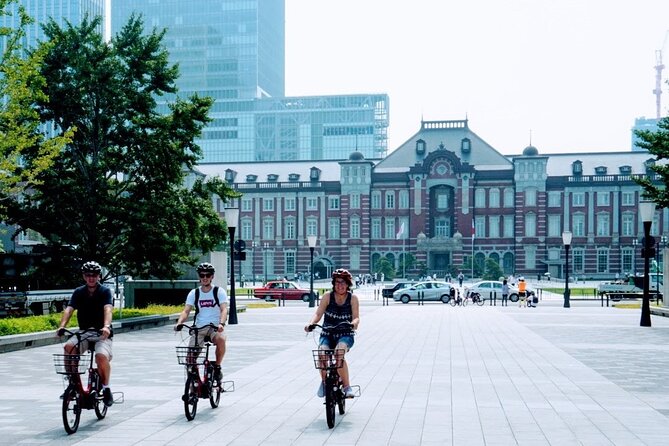
If you pick the morning-style itinerary, you’ll get a heavy dose of classic Tokyo landmarks. The stop at Tokyo Station Marunouchi-front area focuses on the Marunouchi building view from Gyoko-dori Street, and your guide explains the history of the station—perfect for understanding why this area feels so central and ceremonial.
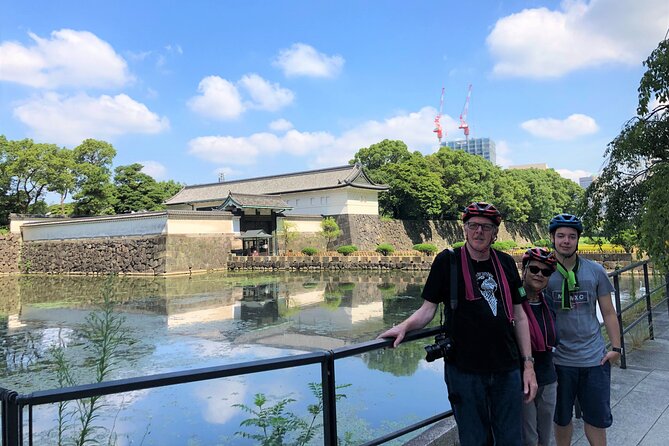
Then comes the Imperial Palace area. You’ll look across the moat from the Otemon Gate toward the Fujimi-yagura tower, which is one of those moments where Tokyo’s layers show up fast: modern city life, then suddenly a long view into the older layout of the grounds. Another highlight is cycling past Sakuradamon, the famous castle gate, where you get the sense of how the palace used to function as a defensive boundary.
There’s also time around a nearby park area next to the Imperial Palace, described as about 200,000 square meters—a huge pocket right in the center of Tokyo. It’s the kind of place where the guide’s commentary helps you notice what you’d otherwise skip.
Practical note: these are photo-friendly stops, not long museum sessions. That’s part of the value—your time goes to seeing and understanding, then moving on.
Ginza backstreets and Tsukiji Outer Market without the marathon
After you leave the Imperial Palace area, the route shifts toward a different Tokyo mood: Ginza backstreets (or main streets, depending on conditions). This is a great example of what e-bikes do well. You get a chance to see luxury-brand territory without spending hours walking between them, and your guide can adjust when roads get too crowded.
Next up is Tsukiji Outer Market. You’ll ride through the outside market streets where small, old-fashioned food shops line the way. This isn’t about a single famous dish; it’s about the texture of daily Tokyo: narrow lanes, quick sales rhythms, and the feeling of a working market district rather than a theme park.
And then you get a segment meant for everyday life on connecting local streets. One of the selling points is that some paths feel possible only by e-bike—bike traffic can take routes that are clumsy on foot or hard to connect efficiently by transit in the middle of the city.
One caution: food and drinks are not included. You’ll want cash or a card ready for quick bites, drinks, or snacks during stops—this is the kind of tour where you’ll probably want to sample.





Afternoon stops: Akihabara, Kappabashi knives, and Asakusa temple etiquette
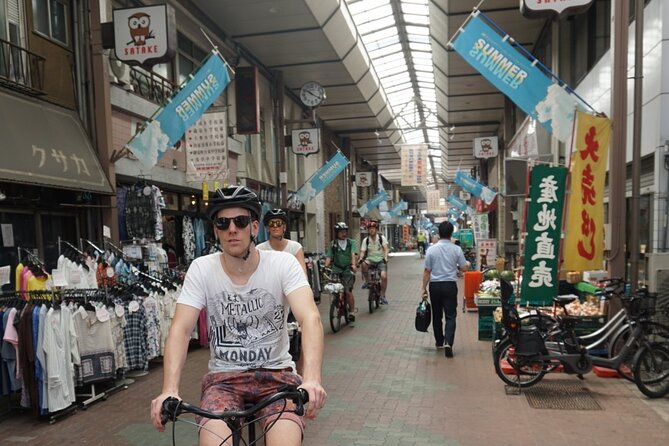
If you choose the afternoon route, Akihabara and the surrounding districts become the headline. Akihabara is framed as a subculture hub, with youth and geek culture at the center. You’ll get a sense of the area fast, and you’re not stuck with only the most obvious tourist-style stop. The guide’s job is to help you read the neighborhood beyond the storefront flashing lights.
Then you’ll head to Kappabashi Tool Street (Kappabashi Dogugai), a kitchen-utensil and professional cooking tools corridor. This is where Japanese craftsmanship shows up in small shops: authentic knife culture and practical tools people actually use in real kitchens. Even if you don’t buy anything, it’s an easy place to browse without feeling like you must commit to shopping.
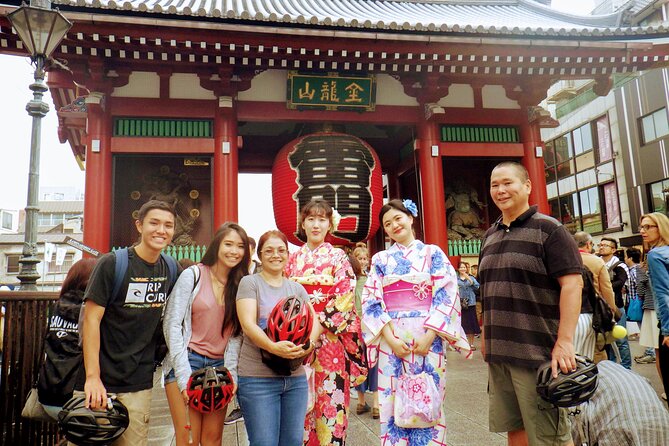
Asakusa is the next major draw. It’s presented as the most famous spot with Tokyo’s oldest temple, and the idea is simple: you came to Tokyo, so you should see this place. What makes it more valuable is the guide attention to temple customs and rituals, so you understand what you’re watching while you’re there, not after you’ve already moved on.
Bonus for photos and pacing: you don’t just arrive at a landmark and leave. The ride format helps you stitch together a mini-city tour that connects districts.
Ryogoku sumo area and Nihonbashi Bridge: where Tokyo’s distances begin
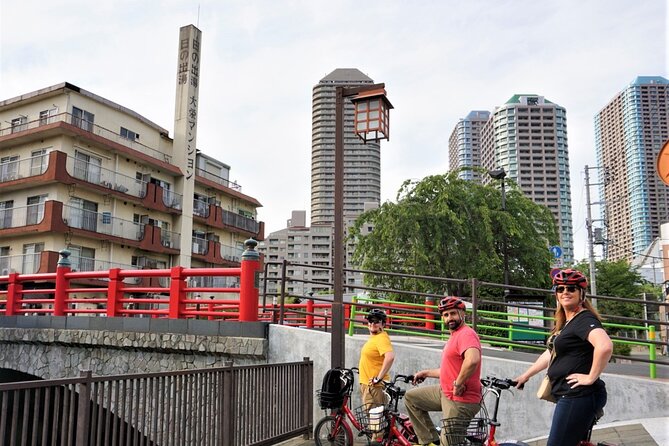
Later in the day—on both morning and afternoon variants—you’ll get to Ryogoku, a sumo wrestler area. It’s the kind of stop that gives Tokyo a different pulse: not shopping districts or office-center architecture, but the strong identity of traditional sport culture. If you’re lucky, you might spot real sumo wrestlers, which is one of those “if it happens, it’s memorable” moments.
Then there’s Nihonbashi Bridge. This stop has a practical travel reason behind it: it’s once again described as the center, and the road distance measurements in Japan start from Nihonbashi Bridge. That’s a smart fact for travelers because it makes the city’s geography feel more logical. You’ll start recognizing why distances and directions in guidebooks refer to certain points.
This section is also a good example of why the e-bike format is useful. Even if you’re not sprinting to see everything, you’re moving efficiently enough to make multiple cultural stops feel connected, not random.
Safety, pacing, and what to do when streets get busy
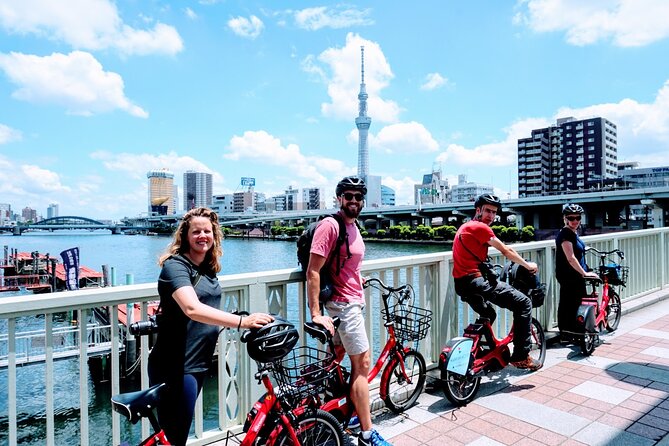
Here’s the honest part: you’ll ride through busy areas, and you’ll want to stay focused. The bikes are designed to make pedaling easier, but city riding still takes coordination—especially when pedestrians appear, traffic changes, or you need to pause for photos.
That’s why I’m big on the “follow the guide” mindset. The tour is small, but the guide still has a job: keep the group together and choose safe routes. It’s also why helmet use is non-negotiable. Helmets are provided and you should wear them the whole time.
Weather is another safety factor. The tour is canceled in case of rain. If rain starts during a tour, the guide decides whether to continue or stop on the way. In summer (July to August), heat risk can become the main issue, and the operator uses a heat stress reference (WBGT) when deciding whether to stop or cancel for the day. If the tour has to stop and return, the fee can be refunded.
Comfort tip: bring what the season asks for. In summer, towels and sunscreen are recommended. In winter, warm clothes and gloves are recommended, and simple winter gloves are provided.
Price and value: what’s included for $63, and what you pay for yourself
At $63.01 per person for about three hours, you’re paying for a very specific bundle: the e-bike rental, helmet rental, an English guide, insurance, and practical comfort gear like simple rain gear. You also get luggage storage (except valuables), which makes a big difference if you’re already carrying bags around Tokyo.
This is also value because it saves time. If you tried to recreate this same sweep of areas by yourself, you’d spend a lot of your day figuring out connections, walking distances, and where to safely park or navigate. Here, the planning is handled, and your job is to ride and enjoy.
What’s not included is food and drinks. That keeps the tour flexible, but it does mean you should budget for snacks—especially because Tokyo street food and market browsing can turn into a real habit fast.
Should you book this tour? My practical recommendation
Book it if you want a first-timer-friendly way to see Tokyo’s main sights and local street life in one shot. I’d especially recommend it if you like having a clear plan but still want the bike’s freedom to pause for photos and questions. With max 6 riders, you’re more likely to get personal attention than on a big bus-style tour.
Skip it if you cannot ride a bicycle or you’re nervous about cycling in busy city traffic. This is not a sit-and-watch tour, and the route depends on you feeling steady in the saddle.
Also consider timing: the morning route leans hard into Tokyo Station and Imperial Palace area views plus Tsukiji Outer Market. The afternoon route leans into Akihabara, Kappabashi kitchen streets, and Asakusa, with Ryogoku as a later cultural stop.
If your trip days are flexible and you can manage weather risk, this is one of the easiest ways to turn Tokyo from confusing into familiar.
FAQ
How long is the Tokyo e-bike tour?
The tour lasts about 3 hours.
Where do I meet for the tour?
You start at Cycling Holiday Tokyo, located at 3-chōme-8-6 Uchikanda, Chiyoda City, Tokyo. It’s about a one-minute walk from the west exit of JR Kanda Station.
What’s included, and can I store luggage?
The tour includes a rental e-assist bike, a helmet, an English guide, insurance, simple rain gear, and simple gloves in winter (and cooling products in summer). You can leave luggage (except valuables) with the shop during the tour.
Are the morning and afternoon routes different?
Yes. You can choose an ideal ride time, morning or afternoon, and the route changes depending on the time of day.
What happens if it rains or it gets extremely hot?
In case of rain, the tour will be canceled. The weather forecast is checked the day before. In summer heat, the operator may cancel departure or stop the tour if conditions are considered dangerous, and the tour fee can be refunded.
Is food and drink included?
No. Food and drinks are not included, so you’ll need to buy your own during the tour.
What should I bring for comfort?
For summer, bring towels and sunscreen. For winter, bring warm clothes and gloves. The tour also provides simple gloves in winter and cooling products in summer.
What are the age and riding requirements?
Minimum age is 12, and the minimum height is 147 cm (4.8 ft). If you cannot ride a bicycle, you cannot join the tour.
More Tour Reviews in Tokyo



Fresh reviews from around Tokyo






Tokyo, compared.
 ★ 5.0Mt Fuji and Hakone 1-Day Bus Tour Return by Bullet TrainFrom $16326,383 reviews
 ★ 5.01-Day Tokyo Bus TourFrom $12914,250 reviews
 ★ 4.6teamLab Planets TOKYO Digital Art Museum Entry TicketFrom $259,779 reviews
 ★ 4.0Mt Fuji & Hakone Cruise, Drum Show Bullet Train 1 Day from TokyoFrom $1497,413 reviews
 ★ 5.0Shinjuku Food Tour (13 Dishes at 4 Local Eateries)From $866,603 reviews
 ★ 4.4Tokyo Mt Fuji 5th St & Hakone Cruise Bus Tour w/Bullet TrainFrom $1545,024 reviews
 ★ 5.0Flagship 2-Hours Official Street Go-Kart Tour – Tokyo Bay ShopFrom $644,974 reviews
 ★ 4.5From Tokyo: Mount Fuji Full-Day Sightseeing TripFrom $684,970 reviews