
Reviewed · TOKYO
【NEW】Matcha Making Experience and Matcha Comparison in Tokyo
Matcha gets real fast here. In this Tokyo workshop, you taste and compare matcha from multiple production areas and learn why some versions sold worldwide don’t match the definition of real matcha. You’ll also get to see what soil and cultivation can change in color, aroma, and flavor, not just in a blind sip.
I like that the session is guided by people with serious backgrounds in agriculture and pharmacy, not a generic script. And I also like that you taste 10 types of matcha in small portions, so you can actually notice differences instead of drowning in one flavor.
One drawback to consider: it’s a short, structured 1 hour 30 minutes experience with small tasting portions, so you’ll likely need a follow-up stop if you want a big, slow, full-size cup of your favorite.
In This Review
- Key highlights you should care about
- Why Five Tea Regions Change Everything About Matcha
- Meet the Instructors: Soil Science Meets Pharmacy
- Welcome Drink and Matcha 101 You Can Use the Same Day
- The Guided Comparison: 8 Tastes, Then More Sampling
- A smart takeaway you can bring home
- Making Ousucha Yourself with a Bamboo Whisk
- Matcha Latte and Sweets: The Milk-and-Sugar Reality Test
- Price and Time: Is $62.12 Worth It?
- Where This Experience Fits Best (and Where It Might Not)
- The Small Details That Make It Feel Like a Real Workshop
- Should You Book This Matcha Workshop in Tokyo?
- FAQ
- How long is the matcha making experience?
- What kinds of matcha will I taste?
- Can I make matcha myself?
- What’s included besides matcha tasting?
- Will the guide speak English?
- How large is the group?
Key highlights you should care about
- Five tea production areas are used in the comparison: Kyoto, Shizuoka, Aichi, Fukuoka, and Kagoshima
- 10 matcha tastings are designed for side-by-side comparison, not just one “starter cup”
- 6 ceremonial-grade plus 2 non-defined-but-sold-as-matcha samples help show where the market can get messy
- Ousucha making with a bamboo whisk means you leave with a repeatable skill
- Matcha latte and sweets test how your chosen matcha handles milk and sugar
- Group size is kept small (max 5), which makes it easier to ask questions
Before you commit, see how this one stacks up against a few Tokyo favourites:
- Mt Fuji and Hakone 1-Day Bus Tour Return by Bullet Train★ 5.0 · 26,383 reviews
- 1-Day Tokyo Bus Tour★ 5.0 · 14,250 reviews
- Tokyo: teamLab Planets TOKYO Digital Art Museum Entry Ticket★ 4.6 · 9,779 reviews
Why Five Tea Regions Change Everything About Matcha
Matcha can taste like it’s from two different planets, even when the package says matcha. The reason you’re here isn’t just to drink tea. It’s to learn what makes matcha matcha: the cultivation choices, the production approach, and the final grind that turns leaf into that bright green powder.
In this Tokyo experience, you’ll compare matcha from five representative production areas across Japan: Kyoto, Shizuoka, Aichi, Fukuoka, and Kagoshima. That spread matters because you’re not only looking at one style. You’re tasting how place can influence the character of the cup. I find that approach much more useful than a generic “this is good matcha” pitch.
Also, you’ll be handed the uncomfortable truth up front: there’s a lot of fake matcha in the world. You won’t be stuck in fear or outrage, though. The practical angle is how to spot differences through taste, aroma, and the look of the powder and finished tea.
Meet the Instructors: Soil Science Meets Pharmacy
This is one of those rare workshops where the teaching team feels built for real answers.
The main instructor has a bachelor’s degree in agricultural science, with a special focus on soil science. He’s also a former tea farmer from Kyoto who was involved in the work from tea cultivation through processing. That kind of background is exactly what you want when the topic is matcha quality and why it varies.
The assistant has a bachelor’s degree in pharmacy and is a practicing pharmacist. In a tea tasting setting, it’s not about getting medical advice. It’s about careful attention to how things are handled, and how flavor and ingredients come together.
In one of the guides’ messages, Chisei and Rina are named as part of the crew. So if you meet them, you can expect the same focus: clear teaching and direct talk about what’s in your cup and why it differs.
Welcome Drink and Matcha 101 You Can Use the Same Day
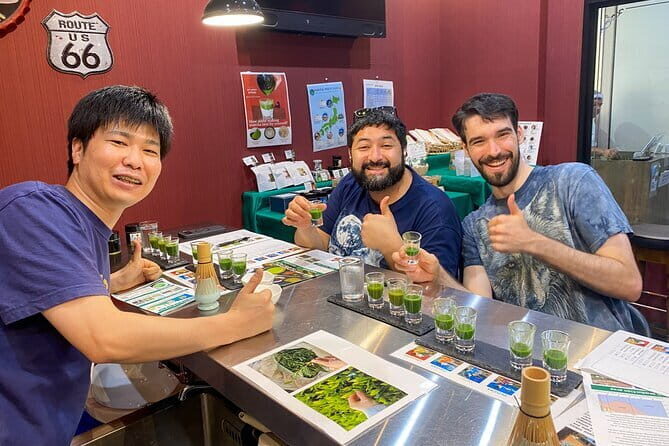
You’ll start by meeting at the experience location near Henn Na Hotel at Kotobuki, Taito City (the venue is listed as a sports bar level up). Then you settle in and get a welcome drink while the team explains what you’ll experience later.
This isn’t just history trivia. You’ll learn:
- how matcha is defined
- how cultivation affects the final tea
- the background and meaning of matcha in Japanese tea culture
The timing is smart. They teach you what to notice before the tasting becomes a blur. You’ll also get a sense of what “quality” means beyond hype—so when you see differences in color and smell later, it won’t feel random.
One practical benefit: if you’ve been buying matcha in Western stores (powder in a jar, latte mixes, or cooking powders), you’re likely going to compare it in your head. The instructors encourage questions, and they’re clearly happy to talk to people beyond Japan-only topics, including other tea traditions like Indian tea.
The Guided Comparison: 8 Tastes, Then More Sampling
This is the heart of the experience. You won’t just taste one cup and move on. You’ll do a guided comparison where the team has you pay attention in a specific order.
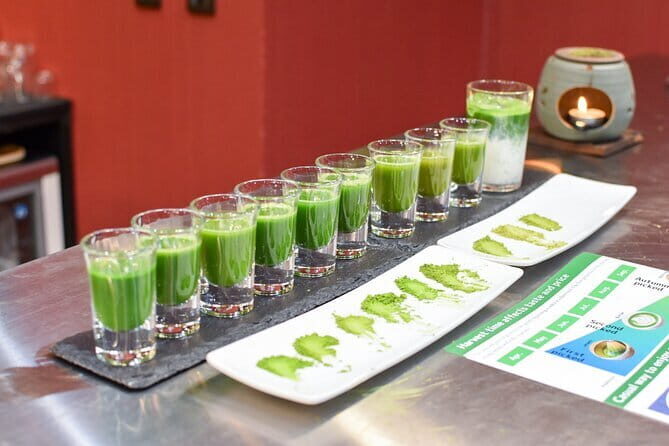
First, they serve 8 types of matcha during the main comparison. Out of those, 6 are ceremonial grade. The other 2 are not defined as matcha, but are sold as matcha around the world. That setup is there for a reason: you’re not being asked to pretend everything is the same. You’re being asked to taste the difference and understand why labeling can mislead.
Here’s how the comparison works in real time:
- you look at the color of the matcha
- then they make it and serve it
- you focus on fragrance and taste as they move between samples
You also end up sampling 10 kinds overall during the full session. That means you’ll still get additional matcha along the way, not just the eight in the structured comparison. So the guided round helps you build your “matcha checklist,” and the rest helps you confirm what you actually like.
And yes, the tasting includes that five-region spread. So when you later choose your favorite, you’re choosing based on a real set of options: not a single recommendation and a prayer.





A smart takeaway you can bring home
If you want to avoid disappointment later, try to remember two things:
- Color and aroma can shift even when the product is sold as matcha.
- Your “favorite” might not be the same matcha that tastes best in latte form.
That’s why this workshop isn’t just a tasting. It’s a comparison plus practice.
Making Ousucha Yourself with a Bamboo Whisk
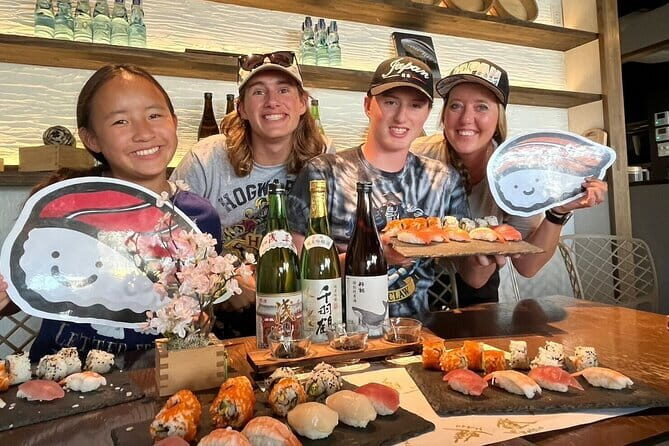
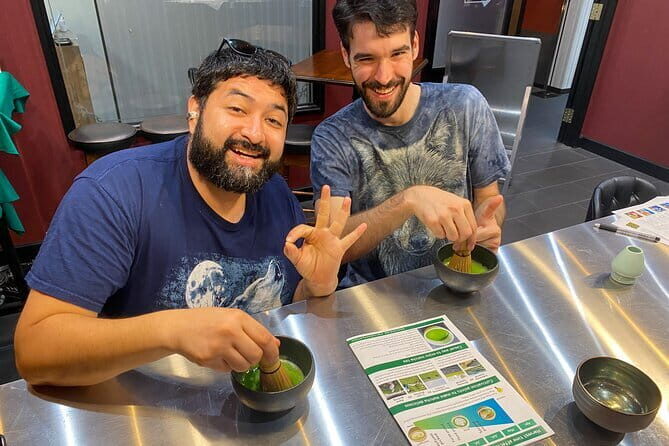
After the tasting, you get to choose. You’ll pick the matcha you like best from what you sampled, then make your own ousucha using a bamboo tea whisk (chasen).
This is the part that turns the workshop from educational into useful.
Tasting builds your palate. But whisking teaches your hands—how the powder behaves when it hits hot water, how it combines, and what the final cup looks and feels like. Even if you’re not a tea ritual person, that skill matters because real matcha isn’t only about powder quality. It’s also about preparation.
Because the group size is capped at 5 travelers, you’re not just watching someone else make tea. You have a better chance to get individual attention, especially if you’re the type who asks what people typically overlook, like texture, thickness, or how the whisking process changes the cup.
You’ll also be able to make matcha at home after the experience. They don’t just hand you a memory. They show you the workflow so you can repeat it later.
Matcha Latte and Sweets: The Milk-and-Sugar Reality Test
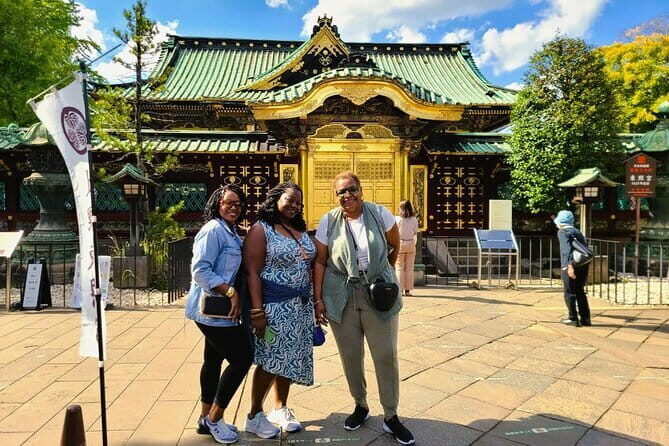
Once you’ve made your own ousucha, the session shifts into a more everyday direction. You’ll enjoy matcha latte and matcha sweets, and the workshop uses an original blend matcha made to work well with milk and sugar.
This part is underrated because many people only judge matcha as a straight drink. But lots of matcha in the real world is consumed with milk, sweeteners, and dessert contexts. So this gives you a practical comparison: does your favorite ceremonial-style pick still make sense when milk enters the picture?
What I like about this segment is that it makes your tasting choices more realistic. You’re not just learning what “pure matcha” tastes like. You’re also learning what turns into a drink people actually order and enjoy daily.
And the sweets help you understand another angle: matcha bitterness and aroma can either clash or harmonize with sweetness, depending on the matcha style.
Price and Time: Is $62.12 Worth It?
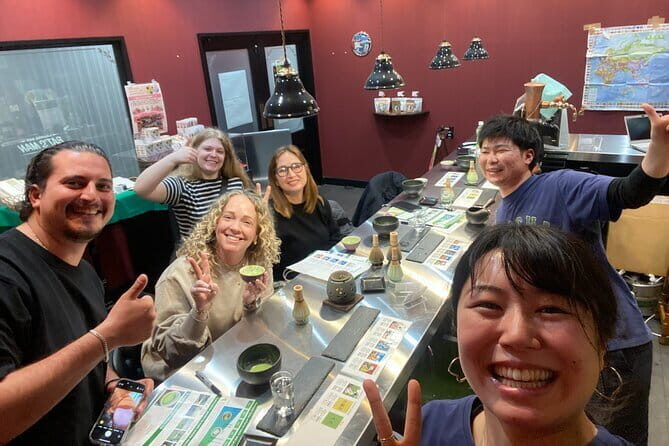
Let’s talk value plainly.
At $62.12 per person for about 1 hour 30 minutes, you’re paying for:
- a guided matcha education (including the definition and the issue of fake matcha)
- tasting across multiple regions and grades (10 types in small portions overall)
- a hands-on session where you make ousucha
- additional included refreshments: matcha latte and matcha sweets
- English/Japanese guide support
- a small group setting (max 5), which is easier to interact in than big group tours
If you only wanted a drink, you could do cheaper in Tokyo. But this isn’t priced like a café latte stop. It’s priced like a workshop: you’re getting instruction, multiple tastings, and a preparation skill.
The time is short on purpose. You get a focused lesson without eating half a day. Just keep in mind the earlier consideration: the tastings are in small portions, so you may not leave full in a traditional meal sense. You’ll likely leave feeling informed, slightly buzzed from matcha, and ready to chase the flavor you liked with an extra order somewhere after.
Where This Experience Fits Best (and Where It Might Not)
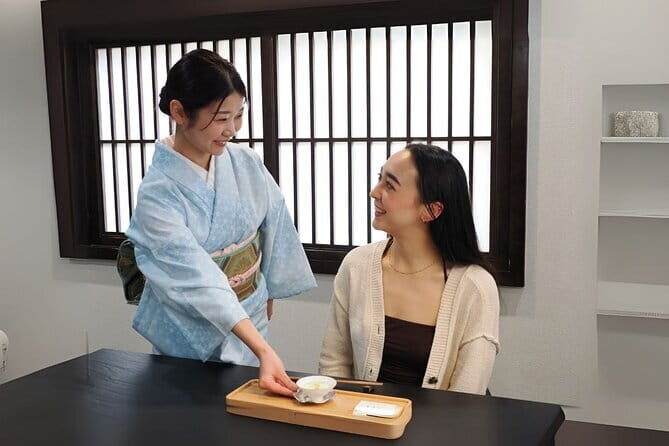
This workshop is best for you if:
- you’ve tried matcha before and felt like store versions were too bitter, too bland, or just not memorable
- you want to understand why “matcha” on labels can mean very different things
- you enjoy food education that’s hands-on, not just a lecture
- you like asking questions and want a small group format
It may be less ideal if:
- you’re expecting a long, slow ritual with lots of sitting and silence
- you want only one type of matcha with no comparisons
- you’re mainly there for socializing rather than tasting and learning
The Small Details That Make It Feel Like a Real Workshop
Even the setup supports the goal of learning. You’ll have a mobile ticket, and the meeting point is easy enough to find because it’s near a major hotel area and public transportation. The format is also designed around attention: color, aroma, taste, then making.
Also, the teaching team’s backgrounds matter. When your instructor talks soil science, you get a clearer reason for differences instead of vague taste descriptions. When your assistant has pharmacy training, you tend to get careful, grounded explanations rather than only marketing language.
And the included meal elements—matcha latte and sweets—keep the experience from feeling like only a school assignment. You get to test matcha in the way many people actually consume it.
Should You Book This Matcha Workshop in Tokyo?
If you’re serious about matcha quality—or you’re tired of vague, store-bought matcha—you should book this. The big win is the structured comparison across five regions, paired with a hands-on ousucha making moment. You’ll leave knowing what you personally like and why.
Skip it only if you want a simple drink with no education component and no side-by-side tasting. Otherwise, this is one of the more practical “foodie learning” experiences in Tokyo because you don’t just taste. You learn how to reproduce the process at home.
FAQ
How long is the matcha making experience?
It runs about 1 hour 30 minutes.
What kinds of matcha will I taste?
You’ll enjoy 10 kinds of matcha in small portions, including samples from five production areas: Kyoto, Shizuoka, Aichi, Fukuoka, and Kagoshima. During the main comparison, 8 types are served.
Can I make matcha myself?
Yes. You choose the matcha you like best and make ousucha using a bamboo tea whisk.
What’s included besides matcha tasting?
You’ll also have matcha latte and matcha sweets after you make your own matcha.
Will the guide speak English?
The local guide provides English and Japanese.
How large is the group?
The experience has a maximum of 5 travelers.
More Tour Reviews in Tokyo



Fresh reviews from around Tokyo






Tokyo, compared.
 ★ 5.0Mt Fuji and Hakone 1-Day Bus Tour Return by Bullet TrainFrom $16326,383 reviews
 ★ 5.01-Day Tokyo Bus TourFrom $12914,250 reviews
 ★ 4.6teamLab Planets TOKYO Digital Art Museum Entry TicketFrom $259,779 reviews
 ★ 4.0Mt Fuji & Hakone Cruise, Drum Show Bullet Train 1 Day from TokyoFrom $1497,413 reviews
 ★ 5.0Shinjuku Food Tour (13 Dishes at 4 Local Eateries)From $866,603 reviews
 ★ 4.4Tokyo Mt Fuji 5th St & Hakone Cruise Bus Tour w/Bullet TrainFrom $1545,024 reviews
 ★ 5.0Flagship 2-Hours Official Street Go-Kart Tour – Tokyo Bay ShopFrom $644,974 reviews
 ★ 4.5From Tokyo: Mount Fuji Full-Day Sightseeing TripFrom $684,970 reviews