
Reviewed · FUJIKAWAGUCHIKO TOURS
Private Tour of Mt. Fuji Culture and Nature Walk
Fuji feels close in this tour.
What makes it stand out is the way you connect Mt. Fuji with the faith and everyday nature of the region, not just the view. Momo, a sociology teacher, explains how Japanese people have seen the mountain as sacred for centuries, and you’ll experience that idea while moving through panoramic viewpoints, the Aokigahara forest, and pilgrimage sites.
I especially love the mix of academic, plain-language explanations plus real time outside in the forest and caves. The second thing I like is the pacing and tailoring—this is a private tour, and Momo is used to adjusting so your group can actually participate. One possible drawback: you will do some walking on paths that can be uneven, including a short hill walk for the best morning viewpoint, so wear grippy shoes and plan for a moderate pace.
This is a private, 6-hour outing in Fujikawaguchiko-machi starting at 9:00 am, with a pickup option and lunch included. You return to the meeting point the same day, with a mobile ticket to make entry smoother.
In This Review
- Key things I’d highlight before you go
- A Mt. Fuji tour where meaning comes with the views
- Morning at Sankodai: the view that sets the tone
- Aokigahara Forest: forest bathing with a cultural lens
- Narusawa Ice Cave: a year-round cold stop that feels different
- Funatsu Tainai Jugata Lava Tree Mold: going inside the pilgrimage caves
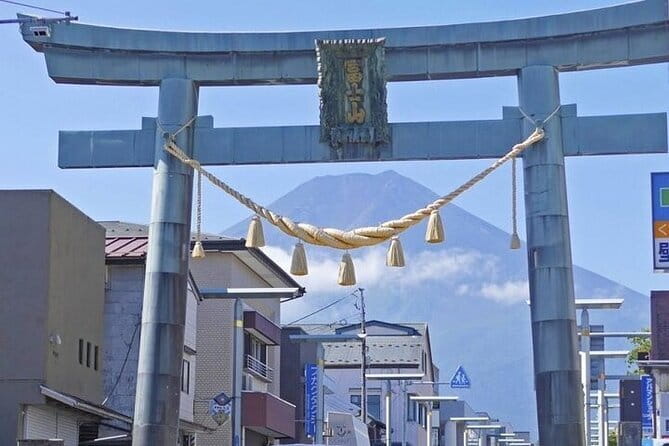
- Kitaguchi Hongu Fuji Sengen Jinja: understand the shrine before you look
- Price and what’s actually included in a $99.40 private tour
- Getting there, getting around, and keeping the day comfortable
- Who should book this Mt. Fuji culture and nature walk
- Should you book it
- FAQ
- How long is the private Mt. Fuji culture and nature walk?
- Where does the tour start and end?
- What time does the tour begin?
- Is pickup offered?
- What is included in the price?
- Are entrance tickets included?
- What is the cancellation policy?
Key things I’d highlight before you go
- Momo’s culture-first approach: you’ll connect the sites to worship traditions around Mt. Fuji
- Aokigahara forest bathing time: you get to slow down with nature, not just pass by photo spots
- Ice Cave included: Narusawa Hyoketsu lets you experience a cold, year-round stop
- Lava cave and pilgrim history: you go inside the Funatsu tainai-type cave tied to Fuji-ko faith
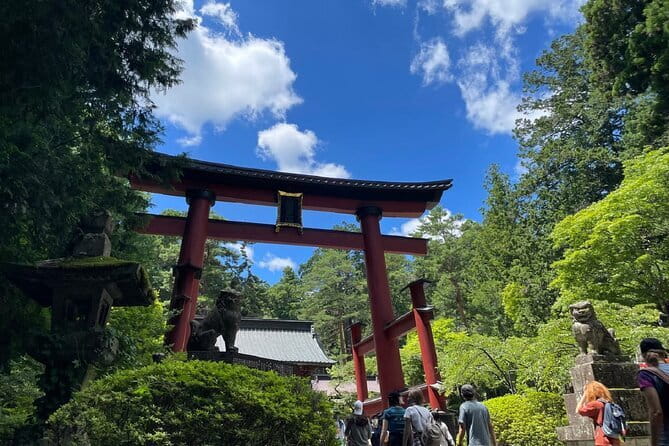
- Shrine meaning, not just surfaces: Kitaguchi Hongu Fuji Sengen Jinja is explained so you understand what you’re seeing
A Mt. Fuji tour where meaning comes with the views
Mt. Fuji is the kind of sight people think they already know. You’ve seen the icons—red sun posters, postcard silhouettes. But this private tour treats the mountain as a living idea in Japanese life.
Your guide is Momo, a university sociology teacher, and that matters. He doesn’t just rattle off facts. He explains how Mt. Fuji became a spiritual symbol for more than 1500 years, how Japanese tradition viewed the mountain as a god, and how people built shrines and made pilgrimage trips—sometimes all the way to the summit. If you like understanding how beliefs shape travel patterns, you’ll enjoy this structure.
I also appreciate the practical side of the teaching. You’re not stuck in a classroom. You’re outside, looking at what people revered, then hearing why it mattered. That makes the day feel purposeful, even when you’re standing quietly at a viewpoint or pausing at a cave entrance.
There’s also a good balance built into the route: you move between nature (Aokigahara and forest time) and culture (shrines, worship spaces, and pilgrimage sites). You’ll leave with the sense that Mt. Fuji is both landscape and devotion—because the region treats it that way.
Morning at Sankodai: the view that sets the tone
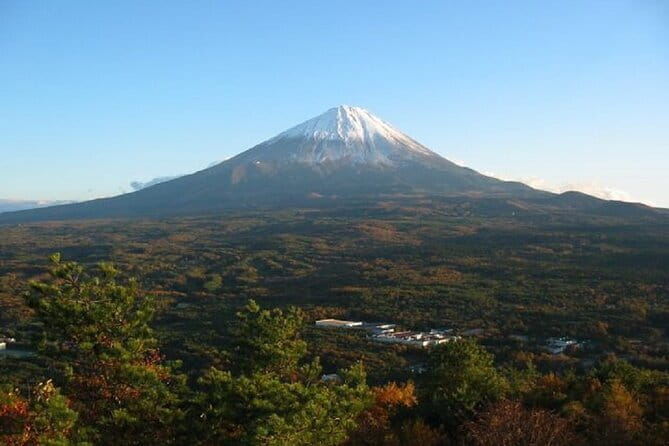
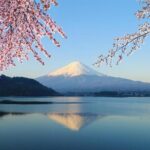
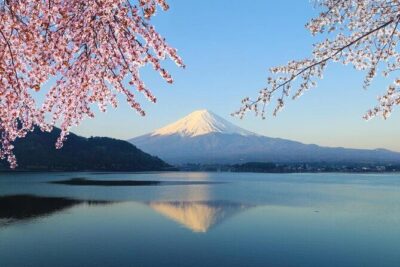
Your day starts with a panoramic stop at Sankodai. This is the moment when Mt. Fuji finally shows up in front of you in a big, clear way, and you can also see the lakes below and Aokigahara forest area spreading out.
There’s a 15-minute walk to the hilltop. It’s not long, but it’s long enough to get you oriented and give your eyes a better angle. I like starting this way because it helps your brain build a map before you start moving through caves and trees.
What you can do to make this part better:
- Take a few minutes to look from the main vantage point before you rush for photos.
- Notice how Mt. Fuji appears against the sky, then compare that to the forest area you’ll explore later.
- If the weather is changeable, keep your jacket handy. Morning clarity can shift fast around the Fuji Five Lakes area, and you’ll want to stay comfortable.
One small consideration: because it’s a hilltop walk, it’s wise to wear shoes that handle uneven ground. If you have mobility challenges, this is where you’ll want to coordinate early so Momo can guide your group at a pace that works.
Aokigahara Forest: forest bathing with a cultural lens
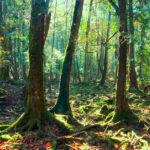
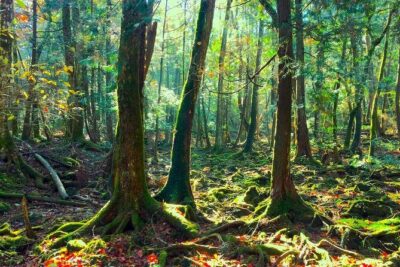
After the big view, you go into the Aokigahara Forest—one of the best-known natural areas connected to Mt. Fuji. Here, the tour keeps things grounded in both nature and meaning.
You’ll explore the forest and visit caves, then take part in forest bathing, which is about slowing down and letting the environment do the work. Instead of a checklist of stops, this part asks you to pay attention to the space around you: the shade, the sound, and the feeling of moving at a calmer tempo.
A few practical thoughts so you get the most from it:
- Don’t treat it like a sprint between cave entrances. Give your body time to settle.
- Bring a light layer. Even on mild days, forest shade can feel cooler than the open viewpoint area.
- Watch your footing. Forest paths can be uneven, and you’ll want stable steps, especially when you’re looking at cave areas.
This is also where the culture lens helps. Even if you’re focused on nature, it’s easier to understand why pilgrims and worship traditions developed in this region when you can feel how the place works—quiet, wooded, and apart from everyday city life.
I like that the tour doesn’t just say Aokigahara is famous. You actually spend time there. That’s what turns it from a name into an experience.
Narusawa Ice Cave: a year-round cold stop that feels different
Next comes the Narusawa Hyoketsu Ice Cave. This stop is especially useful because it gives you a sharp change of pace. You go from forest time into a space that’s known for being cold and controlled—perfect for breaking up a long day.
It’s also described as a spot you can visit throughout the year, which is a big deal. Even if you can’t plan around a perfect season, you still get a distinct environment rather than hoping everything lines up with weather.
You’ll spend about an hour here. That’s enough time to walk through and take in the formations without feeling rushed. If you’re the type who likes tactile, sensory travel—temperature, dim light, rock surfaces—you’ll appreciate this.
A realistic expectation: caves can have limited airflow and can feel colder than outside. Wear layers you can stand up to for an hour. And if you’re sensitive to tight or enclosed spaces, plan your comfort level before you go in.
Funatsu Tainai Jugata Lava Tree Mold: going inside the pilgrimage caves
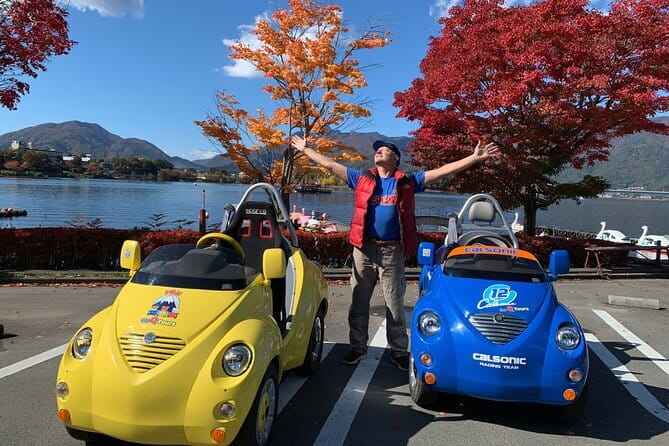
After the ice, the day turns more spiritual again with the Funatsu Tainai Jugata Lava Tree Mold. This is the kind of stop that many quick tours skip because it’s less famous than the shrine and the big viewpoint.
This cave is tied to early worship by Fuji-ko pilgrims, the people who followed traditions connected to climbing and devotion. The tour has you go inside the cave, which is important. You’re not just looking at an outer structure; you’re stepping into the space that people used as part of their spiritual journey before heading up toward Mt. Fuji.
The time here is about an hour. That’s a good window because Momo can explain what you’re seeing while you’re inside—so the cave stops being a random dark room and becomes a place with context.
What you’ll likely appreciate:
- How the volcanic setting connects nature with worship traditions
- The sense of continuity between old pilgrimage behavior and modern visitors trying to understand it
If you’re curious about how faith shapes movement through the land, this is one of the strongest stops on the day.
Kitaguchi Hongu Fuji Sengen Jinja: understand the shrine before you look
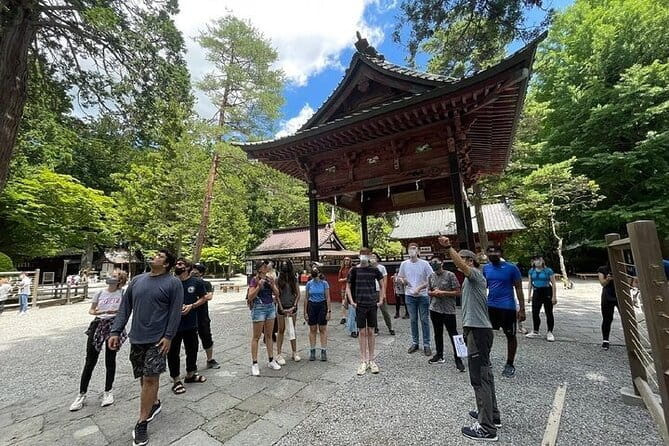
In the afternoon you visit Kitaguchi Hongu Fuji Sengen Jinja, one of the main shrine areas in the Mt. Fuji region. On its surface, it can look like another historic Shinto site. The difference here is that you’ll get more than surface-level sightseeing.
Momo focuses on the real significance, including history and cultural meaning. This helps you read the shrine instead of just passing through it. When you understand what you’re seeing—why it exists, what people believed, and how pilgrims used the shrine as part of a wider tradition—it changes the way you walk around.
This stop lasts about an hour. That amount of time is right for:
- absorbing the main areas without rushing,
- listening while the setting is still fresh,
- and taking photos after you understand the story.
If you love shrines and want them to feel like more than Instagram targets, you’ll likely enjoy this part a lot. If you’re only into quick photos and don’t want explanations, you might feel stretched. But the tour is designed for people who want meaning.
Price and what’s actually included in a $99.40 private tour
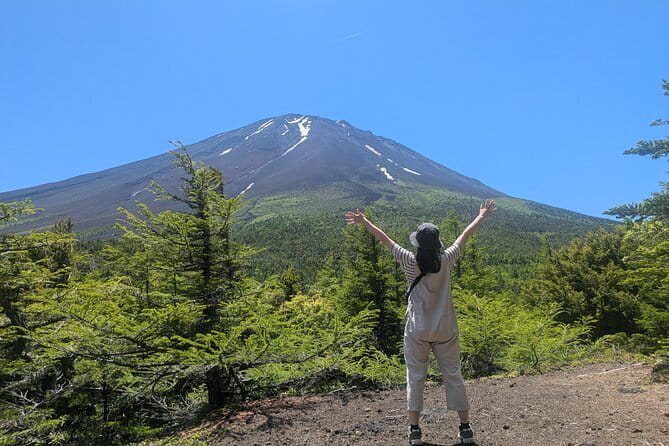
At $99.40 per person, this tour can feel like a bargain if you care about value and real time with a good guide.
Here’s what you get for that price:
- Private transportation for your group
- Guide/driver
- Lunch
- All fees and taxes
- Entrance where noted as free or included
- A mobile ticket
- Pickup offered, and the start point is near public transportation
What’s not included: drinks and snacks.
So where does the value come from? The real cost isn’t only the sites—it’s the combination of private movement + a guide who explains culture in detail + reserved time at several specific stops. Public tours can be cheaper, but you often lose the chance to ask questions and keep the pace comfortable. Private also means the day can flex a bit if someone needs extra time, like managing walking limits.
One more practical note: some entrances are listed as free, while others are included. Either way, you aren’t responsible for managing ticket math mid-day, which is a big relief when you’re traveling.
Getting there, getting around, and keeping the day comfortable
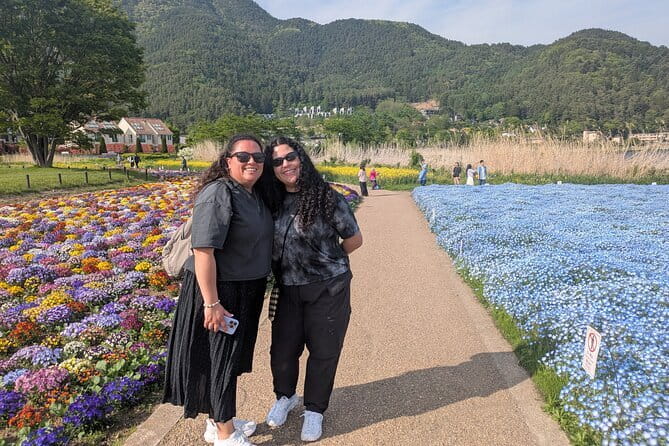
The tour starts at Kawaguchiko Bus Station No.2 in Funatsu, and it ends back at the same meeting point. Start time is 9:00 am, and the total duration is about 6 hours.
A couple of logistics tips that will make the day smoother:
- Arrive a bit early so you can confirm the exact meeting area.
- Bring a mobile-friendly way to show your ticket.
- Use comfortable shoes. You’ll have a short walk at Sankodai and you’ll be moving through the forest areas.
Also, this is designed for most travelers. Still, the Aokigahara forest and cave paths can feel uneven. If someone in your group has limited mobility, it’s smart to mention it early and ask Momo how he plans to pace the walk. The tone of the tour suggests accommodation is possible, not a rigid, no-questions schedule.
Who should book this Mt. Fuji culture and nature walk
This tour fits best if you want a Mt. Fuji day that feels connected, not random. You’ll get more from it if you:
- like spiritual and cultural context (especially Mt. Fuji worship traditions),
- enjoy nature time, including slower moments like forest bathing,
- want to visit caves and shrines rather than only doing the most famous viewpoints,
- prefer a private guide who can tailor explanations to your questions.
It also works well for mixed-age groups because it isn’t built around one long endurance hike. There is still walking, but the experience is organized around multiple stops, and Momo’s teaching style supports a thoughtful pace.
If you’re the type who wants minimal walking and zero explanation, you might find the academic angle too much. But if you’re curious about why Japan treats Mt. Fuji like it does, this is one of the better ways to connect the dots.
Should you book it
Yes, I think you should book this tour if you want Mt. Fuji to mean something beyond a photo. The biggest win is the pairing of nature and devotion, guided by Momo’s sociology-style explanations that help you understand the sites in context.
I’d especially recommend it to first-timers to the Fuji Five Lakes area who feel overwhelmed by options. A private format also helps you move through multiple specific stops without the stress of managing logistics yourself. At $99.40 per person with lunch and transportation included, the value is strong when you care about the experience quality, not just the headline view.
If your goal is purely scenic and you don’t want shrine or cave interpretation, you might feel the day is more thoughtful than you expected. But for most culture-minded travelers, this is exactly the kind of Mt. Fuji trip that sticks.
FAQ
How long is the private Mt. Fuji culture and nature walk?
It runs for about 6 hours.
Where does the tour start and end?
It starts at Kawaguchiko Bus Station No.2 and ends back at the same meeting point.
What time does the tour begin?
The start time is 9:00 am.
Is pickup offered?
Yes, pickup is offered.
What is included in the price?
The price includes all fees and taxes, private transportation, lunch, and the guide/driver.
Are entrance tickets included?
Some stops are listed as free admissions, and others are included (like Narusawa Ice Cave and Funatsu Tainai Jugata Lava Tree Mold).
What is the cancellation policy?
You can cancel for a full refund up to 24 hours before the experience’s start time.
More Tour Reviews in Fujikawaguchiko machi


Fujikawaguchiko Tours, compared.
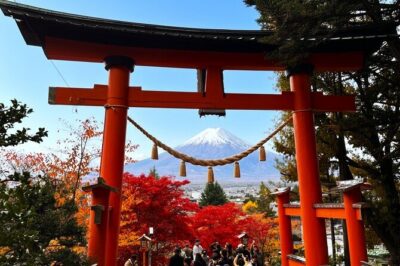 ★ 4.5Mt.Fuji & Lake Kawaguchiko 1-Day Bus Tour w/Optional LunchFrom $77839 reviews
 ★ 4.5Mt. Fuji 5th Station, Kawaguchiko Tour w/ Cable CarFrom $74570 reviews
 ★ 4.5Discover Mt. Fuji 5th Station & Kawaguchiko Sightseeing Day TourFrom $99542 reviews
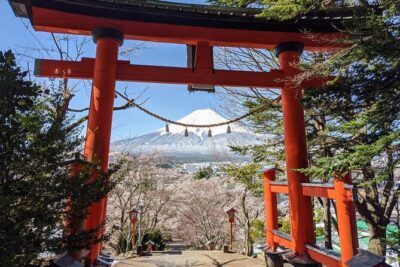 ★ 5.0Private Car Tour to Mt. Fuji Lake Kawaguchiko or HakoneFrom $1,286360 reviews
 ★ 5.0Mt Fuji Area Private Guided Tours in English-Nature up close, quiet, personalFrom $320288 reviews
 ★ 5.0Explore Mt. Fuji Ice Cave in Aokigahara ForestFrom $53243 reviews
 ★ 4.6Mt. Fuji & Lake Kawaguchiko Ropeway Panorama Full-Day TourFrom $54236 reviews
 ★ 5.0Private guided hidden gems tour by local English speaking driverFrom $72142 reviews
Browse the lists this tour appears in