
Reviewed · FOOD & DRINK
Private Tokyo food scene 6 hour experience: Depatika, street food, izakaya
Tokyo eats, with someone to translate. On this private 6-hour walk with guide Simon, you bounce between three very different food areas: Ikebukuro, Jujo Ginza, and Akabane. All food and drinks are included, including alcoholic options, so you can focus on eating instead of budgeting each stop.
I especially love the fast start in Ikebukuro’s Seibu department store food hall, which helps you understand how Tokyites shop for food and treats. The other standout is the way you move through side streets and local bar zones in Akabane without feeling like you’re stuck in a main-sight line. One consideration: you’ll walk a fair amount, and smoking is allowed in bars and restaurants, so this is not the right fit if smoke is a deal-breaker for you.
In This Review
- Key highlights you’ll care about
- Why this Tokyo food scene tour feels easier (and better) than DIY
- Ikebukuro’s Seibu food hall: your organized flavor warm-up
- Jujo Ginza shoutengai: street food done the local way
- Akabane Ichiban-gai: lantern alleys, izakaya choices, and the real bar vibe
- What’s included: eating and drinking without constant decision fatigue
- Price, pace, and whether $247.45 makes sense for you
- Where the tour starts and ends (and how to plan your timing)
- Should you book this Tokyo Memories food scene tour?
Key highlights you’ll care about
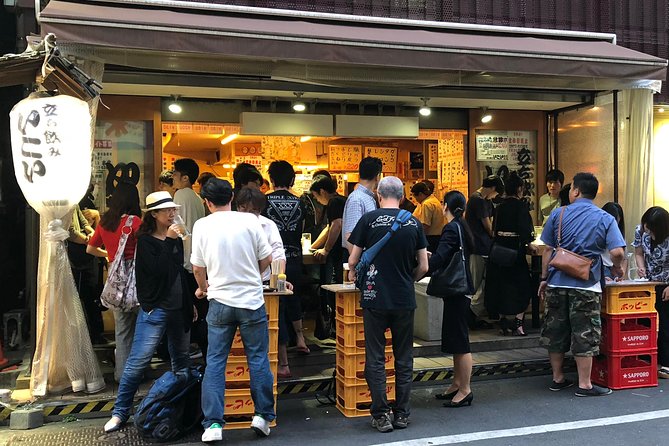
- Three neighborhoods, three different food styles: department-store sampling, street-food arcade bites, and izakaya/bar hopping energy
- Food and drinks included (including alcohol): you’re not doing math every time a plate lands
- Guide-led, private, and customizable: Simon can steer what you emphasize based on what you like
- Good orientation before you go full throttle: you start in food-court territory to learn the local rhythm
- Active pace: comfortable shoes matter, because Tokyo is best on foot
Why this Tokyo food scene tour feels easier (and better) than DIY
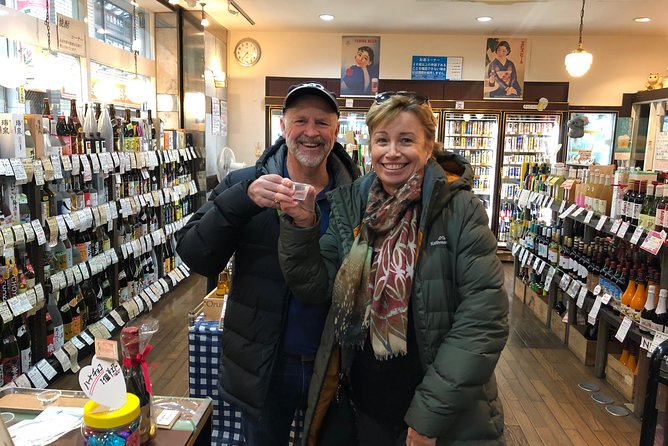
Tokyo’s food options can overwhelm you fast. This tour gives you a simple structure: you move neighborhood to neighborhood with a guide handling the who-what-where part. You get to eat widely—department store snacks, arcade street bites, and a proper izakaya meal—without spending your time hunting menus you can’t read.
I like that it’s designed for people who want to walk and keep going. It’s also a true private experience, so you’re not squeezed into a group flow that ignores your pace. That said, it’s not a “sit and sample” kind of tour. If you’re hoping for a gentle stroll, plan for a more active day.
There’s also a practical perk to paying for inclusion up front: when food and drinks are already covered, you’re less likely to hesitate at each stop. You can taste more of the range, and you’ll learn what to order for next time—without paying twice.
Ikebukuro’s Seibu food hall: your organized flavor warm-up
The day starts at Seibu Ikebukuro Main Store, where you’ll spend about 45 minutes exploring the department-store food halls. This is a smart first stop because it sets expectations for how Tokyo treats food: it’s not just fuel, it’s also presentation, packaging, and gift-worthy treats.
You’ll get a chance to see, taste, and sample “exquisite” gourmet bites in a clean, easy-to-navigate environment. It’s also a good place to figure out your comfort level with Japanese sweets, savory snacks, and shareable items. Even if you’re not a big planner, this kind of start gives you momentum fast.
A detail worth paying attention to: one of the strengths of the start is orientation. You’ll begin in a station-food-court style setting and get a sense of how food links to gift giving. That matters because Tokyo isn’t only about what you eat—it’s also about how food is offered, boxed, and exchanged.
Potential drawback: department-store tasting can be a lot of small bites in a short time. If you’re the type who needs a full meal early, you may feel slightly snacky at first. For most people, it’s a great way to build appetite and confidence.
Jujo Ginza shoutengai: street food done the local way
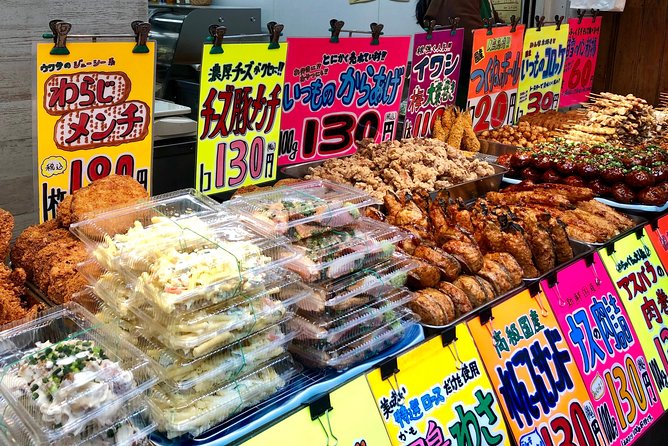
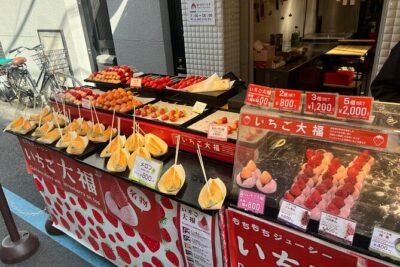
Next you’ll head to Jujo Ginza, an old-school shopping arcade known for street food. Expect about 2 hours here, and expect more “local rhythm” than “tourist sight.” This is the zone where you’ll see how people shop, snack, and keep daily life moving while food is always nearby.
The arcades in this area are the kind of places you could wander for hours on your own—but you’d miss key moments. With a guide, you’re more likely to hit the foods that match the neighborhood feel: quick bites, satisfying savory items, and the small pleasures that make street food fun. You also get a chance to shop like locals, not just watch.
This is also where a private format helps. If you have a strong preference—maybe you want more savory than sweet—you can usually steer your tasting choices. The tour is built for that “customizable private” attention, and Jujo is a great place to take advantage of it because there are plenty of options around you.
What to watch for: street food is often small portions, so it can be easy to under-eat if you’re cautious. Since food and drinks are included, you can be more willing to try. Still, pace yourself—your last stop is long and heavier on the bar/izakaya side.
Akabane Ichiban-gai: lantern alleys, izakaya choices, and the real bar vibe
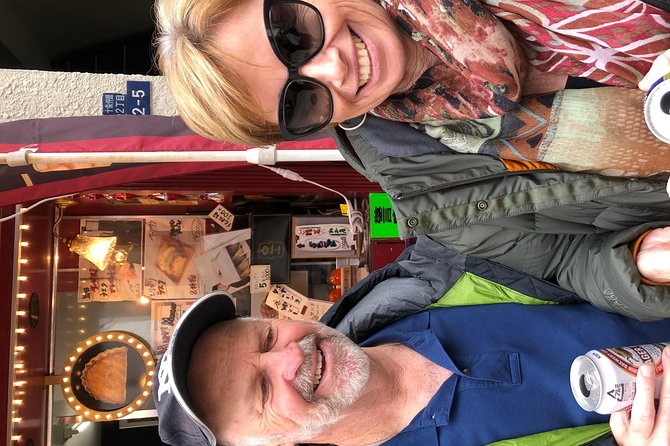
Your final neighborhood is Akabane, focused around the Ichiban-gai shopping district. You’ll spend about 3 hours here, and it’s the most “evening” feeling part of the tour: retro lanes, lantern lighting, and tiny bars and izakayas packed into tight spaces.
This is where the tour earns its title of local secret energy. You’re moving through an entertainment district that’s popular, but not built for mainstream crowds. The guide’s job here is huge: choosing the right places, timing your meals, and helping you order what fits the mood of the night.
It also ties into something Tokyo does well—turning dinner into an experience. An izakaya meal isn’t just a plate. It’s a whole set of choices: what you share, what you sip, and how the meal stretches into conversation. And yes, alcoholic beverages are included, but the legal drinking age in Japan is 20. If you’re under that age, soft drinks are served instead.
One important consideration is the smoking factor. Bars and restaurants in Japan may allow smoking, and that’s specifically noted as a reason the tour is not recommended for pregnant women. If smoke bothers you, this is the time to think seriously before booking.
How to make it comfortable: wear shoes you can walk in for hours. Bring a light layer, too; bar/restaurant temperatures can swing. And if you’re sensitive, you might want to spend extra time at doorways or less-smoky spots during breaks.
What’s included: eating and drinking without constant decision fatigue
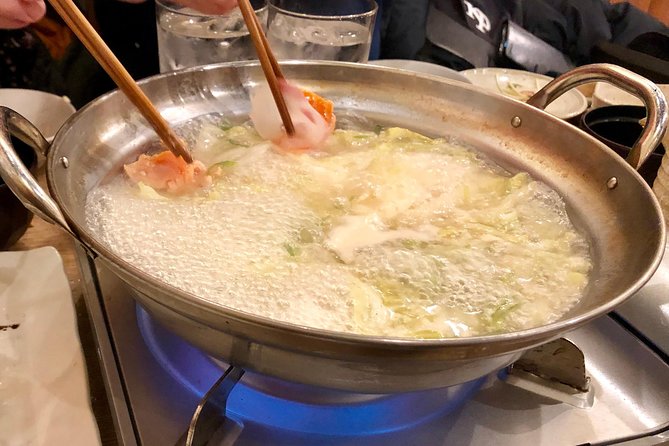
Food and drinks are included throughout the tour, including alcoholic beverages. That’s a big value lever, because Tokyo pricing can add up quickly—especially once you’re sampling multiple venues in one evening.
You’ll also get a dinner as part of the experience. Combined with snacks and drinks, this means you’re not relying on one main meal to carry the day. You’re eating in stages: tasting in the food hall, nibbling through the arcade, then finishing with a fuller izakaya-style portion and a bar-friendly flow.
You should also know this is not a “bring-your-own” tour. Everything is planned around the included items, which makes it easier to try foods you might normally skip. It also reduces the awkward moment of deciding what to order when you don’t know the menu language.
If you have dietary requirements, you’ll want to advise the provider at booking. That’s the right time to raise it, since the tour is based on what you can safely eat at each stop.
Price, pace, and whether $247.45 makes sense for you
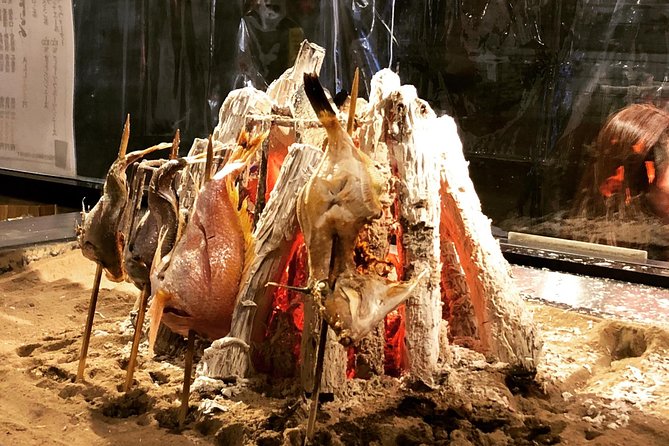
At $247.45 per person for about 6 hours, this isn’t a budget snack crawl. The value comes from three places:
- Private guide time across three neighborhoods instead of one area with a quick stop
- All food and drinks included, including alcohol, so you’re not layering on extra costs
- A structured route that takes you through food halls, an arcade, and an izakaya district, with someone handling the choices
Also, the tour is typically booked around 40 days in advance on average, so it’s popular enough that last-minute availability may be limited. The mobile ticket helps the day run smoothly once you’re in place.
The pace is the biggest “cost” you pay with your body. Moderate walking is part of the deal, and you’ll be on your feet for a long stretch. If you love walking food days and you can handle an evening in bar lanes, you’ll likely feel like you got your money’s worth.
If you hate walking, or if you’re expecting quiet, smoke-free dining rooms, then the price may feel less justified. In that case, a slower, fewer-stop option could fit better.
Where the tour starts and ends (and how to plan your timing)
This is a door-to-door style day without hotel pickup. You start at Ikebukuro Station (Minamiikebukuro area) and finish at Akabane Station. Your guide drops you off at JR Akabane station after the tour.
Because transportation to and from the attractions is not included, I recommend planning your own route to Ikebukuro ahead of time. You’ll also want to plan what happens after Akabane—since the tour ends there, it’s smart to have a simple plan for your return.
The meeting point being near public transportation is helpful. If you’re comfortable using Tokyo transit, this becomes a straightforward evening plan rather than a logistical puzzle.
Should you book this Tokyo Memories food scene tour?
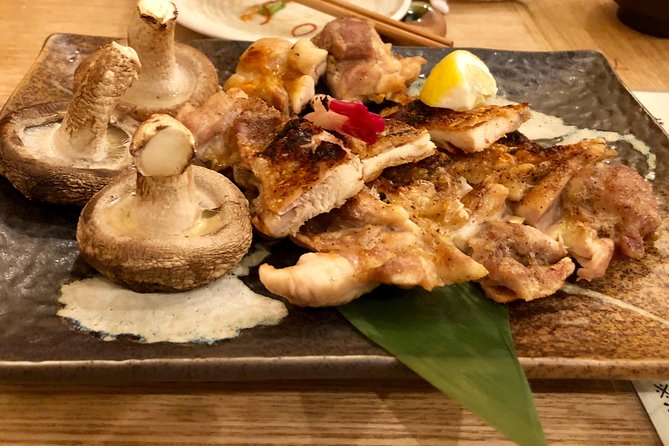
Book it if you want a real eating route that hits department-store tasting, a shoutengai street-food arcade, and an Akabane izakaya/bar evening. It’s a good fit for active food lovers who like walking, trying lots of small dishes, and switching settings without stopping to research every menu.
Don’t book it if smoke inside bars bothers you a lot, or if you’re not comfortable with an active pace. Also, if you’re expecting a low-key sit-down tour with minimal movement, you may find the structure too much.
If you’re on the fence, here’s the simplest test: do you want your Tokyo food day planned and handled for you, with Simon as the steady guide through three neighborhoods? If yes, this is a strong choice.
Food & Drink, compared.
 ★ 5.0Shinjuku Food Tour (13 Dishes at 4 Local Eateries)From $866,603 reviews
 ★ 5.0Tokyo Tsukiji Fish Market Food and Culture Walking TourFrom $993,184 reviews
 ★ 4.9Shinjuku Food Tour (15 Dishes and 4 Eateries)From $852,033 reviews
 ★ 5.0Tsukiji Fish Market Food and Walking tourFrom $301,724 reviews
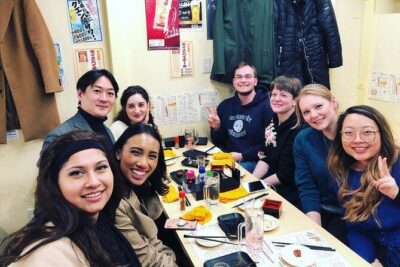 ★ 5.0Eat and Drink Like a Local: Tokyo Ueno Food Tour-Taverns&RamenFrom $95957 reviews
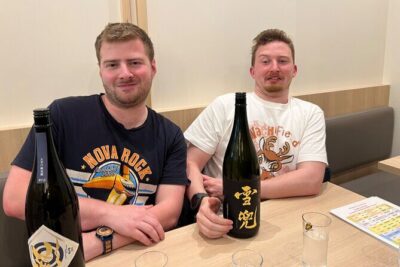 ★ 5.0Shibuya Food Tour (13 dishes and 4 Eateries)From $77770 reviews
★ 4.7Tsukiji Fish Market Food and Culture Walking TourFrom $96757 reviews
★ 5.0Shibuya Food Tour (13 dishes and 4 Eateries)From $77770 reviews
★ 4.7Tsukiji Fish Market Food and Culture Walking TourFrom $96757 reviews
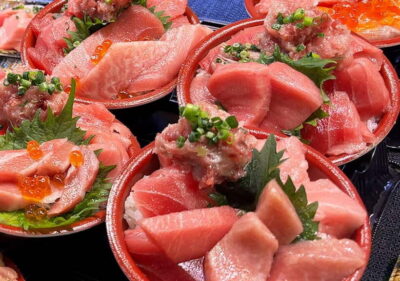 ★ 5.0Tsukiji Fish Market: Street Food & Culture Walking TourFrom $33669 reviews
Browse the lists this tour appears in