

Reviewed · MT FUJI DAY TRIPS
Mt. Fuji Guided Scenic Trike Adventure from Lake Kawaguchi
Mt. Fuji looks different at trike speed. This guided open-air scenic trike adventure takes you around the Fuji Five Lakes area—most especially Lake Kawaguchi—with a local guide handling the route and pointing you toward the best views and photo stops. You’ll ride a 3-wheeled trike that’s eye-catching and unlike the typical rentals you’ll see around town, so the whole day feels fun from the first turn.
I especially like two things: the guide-led route (so you’re not stressed about where to go) and the photo-focused stops that make the scenery feel planned, not random. The one drawback to consider is the International Driving Permit (IDP) requirement—you need it if you plan to drive, and late arrivals may miss the briefing and instructions.
In This Review
- Key points worth knowing before you book
- Why a guided open-air trike is the smart way to see Mt. Fuji from Lake Kawaguchi
- Morning Route vs Afternoon Route: choose the vibe that fits your day
- Morning Route: riding focus with planned photo stops
- Afternoon Route: sightseeing focus along Lake Kawaguchi
- Which one should you pick?
- Rental Trike BOSS timing: what “Arrive at 09:00” really means
- Safety briefing, controlled pace, and first-time rider confidence
- The Mt. Fuji photo strategy: why the stops feel like “real” viewpoints
- Lake Kawaguchi riding: where the trike turns the drive into a story
- Healing Village and traditional culture pauses (when they fit the route)
- Haggy and Ko: how the guide experience changes the day
- Cost and value: $161 per trike, plus fuel and photos
- What to bring (and the IDP rule that can ruin your day)
- Small group energy: what “limited to 3 participants” feels like
- Who should book this Mt. Fuji trike adventure?
- Should you book the Mt. Fuji Guided Scenic Trike Adventure from Lake Kawaguchi?
- FAQ
- Do I need an International Driving Permit (IDP) for this trike tour?
- How long is the experience?
- What are the tour start times for the morning and afternoon routes?
- Where is the meeting point?
- What should I bring and wear?
- Is alcohol allowed during the tour?
Key points worth knowing before you book
- Open-air trike riding around Lake Kawaguchi gives you real freedom and great sightlines.
- Local guide control means you follow the roads and viewpoints they know work best.
- Two different routes let you choose a riding-focused morning or a sightseeing-focused afternoon.
- Photo stops + guide photos/videos turn your ride into a ready-to-share story.
- Small group size (limited to 3 participants) keeps things relaxed and easier to manage.
Why a guided open-air trike is the smart way to see Mt. Fuji from Lake Kawaguchi
If you’ve been thinking Mt. Fuji is mostly about standing still and taking photos, this tour gently flips that idea. The trike format keeps you moving while still giving you room to look up, look around, and actually feel the lake air. That open design matters: you get cleaner angles toward Fuji, and you’re not hunched behind a windshield like you are in many cars.
The big practical win is that it’s not a self-drive rental. Your guide leads the route in a controlled, safe formation, so you’re free to focus on the ride instead of navigation. In an area where you can end up zigzagging between viewpoints, having the local route plan saves time and keeps the day from turning into guesswork.
And yes, it’s fun. People notice you. That’s not a small thing in Japan, where the “nice and orderly” vibe usually means you don’t expect to be the center of attention. With this trike, you’ll likely get smiles, looks, and a few comments from passersby—without it feeling awkward.
Morning Route vs Afternoon Route: choose the vibe that fits your day
You get two set routes, chosen at booking. They sound similar on paper, but they’re built for different priorities.
Morning Route: riding focus with planned photo stops
The morning option is designed for smooth roads and open scenery around the Fuji Five Lakes area. Translation: you’ll spend more time riding for the experience—feeling the trike, enjoying the movement, and taking in the views as they appear.
This route still includes carefully selected photo spots, so it’s not “just a drive.” It’s more like: you’ll ride first, then pause at points that the guide knows deliver strong Fuji angles and good compositions.
Afternoon Route: sightseeing focus along Lake Kawaguchi
The afternoon route leans into lakeside roads and popular sightseeing areas with famous Mt. Fuji viewpoints. If your priority is photos, local atmosphere, and slower scenic stops, this is the better match.
It also includes photo stops, but the pacing feels more like an evening-ready sightseeing loop—less about pure riding adrenaline, more about stopping, looking, and enjoying the area around the water.
Which one should you pick?
If you want the day to feel like a ride with scenery as a bonus, pick the morning route. If you want the day to feel like a “Mt. Fuji sights plus photos” itinerary with trike transport, pick the afternoon route.
Rental Trike BOSS timing: what “Arrive at 09:00” really means
This tour runs on fixed times. You arrive for check-in and the safety briefing before departure.
- Morning: arrive 09:00, start 10:00
- Afternoon: arrive 14:00, start 15:00
Arrival at the meeting time is required for the briefing and riding instructions. Late arrivals may not be able to join the tour, so treat that “arrive early” instruction seriously. Once you’re late, you’re not just late for a start time—you’re late for the part where you learn how to handle the trike comfortably.
The meeting point is Rental Trike BOSS, across from the Happy Drink vending machine near Lawson Kawaguchiko Ohashi. If you like to plan like a pro, search Rental Trike BOSS on Google Maps before you leave your hotel.
Safety briefing, controlled pace, and first-time rider confidence
This is a guided tour, so you don’t jump in and wander. After the briefing, you’ll follow the guide in a safe formation at a controlled pace.
The trikes are described as stable and easy to handle. That matters because you’re not just sitting—most of the experience is riding, steering, and learning the rhythm of the road with a few gentle turns. I’d treat this as beginner-friendly in tone and approach, not as something that needs prior motorcycle experience.
Also, you’ll get English and Japanese support from the live guide. The guide (often referred to as Haggy) takes the lead on route guidance, and in at least some situations there’s also staff support from the Ko side of the team, especially when timing goes sideways.
The Mt. Fuji photo strategy: why the stops feel like “real” viewpoints
The tour is built around carefully selected photo locations, and that’s where a guided experience usually earns its keep. In the Fuji Five Lakes area, it’s easy to stop at a place that looks okay from one angle and then feels mediocre once you’re there. A guide can steer you toward the spots that match the light, the sightlines, and the approach by road.
Expect a pattern: ride → arrive at a viewpoint → pause long enough to get a clean shot → then move again while the day still feels fresh. The guide also takes photos and videos of your ride, and after you return to the shop, those get shared with you. That’s helpful because it reduces the stress of finding a good position to film yourself while also keeping your trike handling smooth.
One more practical note: open-air riding often means wind and cooler air at the times when Fuji shows clearly. The photo stops work best when you’re dressed for the temperature you’ll actually feel—not the weather you remember from the forecast.
Lake Kawaguchi riding: where the trike turns the drive into a story
Lake Kawaguchi isn’t just scenery you glance at. When you ride around it on an open-air trike, it becomes part of the experience loop: water reflects light, roads curve, and Fuji shifts position as you move. That motion helps explain why this tour feels more memorable than a short viewpoint hop.
On the afternoon-style sightseeing route, you’ll often spend time on lakeside roads and pass through areas that make the lake feel lived-in rather than purely “postcard.” The guide chooses sightseeing points and viewpoints, so you’re not just driving past random spots—you’re seeing the ones that work from the right direction.
And if you’re lucky with timing and weather, you’ll likely get that classic Fuji look alongside the lake—exactly the kind of combo that makes for a set of photos you can share for years.
Healing Village and traditional culture pauses (when they fit the route)
This tour can include cultural and scenic detours depending on the route that day. For example, one commonly mentioned stop is Saiko Iyashi no Sato Nenba, often described as a healing village area with traditional houses and a calm forest feel.
That kind of stop is valuable for two reasons:
- It gives your eyes a break from only Fuji-and-lake views.
- It adds contrast—so your photos don’t all look like the same frame repeated.
Just remember: paid attractions are not included, so entrance fees (if any apply) would be on you.
Also, food isn’t included. Still, you may get guidance on where to grab something local. In one recent experience, the guide suggested a traditional lunch-style stop along the way. That’s the type of on-the-ground advice you’re paying for: the route and the small course correction when hunger hits.
Haggy and Ko: how the guide experience changes the day
A trike tour can go two ways: you get the vehicle, or you get the local brain. Here, you get both.
The guide—often called Haggy—is central to the day. They lead safely, they choose the route, and they handle the photo plan so you don’t waste time hunting for a good angle. In practice, that means more “getting to the good parts” and less “figuring it out while everyone waits.”
There’s also evidence of helpful team support from Ko, especially around small timing issues. If your arrival is imperfect, the team may work with you—though the rules still say late arrivals may not be able to join. Translation: do your part by arriving on time, but know the staff isn’t robotic.
One more nice touch: the guide takes lots of photos of your group during the stops. That means you can ride, look, and enjoy without being the person constantly running around with a phone to get everyone in frame.
Cost and value: $161 per trike, plus fuel and photos
The price is $161 per group, and the details point out pricing is per trike. You can ride with up to 2 people per trike, so the value improves if you’re a couple or two travelers who want to share the same vehicle.
What you get for the money:
- A guided trike tour with a local guide
- The 3-wheeled trike rental for the tour
- Safety briefing and riding instructions
- Fuel
- Basic insurance coverage
- Photo stops along the route
That’s a lot bundled, especially compared with cobbling together transportation plus a self-planned driving day plus extra time searching for viewpoints. The guide-led approach reduces wasted time and stress, and the included photo stops are part of what you’re paying for.
If you’re the type who wants a “do it right” day without over-planning, this is the kind of experience where the cost makes sense. If you love driving and don’t mind charting routes, a rental could be cheaper—but you’d give up the guide-led photo strategy and the organized pacing.
What to bring (and the IDP rule that can ruin your day)
This tour has one big requirement: if you’re going to drive the trike, you need a valid International Driving Permit (IDP) issued under the 1949 Geneva Convention.
You also need your original driver’s license from your home country along with the IDP. No Japanese license is required.
A few important practical points:
- Passengers do not need a driver’s license.
- Children can ride safely with seat belts provided.
- Pregnant women are not suitable for this activity.
- The tour is open-air, so bring warm clothing even when the daytime feels mild.
- Avoid sandals or flip-flops. Wear shoes you’d feel steady in.
- Alcohol and drugs are not allowed. Alcoholic drinks in the vehicle are not allowed.
If you’re thinking, I’ll just wing it without the IDP, don’t. The tour is built around compliant drivers so you’re not doing a last-minute scramble. That said, one experience described staff being accommodating if someone forgot the IDP by allowing them to ride from the back for an extra fee. Don’t plan on that. Make the IDP part of your prep.
Small group energy: what “limited to 3 participants” feels like
A small group changes the whole pace of a tour like this. With limited participants, you spend less time waiting and more time moving at the right speed.
It also makes it easier for the guide to help you find your comfort level on the trike—especially in the first moments after the briefing. If you’re riding as a driver, you get more direct attention early. If you’re a passenger, you still benefit because the guide can match the route rhythm to the group rather than the other way around.
Who should book this Mt. Fuji trike adventure?
I think this tour fits best if you:
- Want Mt. Fuji views without spending your whole day stuck behind a windshield
- Like a guided day where the route and photo stops are handled
- Prefer a fun, social experience that still feels organized
- Are comfortable following directions at a controlled pace
It’s also a great choice for mixed ages, since the trikes are described as stable and easy to handle. One recent experience highlighted smooth control for riders in their mid 60s.
Who might skip it?
- If you’re pregnant (not suitable)
- If you don’t want to deal with the IDP and driving requirement
- If open-air riding in cool conditions sounds unpleasant, pack appropriately and consider your comfort level
Should you book the Mt. Fuji Guided Scenic Trike Adventure from Lake Kawaguchi?
Yes, if your goal is a fun, photo-friendly Mt. Fuji day with local guidance and an experience you can’t replicate with a normal car rental. The guide-led pacing, the open-air trike feel, and the included photo support make this a strong value for people who want less stress and better viewpoints.
I’d especially book it if you plan to spend time around Lake Kawaguchi anyway. This turns that area from “a place you visit” into “a route you remember,” with the trike experience doing more than just moving you from A to B.
If you’re unsure between morning and afternoon, pick the morning for riding enjoyment and smooth roads, and pick the afternoon if you care more about sightseeing stops and photo time.
FAQ
Do I need an International Driving Permit (IDP) for this trike tour?
If you plan to drive the trike, you need a valid IDP issued under the 1949 Geneva Convention, plus your original home country driver’s license. Passengers do not need a driver’s license.
How long is the experience?
The experience is about 3 hours total, including check-in, a safety briefing, and riding instructions before departure.
What are the tour start times for the morning and afternoon routes?
For the morning tour, you arrive at 09:00 and the tour starts at 10:00. For the afternoon tour, you arrive at 14:00 and the tour starts at 15:00.
Where is the meeting point?
Meet at Rental Trike BOSS, across from the Happy Drink vending machine near Lawson Kawaguchiko Ohashi. You can find it by searching Rental Trike BOSS on Google Maps.
What should I bring and wear?
Bring your driver’s license, your IDP, and warm clothing. Wear shoes (sandals and flip-flops are not allowed).
Is alcohol allowed during the tour?
Alcohol and drugs are not allowed, and alcoholic drinks in the vehicle are also not allowed.
Mt Fuji Day Trips, compared.
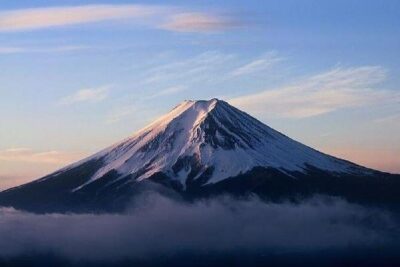 ★ 4.0Mt Fuji & Hakone Cruise, Drum Show Bullet Train 1 Day from TokyoFrom $1497,413 reviews
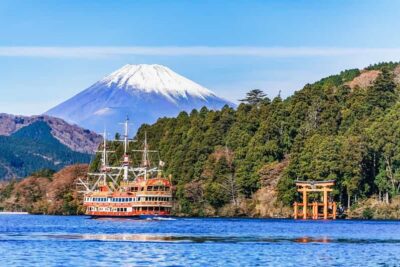 ★ 4.4Tokyo Mt Fuji 5th St & Hakone Cruise Bus Tour w/Bullet TrainFrom $1545,024 reviews
 ★ 4.5From Tokyo: Mount Fuji Full-Day Sightseeing TripFrom $684,970 reviews
 ★ 4.7Mt. Fuji Tour, Hakone Ropeway, Owakudani, Lake AshiFrom $544,002 reviews
 ★ 5.0Private Tour to Mt. Fuji and Hakone (Fully Licenced Operator)From $4971,910 reviews
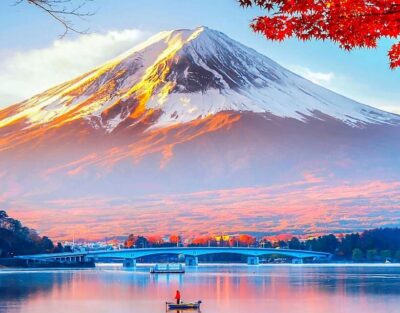 ★ 4.9Mount Fuji Full-Day Private Tour from Tokyo (Customizable)From $3931,470 reviews
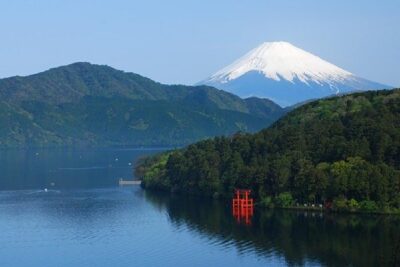 ★ 4.0Mt Fuji & Hakone Cruise, Drum Show Bus 1 Day from TokyoFrom $1221,287 reviews
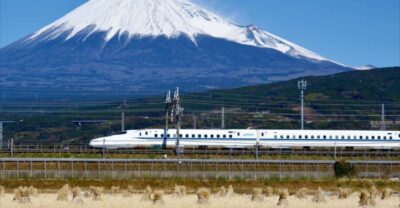 ★ 4.2From Tokyo: Mt. Fuji & Hakone Tour w/ Return by Bullet TrainFrom $1171,278 reviews
Browse the lists this tour appears in