
Reviewed · YOKOHAMA TOURS
Let’s make Wagashi at private home in Yokohama, suburban Tokyo
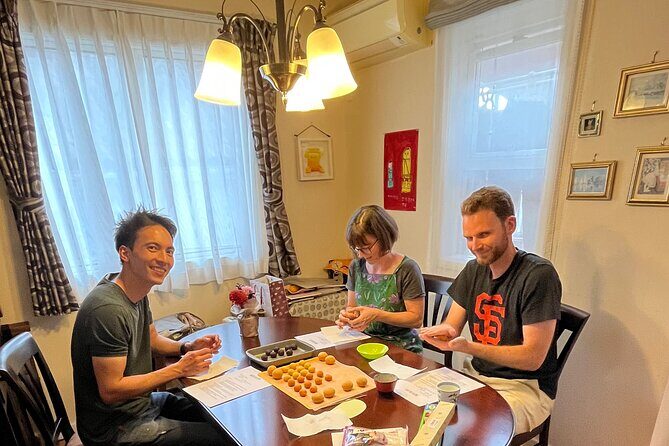
Sweets, made by hand, in a home. This workshop is a rare chance to learn seasonal wagashi in a private Japanese home setting with the host teaching from years of tea ceremony practice.
I love that it’s hands-on from dough to finished shapes, and I love the way the lesson ties sweets to the four seasons instead of making the same thing every time.
One catch: you’ll meet in Azamino, a suburban area, so it may take a bit more transit planning than central Tokyo. Still, the class runs about 2 hours and keeps the group small enough to feel personal.
In This Review
- Key highlights worth knowing
- A Wagashi Workshop in a Real Yokohama Home
- What you’ll make (and why it’s not one-size-fits-all)
- Meeting in Suburban Azamino (and pairing it with a nearby plan)
- What the 2 hours feel like: from dough to shaped sweets
- Step-by-step shaping (the fun part)
- Learning the season through craft
- Meet Ikuyo and learn the tea-and-sweets connection
- A small personal touch
- Taste, then take home 4 pieces of your own wagashi
- Quick reality check on dietary needs
- Price and value: does $52.03 make sense?
- Who this wagashi class is perfect for (and who might hesitate)
- You might hesitate if…
- A simple way to plan your day
- Should you book this Wagashi in Yokohama class?
- FAQ
- How long is the Wagashi workshop?
- Where does the workshop start and end?
- How many people are in a class?
- Do I need to bring anything special?
- What wagashi will I make?
- Is pickup available?
- Can I cancel for a refund?
Key highlights worth knowing
- A real private-home class in Yokohama instead of a store-front demo
- Season-based wagashi choices tied to Japanese timing and taste
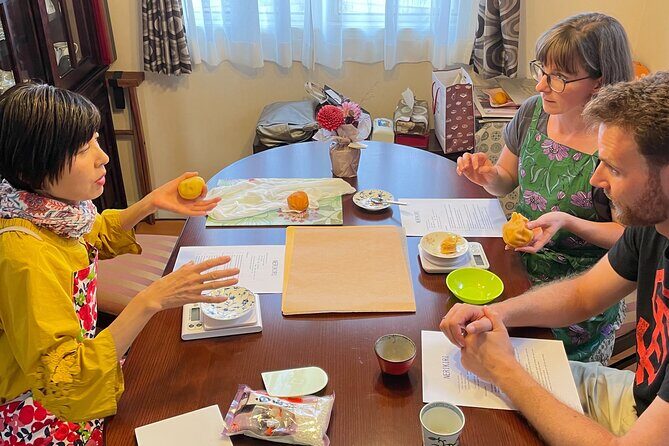
- Small group size (max 4 travelers) for patient, step-by-step guidance
- Hands-on Nerikiri-style shaping from dough with bean paste and mochi
- Matcha tasting built in, then you take most of your sweets home
A Wagashi Workshop in a Real Yokohama Home
This experience is all about making wagashi—traditional Japanese sweets—inside a private Japanese home in Yokohama. The setting matters. Watching wagashi get shaped in a studio can feel like a performance; doing it in someone’s home feels like learning craft the way it’s taught locally.
The host, Ikuyo, brings serious background. She’s been studying Japanese tea ceremony for more than 40 years and teaching wagashi for 15 years. That combo shows up in the pacing: you’re not just being told what to do—you’re guided through the look, texture, and intention behind the sweets.
The class also leans into Japanese seasonality. You’ll learn sweets depending on the time of year, and that means the focus shifts with the calendar. Even if you only know wagashi as pretty confections, this helps you understand why the shapes and flavors tend to change.
What you’ll make (and why it’s not one-size-fits-all)
You’ll work with well-known wagashi types such as Nerikiri, Gyūhi, and Manju, depending on the season. In the Nerikiri example used for this workshop, you shape sweets from dough containing white bean paste and mochi, then create specific forms where the inside can be red bean paste or white bean paste.
That detail is useful. It’s not just decorative sugar art. It’s a dough-and-filling structure where texture and shape both matter.
Meeting in Suburban Azamino (and pairing it with a nearby plan)
You start at Azamino Station (meeting point listed as 2 Chome Azamino, Aoba Ward). This is one of the biggest practical differences from Tokyo cooking classes that start in the busiest hubs. Azamino is easier if you’re already exploring Kanagawa/Yokohama, but you’ll want to plan transit time carefully if you’re staying closer to central Tokyo.
The good news: the activity is described as near public transportation, and it even offers pickup (when available). So if you’re arriving by train and don’t want to second-guess the final walk, ask/confirm pickup options when booking.
A smart pre- or post-class add-on: the Yokohama Ramen Museum is about 15 minutes from Azamino Station. If you like food plans that don’t turn your whole day into logistics, this is a handy pairing. You can come in early for lunch, then swap from ramen to wagashi for a very different kind of culinary lesson.
What the 2 hours feel like: from dough to shaped sweets
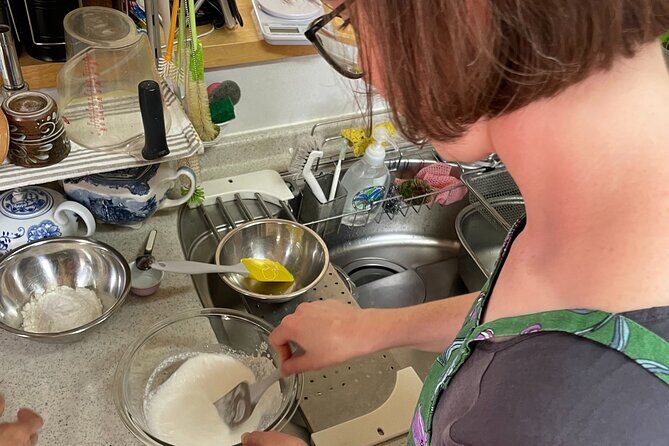
The whole class runs about 2 hours. The workflow is simple and clear: you’ll spend around 1.5 hours making wagashi, then you’ll eat one piece together with matcha. After that, you’ll take 4 pieces home.
Step-by-step shaping (the fun part)
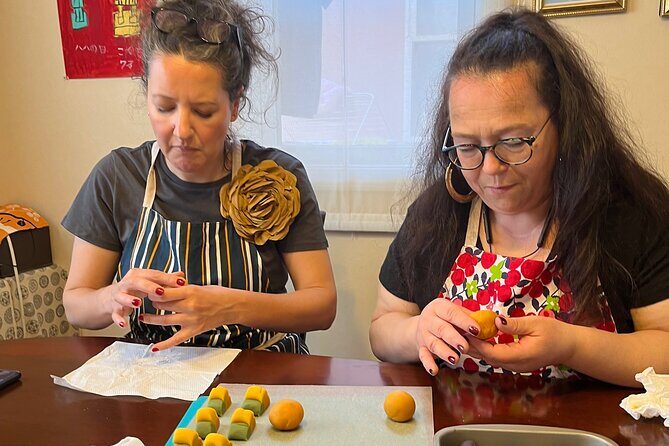
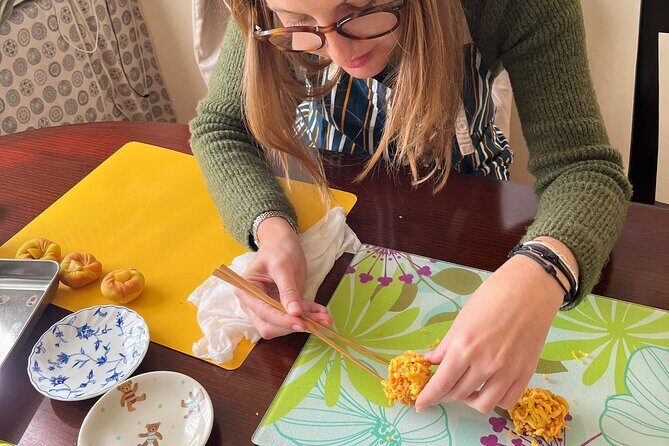
The workshop is hands-on. You make your wagashi, learn the shaping steps, and focus on getting something that looks like the type you’re aiming for.
With Nerikiri-style sweets as the example, you’re working with a combination that can feel new at first: bean paste + mochi-based dough plus interior filling. The key skill is learning how to shape without breaking the texture and how to form the recognizable silhouette.
And yes—your sweets will be cute even if they don’t look like a perfect display case. One review-style memory emphasized that the sweets were delicious even when they weren’t as picture-perfect as the host’s examples. That’s normal. The point is learning the craft, not graduating from a pastry contest.
Learning the season through craft
A wagashi lesson is a sneaky way to understand Japanese seasonality. The host follows the season when creating shapes. That means you’ll be making something that fits the time of year—rather than a constant “tourist wagashi sampler.”
If you like Japan in detail—weather, festivals, seasonal tastes—this is the part that makes it feel more meaningful than a generic cooking class.
Meet Ikuyo and learn the tea-and-sweets connection
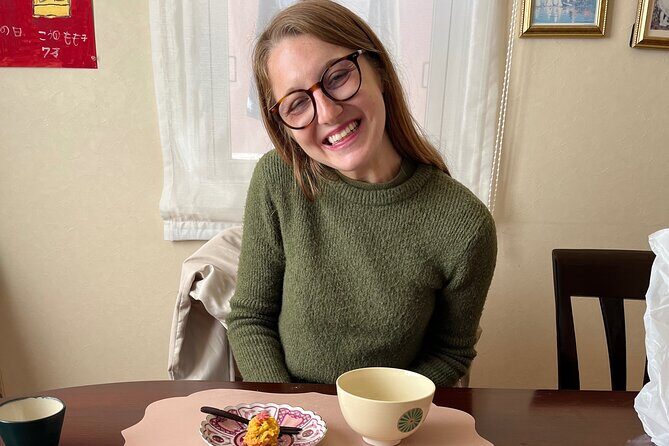
This workshop doesn’t treat matcha as an afterthought. It’s part of the experience rhythm: you make wagashi first, then you taste one piece with matcha that Ikuyo prepares.
That’s important. Wagashi and matcha are designed to work together—sweetness, texture, bitterness, and aroma. Even if you only take one bite, you’ll feel why these snacks show up in tea moments in Japan.
The host experience also comes through in how she teaches. Reviews highlight that Ikuyo is patient and explains steps thoroughly. Another review mentioned her husband as part of the warm atmosphere, which makes this feel more like a small home lesson than a rushed class.
A small personal touch
One review mentioned that Ikuyo even gave a Japanese design handkerchief. I like details like that because they fit the theme: this is a cultural exchange, not just a ticket to learn a recipe.
Taste, then take home 4 pieces of your own wagashi
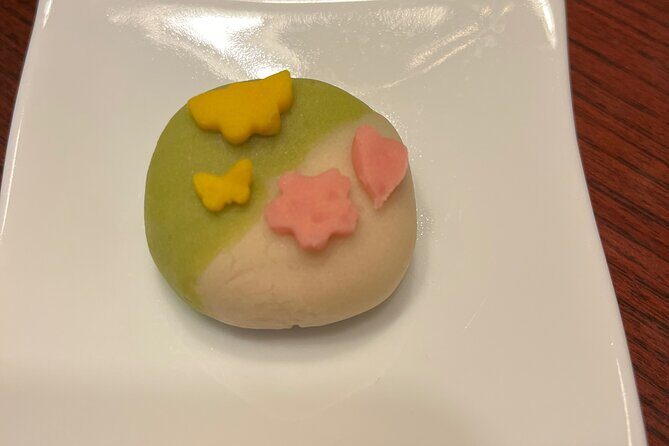
After you finish shaping, you’ll eat 1 piece of wagashi together with matcha. That built-in tasting time is a big value point. You get immediate feedback: does the texture match what you expected? Does the sweetness feel balanced with the tea?
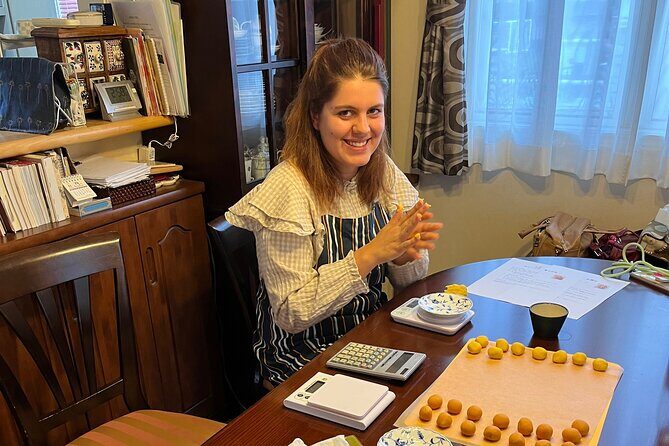
Then comes the practical payoff. You make 5 pieces total. You eat 1 during the class, and you can take the remaining 4 pieces back home.
For me, that’s better than experiences where you make one item and that’s it. Here, you’re walking away with a small souvenir you actually get to eat later.
Quick reality check on dietary needs
The overview states that most of the wagashi are vegan and gluten-free. That’s great if you eat this way. It also comes with a sensible caution: it says most, not all. If you have strict allergies or needs, you should confirm what’s used in your specific seasonal batch when you book.
Price and value: does $52.03 make sense?
At $52.03 per person for about 2 hours, the price can feel fair once you factor in what’s included. You’re paying for:
- A small-group class (max 4 travelers)
- A private-home setting
- Hands-on shaping and instruction
- Matcha tasting
- 5 pieces of wagashi, with 4 taken home
In Tokyo-area experiences, the cost of “just learning” can be high. Here, you get both learning and tangible results you can taste immediately and later. The private-home component also likely drives the price more than a public cooking studio would.
Also, note that the class is typically booked about 16 days in advance on average. That signals demand. If you want a specific time window, don’t wait until the last week of your trip.
Who this wagashi class is perfect for (and who might hesitate)
This is best for you if you want more than a photo stop. You’ll enjoy it if you like food craft, seasonal culture, and lessons where you can actually do the work with your hands.
It’s also a good fit if you’re the type who likes small groups. With up to 4 travelers, it’s easier to ask questions and get individual attention while shaping.
You might hesitate if…
If you’re short on time and want every activity near major central stations, the Azamino meeting point might feel inconvenient. Also, if you dislike guided group schedules, a scheduled 2-hour lesson may not match your style.
That said, it’s not a heavy commitment. Two hours is a manageable block, and the ramen museum option makes it easy to build a complete food-focused afternoon.
A simple way to plan your day
Here’s a practical approach. Plan to arrive a bit early at Azamino Station so you don’t feel rushed walking to the private home. Then treat the class like the main event, not a quick side quest.
If you’re hungry before class, the nearby Yokohama Ramen Museum is an easy idea. If you’re already traveling that day, match it to your energy: wagashi shaping can be relaxing, but it still takes focus.
After the lesson, you’ll have extra sweets to enjoy later. That helps you avoid hunting for dessert plans the rest of the day.
Should you book this Wagashi in Yokohama class?
Book it if you want a hands-on, seasonal Japanese food experience with a warm teacher and a private-home feel. The combination of Ikuyo’s tea ceremony background, the small group, and the fact that you make 5 pieces (with 4 to take home) gives you real value beyond a short demonstration.
Skip it only if you need everything to happen in the absolute center of Tokyo, or if your schedule can’t handle getting to Azamino.
If you like learning craft and eating what you make, this is the kind of class that turns into a memorable food story you’ll still be glad you did.
FAQ
How long is the Wagashi workshop?
The experience lasts about 2 hours total. Roughly 1.5 hours is for making wagashi, then you eat 1 piece with matcha.
Where does the workshop start and end?
It starts at Azamino Station (meeting point listed as 2 Chome Azamino, Aoba Ward, Yokohama) and ends back at the meeting point.
How many people are in a class?
This activity has a maximum of 4 travelers, which keeps it small and more guided.
Do I need to bring anything special?
The workshop notes that you don’t need to bring anything special.
What wagashi will I make?
The workshop focuses on traditional wagashi, such as Nerikiri (with a dough made from white bean paste and mochi). The exact sweets depend on the season.
Is pickup available?
Pickup is offered, depending on availability, and you’ll start at Azamino Station as the main meeting point.
Can I cancel for a refund?
Yes. You can cancel for a full refund if you cancel at least 24 hours before the experience start time. Confirmation is subject to availability.
Just Your Group: Private Options






More Tour Reviews in Yokohama



Next Door in Yokohama
Yokohama Tours, compared.
 ★ 4.9EVO, WRX, Skyline – JDM Night Run to Daikoku Car MeetFrom $125478 reviews
Best Price Daikoku Parking Area JDM Car MeetFrom $76192 reviews
★ 4.9EVO, WRX, Skyline – JDM Night Run to Daikoku Car MeetFrom $125478 reviews
Best Price Daikoku Parking Area JDM Car MeetFrom $76192 reviews
 ★ 4.9Daikoku & Tokyo Private JDM Tour by 700HP R34 GT-RFrom $586101 reviews
 ★ 5.0Tokyo 8hr Private Tour with Licensed Guide from YokohamaFrom $20194 reviews
 ★ 5.0【Tokyo】JDM Daikoku Parking Area & Nissan Facility TourFrom $5587 reviews
 ★ 4.5Narita Airport: One Way Private Transfer to Tokyo|Yokohama HotelsFrom $7769 reviews
 ★ 5.0R34Skyline Daikoku PA Fast & Furious Private ExperienceFrom $10963 reviews
 ★ 5.0Shuttle Van Transfer, Yokohama(Port)⇒Tokyo, Narita, Haneda, TDRFrom $12263 reviews
Browse the lists this tour appears in