
Reviewed · SHINJUKU BAR HOPPING
Tokyo Shinjuku Food Tour 15 Dishes and 4 Eateries
Tokyo at night is all about food.
This Shinjuku tour is interesting because it focuses on the local eating streets and the small, everyday places you normally skip. I like how you’re led by real people in the neighborhood and how the tasting list hits classic favorites like yakitori, gyoza, karaage, and sashimi. One thing to consider: it’s a short, action-packed 3-hour evening built around lots of bites, so if you hate crowds or want a slow sit-down meal, this may feel a bit intense.
For a smooth start, it helps to find your meeting point quickly at FamilyMart (1-chōme-3-17 Nishishinjuku, Shinjuku City). With a maximum of 15 travelers, the group stays friendly, but you should expect a guided pace and close walking during the food stops.
In This Review
- Key highlights you’ll care about
- Why Shinjuku’s food alleys beat a standard checklist
- Price Breakdown: what $97.55 buys you (and what it doesn’t)
- Your small-group setup and what “mobile ticket” means in practice
- Stop 1: Omoide Yokocho, where you feel the alley before you eat
- Stop 2: Kabukicho with a guide who knows how to order
- What you’ll eat: yakitori, gyoza, karaage, sashimi, and the rest of the lineup
- How the pacing works during a 3-hour tasting night
- Value check: why the guide focus makes this feel worth it
- Where this tour fits best (and where it might not)
- Quick tips to make the tasting night smoother
- Should you book this Tokyo Shinjuku Food Tour?
- FAQ
- How long is the Tokyo Shinjuku Food Tour?
- Where do I meet for the tour?
- How many people are in each group?
- How many dishes and eateries are included?
- Is a mobile ticket provided?
- Which stop has admission included?
- Is free cancellation available?
Key highlights you’ll care about
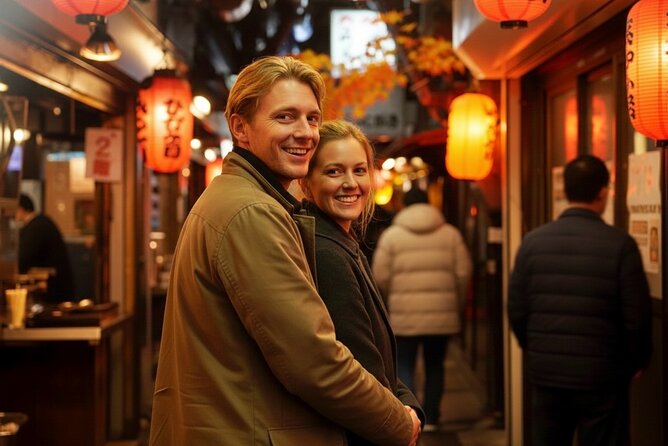
- Omoide Yokocho first: a traditional alley setting with local-leaning eateries and a full hour devoted to that vibe
- Kabukicho second: a bigger neon nightlife area where your guide helps you order and navigate
- 4 eateries, 15 dishes (and possibly 16): the tour material points to a large tasting amount
- Guides get praise for personality plus know-how: you’ll hear names like Ken, Soma, Kei, and Naoya in the reviews
- Mobile ticket + short duration: plan for an approx. 3-hour evening with an easy-to-use ticket
Why Shinjuku’s food alleys beat a standard checklist
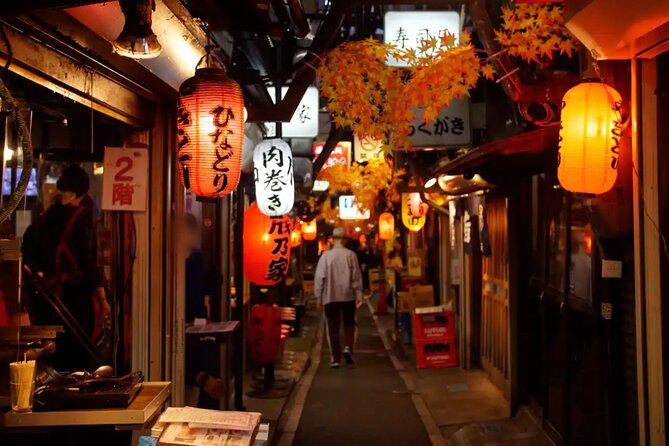
Shinjuku can feel like overload if you arrive with only a map and a list of famous places. What makes this tour work is that it’s built around two distinct neighborhoods that locals actually treat as part of their regular night out.
You start in Omoide Yokocho, a place people associate with old-school Tokyo energy—tight lanes, lots of smoke-and-grill aroma, and menus that feel made for walking and sharing. Then you move into Kabukicho, the large entertainment zone that lights up after dusk. Your guide’s job is to translate all that chaos into a smooth evening with the right order of stops and food that makes sense together.
The best part is the guide element. In the reviews, the names keep showing up—Ken and Soma, Kei, and Naoya—and the common theme is simple: they’re fun and they explain Tokyo in a way that makes the food feel more grounded, not random. If you’re the type who enjoys the story behind what’s on your plate, you’ll probably get a lot out of the pacing and commentary.
Price Breakdown: what $97.55 buys you (and what it doesn’t)
At $97.55 per person, you’re paying for three things:
- Guiding and logistics so you don’t spend your night hunting for the right spot
- Multiple tastings across 4 eateries (the material mentions 15 dishes, and the description also references 16 dishes)
- At least one paid component: the first neighborhood stop (Omoide Yokocho) has an admission ticket included
What you’re not buying is a long private dining experience where you sit for hours, order from a full menu, and control every detail. This is a tasting tour, not a slow dinner. If you like variety and don’t mind moving along the way, the pricing starts to make sense fast—because you’re effectively paying for the chance to sample several Japanese classics in one evening without the guesswork.
Also, the fact that it’s priced as a fixed tour (instead of you paying entry plus separate meals on your own) is a value lever. You know you’re getting a lot of food planned ahead, and that saves time, which in Tokyo is its own kind of money.
Your small-group setup and what “mobile ticket” means in practice
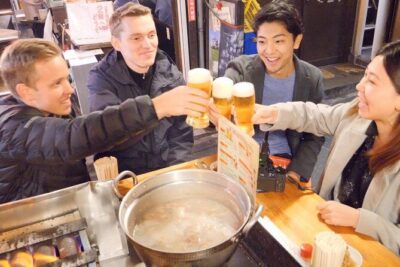
This is a small group tour with a maximum of 15 travelers. That matters because it keeps the experience from turning into a rushed herd. You’ll still walk with the group, but you’re more likely to get a personal feel from the guide—especially when questions come up about what you’re eating or how to approach ordering at a busy spot.
You’ll also use a mobile ticket. That’s helpful because it reduces friction at check-in and keeps everything on your phone. For Tokyo evenings, that’s a practical win; fewer steps often means fewer chances to miss your start time.
Duration is about 3 hours, and you’ll meet at FamilyMart in Nishishinjuku. The tour ends back at the meeting point, so you don’t have to worry about tracing your way home through a maze of streets after you’ve eaten.
Stop 1: Omoide Yokocho, where you feel the alley before you eat
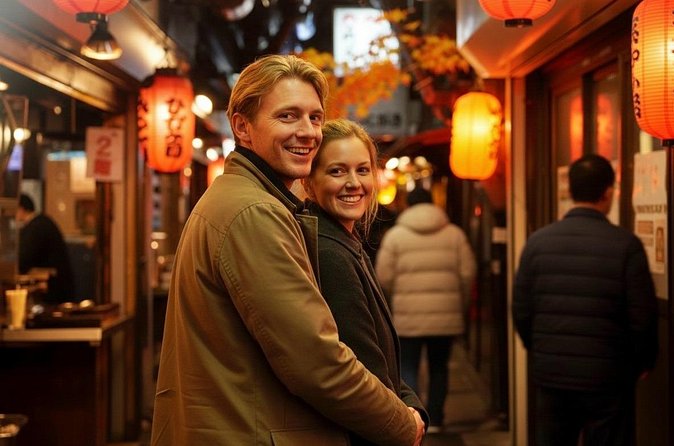
Your first hour is in Omoide Yokocho, and the timing is smart. It gives you a chance to settle into the neighborhood and understand how the place works before you head into the bigger, louder Kabukicho zone.
This is also the part where an admission ticket is included. That’s a subtle but important detail: it suggests the tour is actually organized around access or a planned visit, not just “walk by and hope you like it.” In other words, you’re not just being shown photos on the street—you’re being taken somewhere with a real reason for stopping.
What you can expect in this setting is a concentrated Tokyo night-food experience. The alley vibe often means:
- shorter distances between bites
- lots of grill and fryer smells nearby
- a more casual, hands-on dining feel
If you’re expecting a formal restaurant with a polished service flow, you might need to adjust your expectations. But if you want that Japan-at-night atmosphere—where food feels social and you can smell what’s cooking—you’ll likely love this start.
Stop 2: Kabukicho with a guide who knows how to order
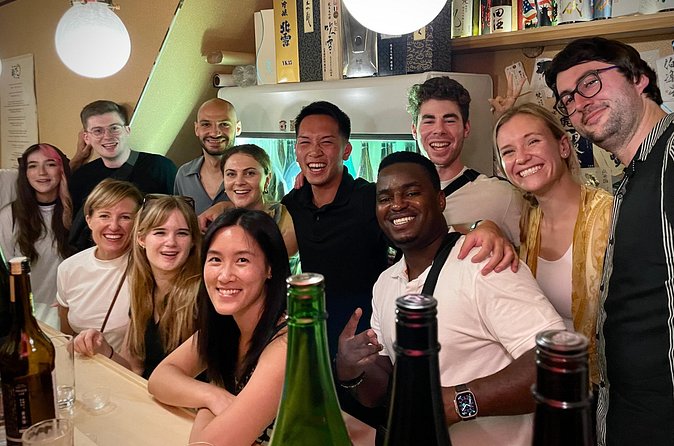
After Omoide Yokocho, the tour shifts into Kabukicho, and it’s clearly a different world. Kabukicho is bigger and more neon-heavy, and it can be overwhelming on your own—too many storefronts, too many signs, not enough context.
The tour gives this neighborhood about two hours. Even though the second stop is listed as admission free, the value is still in the guidance. A guide helps you avoid common mistakes, like:
- picking a place that looks good but doesn’t match what the tour is aiming to sample
- misunderstanding what you should order in a fast-moving environment
- wasting time trying to read menus when you’re hungry
The reviews emphasize the guides’ ability to create a fun night and explain the cultural pieces that make the food feel connected to real Tokyo. Names like Kei show up as friendly and fun, and Naoya gets called out for kindness and for taking people to local spots with delicious food. That blend matters in Kabukicho, where the volume of choices can turn a first-time night into a decision struggle.
What you’ll eat: yakitori, gyoza, karaage, sashimi, and the rest of the lineup
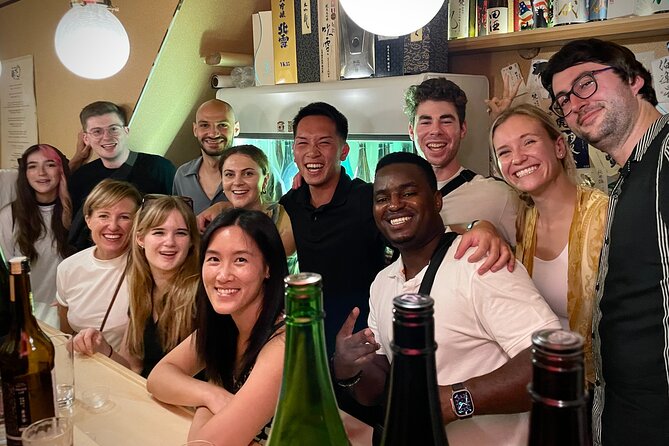
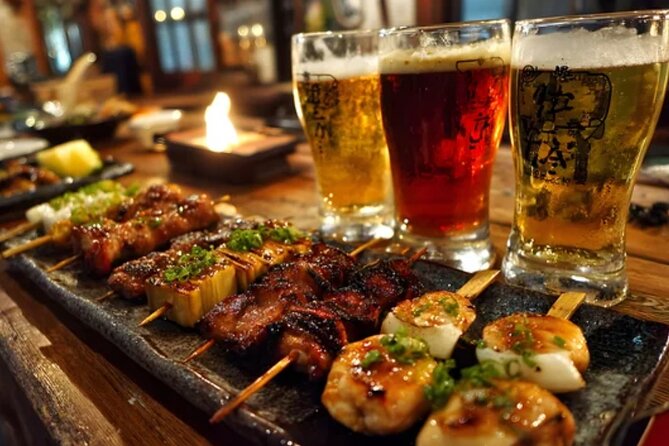
One reason this tour stands out is the food mix. The description lays out several big hitters that you can actually recognize, which is great for planning your appetite:
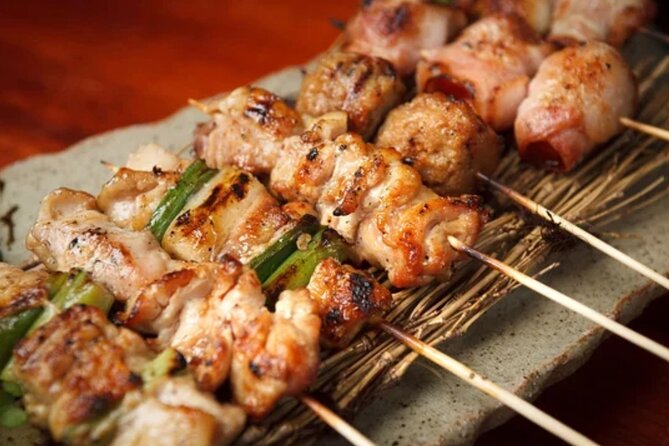
- Yakitori (grilled skewers)
- Gyoza (pan-fried dumplings)
- Karaage (fried chicken)
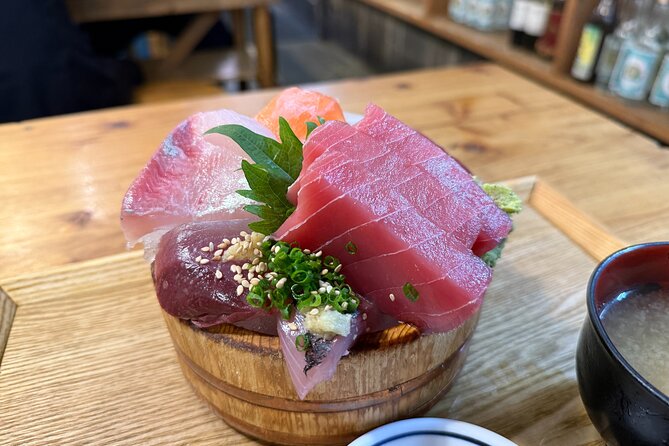
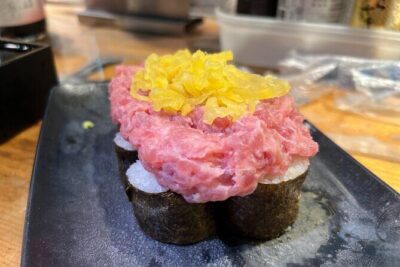
- Sashimi (fresh raw fish)
You can also expect more dishes than just these listed examples, since the tour promises 15 dishes (and the overview also mentions 16). The exact number is a small inconsistency in the information you’re given, but the intent is clear: you’re getting a heavy tasting schedule.
This type of lineup is useful for a first visit to Japan because it covers different textures and cooking styles. You’ll likely get contrast in one evening: something grilled, something pan-fried, something fried, and something served raw. That variety is the point. You’re not eating one “theme meal.” You’re building a quick picture of what Japanese comfort food and izakaya cooking feels like.
Also, the tour’s format means you usually don’t end up stuck with one dish you don’t like. If one bite is too salty or too rich, the next stop has a chance to reset your taste buds. That’s a real advantage of a planned multi-eat night.
How the pacing works during a 3-hour tasting night
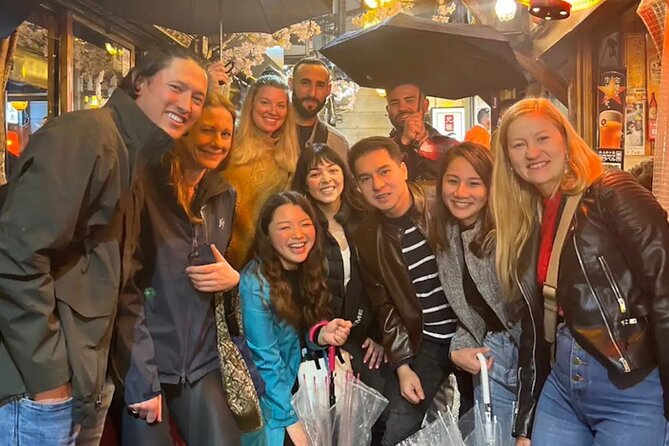
This tour is about 3 hours, and that duration shapes everything. You’ll be eating, walking, and swapping neighborhoods without long downtime. In practice, that means you should come with the right energy level.
Here’s the kind of pacing you should expect:
- You’ll start by getting oriented and stepping into the first area’s food rhythm
- You’ll then move through the next neighborhood with the guide managing the flow between eateries
- You’ll rack up multiple bites while keeping the evening moving
Because the maximum group size is 15 travelers, the schedule has enough flexibility for normal guide interaction, but it still won’t feel like a slow museum tour. The guides named in the reviews—Ken, Soma, Kei, Naoya—all get praise for being fun and kind, but the core job is still logistical: keeping the group fed and on track.
Value check: why the guide focus makes this feel worth it
You could build a DIY food night in Shinjuku. The difference here is that you’re paying to reduce decision fatigue.
When you’re new to Tokyo, it’s not just hard to find good food—it’s hard to find the right kind of place at the right time. Izakaya culture can be intimidating if you don’t know what to look for, and Kabukicho can overwhelm even confident travelers.
That’s where this tour earns its value:
- You get local favorites, not just random tourist picks
- You follow a plan, so you taste across different styles
- You have explanations, which helps you enjoy the food more once you understand what you’re eating
The reviews underline that guides don’t just point you at restaurants. They bring context and personality. That makes the food feel like part of a real Tokyo evening, not just a shopping list of dishes.
Where this tour fits best (and where it might not)
This is a great fit if you:
- want an organized way to eat across 4 local eateries in one night
- like guided storytelling and conversation while you eat
- want to experience both Omoide Yokocho and Kabukicho without sorting it out alone
It’s less ideal if you:
- prefer very quiet, sit-down dining with long gaps between courses
- don’t want a walking-focused plan
- struggle with busy nightlife areas
If you’re traveling with friends or family and you want one shared evening with a clear start and end, the group format and meeting point make planning easier.
Quick tips to make the tasting night smoother
A few practical things help you enjoy the full evening:
- Eat lightly earlier in the day. This is a multiple-dish evening, and you’ll get more out of it when you can actually enjoy each bite.
- Wear comfortable shoes for Tokyo walking. Shinjuku’s street layout and nightlife density mean lots of step-by-step movement.
- Bring cash just in case, even when a tour is prepaid. The tour information doesn’t detail payment beyond the fixed tour format, so having a backup is smart in Japan.
- Go with curiosity, not strict expectations. The best part of a guided tasting is discovering what fits your taste.
Should you book this Tokyo Shinjuku Food Tour?
I’d book it if you want a fun, guided food-and-neighborhood night that helps you eat well without spending your energy on figuring out where to go next. The strongest selling points are the small group size, the multi-eat format across Omoide Yokocho and Kabukicho, and the clear pattern of guide praise—especially for guides like Ken, Soma, Kei, and Naoya bringing both knowledge and a good time.
I’d skip it if you want a slow, sit-down meal experience or if you dislike busy nightlife zones. This tour is about tasting and movement, not lingering.
If your main goal is to eat a lot of classic Japanese dishes in one evening with local guidance, this is a solid value play at $97.55—especially because you’re getting planned tastings and at least one included ticket component.
FAQ
How long is the Tokyo Shinjuku Food Tour?
It runs for about 3 hours.
Where do I meet for the tour?
Meet at FamilyMart, 1-chōme-3-17 Nishishinjuku, Shinjuku City, Tokyo 160-0023, Japan.
How many people are in each group?
The tour has a maximum of 15 travelers.
How many dishes and eateries are included?
The tour is described as visiting 4 eateries and tasting 15 dishes, and the overview also mentions 16 dishes.
Is a mobile ticket provided?
Yes, the tour includes a mobile ticket.
Which stop has admission included?
Omoide Yokocho includes an admission ticket, while Kabukicho is listed as admission free.
Is free cancellation available?
Yes. You can cancel up to 24 hours in advance for a full refund.
Shinjuku Bar Hopping, compared.
 ★ 5.0Shinjuku Food Tour (13 Dishes at 4 Local Eateries)From $866,603 reviews
 ★ 5.0Tokyo Bar Hopping Tour in Shinjuku (All-You-Can-Drink + Dinner)From $1063,587 reviews
 ★ 4.9Shinjuku Food Tour (15 Dishes and 4 Eateries)From $852,033 reviews
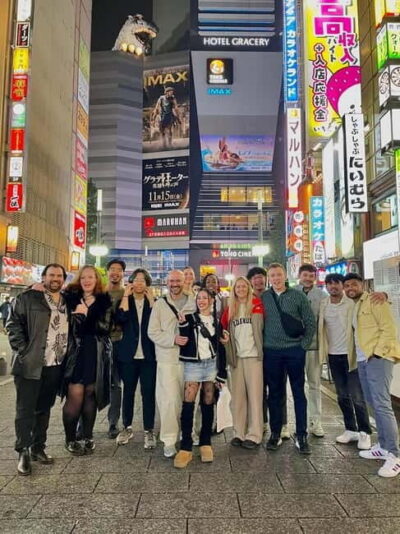 ★ 4.9Shinjuku Local Bar and Izakaya Guided Walking TourFrom $341,794 reviews
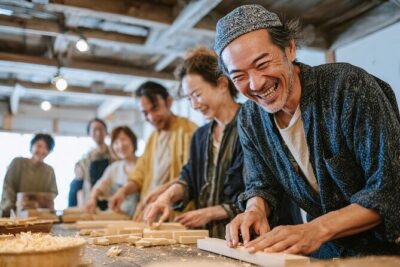 ★ 5.0Tokyo Shinjuku Chopsticks Making ClassFrom $201,763 reviews
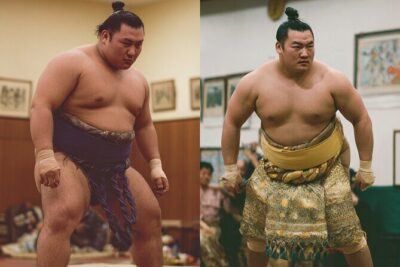 ★ 5.0Tokyo Shinjuku Sumo Show & Experience with PhotoFrom $791,750 reviews
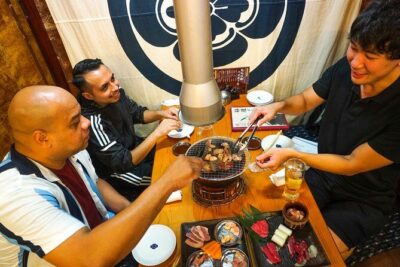 ★ 5.0Tokyo Night Foodie Tour in Shinjuku – Seasonal Sushi, Wagyu BeefFrom $1111,161 reviews
 ★ 4.8Sumo Show and Experience in ShinjukuFrom $691,001 reviews
Browse the lists this tour appears in