
Tokyo can feel like a lot at once.
This private and customizable 5-hour tour helps you stitch together some of the city’s most memorable neighborhoods without getting stuck in transit loops or lost side streets. You’ll start with a guided plan (or you can steer it), and you’ll have someone next to you to answer questions and share fun, practical context.
What I like most is that you get local tips you’re unlikely to find on your own—especially when you’re balancing famous stops with how to actually enjoy them. I also like that it’s just your personal party, so the pacing and priorities can match your energy.
The only real drawback to keep in mind is that some costs are not included, like public transportation ($5 per person) and any paid entrances you choose to add later. If your plan depends heavily on museums or ticketed sights, you’ll want to budget a bit more.
In This Review
- Key things to know before you go
- A flexible Tokyo route that saves you time and stress
- How the $329.44 per group pricing works for real value
- Start at Shibuya Station, then end back where you began
- Tsukiji Fish Market stop: what the hour is good for
- Asakusa and Senso-ji: the easiest way to enjoy temple streets
- Ueno Park and museums: trade one-ticket boredom for choice
- Akihabara: electronics and pop culture without getting lost in shop alleys
- How the guide customization really changes your day
- Pacing: a 5-hour walk should feel focused, not exhausting
- Who this tour fits best (and who should skip it)
- A note on service expectations for private tours
- Should you book this Tokyo private tour?
- FAQ
- How long is the Tokyo private tour?
- What does the $329.44 price include?
- Which stops are included in the standard route?
- Are entrance fees included?
- Do I need public transportation during the tour?
- Is free cancellation available?
Key things to know before you go
- Choose your route from a sample plan or build your own version around your must-sees
- Hotel pickup is offered, so you can start the walk day without a frantic scramble
- Four classic districts in one: Tsukiji, Asakusa, Ueno, and Akihabara
- Free admission for the core stops listed, though paid venues may add extra costs
- Private group experience up to 6, great for families and small friend groups
- Strong overall satisfaction, with a 4.8 rating and 96% recommending the tour
A flexible Tokyo route that saves you time and stress
Tokyo is not hard to visit, but it is easy to waste time. Needing the “right” train, figuring out station exits, then trying to coordinate crowds can eat hours fast. This tour is built to reduce that friction by giving you a guided flow across areas that don’t naturally cluster in a single neighborhood.
You also get a level of control that standard group tours don’t offer. You can follow the sample plan, like Tsukiji Fish Market and Senso-ji in Asakusa, or adjust the focus to fit what you’re most curious about. That matters because Tokyo has dozens of “musts,” and your preferences should drive the order, not a generic schedule.
How the $329.44 per group pricing works for real value
The price is $329.44 per group for up to 6 people. That makes it feel like a splurge at first glance, but private value depends on how you’d otherwise spend your time—especially in a city where guides can help you see more with fewer detours.
Here’s the practical way to think about it:
- If you’re traveling as 2 people, you’re paying a premium per person versus joining a larger group.
- If you’re 4–6 people, the cost becomes much more reasonable because you share the guide and the pickup experience.
Also note what’s included and what isn’t. You’re paying for a local expert guide, a 5-hour private walking tour, and pickup at your hotel/accommodation. You’re not paying for public transportation (listed as $5 per person) and you may pay entrance fees if you choose paid venues.
If you want maximum “time-on-the-ground” and minimal planning headaches, this format usually makes sense.
Start at Shibuya Station, then end back where you began
This tour starts at Shibuya Station (listed as Shibuya Station 2 Chome-24) and ends back at the meeting point. That round-trip structure is handy: you don’t have to figure out how to get back across town after your walking and sightseeing.
Pickup is offered from your hotel/accommodation, which is a big deal in Tokyo. If you’re staying near a station, it’s still useful; if you’re in a quieter neighborhood, it’s even more valuable because you don’t have to hunt down the exact meeting location when everyone else is heading somewhere else.
It also helps that the meeting point is near public transportation. Even if you opt out of pickup, you have options.
Tsukiji Fish Market stop: what the hour is good for
Your first stop is Tsukiji Fish Market, formerly known for its major role in seafood wholesaling. Even though Tsukiji has changed over time, it still functions as a strong introduction to Tokyo’s food culture and market energy.
Expect this part of the tour to be about orientation and “how to watch” rather than ticking boxes. A good guide helps you understand what you’re seeing and how the market area fits into the city’s food chain. Since this listed stop has 1 hour and admission ticket free, it’s a good time window for getting the atmosphere without burning your whole morning.
One practical consideration: market areas can be crowded and you’ll likely spend some of that hour simply moving through stalls and walkways. If you’re sensitive to crowds or want calmer pacing, mention that early so the guide can adjust your route within the same area.
Asakusa and Senso-ji: the easiest way to enjoy temple streets
Asakusa is one of Tokyo’s best places to see the city’s older side without needing a long commute. This tour’s Asakusa block focuses on the area around Senso-ji Temple and the surrounding streets (also listed as a key local highlight).
You get 2 hours, which is the right amount of time. It’s long enough to take in the temple area, walk through the neighborhood streets, and still have room to pause for questions and small detours. It’s also short enough that you’re not “stuck” there if you want to move on to Ueno and Akihabara with fresh energy.
Here’s what I’d aim to do during this stop:
- Get your bearings at the start, so you’re not wandering in circles.
- Use your guide’s context for what you’re looking at, especially for temple routines and the meaning behind what’s common in this area.
- Keep your pace realistic—these streets get busy, and you’ll enjoy it more when you don’t feel rushed.
Since admission for this stop is free, you’re not paying to get in. If you want a paid add-on (like a museum in the broader area), that’s where you can decide based on your interests and budget.
Ueno Park and museums: trade one-ticket boredom for choice
Next up is Ueno, with 1 hour and the spotlight on Ueno Park—home to multiple museums, including the Tokyo National Museum (listed as part of the area overview).
This stop is valuable because it breaks up the more theme-heavy parts of your day. After Tsukiji and Asakusa, Ueno gives you a different feel: more space, more variety, and a chance to choose how you want to spend your time. With only an hour on the clock, you’ll likely do a quick orientation and decide whether to focus on the park atmosphere or angle toward a museum choice.
Since paid venues may require entrance fees, this is the point where you should think like a traveler, not a checklist machine. If you’re museum-first, ask your guide what’s realistic in an hour based on what you care about. If you’re more park-and-walk, you can enjoy the open-air break without extra costs.
Either way, Ueno pairs well with the rest of this itinerary because it’s a change of pace, not just another “stop.”
Akihabara: electronics and pop culture without getting lost in shop alleys
Akihabara is the pop-culture and electronics center most people associate with Tokyo. This tour includes 1 hour here, which is enough time to sample and orient yourself without turning it into a shopping marathon.
A guide is useful in Akihabara because it’s easy to spend an hour walking in circles among stores that all look similar from the outside. With a local expert next to you, you can pick a direction based on your interests—whether that’s electronics, collectibles, or anime/manga storefronts.
This is also a good stop for small-group creativity. If your party has mixed tastes, the guide can help you split attention inside the same area so everyone gets something meaningful. You stay together, but you’re not stuck doing the exact same thing the whole time.
Since admission isn’t listed as required for this stop, your spending decision is mostly about purchases and any optional paid attractions.
How the guide customization really changes your day
The tour’s big promise is flexibility: you can follow a sample route or customize your own plan. But customization only works if you guide the guide.
So here’s what you should do at the start:
- Tell the guide what you want most: temple culture, food/market sights, parks, or pop-culture shopping.
- Mention any limits: how much walking you want, whether crowds feel stressful, and whether you prefer free sights over ticketed venues.
- Ask for a plan that includes short breaks, especially if you’ll be walking through crowded streets.
The guide can also help you connect the dots between neighborhoods. That’s where you get the “local tips” value: knowing what to look for, what’s worth extra attention, and how to move efficiently so you don’t lose time.
The tour is private for your group, and the experience ends back at the meeting point. That structure makes the customization feel safer, because you’re not building an all-day itinerary from scratch.
Pacing: a 5-hour walk should feel focused, not exhausting
This is a 5-hour private walking tour. Even with short stops, that’s a meaningful chunk of time on foot, especially when you’re moving between Tsukiji, Asakusa, Ueno, and Akihabara.
The good news is that each listed segment has a clear time block:
- Tsukiji: 1 hour
- Asakusa: 2 hours
- Ueno: 1 hour
- Akihabara: 1 hour
That helps the day stay structured. You’re not drifting for half the time, and you’re not stuck in one area so long that it becomes tiring.
Wear comfortable shoes and plan for lots of street-level walking. Tokyo is about small distances that add up fast.
Who this tour fits best (and who should skip it)
This tour is a strong match if you want a high-impact sampler of Tokyo neighborhoods without planning every step. It’s especially good for:
- Small groups up to 6 who want a private guide experience
- First-timers who want iconic areas in a logical order
- Travelers who hate getting lost and would rather spend time sightseeing than researching routes
- People who like mixing culture (Asakusa/Ueno) with modern Tokyo energy (Akihabara)
You might want to skip or modify it if you already know Tokyo well and you’re happy building your own route. Also, if you strongly prefer museums or ticketed attractions as the main event, you’ll likely want to confirm what paid venues you might add so the final cost aligns with your budget.
A note on service expectations for private tours
Private tours usually run smoothly because the guide can tailor pacing and handle questions in real time. Still, with any private service, the key is clear communication at the start.
Before you begin, confirm the meeting approach (especially if you’re using pickup), your start time, and what you want from the tour. If your group has specific priorities, share them early so the guide doesn’t default to a generic interpretation of your interests. The overall satisfaction rate is high (4.8 with 96% recommending), but your best outcome comes from starting with aligned expectations.
Should you book this Tokyo private tour?
If your goal is a focused, guided day that connects Tokyo’s food/market vibe, temple culture, park-and-museum area, and pop-culture shopping—this is a smart booking. The price is reasonable when you think in terms of sharing among up to 6 people, plus the value of pickup and a local guide to help you avoid planning mistakes.
Book it if you want:
- Customization with guardrails (sample route plus your tweaks)
- A simple way to hit Tsukiji, Asakusa, Ueno, and Akihabara in one go
- A private guide who can answer questions and keep you moving efficiently
Consider passing or adjusting if you want a deep, museum-heavy itinerary with lots of ticketed venues, because extra entrance fees aren’t included and public transport adds a per-person cost.
FAQ
How long is the Tokyo private tour?
The tour lasts about 5 hours.
What does the $329.44 price include?
It includes a local expert guide, a 5-hour private and customizable walking tour, and pickup at your hotel/accommodation.
Which stops are included in the standard route?
The standard route includes Tsukiji Fish Market (1 hour), Asakusa (2 hours), Ueno (1 hour), and Akihabara (1 hour).
Are entrance fees included?
No. Entrance fees to paid venues are not included if you choose to visit them.
Do I need public transportation during the tour?
Public transportation is not included. It’s listed as $5.00 per person.
Is free cancellation available?
Yes. You can cancel up to 24 hours in advance for a full refund.
Private, compared.
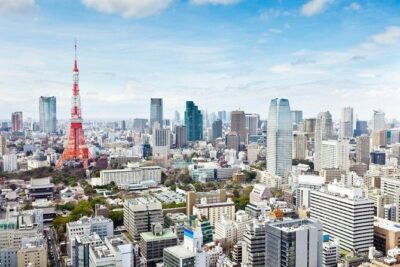 ★ 5.0Tokyo 6hr Private Tour with Government-Licensed GuideFrom $1553,902 reviews
 ★ 5.0Private Tour to Mt. Fuji and Hakone (Fully Licenced Operator)From $4971,910 reviews
 ★ 5.0Tokyo Customized Private Tour (Must See Places in 1 Day)From $1451,499 reviews
 ★ 4.9Mount Fuji Full-Day Private Tour from Tokyo (Customizable)From $3931,470 reviews
 ★ 4.8Private City Highlights Tour with Local GuideFrom $1061,433 reviews
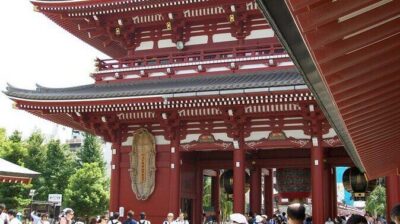 ★ 5.0Private Custom Tour: Tokyo in a DayFrom $1591,432 reviews
 ★ 5.0Tokyo 4hr Private Tour with Government-Licensed GuideFrom $1091,394 reviews
 ★ 5.0Tokyo Customized Private Tour: See Top Attractions in 1 DayFrom $1451,351 reviews