
Reviewed · MT FUJI DAY TRIPS
Tokyo: Mt. Fuji Hidden Gems and Aokigahara Forest Tour
Few places in Japan mix so many oddities.
This private Mt. Fuji + Aokigahara outing is built for people who don’t want the standard checklist. You get a car just for your group and a route that threads together Lake Kawaguchi views, two volcanic caves, and a forest walk that most people only hear about in hushed tones.
I especially like the chance to linger at Oishi Park and the lakeside stops at your own pace, not in a rushed carousel. And I love that the day doesn’t end at a viewpoint—it includes the Narusawa Ice Cave and Fugaku Wind Cave, where the ground itself tells the story of Mt. Fuji.
One big thing to consider: the Narusawa Ice Cave can be closed for stretches of time, so it’s smart to be flexible if that happens and plan for a reroute.
In This Review
- Key Points to Know Before You Go
- Why This Fuji Day Feels Like a Choice, Not a Schedule
- Price and What You Get From a Private Group Up to 5
- Oishi Park: Your First Big Fuji Frame
- Saiko Nenba-hama: A Quiet Lakeside Reset
- Tatego-Hama Beach: Clear Water, Fuji Views, Easy Pace
- Narusawa Ice Cave: Volcanic Cold With Seasonal Limits
- Fugaku Wind Cave: Geology and Silkworm Egg Storage
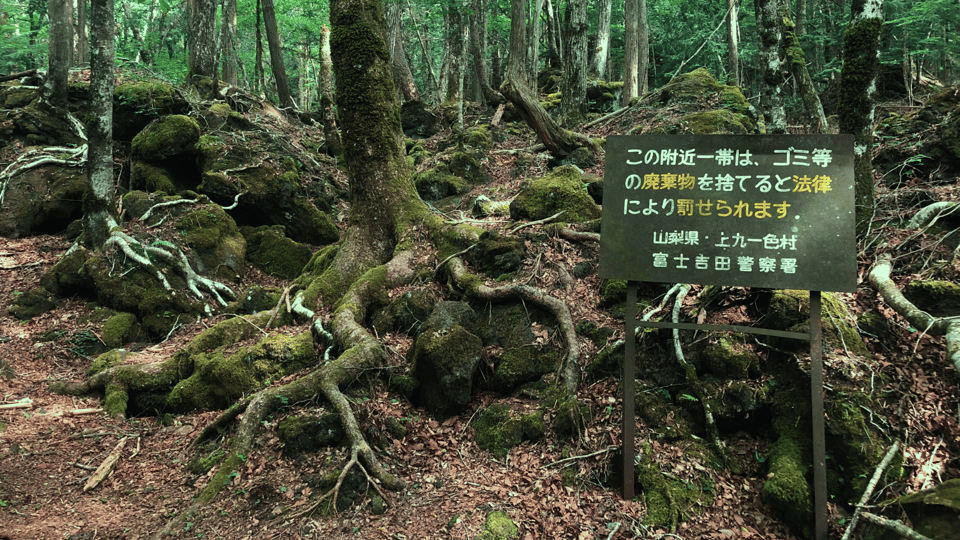
- Aokigahara Forest: Walking the Trails Beyond the Reputation
- Timing, Tickets, and What to Pack (So You Don’t Waste the Day)
- Driver Quality: What English Support Changes
- Who This Tour Suits Best (and Who Might Skip It)
- Should You Book This Mt. Fuji + Aokigahara Tour?
- FAQ
- Are entrance fees included for the caves?
- Is food included in the price?
- How does pickup and drop-off work in Tokyo?
- How long is the tour?
- Does the tour run in the rain?
- Is the driver English-speaking?
- Who should avoid booking this tour?
Key Points to Know Before You Go
- Private car, English driver: you control the pace and can ask questions as you go
- Volcanic cave pair: Narusawa Ice Cave (seasonal ice) plus Fugaku Wind Cave (geology + silkworm egg use)
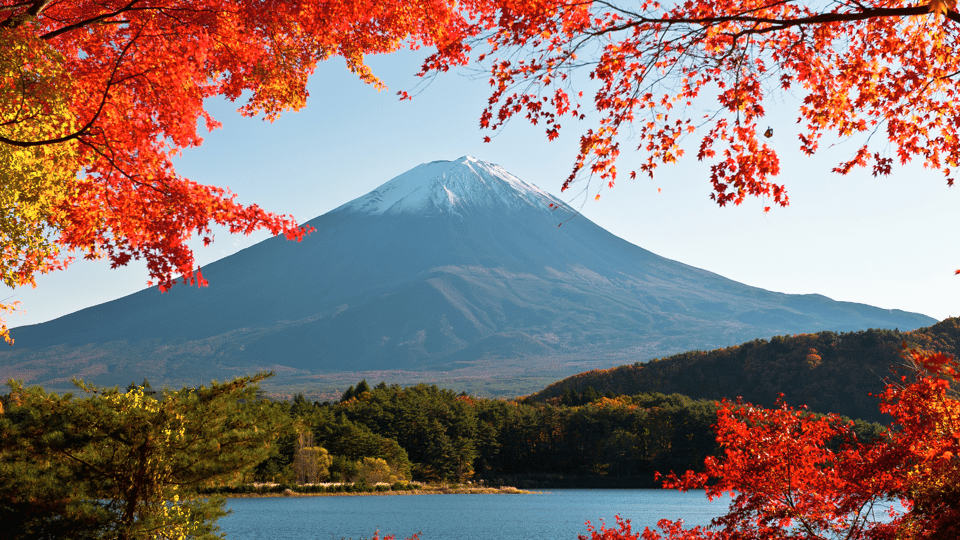
- Lake Kawaguchi framing: Oishi Park, Saiko Nenba-hama, and Tatego-Hama give you multiple chances to catch Mt. Fuji
- Aokigahara Forest on foot: a reputation-heavy forest visit focused here on calm walking trails
- Bring basics: comfortable shoes, warm layers, water/snacks, and cash for tickets not included
Why This Fuji Day Feels Like a Choice, Not a Schedule
I like tours that let you slow down. This one is structured as a 10-hour day, but the real magic is that you’re not locked into group timing at every stop. It’s you plus an English-speaking driver in a modern air-conditioned vehicle, so you can ask for context and adjust the order or stop lengths in a sensible way.
The route also makes practical sense. You start with classic Mt. Fuji framing chances around Lake Kawaguchi, then move into geology and forest walking. That flow turns the day into a theme: “Fuji’s power shaped the ground, and the ground shapes your experience.”
I also appreciate that you’re not expected to do everything at cave-speed. With a private group (up to five), bathroom breaks and slower pacing are easier than on big bus tours. One note: if Mt. Fuji is hidden by weather, you still get a strong day of caves, lakes, and forest rather than “all or nothing.”
Price and What You Get From a Private Group Up to 5
The price here is $577 per group (up to 5), which sounds steep until you compare what you’d spend on taxis, train transfers, and admissions on a DIY day. You’re paying for one practical thing: a driver who can handle logistics while you focus on sights.
From Tokyo’s 23 wards, hotel pickup and drop-off are included. That’s important because many Fuji day tours quietly build in “extra” costs once you factor in where you’re starting. If you’re outside those wards, there’s a surcharge (JPY 5,000–20,000) depending on location.
It’s also worth noting the tour doesn’t include food or entrance fees. That can actually be good value if you want to eat flexibly—snack at a viewpoint, stop somewhere that looks good to you, or keep it simple and bring your own.
If your group is 3–5 people, this can be a smart way to buy time and comfort. If you’re traveling solo, it may still be worth it if you really want caves + forest without transfers.
Oishi Park: Your First Big Fuji Frame
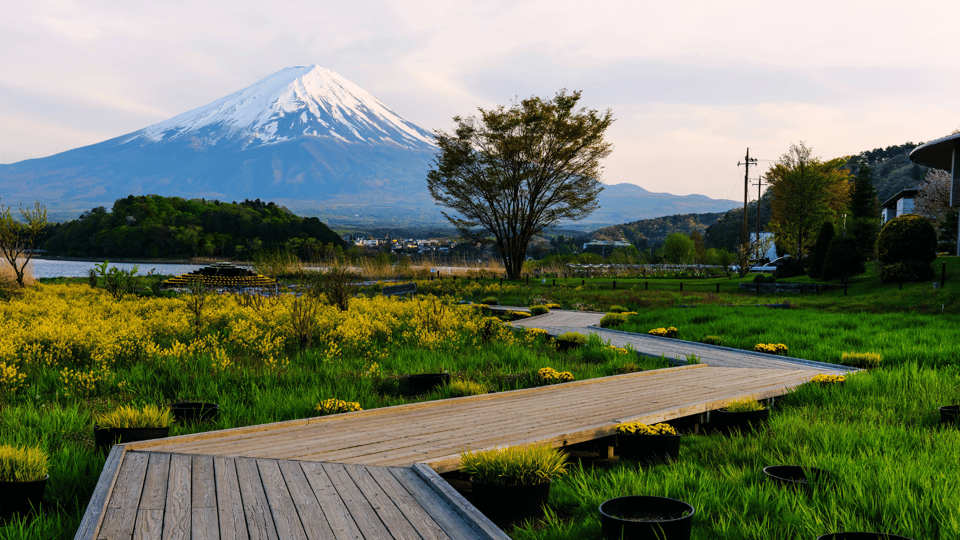
Oishi Park is one of those places where you can feel how much people care about Mt. Fuji’s shape. You’ll get a photo stop plus time to walk around and see the view framed by seasonal flowers along the lake.
Why I like the start here: you’re fresh, daylight is at its best, and you’re not committing to anything physically intense yet. It’s a great place to test the weather too. If Mt. Fuji shows itself clearly early, you can relax and enjoy the rest of the day. If clouds roll in, you still have nice lake walking and a calm beginning.
Practical tip: wear shoes you can move in comfortably. The walk is short-to-moderate, but you’ll want stability if there’s any slickness around the paths.
Saiko Nenba-hama: A Quiet Lakeside Reset
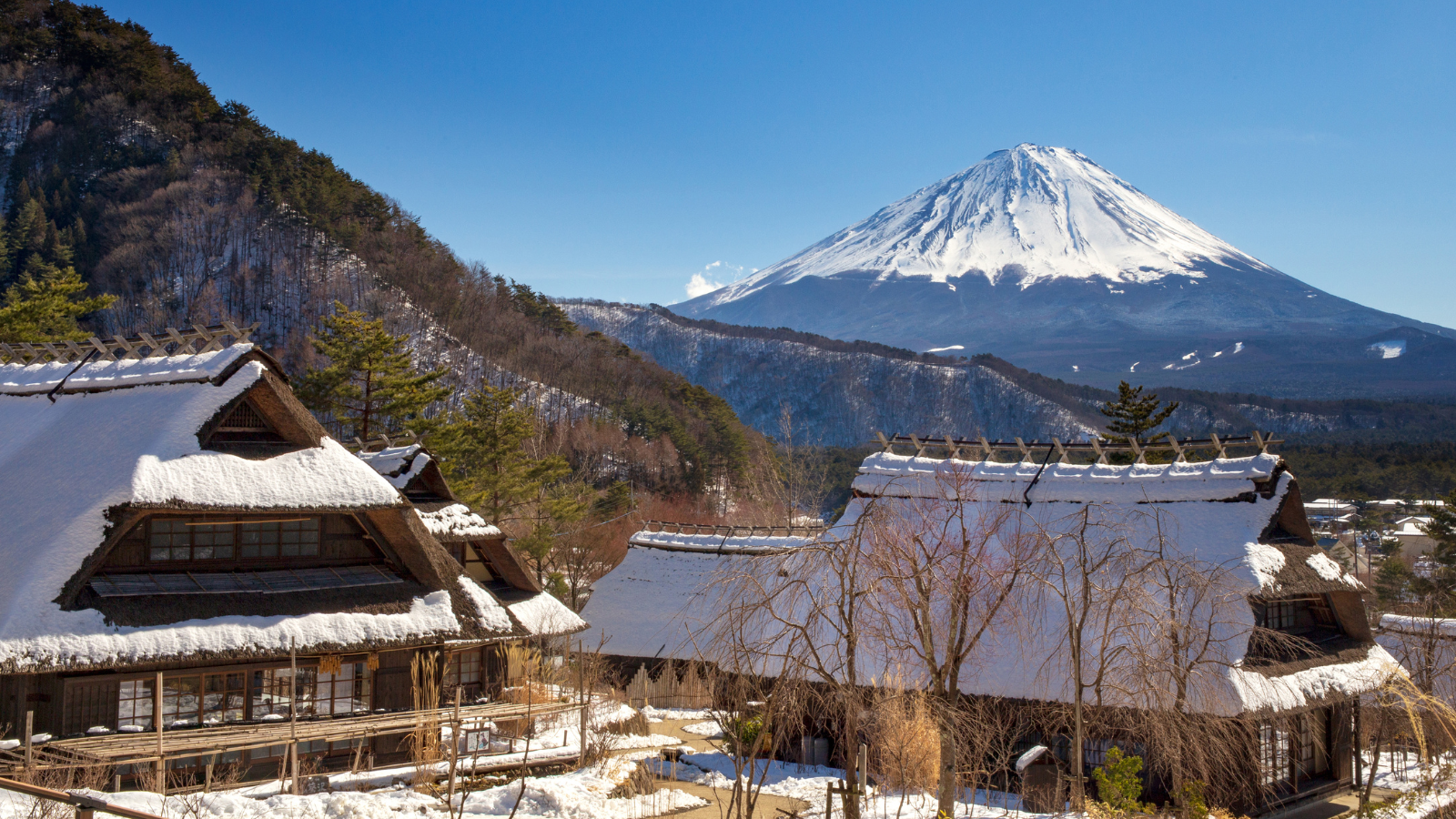
Saiko Nenba-hama is the kind of lakeside area that makes a day like this feel human. You get another photo stop, then time to walk and breathe. The tour also points you toward it as a good spot for a peaceful lunch.
Here’s the value: after a popular viewpoint, you’re shifting into a calmer rhythm. This stop can help you avoid the fatigue that hits later in the day—especially once you get to the caves and the Aokigahara Forest.
If you’re bringing snacks, this is a smart place to use them. You’ll already be thinking about warm layers and water for walking, and a lakeside pause makes that feel natural rather than like “wasting time.”
Tatego-Hama Beach: Clear Water, Fuji Views, Easy Pace
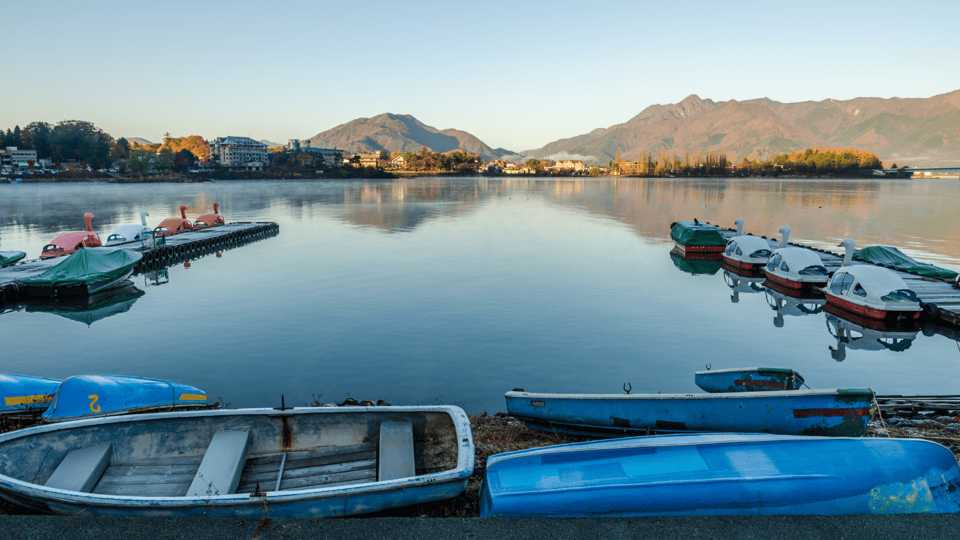
Tatego-Hama Beach is a tucked-away feeling spot by Lake Motosuko. The pitch is straightforward: tranquility, crystal-clear water, and strong views of Mt. Fuji when the weather cooperates.
I like this stop because it’s low-effort. You’re not climbing. You’re not rushing. You’re getting a softer side of the day—lake air, wide sightlines, and time to take photos without the pressure of a tour clock.
A practical consideration: Fuji visibility changes. Even on well-run tours, you may or may not see the mountain clearly depending on cloud cover. That’s why the route includes multiple lake chances—so the day doesn’t collapse if you lose one view.
Narusawa Ice Cave: Volcanic Cold With Seasonal Limits
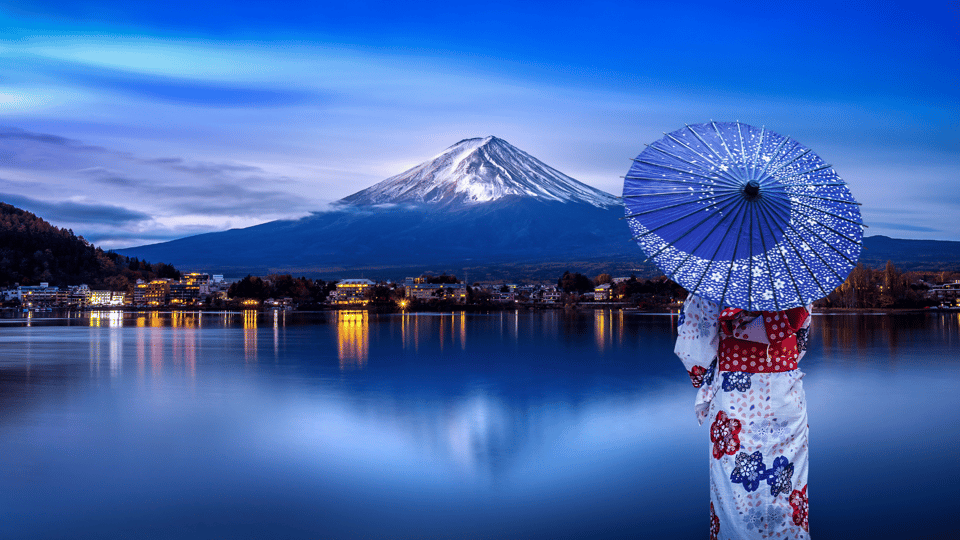
Then the tour gets properly interesting underground.
The Narusawa Ice Cave is formed by Mt. Fuji’s eruptions, and it’s famous for feeling like a different world once you step inside. You’ll have a photo stop, time to visit, and a walk that fits into the overall 10-hour schedule.
Here’s what you should know before you trust your expectations:
- The cave can be closed for stretches of time, so it’s not a guarantee that you’ll get inside.
- You might find the “ice pillars” effect in a particular season range (for example, one past experience notes visibility commonly from February to June).
Also, this is a cave walk. If you have claustrophobia, the tour is not suitable. Even if you’re fine in general, caves can be a mental shift—cooler air, tighter spaces, and shadows.
Bring warm layers even if the day is sunny. Cave temperatures can feel cold fast, and you’ll appreciate having something to put on.
Fugaku Wind Cave: Geology and Silkworm Egg Storage
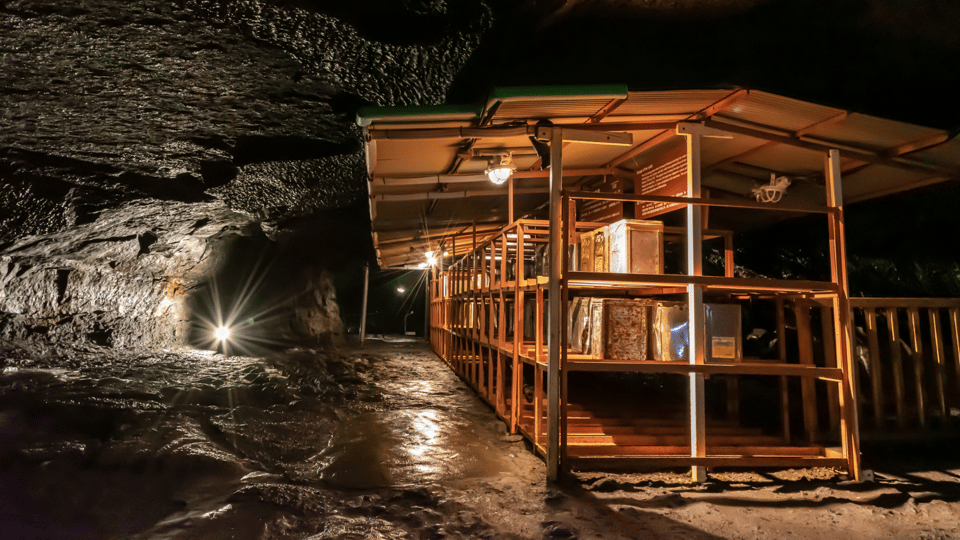
After the ice cave, you’ll head to the Fugaku Wind Cave. This one’s about the science side of Fuji. The tour description highlights its geological significance and mentions it was once used to store silkworm eggs.
That silkworm detail matters because it makes the cave more than a tourist stop. Japan has a deep habit of using nature’s quirks for real work, and this is a good example of how volcanic caves could serve practical purposes—cool, stable conditions in a place humans needed for delicate storage.
The walk time is about an hour in the schedule, which generally gives you enough time to move at your pace and still see the main areas without feeling like you’re rushing.
One more thing: cave interiors can include sections that feel tight. If you’re sensitive to confined spaces, treat the caves as the tour’s main physical challenge.
Aokigahara Forest: Walking the Trails Beyond the Reputation
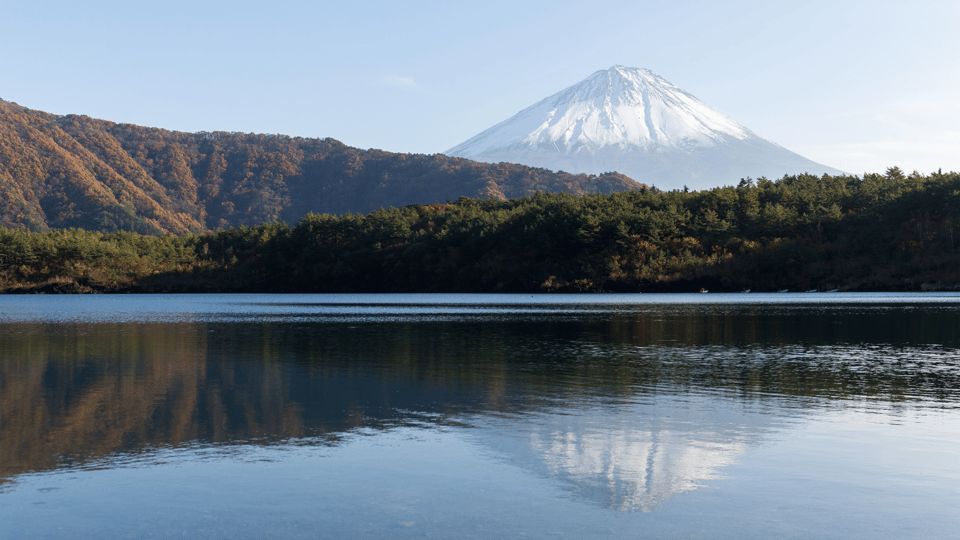
Last on the itinerary, you’ll visit Aokigahara Forest, which is known in the world for a reputation as a place for suicide. This tour frames the experience differently: focus on calm trails, unique ecosystem moments, and the peaceful feel of being surrounded by trees.
That framing is why I think this works as a final stop. By the time you reach the forest, you’ve already seen Fuji’s impact on the ground in the caves. Now the story shifts to living nature—trees, shade, and slower walking.
You should go in with the right mindset: quiet, respectful, and observant. Even if you’re not interested in the darker reputation, the forest is still a real place with real paths and a real feel underfoot.
Important: this tour is not suitable for wheelchair users, and it’s also flagged as not good for people with claustrophobia. The forest is dense, and even walking trails can feel closed in.
Timing, Tickets, and What to Pack (So You Don’t Waste the Day)
This is labeled as a 10-hour tour for Tokyo pickup/drop-off. In practice, cave closures and on-site realities can affect how your time gets allocated. So pack like you’re planning for walking and cold-to-cool transitions, not just sunny viewpoints.
Bring:
- Comfortable shoes
- Warm clothing
- Camera
- Snacks and water
- Cash (because attraction tickets aren’t included)
Plan on buying tickets on the spot for the caves. Entrance fees are not included, and that’s a straightforward thing to handle as long as you arrive ready.
Car rules to remember: no smoking in the vehicle. Food and drinks are allowed inside with conditions: if the vehicle is unusually dirty, a cleaning fee may apply (JPY 7,000). Also, no alcohol is allowed in the car.
If you care about smoother logistics, keep your phone available. The operator contacts you via WhatsApp the day before in the afternoon (4–5 JPST), which helps with meeting details.
Driver Quality: What English Support Changes
A big part of why this tour works is the English-speaking driver. You’re not just getting transportation; you’re getting someone who can offer travel advice and explain what you’re seeing as you move between lake stops and caves.
In past experiences with this activity, drivers like Zeeshan, Soma, Saki, and Amane have been described as friendly and comfortable with questions, with some also offering stories tied to the stops. That matters because these sites can feel random if you only see them from a phone-screen perspective.
Also, a private car means you can make the day fit you. Want more time near the water? You can ask. Want a bathroom stop? It’s easier when you’re not waiting for a bus schedule.
Just remember: sometimes the cave stop you’re most excited about can be closed. An experienced driver helps you adapt without turning the day into a scramble.
Who This Tour Suits Best (and Who Might Skip It)
This is a strong match for:
- People who want off-the-beaten-path Fuji areas rather than a single famous photo spot
- Small groups (up to five) who want private transportation and a calm pace
- Nature and geology fans who like explanations, not just pictures
- Visitors who want both lake views and underground cave experiences in one day
You should think twice if:
- You have claustrophobia (caves and dense forest can be tough)
- You use a wheelchair (the tour is not suitable)
If you’re visiting Tokyo and want a day that feels personal—less crowd pressure, more time to breathe—this fits that goal nicely.
Should You Book This Mt. Fuji + Aokigahara Tour?
I’d book it if your dream Fuji day includes more than one viewpoint. The combo of Lake Kawaguchi scenery, volcanic caves (Narusawa Ice Cave + Fugaku Wind Cave), and the Aokigahara Forest walk creates a full arc that doesn’t feel like “just passing through.”
I wouldn’t book it blindly if your schedule is tight around the ice cave. Because closures can happen, you’ll want flexibility and backups in your plan. If you hate surprises, consider choosing a day with extra room in your Tokyo itinerary.
For value, it’s best when you have 3–5 people to split the private-car cost. For comfort and logistics, it’s also a win: pickup and drop-off in Tokyo’s 23 wards is included, and you avoid the headache of planning transfers and timing across multiple remote stops.
If you’re the type who likes walking, photos, and a little science under your feet, this is the kind of day trip that makes Mt. Fuji feel bigger than a postcard.
FAQ
Are entrance fees included for the caves?
No. Attraction tickets are not included, and you’ll need to buy them on the spot.
Is food included in the price?
No. Food and drinks aren’t included. You can bring snacks and water, and food is allowed in the car with rules (no alcohol, and cleaning fees can apply if the vehicle gets unusually dirty).
How does pickup and drop-off work in Tokyo?
Pickup and drop-off from Tokyo’s 23 wards are included. If you’re outside the 23 wards, there’s a surcharge (JPY 5,000–20,000) that depends on your location.
How long is the tour?
It’s scheduled as a 10-hour tour for pickup/drop-off within Tokyo. If you’re outside Tokyo’s 23 wards, the operator may adjust timing based on distance.
Does the tour run in the rain?
Yes, it runs rain or shine. It’s only canceled in unsafe weather, as decided by the operator’s team.
Is the driver English-speaking?
Yes. The driver communicates in English and can offer travel advice.
Who should avoid booking this tour?
It’s not suitable for people with claustrophobia, and it’s not suitable for wheelchair users.
Mt Fuji Day Trips, compared.
 ★ 4.0Mt Fuji & Hakone Cruise, Drum Show Bullet Train 1 Day from TokyoFrom $1497,413 reviews
 ★ 4.4Tokyo Mt Fuji 5th St & Hakone Cruise Bus Tour w/Bullet TrainFrom $1545,024 reviews
 ★ 4.5From Tokyo: Mount Fuji Full-Day Sightseeing TripFrom $684,970 reviews
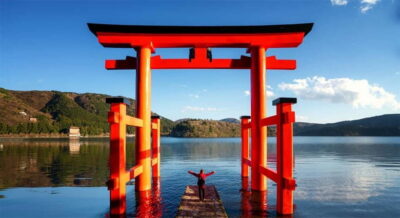 ★ 4.7Mt. Fuji Tour, Hakone Ropeway, Owakudani, Lake AshiFrom $544,002 reviews
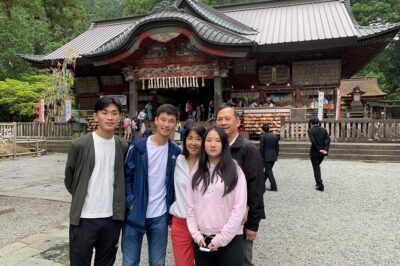 ★ 5.0Private Tour to Mt. Fuji and Hakone (Fully Licenced Operator)From $4971,910 reviews
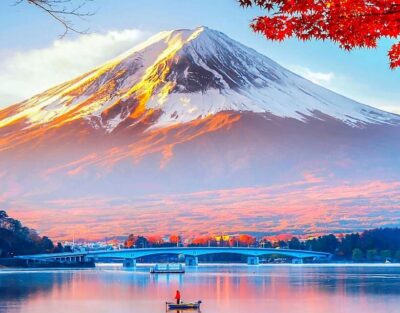 ★ 4.9Mount Fuji Full-Day Private Tour from Tokyo (Customizable)From $3931,470 reviews
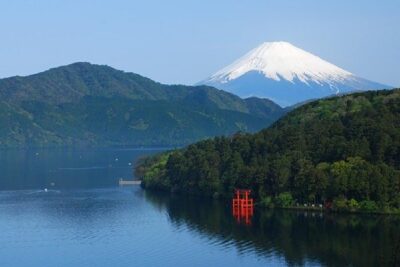 ★ 4.0Mt Fuji & Hakone Cruise, Drum Show Bus 1 Day from TokyoFrom $1221,287 reviews
 ★ 4.2From Tokyo: Mt. Fuji & Hakone Tour w/ Return by Bullet TrainFrom $1171,278 reviews
Browse the lists this tour appears in