
Reviewed · GUIDED
Private Tokyo Tour with English Speaking Guide
Tokyo makes more sense on foot. This private tour strings together some of Tokyo’s most recognizable sights and a few places that help you feel the city’s everyday rhythm, from Shibuya Crossing to the calm of Meiji Jingu. You get an English-speaking guide who helps you move efficiently between neighborhoods, while you stop for short looks that keep the whole day from feeling like a long commute.
Two things I like a lot: the setup includes hotel meet-up and drop-off, and the guide quality really matters here because you’re walking through busy areas where quick navigation saves time. One name that stands out from the experience is guide Hikari, praised for quick responsiveness before the tour and solid English. The guide was also noted as helpful for getting around when things felt unfamiliar.
The main drawback to consider is that not all major viewpoints are included. If you want to go up Tokyo Tower or Tokyo Skytree, you’ll need to handle the observation-deck admission yourself, and you should also be ready that some people want more place-specific stories than what a shorter stop time allows.
In This Review
- Key highlights and what they mean for you
- A Smart Private Walk Across Tokyo’s Big Hits
- Starting at Tokyo Station: Pickup, Drop-Off, and Pace
- Shibuya Crossing and Harajuku Style: Tokyo in Fast-Forward
- Meiji Jingu Shrine: The Forest Reset You’ll Appreciate
- Shinjuku: Big-City Energy, Good Orientation, Easy Wins
- Asakusa and Senso-ji: Traditional Tokyo Up Close
- Tsukiji Outer Market and Akihabara: Food and Tech, Two Contrasts
- Tokyo Tower, Skytree, and Odaiba: Your Skyline Finisher
- What You’ll Actually Pay, and Where the Value Comes From
- Should You Book This Private Tokyo Walking Tour?
- FAQ
- How long is the private Tokyo walking tour?
- Is hotel pickup and drop-off included?
- Is the tour only for my group?
- Do I need to pay for entrance tickets?
- Are transportation costs included?
- What about snacks and food?
- Are children allowed, and are they free?
- Is the tour affected by weather?
- Is there a cancellation deadline?
Key highlights and what they mean for you
- Private, English-speaking guide: you can ask questions as you go, not after the fact.
- Hotel pickup and drop-off: less stress at the start and finish, especially around Tokyo Station.
- Most stops are free to enter: you’ll spend most of your time on sightseeing, not ticket lines.
- Tokyo’s skyline options: you can plan around paid observation decks at Tokyo Tower and Skytree.
- A route that mixes eras: big-city fashion and tech, then shrines and temples, then market and views.
A Smart Private Walk Across Tokyo’s Big Hits
This kind of tour works best when you want coverage without feeling like you’re cramming your whole trip into one frantic day. The value here is not just that you get to see famous places. It’s that the day is built to help you understand how Tokyo “switches modes” from neighborhood to neighborhood.
For example, you start with the energy of Shibuya and Harajuku, then you step into a forested shrine setting at Meiji Jingu. After that, you move back into big-city buzz in Shinjuku, then shift into traditional Tokyo in Asakusa and at Senso-ji. Later you tackle Tsukiji’s food-focused area, head into Akihabara’s electronics and anime world, and finish with options for skyline views and Odaiba’s modern waterfront feel.
Price-wise, $97.73 per person can be a good deal if you’re traveling with at least one other person (private tours often become more reasonable when shared). Also, many stops list admission ticket free, which keeps your “must-see” list from turning into a pile of extra fees. Just remember the two skyline stops are marked as not included, so budget for observation deck admission if you want the full effect.
The walking tour style matters too. Short stops keep momentum, but they also mean you may need to linger on your own afterward. If you’re the type who likes deep background at every stop, you’ll likely get the most by asking your guide for quick, targeted context as you’re moving.
Starting at Tokyo Station: Pickup, Drop-Off, and Pace
The meeting point is Tokyo Station (1 Chome-9 Marunouchi, Chiyoda City), and the tour ends back there. That’s handy because Tokyo Station is a hub you’ll likely use anyway, especially if your hotel is somewhere central or you’re planning rail day trips.
You’ll also get hotel meet-up and drop-off, which reduces a common Tokyo headache: figuring out the best rail route or the safest meeting spot when crowds are at their peak. In a walking day, that first and last hour can make or break your energy.
The duration is listed as 2 to 8 hours (approx.), which tells you this is flexible. In practice, the range usually reflects time spent walking between areas, how quickly you move through photo stops, and whether you add time at places that require paid entry. Expect the tour to feel like a sequence of “chapters,” not one long museum-style experience.
One practical tip: wear comfortable shoes and plan for weather. The tour notes a good-weather requirement, and that’s realistic in Tokyo. You’ll spend time outside near large crossings and packed neighborhoods, and rain can turn “quick stops” into a slog.
Shibuya Crossing and Harajuku Style: Tokyo in Fast-Forward

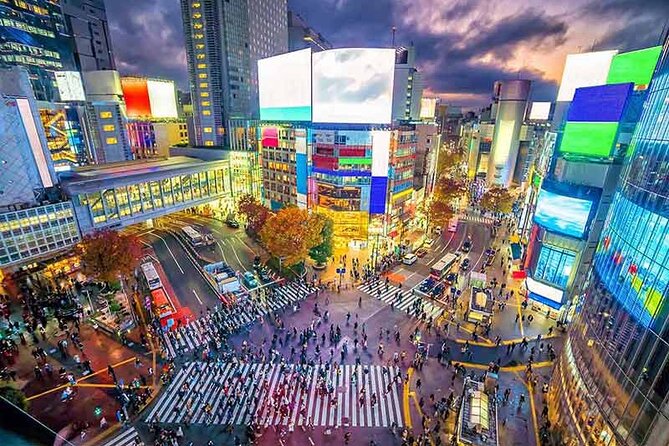
Shibuya is the easiest place in Tokyo to see the city’s modern pace all at once. The highlight here is the famous Shibuya Crossing, a wide, synchronized intersection that’s one part traffic engineering and one part street theater. You’ll likely get a chance to look, reposition, and watch the flow for a moment—enough to understand why Shibuya became a global symbol.
The stop time is about 30 minutes, so you’re not here to shop for hours. Instead, think of this as a quick orientation stop. If you’re later planning a shopping detour, this brief time helps you get your bearings: where the main pedestrian flow channels are, which streets feel easiest to re-enter from, and what direction you’ll want to head for snacks or a first look.
Next comes Harajuku Station, which shifts the mood from mainstream big-city energy into fashion-forward street style. Harajuku is known for bold street fashion, unique boutiques, and quirky cafes, and it’s closely tied to youth culture. You won’t try to cover every side street in half an hour, but you can still pick up the vibe and spot the kinds of storefronts you’ll want to photograph or return to later.
A consideration: Harajuku can be crowded. With only a short window, you’ll appreciate having a guide who can help you stay efficient—especially when you’re choosing where to stand for photos so you’re not just stuck behind shoulder-to-shoulder bodies.
Meiji Jingu Shrine: The Forest Reset You’ll Appreciate
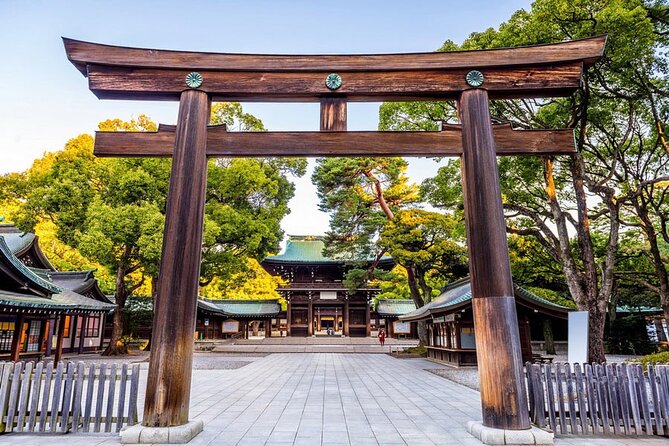
Meiji Jingu is where the tour slows your mental tempo. It’s dedicated to Emperor Meiji and Empress Shoken, and the grounds are surrounded by a lush forest feel. That setting changes the soundscape fast. Even if the city is right there beyond the trees, you’ll experience a calmer rhythm once you’re inside the shrine approach.
The stop time is again about 30 minutes, which is short, but it’s a good length for the most important pieces: walking through the torii gates, taking in the main grounds, and getting a sense of the shrine’s atmosphere without rushing.
This is also one of the easiest places to practice “Tokyo travel etiquette” without overthinking it. You’ll want to keep a respectful tone and simply watch how people behave—bowing, moving with care, and treating the space as something more than just a photo background.
The drawback? Because the stop is short, the biggest risk is arriving and immediately feeling like you need more time for photos. If you’re someone who loves quiet detail, consider pairing this with a longer self-guided visit another day. Here, treat it as a reset: a break from the urban churn so the rest of the day feels clearer.
Shinjuku: Big-City Energy, Good Orientation, Easy Wins
Shinjuku is one of Tokyo’s most iconic districts, and it delivers on variety. You’ll see towering skyscrapers, shopping, and nightlife energy that’s easy to recognize even if you’ve never been to Tokyo before. It’s also the kind of neighborhood where having a guide matters because the streets and station areas can feel like a maze.
The stop is about 1 hour, which gives you a bit more breathing room than the earlier stops. Use that extra time for practical things: get a feel for where pedestrians naturally flow, locate convenient streets for later walking, and identify a few landmark directions you can keep in mind when you’re exploring after the tour.
One note: Shinjuku can be intense visually. If you’re prone to sensory overload, try focusing on one task. For example, spend your hour noticing the tallest buildings in view, or pick a single street and walk slowly instead of trying to take everything in at once.
Asakusa and Senso-ji: Traditional Tokyo Up Close
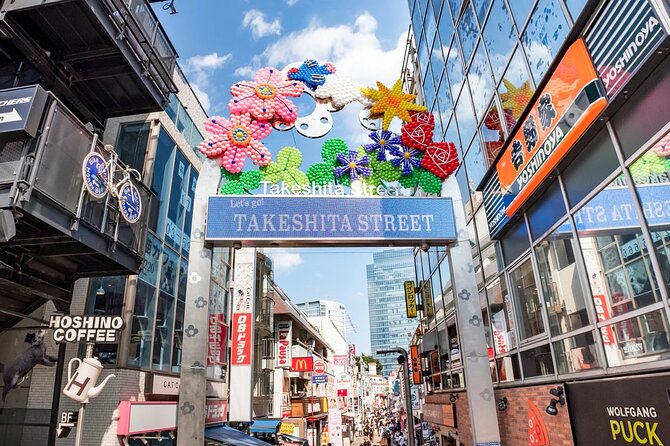
Asakusa is where the tour shifts into traditional Tokyo. It’s famous for Senso-ji Temple, and the whole area feels built around older patterns of city life. Expect more street texture here: souvenir shops, snack stands, and lots of people mixing sightseeing with everyday strolling.
You’ll spend time in Asakusa (about 1 hour) and then another about 30 minutes at Senso-ji Temple. That timing helps because you don’t just see the temple. You also get the surrounding streets, which often tell the real story of what “old Tokyo” feels like on a typical day.
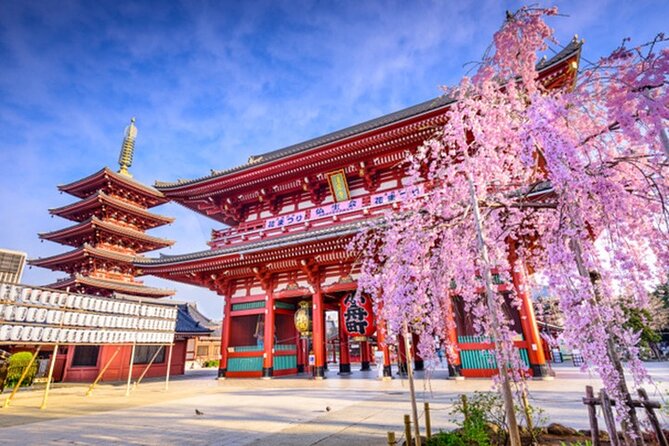
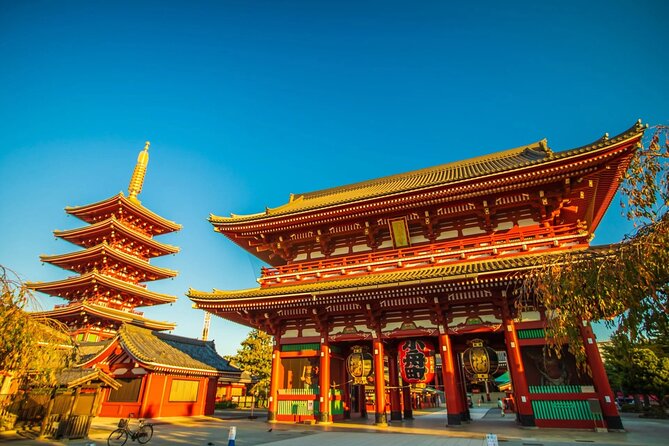
Senso-ji dates back to the 7th century, and the major landmark is Kaminarimon, the thunder gate. It’s the kind of entrance you understand instantly once you’re there—big, iconic, and framed by crowds gathering to take photos and walk through. You’ll also see the energy around the approach area, which makes it feel alive rather than staged.
A practical consideration: temple areas can be busy, and your guide will likely manage the flow so you don’t spend your entire time blocked by a crowd. Still, if you want calmer photos, aim to move a little to the side when possible and let the crowd wave pass before you settle.
This stop is a strong reason to choose a guide-based tour at all. In Tokyo’s historic areas, routes can be unintuitive, and having someone who knows how to keep you moving without missing the core sights saves time.
Tsukiji Outer Market and Akihabara: Food and Tech, Two Contrasts
Tsukiji is often associated with seafood, and the tour’s stop here focuses on the area connected to the famous market story. The inner wholesale market relocated to Toyosu, but the outer market remains a major draw, especially for people who like food browsing and quick bites.
You get about 45 minutes at Tsukiji Fish Market. That’s enough time to walk the aisles, scan for what looks good, and plan a small tasting moment if you want. Since snacks are not listed as included, you’ll want to bring a little extra cash or be ready to pay for anything you decide to eat.
Then you swing to Akihabara, Tokyo’s “Electric Town,” known for tech shops as well as anime and gaming culture. Akihabara is a total contrast from temple streets, and that contrast is exactly why this tour feels fun. You’re not trapped in one style of Tokyo for hours; you keep shifting worlds.
Akihabara is also about 45 minutes, which usually works well for browsing. Think of it as a “first look” stop. You’ll get a sense of what’s available—electronics, gadgets, and pop culture stores—without needing to commit to purchases right away.
One drawback to watch: both Tsukiji and Akihabara can involve lots of walking inside busy areas. If you like to stop for photos constantly, build in time buffers by choosing fewer photo angles and focusing on the shops or sections that matter most to you.
Tokyo Tower, Skytree, and Odaiba: Your Skyline Finisher
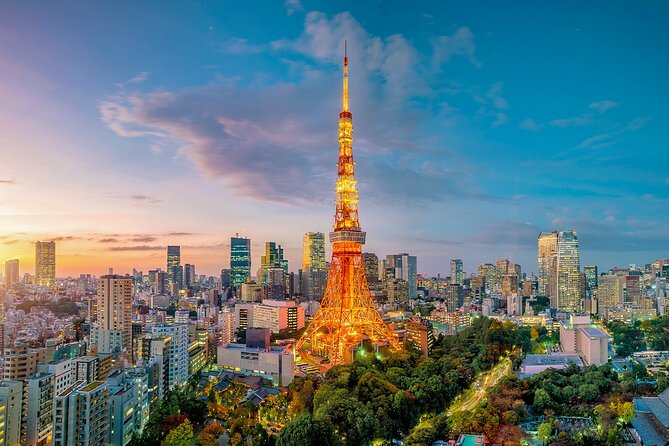
The skyline part of the tour is flexible in feel because it includes two major observation points and a modern waterfront district. Tokyo Tower is listed with observation-deck admission not included, and the stop time is about 30 minutes. Tokyo Skytree is similar: it’s listed as the tallest structure in Japan and also has observation-deck admission not included, with about 30 minutes.
If you’re trying to pick one, focus on how you want your skyline to look. Tokyo Tower gives an Eiffel-like silhouette vibe, and it’s often seen as more classic. Skytree tends to feel more futuristic and massive. Since the tour includes both, you can decide based on time and your energy level. Just remember you’ll likely pay for the deck experience yourself.
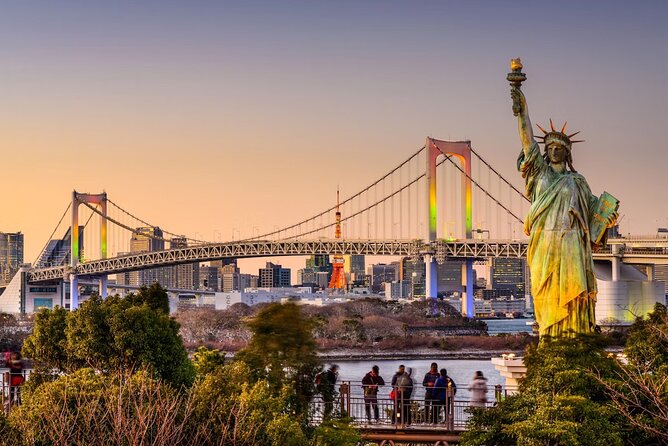
Then comes Odaiba, a futuristic entertainment and shopping district on a man-made island in Tokyo Bay. The stop is about 30 minutes, and Rainbow Bridge is noted as an iconic area feature. Odaiba’s value on a walking tour is that it adds a modern, open-feeling contrast to the tighter streets elsewhere in the day.
A practical consideration: skyline views can get affected by weather and visibility. The tour’s good-weather note matters here, because cloudy skies can cut the “wow” factor. If you’re booking on a day when the forecast looks iffy, keep your expectations flexible.
What You’ll Actually Pay, and Where the Value Comes From
The headline price is $97.73 per person, and that’s the number you’ll see upfront. The value is strongest when you compare it to how many major areas the tour covers and how many of those stops don’t require paid entry.
Most sites are listed as free admission, including Shibuya, Harajuku Station, Meiji Jingu Shrine, Shinjuku, Asakusa, Senso-ji Temple, Tsukiji Fish Market (outer area), and Odaiba. Only Tokyo Tower and Tokyo Skytree have admission not included, which means your final cost depends partly on whether you buy those observation decks.
Also, public transportation cost is excluded. That’s important because even with hotel pickup and drop-off, you may still use transit at some point during the route depending on how the day flows. Bring extra budget for that, and don’t plan on snacks being provided. It’s smart to carry water and a small snack so you don’t make food choices under stress.
Finally, private tours can be worth it when you care about being guided through crowds and confusing station areas. You’re paying for time saved and for the ability to ask for direction in English, and that’s especially useful when you want the day to feel smooth instead of chaotic.
Should You Book This Private Tokyo Walking Tour?
Book it if you want a guided overview that hits major neighborhoods plus traditional temple time, with an English-speaking person who can help you move around. It’s also a good fit if you’re staying near the city center and you like the idea of a hotel pickup/drop-off so your day starts and ends cleanly.
Skip or adjust expectations if you prefer deeper explanations at each stop. The tour includes short windows in many places, and you’ll want to ask follow-up questions to get more detail about what you’re seeing. A shorter stop doesn’t mean the day will feel rushed, but it does mean you should plan to be an active participant: point out what you’re curious about and ask for quick context.
It’s also a solid choice if you’re okay paying extra for skyline admission and you want flexibility on which views to prioritize. If observation decks are a must for you, confirm the plan with your guide ahead of time so you know how much time you’ll get for the paid experience.
If the weather looks good and you’re ready for a full day of varied Tokyo, this is the kind of tour that helps you build a mental map fast. And in Tokyo, that map is half the magic.
FAQ
How long is the private Tokyo walking tour?
The tour duration is listed as 2 to 8 hours (approx.). The exact timing can vary depending on how your day runs and how long you spend at each stop.
Is hotel pickup and drop-off included?
Yes. Hotel meet-up and drop-off are included, and the tour meets at Tokyo Station and ends back at the meeting point.
Is the tour only for my group?
Yes. This is a private tour/activity, so only your group participates.
Do I need to pay for entrance tickets?
Most stops are listed as free admission. Tokyo Tower and Tokyo Skytree are marked as admission ticket not included.
Are transportation costs included?
No. Public transportation cost is excluded. The tour is near public transportation, but you should plan to cover transit yourself.
What about snacks and food?
Snacks are not included. You’ll want to plan your own food breaks at your own expense.
Are children allowed, and are they free?
Children aged 11 and under are free of charge. You need to inform the provider in advance.
Is the tour affected by weather?
Yes. The experience requires good weather. If it’s canceled due to poor weather, you’ll be offered a different date or a full refund.
Is there a cancellation deadline?
There is free cancellation. You can cancel up to 24 hours in advance for a full refund, and cancellation rules are based on the local time of the experience.
Guided, compared.
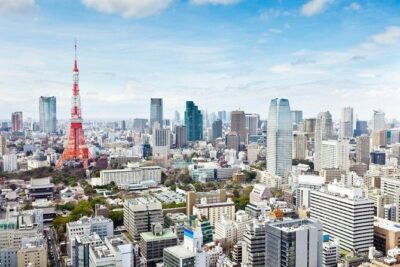 ★ 5.0Tokyo 6hr Private Tour with Government-Licensed GuideFrom $1553,902 reviews
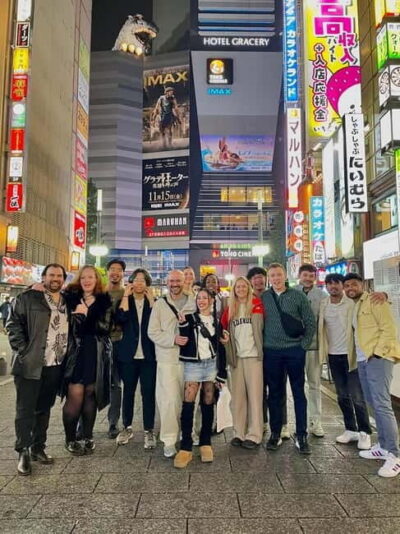 ★ 4.9Shinjuku Local Bar and Izakaya Guided Walking TourFrom $341,794 reviews
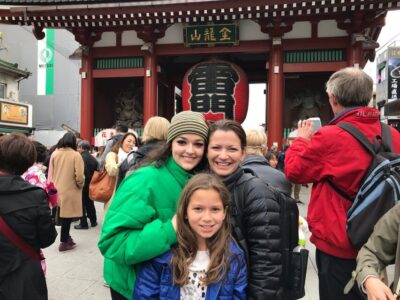 ★ 4.8Private City Highlights Tour with Local GuideFrom $1061,433 reviews
 ★ 4.9Tsukiji Fish Market Guided Walking TourFrom $221,397 reviews
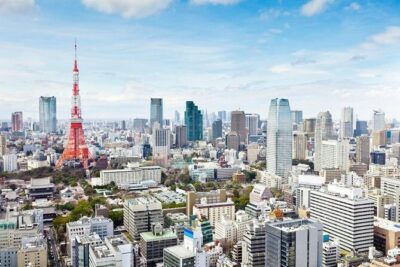 ★ 5.0Tokyo 4hr Private Tour with Government-Licensed GuideFrom $1091,394 reviews
 ★ 5.0Tokyo Guided Small-Group Biking TourFrom $1061,250 reviews
 ★ 4.6Samurai Ninja Museum Guided tour and ExperienceFrom $271,010 reviews
 ★ 5.0Tsukiji Fish Market Guided Tour and Sushi Making with Pro ChefFrom $104775 reviews