
Fuji in one long day beats DIY. This Mt. Fuji, Oishi Park & Arakurayama bus tour strings together the classic hits around Lake Kawaguchi, with a licensed English guide and round-trip transport from central Tokyo. You get the high-altitude wow at the 5th Station, postcard views at Oishi Park, a lake drive-by over Ohashi Bridge, and the famous Chureito Pagoda stairs at Arakurayama Sengen Park.
I especially like two things: the Mt. Fuji 5th Station views from about 2,300 meters, and the fact that lunch is included with a clear choice of Japanese or vegetarian. It saves you time, money, and decision fatigue when your schedule is already packed.
One drawback to plan for: Mt. Fuji may be hidden by weather, and while the tour still runs, there are no refunds if visibility is poor. Also, Arakurayama involves walking—about 10 minutes each way to the shrine area and then 398 steps up to Chureito Pagoda—so if stairs are an issue, this day may feel tougher than you expect.
In This Review
- Key tour highlights I’d build your day around
- Shinjuku Departure: An easy Fuji day with less moving around
- Mt. Fuji 5th Station (2,300m): the first big wow moment
- Oishi Park and Lake Kawaguchi: fast views, smart pacing
- Lunch at Hotel Regina Kawaguchiko or Highland Resort: choose your fuel
- Arakurayama Sengen Park and Chureito Pagoda: the steps are real
- Guide style, group energy, and what I’d ask them
- Weather and route changes: when Mt. Fuji isn’t cooperating
- Price of $99.10: does it add up for a 9-hour day?
- Should you book this Mt. Fuji bus tour or DIY?
- FAQ
- Where do I meet, and where do I return?
- How long is the tour?
- Does the tour include lunch?
- Is Mt. Fuji 5th Station admission included?
- What is the hardest part of the day?
- What if Mt. Fuji isn’t visible due to weather?
- What happens if the 4th or 5th Station can’t be reached?
- Are there meal options for allergies or gluten-free needs?
- How big is the group?
Key tour highlights I’d build your day around
- Mt. Fuji 5th Station (around 2,300m): the highest viewpoint stop on this itinerary
- Oishi Park (photo-first timing): a quick stop designed for Fuji-over-lake views
- Lake Kawaguchi + Ohashi Bridge crossing: scenic moments from the bus window
- Arakurayama Sengen Park and Chureito Pagoda: the classic pagoda viewpoint, 398 steps up
- Lunch included, with two choices: Japanese cuisine or vegetarian, served at nearby hotels
Shinjuku Departure: An easy Fuji day with less moving around
The biggest reason to choose this tour is how it handles logistics. You meet at Shinjuku Station (West Exit), Nishishinjuku instead of figuring out trains and buses on your own. The tour then runs a tight loop around the Fuji area, with the guide keeping the day organized and the bus doing the driving.
Also, this isn’t a tiny private trip. The max group size is 40 travelers, so you’ll get a lively group pace. On the bus, the company is Hato Bus Co., Ltd., and there’s even a note that the engine and heating/cooling may be turned off while waiting—small comfort tradeoff, but it’s part of their eco-minded setup.
One thing to keep in mind: drop-off is only at Shinjuku Station (West Exit), not Tokyo Station. So if you were hoping to continue your trip from a different Tokyo neighborhood that evening, you’ll want to align plans with that Shinjuku return.
Mt. Fuji 5th Station (2,300m): the first big wow moment
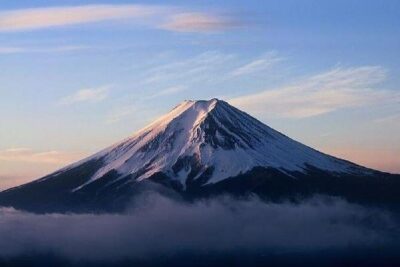
The day’s first major push is the ride up to Mt. Fuji’s 5th Station, sitting around 2,300 meters (7,546 feet). That altitude changes how the mountain feels. Even if you’ve seen Fuji photos before, this stop is one of the few chances you’ll get to stand close to the “Fuji world” rather than just looking at it from below.
You get about 40 minutes there. That’s not a lot of time in the grand scheme of hiking, but it’s enough to do the basics: take photos, soak in the views, and read the atmosphere without rushing through it. Since admission at this stop is listed as free, your time is basically for the views and the experience.
Practical expectation: road access depends on conditions. If the tour can’t reach the 4th or 5th Station due to freezing, accidents, or other issues on the Fuji Subaru Line, the plan shifts to Oshino Hakkai or the Fujisan World Heritage Center. So you’re not stuck. The day adapts.
Oishi Park and Lake Kawaguchi: fast views, smart pacing
After the 5th Station, the tour keeps the momentum with Oishi Park. This is a popular photo spot where Mt. Fuji sits towering over the lake view. You’ll have about 30 minutes here, and that time window is clearly designed for quick photos and a short wander—enough to enjoy it without turning the day into a long stop-and-start.
Then you head toward Lake Kawaguchi. One of the more relaxing moments is that the bus crosses the Kawaguchi Ohashi Bridge, with you able to gaze out from the vehicle window. It’s not the kind of stop where you disembark and walk for long, but it adds variety. You’re not just standing still; you’re getting Fuji angles and lake views as the day transitions.
This portion works best if you’re flexible about photos. Light and weather can change quickly, and the tour order can also shift due to road conditions. The best strategy is simple: assume you’ll be taking at least a few photos, then enjoy the rest of the scenery while you’re there.
Lunch at Hotel Regina Kawaguchiko or Highland Resort: choose your fuel
Lunch is one of the easier wins on this tour. It’s included, and you can choose between:
- Japanese cuisine with meat and fish, or
- Vegetarian meal
The meal is served at Hotel Regina Kawaguchiko or Highland Resort Hotel & Spa, and the exact venue can change depending on circumstances. Either way, you get about 50 minutes for the meal.
One important reality check: the tour notes that Muslim-friendly meals, allergy-friendly meals, gluten-free meals, etc. are not available. So if you have dietary restrictions beyond vegetarian, plan accordingly (or confirm specifics with the provider before you book).
If you like planning around taste, here’s a small insight from feedback: people often remember the day for the lunch area, and at least one standout favorite was a Fuji-themed drink called Mt. Fuji ice cream soda. You can treat that as a sign that the lake-area vibe includes fun food moments beyond just the included meal.
Arakurayama Sengen Park and Chureito Pagoda: the steps are real
This is the iconic finish. Arakurayama Sengen Park offers views back toward the city with Mt. Fuji in frame, and the park’s symbol is the Chureito Pagoda.
How the walk works (and why it matters):
- The bus drops you at Shimo-Yoshida Station (Fujikyuko Line).
- From there, you walk about 10 minutes each way to Sengen Shrine.
- Then you climb a 398-step stairway to reach Chureito Pagoda, taking about 15 minutes one way.
That’s not just a detail. It affects your whole experience. If your legs aren’t thrilled by stairs, you may want to plan for a slower pace, take breaks, or accept that you might not push all the way to the top. The tour explicitly notes that if you’re not confident in your stamina, you may have to wait for a few minutes at the shrine area.
Time on the ground is about 1 hour 20 minutes at this stop. In practice, that usually works out if you’re realistic about the climb and photos. The pagoda viewpoint is famous for a reason, but it’s also the moment where the day’s schedule turns physical.
Guide style, group energy, and what I’d ask them
The tour includes a National Government Licensed English Guide Interpreter, so you’re not just riding past scenery—you’re learning the story. Names of guides show up in feedback, including Makoto, Atsushi, and Saiki-Sun.
Here’s how that matters for your day:
- If you’re with a guide like Makoto, you’ll likely get a thorough, informative flow through the stops.
- If you’re with someone like Saiki-Sun, you might also get extra engagement—she’s described as teaching Japanese using symbols.
- And if your guide’s Atsushi, one review mentioned a fun guide show moment as part of the tour experience.
Even when the guide isn’t doing extra bits, you’ll get the basic cultural explanations tied to Fuji and the sights you’re visiting. My advice: ask them what to focus on before you arrive at each stop. For example, at the 5th Station, ask what to notice in the views and what’s most often misunderstood in photos.
One more practical point: since the group is capped at 40 travelers, you’ll often be moving in a cluster. Listen for the guide’s cues so you don’t get stuck at the back while everyone else is lining up to move on.
Weather and route changes: when Mt. Fuji isn’t cooperating
Fuji weather can be dramatic. The tour warns you directly that Mt. Fuji may not be visible due to conditions, and the tour won’t be canceled. It also states there are no refunds for that reason.
That’s a key decision point for you. If your goal is purely a clear-sky photo, then you’re taking a gamble either way. But this tour tries to protect your day by offering backup options if the high-station route can’t be reached. If the 4th or 5th Station can’t be reached because of freezing, accidents, Fuji Subaru Line issues, or weather, the day may be guided to:
- Oshino Hakkai, or
- Fujisan World Heritage Center
So instead of “weather canceled,” you get “weather rerouted.” That’s the difference between frustration and a still-good day, even if the mountain is shrouded.
Also, the itinerary order can change due to road conditions. Plan to be adaptable about timing rather than expecting the day to feel identical to someone else’s photo timeline.
Price of $99.10: does it add up for a 9-hour day?
At $99.10 per person, this isn’t a bargain tour where you’re mostly on your own. You’re paying for a few specific things that reduce hassle and risk:
- Round-trip bus fare from Shinjuku
- A licensed English guide interpreter
- Lunch included (Japanese or vegetarian)
- Transfers that avoid the mental load of planning train lines and bus connections
Since the listed admissions for the key stops are shown as free on the itinerary, your money mainly goes toward transport, guidance, and the lunch.
A fair way to think about value: if you’d spend money on a day bus or private transfer anyway, plus you’d still need to pay for lunch, the price starts to look reasonable for a guided “hits in one day” plan—especially if you prefer not to manage logistics in a place where routes can be weather-dependent.
The tradeoff is that you’re on a fixed schedule. If you want lots of independent wandering, you’ll feel the boundaries. If you want a guided day that checks the big boxes around Fuji, this price often feels like it’s doing its job.
Should you book this Mt. Fuji bus tour or DIY?
I’d book this tour if you want:
- A structured day with less planning stress from Tokyo
- The classic Fuji sights in one run—5th Station, Oishi Park, lake views, and the Chureito Pagoda
- An English guide who can explain what you’re seeing, not just point at it
- Lunch handled for you, with Japanese or vegetarian options
I’d rethink it if:
- You have limited tolerance for stairs and walking. The Chureito area includes the 398-step climb plus a walk from the station to the shrine.
- Your trip is built around guaranteed clear visibility of Mt. Fuji. Weather can block the view, and there’s no refund for poor visibility.
If you do book, I’d go in with the right mindset: treat it like a guided Fuji day with a weather wildcard. When visibility is good, it’s the kind of day you’ll remember for years. When it’s not, you’ll still get the structure, cultural context, and the backup sights that keep the day worth your time.
FAQ
Where do I meet, and where do I return?
You meet near Shinjuku Station (West Exit) at Shinjuku Sta. West1 Chome-5 Nishishinjuku, and you return to Shinjuku Station (West Exit). The tour notes drop-off is only at Shinjuku.
How long is the tour?
The duration is about 9 hours.
Does the tour include lunch?
Yes. Lunch is included, served at Hotel Regina Kawaguchiko or Highland Resort Hotel & Spa. You can choose a Japanese or vegetarian lunch.
Is Mt. Fuji 5th Station admission included?
The itinerary lists admission for the Mt. Fuji 5th Station stop as free.
What is the hardest part of the day?
The most physical portion is Arakurayama Sengen Park, where you reach Chureito Pagoda by climbing a 398-step stairway (about 15 minutes one way), plus walking time from the station to the shrine.
What if Mt. Fuji isn’t visible due to weather?
The tour will still run. It states Mt. Fuji may not be visible, the tour is not canceled, and refunds aren’t given for that reason.
What happens if the 4th or 5th Station can’t be reached?
If access is blocked (for example, freezing or accidents on the Fuji Subaru Line), the tour may be guided to Oshino Hakkai or the Fujisan World Heritage Center.
Are there meal options for allergies or gluten-free needs?
The tour notes that Muslim-friendly meals, allergy-friendly meals, gluten-free meals, etc. are not available. It only offers the standard Japanese or vegetarian choices.
How big is the group?
This tour has a maximum of 40 travelers.
Mt Fuji Day Trips, compared.
 ★ 4.0Mt Fuji & Hakone Cruise, Drum Show Bullet Train 1 Day from TokyoFrom $1497,413 reviews
 ★ 4.4Tokyo Mt Fuji 5th St & Hakone Cruise Bus Tour w/Bullet TrainFrom $1545,024 reviews
 ★ 4.5From Tokyo: Mount Fuji Full-Day Sightseeing TripFrom $684,970 reviews
 ★ 4.7Mt. Fuji Tour, Hakone Ropeway, Owakudani, Lake AshiFrom $544,002 reviews
 ★ 5.0Private Tour to Mt. Fuji and Hakone (Fully Licenced Operator)From $4971,910 reviews
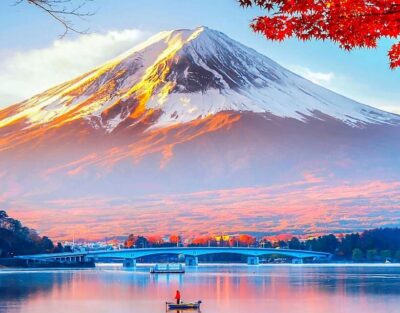 ★ 4.9Mount Fuji Full-Day Private Tour from Tokyo (Customizable)From $3931,470 reviews
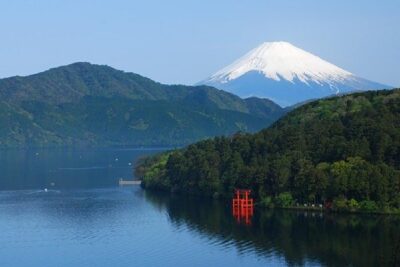 ★ 4.0Mt Fuji & Hakone Cruise, Drum Show Bus 1 Day from TokyoFrom $1221,287 reviews
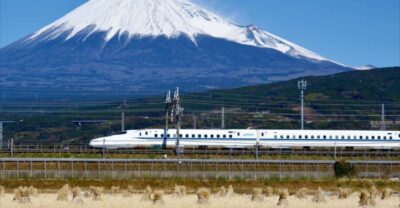 ★ 4.2From Tokyo: Mt. Fuji & Hakone Tour w/ Return by Bullet TrainFrom $1171,278 reviews
Browse the lists this tour appears in