
Reviewed · MT FUJI DAY TRIPS
In 2026, 2-Day Mt. Fuji Climbing Tour with Mountain guide
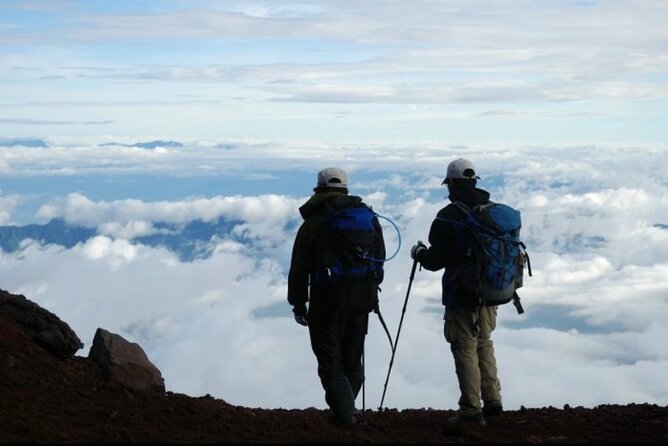
Fuji is harder than it looks. This two-day climb from Tokyo focuses on the practical stuff that can make or break your day: early transport, a real plan once you’re on the trail, and local help when conditions turn tricky. You’ll aim for the classic summit experience and, when the weather cooperates, take in views over the Kanto plains.
I love the guided pacing—you don’t need mountaineering skills, but you do get help staying on track. I also like that the essentials are bundled in: dinner at the mountain lodge, plus lunch, and a bath/onsen-style reset after you descend.
One drawback to consider: the mountain guide is Japanese, and if your Japanese is basic, communication can feel limited. It’s not a deal-breaker for everyone, but it’s worth planning for.
In This Review
- Key things to know before you climb Fuji
- Why a Fuji climb tour from Shinjuku beats DIY planning
- Meet Shin and your guides: the safety net on steep volcanic trails
- Day 1 starts at 6:30 a.m.: Shinjuku-to-Fuji without the hassle
- Subaru Line 5th Station: where you gear up and lock in pacing
- Lunch, then the climb mindset: steady effort over speed
- The mountain lodge night: dinner, sleep, and recovering for the summit push
- Day 2: summit goal, then lunch and a bath after descent
- Price and value: what $470 buys you on Fuji
- English support and who this climb tour fits best
- Small tips that make Fuji feel more manageable
- Should you book this 2-Day Mt. Fuji climb with Shin?
- FAQ
- How long is the Mt. Fuji climbing tour?
- Where do you meet and when does the tour start?
- Where does the tour end?
- Is the Subaru Line 5th Station admission ticket included?
- What meals are included during the climb?
- Is there bathing included after the hike?
- Do I need mountaineering skills?
- Can I rent gear if I don’t have it?
- What if I need to cancel?
Key things to know before you climb Fuji
- Shinjuku convenience at 6:30 a.m.: You start early and you don’t have to figure out transfers on your own.
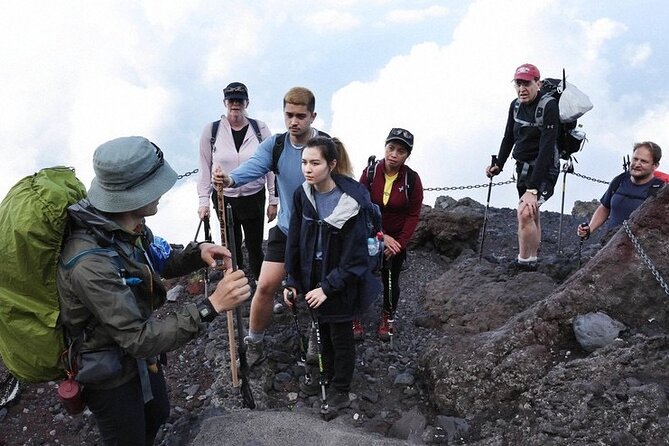
- Mountain guide support: A Japanese mountain guide helps you stay safe on a steep, high-energy trail.
- Meals are handled: Dinner at the lodge plus lunch day 1 means you’re not hunting for food in a hurry.
- Bath after the descent: You get time to warm up and recover after hiking down.
- Group size up to 49: Expect a social vibe and some waiting, especially during busy seasons.
Why a Fuji climb tour from Shinjuku beats DIY planning
Mt. Fuji is iconic, but it’s also the kind of trip where logistics can eat your energy. If you try to DIY, you’ll spend brainpower on transport timing, getting to the right trailhead, coordinating lodge stays, and figuring out what you’ll do when you’re tired or the weather shifts.
This tour is built to remove that stress. You meet in Shinjuku, roll out early in an air-conditioned vehicle, and then the day’s rhythm is managed for you once you hit the mountain area. The result is a trip that feels more like a guided hike with a goal than a complicated project.
You also get something valuable that you can’t easily replicate on your own: support from people who understand the route and the pace. Reviews consistently highlight that guides helped ensure the group made it to the summit when possible, which matters on Fuji where conditions can change fast.
And even when you don’t obsess over the planning, the payoff is still the same: stepping onto Japan’s most famous volcanic climb and looking out over the Kanto plains from higher up.
Meet Shin and your guides: the safety net on steep volcanic trails
This climb runs with a mountain guide (Japanese) and a tour guide on standby at the fifth station in Yoshida. That split matters. The mountain guide is there to manage the on-trail reality—steady movement, safe decision-making, and keeping the group together. The tour guide helps with the handoff and on-site support at the fifth station area.
One name shows up again and again in the feedback: Shin. People praise him for being attentive and professional, especially for keeping non-Japanese speakers from feeling lost. Communication is also a strong point. Multiple comments mention helpful WhatsApp updates and organization, which can make a big difference if you’re trying to understand timing and meeting points.
Still, here’s the reality check. The tour isn’t advertised as English-first. If you don’t speak Japanese, you may need to rely on cues, translation tools, and the guide’s clear direction. The tour can work, but you should go in knowing you’re climbing with Japanese leadership.
Group size caps at 49, so you’ll likely have a mix of hikers. That’s good for morale. It can also mean waits at crowded points during peak season, so plan to move with the flow.
Day 1 starts at 6:30 a.m.: Shinjuku-to-Fuji without the hassle
Your day begins at 6:30 a.m. at Tochomae Station in Shinjuku (2-chōme-8-1 Nishishinjuku). Ending is back in the Shinjuku Station area (3-chōme-38-1 Shinjuku). That round-trip setup is a big part of the value, because it protects your energy for the climb itself.
Most people underestimate how much getting ready to climb takes. Your eyes need sleep, your body needs time to warm up, and your head needs to focus. Starting early keeps you on schedule for the mountain rhythm and reduces pressure to “catch up” later when fatigue kicks in.
Once you’re transferred toward Mt. Fuji, you’ll make the key first stop: Mt. Fuji Subaru Line 5th Station. That’s the main staging point for getting set and beginning the climb with structure.
Subaru Line 5th Station: where you gear up and lock in pacing
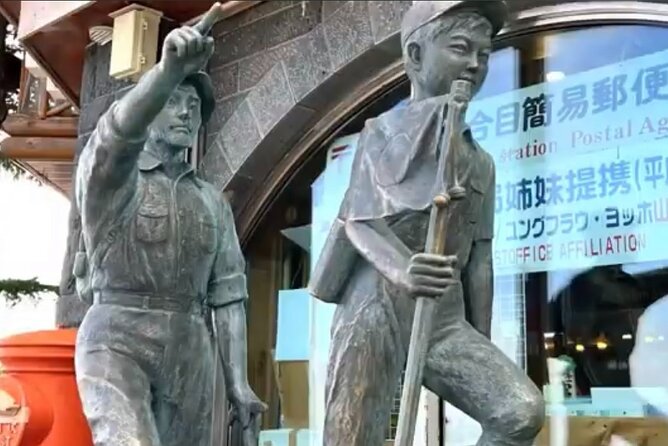
At 5th Station, you’re stepping into the high-energy zone where the climb becomes real. The tour includes lunch day 1 after arriving at the 5th Station, so you’re not trying to figure out food while you’re adjusting to cold, altitude-style exhaustion, and crowded conditions.
One important cost detail: the admission ticket is not included for the 5th Station area. You may need to budget for that on the day. It’s usually small compared to the overall tour, but it’s still a reminder to keep a bit of cash or payment options ready.
5th Station is also where you’ll see how busy Fuji can get. Even with guides, you’re climbing a famous mountain in peak season. The trail can feel crowded, and that changes your pace. The good news is that with a mountain guide, you’re less likely to wander into the wrong flow or lose the group.
Practical mindset tip: treat this part like your warm-up for decision-making. Keep your layers simple, your hydration steady, and your expectations calm. Fuji rewards consistent effort more than heroic speed.
Lunch, then the climb mindset: steady effort over speed
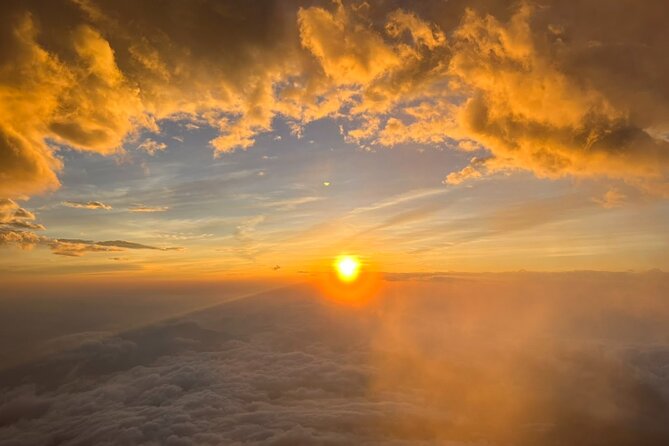
After lunch, the guide-led approach becomes the most important feature. You don’t need mountaineering skills, which is what makes this tour workable for active travelers. But “no special skills” still doesn’t mean “easy.” The challenge is mostly endurance: hiking on volcanic terrain, climbing while staying warm, and keeping your legs moving hour after hour.
This is where the guide’s pacing helps. Guides can break up the climb into manageable segments with breaks that keep the group together. That’s especially useful for first-time Fuji climbers who might otherwise burn out early.
Also, the guide team helps reduce one of the biggest DIY risks: misreading timing. On Fuji, getting stuck behind crowds is common. A good guide doesn’t magically remove crowds, but they do help you stay in the right rhythm so you’re not exhausted before the hardest segments.
If you’re prone to pushing too fast at the start, lean into the structured pacing. Your legs will thank you later.
The mountain lodge night: dinner, sleep, and recovering for the summit push
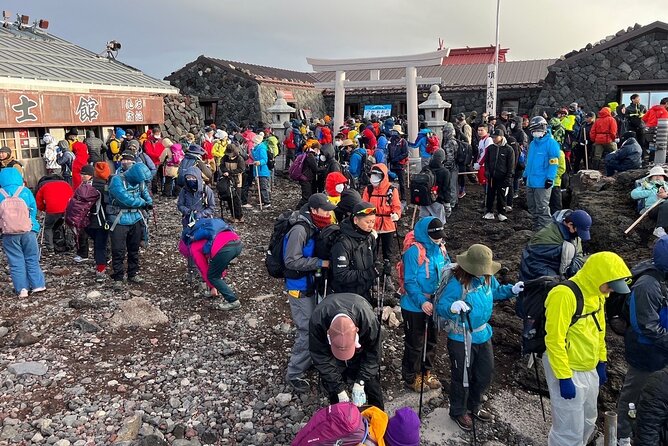
This tour includes dinner at the mountain lodge. After a first day of climbing, that matters more than it sounds. When you’re tired, meal planning turns into another task. Having dinner handled means you can focus on recovery: eating, warming up, and letting your body reset.
Sleeping arrangements are part of the experience too. Feedback mentions that the sleeping accommodations were good for being high up on a volcano (in other words: don’t expect luxury, but do expect it to be functional for a climb night). The lodge stay helps you avoid a more complicated second-day start, and it gives you a more realistic chance at a summit attempt.
Recovery isn’t just comfort. It’s also logistics for the next morning. If you’re cold at night or too tired to eat enough, the summit attempt becomes harder. A lodge dinner and a planned overnight remove a lot of those small failures that can derail the whole plan.
One more practical point: bring what you need to stay warm inside. The tour’s included meal and lodging help, but the mountain air can still be a challenge.
Day 2: summit goal, then lunch and a bath after descent
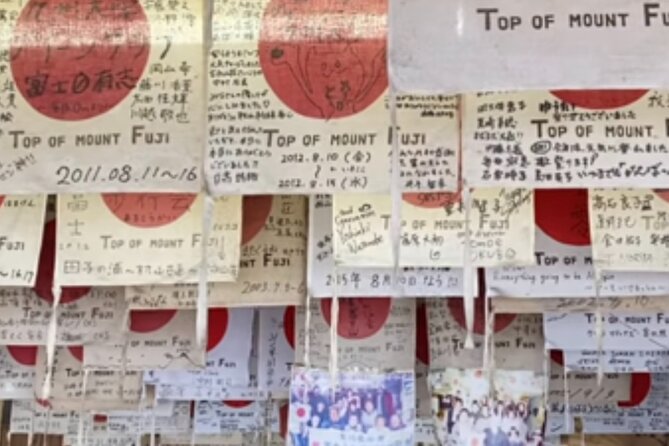
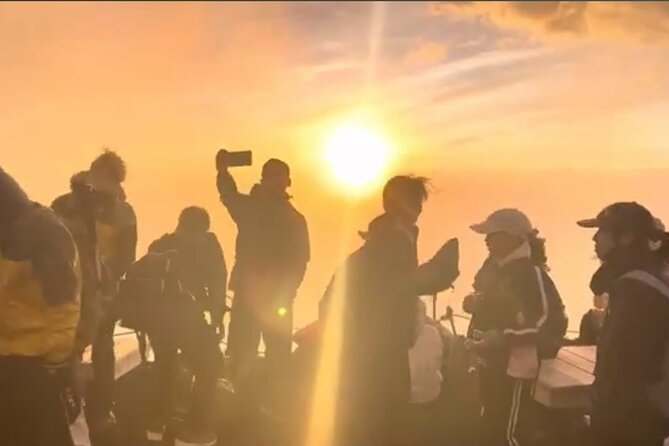
Day 2 is built around the summit experience and then moving into recovery. When conditions cooperate, you’ll get the payoff: a high viewpoint over the Kanto plains. That view is the reason so many people attempt Fuji in the first place.
But here’s the honest part: Fuji weather can be unpredictable, and trails can become crowded. Some feedback includes disappointment when the summit wasn’t reached. That doesn’t mean the tour is unreliable, it means the mountain sets the rules. Your best defense is a flexible mindset and good communication with the guide.
Once the climb goal is done, the tour shifts gears into recovery. You’ll enjoy lunch and bathing at a rest facility after descent. That bath isn’t just a nice-to-have. It’s a recovery tool. After two hard days, warm water can help your body feel human again, and it makes the ending in Shinjuku feel more doable.
If you’re the type who loves to photograph views, this is the moment to be patient. Crowds can slow things down, so build time for waiting and regrouping.
Price and value: what $470 buys you on Fuji
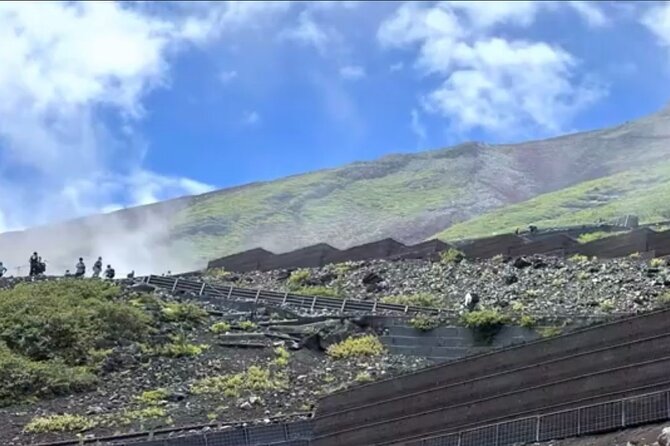
At $470 per person, you’re paying for more than the title “guided climb.” You’re paying for reduced stress, time, and risk.
Here’s what’s included that you’d otherwise have to manage:
- Air-conditioned vehicle to and from the Shinjuku meeting/end points
- Dinner at the mountain lodge
- Lunch day 1 after arriving at the 5th Station
- A mountain guide (Japanese) plus tour guide standby at the 5th Station in Yoshida
- Bathing at a rest facility after descent
- A mobile ticket
The big exclusions:
- The admission ticket at the 5th Station (listed as not included)
- Rental if you need gear (available with an extra charge)
So does it feel like good value? For most active travelers, yes—because the cost of DIY adds up fast once you include transport timing, lodge coordination, and the guide support you need on a big mountain. Plus, the included meals reduce one of the most annoying climbing problems: spending your limited energy searching for food.
One more detail: the tour can be booked well in advance. On average, it’s booked around 55 days in advance, which suggests you should plan early if your travel dates are fixed. Fuji is popular, and this kind of structured trip fills up.
English support and who this climb tour fits best
This tour is run with a Japanese mountain guide, and the communication experience can vary. The feedback points out that the tour may not be the best match if you expect smooth English instructions at every moment. Still, there’s also positive feedback about organization and clear communication through tools like WhatsApp.
So, who is this best for?
- You’re physically capable of a moderately challenging hike and you like structured itineraries.
- You want to climb Fuji without building a planning spreadsheet.
- You’re okay following a guide’s direction even if your Japanese is limited.
Who should think twice?
- You need very detailed English explanations to feel comfortable.
- You’re worried about pace changes or crowded conditions.
- You prefer a fully self-guided experience where you can stop anytime without regrouping.
And here’s a practical safety note. One low-rating comment described a situation where an injured participant was left behind, and it’s a reminder that group climbing is still group climbing. Your best move is to communicate early if you’re struggling, and to stay aware of where the group and guide are.
Small tips that make Fuji feel more manageable
You’ll get a guide and a plan, but you still control your comfort. A few practical things help a lot:
- Dress in layers you can remove and re-add fast. Cold-to-warm changes happen quickly.
- Bring a simple system for keeping warm at breaks. The trail has long stretches where you’re not moving much.
- If you think you might need gear, ask about rental availability ahead of time so you don’t scramble at the last second.
- Keep an eye on the group. Even with breaks, crowded Fuji can make it easy to drift.
- Stay flexible about summit timing. When conditions shift, the plan can shift too.
Fuji rewards calm effort. Your job is to keep moving steadily and listen when the guide changes the pace or route flow.
Should you book this 2-Day Mt. Fuji climb with Shin?
Book it if you want a guided, logistics-light Fuji climb from Tokyo with meals, lodge stay, and a bath included. The structure makes it realistic for active travelers who don’t want to stress over transport, food timing, or on-mountain logistics. I also like that you start early from Shinjuku and end back in Shinjuku, so you’re not stuck figuring out your next move at the end of two big days.
Hold off if your main requirement is English-first guidance. The mountain guide is Japanese, and communication may not be as smooth as you’d hope. Also, go in with a flexible mindset about summit conditions. The guides do their job, but Fuji is Fuji.
If you match the target traveler profile—moderate fitness, comfort following a guide, and willingness to adapt—this is a strong way to turn Mt. Fuji from a photo into a real climb.
FAQ
How long is the Mt. Fuji climbing tour?
It runs for about 2 days.
Where do you meet and when does the tour start?
You meet at Tochomae Station in Shinjuku at 6:30 a.m..
Where does the tour end?
The tour ends at Shinjuku Station in Shinjuku.
Is the Subaru Line 5th Station admission ticket included?
No. The admission ticket for Mt. Fuji Subaru Line 5th Station is not included.
What meals are included during the climb?
You get dinner at the mountain lodge and lunch day 1 after arriving at the 5th Station.
Is there bathing included after the hike?
Yes. The tour includes bathing at a rest facility after descent.
Do I need mountaineering skills?
No. The climb is moderately challenging and you don’t need mountaineering skills.
Can I rent gear if I don’t have it?
Rental is available if needed, but it’s extra charge.
What if I need to cancel?
This experience is non-refundable and cannot be changed for any reason.
Mt Fuji Day Trips, compared.
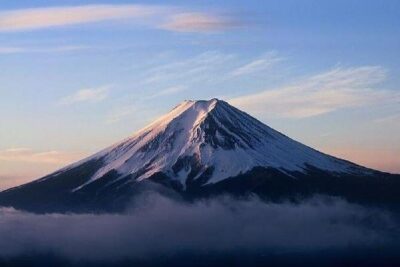 ★ 4.0Mt Fuji & Hakone Cruise, Drum Show Bullet Train 1 Day from TokyoFrom $1497,413 reviews
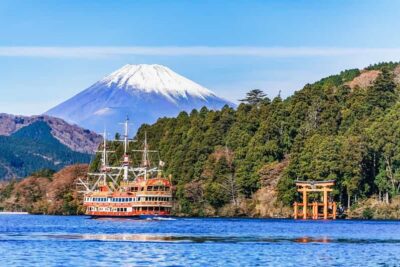 ★ 4.4Tokyo Mt Fuji 5th St & Hakone Cruise Bus Tour w/Bullet TrainFrom $1545,024 reviews
 ★ 4.5From Tokyo: Mount Fuji Full-Day Sightseeing TripFrom $684,970 reviews
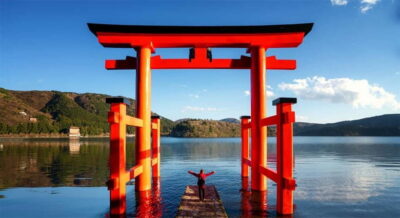 ★ 4.7Mt. Fuji Tour, Hakone Ropeway, Owakudani, Lake AshiFrom $544,002 reviews
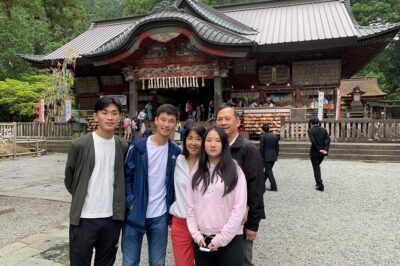 ★ 5.0Private Tour to Mt. Fuji and Hakone (Fully Licenced Operator)From $4971,910 reviews
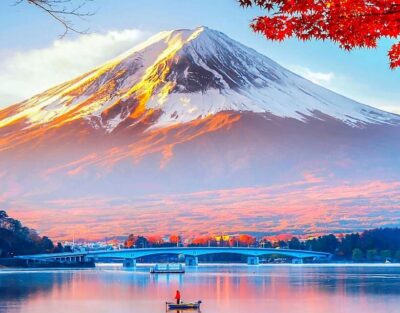 ★ 4.9Mount Fuji Full-Day Private Tour from Tokyo (Customizable)From $3931,470 reviews
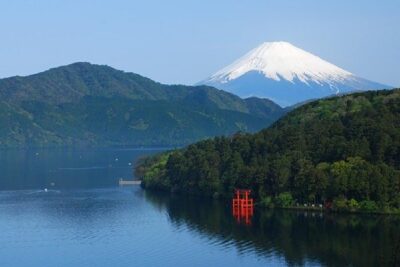 ★ 4.0Mt Fuji & Hakone Cruise, Drum Show Bus 1 Day from TokyoFrom $1221,287 reviews
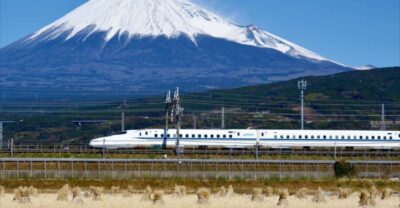 ★ 4.2From Tokyo: Mt. Fuji & Hakone Tour w/ Return by Bullet TrainFrom $1171,278 reviews
Browse the lists this tour appears in