
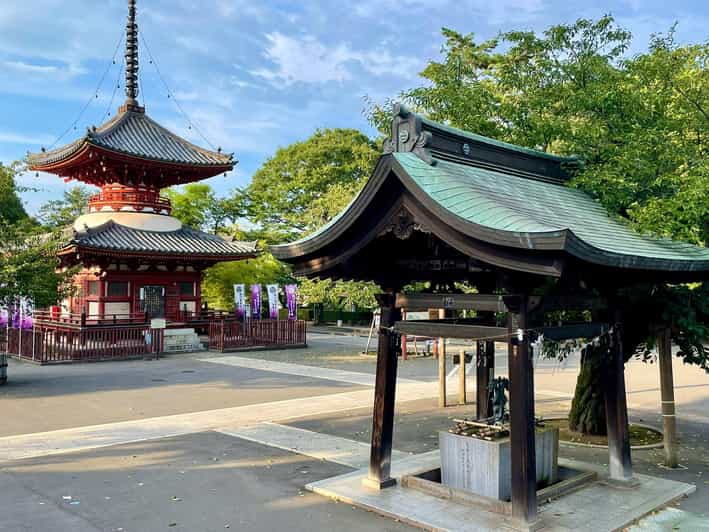
Reviewed · KAWAGOE
Historic Town of Kawagoe – Small town of Edo 3h Walking Tour
Kawagoe compresses four eras into three hours. This guided walk through Koedo (Small Edo-Tokyo) is built around the way history still shows up in everyday streets, not in a single museum room. I like that you move through four eras—Meiji, Taisho, Showa, and Heisei—using the town’s buildings and cultural spots as your timeline.
My favorite part is the pacing in a small group of up to 6 people, which makes it easier to ask questions and actually hear the guide. The tour is led in English by Masahito Ito (you may hear him called Ito-san or Masa), and it’s clear he likes explaining how Kawagoe got its look after the big fire of 1893.
One consideration: this is a true walking tour. You’ll want comfortable shoes, and it’s not suitable for people with mobility impairments or wheelchair users.
In This Review
- Key highlights worth marking on your mental map
- Why Kawagoe Koedo feels like a walking timeline
- Getting started at Honkawagoe Station (and why the meet point helps)
- The core vibe: Meiji and Taisho-era atmosphere in plain sight
- Kura-zukuri streets after the 1893 great fire: the story you can see
- Showa-era sweet culture at Confectionery Yokocho (Candy Alley)
- Bell tower moment and festival culture: where the town gets loud
- The guide’s extra touches (the stuff that makes it worth $70)
- What the 3 hours feels like, stop by stop
- Price and value: $70 for a guided old-town sampler that saves your time
- Practical tips so your legs and photos cooperate
- Should you book this Kawagoe walking tour?
- FAQ
- How long is the Kawagoe walking tour?
- What does the tour cost?
- Where do I meet the guide?
- Is the tour guided in English?
- How big is the group?
- What’s included in the price?
- What is not included?
- What should I bring?
- Is the tour suitable for wheelchair users?
Key highlights worth marking on your mental map
- Four-era storytelling (Meiji to Heisei) tied to real streets and buildings, not just dates on a sign
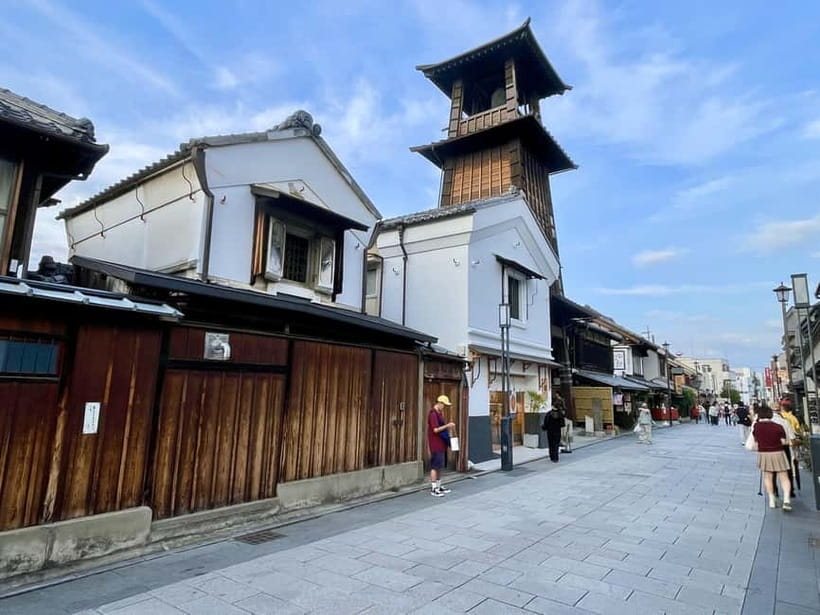
- Kura-zukuri streets—including the visual impact of the 1893 great fire and what survived
- Candy Alley / Confectionery Yokocho with more than 70 stores linked to early Showa-era (1930s) sweets
- Bell tower in action as a timed, memorable moment during the walk
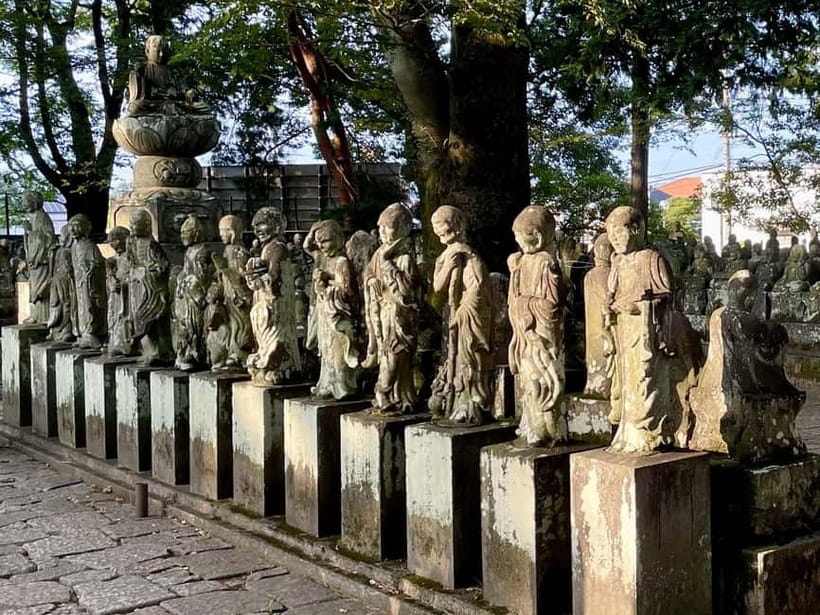
- Kawagoe Festival Museum and other cultural stops that explain why the town keeps its traditions
- One drink and one cake/snack built into the route so you don’t burn out at the exact wrong time
Before you commit, see how this one stacks up against a few Kawagoe favourites:
- Kawagoe Japanese Food Tour : Unagi Kaiseki and Sake near Tokyo★ 5.0 · 30 reviews
- Kawagoe Private Custom Tour with Local Guide★ 5.0 · 29 reviews
- Kawagoe 4hr Private Tour with Licensed Guide (Kawagoe Dep)★ 5.0 · 13 reviews
Why Kawagoe Koedo feels like a walking timeline
Kawagoe sits about 40 kilometers northwest of Tokyo, close enough for a day trip but far enough to feel like its own world. The nickname Koedo—often described as Small Edo-Tokyo—matters because it’s not just marketing. You’ll see old-town details that make the past feel practical and lived-in.
What makes this tour work is the way it frames the town in four Japanese eras. The Meiji, Taisho, Showa, and Heisei periods aren’t treated like a school lesson. They show up as changes in architecture, city life, and local culture. That’s a big deal because Kawagoe doesn’t try to freeze time in one theme. Instead, it shows how a town keeps rewriting itself while hanging onto what it can.
Getting started at Honkawagoe Station (and why the meet point helps)
You meet in front of Starbucks outside the ticket barrier of Honkawagoe Station (Seibu Railway). That’s not random. Using a major station landmark helps you settle fast, then walk off with less stress before the tour begins.
From there, you spend a short stretch of time walking and then get a window for free time, shopping, and strolling. I like this setup because it lets you get your bearings before the guided visits start. If you’re the type who likes photos early, this is the moment. If you’d rather conserve energy, you can still move at your pace for that first chunk.
The big win here is that the tour doesn’t drop you into a hard schedule right away. You start with a gentle ramp, then the guide ties it together with context as you go.
The core vibe: Meiji and Taisho-era atmosphere in plain sight
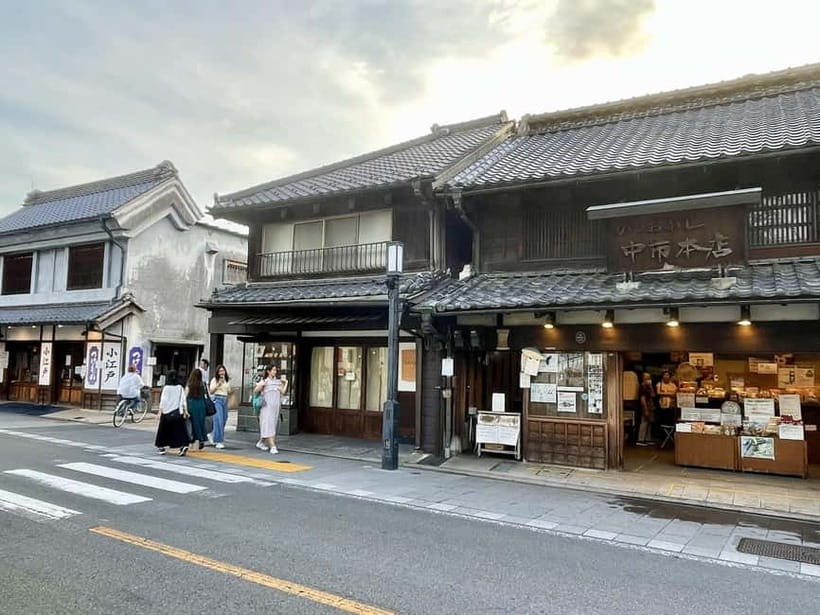
Once the walking and visits begin, you’ll focus on historical buildings and cultural properties, including that classic Kawagoe look tied to kura-zukuri (storehouse-style) architecture. You’ll also hear how the town’s visual identity connects to major moments in modern Japanese history, especially the period when new infrastructure and lifestyles were changing across Japan.
Meiji and Taisho-era references can feel abstract in other places. Here, they land better because you’re standing where the town’s character is still visible. Even if you don’t catch every detail the guide points out, the overall effect is clear: you’re seeing a town that learned to modernize without forgetting its older bones.
What to watch for: the way streets and building fronts create a continuous old-town rhythm. It’s not just “pretty buildings.” It’s the sense that commerce, everyday life, and heritage are sharing the same narrow lanes.
Kura-zukuri streets after the 1893 great fire: the story you can see
One of Kawagoe’s strongest lessons is that history isn’t only carved into monuments. Sometimes it’s written into reconstruction.
A key thread the tour follows is the presence of many kura-zukuri houses along the main streets after the 1893 great fire. That detail matters for your experience because it explains why certain building styles feel so concentrated here. Instead of viewing architecture as decoration, you understand it as a response—how people rebuilt, what they chose to preserve, and how a town learned to protect its identity.
You’ll spend time walking through areas where this style dominates. Think of it like reading an old postcard, but in 3D. If you like street-level heritage—doors, facades, and the rhythm of buildings—this is the part that will click.
Potential drawback: because these streets are popular, you can hit crowd density. Your best move is simple: keep moving, and don’t treat every step like a photo safari. Use your camera between slower pockets, and let the guide pull you through.


Showa-era sweet culture at Confectionery Yokocho (Candy Alley)
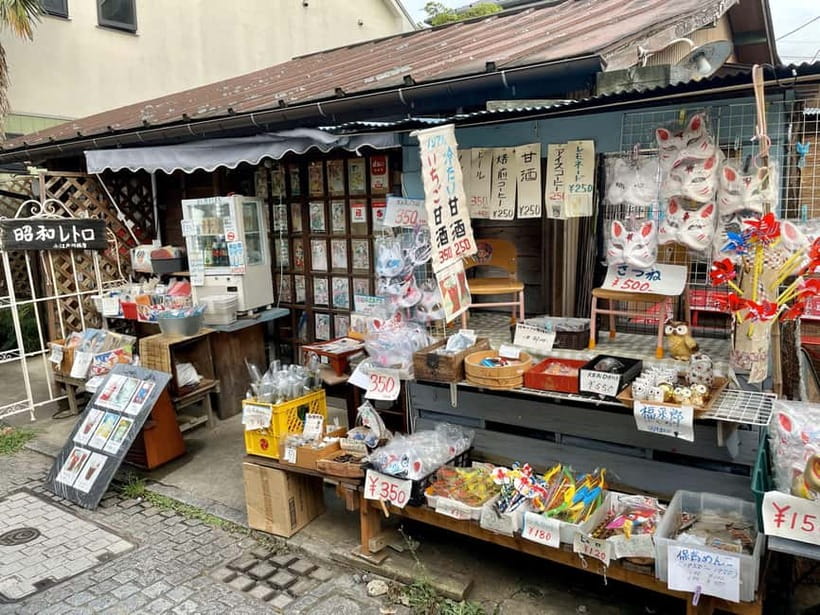
Then comes the fun part: sweets and shopping in a space shaped by older retail culture. The tour highlights Confectionery Yokocho, a section closely tied to the early Showa era around the 1930s, when there were more than 70 stores in the area.
Candy Alley is a good mental shortcut here. You’ll recognize the vibe fast: snack shops, traditional-looking storefronts, and that “walk-and-sample” energy. It’s not just about buying candy. It’s about seeing how a town keeps its identity through everyday treats.
One reason this stop is valuable is that it gives the history a flavor. Meiji or Showa sounds like a textbook label until you connect it to how people actually lived—especially what they ate during celebrations, weekends, and seasonal moments.
If you’re planning to bring gifts back to friends, this is also a practical place to shop. Go in with a rough plan: pick a few classics first, then wander for your second wave of choices.
Bell tower moment and festival culture: where the town gets loud
Kawagoe isn’t only about quiet nostalgia. It has public rituals, and the tour makes sure you see at least one of the town’s signature live moments.
A crowd-pleasing highlight is watching the bell tower in action. That kind of moment changes your whole experience. It turns you from a passive spectator into someone catching the town mid-routine. Even if you don’t understand every nuance, you feel the rhythm.
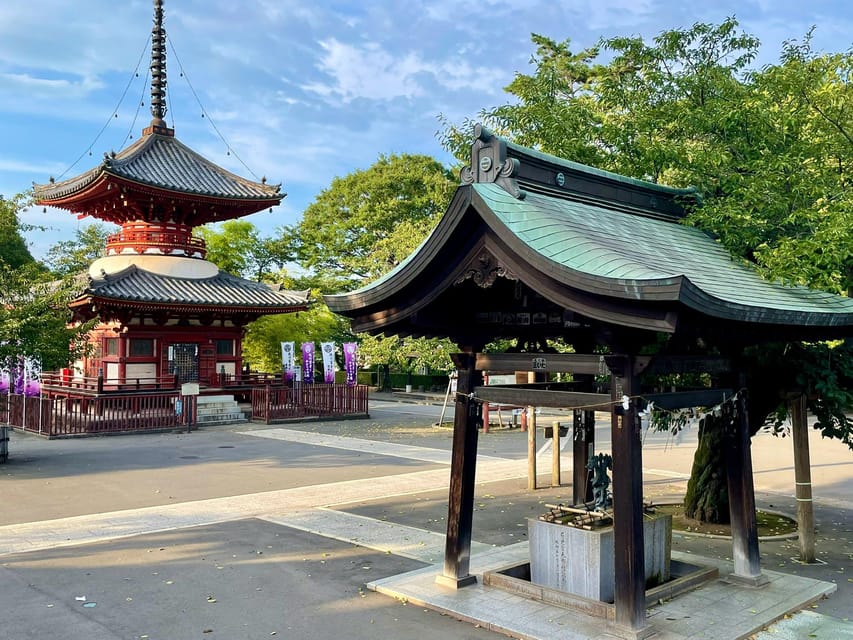
Right after that, the route includes cultural stops such as the Kawagoe Festival Museum, plus other historical building visits and walk-throughs. This is where your guide helps connect the visual cues you’ve already seen—storehouses, old streets, and traditional town design—to the traditions that still give Kawagoe its personality.
If you like to know why a place does what it does, this portion delivers. If you prefer pure wandering, you’ll still get something out of it because the guide keeps the explanations tied to what you’re looking at in real time.
The guide’s extra touches (the stuff that makes it worth $70)
This tour includes entrance fees to certain attractions plus 1 drink and 1 cake/snack. That matters for value because it keeps the afternoon from turning into a constant cash tally and random detours.
It also supports the rhythm of a 3-hour walk. You’re not just grinding through stops; you get a built-in pause to rest your legs and reset your attention. In past experiences with this tour style, that drink-and-snack break has been a real morale booster.
Another reason I think the tour is worth it is the human layer. One standout detail from English-guided tours with Ito-san is practical help on the ground—like guidance around getting a goshuin book (a temple/shrine stamp book) if you want one, and help with translation when entering local shops. That kind of support can turn “We walked past it” into “We actually did something there.”
And because the group is capped at 6, you’re less likely to get stuck behind a knot of people whenever the guide wants everyone to see the same thing at the same time.
What the 3 hours feels like, stop by stop
Here’s how the flow usually lands in your day.
You start at Honkawagoe Station near Starbucks, then walk briefly. Early on, you get a short window for free time and casual shopping, which helps you settle and pick up small items before the guided visits.
Then the route goes into visits of historical buildings and cultural properties, broken into shorter segments so you don’t lose your legs before the best bits. Along the way, you’ll spend time walking through the old-town streets where kura-zukuri style shows up in a concentrated way.
After that, you shift into the sweets focus with Confectionery Yokocho / Candy Alley, where there are a lot of stores and enough variety to make it worth slowing down. Then you move into the more “culture in action” portion: the bell tower moment, followed by a festival-related stop like the Kawagoe Festival Museum, plus further sightseeing time.
The last chunk brings you back toward the meeting point area, so you’re not stuck trying to navigate the train system while tired. It’s a tidy loop.
Price and value: $70 for a guided old-town sampler that saves your time
At $70 per person for a 3-hour guided walk, you’re paying for four things: an English guide, group size control, entrance fees to selected attractions, and that included drink and snack.
Would you save money by going on your own? Maybe. Kawagoe is easy to reach from Tokyo, and you can certainly wander kura-zukuri streets freely. But the trade-off is time and clarity. With the guide, you get the “what am I looking at and why does it matter” layer, especially around the four-era theme and the big 1893 fire context.
For me, this is a good value if you’re trying to get more than postcards. If you want a guided route that makes old-town atmosphere coherent, the price starts to look fair quickly.
Practical tips so your legs and photos cooperate
A few plain things will make the day much easier:
- Wear comfortable shoes. You’re on foot for the whole experience.
- Bring a hat, sunscreen, and water, since you may be outside for stretches.
- Bring your camera, because kura-zukuri streets and the sweet-shop alley scenery are exactly the kind of places where a photo feels “worth it” later.
- Expect crowds at peak tourist times. Your strategy is to keep moving during busy pockets and pause only when the guide steers you to the best viewing spots.
Also, smoking isn’t allowed during the experience. Not a huge deal, but it’s good to know.
If you’re traveling from Tokyo, plan your return so you’re not rushed. The tour duration is 3 hours, and the walking style can run a bit faster than a slow self-guided stroll.
Should you book this Kawagoe walking tour?
Book it if you want a short, guided, history-to-street connection in one afternoon. The mix of kura-zukuri architecture, a clear four-era framework, a sweets-focused stop at Confectionery Yokocho/Candy Alley, and memorable culture moments like the bell tower makes it feel like more than “just shopping and photos.”
Skip it if you have mobility limitations, because the walking is significant. Also skip it if you only want free roaming with zero structure. This tour is built to guide you through a route with specific highlights.
If you’re on the fence, here’s the simple decision rule: if you’d rather understand what you’re seeing than just see it, this is your kind of Kawagoe.
FAQ
How long is the Kawagoe walking tour?
The tour lasts 3 hours.
What does the tour cost?
It costs $70 per person.
Where do I meet the guide?
Meet in front of Starbucks outside the ticket barrier of Honkawagoe station (Seibu Railway).
Is the tour guided in English?
Yes. The tour includes a live English-speaking guide.
How big is the group?
The group is limited to 6 participants.
What’s included in the price?
A guided walking tour of Kawagoe, visits to historical buildings and cultural properties, exploration of kura-zukuri style houses, entrance fees to certain attractions, and 1 drink plus 1 cake/snack.
What is not included?
Transportation to and from Kawagoe isn’t included, and tips to the guide aren’t included either.
What should I bring?
Bring comfortable walking shoes, a hat, a camera, sunscreen, and water.
Is the tour suitable for wheelchair users?
No. It’s not suitable for people with mobility impairments or wheelchair users.
More Tour Reviews in Kawagoe

Fresh reviews from around Kawagoe
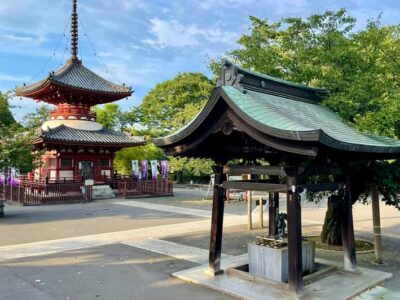
Kawagoe, compared.
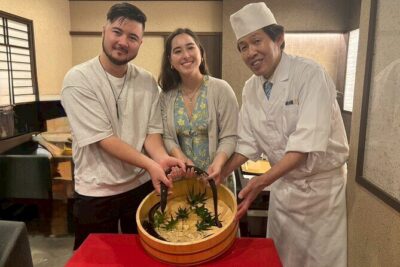 ★ 5.0Kawagoe Japanese Food Tour : Unagi Kaiseki and Sake near TokyoFrom $18130 reviews
Kawagoe Private Custom Tour with Local GuideFrom $9829 reviews
★ 5.0Kawagoe Japanese Food Tour : Unagi Kaiseki and Sake near TokyoFrom $18130 reviews
Kawagoe Private Custom Tour with Local GuideFrom $9829 reviews
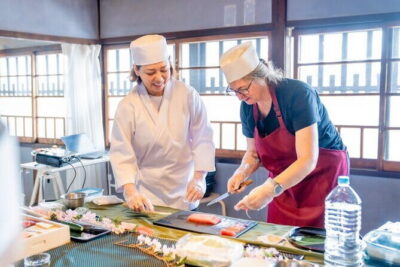 ★ 5.0Little EDO Sushi Making workshop in KawagoeFrom $8418 reviews
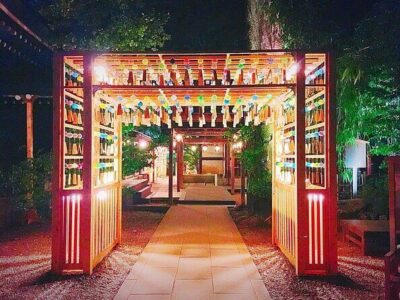 ★ 5.0Kawagoe 4hr Private Tour with Licensed Guide (Kawagoe Dep)From $10713 reviews
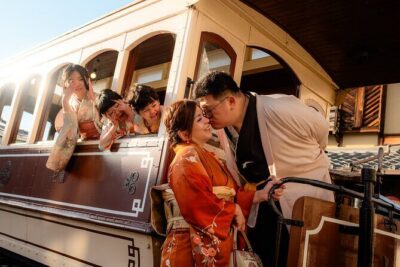 ★ 5.0Kawagoe:Family-Friendly Kimono & Yukata Experience at WARGOFrom $3111 reviews
 ★ 5.0Jizo Wood Carving Experience in KawagoeFrom $715 reviews
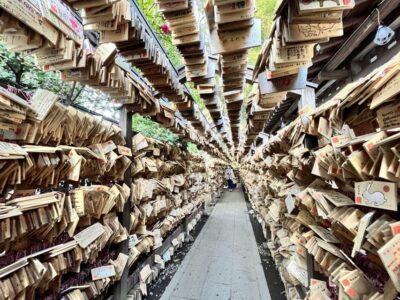 ★ 5.0Day Tour from Tokyo : Experience Kawagoe and Edo JapanFrom $1353 reviews
Browse the lists this tour appears in