
Reviewed · YOKOHAMA TOURS
Eat Like a Local in Yokohama Walking Tour with Local Expert Guide
Food in Yokohama is a map you can taste. This tour strings together Chinatown snacks, local neighborhood walking, and just enough structure to keep you from wandering in circles. I especially like the way the guides work the food route with real local instincts, and the fact you can meet people like Brian, Mika, and Francesco who focus on specific favorites like soup dumplings.
You’ll also appreciate that it’s built for real eating time, not museum time. You get tastings across multiple places, plus entry fees are included when tickets apply. One consideration: one guide cancellation did happen due to COVID in a prior booking, so it’s smart to keep your plans flexible in case of last-minute changes.
In This Review
- Key points to look for
- A 4-Hour Yokohama Food Walk Built for Real Eating
- Yokohama Chinatown: Steamed Buns, Dumplings, and Shoronpo Moments
- The In-Between Yokohama Stop That Keeps You Moving
- Noge-cho (Nogecho) for Two Hours: Where the City Feels More Local
- Meet the Local Guides: Why Brian, Mika, and Francesco Matter
- What You Get for $116: Value, Included Entries, and Real Eating Time
- Logistics That Actually Affect Your Day (Pickup, Tickets, and Walking)
- Quick Practical Tips to Get the Most From Your Tastings
- Should You Book This Yokohama Eat Like a Local Tour?
- FAQ
- How long is the Eat Like a Local in Yokohama walking tour?
- Is pickup available?
- What’s included in the price?
- Do I need to buy tickets for entry stops?
- Is this tour private?
- What is the cancellation policy?
- Are service animals allowed?
Key points to look for
- Private group tour: it’s just your group, so you can set a comfortable pace.
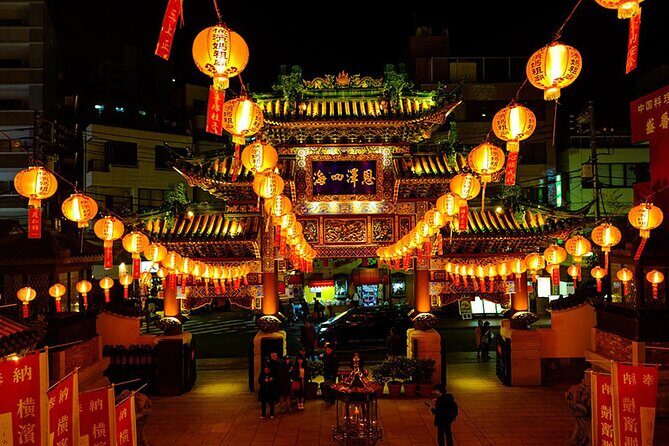
- Yokohama Chinatown twice: you get time to settle in, then return for more street-food style stops.
- Noge-cho for two hours: the longest stretch goes to a more local-feeling neighborhood vibe.
- Soup dumpling focus: at least one guide has earned standout praise specifically for them.
- Pickup can be offered: helpful when you don’t want to navigate transit first.
- Support during your trip: the provider offers help before and after the tour.
A 4-Hour Yokohama Food Walk Built for Real Eating
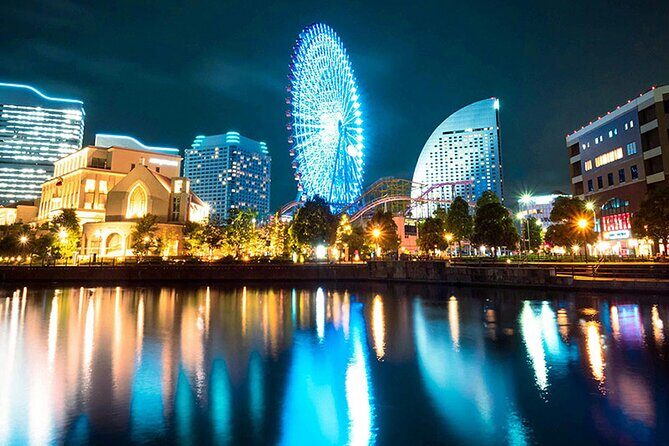
This is a 4-hour walking tour designed around food, not checklists. You’ll move through a few focused areas, with tastings at different locations, and you’ll end back at the starting point in Yokohama.
I like tours like this when I arrive feeling jet-lagged or unsure of neighborhoods. You don’t need to plan each bite. Your guide is the plan—where to go, what to order, and how to keep the rhythm of a busy street from turning into chaos.
Two details matter for comfort. First, public transportation isn’t included, even though the meeting point is near transit. Second, it’s not private transport—so bring shoes you can walk in for a few hours, and expect you’ll be on your feet.
Also check the timing window. The activity operates Monday through Sunday from 12:00 PM to 6:00 PM, so you can usually fit it into an afternoon schedule.
Yokohama Chinatown: Steamed Buns, Dumplings, and Shoronpo Moments
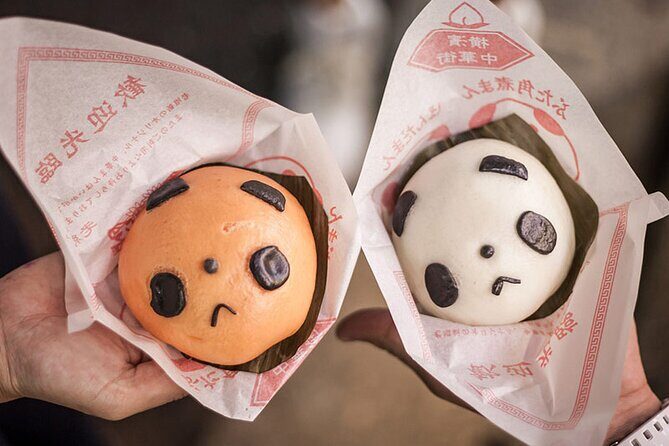
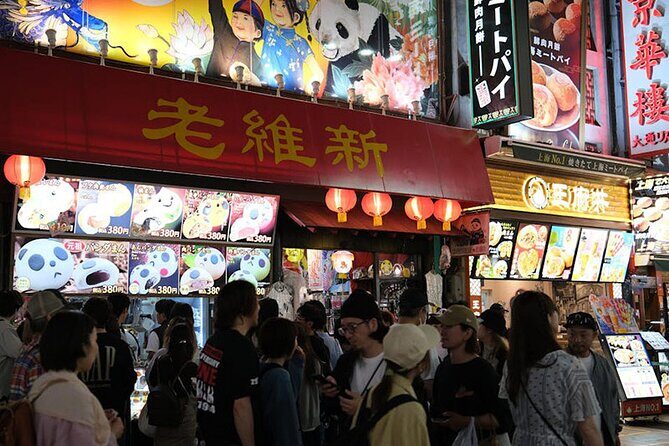
You start in Yokohama Chinatown for about 30 minutes. This is the part of town where the air smells like hot food and everything moves fast. You’ll find classic snack categories—freshly steamed buns and dumplings—and you’ll likely run into sweet treats too, since the area is built for eating as you walk.
What makes Chinatown work on a guided tour is choice. It’s big, and without local help you can easily miss the spots that match what you’re in the mood for. A guide can also steer you away from ordering mistakes, like grabbing something that looks good but isn’t the best version of that particular style of snack.
You don’t just do a quick Chinatown pass, either. Later, you return for another Chinatown stretch of about 45 minutes. This second chunk is where you can slow down and focus—more browsing time, more chances to compare stalls, and time to get a dish you’re craving without rushing.
One specific item that came up with strong praise is soup dumplings. If that’s your thing, this is exactly the kind of tour where a guide can help you find the best version rather than grabbing the first basket that looks familiar. You can also expect to hear about shoronpo—the famous item named in the tour description—because it’s the kind of “only here” Chinatown detail that makes the whole route feel more meaningful.
Potential drawback in Chinatown: it can get crowded. If you don’t love tight pedestrian flow, take breaks when your guide pauses, and keep your plan simple: eat, then walk, then eat again.
The In-Between Yokohama Stop That Keeps You Moving
After the first Chinatown taste, you move into a general Yokohama segment for about 30 minutes. This stop is less about one signature landmark and more about getting the city context right—how Yokohama’s food culture changes street to street.
In a route like this, that middle segment matters. It helps you avoid the common problem where you spend all your appetite time in one area and then feel disappointed that the rest of the tour is too short to explore. The in-between stop keeps momentum and helps you connect Chinatown energy to the more local-feeling neighborhood you’ll reach next.
You’ll also get a better sense of what Yokohama eats look like in day-to-day life. Chinatown is dramatic and concentrated. The rest of Yokohama is more subtle—small eateries, casual counters, and street snacks that feel built for regular people, not just tourists.
What to consider: because this stop is shorter, your best strategy is to pay attention to what your guide recommends, even if it’s not what you originally pictured. That’s when a local route surprises you—in a good way.
Noge-cho (Nogecho) for Two Hours: Where the City Feels More Local
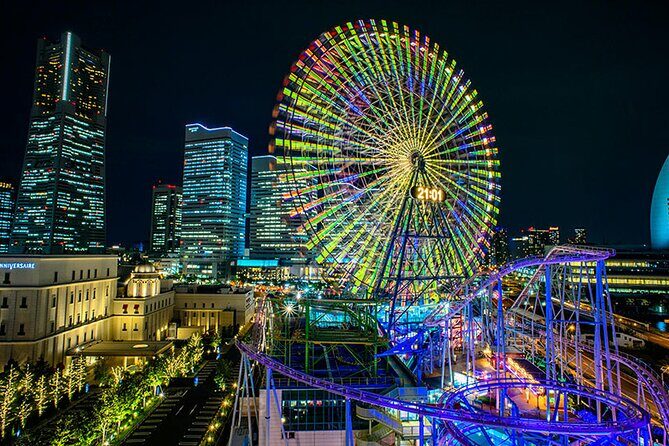
Next comes Noge-cho, a neighborhood segment that lasts about two hours. This is the long, slower portion of the walk, and it’s where the tour shifts from big-name Chinatown energy to a more ordinary neighborhood rhythm.
Noge-cho is described as authentic and beloved, and the structure of the tour reflects that. You’re given enough time to actually notice the food streets and small shops, instead of just passing through. This is the part of the tour that’s easiest to enjoy if you like browsing and letting your guide lead you to different styles of bites.
Because the neighborhood segment is longer, it’s also where dietary preferences are most likely to be handled well. In one of the tour experiences I read about, the guide—Mika—accommodated food preferences. That’s a big deal. You can still taste widely, but you’re not forced into the one-food-fits-all approach that ruins the fun for people with restrictions or dislikes.
Potential drawback in Noge-cho: it’s two hours, so come prepared to snack without feeling like you’re constantly ordering. Pace yourself early in the tour so you still have room later.
Meet the Local Guides: Why Brian, Mika, and Francesco Matter
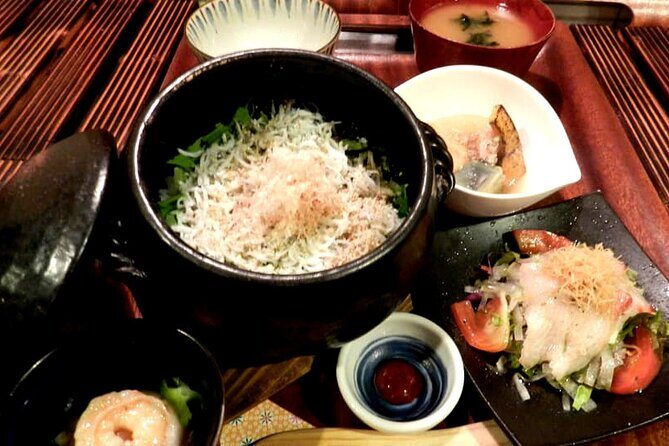
The tour is run by local experts who choose to live in Yokohama. That’s not just marketing—it shows up in how the route gets discussed and how the tastings get selected.
Brian is praised for a mix of area knowledge and “secret gems” type choices, along with an emphasis on Chinatown dumplings. If you love the idea of finding specific, hard-to-guess best options, that guide style is a good match.
Mika is singled out for both food choices and flexibility. She reportedly picked great stops, found standout soup dumplings, and adjusted for preferences. That tells me this tour isn’t only about walking—it’s about ordering well for your group.
Francesco is noted for pacing and pickup. One experience described him picking up at a hotel and letting the group decide pacing so they could enjoy Chinatown and other foodie neighborhoods nearby. Even if you don’t know Yokohama yet, it’s reassuring to hear a guide can adapt to how hungry you are and how quickly you want to move.
You’re paying for more than a checklist of streets. You’re paying for pattern recognition: what streets connect, what food is worth your time, and how to avoid wasting the best part of a limited tour window.
What You Get for $116: Value, Included Entries, and Real Eating Time
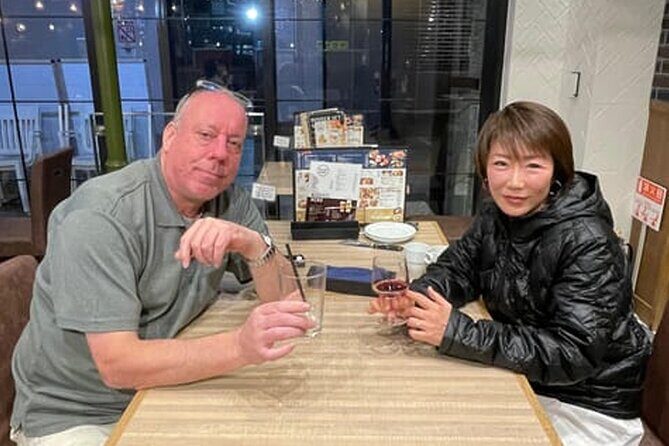
At $116.22 per person, this isn’t the cheapest activity in town. But it’s also not trying to be. The value is in three things you generally can’t DIY easily on day one:
1) Guided ordering and pacing across multiple stops
2) Variety of local dishes at different locations
3) Any entry fees included, plus a setup that includes ticketed Chinatown moments
If you were doing this on your own, you’d likely spend money on a string of meals and snacks anyway. The difference is you’d spend more time figuring it out and more energy getting it wrong. A good guide compresses that trial-and-error time into a smoother experience.
Also, tastings are spread across neighborhoods. That’s part of the reason this tour works for visitors who only have limited time. You’re not stuck in one pocket of town with everything tasting similar.
One more detail that supports the value: the provider offers support before and after your tour. That can include restaurant reservations and help with hotel or train bookings. Even if you don’t use those add-ons, it’s a sign the guides think beyond the 4-hour window.
Logistics That Actually Affect Your Day (Pickup, Tickets, and Walking)
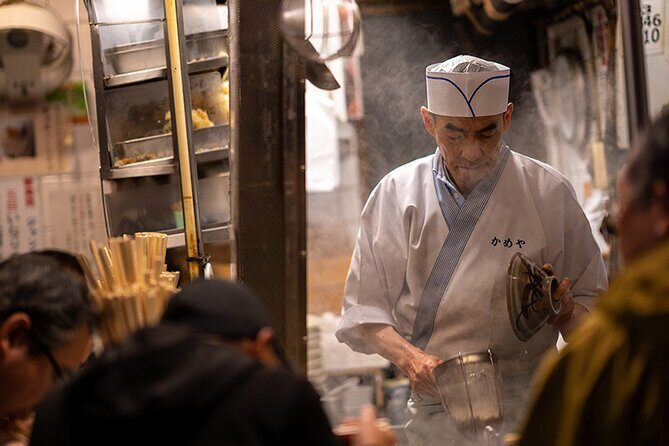
This tour can include pickup, and it uses a mobile ticket. Pickup can matter a lot if your first day in Yokohama includes transit fatigue or you’re staying somewhere that’s not perfectly walkable.
You should also plan on meeting in Yokohama and ending back at the same meeting point. That keeps things simple and helps you stitch the rest of your day around the tour.
A few practical reminders:
- Public transportation isn’t included, so factor in how you’ll get to the meeting area.
- The tour is a walking format, so wear comfortable shoes.
- Since it’s private—only your group participates—you can ask for pacing adjustments when your guide checks in.
And yes, one booking history included a cancellation due to COVID, with a guide contracting illness and legal restrictions affecting communication. While that’s rare, it’s a reminder to keep your schedule flexible when you’re booking food tours close to travel deadlines.
Quick Practical Tips to Get the Most From Your Tastings
If you want this tour to feel like eating with a local friend (not like herding cats), do a little prep.
First, be ready to eat what you’re offered without turning it into a negotiation. The best guided food experiences move quickly because the food choices are part of the timing. If you have allergies or strong dislikes, tell the guide early so they can steer you to safer options.
Second, pace your appetite. You’ll hit Chinatown more than once and then spend two hours in Noge-cho. If you go too hard at the start, you’ll feel it later.
Third, bring small cash just in case. The tour includes entries and dishes, but street life can tempt you into extra purchases. The tour itself is structured, but the surrounding neighborhoods are not. You’ll see more food than the tour can possibly include.
Finally, use the support channel. If you’re trying to plan dinner after the tour, ask your guide about reservations. That extra help can save time and reduce the stress of hunting for a good place when you’re tired.
Should You Book This Yokohama Eat Like a Local Tour?
I’d book this if you want a high-guidance food route through Chinatown and Noge-cho with real human choices behind it. The strongest reason to choose it is simple: you’re getting guided ordering and pacing across multiple tastings, including Chinatown moments where the wrong pick can happen fast when you’re on your own.
I’d think twice if you’re very sensitive to crowding, or if you want a totally free-form exploration day with no structure. Chinatown can be tight, and the tour moves you through it on a schedule.
If you can handle walking for a few hours and you like the idea of getting better-than-average food decisions in a limited time window, this is a smart way to experience Yokohama’s food culture.
FAQ
How long is the Eat Like a Local in Yokohama walking tour?
The tour lasts about 4 hours.
Is pickup available?
Pickup is offered.
What’s included in the price?
The price includes admission/entry fees when tickets apply, a variety of local dishes at different locations, and support during your time in Japan before and after the tour.
Do I need to buy tickets for entry stops?
Any entry fees are included, and the tour description notes tickets for certain Chinatown segments.
Is this tour private?
Yes. It’s a private tour/activity, and only your group will participate.
What is the cancellation policy?
You can cancel for a full refund if you cancel at least 24 hours in advance of the experience start time.
Are service animals allowed?
Service animals are allowed.
More Tours in Yokohama

More Tour Reviews in Yokohama
Next Door in Yokohama
Yokohama Tours, compared.
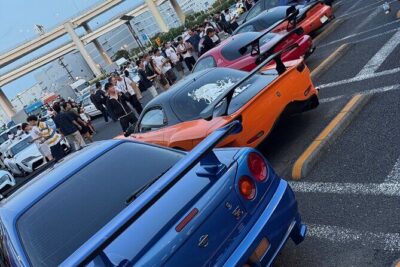 ★ 4.9EVO, WRX, Skyline – JDM Night Run to Daikoku Car MeetFrom $125478 reviews
Best Price Daikoku Parking Area JDM Car MeetFrom $76192 reviews
★ 4.9EVO, WRX, Skyline – JDM Night Run to Daikoku Car MeetFrom $125478 reviews
Best Price Daikoku Parking Area JDM Car MeetFrom $76192 reviews
 ★ 4.9Daikoku & Tokyo Private JDM Tour by 700HP R34 GT-RFrom $586101 reviews
 ★ 5.0Tokyo 8hr Private Tour with Licensed Guide from YokohamaFrom $20194 reviews
 ★ 5.0【Tokyo】JDM Daikoku Parking Area & Nissan Facility TourFrom $5587 reviews
 ★ 4.5Narita Airport: One Way Private Transfer to Tokyo|Yokohama HotelsFrom $7769 reviews
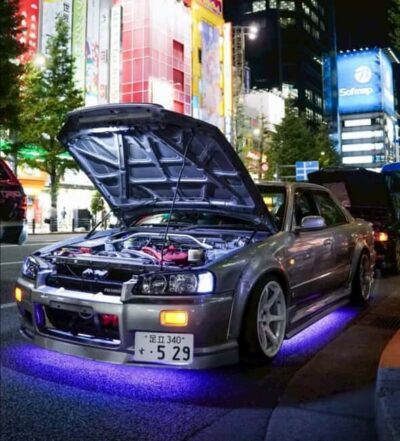 ★ 5.0R34Skyline Daikoku PA Fast & Furious Private ExperienceFrom $10963 reviews
 ★ 5.0Shuttle Van Transfer, Yokohama(Port)⇒Tokyo, Narita, Haneda, TDRFrom $12263 reviews
Browse the lists this tour appears in