
Reviewed · YOKOHAMA TOURS
Best of Tokyo Private Tour for Yokohama Cruise Passengers
Tokyo in a single day feels fast. This private Yokohama cruise-to-Tokyo plan works because you get to customize the route with an English-speaking guide like Ishida, then ride Japan’s trains without wrestling the stations on your own. I also like that the day is built around a possible Shinkansen return to Yokohama, so your last leg feels like part of the sightseeing.
One thing to plan for: it’s a walking-heavy day. You’ll cover several neighborhoods on foot using great public transit, and the guide may suggest a taxi at your expense if it helps you save steps, but long stretches are still part of the deal.
In This Review
- Key points at a glance
- Why this Yokohama cruise-to-Tokyo plan works
- Meeting Ishida in Yokohama and getting to Tokyo
- Shibuya Crossing: your first taste of Tokyo’s pace
- Ameyoko Shopping Street: street food and bargain hunting
- Akihabara: electronics history meets pop culture
- Ginza: polished shopping with a calmer rhythm
- Kokyo Gaien / Imperial Palace gardens: royal grounds without the stress
- Tokyo Central Station and the Shinkansen back to Yokohama
- Price and the real value you should calculate
- What you’ll actually do during the 8 hours
- Who this tour suits best (and who should reconsider)
- Should you book this private Tokyo day from Yokohama?
- FAQ
- Is this tour private?
- How long is the tour from Yokohama to Tokyo?
- What’s included in the price?
- What should I pay for on the day?
- Is pickup available for cruise passengers?
- How much walking is involved?
- Do the attractions require paid admission?
- Can I choose which Tokyo landmarks to visit?
- Is the Shinkansen return included?
Key points at a glance
- Private, custom route based on what you want to see most in Tokyo
- English-speaking guide (Ishida) who helps you navigate trains and station flow
- Core stops that fit a cruise day: Shibuya, Ameyoko, Akihabara, Ginza, and Imperial Palace grounds
- Shinkansen option back to Yokohama with an added-ticket cost of about ¥1,500 per person
- Free admission listed for most stops, but you may still pay local costs the guide covers on the day
Why this Yokohama cruise-to-Tokyo plan works
If your ship docks in Yokohama and you only have one day, you need two things: a plan that actually fits cruise timing and a guide who knows how to move efficiently through Tokyo. This tour is designed around that reality. You meet in Yokohama, then you head to Tokyo by train and return at a designated time—no wandering around hoping you’ll still make it back.
The itinerary also has a smart pacing structure. You get multiple “big name” districts—Shibuya Crossing, Ameyoko, Akihabara, Ginza—plus the Imperial Palace area. The tour is set up so you can cover about 3 to 4 of these Tokyo landmarks within the 8 hours (approx.) window, which is exactly what you want when you’re on a cruise schedule. You’re not trying to sprint through all of Tokyo.
Meeting Ishida in Yokohama and getting to Tokyo
The tour includes pickup from your cruise ship terminal (or a hotel, depending on where you’re starting). That matters. In Yokohama, the easiest mistake is spending your limited time figuring out how to meet up, find the right entrance, or translate what platform you need. With pickup, that friction is removed.
Once you’re headed out, the big advantage is that the guide handles the practical rhythm: where to board, how to transfer, and how to keep the day moving. Tokyo’s public transit is excellent, but the station maze can be intimidating if you’re doing it alone—one reason this tour gets strong praise. In the feedback I saw, groups highlighted how Ishida arrived early, explained the plan before you started, and kept the day organized even when trains and walking routes were involved.
The tour uses Japan’s train system as the backbone, with the option to reduce walking by taxi if needed. That taxi suggestion is at your expense, so think of it as a tool the guide can use for time-saving, not an automatic included upgrade.
Shibuya Crossing: your first taste of Tokyo’s pace
Shibuya Crossing is the kind of place you can see from video for years—but it’s different in person. You’ll experience the moment where many pedestrian streams flow at once. Even if you’re not chasing photos, it gives you instant context for what Tokyo feels like: fast, dense, and highly organized.
This stop gives you about 1 hour, which is enough for a loop around the intersection area, a couple of vantage points for photos, and a chance to reset your bearings before you move deeper into neighborhoods. The tour also gives you a guide-led flow, so you spend less time asking questions and more time watching what’s actually going on.
Downside? Shibuya is busy by nature. If you hate crowds or you want quiet, you might find the experience a bit intense. In that case, I’d use the hour to focus on photos and people-watching, then move on before you feel overstimulated.
Ameyoko Shopping Street: street food and bargain hunting
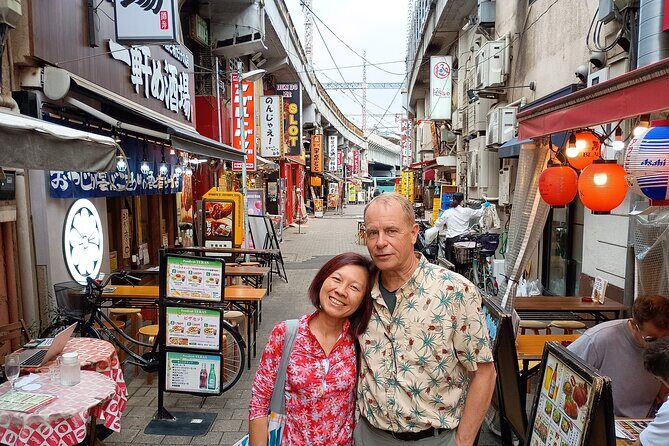
Next is Ameyoko Shopping Street, a lively market area where you can browse stalls for souvenirs, clothing, and snacks, and where the food scene runs strong. This is one of those stops that’s great even if you don’t plan to buy much. You’ll get a feeling for Tokyo’s street-level shopping culture in a way that polished malls can’t replicate.
You’ll get about 1 hour here, and that hour is best used actively:
- If you want snacks, grab something small early so you don’t lose momentum later.
- If you want souvenirs or casual shopping, set a simple target (one bag of gifts, one outfit item, etc.) and avoid getting lost in endless choices.
Admission here is listed as free, which makes Ameyoko a good value stop. The only caution is that you’re still walking and moving through crowds, so it’s not the place to bring huge luggage. This tour already warns against big luggage for that reason.
Akihabara: electronics history meets pop culture
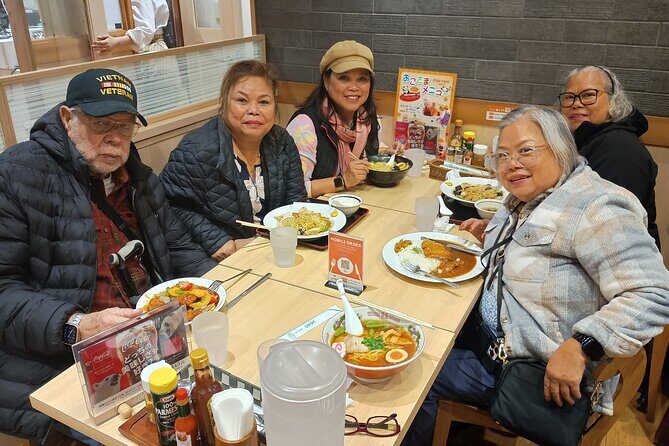
Akihabara is the district where you can feel Tokyo’s tech and pop culture overlap. Depending on what you like, this can go two ways: electronics browsing for gadgets, headphones, and components—or anime and gaming culture energy that shows up in shops, signs, and themed merchandise.
You’ll have about 1 hour, and I’d treat this stop as a sampling period. In an area like Akihabara, it’s easy to fall into a long browse trap. With a cruise day, you’ll get more satisfaction from a focused walk: find one or two shops that match your interests, take a few photos, and buy only if something truly fits your trip.
The tour includes a guided explanation of Akihabara’s shift from an electronics district into a pop culture hub. That context helps you enjoy what you see instead of just walking past neon displays and assuming you missed the point.
Ginza: polished shopping with a calmer rhythm
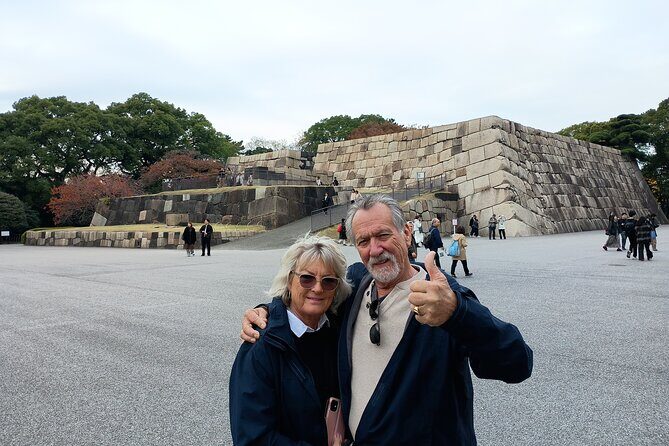
Then the tour heads to Ginza, Tokyo’s upscale shopping district. Ginza is a nice contrast after the more niche, high-energy neighborhood vibe. Here, you’ll see the department store style of shopping—big storefronts, modern streets, and an overall “cleaner” feel.
You’ll get about 1 hour, which works well because Ginza can be more window-shopping than must-see sightseeing. If you like luxury brands, this is where Ginza delivers. If you don’t, it’s still a useful stop because it changes the tone of the day and shows you another side of Tokyo.
Admission is listed as free, so you’re not paying extra just to walk around. The only realistic “cost” is time and attention—Ginza tends to make people want to wander inside shops. Your guide can help you keep it efficient so you don’t eat into time for the Imperial area or the train ride.
Kokyo Gaien / Imperial Palace gardens: royal grounds without the stress
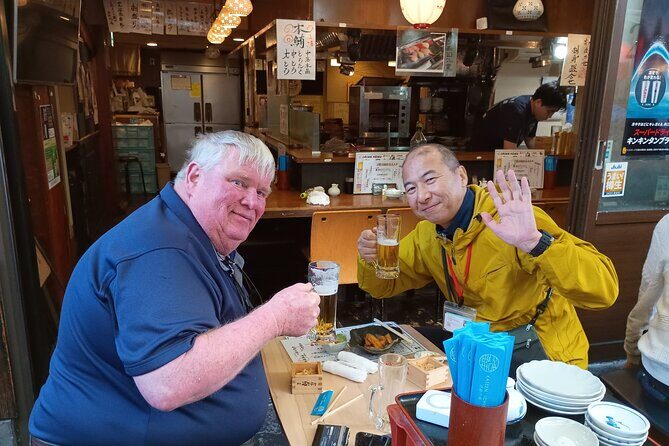
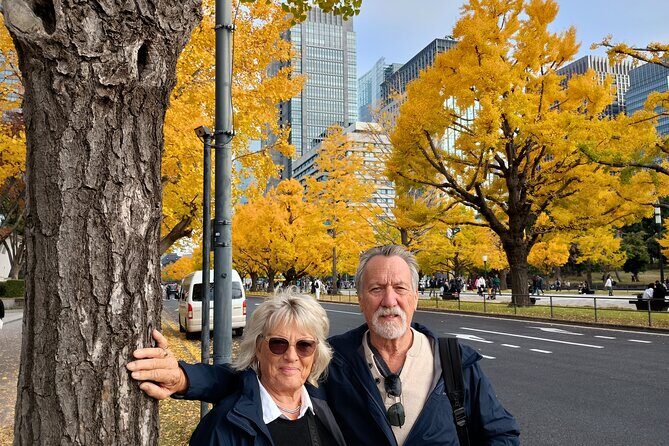
This stop is Kokyo Gaien National Garden, with a guided visit connected to the Imperial Palace grounds. You’ll have about 45 minutes. That’s not a long time, but it’s enough to experience the scale and calm of the area and understand why this location matters in Japan’s cultural geography.
The value here is practical: Tokyo has a reputation for nonstop movement, and the Imperial grounds are a clear reset. It also rounds out the day thematically. You’re moving through commerce and pop culture districts, then finishing with a place that carries historic importance and a different pace.
Possible drawback: if you’re hoping for a long, deep tour of every palace detail, the time is short by design. This is built for cruise schedules, and the goal is “see what you can, enjoy it, don’t rush your life away.”
Tokyo Central Station and the Shinkansen back to Yokohama
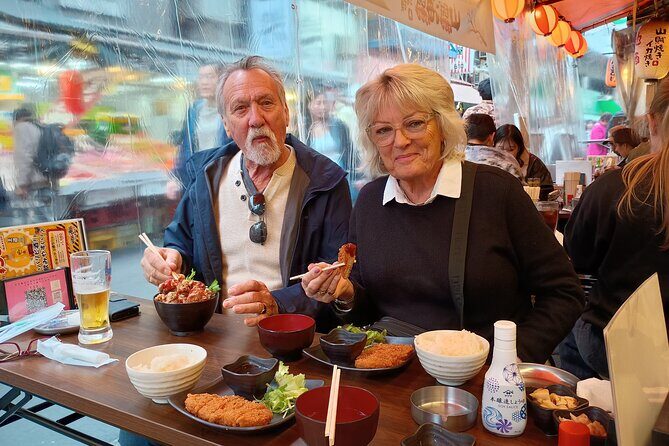
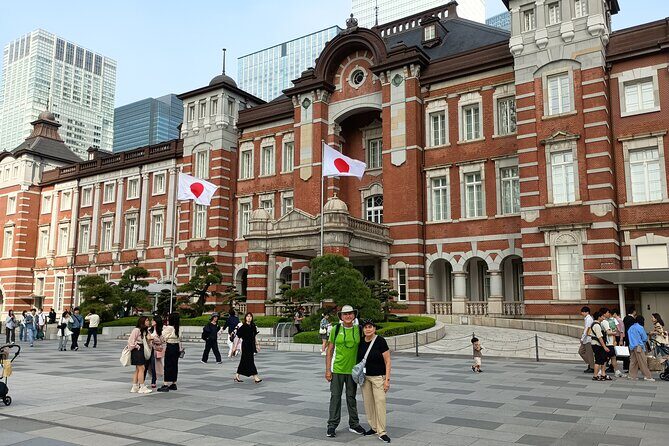
At the end, you reach Tokyo Central Railway Station, and the tour transitions into the return leg. There’s a 20-minute segment for the ride to Yokohama when you choose the bullet train.
The tour’s big special highlight is the option to ride the Shinkansen. The ticket cost is about ¥1,500 per person and is noted as not included, but the payoff is huge. The Shinkansen turns the end of your day into a memorable travel moment instead of just transportation.
In feedback I saw, groups described the train journey as awesome and said the bullet train experience was a clear highlight. That matches what I think you’ll feel too: the speed is impressive, but it’s also the smoothness, the comfort, and the feeling that you’re doing something very Tokyo in the final stretch.
One logistics point: the stop at Tokyo Central Station is where you’ll want to be extra ready—follow your guide, keep your phone accessible for the mobile ticket, and be on time for boarding. You’ll be trading flexibility for a set return schedule, which is normal for cruise excursions.
Price and the real value you should calculate
The price is listed at $130.31 per person for an 8-hour private tour with pickup included and a guide fee included. That’s not just paying for sightseeing. You’re paying for:
- a private guide who customizes your choices (so you’re not stuck with a rigid checklist)
- cruise-to-city logistics via pickup
- hands-on help navigating public transportation
Now the “read the fine print” part. Lunch is not included. Transportation fare and the actual costs for the guide are also paid by you on the day. The guide’s actual costs are noted as approximately ¥2,000 (covering items like train fare, admissions, lunch, etc.). Plus, if you choose the Shinkansen return, plan for around ¥1,500 per person for those tickets.
So how do you judge value fairly? If you were to do this solo, you’d spend time planning routes, figuring out transfers, and paying for a lot of tickets/admissions anyway. With this tour, you’re buying saved mental energy plus smarter timing. If you like the included lineup (Shibuya, Ameyoko, Akihabara, Ginza, Imperial grounds), you’re likely to “use” most of what you paid for.
Also: the itinerary lists admission as free for many stops. That helps keep the surprise costs down, but you should still budget for the on-the-day guide costs and lunch.
What you’ll actually do during the 8 hours
This is a flexible framework, but the structure is clear: it’s a guided, mostly walking day with transit between areas.
You can expect:
- Short, purposeful stops that let you see the big sights without turning the day into a marathon
- About an hour in major districts like Shibuya, Ameyoko, Akihabara, and Ginza
- A shorter Imperial grounds stop (about 45 minutes)
- A train ride back timed for your schedule, with an optional Shinkansen experience
One review note that stood out: one group mentioned ending up around nine miles of walking. That’s a useful reality check. Even if each stop feels manageable, the total walking adds up when you’re doing multiple districts. If you’re a confident walker, you’ll probably feel fine. If you’re unsure, this is where the guide’s taxi suggestions might matter, but only if your budget can handle it.
Who this tour suits best (and who should reconsider)
This tour is a strong match if you:
- want a private day with a plan that fits a cruise schedule
- like a mix of Tokyo neighborhoods: fashion/people-watching (Shibuya), street shopping (Ameyoko), tech and pop culture (Akihabara), and upscale shopping (Ginza)
- are excited about the option to take the bullet train back to Yokohama
- are comfortable walking for long stretches
It’s not a great match if you:
- cannot walk for long periods
- have big luggage you don’t want to carry through stations and on foot
- need a very slow, low-crowd schedule
For families or mixed-age groups, it can still work if everyone is up for walking and you use the guide’s pacing wisely. The guide can also customize what you actually prioritize, which helps you avoid the “forced stop” problem.
Should you book this private Tokyo day from Yokohama?
Yes—if you want an efficient, guide-led Tokyo day that includes both classic neighborhoods and a high-joy travel moment at the end. This tour’s strongest points are practical: pickup that prevents time loss, an English-speaking guide (Ishida) who helps you navigate the rail system, and a route that puts real Tokyo districts within reach in about 8 hours.
I’d book it with two expectations in mind:
1) you’ll walk more than you think, so pack accordingly
2) your final bill will likely include on-the-day costs plus the Shinkansen ticket if you choose it
If that sounds like your kind of cruise adventure—busy enough to feel you earned your day, organized enough to keep stress low—this is a solid choice.
FAQ
Is this tour private?
Yes. It’s a private tour, so only your group participates.
How long is the tour from Yokohama to Tokyo?
It’s about 8 hours.
What’s included in the price?
The price includes the guide fee, pickup at your cruise ship terminal (or hotel), and customizing the tour to your interests.
What should I pay for on the day?
Lunch is not included. Transportation fare isn’t included, and you’ll also pay the actual costs for the guide on the day, which are listed as approximately ¥2,000 (including items like transport, admissions, and lunch). If you choose the Shinkansen return, the ticket is about ¥1,500 per person and is not included.
Is pickup available for cruise passengers?
Yes. Pickup is offered at the cruise ship terminal.
How much walking is involved?
It’s primarily a walking tour. It’s not recommended for people who can’t walk for long periods, and it’s also not recommended if you have big luggage.
Do the attractions require paid admission?
The listed stops show free admission for those locations, but you should still budget for on-the-day costs the guide covers, since actual costs can include admissions.
Can I choose which Tokyo landmarks to visit?
Yes. You can freely choose which landmarks to visit, and you can cover about 3 to 4 major destinations in an 8-hour tour.
Is the Shinkansen return included?
No. The option is available for your return trip, but the Shinkansen ticket cost (about ¥1,500 per person) is not included.
More Tours in Yokohama

More Tour Reviews in Yokohama
Next Door in Yokohama
Yokohama Tours, compared.
 ★ 4.9EVO, WRX, Skyline – JDM Night Run to Daikoku Car MeetFrom $125478 reviews
Best Price Daikoku Parking Area JDM Car MeetFrom $76192 reviews
★ 4.9EVO, WRX, Skyline – JDM Night Run to Daikoku Car MeetFrom $125478 reviews
Best Price Daikoku Parking Area JDM Car MeetFrom $76192 reviews
 ★ 4.9Daikoku & Tokyo Private JDM Tour by 700HP R34 GT-RFrom $586101 reviews
 ★ 5.0Tokyo 8hr Private Tour with Licensed Guide from YokohamaFrom $20194 reviews
 ★ 5.0【Tokyo】JDM Daikoku Parking Area & Nissan Facility TourFrom $5587 reviews
 ★ 4.5Narita Airport: One Way Private Transfer to Tokyo|Yokohama HotelsFrom $7769 reviews
 ★ 5.0Shuttle Van Transfer, Yokohama(Port)⇒Tokyo, Narita, Haneda, TDRFrom $12263 reviews
 ★ 5.0R34Skyline Daikoku PA Fast & Furious Private ExperienceFrom $10963 reviews
Browse the lists this tour appears in