
Reviewed · MT FUJI DAY TRIPS
Barrier-Free Private Mt. Fuji Tour for Wheelchair Users
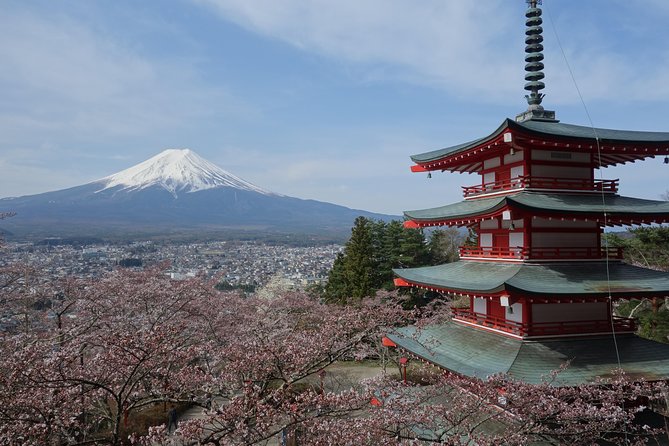
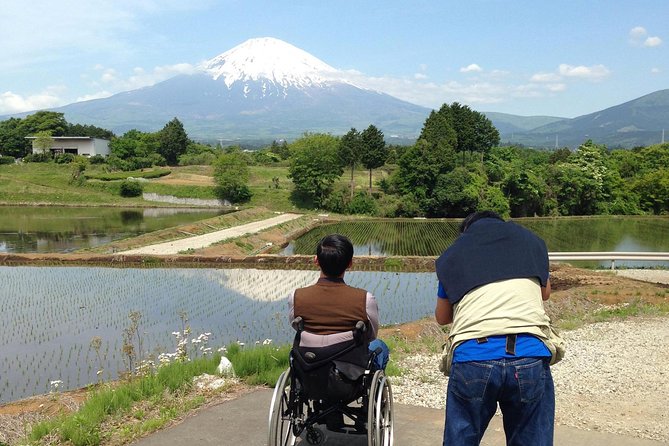
Mt. Fuji gets close today. This is a private, wheelchair-accessible way to experience Mt. Fuji and the Fuji Five Lakes area without long, steep climbs—built around comfortable transport and stops you can actually enjoy from your seat. Even on cloudy days, you still get out of Tokyo and into that Fuji-region rhythm, with time to take photos, look around, and breathe.
What I like most is the way the tour handles accessibility in real life. Guides such as Keita and Rie sound genuinely attentive and thoughtful, and they tailor the day so you can focus on what you can see and do. I also like the pacing: it’s not a sprint. You get structured time at each place (around an hour here, 30–40 minutes there) so you aren’t rushed between viewpoints.
The one drawback to plan for is weather. Mt. Fuji visibility can shift quickly, and you might still have an unforgettable day even if the mountain is partly hidden—but you should expect that view to be less certain than, say, a city monument.
In This Review
- Key things I’d prioritize on this tour
- A wheelchair-accessible Mt. Fuji day that stays realistic
- Price and what you’re really buying (especially for a wheelchair tour)
- Getting started: Tokyo Station, 8:00 am, and a guided plan
- Stop 1: Mt. Fuji Subaru Line 5th Station without the summit scramble
- Stop 2: Lake Kawaguchiko and Oishi Park’s flower-filled shoreline views
- Stop 3: Itchiku Kubota Art Museum for kimono dyeing you can’t Google into existence
- Stop 4: Oshino Hakkai springs and that famous bright blue water
- Lunch and pace: what’s included, what you’ll pay for, and how to plan
- The boat cruise option: scenic, but pay attention to the extra ticket
- How your guide makes or breaks this kind of tour
- Weather reality: what to expect if Mt. Fuji is hidden
- Who should book this tour?
- Should you book it? My take
- FAQ
- How long is the Mt. Fuji wheelchair-friendly private tour?
- What is the group size for this private tour?
- Where does the tour start and end?
- Is hotel pickup included?
- What accessibility features are included for wheelchair users?
- What’s included in the price?
- What costs extra during the tour?
- Is the sightseeing boat included automatically?
- What if the weather is bad?
- What is the cancellation policy?
Key things I’d prioritize on this tour
- Private, wheelchair-friendly vehicle: you’re not shoehorned into tight group transfers.
- Tokyo hotel pickup and drop-off: you start at Tokyo Station and end back there, with pickup offered.
- Flexible viewing choices: you can focus on Fuji 5th Station and/or scenic options around Lake Kawaguchiko and the Fuji Five Lakes.
- Museum time included in the route: plan for Itchiku Kubota Art Museum (with admission paid by you).
- Photo stops that don’t depend on hiking: Fuji 5th Station, Oishi Park, and Oshino Hakkai are designed for sightseeing without summit climbing.
A wheelchair-accessible Mt. Fuji day that stays realistic
This kind of tour is all about matching ambition to practicality. Mt. Fuji is famous, but the routes people imagine often involve stairs, rough ground, and sudden long walks. Here, the emphasis is on reaching meaningful viewpoints and nearby highlights using barrier-free transport and guided help so your day doesn’t turn into a logistics problem.
The private format matters. With a group size up to 6, your guide can steer timing and movement around your needs. In the feedback I’ve seen, guides like Keita and Rie come across as warm and hands-on—exactly what you want when you’re managing accessibility.
You should also know the overall length: plan on about 11 to 12 hours. That’s a full day, but the stops are spaced in a way that usually feels more like a scenic outing than a marathon.
Price and what you’re really buying (especially for a wheelchair tour)
The price is $1,439.87 per group (up to 6). That’s not “cheap,” but it isn’t just paying for driving. In practice, you’re paying for:
- Private transportation with an air-conditioned vehicle suited for wheelchair users
- Hotel pickup and drop-off from Tokyo (and the tour meets at Tokyo Station area)
- An English-speaking guide
- A route organized around accessible sightseeing time
- A tour that can include paid admissions only where it makes sense (museums, optional boat cruise)
If you’re traveling solo in a wheelchair, cost per person can feel high. If you’re traveling with family or friends, it often becomes much more reasonable because the price is per group, not per seat. Think of it like you’re buying flexibility and attention, not just sightseeing.
Also, keep your budget honest. Food and drinks aren’t included, and major entrances aren’t included either (with museum fees you’ll need to pay on the day). Optional add-ons like the boat cruise also cost extra.
Getting started: Tokyo Station, 8:00 am, and a guided plan
The meeting point is Tokyo Station (1 Chome-9 Marunouchi, Chiyoda City), with a start time of 8:00 am. The tour ends back at the meeting point. Pickup is offered, so if you’re not staying right near Marunouchi, you’ll want to confirm your pickup location details with the operator when you book.
The day starts early for a simple reason: you’re crossing out to the Fuji area and using daylight for views, parks, and lakeside sightseeing. For wheelchair travelers, earlier starts can also help reduce stress later in the day if crowds or traffic build.
You’ll also receive a mobile ticket, which is convenient. And the tour notes that service animals are allowed.
Stop 1: Mt. Fuji Subaru Line 5th Station without the summit scramble
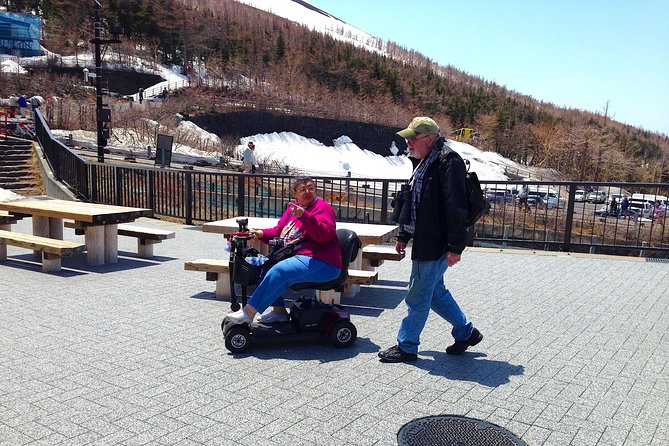
Your first major viewpoint is Mt. Fuji Subaru Line 5th Station. This is the key “you’ve been up Mt. Fuji” stop because it’s the highest point you can reach by car. You’re not doing a summit hike here, but you still get altitude, scale, and that sense of standing near the mountain rather than just seeing it from afar.
The stop is around 1 hour, and admission is free for this specific station ticket. What makes this stop work for wheelchair users is that it’s built for visitors who want the Fuji experience without committing to the full climb.
Tradeoff to keep in mind: visibility. Mt. Fuji can disappear behind cloud cover. If that happens, you’ll still be in the mountains and you’ll still get a different feeling than staying in Tokyo—but you might adjust your expectations for how much you’ll see.
Stop 2: Lake Kawaguchiko and Oishi Park’s flower-filled shoreline views
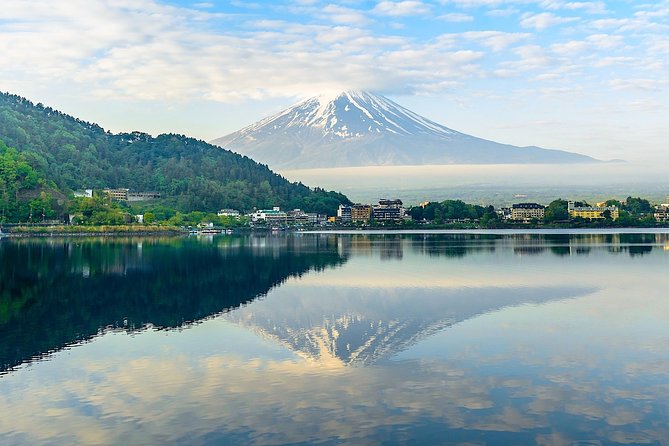
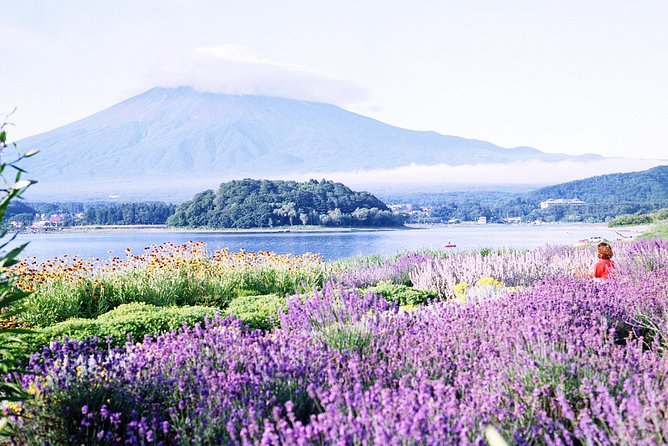
Next up is Lake Kawaguchiko, followed by Oishi Park. If you like scenery that’s easy to photograph from accessible paths, this is a strong pairing. Oishi Park is known for flower fields running along the lakeshore, so the lake is part of the composition instead of a backdrop you only glimpse between walks.
This segment is about 30 minutes, with admission ticket-free included for the area you visit. In a full-day itinerary, 30 minutes might sound short, but for many people it’s enough. You can get your photos, enjoy the view, and then move on before the energy level drops.
Small planning note: because this is a lakeside area, weather matters. Wind and temperature shifts happen fast around water. If you’re sensitive to cold or glare, bring something simple for comfort.
Stop 3: Itchiku Kubota Art Museum for kimono dyeing you can’t Google into existence
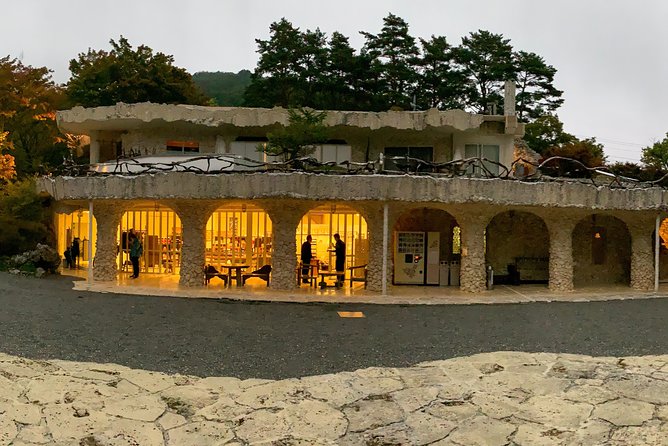
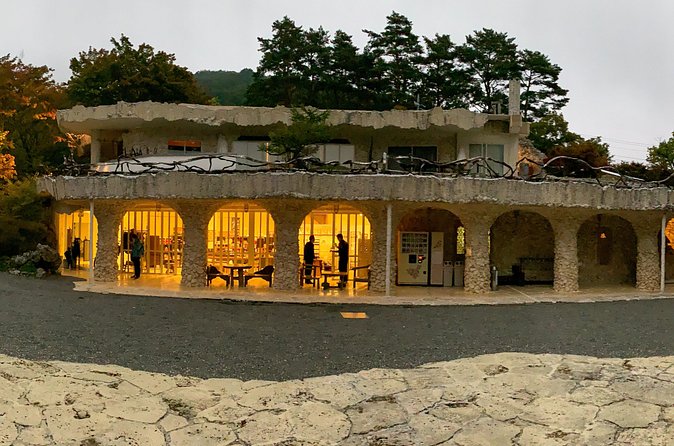
The Itchiku Kubota Art Museum is the art stop that turns a scenic day into something more personal and unusual. The museum focuses on Kubota Itchiku and his revival of the traditional fabric dyeing technique called Tsujigahana. The art draws on older roots from Japan’s Muromachi period, and the museum is set up so you can take your time with the craftsmanship.
Your museum time is about 1 hour. Admission is not included. The fee listed for the Itchiku Kubota Art Museum is 1,300 yen per person. If you’re also visiting the Music Forest Museum instead (the tour options mention that choice), that admission is 1,800 yen per person, and you’d pay that separately.
The value here isn’t just seeing a building or a display. It’s seeing how much work goes into dyeing and patterning, and how those pieces relate to Japanese tradition. For wheelchair travelers, it’s also a relief to have an enclosed space where you can slow down, regroup, and enjoy something indoors when the weather isn’t ideal.
Stop 4: Oshino Hakkai springs and that famous bright blue water
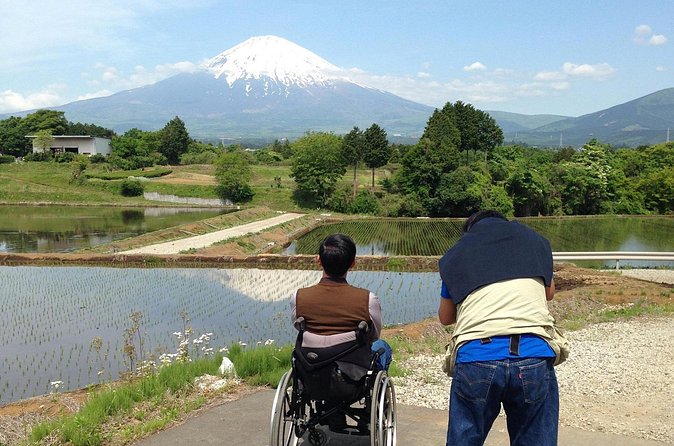
After the museum, you move to Oshino Hakkai, a small area with eight springs. It’s known for water that’s a striking shade of blue and for the way the springs are tied to reverence and pilgrim-like purification traditions.
This stop is about 40 minutes, and admission is free for the portion you visit. The springs are the point, and the setting is compact compared to larger attractions. That compact feel can be a win on a wheelchair tour: you’re still sightseeing, but you’re not crossing giant distances.
The main consideration is that water-related attractions can mean uneven surfaces in some areas depending on where you go and how the day is routed. Since your guide is part of the accessibility plan, ask them on the spot how they’ll position you for viewing so you don’t end up frustrated or stuck.
Lunch and pace: what’s included, what you’ll pay for, and how to plan
Lunch isn’t included, but you’ll have time for it at a wheelchair-friendly traditional Japanese restaurant. That sounds like the right kind of compromise: you get a local meal without having to research accessibility yourself.
Because food and drinks aren’t included, budget for lunch and any beverages you want. If you have dietary needs, it’s worth discussing them with the guide when the day begins. The tour data doesn’t list meal options, so you’ll want to rely on the guide to help you navigate the restaurant’s offerings.
Timing-wise, the day flows from viewpoint to lakeside to museum to springs, which is a good balance of motion and slower indoor time.
The boat cruise option: scenic, but pay attention to the extra ticket
The tour overview includes an option for a relaxing boat cruise on Lake Kawaguchiko. If you choose this, plan for an added cost: the sightseeing boat ticket is 1,000 yen per person, and it isn’t included in the base price.
The “only if you want it” part is important. A boat can be relaxing, but it can also add time and transfer steps depending on the dock setup. If your energy levels are limited, skipping it may help you enjoy the rest of the day more fully.
How your guide makes or breaks this kind of tour
On a wheelchair-friendly day trip, the vehicle is only half the story. The other half is the guide’s judgment: where to wait, how to handle transitions, how to adjust timing if visibility changes, and how to help you pick the most enjoyable parts of the day.
The tour feedback highlights that Keita was considerate and welcoming, focusing on what someone could actually see and do. Another guide, Rie, is described as incredible and highly attentive, with customization to preferences and smooth care from the driver and guide through each step.
That’s the real value here. You’re not just checking boxes. You’re getting a plan that adapts, which matters a lot when you’re managing mobility.
Weather reality: what to expect if Mt. Fuji is hidden
The tour requires good weather, and it also notes that it may be canceled due to poor conditions, with an offer of a different date or a full refund. Even so, on many Fuji days, clouds can roll in and out.
If Mt. Fuji is covered, the day doesn’t become useless. You’ll still be in the Fuji area with lakes, springs, flowers, and art. But if your main goal is a clear, dramatic summit view, you should know you’re gambling a little—because that’s how Mt. Fuji works.
Who should book this tour?
This tour is a great fit if you want:
- Accessible, private transportation and a guide who can tailor the day
- A Fuji-region itinerary that doesn’t require a summit hike
- Scenic stops plus one indoor cultural stop (the museum)
- A full-day outing that feels structured rather than chaotic
It may not be the best choice if you prefer a shorter, low-commitment trip. This is 11 to 12 hours, and it’s priced per group. Think of it as a “do it right” day rather than a casual half-day.
Should you book it? My take
Yes, I’d book it if you’re traveling with a wheelchair and you want the Mt. Fuji day experience without forcing yourself into the usual hiking-style itinerary. The private format, accessible car setup, and English-speaking guide support are the big reasons this works.
Book it with a clear plan for extra costs: museum admission (Itchiku Kubota or Music Forest, depending on your choice) and lunch/any drinks. If you also want the boat cruise, budget the 1,000 yen per person added ticket.
If you’re chasing a perfect, cloud-free summit shot, keep your expectations flexible. Still, the combination of 5th Station viewpoints, Oishi Park lakeside flowers, Oshino Hakkai springs, and a museum focused on Tsujigahana-style dye work makes this a memorable day even when the sky plays tricks.
FAQ
How long is the Mt. Fuji wheelchair-friendly private tour?
It runs about 11 to 12 hours.
What is the group size for this private tour?
It’s a private tour for your group, up to 6 people.
Where does the tour start and end?
It starts at Tokyo Station (1 Chome-9 Marunouchi) and ends back at the meeting point.
Is hotel pickup included?
Yes, hotel pick-up and drop-off from Tokyo are included, and pickup is offered.
What accessibility features are included for wheelchair users?
The tour includes a wheelchair-friendly car and a barrier-free private tour approach, along with a wheelchair-friendly car and an English-speaking guide.
What’s included in the price?
Included are an air-conditioned vehicle, private transportation, wheelchair-friendly car, hotel pick-up/drop-off from Tokyo, and an English-speaking guide. You also get a mobile ticket.
What costs extra during the tour?
Food and drinks aren’t included. Entrance fees are not included, including the Itchiku Kubota Art Museum (1,300 yen per person) or the Music Forest Museum (1,800 yen per person). If you choose a boat cruise, the sightseeing boat ticket is 1,000 yen per person.
Is the sightseeing boat included automatically?
No. If you choose the boat cruise option, you’ll need to buy the boat ticket separately.
What if the weather is bad?
The experience requires good weather. If it’s canceled due to poor weather, you’ll be offered a different date or a full refund.
What is the cancellation policy?
You can cancel for a full refund up to 24 hours before the experience’s start time. Free cancellation is available per the policy.
Mt Fuji Day Trips, compared.
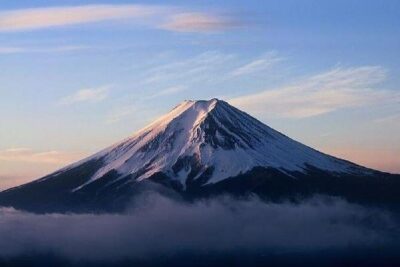 ★ 4.0Mt Fuji & Hakone Cruise, Drum Show Bullet Train 1 Day from TokyoFrom $1497,413 reviews
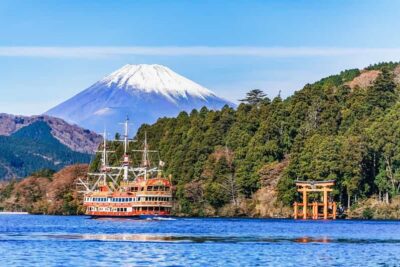 ★ 4.4Tokyo Mt Fuji 5th St & Hakone Cruise Bus Tour w/Bullet TrainFrom $1545,024 reviews
 ★ 4.5From Tokyo: Mount Fuji Full-Day Sightseeing TripFrom $684,970 reviews
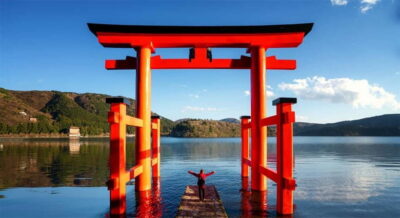 ★ 4.7Mt. Fuji Tour, Hakone Ropeway, Owakudani, Lake AshiFrom $544,002 reviews
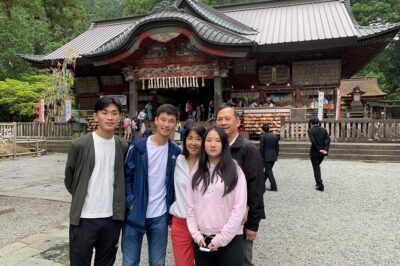 ★ 5.0Private Tour to Mt. Fuji and Hakone (Fully Licenced Operator)From $4971,910 reviews
 ★ 4.9Mount Fuji Full-Day Private Tour from Tokyo (Customizable)From $3931,470 reviews
 ★ 4.0Mt Fuji & Hakone Cruise, Drum Show Bus 1 Day from TokyoFrom $1221,287 reviews
 ★ 4.2From Tokyo: Mt. Fuji & Hakone Tour w/ Return by Bullet TrainFrom $1171,278 reviews
Browse the lists this tour appears in