
Reviewed · YOKOHAMA TOURS
Yokohama Manga Art & Japanese Cooking Experience
Manga and dinner in one sitting is a rare combo. This Yokohama experience pairs a hands-on manga drawing session with a practical Japanese cooking class, all in a cozy traditional home setting. It’s a great fit when you want something more personal than a typical restaurant meal.
Two things I really like: you create an original manga character (not just watch), and you make sushi rolls plus gyoza with step-by-step coaching. One thing to think about first: this is in Yokohama, not Tokyo, so plan your trip timing and transit accordingly.
In This Review
- Key points before you book
- Manga Lessons and a Real Yokohama Home
- Your Manga Character Session: Linework, Shading, and Take-Home Art
- Sushi Roll Workshop: Seasonal Fillings and Shaping Skills
- Gyoza from Scratch: Wrapping, Cooking, and Dipping Sauce
- Dining Like a Host: Tea, Snacks, and a Relaxed Pace
- Price and Value for a 3-Hour Class in Honshu
- What to Expect During Your 3 Hours (and What Might Surprise You)
- Who This Experience Fits Best (and Who Might Skip It)
- Should You Book Sakura Sketch Japan in Yokohama?
- FAQ
- How long is the Yokohama Manga Art & Japanese Cooking Experience?
- Where does the experience take place?
- What’s included in the price?
- Do I need prior manga drawing experience?
- Do I need prior cooking experience?
- What languages are supported?
- Can I take something home from the manga session?
- Are dietary needs accommodated?
- Is there an option to pay later and cancel?
Key points before you book
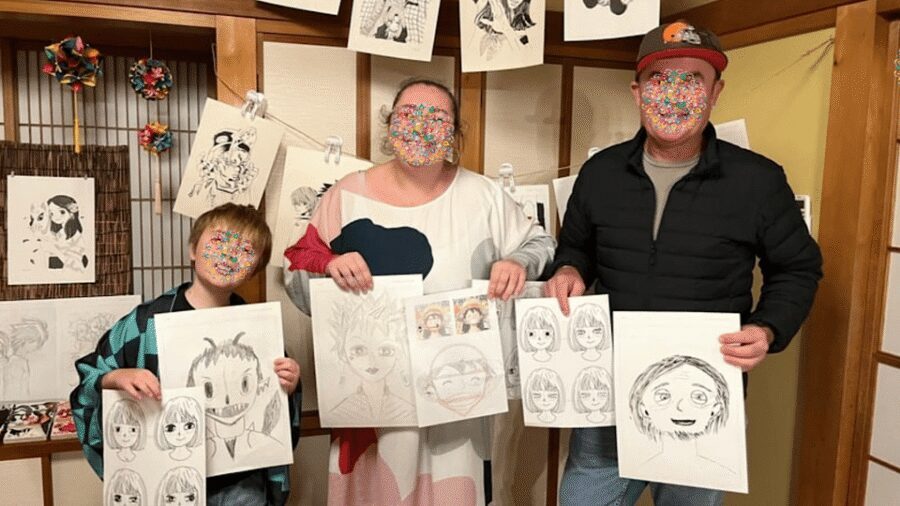
- A professional illustrator helps you draw manga basics, even if you’ve never drawn before
- You shape sushi rolls yourself using fresh seasonal ingredients, not pre-made food
- Gyoza is hands-on from wrapping to cooking, then you eat what you make
- The class happens in a private home, which changes the whole tone of the experience
- English support is available alongside Japanese, so you can ask questions comfortably
Manga Lessons and a Real Yokohama Home
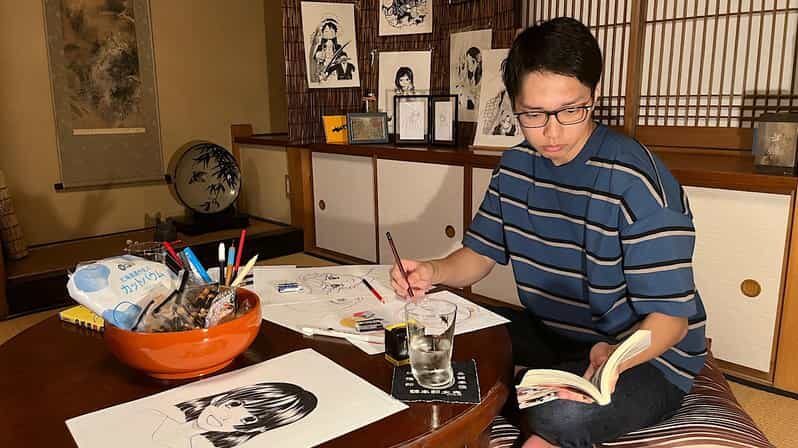
If you like Japanese culture that feels human—meals cooked with care, art taught with patience—this experience hits the right notes. The setting matters here. You’re not learning in a busy studio or a classroom. You’re in a traditional Japanese home where the pace is calm and questions feel normal.
The hosting is a big part of why people enjoy this. In the reviews, Yuka (the host) comes across as friendly and responsive, and she’s the one who welcomes you and guides both the art and the cooking segments. You’ll also hear how comfortable it is to be a beginner. The activities are designed so you can follow along step by step and still end up with something you’re proud to take home.
And yes, it’s exactly as it sounds: manga art plus Japanese cooking, stitched together into one 3-hour block so you don’t spend your day bouncing around.
One practical note: you’re in Yokohama. If you’re basing yourself in Tokyo, make sure you’re comfortable with the commute and that you have enough buffer time for getting to the meeting location.
Your Manga Character Session: Linework, Shading, and Take-Home Art
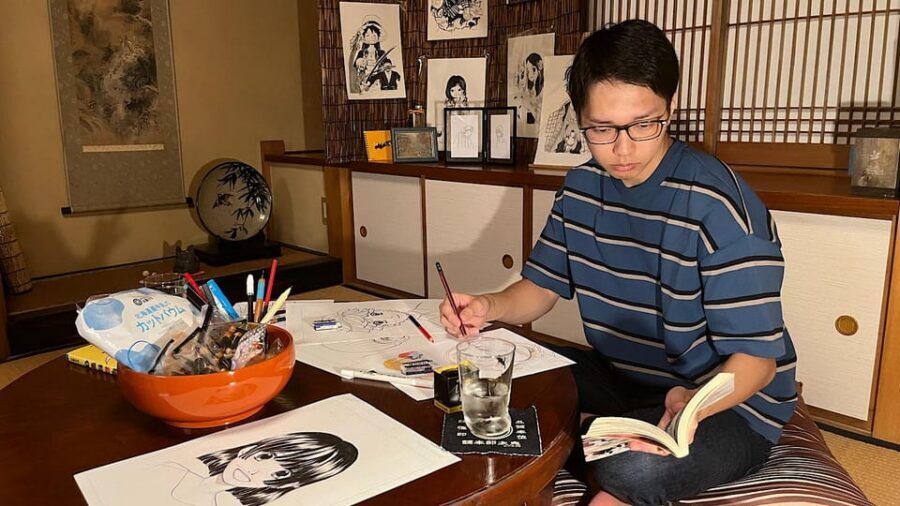
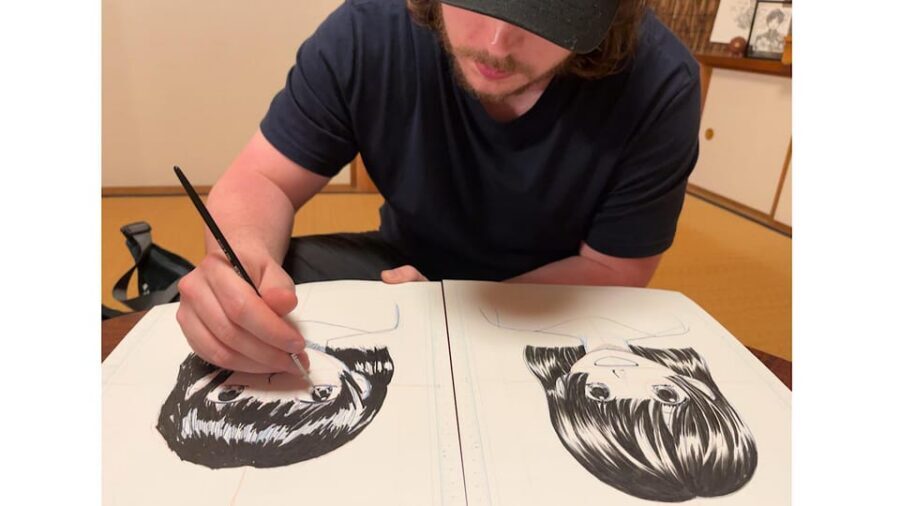
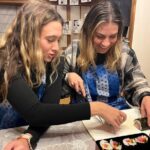
The experience starts with manga illustration, led by a professional Japanese illustrator. This isn’t a vague art demo where you watch someone else draw. You use authentic-style tools—pens and markers—and worksheets that walk you through the basics.
Here’s what you’ll learn in a way you can actually use:
- Linework: how manga lines are built and cleaned up so they look intentional
- Shading: how to add depth without turning it into a complicated art project
- Character design: how features come together so your person looks like a manga character, not just a sketch
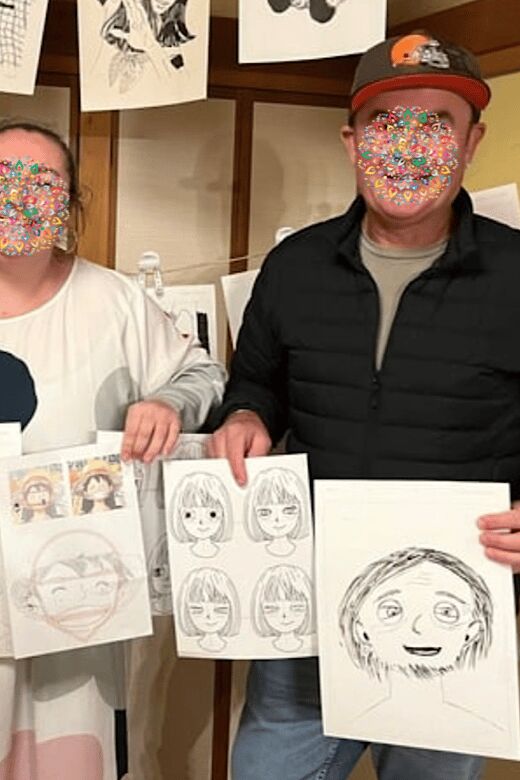
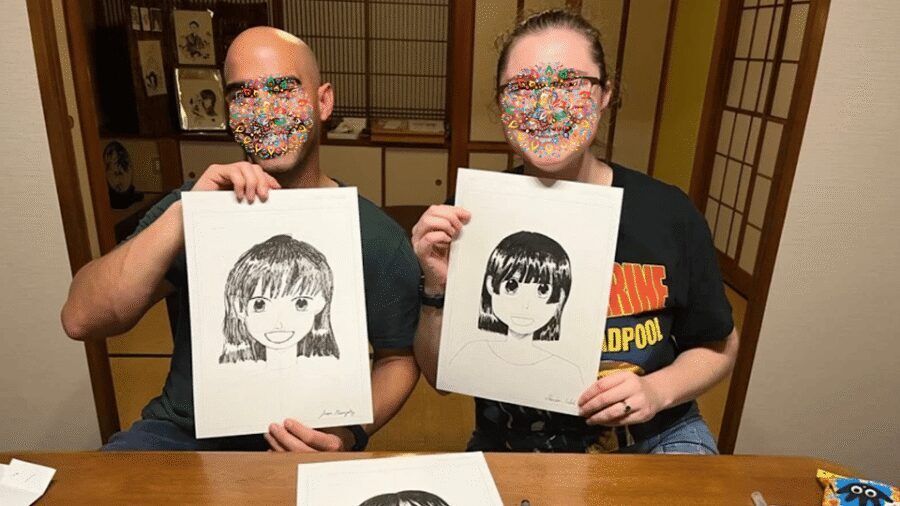
The point isn’t that you become an illustrator in one afternoon. The point is that you leave with an original manga-style character you made yourself. That take-home element matters because it turns the experience into a souvenir that’s personal—not just another photo.
If you’re worried you can’t draw, don’t overthink it. The structure is beginner-friendly. One review put it plainly: if you can draw a line on paper, you can do it. That matches what the format suggests—simple steps, clear guidance, and a professional there to correct the things that make manga look like manga.
Also, you’ll be surrounded by the host’s original artworks. That helps you understand what “good manga style” looks like in real-life, not just as a concept. It’s a quiet form of inspiration.
Optional extras can also be part of the experience. The provider notes that after preparations are complete, you may have the chance to purchase related items like postcards, T-shirts, and other souvenirs, plus manga-style illustrations drawn by the seller. Those aren’t required, but they’re there if you want a themed keepsake beyond your own drawing.
Sushi Roll Workshop: Seasonal Fillings and Shaping Skills
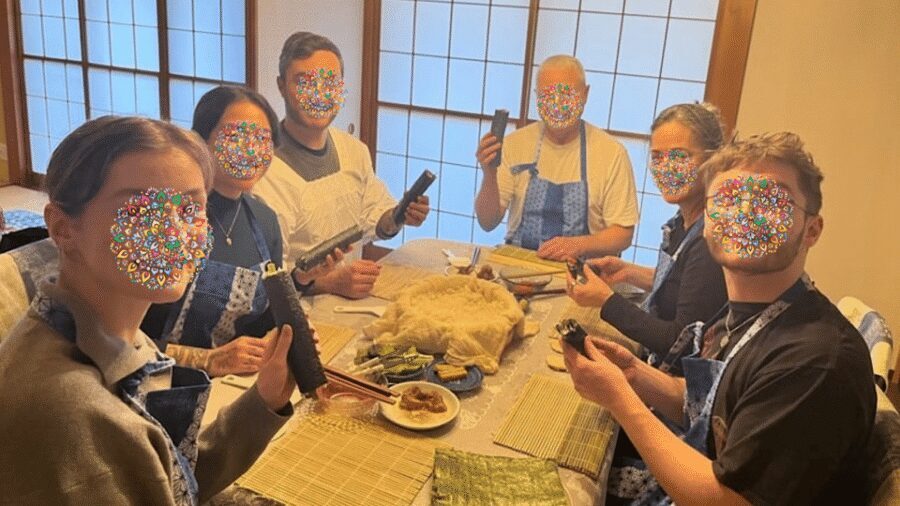
After the art portion, you switch gears to food. The sushi segment is a hands-on sushi roll cooking class, built around doing the work yourself.
What makes this useful is that the class is guided and step-by-step. You’re taught how to roll and shape sushi in a traditional way. Instead of making something from a vague recipe card, you follow the instructor’s process and learn the technique while you’re doing it.
What you’ll be working with:
- Fresh ingredients, including seafood and/or meat
- Vegetables and seasonal items for fillings
- Tools and guidance to build the rolls cleanly
The best part for most people is that it turns a meal you may have only eaten into a skill you can repeat. You’ll likely leave with a better understanding of why sushi in Japan tastes the way it does: the balance of ingredients, the quality of the filling, and the care in how the roll comes together.
One detail that came up in reviews: people were impressed by the freshness of the ingredients, and some even described it as the best sushi they had in Japan. That’s not something I would expect from a casual cooking workshop—so if you care about actual food quality (not just the activity), this is a strong sign.
Also, you’ll often get snacks during the experience. In at least one review, guests mentioned trying snacks they wouldn’t have picked on their own. That’s a nice bonus, because it adds a broader picture of what a host might serve alongside cooking.
Gyoza from Scratch: Wrapping, Cooking, and Dipping Sauce
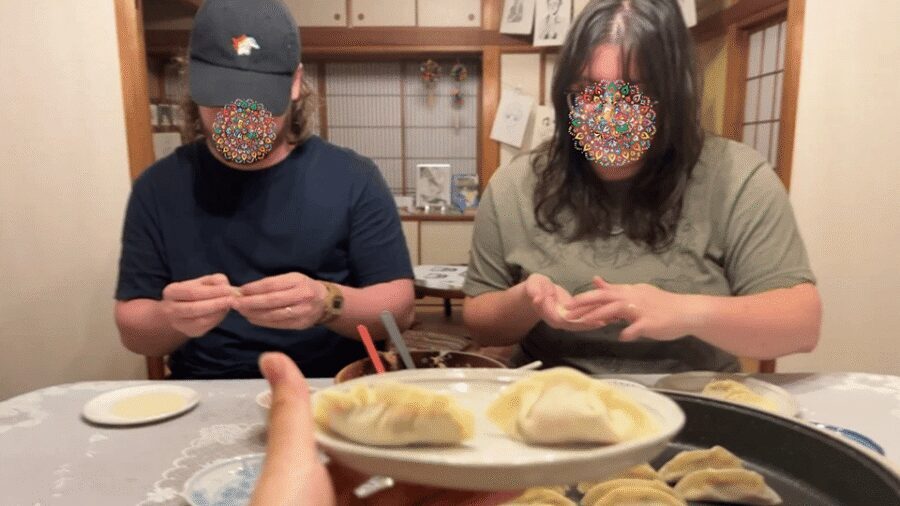
Then comes the dumpling lesson: gyoza from scratch. This part is probably the most “hands-on” of the day because it includes the full process—wrapping and cooking.
You’ll learn:
- How to wrap gyoza (how to fold and seal it)
- How to cook them under the instructor’s guidance
- How to plate and serve with dipping sauces
The format is designed so you can actually feel progress as you work. Even for beginners, the steps are broken down, and the reward is immediate: you make dumplings, cook them, and then eat them in the same session.
One review specifically highlighted how satisfying it felt to wrap the gyoza yourself. That’s the kind of craft experience that sticks with you, because it’s tactile and skill-based, not just listening and watching.
Dipping sauces matter here too. You’ll get guidance on pairing your gyoza with dipping sauces, and the experience includes tea and snacks as part of the meal.
If you’re a foodie, this segment also gives you a shortcut to understanding Japanese home cooking style. Gyoza is one of those comfort foods that doesn’t require fancy ingredients, but it does require technique—and you get both in class.
Dining Like a Host: Tea, Snacks, and a Relaxed Pace
This is where the experience earns extra points. You don’t rush straight from cooking to leaving. You sit down to enjoy the meal you prepared—sushi rolls and gyoza—along with snacks and Japanese tea.
That relaxed pace is part of the value. Cooking classes can sometimes feel like an assembly line. Here, the goal seems to be conversation and comfort. Reviews mention Yuka being warm, welcoming, and attentive, including answering questions during the sessions.
There’s also a note on dietary needs. One review said the host was sensitive to dietary needs. That doesn’t replace asking questions when you book, but it does suggest the host takes food preferences seriously rather than treating everyone as the same.
If you like cultural experiences that feel like you got invited into someone’s rhythm, this dining format is a big reason to choose it. It’s not just about eating; it’s about the whole flow from art to food.
Price and Value for a 3-Hour Class in Honshu
The price is listed at $81 per person for about 3 hours. On paper, that can sound like a “class fee plus ingredients” deal. In practice, the value comes from what’s included:
- Manga illustration session with guidance and tools
- You create and take home a completed manga character
- Sushi roll cooking class with fresh ingredients and step-by-step help
- Handmade gyoza with ingredients, tools, and guidance
- Dining: sushi and gyoza plus dipping sauces, tea, and snacks
That’s a lot to get in a single afternoon. You’re paying for two distinct skill sessions—art and cooking—plus the ingredient cost, plus a home-style hosting experience.
So the comparison isn’t just “is $81 cheap or expensive?” It’s more like: is this a meaningful use of your time in Japan? If you’re the kind of traveler who learns by doing, this tends to land as a good deal. You’ll leave with both edible results and a non-edible keepsake (your drawing).
One more value point: it’s beginner-friendly. When a class is designed so you don’t feel lost, you’re more likely to enjoy it instead of stressing through it.
What to Expect During Your 3 Hours (and What Might Surprise You)
The day follows a simple arc: draw first, cook second, eat at the end. Here’s how the flow typically feels:
1) Manga session: practice the basics, design your character, and use worksheets and authentic tools. You’ll end with something you can keep.
2) Sushi roll class: you move from art tools to kitchen tools and learn how to shape rolls using fresh ingredients.
3) Gyoza class: you wrap and cook dumplings from scratch, then serve them with dipping sauces.
4) Meal time: sushi, gyoza, snacks, and tea in a relaxed home setting.
What might surprise you—in a good way—is how connected everything feels. Manga is all about shape, line, and design. Sushi and gyoza are also about technique: how the piece holds together, how the steps create the final result. The structure is basically a day-long lesson in Japanese “craft mindset.”
What you should keep in mind:
- This is focused training, not a casual tasting. You’ll be doing the work.
- It’s in Yokohama, so you’ll want to plan transit if you’re staying elsewhere.
- Languages available are English and Japanese, so if you want specific preferences (like dietary needs), come prepared with details.
Who This Experience Fits Best (and Who Might Skip It)
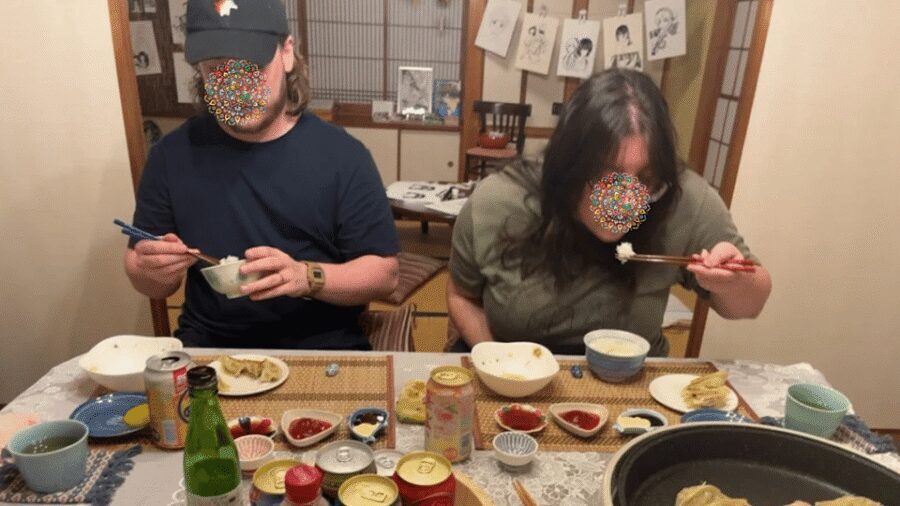
This experience is ideal if you:
- Love anime and manga and want more than just browsing art stores
- Prefer learning through hands-on practice
- Want a Japanese food experience that teaches technique, not only flavor
- Like the warmth of small-group home hosting rather than big-tour settings
- Appreciate a host who answers questions and adjusts to needs (based on reviews)
You might think twice if you:
- Want a purely sightseeing-style day with lots of exterior landmarks
- Are uncomfortable with a more home-like setting (it’s not a restaurant experience)
- Are tight on time in Japan and can’t make room for a full 3-hour block
If your main goal is “eat great sushi and go,” you could find plenty of meal options. But if your goal is “make it with guidance,” this is the point.
Should You Book Sakura Sketch Japan in Yokohama?
I’d book it if you want an afternoon that gives you both culture and skills. The combination of manga illustration plus making sushi rolls and gyoza is exactly the kind of Japan experience that feels personal and practical. You also get a real home setting and warm hosting, and the instruction is beginner-friendly.
I’d skip it if Yokohama is a hassle for your itinerary or if you’re hoping for a big sightseeing day. This is about learning and eating, not checking off neighborhoods.
If you can handle the location and you like doing things with your hands, this is a strong value at $81 for 3 hours.
FAQ
How long is the Yokohama Manga Art & Japanese Cooking Experience?
It’s a 3-hour cultural experience.
Where does the experience take place?
It takes place in Yokohama, Japan (Honshu) in a cozy, traditional Japanese home.
What’s included in the price?
You get a manga illustration session, sushi roll cooking class, handmade gyoza cooking class, and a dining experience with sushi, gyoza, dipping sauces, snacks, and Japanese tea.
Do I need prior manga drawing experience?
No. The experience is beginner-friendly and uses step-by-step worksheets and instruction.
Do I need prior cooking experience?
No. The sushi roll and gyoza lessons include ingredients, tools, and step-by-step guidance.
What languages are supported?
The experience is offered in English and Japanese.
Can I take something home from the manga session?
Yes. You’ll take home the manga-style character illustration you create during the session.
Are dietary needs accommodated?
One review notes that the host was sensitive to dietary needs. If you have dietary requirements, you should share them in advance.
Is there an option to pay later and cancel?
Yes. The listing says reserve & pay later is available, and you can cancel up to 24 hours in advance for a full refund.
Learn Another Dish: Yokohama Cooking Classes

More Tour Reviews in Yokohama



Next Door in Yokohama
Yokohama Tours, compared.
 ★ 4.9EVO, WRX, Skyline – JDM Night Run to Daikoku Car MeetFrom $125478 reviews
Best Price Daikoku Parking Area JDM Car MeetFrom $76192 reviews
★ 4.9EVO, WRX, Skyline – JDM Night Run to Daikoku Car MeetFrom $125478 reviews
Best Price Daikoku Parking Area JDM Car MeetFrom $76192 reviews
 ★ 4.9Daikoku & Tokyo Private JDM Tour by 700HP R34 GT-RFrom $586101 reviews
 ★ 5.0Tokyo 8hr Private Tour with Licensed Guide from YokohamaFrom $20194 reviews
 ★ 5.0【Tokyo】JDM Daikoku Parking Area & Nissan Facility TourFrom $5587 reviews
 ★ 4.5Narita Airport: One Way Private Transfer to Tokyo|Yokohama HotelsFrom $7769 reviews
 ★ 5.0Shuttle Van Transfer, Yokohama(Port)⇒Tokyo, Narita, Haneda, TDRFrom $12263 reviews
 ★ 5.0R34Skyline Daikoku PA Fast & Furious Private ExperienceFrom $10963 reviews
Browse the lists this tour appears in