
Reviewed · YOKOHAMA TOURS
Half-day Cooking Class in Yokohama Local Shopping District
Sushi starts with a shopping stroll. This half-day Yokohama experience pairs a guided walk through a dense local shopping district with a hands-on Japanese cooking class that you’ll be able to repeat at home. It’s practical Japan, not just sightseeing.
I love that the food lesson begins before you ever touch ingredients—so you understand what you’re buying and why it matters. I also like the small-group feel, with an instructor who keeps things moving while still making room for questions.
One thing to consider: the instructor’s English is described as not perfect, though he’ll try hard to accommodate you. If you have specific dietary needs or very detailed cooking questions, go in with a few notes ready.
In This Review
- Key highlights
- Why This Yokohama Class Works So Well (Shopping First, Cooking Second)
- Entering Yokohama’s Covered Shopping Street: What You’ll See and Learn
- The Ingredients Lesson: How Shopping Helps You Cook Better at Home
- Cooking Roll Sushi: Getting the Structure Right (Not Just the Fun Part)
- Karaage and Teriyaki: Frying, Timing, and Flavor
- Private Class Comfort: Small Group, Real Q&A
- Vegetarian Menu Option: Still Cook, Still Eat, Still Learn
- Duration, Timing, and What You’ll Actually Get Done in 3.5 Hours
- Price and Value: Is $162.58 Reasonable for This Setup?
- Should You Book This Yokohama Cooking Class?
- FAQ
- How long is the Half-day Cooking Class in Yokohama?
- Where does the experience meet?
- What will we cook?
- Is there a vegetarian option?
- Is this a private experience?
- When will I receive confirmation after booking?
- What’s the cancellation policy?
Key highlights
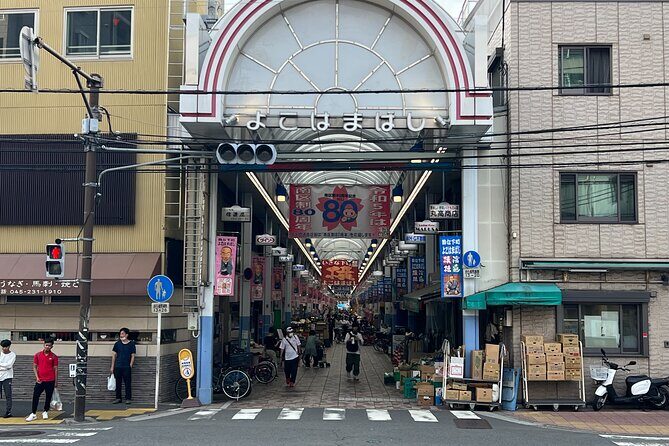
- A covered Yokohama street with about 130 specialty stores to browse, compare, and learn from
- Market-first shopping for ingredients like sweet vegetables, fresh fish, and butcher-counter cuts
- Roll sushi instruction using nori, rice, and a mix of fillings you can copy later
- Karaage (Japanese fried chicken) skills plus tips for home frying without panic
- Small-group attention and plenty of Q&A, with an instructor who tries to meet your requests
- Vegetarian menu option so you’re not stuck “watching” while others cook
Why This Yokohama Class Works So Well (Shopping First, Cooking Second)
The best part of this experience is the order. You don’t start in a kitchen and then hope the ingredients make sense. You start on the street, learning how locals actually shop—then you cook what you bought.
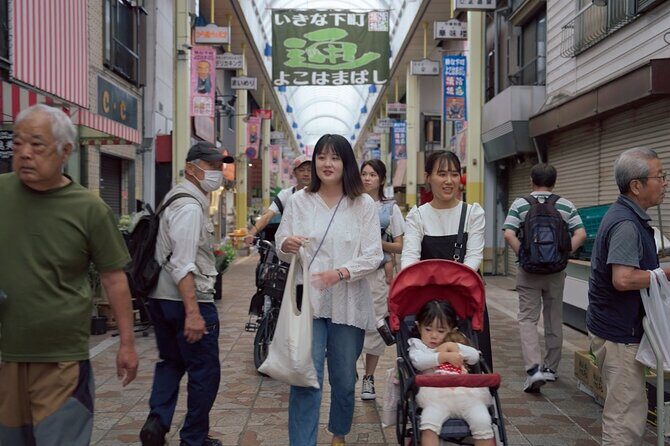
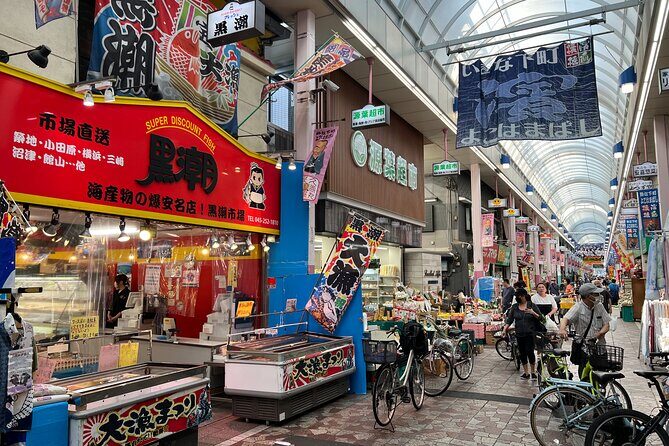
In Yokohama’s covered shopping district, you get that very specific rhythm of Japan: stall chatter, quick decisions, and people selecting items with confidence. Nearly 130 specialty stores run along a more than 300-meter stretch. It’s compact, walkable, and easy to stay focused. And because the whole thing is guided, you’re not just looking—you’re getting context while you browse.
I like that the class is built around two connected parts: shopping for ingredients and using them immediately in the kitchen. That’s the difference between a cooking show and a skill you can repeat. When you learn the dish using ingredients you saw up close, you’re more likely to recreate the flavors later, even if your local supermarket selection is different.
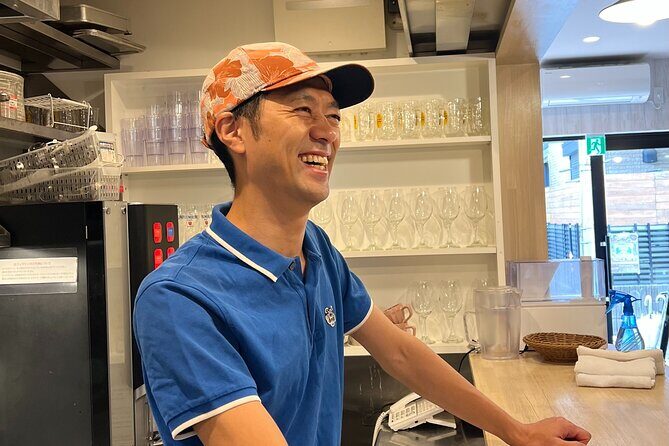
There’s also a human element. The instructor is described as friendly and experienced, and in one account the guide was Ichiho—patient, encouraging, and willing to explain the reasoning behind steps. If you’re nervous about cooking, that matters.
Entering Yokohama’s Covered Shopping Street: What You’ll See and Learn
The walkthrough begins at 3-chōme-35 Yayoichō, Naka Ward, Yokohama. From there, you’ll head into the shopping district—an area made for browsing at walking speed. Because it’s covered, you’re not constantly fighting weather.
You’ll encounter the kinds of stores that feel intentionally “Japanese,” not touristy versions of Japanese food. The description points to three categories that form a clear shopping lesson:
- A fishmonger selling fresh fish from all over Japan
- A grocery shop known for sweet vegetables
- A butcher shop offering rare cuts that aren’t sold in typical supermarkets
Even if you don’t buy everything in your bag, you’ll learn how shoppers think: freshness, cut, and what’s best for the dish you’re making. This is where the “culture” part becomes real. You’re watching a normal day in a local food ecosystem.
And because nearly everyone along the street sells something specific, you can build a mental map fast. You start noticing patterns: where ingredients look more seasonal, where meat is handled differently, and which stalls are set up for quick pickup versus longer browsing.
Also, the group format helps. This is a private tour/activity, meaning it’s just your group. In a small class, you’re more likely to get answers and less likely to feel like you’re getting rushed along.
The Ingredients Lesson: How Shopping Helps You Cook Better at Home
Here’s why I think this ingredient-shopping portion is worth the time. Most cooking classes land in the kitchen and then hand you prepped items. You follow steps, but you don’t learn the “why” behind choices.
In this format, the market walk is effectively your prep class. You learn what goes with what. You see how fish looks when it’s truly fresh. You notice the vegetables people pick when they want sweetness rather than bitterness. And you understand that butcher-counter meat can differ from packaged supermarket options.
That matters for two reasons:
First, it improves your confidence. If you know what good ingredients look like, your home results improve immediately—even if you aren’t buying the exact same brand.
Second, it gives you alternatives. If your local store doesn’t have the same fish cut or the same vegetable variety, you’ll know what kind of ingredient you’re aiming for and how to swap.
You’ll also get to interact with the sellers and learn basics about local food culture. The description emphasizes that even Japanese people are excited to visit places like this. That social proof is more than marketing. It signals the shopping street is treated like a destination by locals, not just a stop for visitors.
Cooking Roll Sushi: Getting the Structure Right (Not Just the Fun Part)
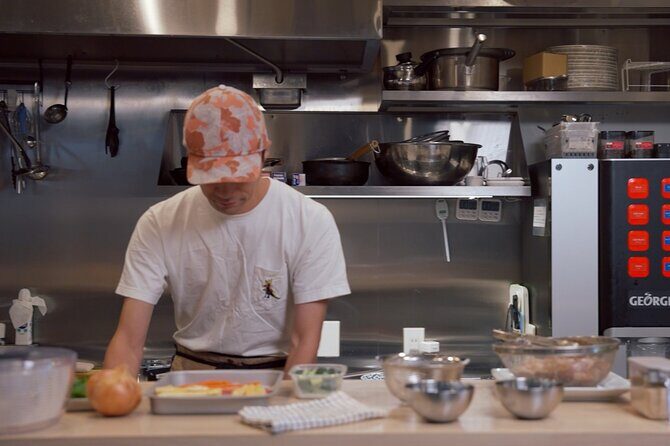
After shopping, you’ll move into the kitchen setting. The kitchen studio is described as clean, bright, and equipped for real cooking. This matters because sushi is fussy in the places you can’t easily fix at the end.
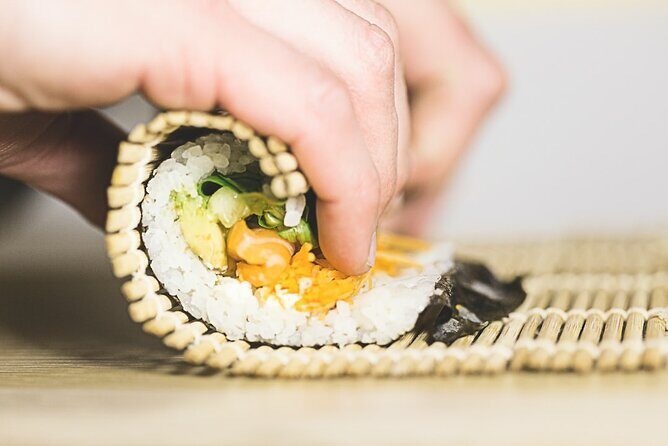
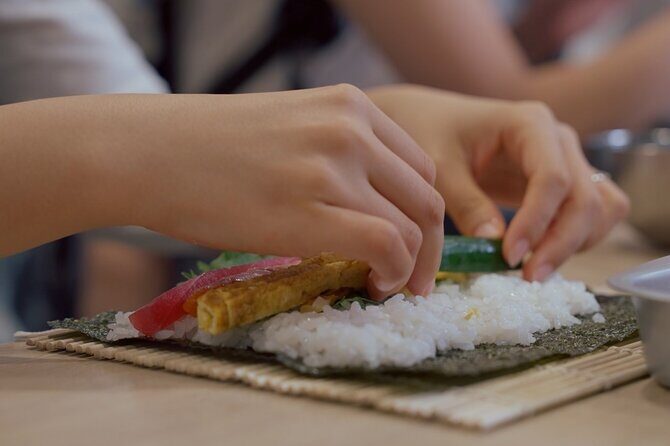
You’ll make roll sushi using rice, fillings, and nori seaweed. The menu description notes rolls filled with seafood, egg rolls, and vegetables. That gives you a range of textures—soft rice, savory fillings, and the slightly crisp bite from nori.
When instructors teach roll sushi, the key is usually not the recipe on paper. It’s technique: how much filling to use, how tightly to roll, how to keep nori from turning soggy, and how to spread or season rice so the taste doesn’t flatten.
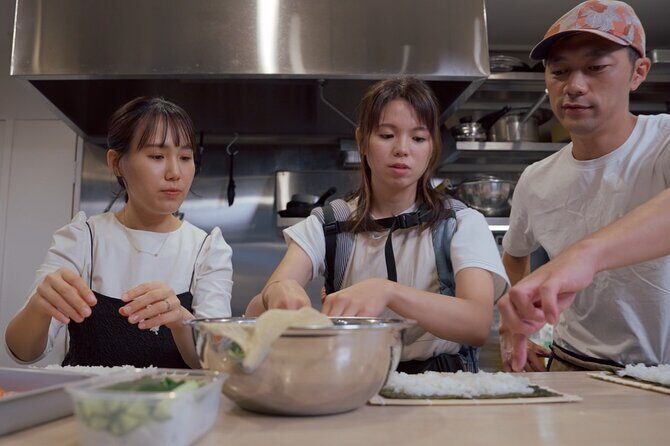
This class is designed to guide you through each step and offer tips and tricks for recreating dishes at home. So instead of just watching a demonstration, you’re learning the sequence that makes your rolls hold together.
One helpful detail from the overall description: the instructor will guide you in English as much as possible, though it’s noted the instructor’s English isn’t perfect. The good news is sushi is visual. Even with language gaps, you can usually understand by watching what’s happening and asking for clarification.
Karaage and Teriyaki: Frying, Timing, and Flavor
The cooking portion highlights karaage, which is Japanese fried chicken. That choice is smart for a half-day class. It’s popular, teachable, and tastes impressive without needing advanced equipment.
Fried chicken can go wrong in a lot of ways—oil temperature, batter thickness, overcooking, or ending up with chicken that isn’t juicy. A good instructor’s job is to help you control the process and avoid common mistakes.
In one account, the class included Japanese fried chicken and teriyaki chicken along with sushi. That combination is especially useful because it covers two different flavor styles: one crispy and savory, one sweet-salty and glossy.
So you’re not just learning one “wow” dish. You’re learning two approaches to Japanese home cooking:
- Frying for crunch and texture
- Saucing for balance and shine
And because the instruction includes tips and tricks for recreating dishes at home, you should come away with more than a vague memory. You’ll want to remember the practical cues that tell you when the food is ready.
Also, this kind of instruction benefits from the small class setup. You can ask questions in real time. If something sputters or your timing feels off, you’re more likely to catch it early.
Private Class Comfort: Small Group, Real Q&A
This isn’t a big bus-group cooking demo. The experience description emphasizes small class sizes so you get personalized attention and a chance to interact with the instructor. Since it’s private for your group, you’re less likely to feel like you’re sharing time with strangers.
That matters when you’re learning technique-heavy tasks like rolling sushi or frying karaage. In a large class, you often end up watching. Here, you’re more likely to be hands-on and able to correct your process while you still have time.
In one review, the instructor Ichiho was specifically described as very patient. That patience shows up in the teaching style: slowing down when needed, answering questions, and helping you finish with confidence. Even if your cooking skills are average, the lesson is designed to be suitable for all skill levels.
Vegetarian Menu Option: Still Cook, Still Eat, Still Learn
If you’re vegetarian, you shouldn’t have to “opt out” or eat bland substitutes. The class includes a vegetarian menu available.
That’s more than a courtesy. A good vegetarian cooking class keeps the structure of the meal intact—so you still learn technique, not just the idea of a dish. In practice, it means you can still learn roll sushi with plant-based fillings and cook a variation of the fried or sauced components, depending on what’s offered in your session.
If you’re booking with vegetarian needs, I’d treat the class like a skill course and ask what ingredients and dishes are included in the vegetarian option before you arrive. That way you can tailor expectations and decide what to focus on during the cooking steps.
Duration, Timing, and What You’ll Actually Get Done in 3.5 Hours
The total duration is listed as about 3 hours 30 minutes. That timeframe is tight enough to feel energetic, but not so rushed that you leave without learning anything.
You can expect the day to split into two main blocks:
1) Guided shopping walk through the covered district
2) Hands-on cooking in a clean studio kitchen using the ingredients you bought
Why that timing matters: sushi and fried chicken both benefit from doing the steps in the right order. If you had a full-day class, you’d have time for more dishes. In a half-day format, the value comes from quality instruction and finishing what you started.
Also note you’ll end back at the meeting point. That’s a small but real convenience if you’re juggling other Yokohama plans. You’re not scrambling to find transportation after the class ends.
For planning, the tour is typically booked about 33 days in advance on average. If you’re traveling during a busy period, I’d aim to lock it in closer to a month out rather than hoping for last-minute space.
Price and Value: Is $162.58 Reasonable for This Setup?
At $162.58 per person, this isn’t a cheap “cook in a group” deal. But it also isn’t overpriced for what you get—especially because you’re paying for instruction plus a guided ingredient shopping experience.
Here’s the value logic that makes sense:
- You’re not only paying for the kitchen time. You’re paying for guided market shopping where you learn what to buy and why.
- The class is built around hands-on technique for sushi rolling and fried chicken (and likely teriyaki if your session includes it).
- The format emphasizes small group attention. Private setups cost more than big group classes, and this one is private for your group.
- You get tips and guidance intended to help you recreate the dishes at home, which is where many cooking classes justify their price.
If you’re the kind of traveler who likes a clear outcome—something you can eat, then replicate—this price can feel fair. If you mainly want a quick snack experience with minimal learning, you might feel it’s more expensive than necessary.
Should You Book This Yokohama Cooking Class?
I’d book this if you want Japanese food culture in a way that’s practical. The shopping-first approach helps you learn ingredients, not just recipes. You’ll leave with skills tied to real products from a local district, plus a cooking routine you can repeat.
Book it too if you enjoy food markets and want a guided walk where someone explains what you’re seeing—fish quality, sweet vegetables, and meat cuts that don’t typically appear in chain supermarkets.
I’d skip it if language barriers would make you anxious. The instructor tries hard and you’ll be able to follow visually for many steps, but it’s still noted that English isn’t perfect. Also, if you’re only interested in eating and not learning, the cost may feel high for a half-day.
If you decide to go, come with two things: a light appetite and a short list of questions you’d actually ask in class. That’s how you get the best value out of the small-group setup.
FAQ
How long is the Half-day Cooking Class in Yokohama?
It lasts about 3 hours 30 minutes.
Where does the experience meet?
The meeting point is 3-chōme-35 Yayoichō, Naka Ward, Yokohama, Kanagawa 231-0058, Japan, and the activity ends back at the meeting point.
What will we cook?
You’ll make Japanese dishes such as roll sushi and deep-fried chicken (karaage). One class example also included teriyaki chicken.
Is there a vegetarian option?
Yes, a vegetarian menu is available.
Is this a private experience?
Yes. It’s described as a private tour/activity, so only your group participates.
When will I receive confirmation after booking?
Confirmation is received within 48 hours of booking, subject to availability.
What’s the cancellation policy?
Free cancellation is available up to 24 hours in advance for a full refund.
More Tour Reviews in Yokohama



Next Door in Yokohama
Yokohama Tours, compared.
 ★ 4.9EVO, WRX, Skyline – JDM Night Run to Daikoku Car MeetFrom $125478 reviews
Best Price Daikoku Parking Area JDM Car MeetFrom $76192 reviews
★ 4.9EVO, WRX, Skyline – JDM Night Run to Daikoku Car MeetFrom $125478 reviews
Best Price Daikoku Parking Area JDM Car MeetFrom $76192 reviews
 ★ 4.9Daikoku & Tokyo Private JDM Tour by 700HP R34 GT-RFrom $586101 reviews
 ★ 5.0Tokyo 8hr Private Tour with Licensed Guide from YokohamaFrom $20194 reviews
 ★ 5.0【Tokyo】JDM Daikoku Parking Area & Nissan Facility TourFrom $5587 reviews
 ★ 4.5Narita Airport: One Way Private Transfer to Tokyo|Yokohama HotelsFrom $7769 reviews
 ★ 5.0R34Skyline Daikoku PA Fast & Furious Private ExperienceFrom $10963 reviews
 ★ 5.0Shuttle Van Transfer, Yokohama(Port)⇒Tokyo, Narita, Haneda, TDRFrom $12263 reviews
Browse the lists this tour appears in