
Reviewed · TOKYO
Tokyo:Luxury Private Tour with English-Speaking driver
A Tokyo day gets way better when you’re not wrestling buses and trains. This private tour pairs an English-speaking driver with a full route built around big sights and real Tokyo neighborhoods. You get hotel pickup, a comfy air-conditioned vehicle, and built-in stops for iconic views and food.
What I like most is the mix: Tsukiji Market for the food scene, then classic temples and shrines, and later the skyline viewpoints. I also appreciate the “your pace” feel—this is set up for your group only, so families and mixed ages aren’t forced into the same speed. One thing to weigh: the Tokyo Skytree tickets aren’t included, and it’s a long day (10 hours including pickup/drop-off), so comfy shoes matter.
In This Review
- Key things worth knowing before you go
- A private day that starts when you’re ready
- Hotel pickup + a real Tokyo route (not just random stops)
- Tsukiji Market: the food-focused start that sets the tone
- Imperial Palace East Gardens: a calm break in the middle of the city
- Sensō-ji Temple + Asakusa shopping street time
- Tokyo Skytree: big views plus a tea ceremony slot
- Meiji Shrine: a quiet reset before the big city lights
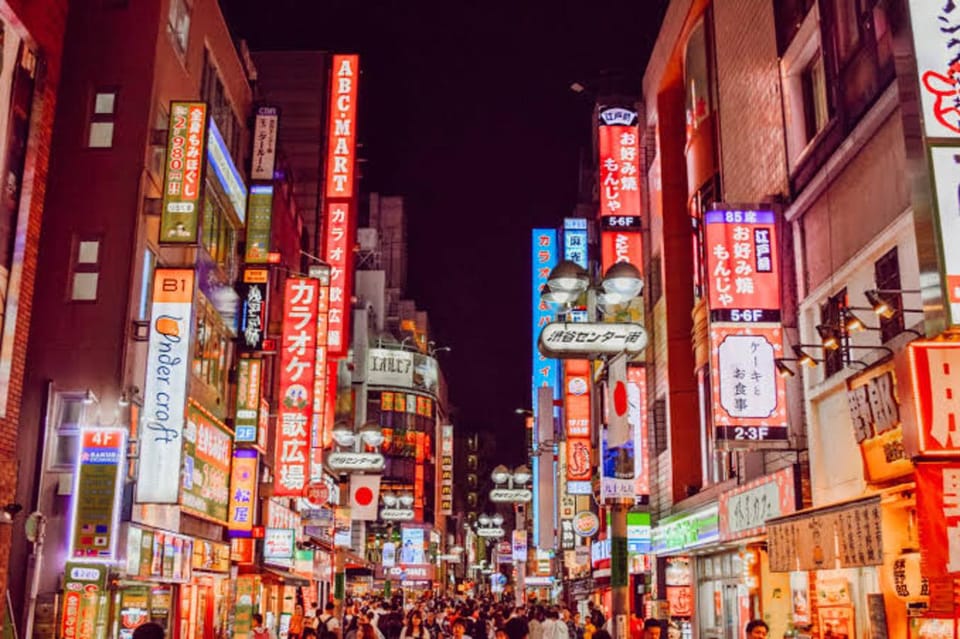
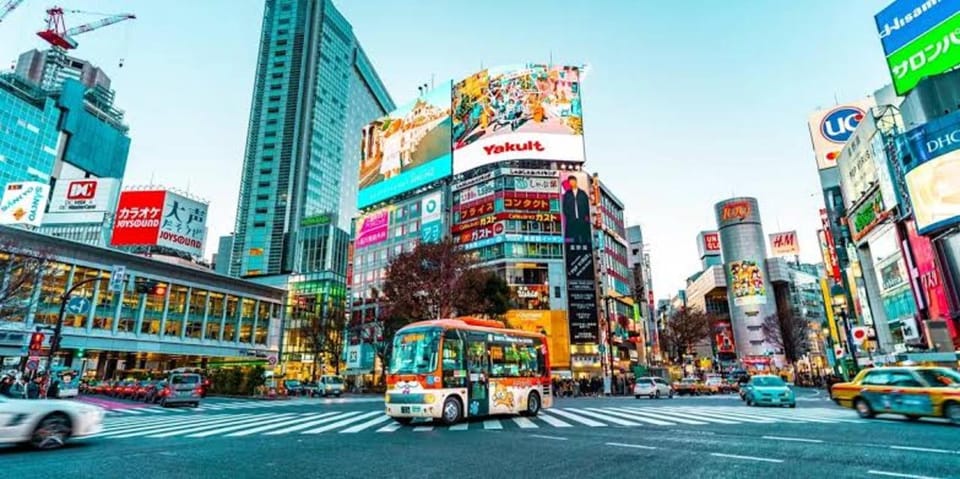
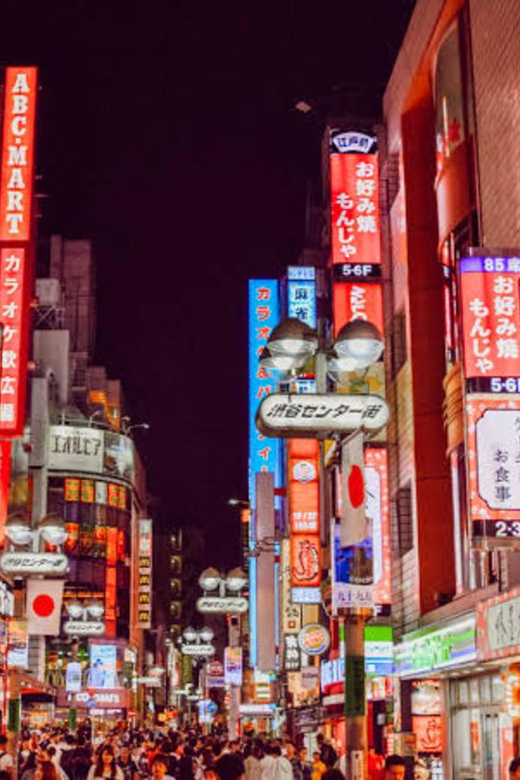
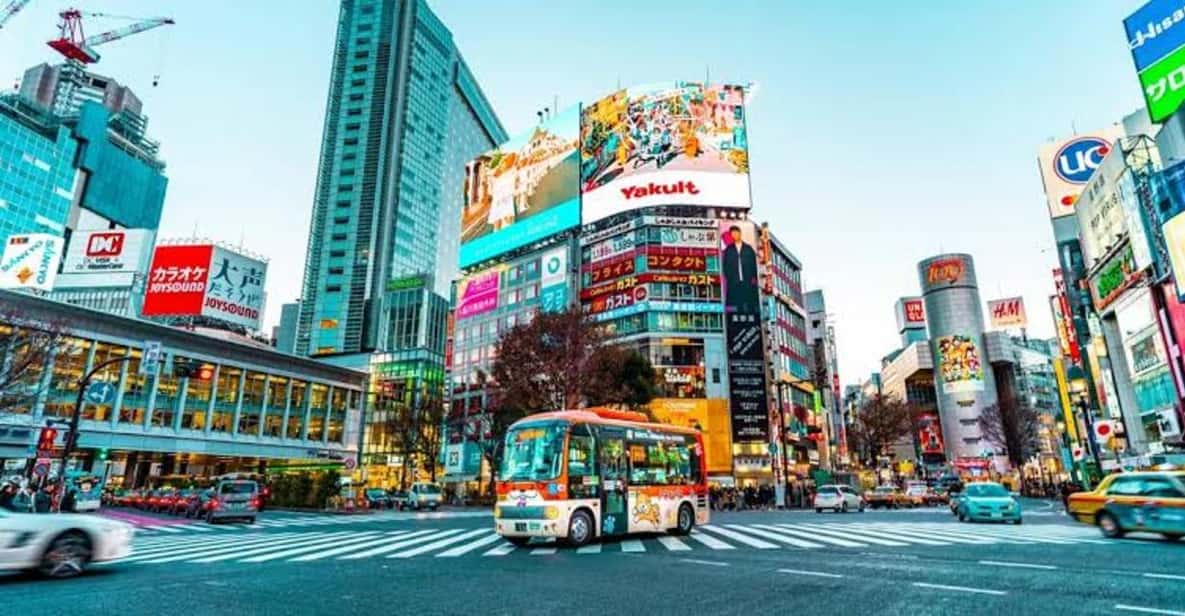
- Shibuya Crossing and street-food time: the Tokyo pulse
- Sumida River + Tokyo Tower: city views with room to breathe
- Odaiba and Rainbow Bridge: the futuristic add-on
- Lunch choices that keep things practical
- Price and value: is $389 for up to 6 a good deal?
- Who should book this tour?
- Should you book this Tokyo private tour?
- FAQ
- Is this tour private?
- How long is the tour, including pickup and drop-off?
- Where does pickup happen?
- What’s included in the price?
- What’s not included?
- Does the tour include skipping the ticket line?
- What language is the guide available in?
- Can I cancel for a full refund?
- Is the tour appropriate for very elderly travelers?
Key things worth knowing before you go
- Private means you control the pace: it’s only your group and family, not a shared bus with strangers.
- English-speaking driver support: the live guide works in English (also Hindi and Japanese), which helps with history and practical timing.
- Skytree line help, but not the ticket: you can skip the ticket line, yet admission for the Tembo areas is extra.
- Food is built into the day: Tsukiji plus street-food time in areas like Shibuya, with lunch plans tied to convenient spots.
- Planned photo stops and viewpoints: Tokyo Tower, Shibuya Crossing, plus major skyline moments get time carved out.
A private day that starts when you’re ready
This tour is designed as a door-to-door experience. You’re picked up at your hotel (or another address in Tokyo’s 23 wards), and you come back to the same area when the day ends. That matters in Tokyo because the “last mile” can be the annoying part: figuring out which station exits to use, where to walk, and how long you’ll be above ground.
You also get an air-conditioned vehicle, bottled water, and WiFi on board. On a 10-hour schedule, those small comforts add up—especially if your group includes kids, older relatives, or anyone who hates sprinting between stations.
Two practical notes I’d keep in mind:
- Pickup isn’t offered from airports or ports, so you’ll want a Tokyo hotel meeting point.
- Traffic can cause delays of up to 30 minutes at times, so don’t plan a tight dinner reservation immediately after.
Hotel pickup + a real Tokyo route (not just random stops)
The day is structured like a guided arc across the city. It starts in central Tokyo, then slides east and west through neighborhoods that feel different from each other—old temple streets, market corridors, shrine paths, then high-rise viewpoints and big-city crossings.
Even though the sights are famous, the route is meant to reduce friction. With a driver handling transit, you’re free to focus on the actual experience: seeing landmarks, walking the pedestrian-friendly parts, and taking photos without checking rail timetables every 10 minutes.
Also, you’re not locked into one rigid viewing style. The schedule includes guided time plus free time at key stops. That blend is great if your group wants photos first, then shopping, then a quiet moment later.
Tsukiji Market: the food-focused start that sets the tone
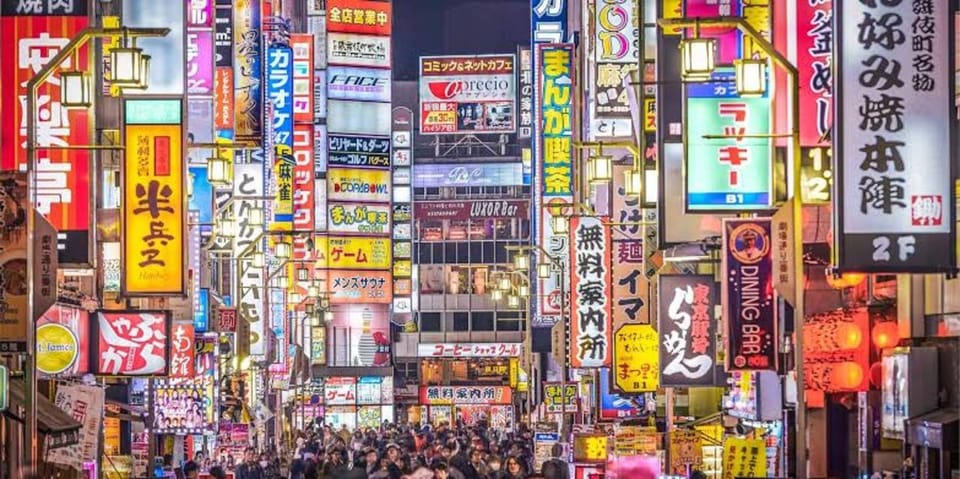
Starting with Tsukiji is smart. Tokyo’s market culture isn’t just food—it’s a window into how the city works at street level. You get a guided walk and shopping time, and there’s also a sunset photo stop built into the schedule. That means you’re not only there during the morning rush style people expect; you’re also seeing the market and surroundings when light changes.
What to do with your time there:
- Aim to eat or snack early in the day rather than treating Tsukiji as a “just look” stop.
- Keep an eye on stalls where the food is moving fast. That’s usually where lines and turnover signal freshness.
- If your group includes picky eaters, consider splitting tasks: some people can shop while others do a quick tasting loop.
A note on expectations: lunch later in the day is planned, so Tsukiji can be about tastings and browsing rather than a full sit-down meal every time. (Lunch options get handled at convenient spots later, depending on the day’s plan.)
Imperial Palace East Gardens: a calm break in the middle of the city
After Tsukiji, the pace shifts toward greenery and open space. Imperial Palace East Gardens bring a different Tokyo mood—less street noise, more breathing room. You get guided time plus free time, and the schedule includes street-food time and BBQ as part of the break.
If BBQ is on the menu for your day, this is a good moment to regroup. After market energy and lots of walking, it helps to sit, eat, and reset your feet. Even if you’re not a BBQ person, the value here is the pacing: you get a structured stop that keeps the day from turning into nonstop sightseeing.
Also, since this is a long day, plan your clothing around comfort. You’ll likely be walking in heat or cool weather depending on the season, and these garden breaks are most enjoyable when you’re not overdressed.
Sensō-ji Temple + Asakusa shopping street time
No Tokyo highlights list feels complete without Sensō-ji Temple. This stop is scheduled with time for a guided visit and shopping, plus a walk through the area around the temple. It’s the kind of place where you can spend 30 minutes and feel you’ve seen it—or spend an hour and actually slow down enough to notice the details.
Here’s how I’d use the time if your goal is photos plus atmosphere:
- Start near the main approach so you can capture the temple perspective without fighting crowds later.
- Then move into the shopping lanes for small finds, snacks, or souvenirs that feel like they belong in Asakusa rather than a generic gift shop.
- Build in a moment for just standing still and watching. Temple streets give you more than a checklist item.
Your schedule also includes time in Asakusa beyond Sensō-ji, so you’re not stuck only at one landmark. That’s a plus for first-timers because you get the “neighborhood feel” instead of only the headline attraction.
Tokyo Skytree: big views plus a tea ceremony slot
Skyline viewing in Tokyo is a must if you want to understand the city’s scale. Tokyo Skytree is one of the best choices because it’s tall, easy to recognize, and the experience is designed around panoramic city angles.
Your day includes time at the Skytree Tembo area and a tea ceremony slot listed on the schedule. What you should know, though: Skytree admission is not included. The tour includes support like skipping the ticket line, but you’ll still pay for entry to the specific Tembo decks.
That’s the main tradeoff. The advantage is timing. Since you won’t be stuck waiting as long in the usual ticket queues, you can spend more time enjoying views rather than standing in line.
Practical tip: if anyone in your group gets motion sickness or hates crowded indoor observation areas, tell your guide early. You’ll be happier if you plan around the type of experience your group prefers.
Meiji Shrine: a quiet reset before the big city lights
Right after high-energy viewing stops, the tour includes Meiji Shrine. This part feels like a switch: more shade, more greenery, and a slower rhythm. You get photo time, a guided visit, and shopping/sightseeing time.
For me, the value of Meiji Shrine in a day packed with landmarks is simple: it gives you contrast. Tokyo can feel like it’s rushing around you all day, and this shrine stop creates a small pocket where you can slow down.
If your group includes kids or anyone who needs short breaks, this is a good place to use that free time. The walking paths and calmer atmosphere make it easier to keep everyone in a good mood.
Shibuya Crossing and street-food time: the Tokyo pulse
Then you hit Shibuya Crossing, a classic “only in Tokyo” moment. The schedule includes a photo stop and guided time, plus free time and shopping. It also includes street food time during this segment.
This is where your senses wake up. Even if you’ve seen crossing videos a hundred times, being there is different because you’re surrounded by people moving in a pattern that feels almost choreographed. It’s chaotic on the surface, but the flow is remarkably organized.
How to enjoy Shibuya without getting overwhelmed:
- Take your first photos quickly, then step back and let the crowd do its thing.
- Use the free time for one or two targeted shopping stops rather than trying to see everything.
- If street food isn’t your thing, use the time to browse and grab something simpler nearby.
If you want a more relaxed experience, tell the driver your preferred pace at the start of the Shibuya segment. A private format works best when your guide knows how your group likes to move.
Sumida River + Tokyo Tower: city views with room to breathe
Your plan includes time around the Sumida River. There’s guided time plus free time and even a class slot listed. The river area is a nice change of scene because it’s easier to see Tokyo’s layout—bridges, skyline angles, and river promenades—without being pressed into the densest streets.
A class might sound intimidating, but within a tour context it’s often short and focused. The key is to treat it as a bonus activity rather than a requirement for everyone to love. If your group is unsure, ask your guide how the class will work that day so nobody feels blindsided.
Later, the tour shifts to Tokyo Tower. You’ll get photo time, a guided visit, and free time plus shopping/sightseeing. Tokyo Tower is a different kind of “wow” from Skytree. It feels more classic and recognizable, and it pairs well with evening light depending on your day’s timing.
For photos: if you’re chasing the best angles, be ready to walk a bit. The view is worth it, but you’ll want to keep your energy for it.
Odaiba and Rainbow Bridge: the futuristic add-on
Your day also points toward Odaiba and the Rainbow Bridge area. Those parts of Tokyo feel more modern and engineered than older districts. Odaiba is also handy because it mixes entertainment, shopping, and seaside scenery in one place, so you can choose how you want to spend that time.
Rainbow Bridge is planned as a night-sky photo moment. If your group likes skyline views, this is the time to keep camera batteries charged and jackets handy.
Because the exact flow can vary with traffic and timing, I treat these as flexible sections: plan for them as major highlights, but don’t stress if the precise order shifts slightly.
Lunch choices that keep things practical
Lunch isn’t just “somewhere we stop.” It’s tied to convenient areas depending on the day’s route. You’ll have options around Shibuya and also possibilities connected to the temple/Asakusa area and shopping stops nearby.
The practical value here is simple: with a driver, lunch doesn’t derail the whole schedule. You’re not guessing where to eat while being late for the next big viewpoint.
A quick mindset shift: treat lunch as part of the rhythm, not a separate mission. If you want the best food with the least hassle, let your guide steer you to the most workable choice for your timing.
Price and value: is $389 for up to 6 a good deal?
At $389 per group (up to 6 people) for a 10-hour private experience, this can be good value if your group is actually using the benefits.
Here’s why:
- Private transportation for a full day in Tokyo isn’t cheap, especially when you’re covering multiple districts.
- Hotel pickup and drop-off removes a big chunk of planning time.
- WiFi, bottled water, and parking fees are included, which helps keep the “extras” under control.
- You’re paying for someone to handle routing and timing, so your day feels smoother.
The one cost that’s easy to miss: Tokyo Skytree admission is not included. The tour includes help with skipping the ticket line, but you’ll still want to budget for the Tembo decks if you plan to go up.
If your group is only one or two people, this price may feel less attractive compared to splitting taxis. But for families of 4 to 6, it’s usually the sweet spot where private comfort beats solo logistics.
Who should book this tour?
This is a strong fit if:
- You want a private Tokyo day with an English-speaking guide and no public-transport hassle.
- Your group values a mix of food, landmarks, and neighborhood walking.
- You have kids, teens, or older relatives and want flexibility in pace.
It may not be ideal if:
- You dislike walking long stretches. This is a day with multiple sightseeing hubs.
- Your priority is only one or two attractions. The schedule is broader by design.
Also, it’s not suitable for people over 95 years.
Should you book this Tokyo private tour?
If you want a Tokyo day that feels organized, comfortable, and focused—this is a yes for many first-timers. The private format is the main win: you control pacing, your guide can work with your needs, and you aren’t stuck trying to solve Tokyo transit mid-day.
I’d book it if you’re excited about the combination of Tsukiji food time, Asakusa temples, Skytree views, Meiji Shrine calm, and the big-city moments like Shibuya Crossing and skyline stops. Just remember to budget for Skytree tickets and bring shoes that can handle lots of urban walking.
One last smart move: tell your guide your group’s pace at the start. The better the communication, the better the day feels—especially when you’re stacking viewpoints, shopping streets, and food stops into one smooth circuit.
FAQ
Is this tour private?
Yes. It’s a private group tour, meaning only your group and family participate.
How long is the tour, including pickup and drop-off?
The total duration is 10 hours, and that includes hotel pickup and drop-off.
Where does pickup happen?
Pickup is included within Tokyo’s 23 wards and can also be possible outside Tokyo’s 23 wards. Pickup is not available from airports or ports.
What’s included in the price?
Included are an air-conditioned vehicle, WiFi on board, bottled water, parking fees, private transportation, and hotel pickup and drop-off.
What’s not included?
Tokyo Skytree admission (Tembo Galleria + Tembo Deck, 350m) is not included, and lunch is also not included.
Does the tour include skipping the ticket line?
Yes, it includes skipping the ticket line.
What language is the guide available in?
The live tour guide is available in English, Hindi, and Japanese.
Can I cancel for a full refund?
Yes. You can cancel up to 24 hours in advance for a full refund.
Is the tour appropriate for very elderly travelers?
No. It is not suitable for people over 95 years.
Tokyo, compared.
 ★ 5.0Mt Fuji and Hakone 1-Day Bus Tour Return by Bullet TrainFrom $16326,383 reviews
 ★ 5.01-Day Tokyo Bus TourFrom $12914,250 reviews
 ★ 4.6teamLab Planets TOKYO Digital Art Museum Entry TicketFrom $259,779 reviews
 ★ 4.0Mt Fuji & Hakone Cruise, Drum Show Bullet Train 1 Day from TokyoFrom $1497,413 reviews
 ★ 5.0Shinjuku Food Tour (13 Dishes at 4 Local Eateries)From $866,603 reviews
 ★ 4.4Tokyo Mt Fuji 5th St & Hakone Cruise Bus Tour w/Bullet TrainFrom $1545,024 reviews
 ★ 5.0Flagship 2-Hours Official Street Go-Kart Tour – Tokyo Bay ShopFrom $644,974 reviews
 ★ 4.5From Tokyo: Mount Fuji Full-Day Sightseeing TripFrom $684,970 reviews