
Reviewed · TOKYO
Tokyo War History Tour: Yasukuni Shrine & War Museum
Memory has a home in Tokyo.
This private tour takes you to two of the city’s most debated war-memory landmarks, with a licensed English-speaking guide shaping the story as you walk. I especially like the private, guided format and the balanced historical framing that helps you make sense of what you’re seeing.
You’ll start at the massive torii gate and move through Yasukuni Shrine using respectful shrine etiquette, then head into the Yushukan War Museum for a longer, exhibition-heavy visit. If you choose the extended option, you’ll also compare this religious memorial space with the secular Chidorigafuchi National Cemetery, so you can see how Japan remembers war in more than one way.
The main consideration is emotional weight. Topics related to Japan’s modern conflicts can feel sensitive, and you’ll do a moderate amount of walking, with some photo rules inside the museum.
In This Review
- Key takeaways before you go
- Entering Tokyo’s War Memory: From Torii Gate to Museum Walls
- Yasukuni Shrine: Why a War Memorial Feels Different Than a Shrine
- Yushukan War Museum: One Narrative, Plus a Guide to Ground It
- Chidorigafuchi National Cemetery: Religious vs State Remembrance (Extended Option)
- What Your Guide Adds: Balance Without Hand-Waving
- Timing, Walking, and Photo Rules That Affect Your Comfort
- Price and Value: What $87 Buys You (And What It Doesn’t)
- Who Should Book This Tour—and Who Might Skip It
- Should You Book This Tokyo War History Tour?
- FAQ
- How long is the Tokyo War History Tour?
- Is this tour private?
- What stops are included?
- Is the guide available in English?
- What’s included in the price?
- Are food and drinks included?
- What should I bring?
- Are there rules for photography or smoking?
- Is it flexible to cancel or change plans?
Key takeaways before you go
- A private, English-guided tour focused on modern war memory, not quick sightseeing
- Yasukuni Shrine’s unique setup: war dead enshrined rather than a traditional deity
- Yushukan War Museum in context: the narrative is distinct, and your guide adds balance
- Optional contrast at Chidorigafuchi: secular state memorial for unidentified war dead
- Expect real-world museum limits like no flash photography and possible photo restrictions
Entering Tokyo’s War Memory: From Torii Gate to Museum Walls
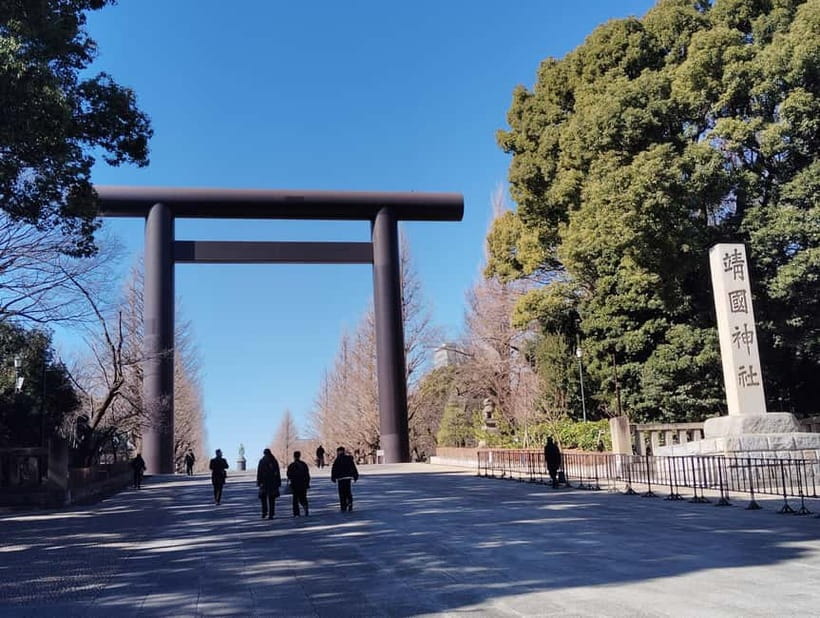
Tokyo can feel smooth and modern on the surface. This tour slows you down on purpose, walking you into places where national identity, religious practice, and public remembrance overlap in complicated ways.
You’re not just checking boxes. You’re seeing how the past stays active in the present—through ritual at a shrine, through curated museum storytelling, and through a state-administered cemetery that keeps certain names missing.
The duration—about 150 to 210 minutes—also matters. You get enough time to understand each stop instead of rushing through. And because it’s private, you can ask questions when something feels confusing or uncomfortable.
Yasukuni Shrine: Why a War Memorial Feels Different Than a Shrine
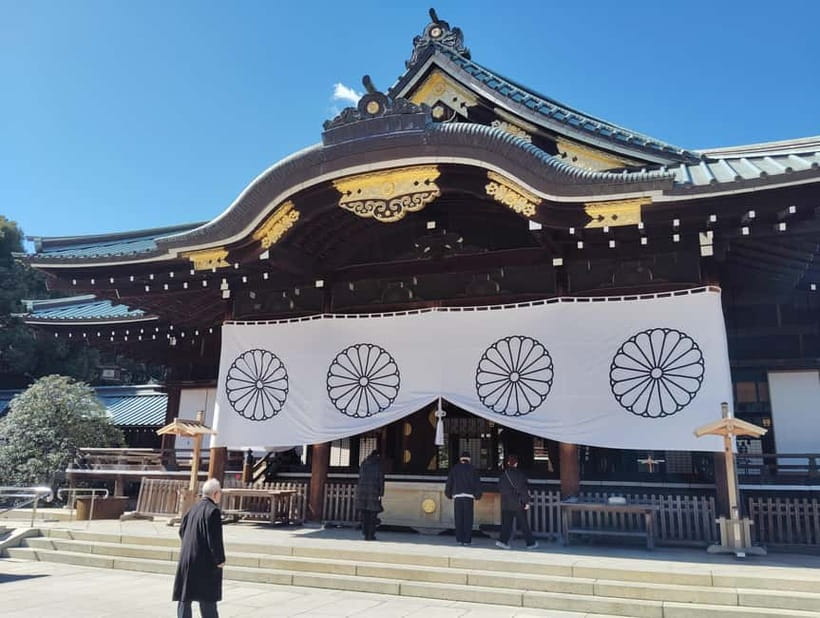
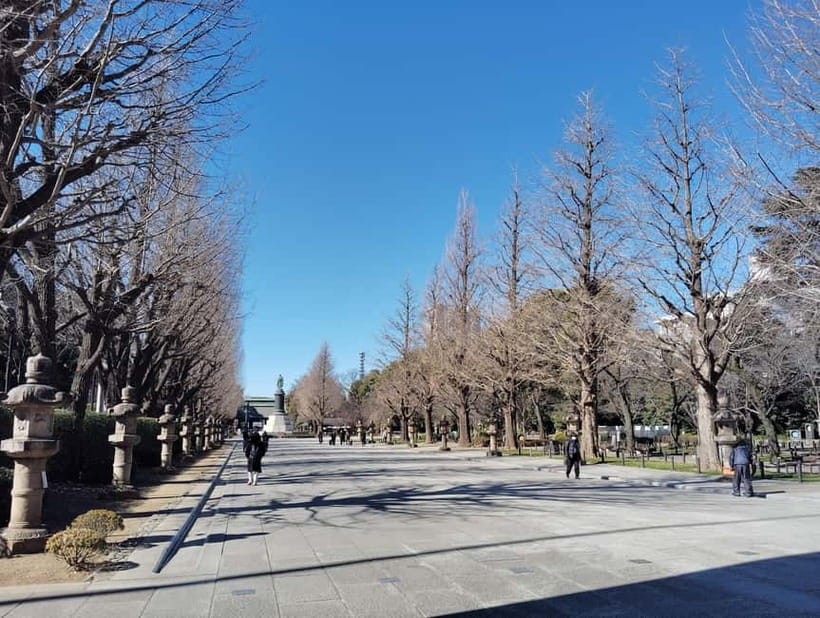
Yasukuni Shrine dates to 1869, and it was created to commemorate people who died in conflicts from the Meiji Restoration through Japan’s Asia-Pacific War. What makes it unusual is the way it works spiritually: instead of focusing on a traditional Shinto deity, it enshrines the spirits of war dead.
That single design choice changes the emotional tone immediately. Many visitors experience it like a place for personal mourning, tied to families and remembrance. At the same time, Yasukuni has been at the center of international debate for decades, so you’ll likely feel the tension between private grief and public controversy.
During the guided portion at the shrine, you’ll walk through the grounds and learn how Japan transformed from a feudal society into a modern nation-state. Your guide connects samurai ethics, imperial ideology, and modernization to the way Japan built its military over time, which helps you connect the political story to the physical space.
You’ll also follow shrine etiquette. That’s not just cultural politeness—it’s part of how the site links past and present. Ritual practice is the language here, and the guide helps you read it without turning it into a mere sightseeing stop.
Yushukan War Museum: One Narrative, Plus a Guide to Ground It
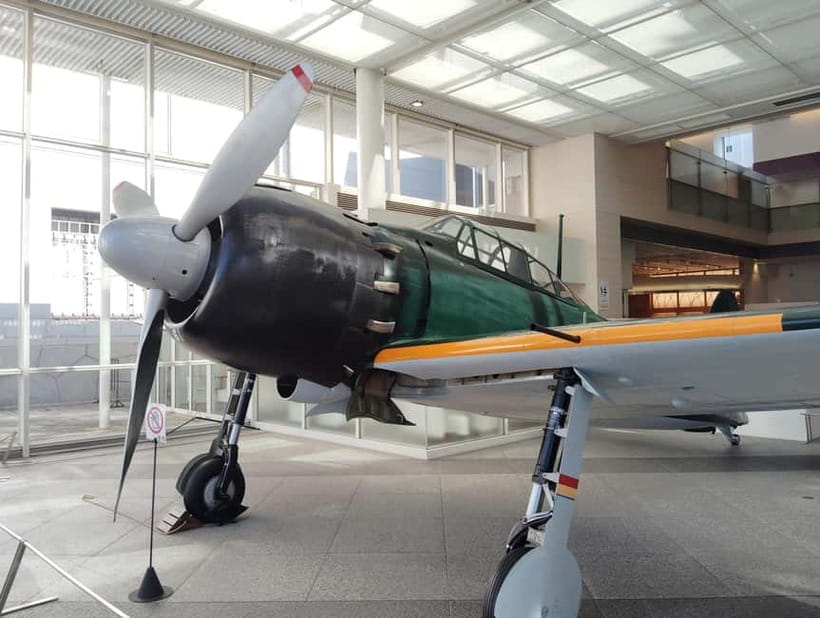
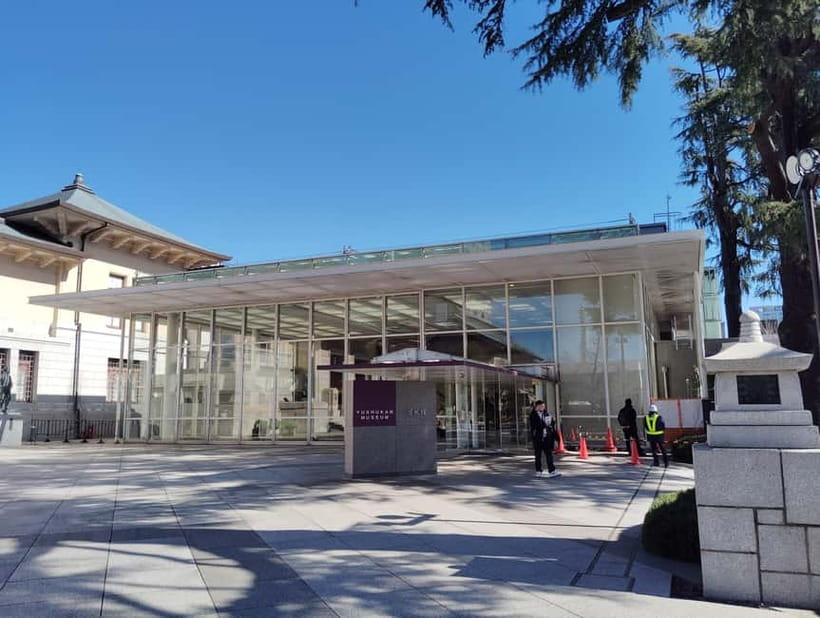
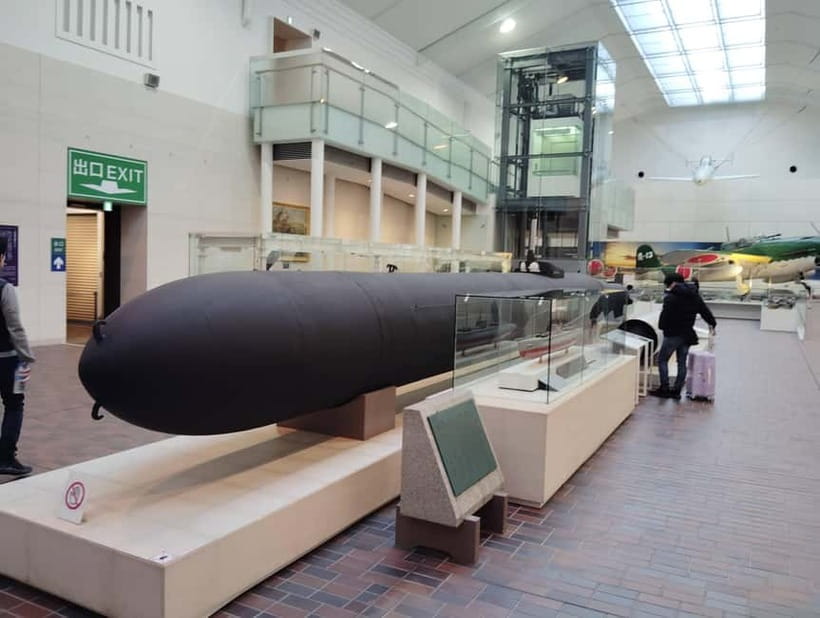
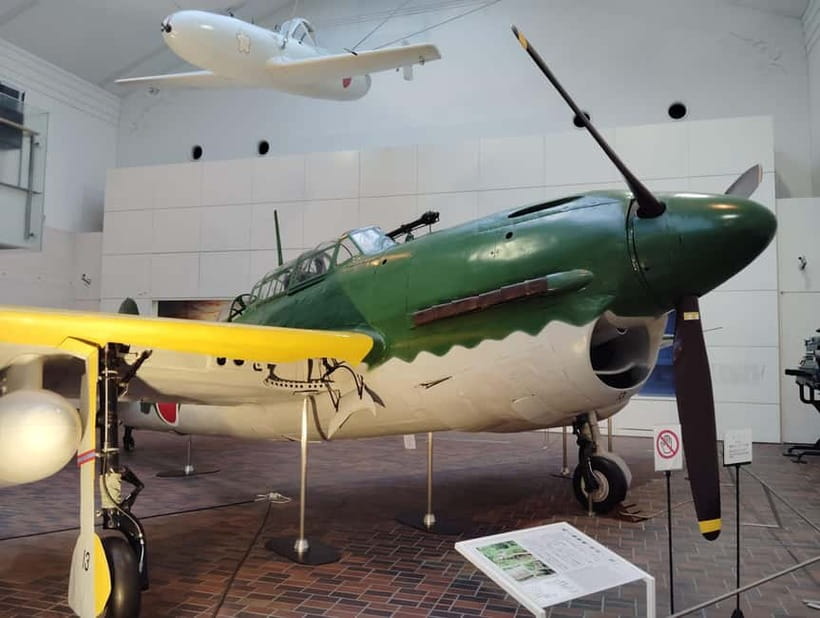
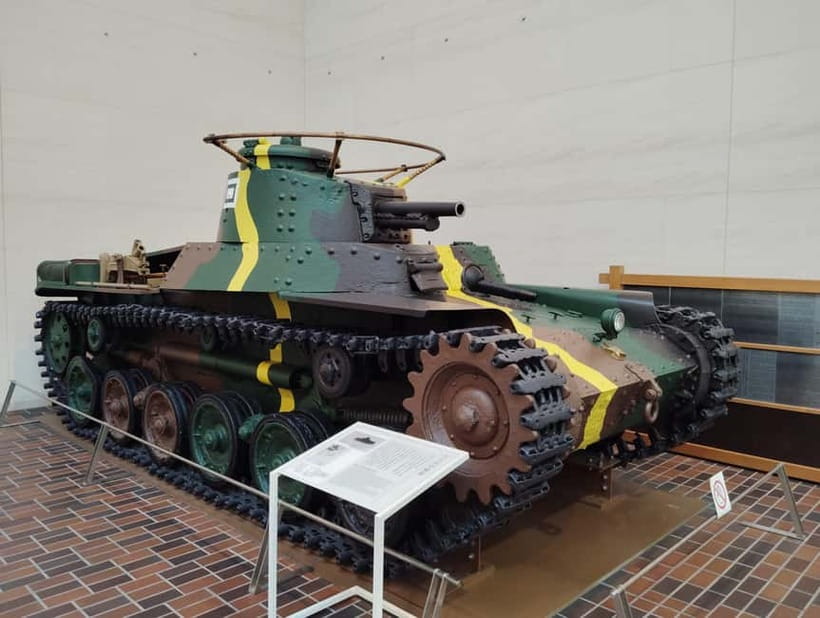
After the shrine, you move into the Yushukan War Museum for a visit around 110 minutes. This is where the tour becomes more analytical, because museums are always making choices—what to show, what to emphasize, and how to name conflicts.
The museum traces Japan’s military history from the late Tokugawa period through World War II. It presents Japan’s wars using a narrative that includes what Japanese sources often call the Greater East Asia War, alongside the Pacific War framing more common in other contexts. You should expect that wording and structure to feel different from what you might be used to elsewhere.
Here’s the value of doing this as a guided tour: your guide provides historical commentary with multi-perspective context. The goal is not to tell you what to think; it’s to give you tools to understand why the museum’s storyline reads the way it does—and how war memory can be shaped by national framing.
In practical terms, plan for museum pacing. Exhibits can be dense, and your eyes need breaks. Wear comfortable shoes, and don’t treat this like a photo scavenger hunt. Photography may be restricted in certain areas, and flash photography isn’t allowed, so build your plan around observation first.
Chidorigafuchi National Cemetery: Religious vs State Remembrance (Extended Option)
If you choose the extended tour, you’ll add Chidorigafuchi National Cemetery. This stop is especially useful if you want to compare how remembrance works when the state, rather than religious tradition, takes the lead.
Chidorigafuchi was established in 1959 as a secular, state-administered memorial. It honors unidentified war dead who were repatriated from overseas battlefields, which means the cemetery deals with a different kind of absence: not only the loss, but the missing names.
That contrast with Yasukuni is the whole point. Yasukuni enshrines the spirits of the war dead within a religious framework, while Chidorigafuchi honors the same broad idea of sacrifice through government commemoration with a secular structure. Seeing both in one outing makes the differences feel concrete, not theoretical.
This is also where you may notice how memory policy interacts with identity. A cemetery like this doesn’t tell the same “story” as a museum or a shrine ritual, but it still communicates values—through administration, layout, and how the site holds those who can’t be individually named.
What Your Guide Adds: Balance Without Hand-Waving
A private guide changes the whole feel of a politically and emotionally charged site. You’re not stuck reading everything at face value while hoping you guess the right context.
In this tour, the commentary is designed to be balanced and grounded in historical scholarship, even though the sites themselves have distinct perspectives. That matters because Yushukan’s narrative is described as distinctive, and your guide’s role is to help you understand what you’re seeing without steamrolling your questions.
One past guide experience also highlighted a practical teaching style. The guide named Tatsuo has been noted for sharing small cultural explanations alongside the big historical themes, including how and why people tend to walk on the left side of pavement and stand on the left on escalators. The war-memory sites will take your attention, but these side lessons help you connect to everyday Japan while you’re there.
If you like asking questions, this setup is ideal. If you prefer quiet observation, you can still use the guide’s explanations as a safety rail: you’ll know what you’re looking at, and why it’s debated, without needing to be an expert before you arrive.
Timing, Walking, and Photo Rules That Affect Your Comfort
This tour isn’t just “sit and listen.” It includes shrine walking, a museum visit, and—if extended—another memorial walk. That means your comfort choices matter.
Bring comfortable shoes you can stand in for a while. Add water, sunscreen, and a hat, especially if you’re touring during warmer months. The pace will still feel human because the group is private, but the sites are outdoors in parts, and the museum can be physically demanding through the sheer number of exhibits.
About photos: flash photography isn’t allowed. Also, photography may be restricted in certain areas of the museum, so don’t count on every room being camera-friendly. I recommend treating your camera like a tool, not the plan. Take a few key shots, then spend the rest of the time reading labels and looking closely at displays.
Finally, be mentally ready. The tour covers topics related to war and modern Japanese history, and some people find that emotionally heavy. If you’re the type who gets overwhelmed quickly by sensitive subjects, you might want to bring a buffer—like planning a calm meal after, or choosing a time of day when you’re not already stressed.
Price and Value: What $87 Buys You (And What It Doesn’t)
At about $87 per person, the price can feel either reasonable or high—depending on what you compare it to. In this case, you’re paying for a private guide plus admission to the Yushukan War Museum, within a multi-stop route.
You’re also buying time quality. A 150 to 210 minute experience lets the guide connect dots between Yasukuni’s memorial symbolism and Yushukan’s exhibition framing, and (optionally) to Chidorigafuchi’s secular commemoration. That’s hard to replicate on a self-guided walk without doing a lot of prior reading.
What’s not included is also important. Food and drinks aren’t covered, and transportation to and from the meeting point is on you. For most people, that’s a fair trade, but it does mean you should plan the day around it and budget for a snack stop afterward.
If you’re traveling with friends who also want context and questions answered, private tours can become especially good value. The guide time stretches farther when everyone shares the same focus.
Who Should Book This Tour—and Who Might Skip It
This experience fits best if you want more than general history sightseeing. You’ll enjoy it if you care about modern Japanese identity, international relations, memory studies, or how societies remember conflict over time.
It’s also a strong choice if you want a structured, respectful introduction to Yasukuni and Yushukan without walking in cold. The tour is designed for thoughtful travelers with a serious interest in modern history, and your guide provides clarity and context so you can process what’s debated.
You might skip it if your priority is light, upbeat sightseeing. This is not a “quick hit” tour, and the themes can be emotionally loaded. Also, if you struggle with moderate walking, the museum-heavy schedule could feel tiring.
Should You Book This Tokyo War History Tour?
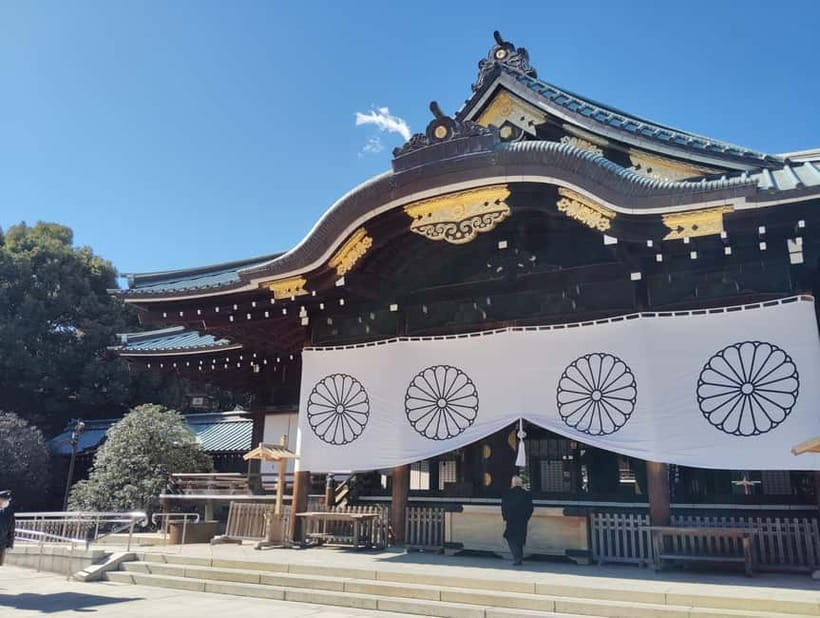
Book it if you want a careful, guided look at how Japan remembers war through both religious and state memorial approaches. The shrine-museum-cemetery sequence makes comparisons possible in a way that’s hard to do on your own, especially when your guide helps you read the framing.
Skip or rethink if you’re easily overwhelmed by politically sensitive subjects or you expect a casual stroll. This tour asks you to slow down, pay attention, and accept that history here is still active, contested, and personal.
If you’re on the fence, a good rule is simple: if you enjoy asking questions and learning how societies tell their own stories, this is worth your time.
FAQ
How long is the Tokyo War History Tour?
The tour duration is about 150 to 210 minutes, depending on the option you book.
Is this tour private?
Yes. It’s a private group tour, meaning only your group participates.
What stops are included?
The tour includes a guided visit to Yasukuni Shrine and the Yushukan War Museum. If you choose the extended option, it also includes Chidorigafuchi National Cemetery.
Is the guide available in English?
Yes. You’ll have a live English-speaking guide.
What’s included in the price?
The private guided tour includes the Yushukan War Museum admission fee, plus guided visits and historical commentary with balanced context.
Are food and drinks included?
No. Food and drinks aren’t included.
What should I bring?
Bring comfortable shoes, a hat, a camera, sunscreen, and water.
Are there rules for photography or smoking?
Smoking isn’t allowed. Flash photography isn’t allowed, and photography may be restricted in certain areas of the museum.
Is it flexible to cancel or change plans?
The tour offers free cancellation up to 24 hours in advance for a full refund, and there’s a reserve now & pay later option.
Tokyo, compared.
 ★ 5.0Mt Fuji and Hakone 1-Day Bus Tour Return by Bullet TrainFrom $16326,383 reviews
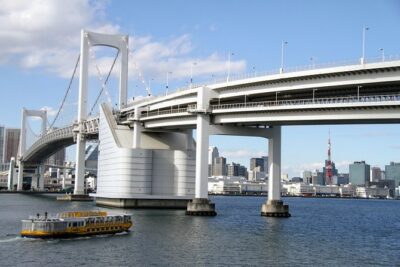 ★ 5.01-Day Tokyo Bus TourFrom $12914,250 reviews
 ★ 4.6teamLab Planets TOKYO Digital Art Museum Entry TicketFrom $259,779 reviews
 ★ 4.0Mt Fuji & Hakone Cruise, Drum Show Bullet Train 1 Day from TokyoFrom $1497,413 reviews
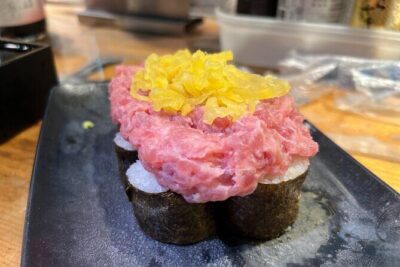 ★ 5.0Shinjuku Food Tour (13 Dishes at 4 Local Eateries)From $866,603 reviews
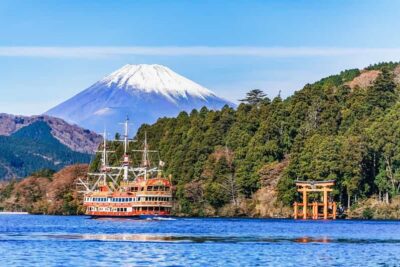 ★ 4.4Tokyo Mt Fuji 5th St & Hakone Cruise Bus Tour w/Bullet TrainFrom $1545,024 reviews
 ★ 5.0Flagship 2-Hours Official Street Go-Kart Tour – Tokyo Bay ShopFrom $644,974 reviews
 ★ 4.5From Tokyo: Mount Fuji Full-Day Sightseeing TripFrom $684,970 reviews