
Reviewed · TOKYO
Tokyo: Shibuya Sky, Harajuku & Meiji Shrine Highlights Tour
Tokyo hits you in two moods. This tour threads Shibuya Sky and Meiji Shrine into one smooth storyline, so you go from skyline wow to quiet forest air in a few short hours. I really like the contrast: the view that makes Tokyo feel orderly from above, then the shrine path that slows your pace down fast. One possible drawback: it’s a walking tour, and the value depends heavily on how much your guide explains.
If you get a strong guide, it feels like you’re speeding up your Tokyo start. Names like Ren, Shun, Kosei, Konon, and Max show up with the kind of help that makes photo stops and shopping streets easier to handle, not just pass through. Just keep in mind that one review experience flagged that the guide information wasn’t enough, so you’ll want clear expectations up front—especially given the $110 price.
In This Review
- Key Things to Know Before You Go
- Shibuya Sky’s 360-Degree View and the Photo-Spot Payoff
- Hachiko to Shibuya Scramble: Seeing the Crossing Like a Local
- Shibuya Parco and Miyashita Park: Fashion, Food, and Easy Window Shopping
- Cat Street: The Trendy Link Between Shibuya and Harajuku
- Takeshita Street at Peak Harajuku Energy (Without Getting Lost)
- Meiji Jingu Shrine: A Quiet Reset Under the Torii Gates
- Price and Logistics: Is $110 Good Value for What You Get?
- What to Expect From the Walking Pace (Rain or Shine)
- Who This Tour Suits Best
- Should You Book This Tokyo Highlight Route?
- FAQ
- Where does the tour start?
- Where does the tour end?
- How long is the tour?
- Is this tour private or a group experience?
- What languages are the guides?
- Is the tour wheelchair accessible?
- Does the tour run in rain?
- What’s included in the price?
- What isn’t included?
- Is free cancellation available?
Key Things to Know Before You Go
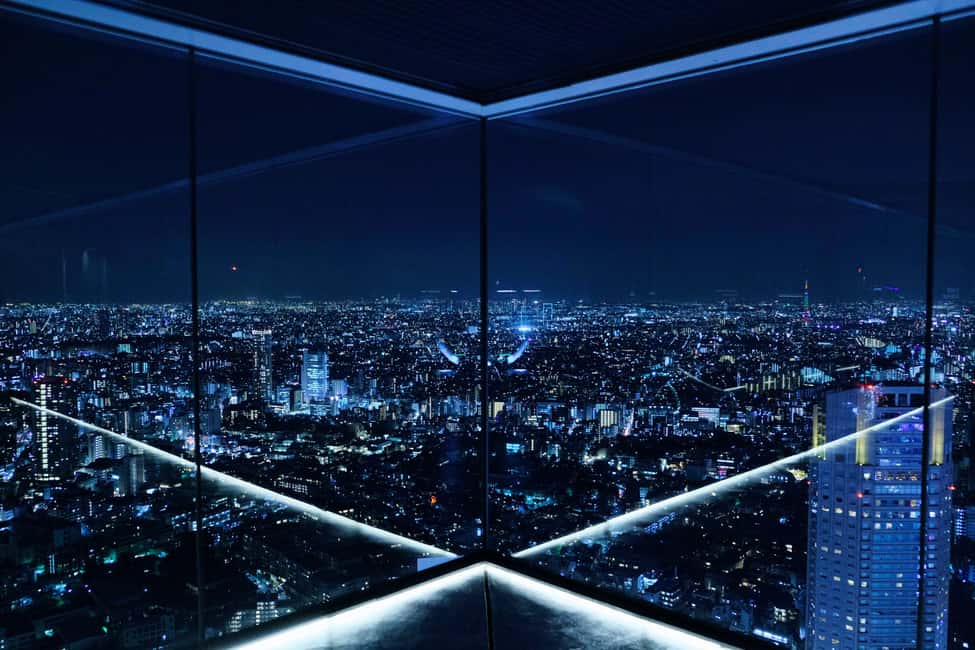
- 360-degree Tokyo views from Shibuya Sky with skyline and Scramble Crossing sightlines.
- Smart contrast route: Shibuya Crossing energy, then the calm walk into Meiji Jingu.
- Harajuku street time on Takeshita Street plus a quieter fashion lane on Cat Street.
- Local guidance matters for navigation, photo placement, and what to notice while you walk.
- A private-group format with a 5-hour pace built around multiple stops.
Shibuya Sky’s 360-Degree View and the Photo-Spot Payoff
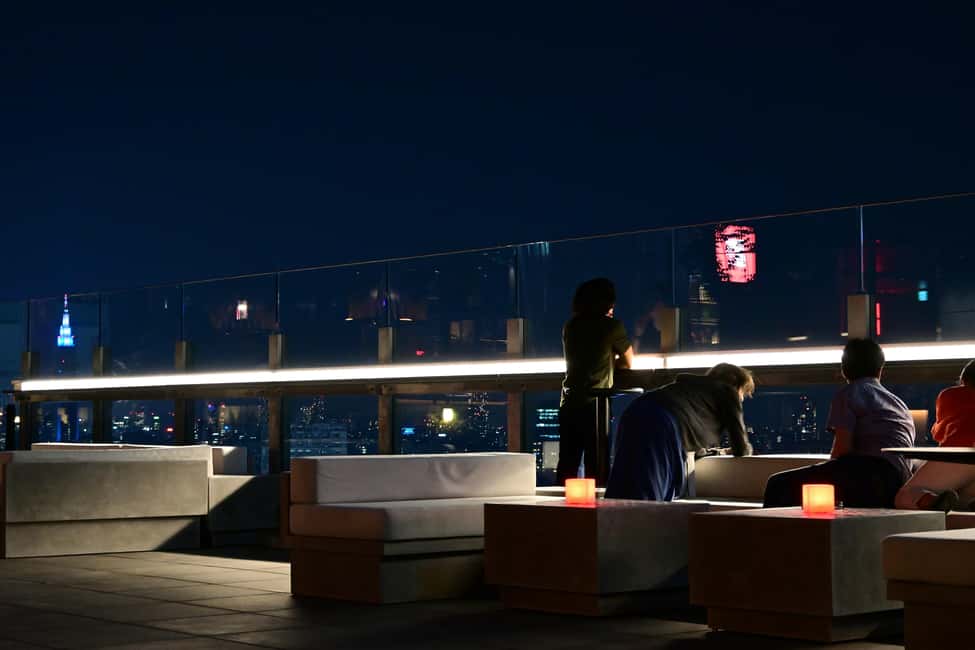
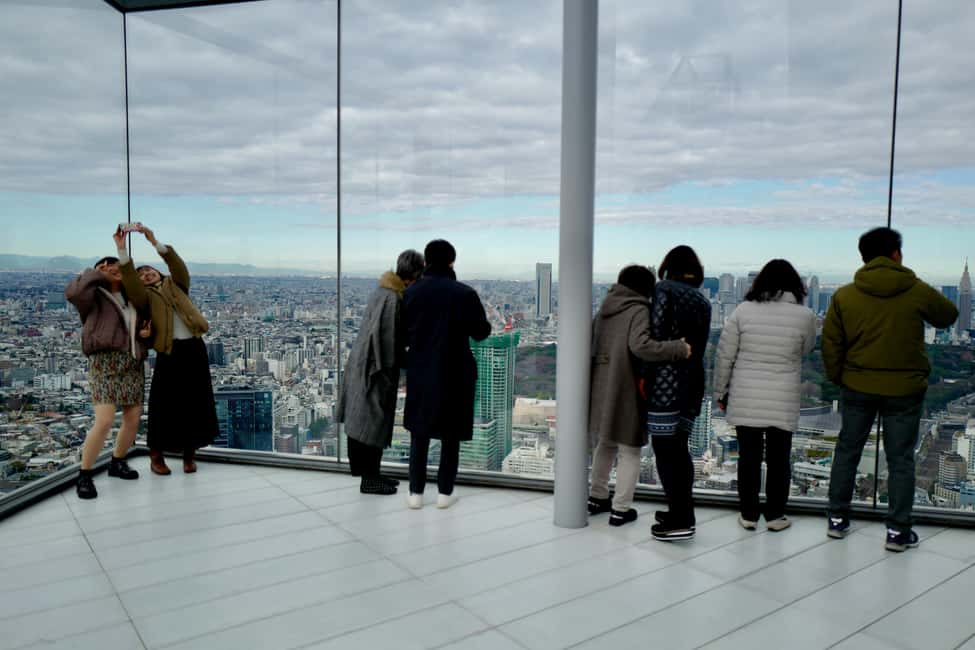
Your morning (or afternoon) mindset should be: look up, then look around. Shibuya Sky is the centerpiece because it’s built for orientation. From up there, Tokyo stops being a blur of neighborhoods and starts feeling like a map you can understand—especially if it’s your first time in Shibuya.
This stop isn’t just a quick glance. You’ll have about 45 minutes for a photo stop, guided time, and sightseeing, which is enough to find angles without feeling rushed. I like this structure because Tokyo is visual chaos at street level; the tower view gives you a “top-down reference” you carry into every next stop.
One practical note: a good guide can help you pivot if any part of the viewing area is impacted by conditions. One person in the feedback mentioned an outside tower closure due to wind, and the day still worked because the guide redirected attention to what was open. If weather affects the experience, ask your guide on the spot what the best alternative angles are.
Hachiko to Shibuya Scramble: Seeing the Crossing Like a Local
Every Tokyo highlight route needs a strong beginning, and this one starts at the famous Hachiko Statue. It’s a simple meeting point, but it also helps you understand Shibuya’s personality. From there, you walk into the area where Tokyo looks modern in the loudest possible way.
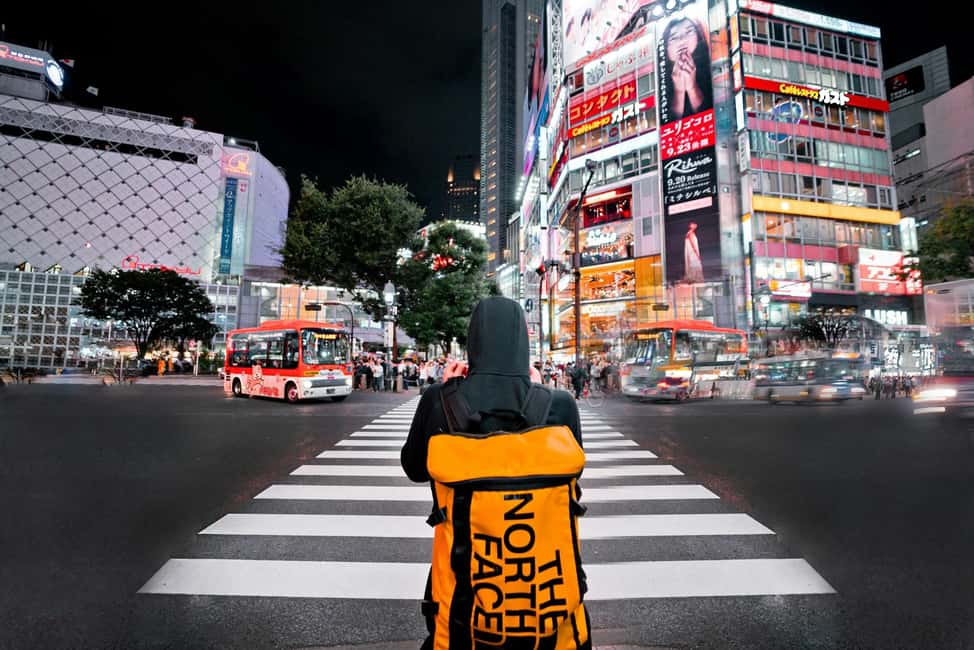
Then comes Shibuya Crossing, with a 15-minute stop built around photos and quick guided context. You don’t get stuck in the middle of the crowd; you get a moment to watch it operate from a viewpoint that makes sense. The guide helps you focus on what to notice: how people move through the crossings, how the streets layer into each other, and why Shibuya feels like it runs on momentum.
If you’re the kind of traveler who likes to understand the system behind the spectacle, this short segment is a win. If you’re mainly chasing photos, it still works—because you’re not left guessing where to stand or how long you should wait for the lights and flows to line up.
Shibuya Parco and Miyashita Park: Fashion, Food, and Easy Window Shopping
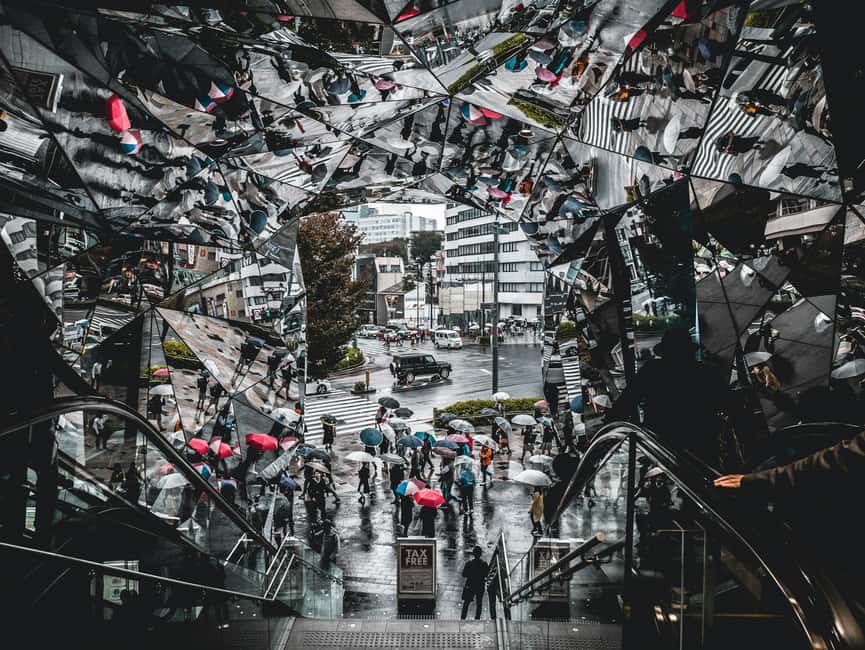
After the crossing, the tour shifts to shopping-focused districts with a modern street-energy vibe. You’ll spend about 45 minutes at Shibuya Parco, then another 45 minutes at Miyashita Park. Both stops include time for photo moments, guided walking, plus shopping time.
Here’s what makes these two feel more useful than random mall wandering: the guide’s job is to steer you to what you should actually pay attention to. Even if you don’t buy anything, you’ll leave with a better feel for what “current Tokyo style” looks like in this part of town. That matters because the shopping streets in Japan can be overwhelming if you’re just trying to follow your own instincts.
In my experience, the biggest value in shopping stops on a tour is not access—it’s decision-making help. If you’re traveling with kids or you’re short on time, having a guide point out what’s worth checking (and what’s a time sink) saves you energy. If you want to shop hard, you can also use the guidance to avoid repeating the same types of stores twice.
Cat Street: The Trendy Link Between Shibuya and Harajuku
Between Shibuya’s big-name energy and Harajuku’s youth fashion identity sits Cat Street, and this is one of those places that’s better on foot than from a distance. You get about 45 minutes here with guided time and browsing.
Cat Street works because it’s a bridge. It’s not as overwhelming as the major corridors, and it still feels stylish and local. The guide’s pacing helps you notice details like shopfront style and street styling trends without feeling like you’re constantly scanning for directions.
If you’re worried about logistics—like where you’re going next or how to keep the walking route from feeling confusing—this is the kind of stop that earns its keep. It breaks the day into chunks that feel manageable.
Takeshita Street at Peak Harajuku Energy (Without Getting Lost)
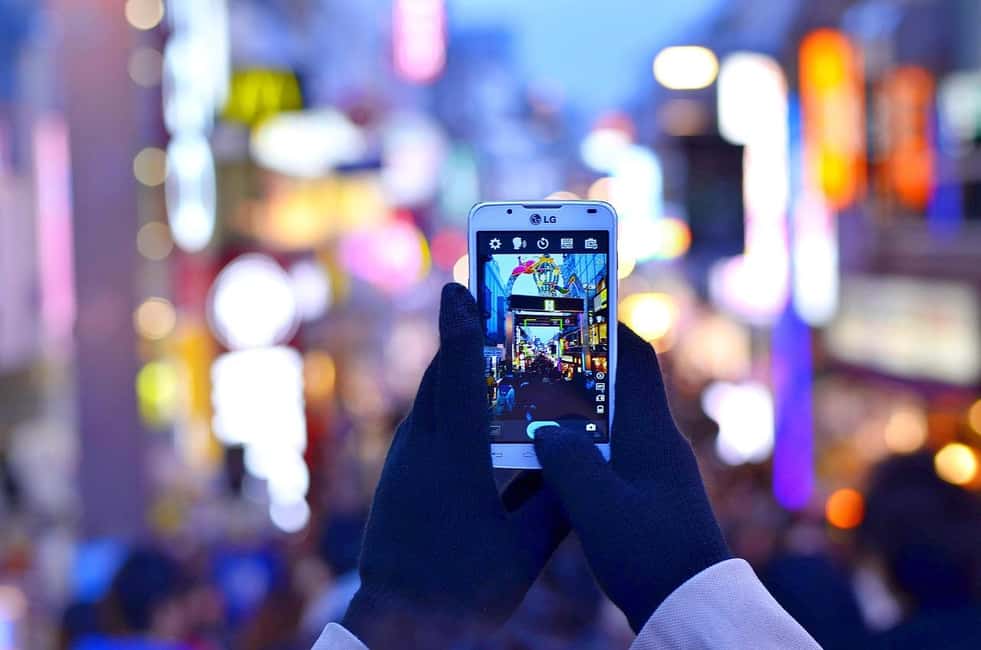
Then you hit the headline street: Takeshita Street. This is the area most people picture when they hear Harajuku, and the tour gives you about 45 minutes for guided sightseeing.
What I like about this timing is that it’s long enough to experience the atmosphere, but not so long that you get trapped in the crush. You’re going to see plenty of kawaii pop culture and youth fashion cues here—stuff you can spot instantly even if you don’t know the names of every brand.
This is also the moment where shopping and snacks become part of the experience. Even if you’re not shopping, you’ll want time to slow down and look at costumes, accessories, and the general street “mix” that makes Harajuku feel different from the rest of Tokyo.
One detail that can really matter: if your guide is the proactive type—like Shun, who people described as sharing practical tips for food and experiences—you’ll get more than a walk. You’ll get guidance that helps you decide what to do in the moment, instead of just drifting.
Meiji Jingu Shrine: A Quiet Reset Under the Torii Gates
After Harajuku’s intensity, the transition to Meiji Jingu Shrine feels like a full mental reset. You’ll spend about 30 minutes, including photo stops, guided time, and sightseeing as you follow the path under the towering torii gate.
This stop is more than scenery. The guide shares context about the shrine and the dedication to Emperor Meiji and Empress Shoken. That background changes how you experience the walk—because you’re not just looking at architecture; you’re participating in a place with meaning and rhythm.
I like the structure here: the tour doesn’t try to turn Meiji Jingu into a long lecture. It keeps it respectful and readable. You get enough guided insight to understand why this calm space matters, then you can enjoy the atmosphere at your own pace.
If Shibuya and Harajuku are about motion and identity, Meiji Jingu is about stillness and tradition. The day works because the tour actually lets both moods exist.
Price and Logistics: Is $110 Good Value for What You Get?
At $110 per person for about 5 hours, you’re paying for more than destinations. You’re buying:
- A local guide who connects the dots between stops
- A route that reduces guesswork on where to go next
- Guided time blocks designed to fit a tight schedule
You’re also not paying for everything. Transportation is not included, and admission for sights that aren’t listed as part of the highlights may also be on you. Shibuya Sky is the one major ticket-like experience in the plan, so before you go, confirm what’s covered in your booking versus what you pay separately on the day.
Now for the honest part: the value can swing. One experience flagged that the tour felt overpriced and that a self-guided walk could have covered a lot, especially because the Shibuya Sky value felt limited. On the other hand, other experiences praised guides who went beyond the basics—Ren for helpfulness, Shun for insider recommendations and handling surprises, Kosei for being prepared, and Konon/Max for adjusting the tour and answering questions.
So how do you judge value for yourself?
- If you love photo spots, context, and smooth navigation, the guide time is usually worth it.
- If you prefer total independence and you already know these areas well, you might feel the guide portion is optional.
A good compromise: treat the tour as your orientation day. Use it to learn how the neighborhoods connect, then explore more on your own afterward.
What to Expect From the Walking Pace (Rain or Shine)
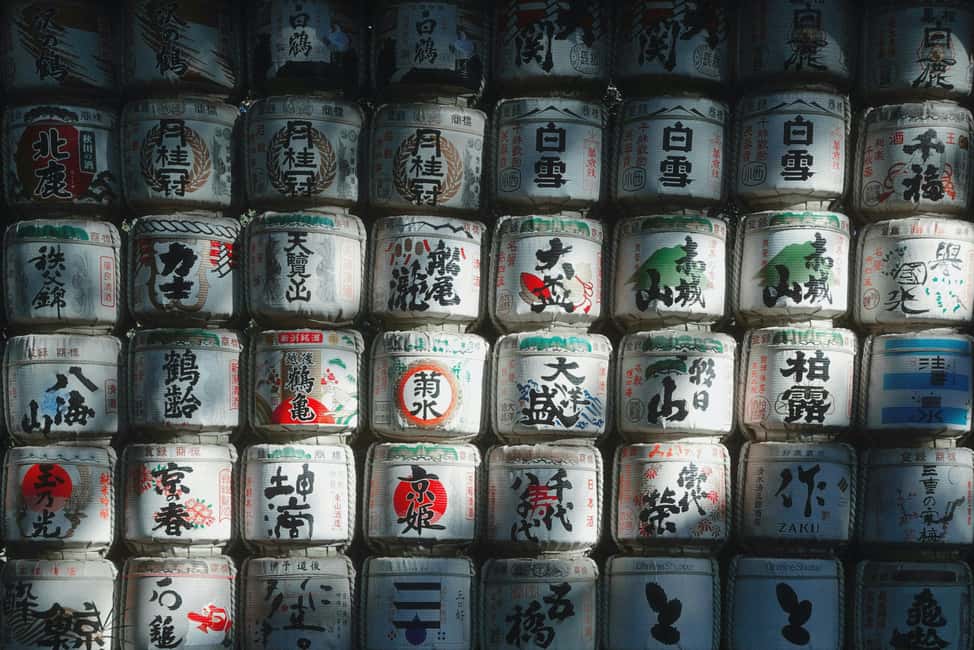
This is a walking tour that runs rain or shine. That means you should plan like you’re doing a city hike, not a sightseeing bus ride. Comfortable shoes matter, and your jacket matters, because the route moves through open streets before you reach quieter spaces.
The tour also runs as a private group, which is helpful when you want less waiting around and more flexibility in pacing. It’s also listed as wheelchair accessible, so the route has been set up for broader mobility, but you’ll still be outdoors for parts of the day.
Finally, note the clear rule: no smoking. It’s small, but it’s the kind of rule that keeps public spaces pleasant.
Who This Tour Suits Best
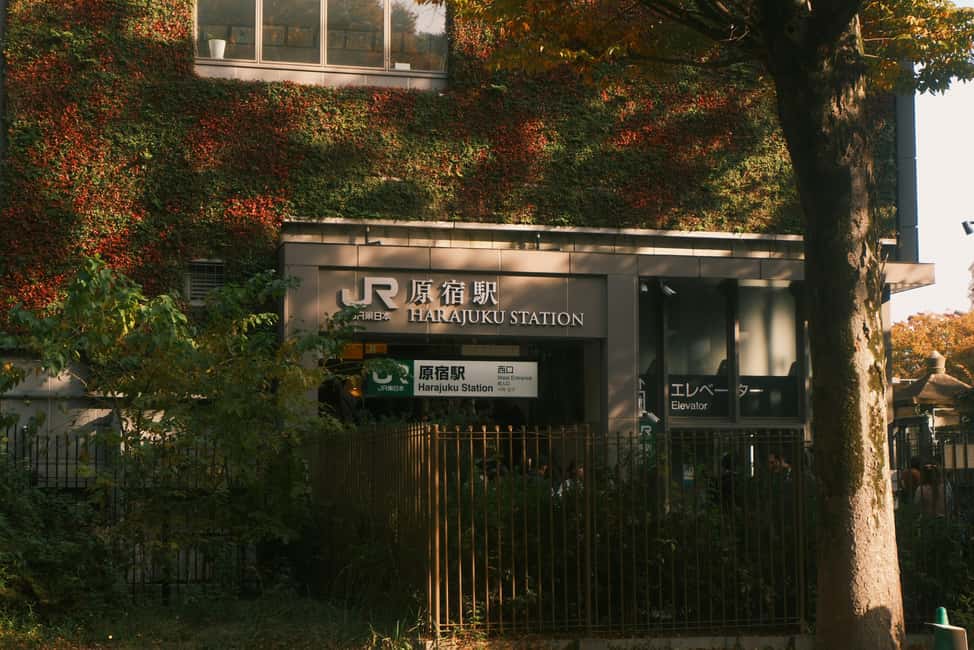
This tour is a strong fit for you if:
- It’s your first Tokyo trip and you want a fast, organized overview of Shibuya, Harajuku, and Meiji Jingu
- You like shopping streets but would rather have someone help you prioritize
- You want the modern-meets-traditional contrast in one day, without jumping neighborhoods on your own
It’s less ideal if:
- You’re traveling ultra-budget and would rather spend time figuring things out without paying for guided time
- You want deep, slow temple study; the shrine portion is designed to be a highlight stop, not a long cultural session
- Your main goal is one attraction only; Shibuya Sky is the star, but the value depends on enjoying the whole route
Should You Book This Tokyo Highlight Route?
Book it if you want a one-day orientation that ties Tokyo’s contrasts together—sky views, street style, and shrine calm—under the help of a local guide. The best versions of this experience are powered by guides who explain what you’re seeing and offer practical recommendations, and the private-group format keeps the day feeling controlled.
Skip or reconsider if you already have a plan for these neighborhoods, you hate walking, or you tend to get frustrated when tours don’t give you enough information. In that case, you might prefer a simpler, self-guided route.
My take: if you’re spending limited time in Tokyo, this is the kind of tour that can save you energy and help you start exploring smarter the next day.
FAQ
Where does the tour start?
The tour starts at 忠犬ハチ公像 (Hachiko Statue).
Where does the tour end?
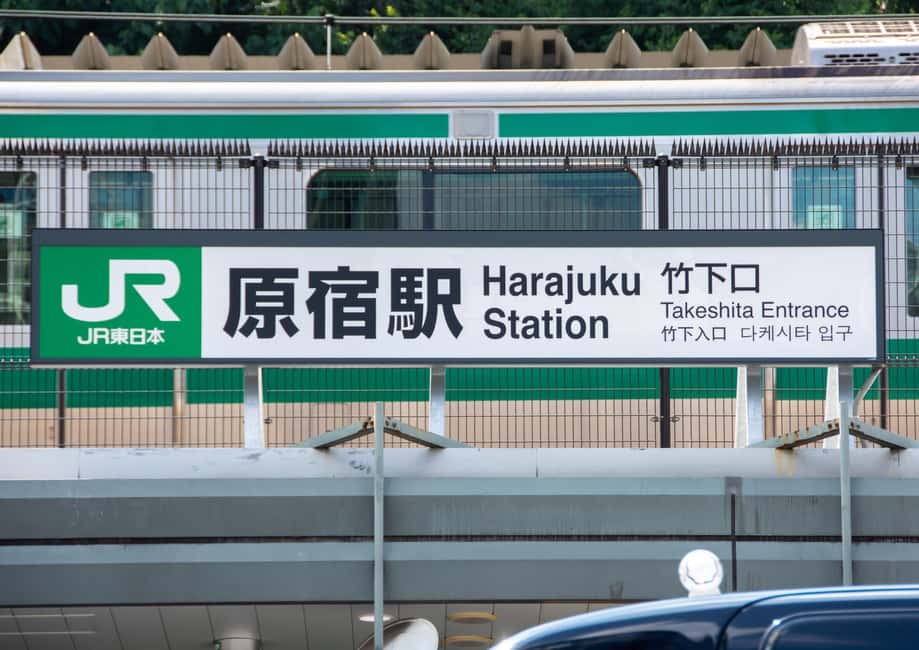
It finishes at Harajuku Station.
How long is the tour?
The tour lasts 5 hours.
Is this tour private or a group experience?
This is a private group experience.
What languages are the guides?
The live tour guide is available in English and Japanese.
Is the tour wheelchair accessible?
Yes, the tour is listed as wheelchair accessible.
Does the tour run in rain?
Yes, the experience is held rain or shine.
What’s included in the price?
The tour includes a local guide.
What isn’t included?
Transportation (for you and the guide) is not included, and admission for sights not listed in the highlights is not included.
Is free cancellation available?
Yes. You can cancel up to 24 hours in advance for a full refund.
Tokyo, compared.
 ★ 5.0Mt Fuji and Hakone 1-Day Bus Tour Return by Bullet TrainFrom $16326,383 reviews
 ★ 5.01-Day Tokyo Bus TourFrom $12914,250 reviews
 ★ 4.6teamLab Planets TOKYO Digital Art Museum Entry TicketFrom $259,779 reviews
 ★ 4.0Mt Fuji & Hakone Cruise, Drum Show Bullet Train 1 Day from TokyoFrom $1497,413 reviews
 ★ 5.0Shinjuku Food Tour (13 Dishes at 4 Local Eateries)From $866,603 reviews
 ★ 4.4Tokyo Mt Fuji 5th St & Hakone Cruise Bus Tour w/Bullet TrainFrom $1545,024 reviews
 ★ 5.0Flagship 2-Hours Official Street Go-Kart Tour – Tokyo Bay ShopFrom $644,974 reviews
 ★ 4.5From Tokyo: Mount Fuji Full-Day Sightseeing TripFrom $684,970 reviews