
Reviewed · TOKYO
Tokyo: Rice Ball Making Class
Tokyo tastes better when you make it.
This small, guided experience blends a hands-on onigiri class with a relaxed bike day that ends at Hamarikyu Gardens for a calm picnic. I love how real the cooking feels: you season, shape, and fill rice balls like a cherished Japanese snack. I also love the payoff timing—your onigiri is still warm when you sit down to eat in the garden. One thing to consider: part of the day involves cycling, so you’ll want to feel comfortable on a bike.
I’ve got a soft spot for tours where the guide actually helps you through the steps, and this one has a Japanese expert at the rice station plus an English-speaking bike guide (including Sho, one of the names you’ll hear in the group). You learn the “why” behind the method—how to handle the rice, season it, and work with classic fillings like savory salmon, pickled plum, or tuna-mayo. With a small group capped at 6, you get enough attention to fix mistakes before they become onigiri souvenirs.
Plan for clothes that work on two wheels. You’ll ride after you finish making your onigiri, and it’s easiest if you bring water and wear comfortable cycling clothes so the day feels smooth, not like a test.
In This Review
- Key highlights at a glance
- Onigiri class first: what you learn before you ride
- Seasoning and shaping: fillings that change the whole experience
- Hamarikyu Gardens picnic: eating in a historic-feeling setting
- The bike ride: backstreets, riverside paths, and Tokyo Bay views
- Group size, English guide, and why the $51 price can make sense
- What to wear, bring, and who should skip this one
- Should you book this Tokyo rice ball and bike day?
- FAQ
- How long is the Tokyo onigiri making and bike tour?
- Where do I meet the guide?
- Is the tour conducted in English?
- What’s included in the price?
- What should I bring?
- Are there any snacks or drinks included?
- What is the group size?
- Is this tour suitable for kids?
- Do I need to be able to ride a bike?
Key highlights at a glance
- Hands-on onigiri making with a Japanese expert
- Classic fillings like salmon, pickled plum, and tuna-mayo
- Hamarikyu Gardens entry plus a picnic with your freshly made onigiri
- A guided bike route through backstreets and riverside paths
- Small-group attention (up to 6 people) in English
Onigiri class first: what you learn before you ride
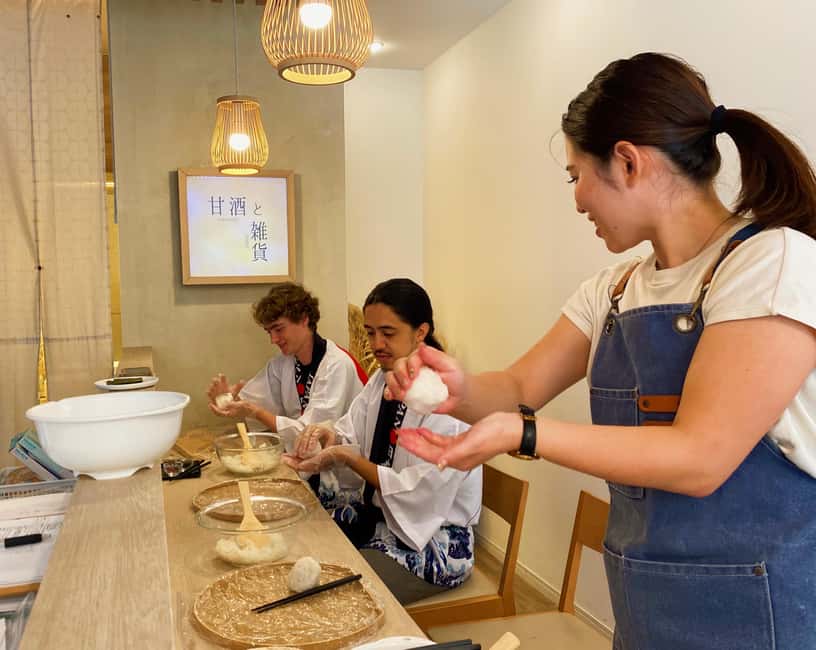
The day kicks off with the real star: learning how to make onigiri, Tokyo-style. You start by working with freshly steamed rice and the seasonings that give it that unmistakable flavor and texture. The class is built so you’re not just watching someone else cook. You’re doing the shaping, pressing, and filling steps with guidance from your instructor.
This is where you’ll notice the difference between onigiri you buy and onigiri you make. Store-bought rice balls are convenient, but they can’t teach you the hands-on tricks: how wet hands help the rice release cleanly, how pressure affects the final shape, and how to portion fillings so every bite makes sense. If you’ve ever wondered why some onigiri hold together perfectly while others crumble, this is the answer in physical form.
The class format also sets expectations for the rest of the experience. Because you’re making your food early, you’re not stuck with a long stretch of waiting before you get to eat. Your onigiri is part of the itinerary, not just a small snack included as an afterthought.
Seasoning and shaping: fillings that change the whole experience
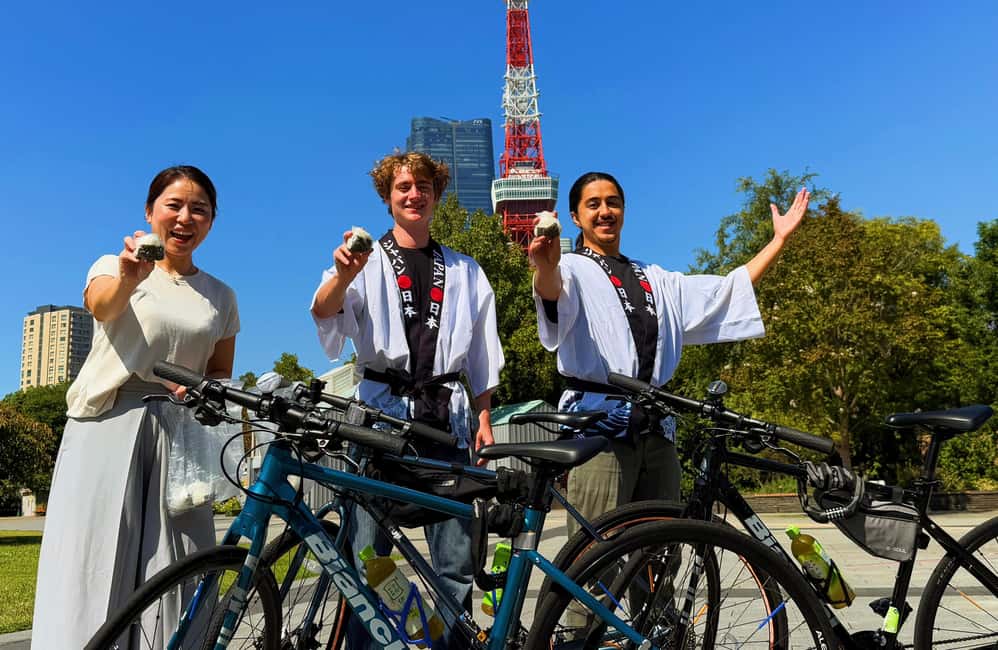
The onigiri menu here is delightfully classic. You’ll experiment with classic options such as savory salmon, tangy pickled plum, or creamy tuna-mayo. Even if you think you know what onigiri tastes like, these fillings tend to surprise people because each one changes the whole balance of rice-to-filling.
Here’s how to think about it as a learner:
- Salmon tends to feel rich and savory, so the rice seasoning matters a lot for balance.
- Pickled plum brings a brighter, tangy bite that cuts through the softness of the rice.
- Tuna-mayo leans creamy, so you’ll want a filling portion that doesn’t overpower the rice.
You’ll also practice the physical shaping process—how to form a compact rice ball that holds without turning into a brick. Done well, onigiri are simple food with surprisingly precise technique. Done poorly, you still end up with an edible lesson. Either way, you leave with skills you can use later if you want to try making them back home.
Hamarikyu Gardens picnic: eating in a historic-feeling setting
After the class, you shift from hands-on cooking mode to calm eating mode. Your guide takes you to Hamarikyu Gardens, and the point is straightforward: you’ll enjoy the onigiri you made at a traditional Japanese garden.
Hamarikyu Gardens sits where the city meets Tokyo Bay, so it has that rare feeling of space even while you’re surrounded by a major metropolis. You’ll find saltwater ponds, walking paths, and seasonal flowers, plus a quiet contrast between traditional teahouse-style architecture and the modern skyline in the background.
The picnic moment is more than just a lunch break. It’s the proof of the timing. You’re eating a warm snack you crafted earlier, in the kind of setting that makes even plain rice feel special. Spread out on the grass, you’ll unwrap your onigiri and eat slowly instead of rushing to the next photo spot.
Small practical note: this is one of those experiences where the food matters, so plan on taking your time once you sit down. If you rush, you miss the best part—the combination of garden calm and freshly made flavor.
The bike ride: backstreets, riverside paths, and Tokyo Bay views
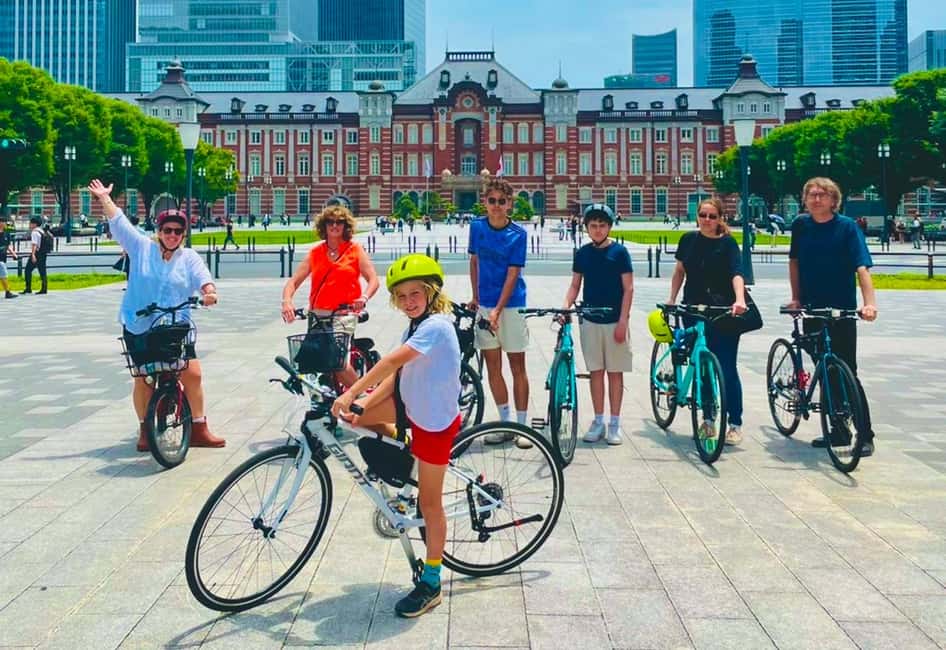
Once you’ve refueled, the route turns into a gentle but meaningful Tokyo sampler by bike. Your guide leads you along a carefully chosen path through backstreets and scenic riverside sections, showing you layers of the city you usually miss when you stick to big train stops and main roads.
This ride is especially good if you like seeing everyday life without the pressure of constant sightseeing. The backstreet segments let you notice smaller details—how neighborhoods feel between major landmarks. Then the riverside sections gradually widen your view, and eventually you reach waterfront lanes that open toward Tokyo Bay.
Keep an eye out for landmarks you’ll catch along the way. You can expect glimpses such as Tokyo Tower in the distance, the Imperial Palace area, and the Zozoji Temple. You’re not doing a checklist sprint; you’re getting “spotted on the way” moments, which often feel more memorable because you see them from street level while the city is moving around you.
The guide’s role matters here. A good bike route prevents you from getting lost and helps you keep a comfortable pace. You also avoid the common mistake of planning a DIY bike tour route that’s either too hard to follow or not safe for casual cycling.
Group size, English guide, and why the $51 price can make sense
At about $51 per person, the value here comes from what’s bundled. You’re paying for more than one activity. You get:
- an onigiri making class with expert instruction
- the ingredients
- a local bike tour guide
- the bike
- entrance to Hamarikyu Gardens
When you compare that to the cost of doing parts separately—class fees, garden entry, and a guided bike experience—the price becomes easier to justify. It’s not “cheap,” but it’s efficient. The day uses a shared guide and shared timing so you spend less time coordinating and more time actually doing.
Another point in the value column: the group stays small, capped at 6. That matters for cooking instruction. If the group were large, you’d likely wait for turns and spend less time perfecting technique. Instead, you get a real chance to learn how to shape onigiri without feeling rushed.
You’ll also have an English live guide. That’s important in a class setting, because it helps you understand the steps clearly and ask questions if something feels off.
Also, remember what’s not included: extra snacks and drinks at the shop. If you want water beyond what you bring, you’ll likely have to purchase it elsewhere, so plan accordingly.
What to wear, bring, and who should skip this one
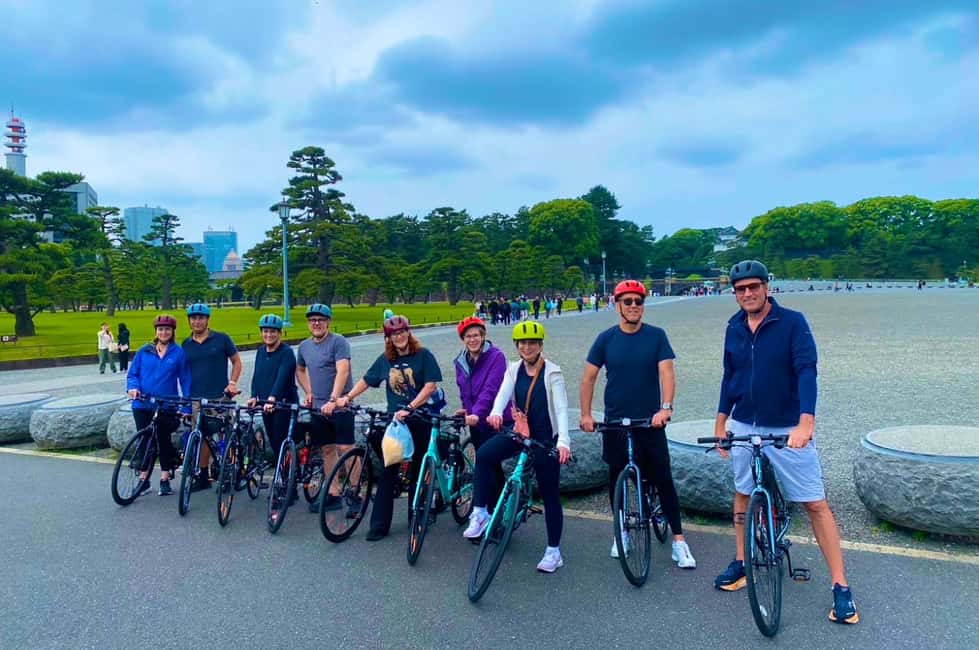
This is a bike-based tour, even though it starts with cooking. That means the clothing and fitness requirements aren’t optional details—they affect how enjoyable the day feels.
What I’d recommend you bring and wear:
- Water (it’s specifically recommended)
- Comfortable clothing you can move in
- Cycling-friendly shoes and layers if the weather shifts
The tour is not suitable for certain people, including children under 12, anyone who can’t ride a bike, wheelchair users, and people with mobility impairments or back problems. It also isn’t designed for people with high blood pressure or low-level fitness.
There’s also a stroller restriction: baby strollers aren’t allowed. If you’re traveling with kids who aren’t within the age range, you’ll want to look for a different activity so you don’t end up making the day harder than it needs to be.
If you’re a confident, comfortable cyclist, you’re in the sweet spot. You’ll still get plenty of walking time at the garden, but the bike ride is the backbone that connects the cooking lesson to the Tokyo sights.
Should you book this Tokyo rice ball and bike day?
I’d book it if you want two things in one morning-to-afternoon window: a real food skill and a guided way to see Tokyo from street level. The onigiri class gives you something you can repeat later, and the bike portion keeps it from feeling like a one-stop cooking workshop.
You should think twice if biking is a struggle for you, or if you’re looking for a purely walking, no-activity pause kind of experience. The tour is designed around cycling, and it expects you to be able to ride.
If you do book, you’ll likely love the pacing: cook first, picnic next, ride after. That order makes the day feel coherent, not scattered. Plus, with the small group size and English-speaking guide, it’s the kind of experience where you can actually learn instead of just collecting photos.
FAQ
How long is the Tokyo onigiri making and bike tour?
The duration is listed as 1 to 3 hours, depending on the starting time and availability.
Where do I meet the guide?
You meet your guide at the onigiri making class.
Is the tour conducted in English?
Yes, the live tour guide speaks English.
What’s included in the price?
Included items are the onigiri making class with an expert, onigiri ingredients, a local bike tour guide, the bike, and entrance to Hamarikyu Gardens.
What should I bring?
You should bring water.
Are there any snacks or drinks included?
Extra snacks and drinks at the shop are not included.
What is the group size?
This is a small group limited to 6 participants.
Is this tour suitable for kids?
It is not suitable for children under 12.
Do I need to be able to ride a bike?
Yes. People who can’t ride a bike, wheelchair users, and those with mobility impairments are not suitable for this experience.
Tokyo, compared.
 ★ 5.0Mt Fuji and Hakone 1-Day Bus Tour Return by Bullet TrainFrom $16326,383 reviews
 ★ 5.01-Day Tokyo Bus TourFrom $12914,250 reviews
 ★ 4.6teamLab Planets TOKYO Digital Art Museum Entry TicketFrom $259,779 reviews
 ★ 4.0Mt Fuji & Hakone Cruise, Drum Show Bullet Train 1 Day from TokyoFrom $1497,413 reviews
 ★ 5.0Shinjuku Food Tour (13 Dishes at 4 Local Eateries)From $866,603 reviews
 ★ 4.4Tokyo Mt Fuji 5th St & Hakone Cruise Bus Tour w/Bullet TrainFrom $1545,024 reviews
 ★ 5.0Flagship 2-Hours Official Street Go-Kart Tour – Tokyo Bay ShopFrom $644,974 reviews
 ★ 4.5From Tokyo: Mount Fuji Full-Day Sightseeing TripFrom $684,970 reviews