
Reviewed · SHIBUYA TOURS
Tokyo: Private Vintage Shopping Tour in near Shibuya
Three vintage stops in Tokyo, minus the guesswork.
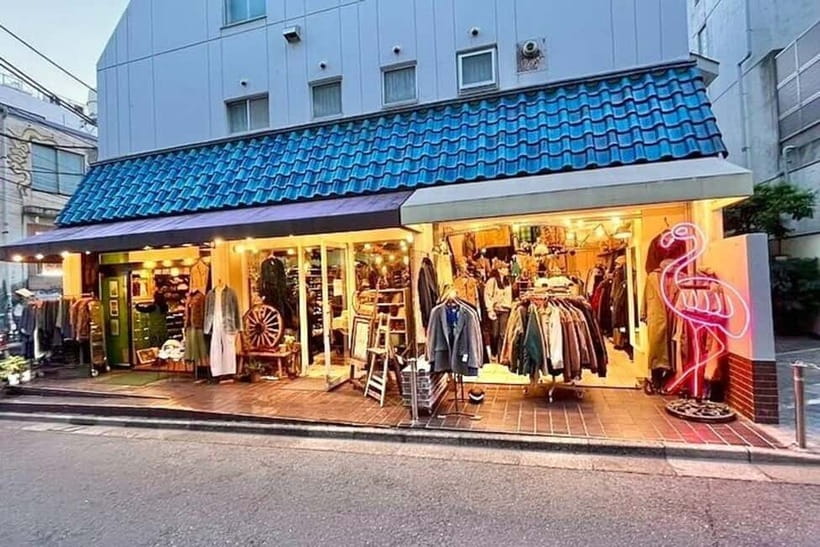
This is a private vintage shopping tour in Shimokitazawa, an area famous for thrift and retro style, just a quick ride from Shibuya. You get a plan for shopping (not just wandering), plus help finding good stores when you arrive with no clue where to start.
I love two things most: the English live guide who adjusts to what you like, and the fact that you visit three different vintage stores so you can compare styles and prices without wasting time. It feels efficient, but still relaxed.
One thing to consider: the tour fee covers the guide and store visits, not what you buy, so you’ll still need a shopping budget on top.
In This Review
- Key highlights you’ll care about
- Shimokitazawa: The vintage-shopping base near Shibuya
- Meeting at THE STANDARD BAKERS: get oriented in minutes
- Two hours, three stores: what the timing is really for
- Stop one: your first store is about momentum, not perfection
- Stop two: where your style preferences start to pay off
- Stop three: buying decisions, plus an easy fallback plan
- What you’ll walk away with: more than clothes
- Price and value: $50 for a guided shortcut to better shopping
- Who this private vintage tour suits best
- Should you book this Shimokitazawa vintage shopping tour?
- FAQ
- How many vintage stores are included?
- Where do we meet the guide?
- Is the tour private, and is there an English guide?
- What is included in the $50 price?
- How long is the tour?
- Can I cancel if my plans change?
Key highlights you’ll care about
- Shimokitazawa vintage town, close to Shibuya and Shinjuku (about 10 minutes from Shibuya and 15 from Shinjuku)
- Three vintage stores in two hours so you can find favorites fast
- Personal taste help before you go, including genres or specific items
- Friendly, patient guides who keep things fun and on-target
- A tour that feels like shopping with a friend, not a rigid lecture
Shimokitazawa: The vintage-shopping base near Shibuya
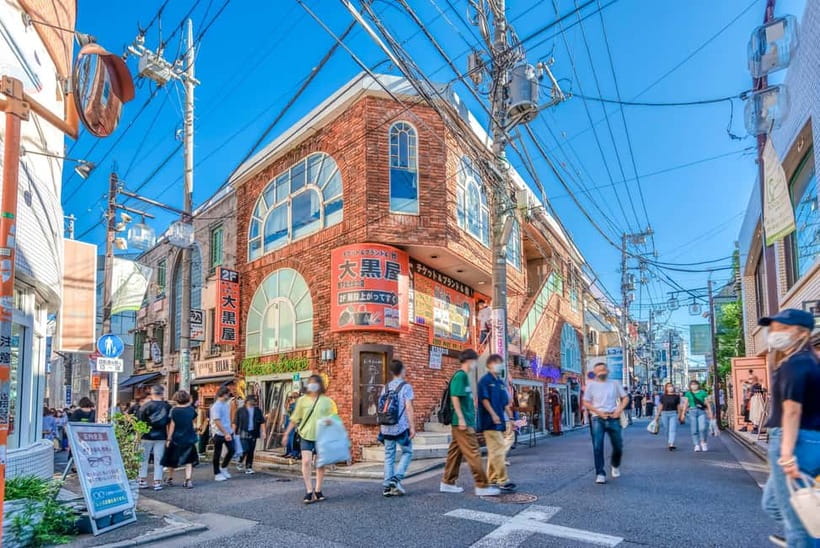
If Tokyo feels too big to tackle solo, Shimokitazawa is a smart fix. It’s one of Japan’s best-known areas for vintage shopping, with lots of stores packed into a small radius. The big win is that it’s easy to reach from where most people stay in Tokyo: roughly 10 minutes from Shibuya and 15 minutes from Shinjuku. That means you can do a “local neighborhood” day without sacrificing time for trains and transfers.
What makes this area especially good for thrifting is variety. You’re not just hunting one type of item. You can shift gears from clothing to accessories, and from trendy basics to more quirky pieces. And when you’re doing it for the first time, the hardest part is knowing which stores are worth your time. That’s where the guide’s job becomes real value.
I also like that this tour doesn’t pretend vintage shopping is one-size-fits-all. You can tell the guide what you want—whether that’s a specific vibe, a type of garment, or smaller items you can’t easily find elsewhere. You’re shopping Tokyo style, but with guardrails.
Meeting at THE STANDARD BAKERS: get oriented in minutes
Your meetup is simple and very visible: in front of THE STANDARD BAKERS at Shimokitazawa Station. The station access includes both the Odakyu line and the Keio Inokashira line, which makes it easier to plan your approach.
For you, that matters because vintage shopping is time-sensitive. Once you’re in the neighborhood, you want to spend your energy looking at racks, not searching for a meeting point. Meeting at a well-known storefront also helps you settle quickly—especially if you’re coming from a busy hub like Shibuya.
A practical tip: arrive a few minutes early and take a quick walk around the station area before you start. You’ll get your bearings fast, and then you’ll be ready for the first store with less stress.
Two hours, three stores: what the timing is really for
This experience runs about 2 hours, and that’s a key part of the design. Vintage shopping can balloon, especially once you find something interesting and want to compare. The tour format prevents the common problem: you end up tired, decision-blind, and buying only because you’re worn out.
With three different vintage shops, you get a rhythm:
- First stop helps you understand the range and set your “yes” list.
- Second stop is where your personal style questions get answered more clearly.
- Third stop helps you land the items you truly want after seeing enough options.
It’s also a private group tour, so you’re not stuck waiting for others who are “just browsing.” The guide can pace you and adapt as you go. One review described the guide as super patient with lots of questions—exactly what you want when you’re hunting for specific stuff like graphic tees, stickers, or smaller accessories.
English is covered by a live tour guide, so you can ask what matters: where to look, how to find your size, what a piece is likely to fit like, and which sections are best for your interests.
Stop one: your first store is about momentum, not perfection
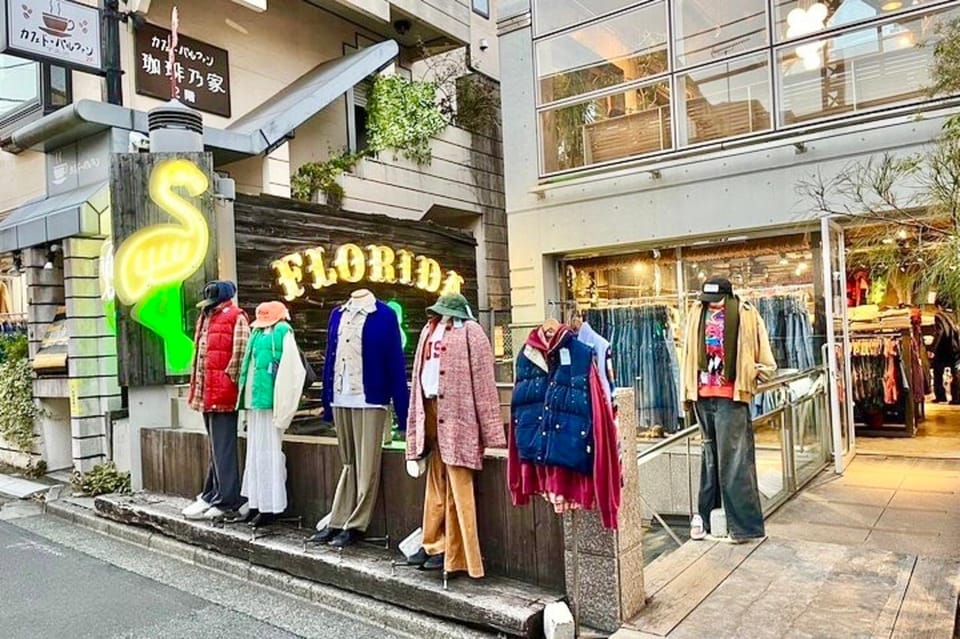
At the first vintage shop, your goal should be simple: build momentum. Even if you don’t buy right away, this is where you start learning what this store does well. You’ll usually be better at shopping after you’ve seen the range of brands, cuts, and price levels in one place.
Here’s how I’d approach it (and why it works in a time-limited tour):
- Scan quickly for your top categories first (tops, outerwear, bags, accessories).
- Check labels and basic condition fast, then narrow down to 2–3 items you’d actually wear or gift.
- If sizing is tricky, keep an eye out for pieces that match your preferred fit rather than chasing a perfect number.
Your guide’s value shows up here. One of the most praised elements of this tour is that guides can adjust to what you’re chasing. In past groups, guides like Ria, Maki, and Misha have been described as friendly and easy to talk to, with a down-to-earth style that makes questions feel normal instead of awkward. That matters because vintage shopping often comes with uncertainty, and you need someone to help you keep moving.
Also, a helpful dynamic: you’re not expected to figure everything out alone. If you tell the guide your genres or item targets in advance, stop one becomes the place to start “funneling” your options.
Stop two: where your style preferences start to pay off
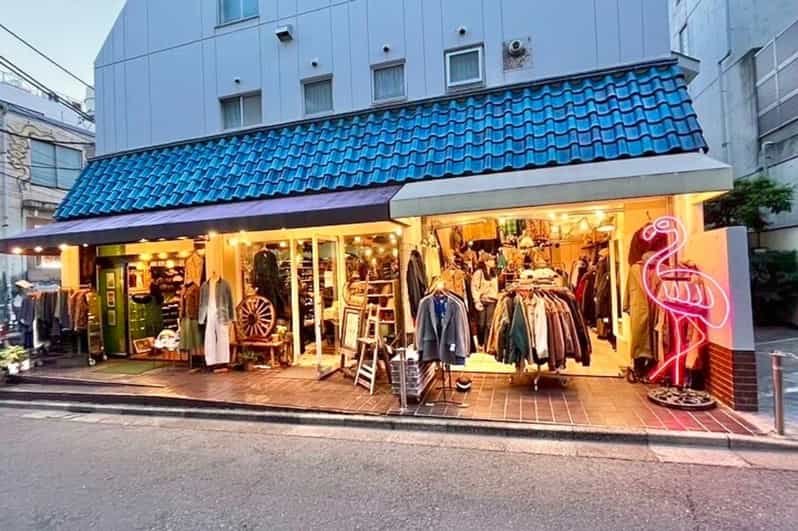
The second store is often where the hunt becomes more satisfying. By now you’ve seen what you like (and what you don’t), and the guide can steer you toward areas that match your tastes.
This is the stop to get specific. If you love a certain look—streetwear, band tees, accessories, or something quirky—this is where you can slow down a bit and compare alternatives. If you’re shopping for a special gift, it’s also the moment to check for distinctive details: prints, materials, and small design cues that make a piece feel intentional.
One review highlighted that the tour felt like exploring with friends, with guides taking an active role in helping people find their kind of items. Another mentioned the tour could adapt from things like Eminem T-shirts to stickers and even finishing somewhere casual for a drink. Even if that specific ending isn’t guaranteed, the underlying point is: the guide isn’t stuck in a one-track plan. If your interests shift, the tour can shift too.
Practical shopping advice for this stop:
- If you find a piece you truly like, try it right away when possible. In vintage, the exact item might not be there later.
- Take a quick photo of tag details (brand, size, fabric) so you can compare at store three.
- Keep a budget range in mind. Vintage deals can be great, but time pressure can trick you into overspending.
Stop three: buying decisions, plus an easy fallback plan
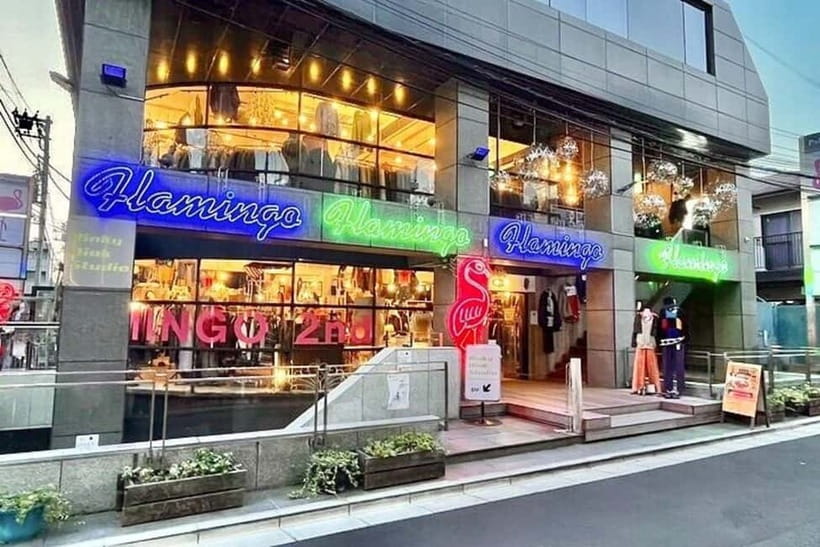
By the third store, you’re shopping with clearer eyes. This is where you should focus on the items that still feel exciting after you’ve seen enough options. If you buy earlier, you can use this stop as a final check: do you want a second “yes,” or were those first finds the real winners?
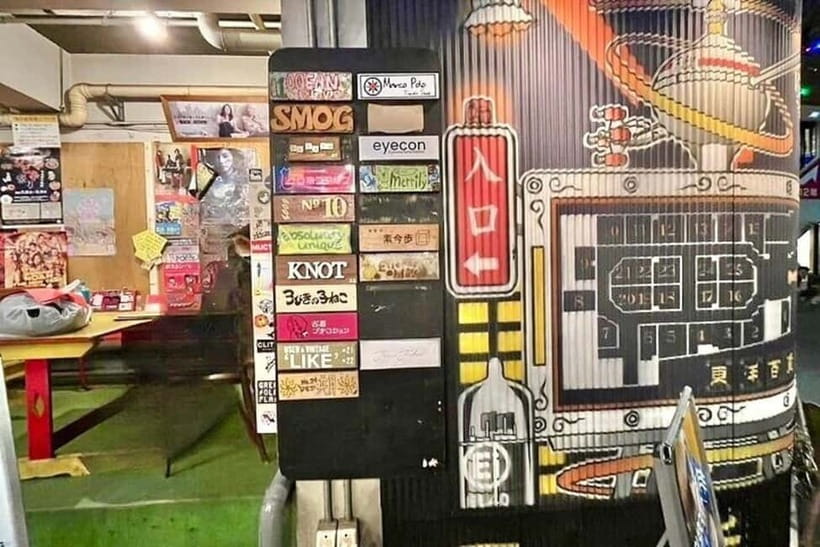
One smart detail from prior groups: the tour often includes more of the larger shops, which can make it easier at the end to circle back and explore smaller places nearby. That’s useful because smaller shops can hold stand-out pieces, but they’re also easier to miss if you don’t know where to look. A guide-led plan helps you stop guessing and start buying with confidence.
Also, if you’re worried about missing out, this third stop is your chance to compare styles across the stores. You may spot a similar item with a better price or a better fit. Or you might find something totally different that matches the “maybe later” items you admired earlier.
If you’re the kind of shopper who needs closure, tell the guide you want to leave with a final shortlist. That’s one of the best ways to get value out of a fixed two-hour window.
What you’ll walk away with: more than clothes
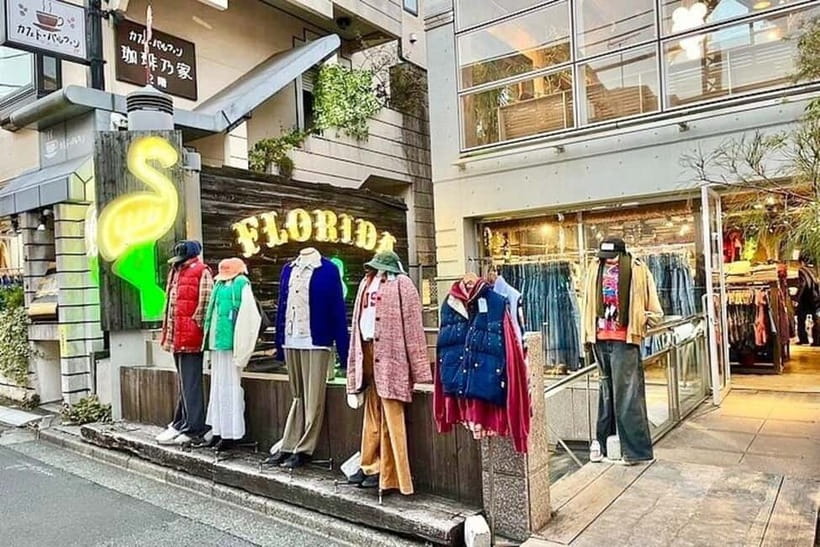
The point of vintage shopping isn’t only the purchase. It’s the feeling of learning how to shop Tokyo style. The tour format makes that happen quickly.
Here’s what you’re likely to gain:
- Confidence: you learn how to scan racks and narrow down fast.
- Better choices: three stores means more comparison, fewer regrets.
- Local connection: Shimokitazawa isn’t a single store; it’s a whole shopping vibe.
- Memories: even if you buy just one item, you’ll remember the hunt.
One thing I especially like about the tour’s reputation is the social side. People have described the guides as easy to talk to, with a patient attitude even when questions go in funny directions. That’s the vibe you want when you’re in a foreign city. Shopping should feel playful, not stressful.
And yes, the goal is still to find items you love. Some groups have scored lots of wonderful purchases, and others found things they admired but didn’t buy—still a win, because knowing what you like matters for your next Tokyo trip.
Price and value: $50 for a guided shortcut to better shopping
At $50 per person for about 2 hours, you’re paying for three things: local guidance, time savings, and a private plan. The price can feel reasonable even before you buy anything, because vintage shopping time in Tokyo adds up fast if you’re wandering without direction.
What’s included: all fees and taxes. What’s not included: the shopping cost, and hotel pickup/drop-off. So you should treat the tour fee like paying for the guide and structure—not a bundled shopping spree.
Here’s how to judge value for yourself:
- If you want help finding good stores quickly, the tour fee pays off.
- If you have a clear style goal (or a wish list), a good guide reduces wasted stops.
- If you plan to buy, you’ll likely find better matches across three stores, which makes the guided route feel even more worth it.
Also, private format changes the math. You’re not sharing the guide with a large group where your needs get delayed. You can ask questions immediately and get feedback while the options are still in front of you.
Who this private vintage tour suits best
This tour is a strong match if you’re any of these:
- You’re new to Tokyo and want a neighborhood experience that’s easy to reach from Shibuya or Shinjuku.
- You like vintage but don’t want to spend the whole trip “figuring out” which shops are good.
- You have an outfit goal, gift idea, or style genre you want to stick to.
- You prefer private attention and an English-speaking guide rather than solo guessing.
It also works well for parent-child pairs or friends shopping together, because it’s flexible and personal. One review mentioned that the guide shaped the store choices specifically for a mother and daughter, which is the kind of tailored vibe that can make a big difference when everyone wants different things.
Should you book this Shimokitazawa vintage shopping tour?
If your main goal is to find vintage you genuinely like, and you want to do it without wasting time, I’d book it. The combination of three store visits, English guidance, and a private setup gives you a clean path through a neighborhood that can feel overwhelming on your own.
I’d skip it only if you plan to spend your entire time shopping the way you shop at home—slowly, randomly, and without any interest in getting store recommendations. If that’s your style, solo exploring might be more satisfying. But if you want a guided route that helps you choose faster and shop smarter, this one fits.
If you’re deciding right now, do this: message the guide in advance with your genres or specific items. The better your inputs, the more likely you’ll leave with the kind of finds that make the time and money feel worth it.
FAQ
How many vintage stores are included?
You’ll visit 3 different vintage stores during the tour.
Where do we meet the guide?
Meet in front of THE STANDARD BAKERS at Shimokitazawa station (Odakyu line and Keio Inokashira line).
Is the tour private, and is there an English guide?
Yes. It’s a private group tour with a live guide in English.
What is included in the $50 price?
The price includes all fees and taxes. Shopping costs are not included.
How long is the tour?
The tour lasts about 2 hours.
Can I cancel if my plans change?
Yes. You can cancel up to 24 hours in advance for a full refund.
Shibuya Tours, compared.
 ★ 5.0Official Street Go-Kart in ShibuyaFrom $763,435 reviews
 ★ 4.9Street Kart Experience in ShibuyaFrom $741,484 reviews
 ★ 5.0Shibuya Meltdown Nightlife Tour: All-You-Can-Drink Bar HoppingFrom $1061,058 reviews
 ★ 5.0Shibuya Official Street Go-Kart in Shibuya AnnexFrom $69972 reviews
 ★ 5.0Shibuya Food Tour (13 dishes and 4 Eateries)From $77770 reviews
 ★ 5.0Best of Shibuya Food TourFrom $217612 reviews
 ★ 4.8Shibuya Highlights Walking TourFrom $19601 reviews
 ★ 4.7Premium Go-Kart Tour with Tower & Shibuya CrossingFrom $116528 reviews
Browse the lists this tour appears in