
Reviewed · TOKYO
Tokyo: Private Morning Run with Sento Bath Experience
Tokyo moves fast. This tour moves with it.
Starting before the day crowds in, I like how this private 10K morning run lets you see Tokyo at a human pace, not a rush. You’ll jog through Harajuku and Aoyama’s calmer green-belt edges, then finish with a traditional sento bath ritual that feels like the perfect cool-down.
Two things I really enjoy: the route is guided but flexible (you can walk or shorten if needed), and the guide stories keep the run from feeling like just another workout. One consideration: the sento bath isn’t available on Thursdays, so plan for that if you’re traveling midweek.
In This Review
- Key highlights at a glance
- Tokyo Before Breakfast: What This 2-Hour Private 10K Feels Like
- Finding Tokyu Plaza Harajuku (Harakado) and Getting Started Smoothly
- Harajuku to Aoyama by Runner’s Pace: Yoyogi Park and a Calmer Green Belt
- The In-Between Stops: Quiet Corners, View Moments, and a Small Shrine
- The Sento Bath Ritual: How the Soak Works and What to Expect
- Pace, Fitness Level, and Who This Tour Fits Best
- Price and Value: Is $48 Worth It?
- Practical Tips You’ll Be Glad You Follow
- Should You Book This Tokyo Morning Run + Sento?
- FAQ
- How long is the Tokyo private morning run?
- What distance will I run?
- What pace will the guide keep?
- Is this tour private?
- Where do we meet?
- Is the sento bath always included?
- What should I bring?
- Is food included?
- Is this tour suitable for children?
Key highlights at a glance
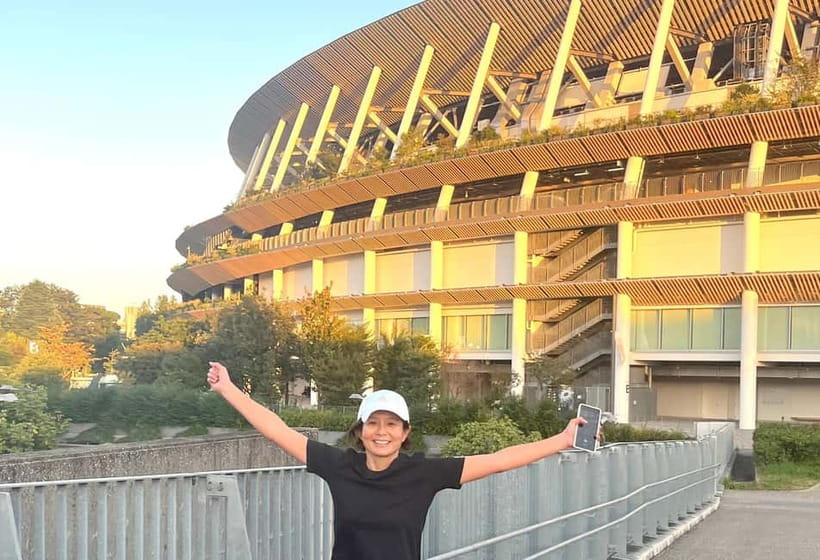
- Private 10K run through Harajuku and Aoyama at a relaxed 6–8 km/h
- Yoyogi Park and calm early-morning streets, when Tokyo still feels soft around the edges
- Stops beyond the obvious, including a small shrine where you learn the traditional steps for showing respect
- Sento bath included with towels and a coin locker (not on Thursdays)
- English/Japanese guide, with the pacing adjusted to your comfort
Tokyo Before Breakfast: What This 2-Hour Private 10K Feels Like
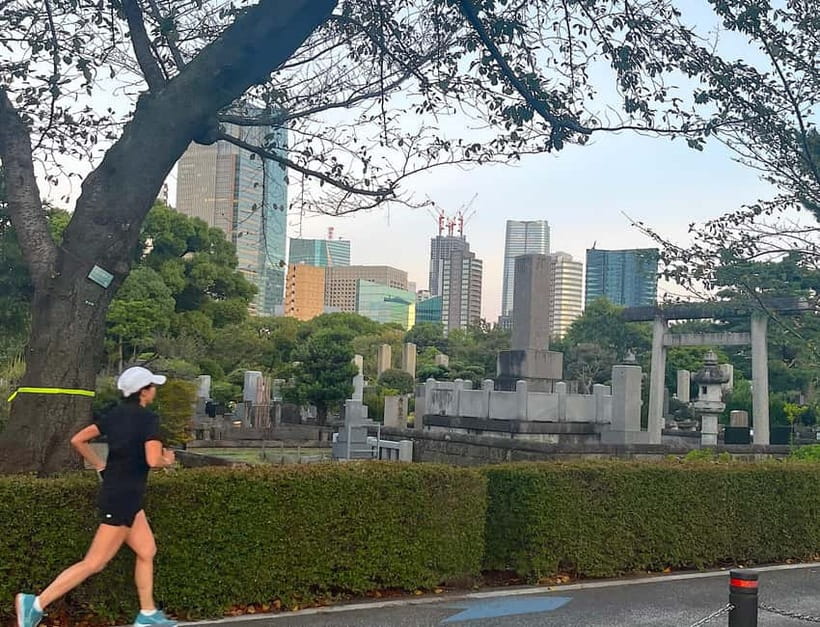
If you want Tokyo, but also want to feel like you’re doing something real—this is a strong choice. The whole experience is built around timing: you start early, when streets are quieter and the city’s mood hasn’t shifted into full commuter mode yet.
You’ll run roughly 10K at a friendly pace (6–8 km/h). That’s fast enough to feel like a workout, but slow enough that you can take in the area and actually hear what your guide is saying. I like that you’re not treated like a number. If you need to walk, you can. If you want a shorter course, it can be adjusted.
And the finish matters. Instead of just stretching on the sidewalk, you get a sento bath. In Japan, that kind of public bath culture is part of everyday life, not a staged performance for tourists. Done right, it turns the whole morning into something both active and calm.
Finding Tokyu Plaza Harajuku (Harakado) and Getting Started Smoothly
The meeting point is in front of Dior at the Tokyu Plaza Harajuku (Harakado) building. Your guide will be wearing a white cap, so you shouldn’t be left doing the classic tourist scan.
This matters more than you’d think. Harajuku is lively, and you’re starting early—so your best move is to show up a few minutes early, not right on time. You’ll begin with an easy setup and then move into the run right away.
You’ll also want to come ready to change gears at the end. Bring comfortable shoes for the run and a change of clothes for the bath part. No smoking is allowed during the experience, so keep it clean and simple.
Harajuku to Aoyama by Runner’s Pace: Yoyogi Park and a Calmer Green Belt
The route focuses on the stretch between Harajuku and Aoyama, with a calm feel early in the morning. This is where the tour earns its value: instead of forcing you to sprint through landmarks, it guides you along streets where locals actually move.
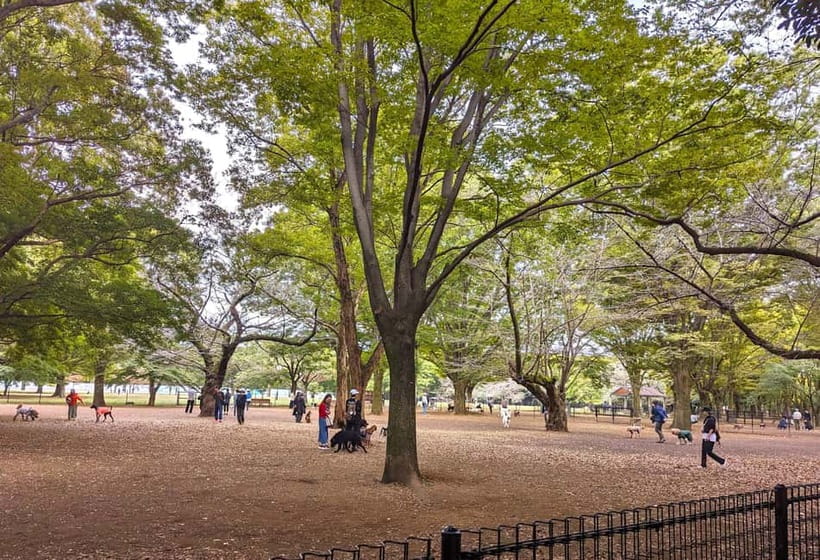
A key stop is Yoyogi Park. It’s a place you can just walk through anytime, but on a timed morning run, it feels different. You’re moving steadily, the park rhythm breaks up the city grid, and you get a better sense of how Harajuku connects to the more quiet sides of Aoyama.
The pace is intentionally “runner friendly,” but not “serious athlete only.” If you’re casual—maybe you run for stress relief or confidence—this will feel doable. If you’re more advanced, you’ll likely still enjoy it, but the tour isn’t built to be a personal best attempt. That said, the tour does leave room for you to pick up energy when it feels right.
One practical tip: think of this as a run with conversation moments, not a race. You’ll get better value if you treat it like a guided morning walk-run. Your guide will share stories and trivia about Tokyo, so you’ll want to stay present.
The In-Between Stops: Quiet Corners, View Moments, and a Small Shrine
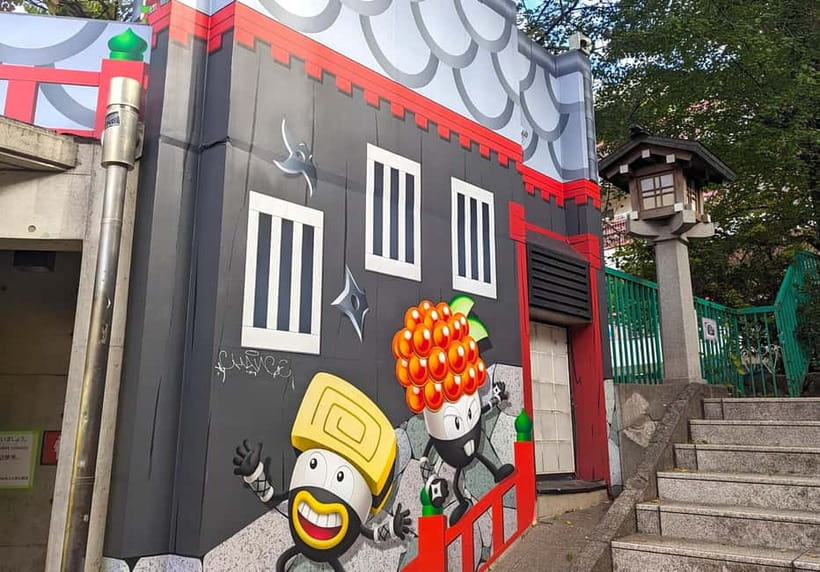
Some runs show you the city. This one tries to help you understand it. That’s why there are extra stops beyond the main park and the obvious streets.
During the tour, you’ll have time at a secret stop, a view point, and another hidden-ness in plain sight moment that breaks the routine. The exact details of each spot aren’t advertised as “only tourists will ever see this,” but the effect is real: you get little pockets of Tokyo that don’t feel like postcards.
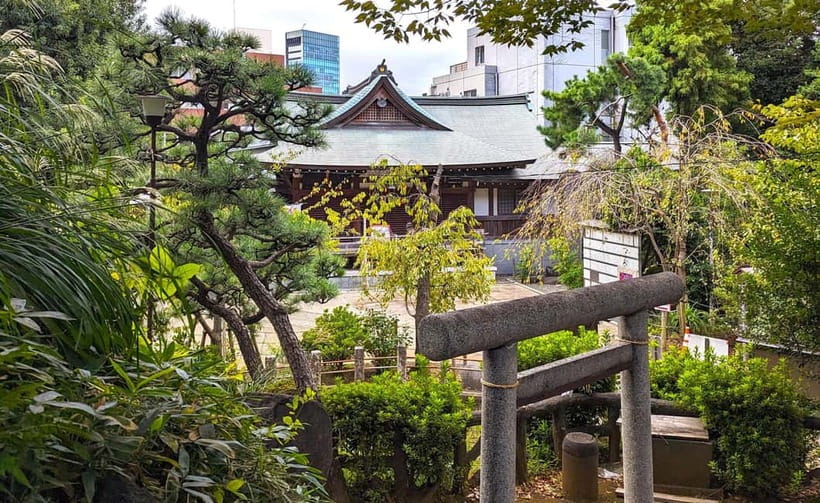
One of the best parts—based on what I’d personally look for—includes a visit to a small local shrine. Your guide will walk you through the traditional process of paying respect. Even if you’re not sure what you’re doing, you’ll get the cues to participate correctly. That’s the difference between watching a ritual from afar and understanding the steps enough to do it respectfully.
This is also where private touring shines. If something catches your eye—a lane, a view, a quiet moment—you’re not stuck in a group pace that doesn’t fit. You can slow down, ask questions, and keep your rhythm.
The Sento Bath Ritual: How the Soak Works and What to Expect
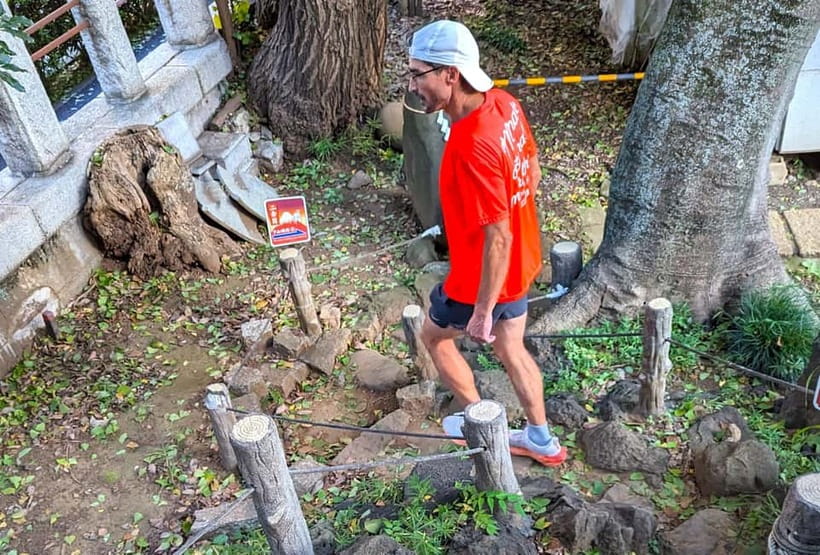
The ending is the cultural payoff. You’ll visit a traditional Japanese public bath, or sento—a ritual that’s common in Japan, especially for people who don’t have a private bath at home.
What you should know upfront:
- Men and women use separate facilities, so don’t expect mixed areas.
- Your guide provides tips on how to enjoy it properly.
- Towels and a coin locker are included, which removes a lot of hassle.
The guide’s role here is smart. Most people don’t skip to the bath part because they’re nervous about Japanese customs—they skip because they’re not sure what’s normal. With a local guide, you get the practical instructions so you can focus on relaxing.
Also: this isn’t a “spa” in the Western sense. It’s simple, functional, and designed for bathing—so don’t expect fancy presentations. Expect calm, routines, and a chance to downshift after moving through the city.
One consideration: sento bath isn’t available on Thursdays. If you want this part specifically, check your day before you book.
Pace, Fitness Level, and Who This Tour Fits Best
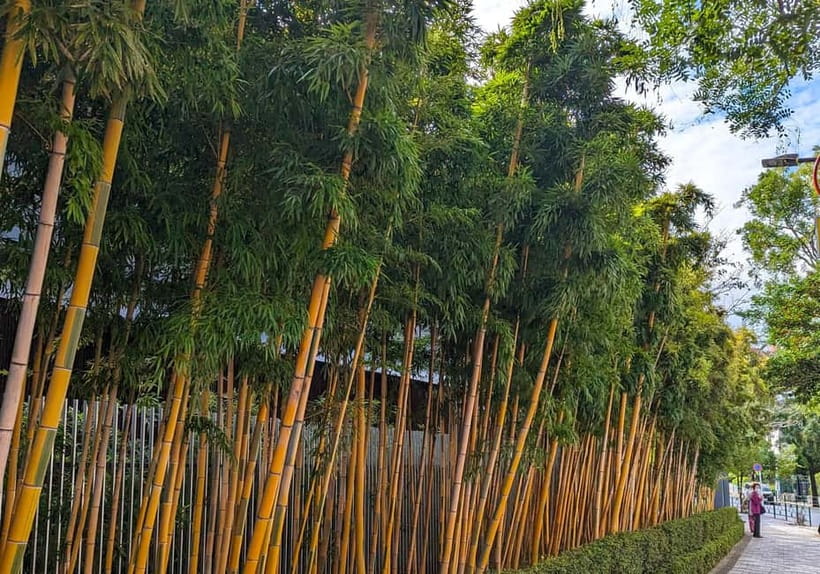
The tour is listed as suitable for all fitness levels, but it’s not aimed at serious athletes. If your goal is speed training or a hard interval day, you might leave feeling like you could have pushed harder elsewhere.
For most people, the structure works well:
- Pace stays at 6–8 km/h.
- Route can be adjusted to your pace, including walking sections or a shorter course.
- It’s a steady morning effort rather than a long grind.
I especially like this format if you’ve been walking a lot in Tokyo already. After a couple of days of stairs, train stations, and crowded crossings, this offers variety: a route you can trust, guided commentary, and a natural end point.
Not for everyone, though. It’s not ideal if you have mobility impairments or heart problems. And it’s not for children under 16. If any of those apply, it’s better to choose something gentler and check with a professional if you’re unsure about physical suitability.
Price and Value: Is $48 Worth It?
$48 per person for a 2-hour private experience sounds pretty reasonable once you see what’s bundled. You’re not just paying for a run guide; you’re paying for:
- A private running guide and a planned route through the Harajuku/Aoyama area
- The admission fee to the sento
- Towels and access to a coin locker
- Water
- Guided stories and trivia that make the morning more than route-finding
If you’ve ever tried to piece together an early run plus a bath visit on your own, the time cost is real. This tour saves you that figuring-out. You show up, you run, you soak, you’re done.
What’s not included is food. That’s normal for a morning activity. Plan to eat after—either a light breakfast nearby or wherever your day naturally begins. You’ll feel better if you treat the bath as the reset, not the last step before a big meal.
Overall, I’d call the value best if you:
- want an organized morning in a complex neighborhood
- care about local customs (especially the sento part)
- prefer a private guide who can adjust pace and walking needs
Practical Tips You’ll Be Glad You Follow
A few details make the whole experience smoother:
- Wear comfortable shoes. You’ll be running and walking depending on what feels right.
- Bring change of clothes for the sento stop.
- Expect a relaxed, friendly pace. You’re there to enjoy the morning, not just to clock mileage.
- Ask questions during the run. The stories and trivia aren’t filler—they help you notice things instead of just passing them by.
- If you’re sensitive to customs or unsure about bath etiquette, lean on your guide. The guide is there to help you do it right and feel comfortable.
Also, keep in mind the guide runs in English or Japanese, so communication should be straightforward if you’re either of those languages—or if you’re comfortable using simple phrases and pointing as needed.
Should You Book This Tokyo Morning Run + Sento?
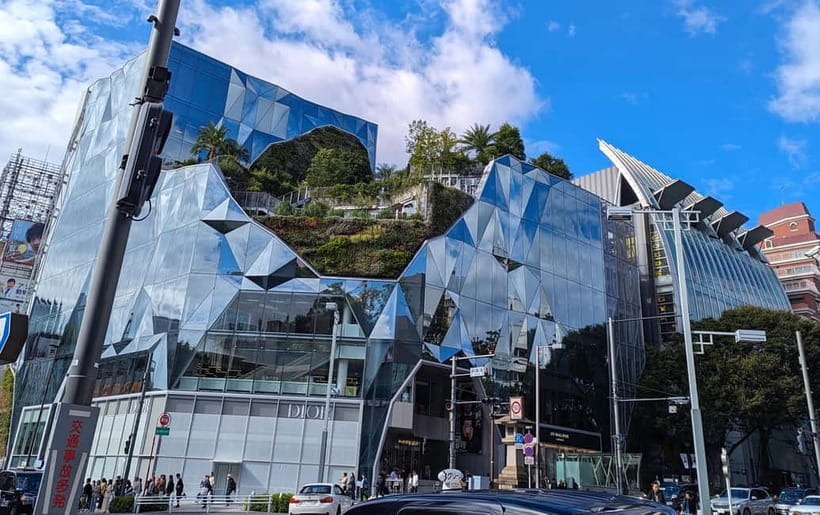
Book it if you want a Tokyo morning with structure and calm. This is the kind of tour that gives you a workout, local context, and a cultural finish in just two hours—without turning your day into a checklist.
Skip it if you’re chasing a hard training day, you’re traveling on a Thursday and you specifically want the sento, or you fall into the tour’s stated limitations around age, mobility, or heart conditions.
If you do book, a good mindset is simple: treat it like a friendly Tokyo morning with a plan. You’ll get the run, you’ll learn the small details (like the shrine respect steps), and you’ll end the right way—with a soak that feels genuinely Japanese, not tacked on.
FAQ
How long is the Tokyo private morning run?
The experience lasts about 2 hours.
What distance will I run?
The route is designed around a 10K run.
What pace will the guide keep?
The run is at a relaxed pace of about 6–8 km/h, and the guide can adjust to your comfort.
Is this tour private?
Yes, it’s a private group experience.
Where do we meet?
You meet in front of Dior at the Tokyu Plaza Harajuku (Harakado). The guide will be wearing a white cap.
Is the sento bath always included?
It’s included, but sento bath is not available on Thursdays.
What should I bring?
Bring comfortable shoes and a change of clothes.
Is food included?
No, food isn’t included.
Is this tour suitable for children?
No, it isn’t suitable for children under 16.
Tokyo, compared.
 ★ 5.0Mt Fuji and Hakone 1-Day Bus Tour Return by Bullet TrainFrom $16326,383 reviews
 ★ 5.01-Day Tokyo Bus TourFrom $12914,250 reviews
 ★ 4.6teamLab Planets TOKYO Digital Art Museum Entry TicketFrom $259,779 reviews
 ★ 4.0Mt Fuji & Hakone Cruise, Drum Show Bullet Train 1 Day from TokyoFrom $1497,413 reviews
 ★ 5.0Shinjuku Food Tour (13 Dishes at 4 Local Eateries)From $866,603 reviews
 ★ 4.4Tokyo Mt Fuji 5th St & Hakone Cruise Bus Tour w/Bullet TrainFrom $1545,024 reviews
 ★ 5.0Flagship 2-Hours Official Street Go-Kart Tour – Tokyo Bay ShopFrom $644,974 reviews
 ★ 4.5From Tokyo: Mount Fuji Full-Day Sightseeing TripFrom $684,970 reviews