
Reviewed · TOKYO
Tokyo: Mt. Fuji & Hakone Cherry Blossoms Private Day Tour
Fuji and Hakone in one smooth day. This private tour strings together the best big-name viewpoints—Mt. Fuji 5th Station, Chureito Pagoda, Oshino Hakkai, Lake Ashi, and Owakudani—while keeping you out of most ticket and transport headaches. When guides like Talal, Addan, and Sabir are behind the wheel, the day can feel far more relaxed than trying to stitch together buses on your own.
I really like the way you get both close-up and panoramic Fuji views: one moment you’re up at the 5th Station, and the next you’re looking out from the Chureito Pagoda area with classic photo angles. I also like the mix of nature and culture, especially the walk through Kitaguchi Hongu Fuji Sengen Jinja Shrine and the cherry-blossom-and-water scene at Oshino Hakkai.
One thing to plan for: visibility is never guaranteed. If clouds sit over Mt. Fuji, you may miss the clear mountain views, even though the itinerary is designed around them. Also note that food and drinks plus Mount Fuji entry fees are not included.
In This Review
- Key highlights that matter
- A private van day that actually fits real travel life
- Mt. Fuji 5th Station: up close, not just from far away
- Chureito Pagoda and cherry blossoms: the classic Fuji photo angle
- Shrine time at Kitaguchi Hongu Fuji Sengen Jinja
- Oshino Hakkai: Fuji water and a cherry-blossom market
- Lake Kawaguchiko, lunch, street food, and Oishi Park views
- Lake Ashi and Hakone: Mt. Fuji meets the volcanic caldera
- Owakudani crater: sulfur fumes, hot rivers, and big scenery
- Gotemba Premium Outlets: why this shopping stop makes sense
- Price and value for a group up to 6
- Who this tour is best for
- Should you book this Mt. Fuji and Hakone private cherry blossom tour?
- FAQ
- What is the price and group size for the Tokyo: Mt. Fuji & Hakone Cherry Blossoms Private Day Tour?
- How long is the tour?
- Where do pickups and drop-offs happen?
- Is this tour private, and is there an English guide?
- What transportation is provided?
- What are the major sightseeing stops included in the day?
- Are food and drinks included?
- Are Mount Fuji entry fees included?
- Does the tour skip ticket lines?
- What is the cancellation policy?
Key highlights that matter
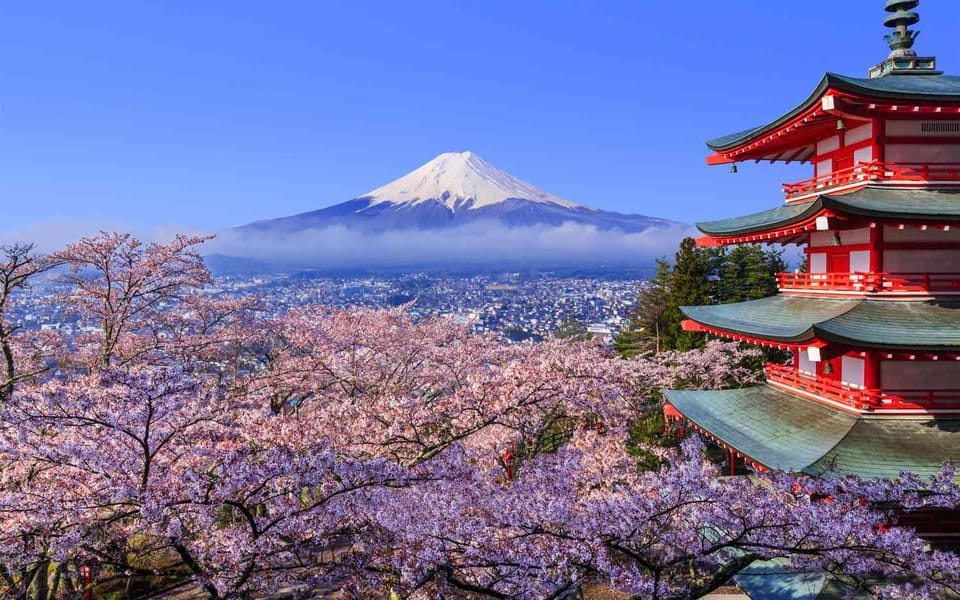
- Mt. Fuji 5th Station access: guided time at the Subaru Line stop for real mountain views and the Fuji Five Lakes area below
- Chureito Pagoda cherry blossom walk: a stroll with scenic climbs to top viewpoints
- Oshino Hakkai cherry blossoms + crystal water: a World Heritage site with 300 cherry trees and a market stop
- Lake Kawaguchiko timing for photos and lunch: street-food chance plus panoramic park time later
- Hakone’s volcanic scenery at Owakudani: crater area with sulfur fumes, hot springs, and hot rivers
- Gotemba Premium Outlets included: a practical add-on at the base of Mt. Fuji if you want shopping time
A private van day that actually fits real travel life
This is a one-day private tour with hotel pickup and drop-off, running out of the Tokyo area (and neighboring cities/airports). You travel by private van, which matters because you’re not trying to coordinate multiple trains, transfers, and schedules while also chasing timing for views.
Pickup options include Chiba, Tokyo, Narita, and Haneda, and your drop-off matches those same areas. Your pickup time can be delayed by up to 30 minutes due to traffic—so I’d build in a little breathing room the day you book this. The total flow is built around long scenic segments with stops that are each “long enough to feel like something,” but not so long that you lose the whole day to transit.
This is also listed as English and wheelchair accessible, and it’s a private group. That’s a big deal here because Mt. Fuji and Hakone are popular. Even when everything goes right, crowds can drain you fast. A private setup won’t erase crowds at major viewpoints, but it helps you avoid the worst “where do we go next?” stress.
One more practical note: the tour includes a private guide and private transportation, plus parking and highway tolls. That’s exactly what you want for a day like this, where the value isn’t only the sights—it’s the friction removed.
Mt. Fuji 5th Station: up close, not just from far away
The day kicks off with the Mt. Fuji Subaru Line 5th Station area. This stop is the heart of the “I want to see the mountain properly” plan. From here, you get views toward the Fuji Five Lakes region below, and you’re high enough to feel that Mt. Fuji isn’t just a background.
The tour includes a guided visit and sightseeing time here (about an hour). I like that you aren’t rushed through a quick photo and out the door. Even an hour is short for a place this iconic, but it’s a reasonable amount of time to:
- get your bearings fast,
- take photos without constantly worrying about the next departure,
- and enjoy how the view changes as the light shifts.
Real-world consideration: weather. Mt. Fuji can disappear behind cloud cover quickly. The tour can’t control that, but the 5th Station stop is one reason this itinerary is strong—because you’re trying for close-up views rather than relying only on distant lookouts.
Also keep expectations realistic on what you’ll feel. This isn’t an extended climb hike. It’s sightseeing at a high-altitude viewpoint, with a guided approach that focuses on where to stand and what you’re looking at.
Chureito Pagoda and cherry blossoms: the classic Fuji photo angle
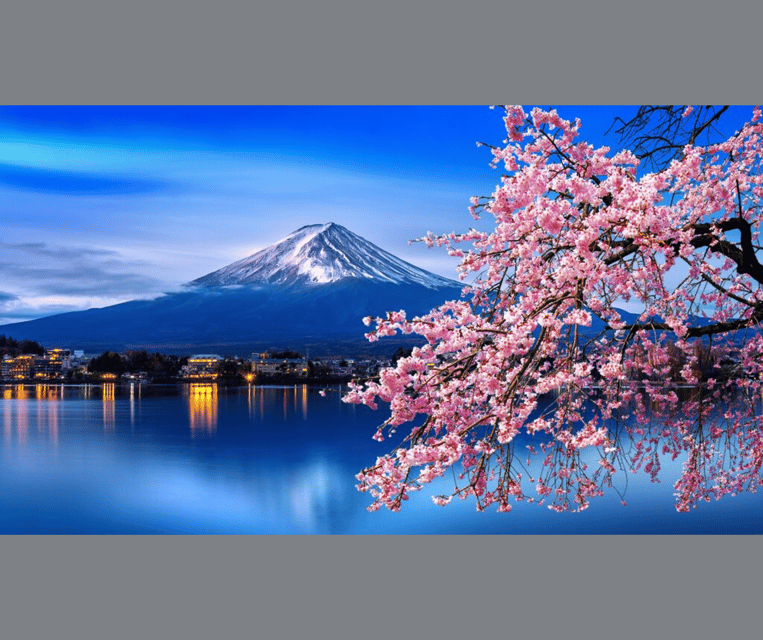
Next up is Chureito Pagoda, followed by a scenic walk through the cherry blossoms to reach top viewpoints. This is where the “Mt. Fuji cherry blossoms” idea becomes more than a seasonal headline.
You get guided time here (about an hour total), including hiking and scenic stops along the way. The goal is to reach those postcard-accurate angles where Mt. Fuji sits in the background and the pagoda and cherry trees give you layered depth.
What I like about this part of the day is the pacing. You’re not just parked at one spot. You move gradually, so you can pick better photo positions and adapt if a certain view is blocked at one moment. And if the blossoms are in good shape, this stop can turn into one of those rare “Japan moment” memories where everything looks like the photos—but with real scale and sound around you.
Potential drawback: if the weather turns or the blossoms are past peak, this can still be scenic, but the wow factor depends on timing. If you’re going specifically for cherry blossoms, keep your travel window tight and your expectations flexible.
Shrine time at Kitaguchi Hongu Fuji Sengen Jinja
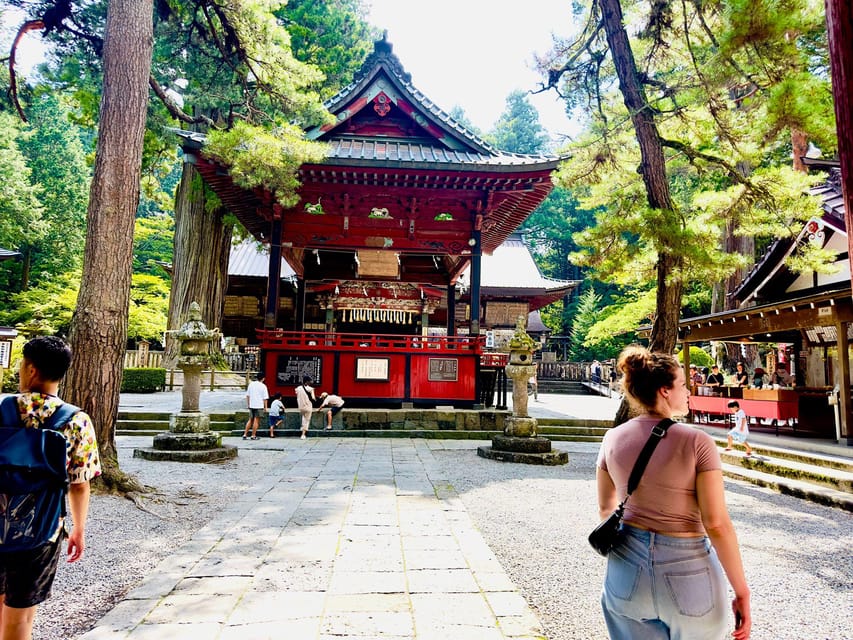
After the mountain views, the tour pivots to something quieter: Kitaguchi Hongu Fuji Sengen Jinja Shrine. You’ll stop, then walk through ancient, massive trees to reach the shrine’s oldest wooden gate.
Why this stop works: it slows the whole day down. Fuji-heavy itineraries can start to feel like a series of photo pull-offs. The shrine walk gives you a different sensory rhythm—shade, carved wood, and that “old route through trees” feeling that you just don’t get from a quick exterior glance.
This is also a good place to step away from the busiest viewpoint crowds and reset your senses before heading to the lake areas.
Oshino Hakkai: Fuji water and a cherry-blossom market
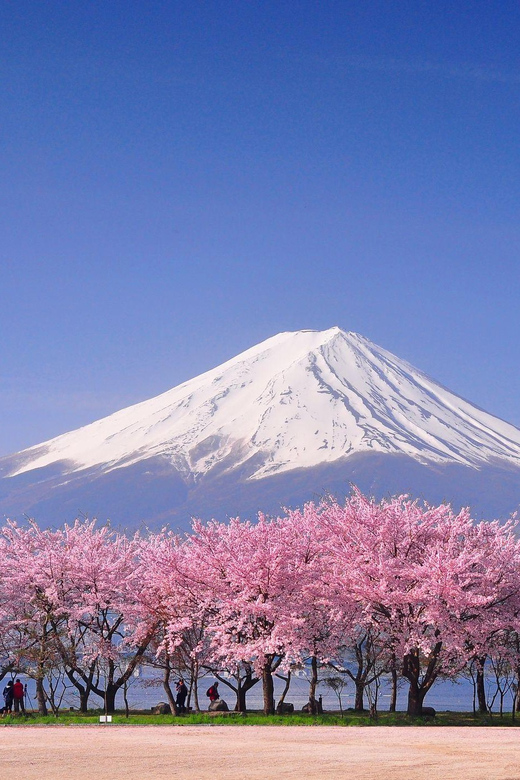
Oshino Hakkai is a World Heritage site, and the tour gives you guided time there (about an hour). This is one of the strongest “easy walking, big payoff” stops on the route.
The standout details here are specific:
- You’re in a spot known for crystal clear water
- During the cherry blossoms season, there are 300 cherry blossom trees
- There’s also an arts and crafts market visit
I like that it’s not just pretty scenery. The water and the way the ponds and streams work are part of why this place is famous, and the market stop gives you a chance to pick up small souvenirs that feel connected to the location, not just mass-produced.
One thing to watch: the “hour” format. Oshino Hakkai is popular, and it can get busy. An hour lets you see the key viewpoints and still enjoy strolling, but you won’t have unlimited time to linger at every pond angle. If you love photography, focus on a few best vantage points rather than trying to capture everything.
Lake Kawaguchiko, lunch, street food, and Oishi Park views
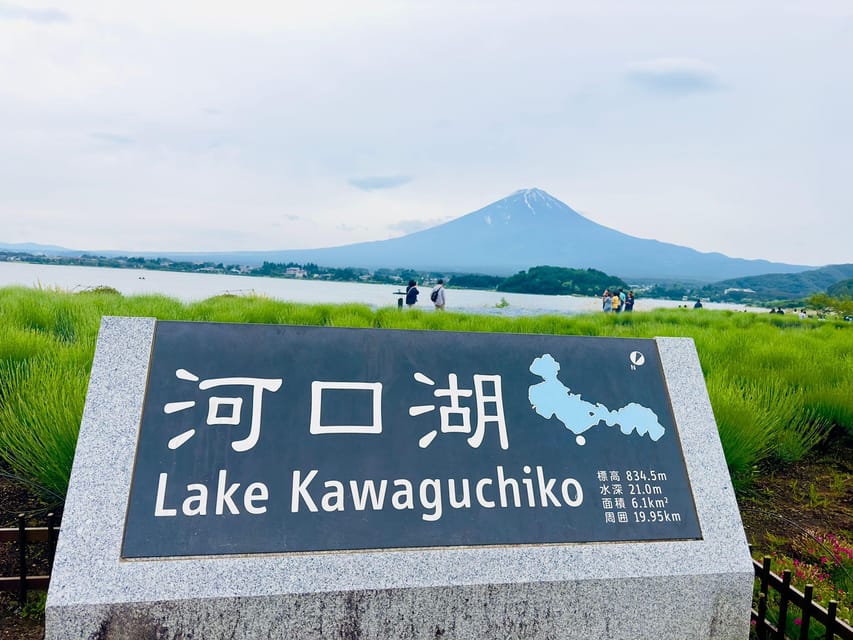
Then you shift to Lake Kawaguchiko. The itinerary includes lunch plus street food time, with about an hour of guided sightseeing here. This is a smart transition because Kawaguchiko is where you go from “Fuji as a mountain” to “Fuji as a reflection and a backdrop.”
After that, you head to Oishi Park for about 30 minutes of guided scenic viewing. The attraction here is the panoramic Fuji outlook plus the smell-and-color experience from the lavender flower garden.
I’m a fan of this pattern: a lake stop where you can eat and wander a bit, then a shorter park stop where you get the view payoff without burning the entire afternoon.
If you want photos, Oishi Park is usually the kind of place where timing matters. The light can make Fuji look sharp or washed out. Your guide can help you choose angles and where to stand, which is another quiet value of hiring a private guide instead of trying to figure it out yourself mid-crowd.
Lake Ashi and Hakone: Mt. Fuji meets the volcanic caldera
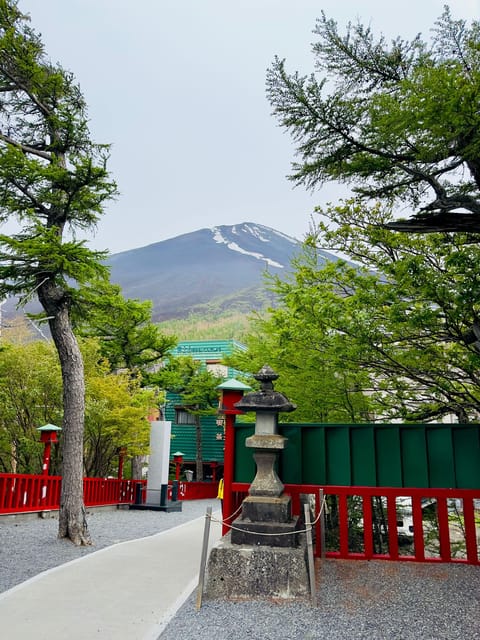
Now you’re in Hakone territory, and the day starts to feel more geologic. You’ll visit Lake Ashinoko (Lake Ashi), described as a lake formed in the caldera after Mount Hakone’s last eruption about 3,000 years ago. It’s a famous symbol of the region, especially with Mt. Fuji in the background.
There’s guided time here (about an hour), and the point is not just the view. It’s also the change in atmosphere: wider water, more volcanic surroundings, and that “this place is alive” sense that comes from being near geothermal activity.
The tour keeps the experience moving with sightseeing and viewpoints around the Hakone area before heading toward the volcanic zone later in the day.
Owakudani crater: sulfur fumes, hot rivers, and big scenery
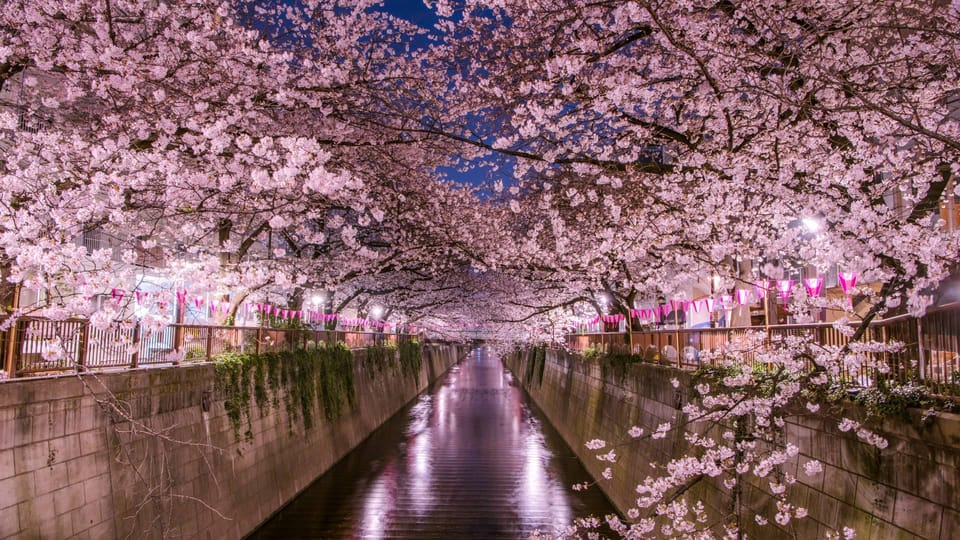
This tour ends with the volcanic heart of Hakone at Owakudani. The plan is to see the crater area and enjoy views of Mt. Fuji before heading back toward Tokyo.
Owakudani is described as an active volcanic zone with sulfur fumes, hot springs, and hot rivers. That means you’ll feel the environment as much as see it—so bring a mask if you’re sensitive to smells, and don’t linger in the heaviest fume zones longer than you need.
Why this stop is worth including: it gives you a different version of “Fuji day.” You get the iconic mountain, then the crater reality of volcanic land, and the contrast sticks in your memory longer than another pagoda photo.
Again, weather matters. But even if Fuji is partially blocked, the geothermal setting tends to stay dramatic.
Gotemba Premium Outlets: why this shopping stop makes sense
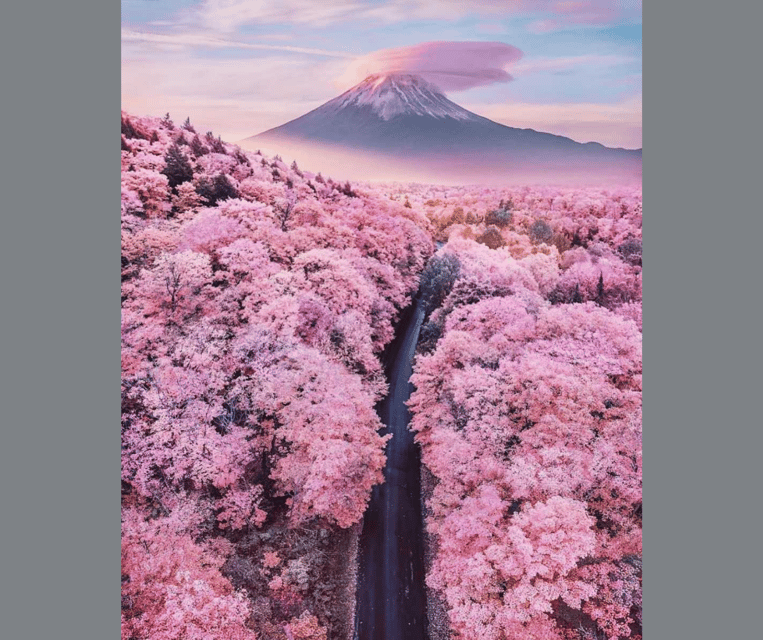
Mid-to-late day, you’ll make time for Gotemba Premium Outlets, at the base of Mt. Fuji. This is included as a full visit with guided sightseeing time (about an hour).
The store list includes brands like Nike, Puma, Coach, Gap, Polo, North Face, Paul Smith, Bose, and more. For some people, this is a sanity saver: after hours of sightseeing and waiting for views, you get an easy way to reset with air conditioning and a place to browse without feeling rushed.
If you don’t shop, you can still use this hour to:
- rest your feet,
- grab snacks if you’re hungry later,
- and buy a few practical items without turning your day into a separate trip.
The trade-off is that you are giving up time that could be more sightseeing. For me, that’s fine because the rest of the day is packed with nature and viewpoint stops. Shopping here is a deliberate balance, not random downtime.
Price and value for a group up to 6
The price is $490 per group for up to 6 people, and it’s a private day with hotel pickup and drop-off. That’s how you should evaluate it: per person value depends on whether you’re actually traveling as a group of 4–6.
If you fill the van with 4–6 people, the cost starts to feel more reasonable compared with buying individual train tickets plus long time spent navigating transfers. On the flip side, if it’s only you or two people, you’re paying more for convenience.
Also remember what’s included:
- hotel pickup and drop-off
- private guide
- private transportation
- parking and highway tolls
- skip-the-ticket-line support (where applicable)
- customizable itinerary within the day format
What’s not included:
- food and drinks
- Mount Fuji entry fees
My take: this tour is best when you want a day that runs on rails—someone drives, someone handles the stops, and you can focus on seeing. If your plan is to DIY everything and you’re comfortable with trains and early starts, you might choose a different approach.
Who this tour is best for
This is a strong fit if:
- you want a private, English-speaking guide for key moments,
- you care about classic Fuji viewpoints (not just one lookout),
- you’re traveling with kids, older relatives, or anyone who doesn’t want a complicated transit day,
- you want both nature stops and a practical shopping hour.
It’s less ideal if:
- you’re hoping to spend lots of time on long hikes (the stops are designed for sightseeing time blocks),
- you want a super flexible “we wander for hours” plan (it’s customizable, but it’s still a packed one-day route),
- you are very budget-driven and will DIY with trains and early starts.
One more human note: private guides can vary in style, even when they’re professional. If you want lots of commentary, ask your guide at the beginning what you’ll cover during each stop. It’s your day—use it.
Should you book this Mt. Fuji and Hakone private cherry blossom tour?
I’d book it if you want a low-stress way to hit the big highlights: Mt. Fuji 5th Station, Chureito Pagoda, Oshino Hakkai, Lake Ashi, and Owakudani, plus an outlet stop that gives you a break. The private setup is the main value—less time managing transit, more time living the day.
Skip it or switch tactics if you’re going solo with a very tight budget, or if your Fuji expectations are strict and you can’t handle the possibility of clouds. You can’t control the sky, but you can control how much effort you put into the plan. This tour is designed to make that effort pay off.
If the cherry blossoms are your priority, aim for the season window where blossoms are active, and be ready to adjust your photos and angles on the day itself.
FAQ
What is the price and group size for the Tokyo: Mt. Fuji & Hakone Cherry Blossoms Private Day Tour?
It costs $490 per group (private), up to 6 people.
How long is the tour?
The tour duration is 1 day.
Where do pickups and drop-offs happen?
Pickup and drop-off options include Chiba, Tokyo, Narita, and Haneda Airport. Pickup time can be delayed by up to 30 minutes due to traffic.
Is this tour private, and is there an English guide?
Yes, it’s a private group tour with a live tour guide in English.
What transportation is provided?
The tour uses private transportation (a van).
What are the major sightseeing stops included in the day?
Key stops include Mt. Fuji 5th Station, Chureito Pagoda, Kitaguchi Hongu Fuji Sengen Jinja Shrine, Oshino Hakkai, Lake Kawaguchiko (including lunch/street food time), Oishi Park, Lake Ashi, Hakone area viewpoints, Gotemba Premium Outlets, and Owakudani.
Are food and drinks included?
No. Food and drinks are not included.
Are Mount Fuji entry fees included?
No. Mount Fuji entry fees are not included.
Does the tour skip ticket lines?
Yes, it includes skip-the-ticket-line support.
What is the cancellation policy?
Free cancellation is available up to 24 hours in advance for a full refund.
Tokyo, compared.
 ★ 5.0Mt Fuji and Hakone 1-Day Bus Tour Return by Bullet TrainFrom $16326,383 reviews
 ★ 5.01-Day Tokyo Bus TourFrom $12914,250 reviews
 ★ 4.6teamLab Planets TOKYO Digital Art Museum Entry TicketFrom $259,779 reviews
 ★ 4.0Mt Fuji & Hakone Cruise, Drum Show Bullet Train 1 Day from TokyoFrom $1497,413 reviews
 ★ 5.0Shinjuku Food Tour (13 Dishes at 4 Local Eateries)From $866,603 reviews
 ★ 4.4Tokyo Mt Fuji 5th St & Hakone Cruise Bus Tour w/Bullet TrainFrom $1545,024 reviews
 ★ 5.0Flagship 2-Hours Official Street Go-Kart Tour – Tokyo Bay ShopFrom $644,974 reviews
 ★ 4.5From Tokyo: Mount Fuji Full-Day Sightseeing TripFrom $684,970 reviews