
Reviewed · TOKYO
Tokyo Ikebana, Japanese Traditional Flower Arrangement Experience
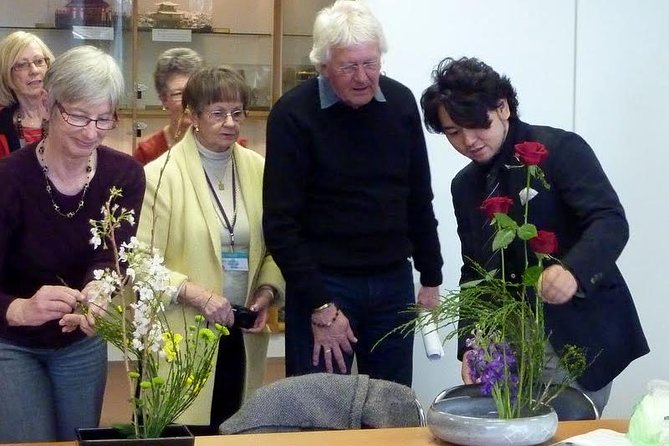
First steps into Ikebana feel oddly calming. This hands-on Tokyo class teaches you the key ideas of Japanese flower arranging, then gets you making your own arrangement right away. You’ll work with local, in-season flowers and learn how to turn simple stems into a purposeful composition.
I like that the instruction is built for beginners. You’ll get an explanation of the basics first, and then the instructor guides you while you arrange, not after it’s too late.
One thing to consider: it’s a small class, and the materials and style are set for you. If you’re hoping for total freedom to bring your own flowers or tools, this isn’t that kind of workshop.
In This Review
- Key Takeaways Before You Go to Tokyo Ikebana
- Ikebana in One Hour and Ten: Why This Class Works
- Price and Logistics in Nakano: Easy to Fit Into Your Tokyo Plan
- Inside the One-Leaf Ikebana Workshop: What the Session Starts Like
- The Ikebana Basics You’ll Learn Before You Arrange
- Making Your Own Arrangement: From Stems to a Finished Design
- Photo Time and Take-Home Value: What You’ll Actually Learn
- The Instructor Factor: Why Patience Is Part of the Craft
- Group Size, Timing, and Who This Fits Best
- Practical Tips That Make the Class Go Smoother
- Should You Book Tokyo Ikebana?
- FAQ
- How long is the Tokyo Ikebana flower arrangement experience?
- Is this experience suitable for beginners?
- What is the minimum age to join?
- Do I need to bring flowers or any equipment?
- Will I have time to take pictures of my arrangement?
- How many people are in a group?
- Where does the class meet in Tokyo?
- Can the instructor come to my hotel?
- What if I cancel my booking?
Key Takeaways Before You Go to Tokyo Ikebana
- Beginner-first teaching: you learn the basics and then apply them immediately
- Local seasonal flowers: your arrangement uses blooms available in the moment
- Personal feedback: the instructor checks your work and suggests improvements
- Photo-friendly pacing: you get time to take plenty of pictures of your finished arrangement
- Small group size (max 10): more time for questions and gentle corrections
Ikebana in One Hour and Ten: Why This Class Works
Ikebana isn’t just putting flowers in a vase. The point is expression: using stems, leaves, and the vase to show balance, direction, and mood. In this class, you get the idea fast, then you use it while it still feels fresh.
The total time is about 1 hour 10 minutes, which matters in Tokyo. You can slot it into a day of temples, neighborhoods, or food without turning it into an all-afternoon project. And because it’s designed for people 6 years and up, it’s accessible for families too—if you’re traveling with kids who can follow simple steps.
What makes the experience feel stress-free is that the class setup is ready for you. You don’t have to hunt for supplies or bring anything complicated, and you’ll be guided through each stage.
Price and Logistics in Nakano: Easy to Fit Into Your Tokyo Plan
The price is $67.28 per person, and for this kind of hands-on cultural activity, that’s a fair, straightforward cost. You’re paying for the instructor time, the materials (flowers and tools), and the teaching moment where you go from knowing nothing to making something you can take home.
A quick planning note: the average booking window is about 16 days in advance. That tells me you’re not dealing with a last-minute “maybe” situation. If Ikebana is on your Tokyo must-do list, book early so you can pick a time that doesn’t fight your other reservations.
Your meeting point is at 4-chōme-20-5 Nakano, Nakano City, Tokyo 164-0001, Japan. The workshop is near public transportation, and you’ll get a mobile ticket, so you’re not juggling paper confirmations on the train.
Also, there’s a neat option if you’re staying central: the instructor can be sent to any hotel you stay in Tokyo. The data doesn’t say whether every session is offered this way, so treat it as an availability option to ask about before you finalize.
Inside the One-Leaf Ikebana Workshop: What the Session Starts Like
The class meets at the Ichiyō-shiki Ikebana headquarters (the stop name is 一葉式いけ花本部). That name hints at a specific style family within Ikebana, and it’s one reason the class feels structured instead of random.
You’ll start with instruction before cutting or placing anything. That sequence is key. If you jump straight to arranging, it’s easy to end up with a vase that looks “pretty” but doesn’t feel like Ikebana. Here, you learn what to look for: angle, shape, and the overall direction of the arrangement.
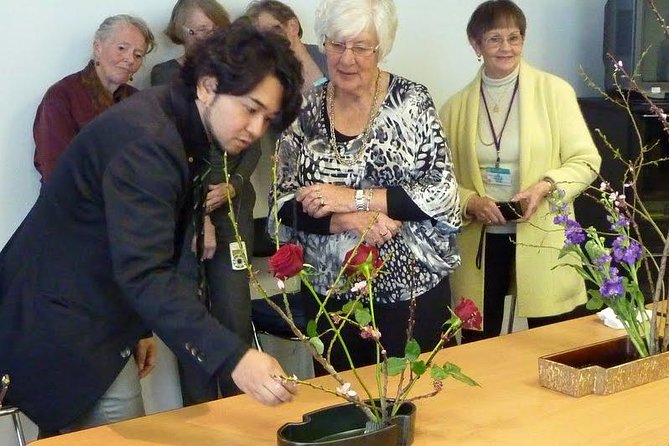
Because the class is limited to a maximum of 10 travelers, the atmosphere stays intimate. In reviews tied to this experience, instructors are described as patient and supportive, including names like Naohiro Kasuya and Mrs. Shimakawa. You should still plan to communicate through simple questions and body language—yet the vibe is clearly geared toward helping first-timers succeed.
The Ikebana Basics You’ll Learn Before You Arrange
The most important idea in Ikebana is bringing out the beauty of the materials. In practice, that means you’re not just hiding stems inside a vase—you’re choosing angles and spacing so each element has a job.
In this class, you’ll learn:
- what the style aims for visually
- which angles look attractive
- which combinations create the strongest look
That matters because Ikebana is often misunderstood by beginners. You might expect rules like a craft class, but it’s more like learning design thinking. You’ll be taught how to see “movement” and balance in a way that feels almost mathematical, even though the result is artistic.
One detail I really appreciate is the “teach to your level” approach. Beginners aren’t expected to pretend they already know what they’re doing. The instructor adjusts their guidance, which reduces the common stress of starting something traditional in a foreign language environment.
Making Your Own Arrangement: From Stems to a Finished Design
After the basics, you move into the hands-on part: creating your own composition. The workflow is simple enough to follow, but it still feels like real craft.
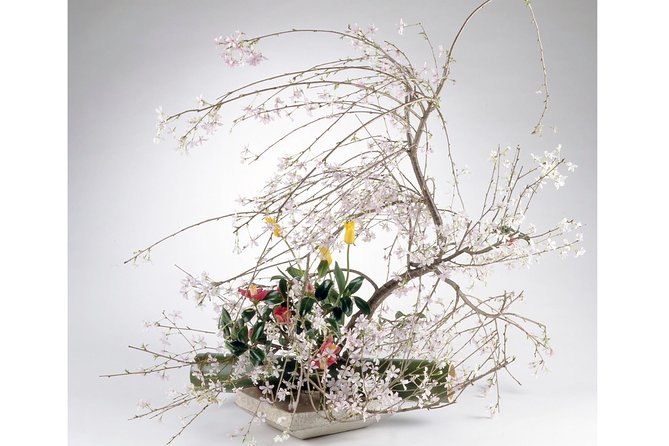
You’ll use local flowers that are in season, and that’s a big quality boost for a short class. Seasonal blooms tend to look fresh and varied, and they can make your arrangement feel more connected to Japan than generic imported bouquets.
As you build, the instructor watches your progress and gives practical advice. Once your work is done, they will review it and suggest improvements—so you’re not stuck with the first attempt you made out of hope and luck.
This is also where you’ll get the most value for the price. The fee isn’t just for materials; it’s for feedback at the exact moment it helps you correct direction, height, or spacing.
And yes, your arrangement comes with a built-in “memory moment.” You’ll have the chance to take plenty of pictures of your finished work.
Photo Time and Take-Home Value: What You’ll Actually Learn
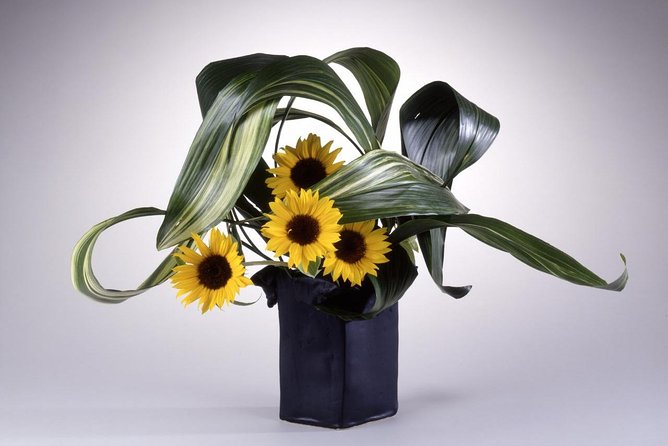
Ikebana is one of those activities where photos can be surprisingly helpful. Not because the arrangement is the whole point, but because it lets you review the choices you made: where you placed the main stem, how the line guides the eye, and how the smaller elements support the overall structure.
What you do with the finished arrangement afterward depends on the class outcome, but the description makes it clear you’ll learn enough fundamentals to recreate the process later. The idea is that you can take the lessons home and arrange flowers in your own setting, even with materials available where you live.
One of the more compelling parts of this class is the tradition connection. The course frames Ikebana as a Japanese flower-arranging art that has long cultural ties, including being something samurai were said to take part in. Whether you’re into history or not, that context makes the craft feel more intentional and less like a tourist souvenir.
The Instructor Factor: Why Patience Is Part of the Craft
This experience is guided by instructors who focus on teaching, not just supervising. In the feedback tied to this experience, instructors are repeatedly described as kind and patient, and several classes mention detailed explanations paired with hands-on coaching.
You might meet different instructors depending on the day, and the class info doesn’t promise the same teacher every time. Still, the names that show up in past sessions—like Naohiro Kasuya and Naohiro—suggest a teaching style that explains concepts clearly, then helps you apply them as you work.
If you’re worried about language barriers, don’t overthink it. You’ll be given step-by-step guidance during the arranging process, and the instructor can point out what to fix visually. In a tradition like Ikebana, you don’t need a lot of advanced vocabulary to understand direction, angles, and balance.
Group Size, Timing, and Who This Fits Best
Because the class is capped at 10 travelers, you’re not in a huge room with a single instructor talking over everyone. That smaller setting is ideal if you’re:
- a beginner who wants structure
- someone who learns by doing
- a couple, solo traveler, or small group who wants calm attention
- a family with children aged 12 or under who can stay with a parent (the class says kids 12 and younger must be accompanied by a parent)
Timing also works well if you like “one activity, one payoff.” You won’t be dragged through a long tour of stops. Instead, you get a focused block of time where the goal is to produce something you can understand and recreate.
It’s also a good choice if you want a break from Tokyo’s walking-heavy days. You’ll move around the workshop, but it’s not a long commute or a marathon day.
Practical Tips That Make the Class Go Smoother
You don’t need to bring flowers or tools, which is a huge relief. Still, a few practical choices can make your experience easier.
- Keep your valuables with you. The school notes it isn’t responsible for items you leave behind or lose.
- Dress so you can sit comfortably and move your hands freely. The class is hands-on, and you’ll likely be working close to the materials.
- Plan to show up on time. The session ends back at the meeting point, so you don’t want to be late and rush the hands-on portion.
One important “adult responsibility” note: the tour states you’re responsible for any accident or injury during the experience. That’s standard for many activities, but it’s worth remembering when you’re cutting or arranging with care.
Should You Book Tokyo Ikebana?
If you want a Tokyo experience that’s cultural, hands-on, and actually teaches you something usable, I think this is a strong pick. The beginner-friendly pacing, seasonal materials, and personal feedback make the class feel like more than a demo.
I’d skip it only if you need a very flexible, self-directed workshop where you choose every component and design from scratch. Here, you follow a structured style approach, and the materials are provided. That structure is a plus for most people, but it’s not for everyone.
One last planning point: because the experience is non-refundable and cannot be changed for any reason, treat booking as a real commitment. If your schedule is tight, double-check your day before you lock it in.
FAQ
How long is the Tokyo Ikebana flower arrangement experience?
The class lasts about 1 hour 10 minutes.
Is this experience suitable for beginners?
Yes. The program is designed perfect for beginners and teaches you the basics before you make your own arrangement.
What is the minimum age to join?
The program is designed for people 6 years of age and over. Children aged 12 and younger must be accompanied by a parent.
Do I need to bring flowers or any equipment?
No. All materials are provided, and there’s no need to bring anything with you.
Will I have time to take pictures of my arrangement?
Yes. After you finish, you’ll have the opportunity to take plenty of pictures of your arrangement.
How many people are in a group?
This experience has a maximum of 10 travelers.
Where does the class meet in Tokyo?
The meeting point is 4-chōme-20-5 Nakano, Nakano City, Tokyo 164-0001, Japan, and the activity ends back at the meeting point.
Can the instructor come to my hotel?
The information says the instructor can be sent to any hotel you stay in Tokyo.
What if I cancel my booking?
This experience is non-refundable and cannot be changed for any reason. If you cancel or ask for an amendment, the amount you paid will not be refunded.
Tokyo, compared.
 ★ 5.0Mt Fuji and Hakone 1-Day Bus Tour Return by Bullet TrainFrom $16326,383 reviews
 ★ 5.01-Day Tokyo Bus TourFrom $12914,250 reviews
 ★ 4.6teamLab Planets TOKYO Digital Art Museum Entry TicketFrom $259,779 reviews
 ★ 4.0Mt Fuji & Hakone Cruise, Drum Show Bullet Train 1 Day from TokyoFrom $1497,413 reviews
 ★ 5.0Shinjuku Food Tour (13 Dishes at 4 Local Eateries)From $866,603 reviews
 ★ 4.4Tokyo Mt Fuji 5th St & Hakone Cruise Bus Tour w/Bullet TrainFrom $1545,024 reviews
 ★ 5.0Flagship 2-Hours Official Street Go-Kart Tour – Tokyo Bay ShopFrom $644,974 reviews
 ★ 4.5From Tokyo: Mount Fuji Full-Day Sightseeing TripFrom $684,970 reviews