
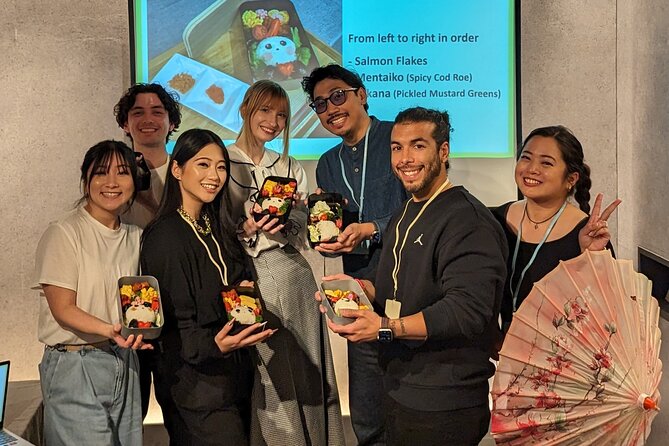
Reviewed · TOKYO
Tokyo Cute Bento Cooking Class – Make a Kawaii Character Lunchbox
Making a lunchbox character is oddly satisfying. In this 2-hour Tokyo cooking class, you’ll build an edible kawaii scene in your own bento box, guided by local instructors in English. What I like most is the hands-on pacing and the way you leave with a finished lunch you can eat or save as a souvenir.
I also love the photo setup time built into the class flow, so your panda (or bear, frog, hearts) actually gets its own moment instead of being eaten before you get a decent picture. One thing to consider: the venue is downstairs from the street, so it can take a minute to spot the entrance.
In This Review
- Key highlights worth planning for
- Kawaii Character Bento: what you’re really learning in 2 hours
- Finding Tokyo Cute Bento in Akasaka (and why the basement matters)
- The first 15 minutes: bento culture before you start shaping food
- The 60-minute hands-on build: creating your character lunchbox
- What makes the hands-on part easier than it sounds
- Character techniques you’ll actually use later
- Dietary needs: tell them early, and they’ll work with you
- Photography time: getting your finished bento from cute to shareable
- Eating your kawaii lunch: when art turns into dinner
- Who this class is best for (and who might want a different activity)
- Families with kids and teens
- Adults who want a creative food skill
- Solo travelers
- The one group to think about twice
- Price and value: what $66.07 buys you in Tokyo
- My booking checklist so you get the best session
- Should you book Tokyo Cute Bento?
- FAQ
- How long is the Tokyo Cute Bento cooking class?
- Is the class taught in English?
- Can you accommodate vegetarian, vegan, or allergy needs?
- How many people are in the group?
- Where do we meet?
- Do you get to take your bento home?
- What is the cancellation policy?
Key highlights worth planning for
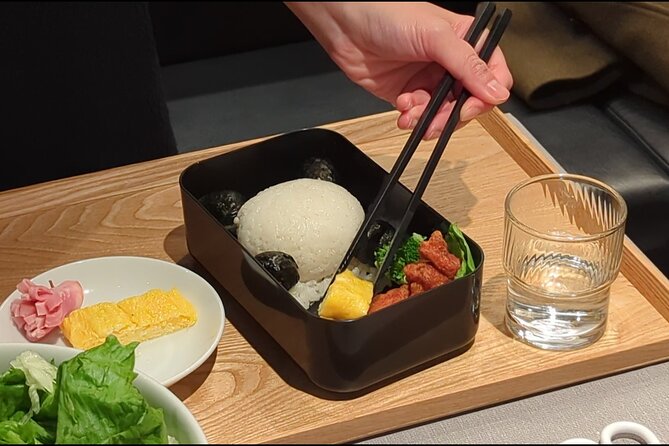
- English-friendly instruction: the class can be run entirely in English.
- Small group size: capped at 12 people, so you get real help while you’re working.
- You take home the bento: your finished character lunchbox is for eating during class or taking with you.
- Built-in photo time: you get a dedicated photography session with background options.
- Dietary accommodations: vegetarian and vegan options exist, and allergies like no nuts or no milk can be handled if you tell them at booking.
Kawaii Character Bento: what you’re really learning in 2 hours

This is not a sit-and-watch cooking show. The core of the experience is learning bento techniques that mix food prep with food-art styling. That means you’re not just cooking ingredients, you’re arranging them into characters using tools and patterns that make the result look intentional, not accidental.
Your “skills shelf” after the class is bigger than it sounds. Bento-making is basically three jobs at once: portioning, shaping, and balancing textures and colors so the lunch looks cute and still tastes like real Japanese food. Even if you never attempt a full character lunch at home, the ideas carry over to everyday packing, like how to use small items to create faces, paws, or seasonal accents.
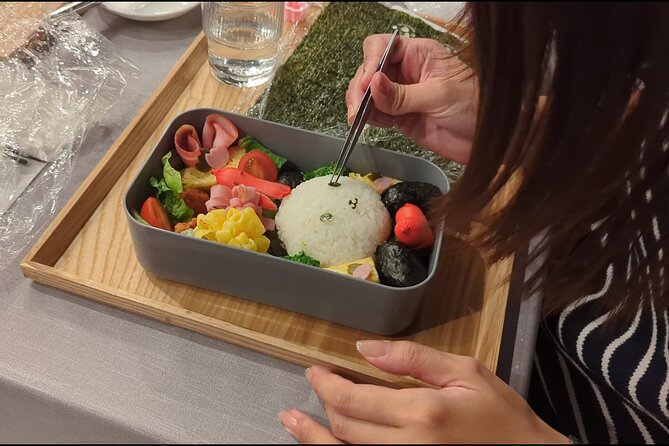
And yes, you’ll get to build a character bento that fits the style you’ve seen in anime and manga: pandas are a favorite starting point, and you may also make designs like dog/bear/frog or heart-themed pieces, depending on the session. The class is designed so a beginner can get results without needing special knife skills or advanced cooking tricks.
Finding Tokyo Cute Bento in Akasaka (and why the basement matters)
The meeting point is Tokyo Cute Bento Japan in Akasaka, Minato City: 2-chōme-21 (地下1階), 107-0052 Tokyo. It’s listed right on the venue, and you’ll start and end back here.
In practice, the biggest logistics thing is that the location is one floor down under a ramen shop. That can be easy once you know it, but it can also feel like you’ve gone the wrong way when you first arrive. If you’re catching public transit, give yourself a few extra minutes and plan to scan for the correct entrance rather than relying on street-level clues.
Good news: it’s near public transportation, and the class is set up for small groups, so once you find the spot, the rest tends to run smoothly.
The first 15 minutes: bento culture before you start shaping food
Your class starts with an intro session of about 15 minutes focused on Japan’s bento culture. This isn’t just trivia. It helps you understand why people do all this arranging in the first place—bento is about care, convenience, and presentation, not just meals on the go.
Expect the instructor to set expectations for the workshop: how the character design will work, how the pieces come together, and what you’ll be responsible for during the hands-on segment. This is also where you learn the logic behind the layout—where a face goes, how to space elements so they read clearly, and how to keep your bento from turning into a random collage.
If you like food with context, this is the part that makes the crafting feel meaningful rather than just decorative.
The 60-minute hands-on build: creating your character lunchbox

The main work happens over about 60 minutes. You’ll craft your own themed bento—think panda or seasonal designs—using fresh local ingredients provided by the workshop.
What makes the hands-on part easier than it sounds
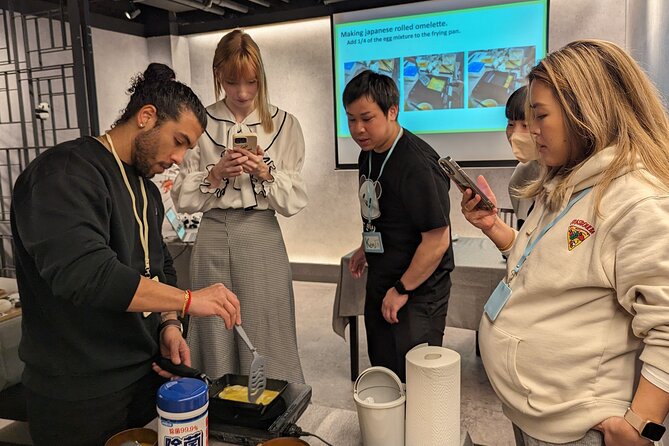
A big reason people finish with a cute result is the structure. The class provides all the ingredients and tools, plus clear step-by-step guidance. Many participants also note that instructors use examples and supportive visuals while they teach, which helps a lot if you’re working for the first time.
Also, you’re not starting from raw, complicated prep. In many cases you’ll work with organized sets and ready-to-use components, then focus your effort on placement, shaping, and details. That keeps the clock from turning into stress.
Character techniques you’ll actually use later
Even without getting too technical, you’ll pick up practical patterns:
- How to create readable facial features using small cuts or shaped portions
- How to use contrasting colors so the character looks clear when packed and sliced
- How to build a themed element—like hearts or animals—so it feels like one idea, not five leftovers
If you’re someone who loves art but freezes in the kitchen, this is a nice bridge. It’s creative and tactile, but it stays anchored in doable food steps.
Dietary needs: tell them early, and they’ll work with you
This class can adjust the menu for dietary preferences. Vegetarian and vegan options are available, and allergies can be accommodated. The data specifically notes examples like no nuts and no milk.
The key is that you must inform them at booking if you have restrictions. If you do that, you avoid awkward workarounds on the day and you can focus on creating your character bento.
Photography time: getting your finished bento from cute to shareable
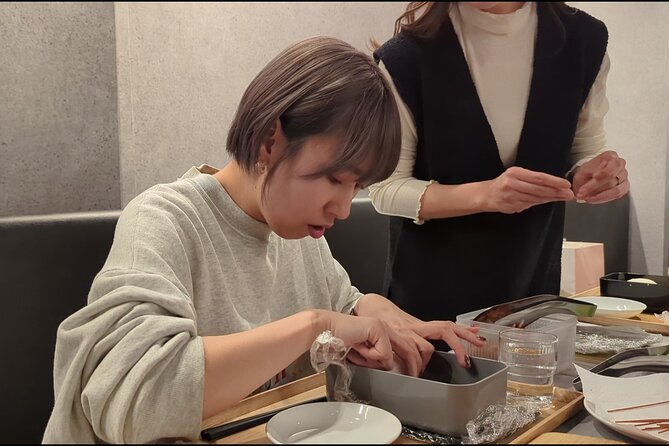
After the build, you’ll have about 15 minutes for a photography session. This is built into the schedule, which is a rare perk. In a lot of food experiences, you make something and then you’re basically expected to eat it right away. Here, you get time to style your shot.
You may have background options, and some instructors set up attractive photo corners with lighting. People often mention step-by-step photos during the making process and then finished-product photos with the instructor helping you capture the look.
If you care about taking home proof, not just a meal, this is one of the best values in the class. Your lunchbox art ends up looking like something you intended to create, because you’re given the time and tools to present it properly.
Eating your kawaii lunch: when art turns into dinner
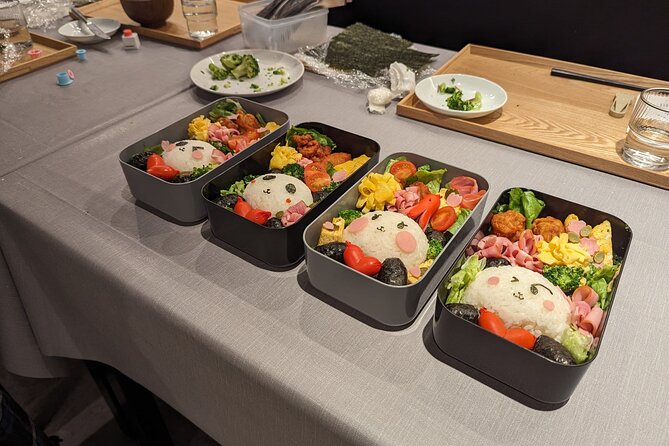
You’ll sit down for about 30 minutes to enjoy your meal. This is where the class gets its payoff. Making the bento is fun, but eating it is what makes it real.
A common theme in the experience is that the food is not just “decorations you eat out of guilt.” The workshop is designed so you’ll actually enjoy what you made. And because it’s a character bento, the portions tend to feel satisfying, not random.
One small emotional detail I love about the format: many people think their creations are so cute they hesitate before eating. That’s not a problem. It’s part of the charm. You get to enjoy both the craft moment and the meal moment.
Who this class is best for (and who might want a different activity)
This workshop has something for almost everyone, but it shines in specific situations.
Families with kids and teens
It’s very family-friendly, and it’s the kind of activity where kids can participate without needing kitchen experience. People also mention it as a great rainy-day option because it’s hands-on and low-key compared to walking tours.
Adults who want a creative food skill
If you like craft projects and want food you can replicate later, this fits. It’s also beginner-friendly, so you won’t feel behind even if you’ve never made Japanese-style lunch.
Solo travelers
The small group size can make it feel intimate. Solo participants often end up with enough attention to get help without feeling isolated.
The one group to think about twice
If you’re very sensitive to finding underground locations or you dislike moving to a basement space, you might want to plan extra time arriving and confirm the entrance.
Price and value: what $66.07 buys you in Tokyo
$66.07 per person is not pocket-change, but it’s also not a “luxury experience” price when you look at what’s included. You’re paying for:
- A structured 2-hour class
- Instructor time and hands-on guidance
- Ingredients and tools provided for the full build
- A dedicated photography session with photo-ready presentation time
- A finished bento that you eat and/or take home as a souvenir
The biggest value piece is the combination: you get a cultural intro, a real cooking lesson, and a take-home edible artifact. That’s harder to find in Tokyo at this time length, especially when it includes photos and dietary handling support.
If you’re choosing between a bento class and a more general food tour, this one wins for people who want a skill they can recreate and a souvenir that’s not just a package of snacks.
My booking checklist so you get the best session
Before you book, I’d do four quick things:
- Choose a time when you’re not rushing. Two hours goes fast once you start shaping.
- If you have allergies or dietary needs, message them during booking so they can adjust the menu.
- Bring curiosity. The bento culture intro makes the crafting click.
- Plan your photos. You’ll have the time, but you still want to think about what you’ll post when you’re done.
Should you book Tokyo Cute Bento?
If you want a genuinely hands-on Tokyo experience that feels both cute and practical, I say yes. This class is a strong pick for beginners, families, and anyone who likes art-with-a-purpose food projects. The small group setup and the built-in photography time add real value, not fluff.
If you hate basement venues or you’re looking for a long walking tour with lots of sightseeing stops, you might prefer something else. But if your ideal day includes learning a Japanese lunch technique and leaving with an edible character creation, this one deserves a spot on your itinerary.
FAQ
How long is the Tokyo Cute Bento cooking class?
The class runs about 2 hours.
Is the class taught in English?
Yes. This workshop can be conducted entirely in English.
Can you accommodate vegetarian, vegan, or allergy needs?
Yes. Vegetarian and vegan options are available, and allergies can be accommodated. You should inform them at booking about your dietary restrictions (for example, no nuts or no milk).
How many people are in the group?
The maximum group size is 12 travelers.
Where do we meet?
You meet at Tokyo Cute Bento Japan, 107-0052 Tokyo, Minato City, Akasaka, 2-chōme 21 地下1階.
Do you get to take your bento home?
Yes. The experience includes taking home your creation, and it can also be enjoyed during the class.
What is the cancellation policy?
Free cancellation is available up to 24 hours in advance for a full refund. If you cancel less than 24 hours before the start time, the amount paid is not refunded.
Tokyo, compared.
 ★ 5.0Mt Fuji and Hakone 1-Day Bus Tour Return by Bullet TrainFrom $16326,383 reviews
 ★ 5.01-Day Tokyo Bus TourFrom $12914,250 reviews
 ★ 4.6teamLab Planets TOKYO Digital Art Museum Entry TicketFrom $259,779 reviews
 ★ 4.0Mt Fuji & Hakone Cruise, Drum Show Bullet Train 1 Day from TokyoFrom $1497,413 reviews
 ★ 5.0Shinjuku Food Tour (13 Dishes at 4 Local Eateries)From $866,603 reviews
 ★ 4.4Tokyo Mt Fuji 5th St & Hakone Cruise Bus Tour w/Bullet TrainFrom $1545,024 reviews
 ★ 5.0Flagship 2-Hours Official Street Go-Kart Tour – Tokyo Bay ShopFrom $644,974 reviews
 ★ 4.5From Tokyo: Mount Fuji Full-Day Sightseeing TripFrom $684,970 reviews