
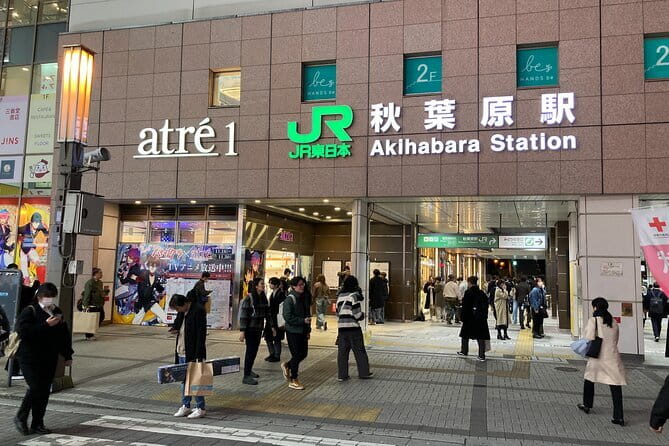
Reviewed · TOKYO
Tokyo Akihabara Anime Manga Video Games and Hidden Gems Tour
Akihabara can feel like sensory overload. This 2-hour walk helps you make sense of it fast, with a plan that takes you beyond the obvious storefronts and into places that explain the Otaku culture behind the shopping. I like that it’s built around specific stops and short time blocks, so you don’t waste an hour trying to figure out where to go next.
Two things I really like: the guide named Inok brings real humor and adjusts the tour to your level, from serious fans to people who just want a fun introduction. I also love that you get a strong mix of shopping styles, from an anime exhibition at Tamashii Nations Store Tokyo to retro gaming at Super Potato, then finish with anime clothing at gee store!!. One drawback to consider: this is a walking tour, and the “free to enter” stops still put you next to plenty of stuff you might want to buy, so your budget can vanish quickly if you’re a collector type.
In This Review
- Key highlights that make this Akihabara tour worth your time
- Why this Akihabara tour feels easier than DIY
- Price and value: what $39.09 covers in 2 hours
- Stop 1: Tamashii Nations Store Tokyo and its changing anime exhibition
- Stop 2: Akihabara Radio Kaikan for figures, models, and tiny treasures
- Stop 3: Super Potato for retro gaming nostalgia (including NES)
- Stop 4: gee store!! for anime clothing and wearable souvenirs
- What you learn about Otaku culture (without turning it into a lecture)
- Practical tips so you enjoy the route (and don’t overspend)
- Who this Akihabara anime and game tour is best for
- Should you book this tour?
- FAQ
- How long is the Tokyo Akihabara Anime Manga Video Games and Hidden Gems Tour?
- How much does the tour cost?
- How many people are in the group?
- Is the tour guided?
- Where do I meet for the tour?
- Is admission included for the stops?
- What is included in the tour price?
- What is not included?
- What if I want to buy souvenirs?
- What is the cancellation policy?
- Will I get confirmation after booking?
Key highlights that make this Akihabara tour worth your time
- Small group size (max 10): more questions, less waiting, and a smoother pace through crowded areas
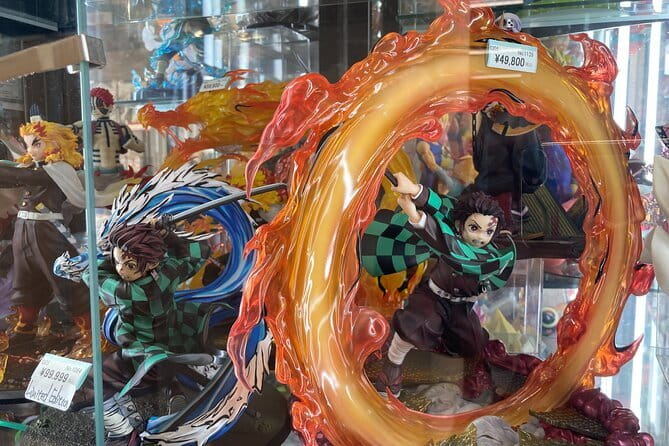
- Tamashii Nations Store Tokyo exhibition: a changing anime exhibition (updates every 2 months) with free admission
- Akihabara Radio Kaikan scale: access to figurines, model stores, and the huge “over 5000 anime products” shopping environment
- Super Potato retro focus: a dedicated stop for very retro game devices like NES
- gee store!! anime apparel: practical, wearable anime souvenirs like T-shirts and other clothing items
Why this Akihabara tour feels easier than DIY
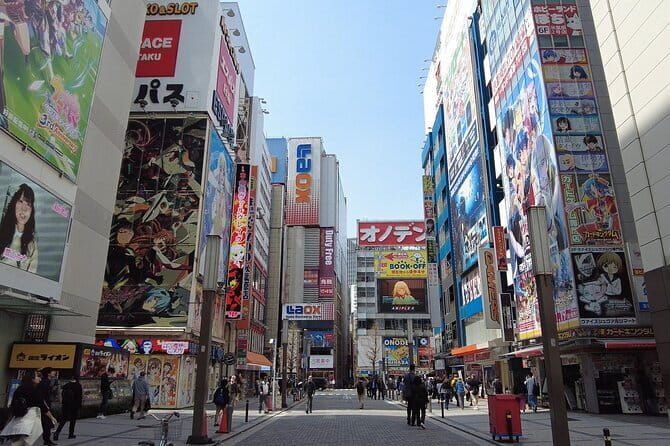
If you’ve ever tried to explore Akihabara on your own, you know the problem: there’s just so much. The streets are packed with banners, product types blur together, and it’s hard to know what’s worth your time unless you already speak the local “collector language.” This tour tackles that head-on by keeping the route tight and the focus clear—anime, manga, and video games—with guidance that turns random browsing into a connected story.
The small-group setup matters. With a maximum of 10 people, you get a better chance to ask questions instead of getting stuck at the back of the group. And because the tour is an English-speaking walking tour, you’re not left guessing what you’re looking at—especially helpful if you don’t know the differences between figure styles, retro console eras, or the kinds of anime merchandise that Japan does better than anywhere else.
Inok’s style is also a big part of the value. Based on what I’ve seen in how the tour gets described, he can tailor the pacing and explanations so both teens who know everything already and parents who just want to understand the culture feel included. That’s not just nice—it keeps the tour from becoming either too basic or too complicated.
Price and value: what $39.09 covers in 2 hours
At $39.09 per person for about 2 hours, you’re paying mostly for three things: an English guide, a structured route, and time saved. All four listed stops are free to enter (and the tour includes a walking experience), so you’re not paying extra admission fees along the way.
Here’s where the math starts to make sense. Even if you only like one or two of the stops, the guide still helps you get there, understand what you’re seeing, and avoid dead-end wandering. Akihabara can turn into expensive impulse shopping fast, so having a plan can actually protect your budget—because you shop with intention, not panic.
Also, the price is more reasonable than it looks if you’re traveling with someone who’s more curious than picky. The tour is short enough that it doesn’t hijack your entire day, but structured enough that you’ll still leave with a clear sense of the area’s anime and game culture.
Stop 1: Tamashii Nations Store Tokyo and its changing anime exhibition
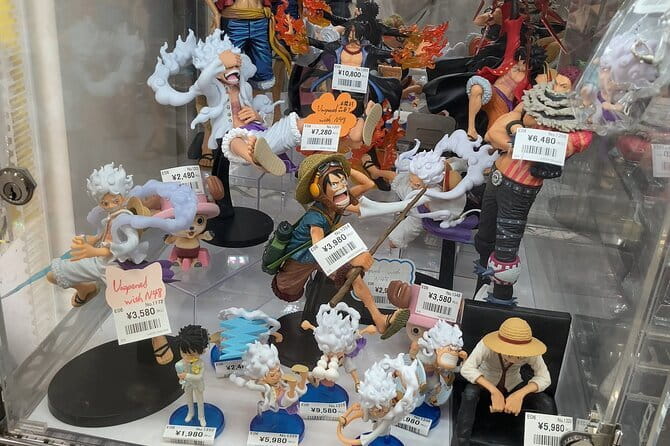
You start at 1 Chome-17 Sotokanda, Chiyoda City, Tokyo 101-0021, then head to Tamashii Nations Store Tokyo for a quick introduction stop. This is where the tour’s theme locks in. There’s an anime exhibition, and the display changes every two months, which means you’re not just visiting a static store window—you’re catching a specific moment in their rotating presentation.
This stop runs about 10 minutes, and the admission ticket is free. That short timing is deliberate. It gives you just enough context so the later shopping stops feel meaningful instead of random. If you’re the type who likes to understand what you’re buying (or what you’re seeing), this start helps you connect merchandise to the wider anime world.
Potential drawback? Because it’s short, you won’t have time for heavy reading if you’re the kind of person who wants to study every exhibit label. If you love exhibitions, you may want to add extra time to revisit on your own afterward.
Stop 2: Akihabara Radio Kaikan for figures, models, and tiny treasures

Next up is Akihabara Radio Kaikan, with about 50 minutes here. This is the stop built for collectors and browsers who like variety. The focus is figurines and model stores, plus lots of small items you might not notice if you only walk past the bigger electronics shops.
The most practical detail: this is one of those places where scale is part of the experience. You’ll see why people come here for anime merchandise, including the kind of items that don’t feel like “big souvenirs,” but make perfect gifts or shelf pieces. The tour description even notes over 5000 anime products available to buy here, which tells you what kind of shopping environment you’re walking into.
How the guide adds value at this stop: when everything is for sale, it’s easy to feel lost. An English guide helps you understand what category you’re looking at and how to filter what’s worth your attention. Plus, there’s usually a strong “show me what you love” energy in these spots—so if you’re into anime but not sure which series you want merchandise from, the guide can help you narrow down.
One consideration: this is likely the busiest stop. If you’re sensitive to crowds or you prefer slow browsing, arrive mentally ready to move through the floor layout, not park in one section for long.
Stop 3: Super Potato for retro gaming nostalgia (including NES)
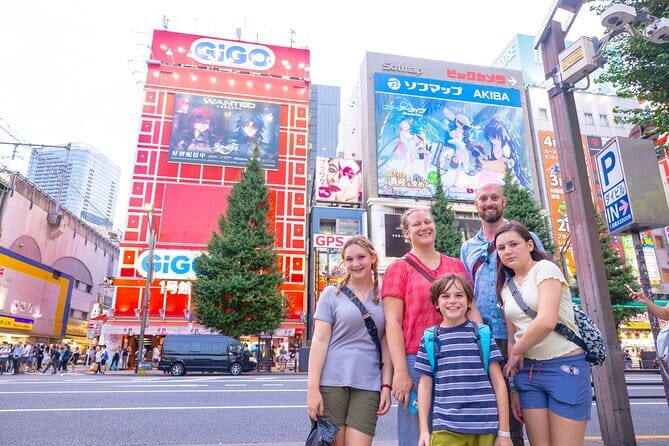
Then the tour shifts from anime merchandise to video game culture at Super Potato, with about 30 minutes allocated. This stop is specifically described as a retro gaming store, and the standout detail is the chance to see very retro devices—like the NES-era kind of hardware that many people remember from childhood.
This is a smart transition because Akihabara fans don’t separate anime from games the way some Western stores do. Retro gaming is part of the same geek ecosystem. So while other stops lean heavily visual (figures, models, apparel), Super Potato gives you that tactile “gaming history” moment.
What you’ll likely enjoy here: looking at the actual old-school systems and the product types that come with them. Even if you don’t plan to buy anything, the store helps you see how long Japan has been packaging nostalgia into retail.
Possible drawback: because it’s only 30 minutes, you’ll have to choose your browsing style. If you want deep inspection of every device and accessory, you might feel rushed. If you prefer quick, high-impact nostalgia, this timing works well.
Stop 4: gee store!! for anime clothing and wearable souvenirs
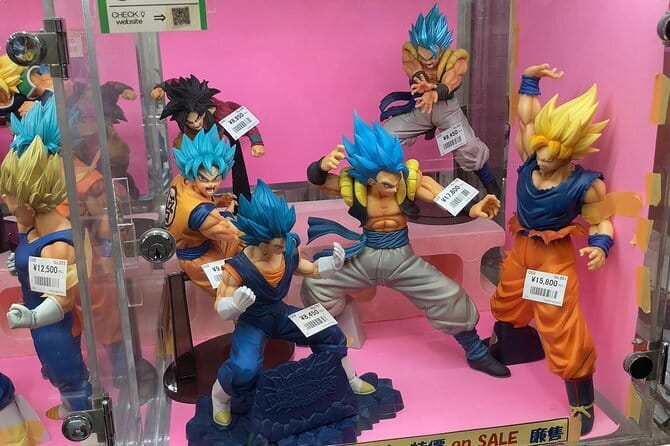
The final stop is gee store!!, about 30 minutes, focused on anime clothing. This is the “take something home that you’ll actually use” part of the route. The shop is described as an anime clothes store where you can buy items like T-shirts and other apparel-type souvenirs (the tour description lists items such as foodies and T-shirt).
This stop is useful even if you’re not a clothing shopper. Why? Because anime merch often has designs that only make sense when you see them in-person. A guide can point you toward items that fit the vibe you’re after—fun, subtle, loud, or very fan-specific.
The downside is the same as every retail stop: if you’re shopping with a group, sizes and preferences can slow people down. If you’re picky about fit, plan to spend an extra few minutes thinking before you buy.
What you learn about Otaku culture (without turning it into a lecture)
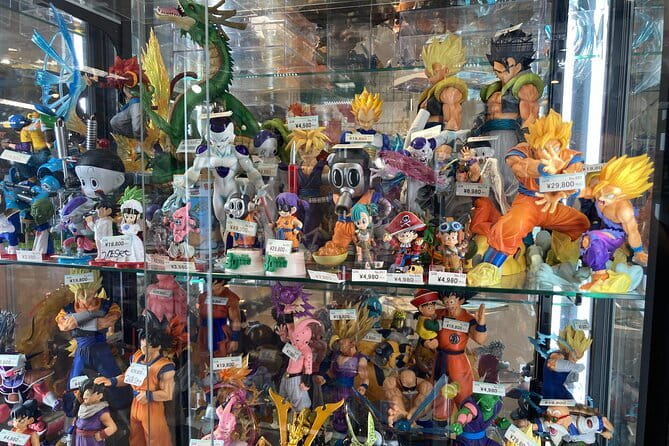
The best part of this tour isn’t just the shops. It’s the way the guide connects the dots between anime, manga, and video games as parts of Japanese geek culture—what’s often called Otaku culture. You’ll learn facts and stories as you walk, not through a long talk at the start.
That format is practical. In a place like Akihabara, it’s easy to become a tourist who only looks. This tour nudges you toward being a curious visitor who pays attention to why these products exist, how the culture supports different fandom expressions, and how retro games fit into the same overall world.
And since the guide can tailor the tour to different knowledge levels, you’re more likely to get information that lands. If you already know a lot, you won’t feel stuck in beginner mode. If you’re new, you’re not going to get lost in jargon.
Practical tips so you enjoy the route (and don’t overspend)
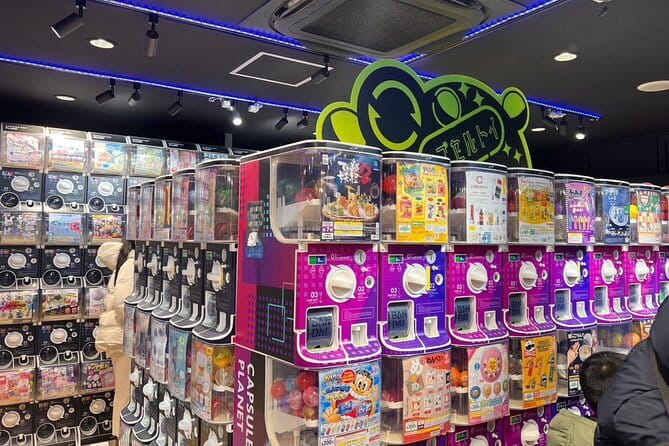
A few simple things help you get the most out of a short walking tour:
- Wear comfortable shoes. It’s a walking tour, and you’ll be moving between stores and floors.
- Decide your shopping goal before you enter the biggest stop. If you want a figure, a shirt, or retro game items, pick one category so you don’t end up buying random mini-stuff.
- Keep a mental note of your must-see stop. For many people, it’s Super Potato for retro gear or Radio Kaikan for the sheer variety.
- If you’re traveling with someone who gets overwhelmed easily, use the guide as your filter. That’s what the guide is for—helping you move with purpose.
Also, you’ll be working around short time slots. Tamashii Nations Store Tokyo is about 10 minutes, the other stores are around 30 to 50 minutes. If you want to go slower, plan to revisit after the tour with your own pace.
Who this Akihabara anime and game tour is best for
This tour is a strong fit if you:
- Love anime, manga, or video games and want a fast, guided sampler of Akihabara
- Want to shop with less guesswork and more context
- Prefer a short format (about 2 hours) over a full-day mission
- Like the idea of a guide who can adapt to your knowledge level, like Inok
It’s also a good choice for families with teens. The tour has been described as tailoring for a 16-year-old’s knowledge level, which is exactly what you want when family members have different interests.
If you’re an absolute Akihabara expert who already knows every store and knows what you want to buy, you may feel like the tour is too structured. But for most people, that structure is the point.
Should you book this tour?
Yes, I’d book it if you want an efficient, friendly way to understand Akihabara’s anime and game culture while hitting specific stops that most people would miss or underuse. The value is strong because the time is focused, admissions at the listed stops are free, and the group stays small enough that the guide can actually interact.
I wouldn’t book it if you hate retail environments or if you’re expecting a long exhibition-heavy experience. This is a practical shopping-and-culture walk. You get quick context and then you see the goods in person.
If your ideal day includes browsing with purpose, learning a bit about Otaku culture, and ending with wearable merch or retro nostalgia, this tour fits neatly.
FAQ
How long is the Tokyo Akihabara Anime Manga Video Games and Hidden Gems Tour?
It runs for about 2 hours.
How much does the tour cost?
The price is $39.09 per person.
How many people are in the group?
The maximum group size is 10 travelers.
Is the tour guided?
Yes. It includes an English-speaking guide and is a walking tour.
Where do I meet for the tour?
The meeting point is 1 Chome-17 Sotokanda, Chiyoda City, Tokyo 101-0021, Japan.
Is admission included for the stops?
The listed stops show free admission tickets for Tamashii Nations Store Tokyo, Akihabara Radio Kaikan, Super Potato, and gee store!!.
What is included in the tour price?
Included items are an English-speaking guide and a walking tour.
What is not included?
Merchandise purchases, coffee and/or tea, and snacks are not included.
What if I want to buy souvenirs?
You can buy merchandise at the stores (shopping is part of the experience), but purchases are not included in the tour price.
What is the cancellation policy?
You can cancel for free. Cancel at least 24 hours in advance for a full refund.
Will I get confirmation after booking?
You should receive confirmation at the time of booking.
If you want, tell me what you’re most into—figures, clothing, or retro consoles—and I’ll suggest which stop to prioritize during the 2-hour walk.
Tokyo, compared.
 ★ 5.0Mt Fuji and Hakone 1-Day Bus Tour Return by Bullet TrainFrom $16326,383 reviews
 ★ 5.01-Day Tokyo Bus TourFrom $12914,250 reviews
 ★ 4.6teamLab Planets TOKYO Digital Art Museum Entry TicketFrom $259,779 reviews
 ★ 4.0Mt Fuji & Hakone Cruise, Drum Show Bullet Train 1 Day from TokyoFrom $1497,413 reviews
 ★ 5.0Shinjuku Food Tour (13 Dishes at 4 Local Eateries)From $866,603 reviews
 ★ 4.4Tokyo Mt Fuji 5th St & Hakone Cruise Bus Tour w/Bullet TrainFrom $1545,024 reviews
 ★ 5.0Flagship 2-Hours Official Street Go-Kart Tour – Tokyo Bay ShopFrom $644,974 reviews
 ★ 4.5From Tokyo: Mount Fuji Full-Day Sightseeing TripFrom $684,970 reviews