
Reviewed · TOKYO
Shibamata: Step Back into Old Japan!
Old Japan in Tokyo is real.
This small-group walk through Shibamata is the kind of outing that slows you down on purpose. I like that it mixes street food with big cultural stops, then finishes with garden calm and a cup of green tea. One plus I really value: even if you do not know Tora-san, the way the tour frames it still makes the visit feel complete.
What I like most are the Taishakuten Temple wood carvings and the relaxed rhythm—stroll, snack, look closer, then tea. The route is also built for atmosphere: traditional streets at Taishakuten Sandō, a guided walk in the temple area, and a thoughtful break at Yamamoto-tei.
A small consideration: this is a light, walking-focused plan in a quiet neighborhood. If you want nonstop sights or lots of shopping time, you might wish for more hours—or you may need to be extra ready for food that’s new to you.
In This Review
- Key highlights worth your time
- Shibamata, where Tokyo slows down
- Starting at the Futen Tora and Sakura statues
- Taishakuten Sandō: street snacks and an easy warm-up walk
- Shibamata Taishakuten: wood carvings you can actually see
- A practical tip for the temple stop
- Tora-san Memorial Hall: a stop that works even without fandom
- Yamamoto-tei: the garden tea break that resets your day
- What you’ll eat: grass dumplings, mitarashi dumplings, and crackers
- The pace and timing: 3 hours that feel full
- Price and value: what $90 buys you here
- Who should book this Shibamata tour
- Should you book Shibamata: Step Back into Old Japan
- FAQ
- FAQ
- How long is the tour?
- Where is the meeting point?
- Is there an English-speaking guide?
- What stops are included with entry/access?
- Do I need cash for the tour?
- Is the tour refundable if plans change?
Key highlights worth your time
- Taishakuten Temple: famous for intricate wood carvings, decorations, and color.
- Taishakuten Sandō snack walk: time set aside for local bites and street atmosphere.
- Tora-san Memorial Hall: a photo-stop plus guided context that helps the character and setting click.
- Yamamoto-tei tea break: green tea in a garden setting, with scenic views on the way.
- Small group (max 5) with an English-speaking guide who can answer your questions.
Shibamata, where Tokyo slows down
Shibamata is one of those Tokyo areas that feels like a different gear. You get the old-street feeling without having to jump through complicated logistics. The goal here is simple: experience Japanese daily culture, temple artistry, and local food—without the hectic scramble that larger sights can bring.
I love how the tour balances three things in a tight 3-hour window. You get a major temple experience, a pop-cultural stop tied to Tora-san, and an actual pause for tea. That mix matters because it gives the day more texture than a checklist tour.
And it’s not just for fans of the Tora-san story. The visit to the Tora-san Memorial Hall is structured so you can enjoy it even if you arrived with zero background. In fact, the character’s presence in this neighborhood helps you understand why locals treat this area like a living stage, not a museum set.
Starting at the Futen Tora and Sakura statues
Your tour begins right where the neighborhood spirit is easy to spot: in front of the Tora-san statue area near Keisei Shibamata Station. The meeting point is in front of the Futen Tora statue and the Sakura statue, so you have clear visual anchors to find your group fast.
This matters more than you might think. In Tokyo, a reliable meeting point saves time and stress. Since your total tour time is only three hours, you do not want to burn minutes hunting for the right corner.
Also, because the group is limited to five participants, you typically get a more human-sized flow. Your guide can keep an eye on timing, and the whole walk feels less like you’re herded and more like you’re strolling with someone who knows where to look.
Taishakuten Sandō: street snacks and an easy warm-up walk
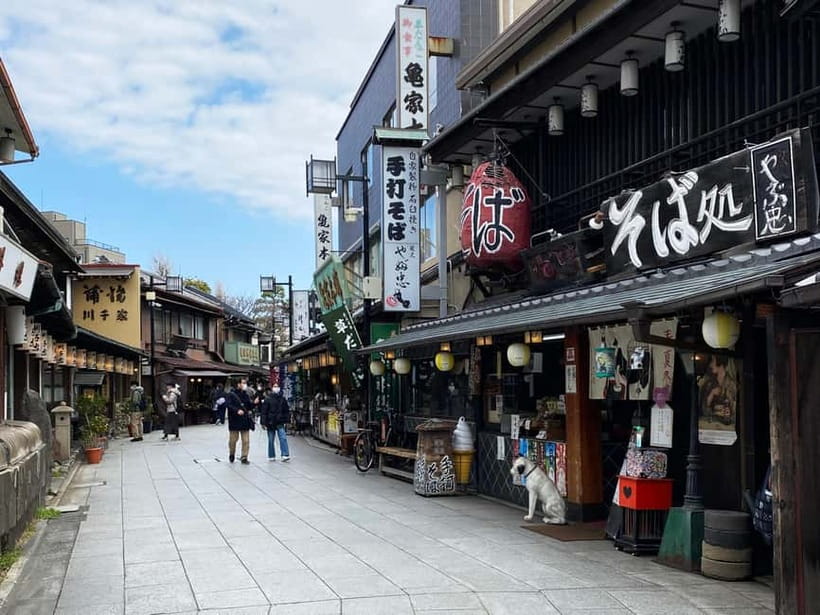
The first big taste of the area happens along Taishakuten Sandō. This is the part where the neighborhood becomes itself: narrow lanes, small shops, and that pre-temple energy that feels old-school.
You’ll have a guided walk here plus a set chunk of time for street food and local snacks. The tour keeps it practical, too. Since cards are not guaranteed everywhere, it’s smart to have cash ready. A few yen stacks can save you from that awkward pause of deciding whether to skip the snack you actually came for.
What I like about starting with Sandō is pacing. You ease into the day before you hit the temple. You’re not trying to absorb architecture with a tired brain. You’re already warmed up by the sounds, smells, and small-scale street life.
Shibamata Taishakuten: wood carvings you can actually see
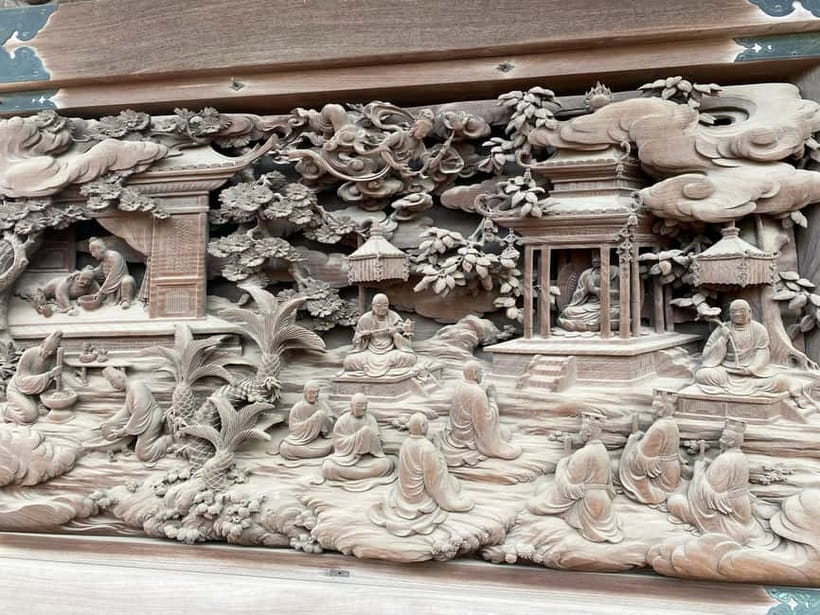
Then you step into the main event: Shibamata Taishakuten. This is the Buddhist temple visit the tour is centered on, and the reason is obvious once you’re there.
The standout feature is the temple’s intricate wood carvings—detailed decorations and vibrant color work that highlight traditional craftsmanship. If you like looking closely at old surfaces, you’ll get your satisfaction here. The carvings are not background art; they’re the point.
A guided visit helps because temples can look impressive even when you do not know what you’re looking at. The guide’s job is to point out the visual logic: where your eye should go, how the ornamentation fits together, and what makes the craftsmanship worth time. The result is that your photos and your memory become more than snapshots.
A practical tip for the temple stop
Plan to slow down at your own pace for a few moments. Even with a guide, you can still pause to compare details. If you’re the type who reads labels at museums, you’ll love this kind of attention. If not, just keep moving slowly and let the carvings pull you in.
Tora-san Memorial Hall: a stop that works even without fandom
Next comes the Tora-san Memorial Hall. This stop includes a photo stop and a guided tour, and it’s designed to be understandable even if you have not followed Tora-san’s story.
That’s a big deal for value. Some pop-culture stops only make sense if you already know the character. Here, the tour approach helps the setting click—so you’re not stuck feeling like you missed required homework.
What you’re really doing at this stage is learning why this character is woven into Shibamata’s identity. You get context for how a fictional or screen-linked figure can shape real-world local pride and visitor routes. In a neighborhood like this, that connection feels less like marketing and more like tradition taking a modern form.
And because it’s a compact stop, you’re not stuck rushing. You get enough time to absorb what’s there and still keep energy for the tea garden later.
Yamamoto-tei: the garden tea break that resets your day
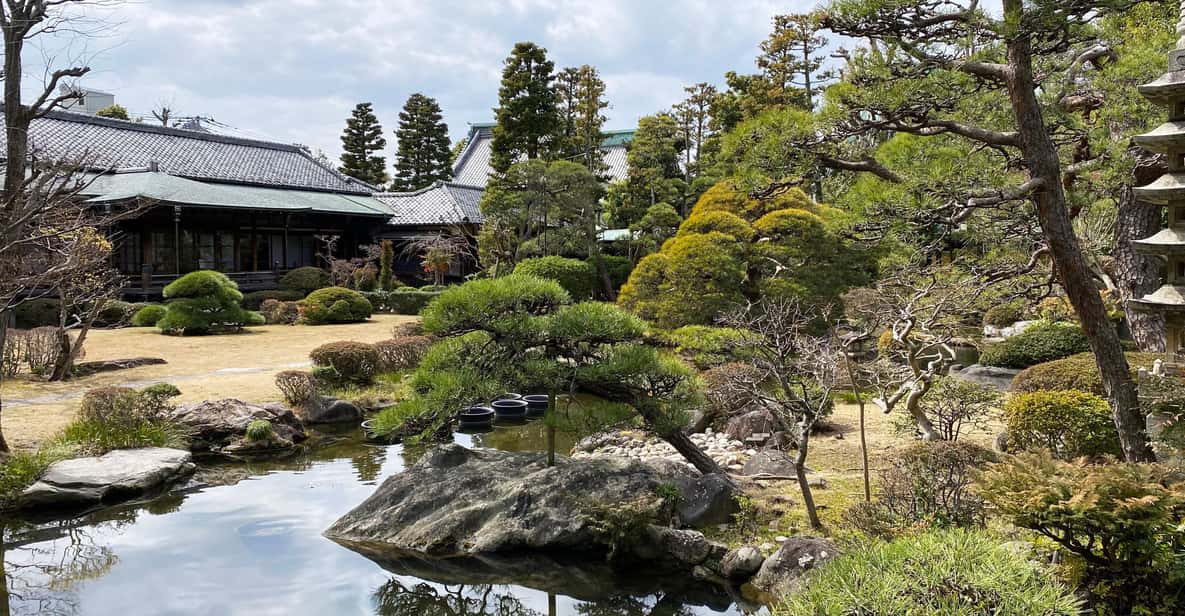
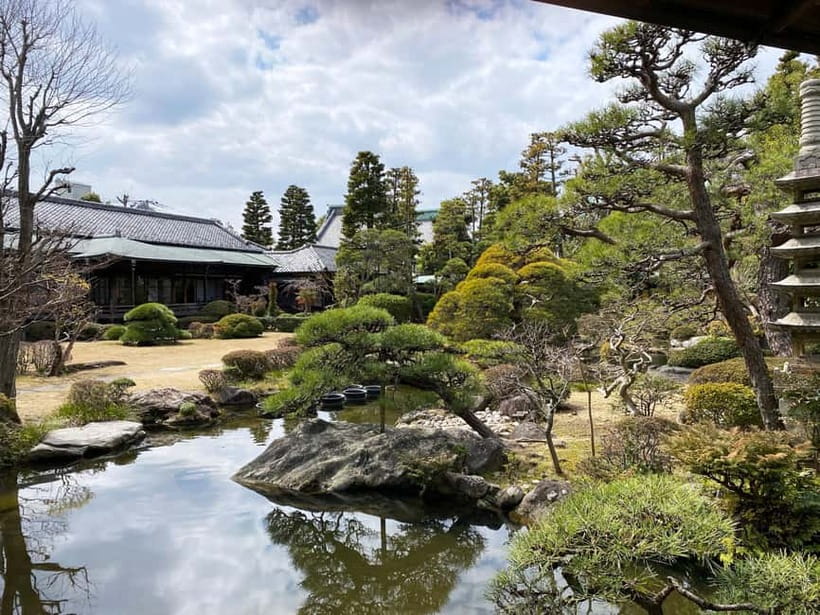
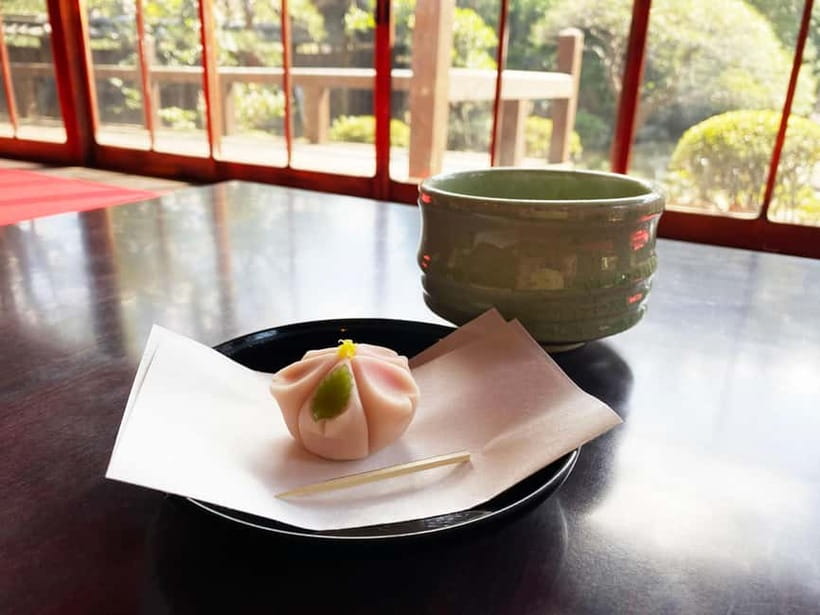
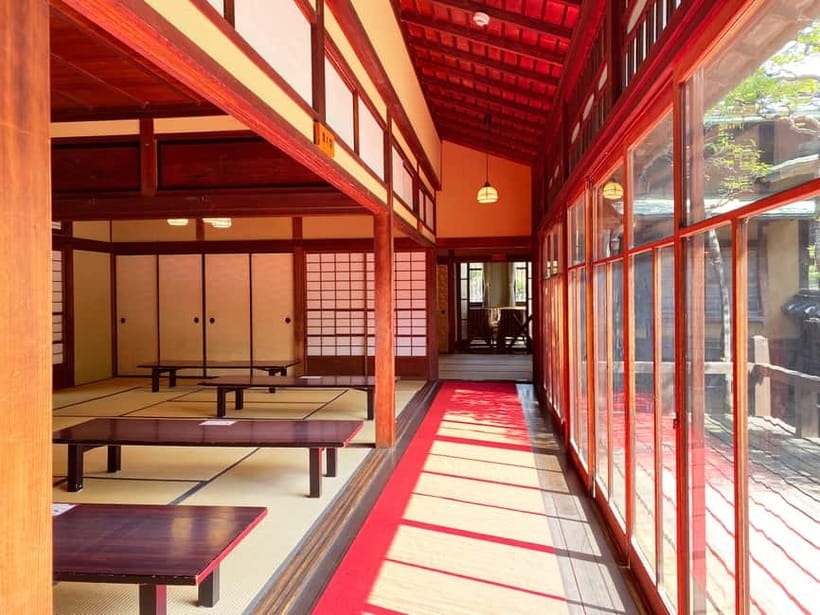
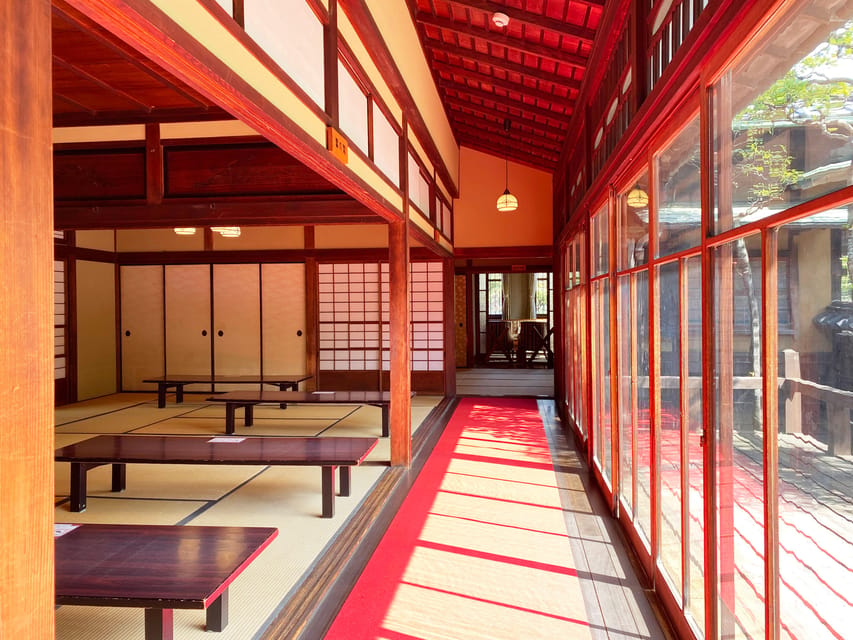
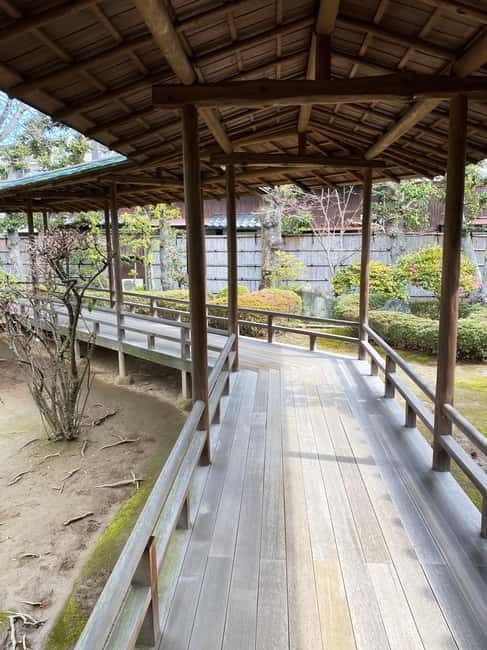
Finally, you arrive at Yamamoto-tei for your break time. This is where the tour becomes noticeably calmer. You get photo opportunities along the way, then tea plus scenic views in the garden setting.
The included green tea is part of the experience, not just a token. When you sit and sip in a Japanese garden environment, it makes the rest of the tour land differently. Temple details look sharper. Street snacks taste more grounded. Even the walking pace feels different because your body catches up.
I also like that this stop gives you a chance to ask questions when you’re not standing in a queue or moving with the group. If you’ve been wondering about temple etiquette, local customs, or what to do next in Tokyo, this tea moment is the time to ask.
One more practical note: even though Yamamoto-tei includes access and refreshments, some shops may still handle money differently. Keep cash on hand so you’re not forced into skipping small purchases elsewhere.
What you’ll eat: grass dumplings, mitarashi dumplings, and crackers
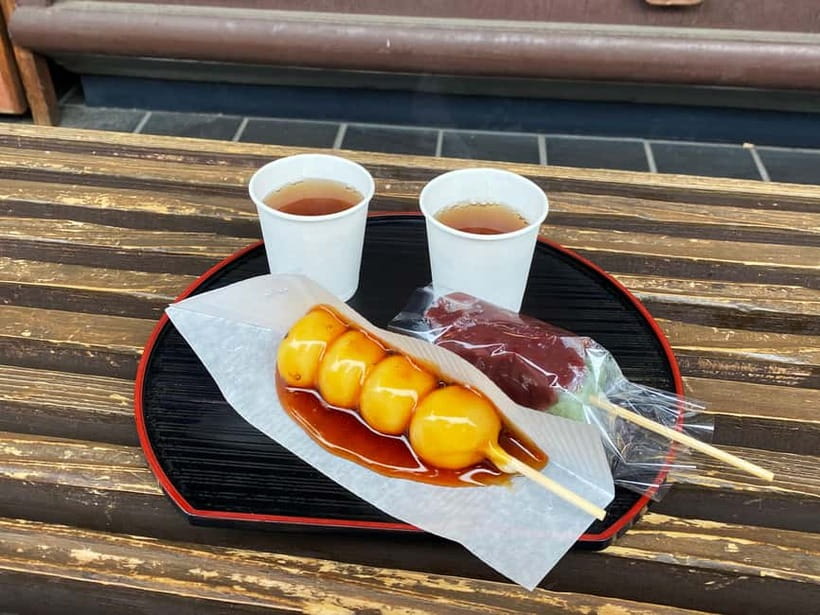
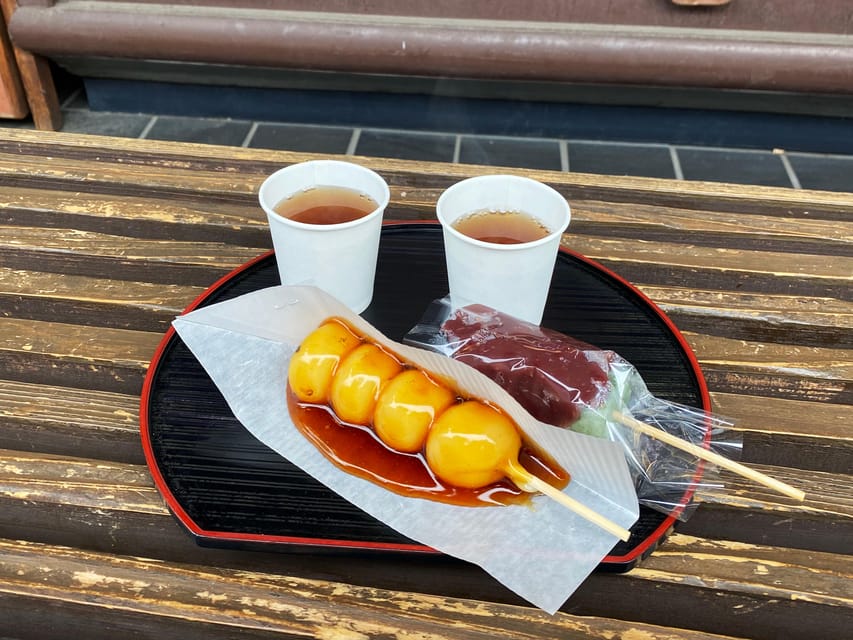
Food is a major part of this experience, and the tour calls out several local bites you’ll likely encounter during the snack portion. Expect options like grass dumplings, mitarashi dumplings, rice crackers, and Japanese-style savory omelets.
Here’s the useful way to think about it: these foods are not random snacks. They’re simple, local flavors that show how the area treats everyday tastes as part of the culture. Instead of eating just to fill time, you’re eating with a purpose—along a guided route that makes the food feel tied to place.
If you’re picky, don’t panic. The tour is structured around a guided walk and tasting time, so you can choose what fits you best. If you have strong dietary limits, you’ll want to be upfront with your guide early so your plan stays comfortable.
The pace and timing: 3 hours that feel full
This is a 3-hour tour, and that short duration is part of the appeal. You get a temple, a cultural character stop, a snack section, and a tea break without turning your whole day into a long commute.
The group size cap of five participants is a quiet quality upgrade. You’re less likely to feel lost in a crowd, and your guide can keep the flow smooth. That also helps if you stop to take photos or want a second look at the carvings.
English live guidance is included, which matters because temple details can turn confusing fast if you’re trying to translate on the fly. With an English guide, you spend less time guessing and more time looking.
Price and value: what $90 buys you here
At $90 per person for about three hours, you should ask: are you just paying for a walk, or for entry and time?
In this case, the tour includes entry to the Tora-san Memorial Hall, the Sculpture Gallery and Garden at Taishakuten, and access to Yamamoto-tei. Refreshments are also included there. That inclusion matters. It converts the experience from a basic neighborhood stroll into a ticketed cultural circuit with specific stops.
So the money is paying for three things at once:
- guided time in the temple and garden areas where context helps
- admission access that you would otherwise have to manage
- the tea break and guided pacing that keeps the whole plan coherent
Also, souvenir fees are not included, so if you want to bring home memorabilia, plan that budget separately. But for the core experience, you’re not paying extra for each entry stop.
Who should book this Shibamata tour
This tour fits best if you want:
- a quieter pocket of Tokyo that feels local rather than rushed
- temple architecture time with guidance
- a small-group pace
- both snacks and a real sit-down tea break
It’s especially good for first-time Tokyo visitors who want one day that feels like old Japan rather than another big-city hit. It also works for people who like gardens and prefer calm over constant movement.
In terms of guides, this tour is run by Wise Guides / Wise-Infinity inc., and the vibe from recent guides like Megumi and Machiko is friendly and responsive. The common thread is how they keep the walk smooth and answer questions with genuine patience.
Should you book Shibamata: Step Back into Old Japan
I think you should book this tour if you’re chasing atmosphere and craftsmanship, not just famous landmarks. The temple carvings at Taishakuten are the main reason, and the snack-and-tea structure is what makes the day feel complete instead of chopped into unrelated stops.
You might skip it only if you want a high-energy, big-city-style itinerary with nonstop options. Shibamata rewards a slower pace. Come ready to walk, taste, look closely, and sit for tea for a bit. If that sounds like your kind of Tokyo day, this is a strong pick for great value.
FAQ
FAQ
How long is the tour?
The tour lasts about 3 hours.
Where is the meeting point?
Meet in front of the Tora-san statue area in front of Keisei Shibamata Station.
Is there an English-speaking guide?
Yes. The tour includes a live English guide.
What stops are included with entry/access?
Entry is included for Tora-san Memorial Hall, the Sculpture Gallery & Garden at Taishakuten, and access to Yamamoto-tei. Refreshments at Yamamoto-tei are also included.
Do I need cash for the tour?
Some shops may not accept cards, so it’s a good idea to prepare cash.
Is the tour refundable if plans change?
Yes. You can cancel up to 24 hours in advance for a full refund.
Tokyo, compared.
 ★ 5.0Mt Fuji and Hakone 1-Day Bus Tour Return by Bullet TrainFrom $16326,383 reviews
 ★ 5.01-Day Tokyo Bus TourFrom $12914,250 reviews
 ★ 4.6teamLab Planets TOKYO Digital Art Museum Entry TicketFrom $259,779 reviews
 ★ 4.0Mt Fuji & Hakone Cruise, Drum Show Bullet Train 1 Day from TokyoFrom $1497,413 reviews
 ★ 5.0Shinjuku Food Tour (13 Dishes at 4 Local Eateries)From $866,603 reviews
 ★ 4.4Tokyo Mt Fuji 5th St & Hakone Cruise Bus Tour w/Bullet TrainFrom $1545,024 reviews
 ★ 5.0Flagship 2-Hours Official Street Go-Kart Tour – Tokyo Bay ShopFrom $644,974 reviews
 ★ 4.5From Tokyo: Mount Fuji Full-Day Sightseeing TripFrom $684,970 reviews