Reviewed · TOKYO
Lunch & Cultural Tour
Chiba City surprises you fast. I love how this tour starts at Chiba Shrine, a quiet place tied to the North Star and the Big Dipper, giving you real local Shinto atmosphere instead of generic sightseeing. I also really like the combo with the Chiba City Museum of Art, where the highlight is a 100-year-old historical hall (the old Kawasaki Bank) and the art view is included. One consideration: it’s mostly level walking, but there are some stairs and there are no lifts, so comfortable shoes matter.
My guide is Grace, a mother of two in her mid 40s who’s lived in Chiba for about 18 years, and you can feel her pride in local culture. The group is capped at 8 travelers, there’s pickup offered, and you get a mobile ticket. The timing is tight-but-not-rushed at about 2 hours 20 minutes, with lunch included at Kadoya (tonkatsu or chicken).
In This Review
- Key Highlights You’ll Feel Right Away
- Meeting Grace and Getting Your Bearings in Chiba City
- Chiba Shrine: A Quiet Shinto Stop With Big Astronomical Meaning
- Passing Chiba City Landmarks and Using the Photos You’ll Actually Want
- Chiba City Museum of Art and Sayado Hall: Art in a Historic Room
- Kadoya Homemade Lunch: Tonkatsu or Chicken and a Real-Meal Feel
- Walking Pace, Timing, and Where the Stairs Sneak In
- Price and Value: Why $60 Can Actually Make Sense Here
- Who This Tour Suits Best (and Who Might Want Something Else)
- Should You Book This Lunch and Cultural Tour?
- FAQ
- FAQ
- How long is the Lunch and Cultural Tour?
- How much does the tour cost?
- What’s included in the price?
- Is the shrine admission free?
- Is pickup offered?
- Where do we meet and where does the tour end?
- How far is the meeting point from the train stations?
- What food is served at lunch?
- Is alcohol included with lunch?
- Is there a cancellation option if plans change?
- Is the tour wheelchair or elevator friendly?
Key Highlights You’ll Feel Right Away
- A small group (max 8) keeps the pace friendly and the questions flowing
- Chiba Shrine’s North Star connection gives the visit meaning, not just photos
- Sayado Hall at the Museum of Art is the kind of building you notice even before you look at artwork
- Lunch at Kadoya is truly part of the experience, not an afterthought
- Stroll-style city walking with mostly level paths, plus a bit of stairs (plan accordingly)
Before you commit, see how this one stacks up against a few Chiba favourites:
- Lunch & Cultural Tour★ 5.0 · 9 reviews
- Japanese Cooking Class and Cultural Experience Around Tokyo★ 5.0 · 3 reviews
Meeting Grace and Getting Your Bearings in Chiba City
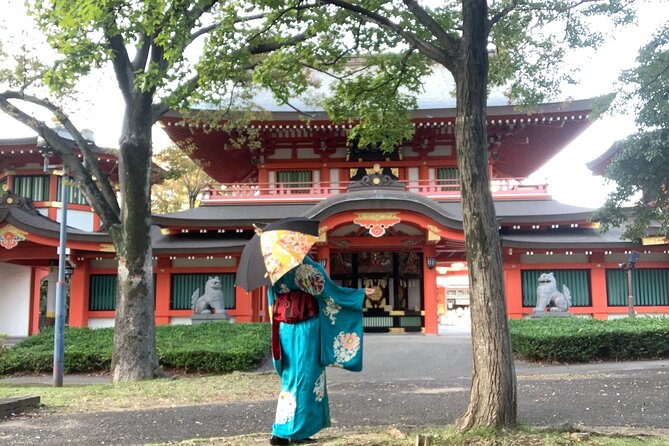
This is the kind of tour that helps you understand a city by walking it in short chunks. You meet at 千葉駅1 Chome-1 Shinchiba in Chuo Ward, and the location is conveniently reachable in a few different ways. JR Chiba Station is about a 15-minute walk, Keisei Chiba-Chuo Station is around 10 minutes on foot, and Yoshikawa Koen Station on the Chiba Urban Monorail is roughly a 5-minute walk.
If you’re the type who likes to arrive early and watch how locals move through the area, you’ll appreciate the lead-up. Grace is flexible and used to working with real-world timing. In one of the standout comments about her, she patiently waited for late arrivals, which is exactly what you want from a guide—calm, no drama, just solution mode.
Pickup is offered, so if you’d rather not start the day navigating meeting points, you can plan around that. Also, because it’s a mobile ticket experience, you won’t be hunting for paper or screenshots at the last minute.
Chiba Shrine: A Quiet Shinto Stop With Big Astronomical Meaning
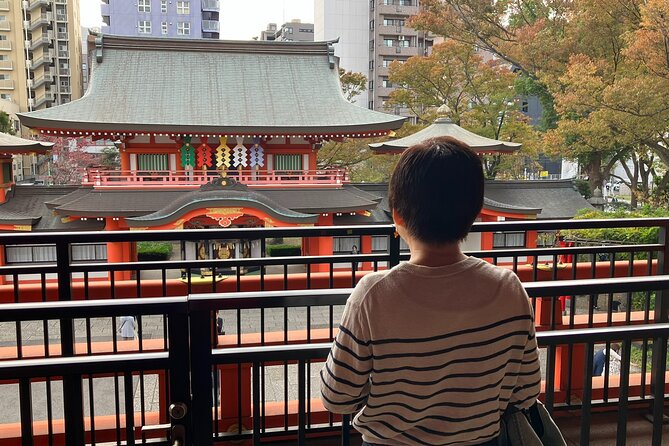
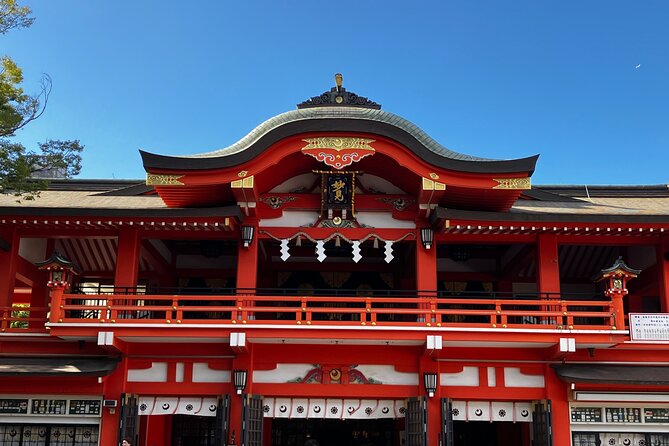
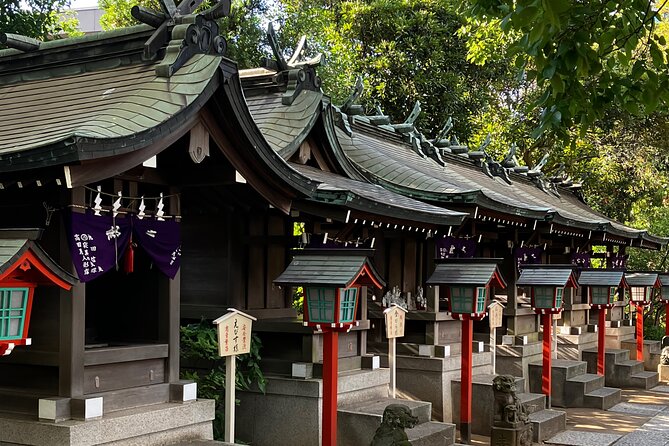
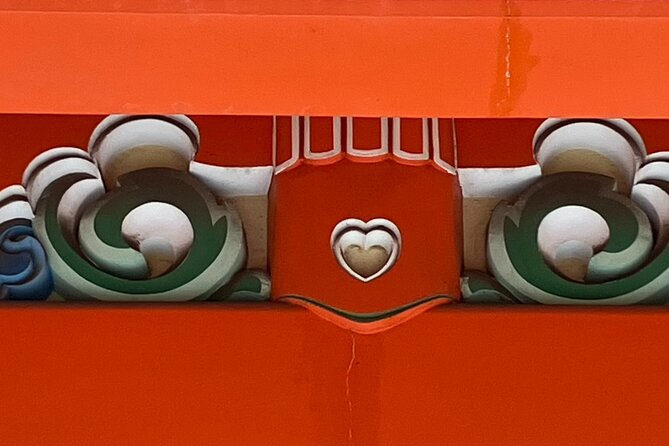
The first major stop is Chiba Shrine, and the vibe is immediately different from busy streets. The shrine has a 1,000-year history and is dedicated to the spirit of the North Star, tied to the Big Dipper. That’s a neat detail because it gives you a specific story to hold in your head while you walk the grounds, not just a generic label.
You also get something practical here: the tour includes admission-free time at the shrine (about 40 minutes). That matters. With a short, focused visit, you can actually slow down. You can look, observe, and take a few photos without feeling like you’re constantly being moved along.
What I especially like about this stop is how it connects the shrine to Chiba citizens from the past. The tour guide introduces it like a living part of the city, so you’re not viewing it as a museum exhibit. The result is a calmer start and a better sense of why the area feels the way it does.
Drawback to consider: since it’s a walking tour, you’ll still be on your feet. If you’re sensitive to walking time, bring water and plan to take short pauses when you can.
Passing Chiba City Landmarks and Using the Photos You’ll Actually Want
Between stops, you’ll stroll around the city and pass through notable areas, including Chiba Castle viewpoints. This isn’t the kind of tour that claims every street corner is dramatic, but you do get photo opportunities where the surroundings help sell the scale of Chiba City.
A helpful way to think about this middle stretch: it’s your transition from spiritual quiet (the shrine) to a structured cultural stop (the museum). You’re basically adjusting gears. That makes the day feel smoother, and your brain doesn’t fatigue as fast.
Also, because the group is small, you’re more likely to walk at a pace that feels human. You’re not being dragged by a crowd. You’ll have room to look up at buildings, notice signage, and take pictures where the angle actually works.
Chiba City Museum of Art and Sayado Hall: Art in a Historic Room
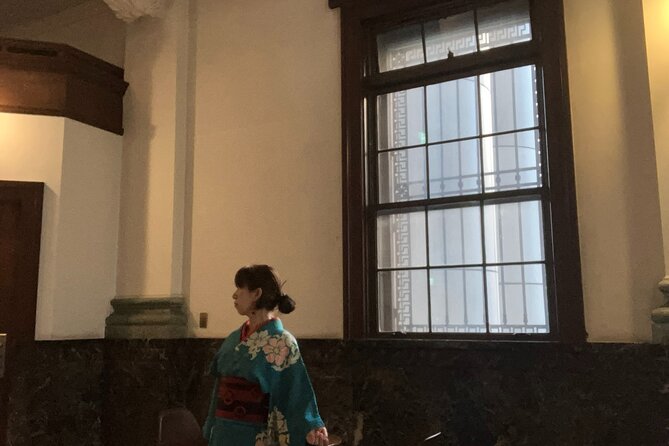
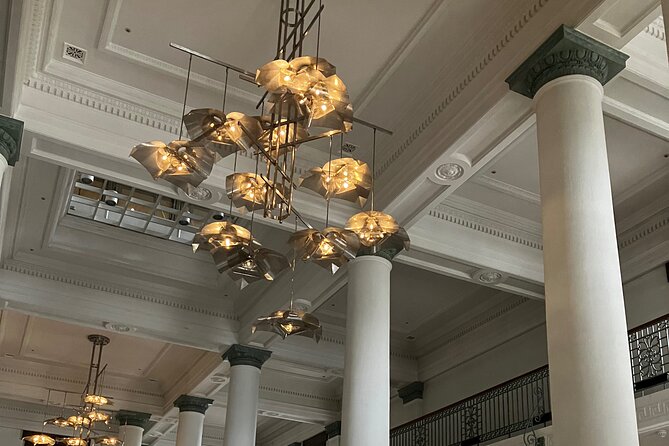
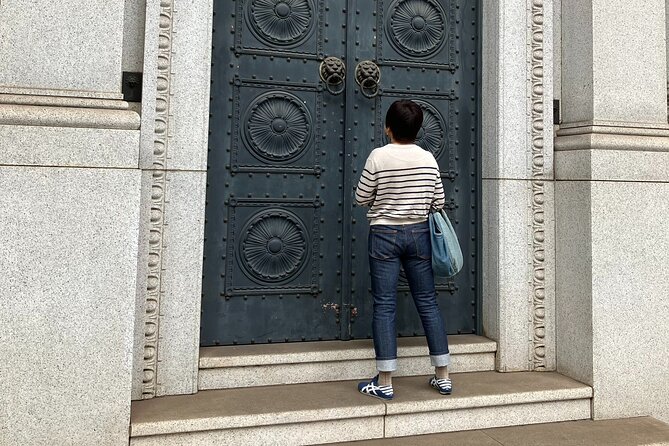
Next up is the Chiba City Museum of Art for about 40 minutes. Here’s the key detail that makes this stop more than a quick museum entry: the Sayado Hall on the ground floor was built 100 years ago as the Kawasaki Bank. Later, it became owned by Chiba City in 1971.
That means you’re not just looking at art—you’re stepping into a space with layers. Even if you’re not a museum superfan, the building itself gives you something to pay attention to. Historical architecture changes the way light falls, how you feel standing inside, and how you pace your viewing.
Admission to this stop is included, and you’ll see works by artists associated with Chiba City. That connection matters because local art often tells you how residents think about place, seasons, and identity. In a city like Chiba, that local link is a big part of the value.
Possible tradeoff: 40 minutes is enough time to appreciate highlights, but it’s not enough to read every label like you’re taking a class. If you enjoy deep, slow museum study, you’ll likely want to come back later on your own.
Kadoya Homemade Lunch: Tonkatsu or Chicken and a Real-Meal Feel
Then you head to lunch at Kadoya, a Japanese home-style restaurant, with the meal lasting about 1 hour. This is one of those schedule choices that makes the tour feel generous. You’re not rushing into a snack. You’re stopping for food that matches the day’s theme: local culture, not just local geography.
You’ll have a choice of tonkatsu or chicken (home-style lunch). Alcoholic beverages are not included, so if you like having a beer or sake with your meal, plan to pay for it separately.
Why this lunch works as a cultural experience: it gives you a break where you can reflect on what you just saw. Shrine to museum to food is a natural rhythm. You get a calm stomach and a clearer brain for the rest of the day.
Also, because it’s included in the tour price, you don’t have to gamble on finding a good lunch spot with limited time. That’s a real advantage when you’re traveling and still trying to keep the day simple.
Walking Pace, Timing, and Where the Stairs Sneak In
This is approximately a 2 hours 20 minutes tour. The timing is built around three stops, plus the strolling between them, so it moves steadily without being sprint-like.
There’s an important logistics note you should take seriously: most paths are level, but there are places where you have to climb stairs, and there are no lifts. That means if you have mobility issues, stroller needs, or knee trouble, you’ll want to plan carefully before booking.
The good news is that it’s not an all-day endurance walk. It’s a compact city experience. Still, bring shoes you’d wear for a moderate walk, not just sightseeing sandals.
The tour also ends at the Chiba City Museum of Art area (3-chōme-10-8 Chūō, Chiba, Chuo Ward). So if you’re thinking about next steps—shopping, trains, or a second museum—your day ends right where one of the tour’s main stops is located.
Price and Value: Why $60 Can Actually Make Sense Here
At $60.00 per person, this tour isn’t trying to be the cheapest way to pass the time in Chiba. It’s priced like a guided cultural experience with meals included.
Here’s what you’re really paying for:
- Guiding plus coordination across multiple locations
- Lunch included at Kadoya (tonkatsu or chicken)
- Museum admission included at the Chiba City Museum of Art
- Shrine time is free, which reduces your out-of-pocket costs on-site
Add it up and it starts to look like value rather than just paying for someone to walk with you. If you were doing this on your own, you’d still spend money on a guided setup (or spend time figuring it out), plus you’d pay for museum entry and lunch anyway.
The small group size (up to 8 travelers) is also part of the value. It helps the guide manage pace, questions, and waiting situations. And based on Grace’s reputation for flexibility with late arrivals, you can feel that she’s attentive to the group, not just following a rigid script.
Consideration: alcohol is not included. So if your ideal lunch involves drinks, budget a little extra.
Who This Tour Suits Best (and Who Might Want Something Else)
This tour fits you best if you want:
- A short, focused introduction to Chiba City
- A day that mixes Shinto, local art, and real Japanese lunch
- A guide who knows the area and speaks from long-term local experience (Grace has been in Chiba for about 18 years)
It also works well if you’re traveling with limited time and you want a plan that’s built for efficiency, not decision fatigue.
You might want to choose another format if you prefer:
- Long museum time with no pressure to keep moving
- Step-free routes only (because the tour notes stairs and no lifts)
- A more food-forward experience where you can customize more heavily (since lunch is fixed to tonkatsu or chicken)
Should You Book This Lunch and Cultural Tour?
I’d book it if you like culture that feels close to everyday life: a shrine locals understand, an art stop in a historic bank building, and a lunch that’s clearly meant to be comforting and filling. The small group size and Grace’s reputation for being patient and flexible make it a low-stress choice.
I’d skip it or look closely at your needs if stairs are a dealbreaker for you, or if you tend to get impatient with a schedule that’s designed to fit multiple stops into about 2 hours 20 minutes.
FAQ
FAQ
How long is the Lunch and Cultural Tour?
It’s approximately 2 hours 20 minutes.
How much does the tour cost?
The price is $60.00 per person.
What’s included in the price?
Lunch (homestyle Japanese tonkatsu or chicken) and admission to the Chiba City Museum of Art are included.
Is the shrine admission free?
Yes, the Chiba Shrine admission is listed as free.
Is pickup offered?
Yes, pickup is offered.
Where do we meet and where does the tour end?
You start at 千葉駅1 Chome-1 Shinchiba, Chuo Ward, Chiba, and it ends at the Chiba City Museum of Art (3-chōme-10-8 Chūō, Chuo Ward, Chiba).
How far is the meeting point from the train stations?
From JR Chiba Station it’s about 15 minutes on foot, from Keisei Chiba-Chuo Station about 10 minutes on foot, and from Yoshikawa Koen Station on the Chiba Urban Monorail about 5 minutes on foot.
What food is served at lunch?
Lunch at Kadoya is homestyle Japanese and you can choose pork tonkatsu or chicken.
Is alcohol included with lunch?
No, alcoholic beverages are not included.
Is there a cancellation option if plans change?
Yes. You can cancel for a full refund if you cancel at least 24 hours before the experience starts.
Is the tour wheelchair or elevator friendly?
The route is mostly level, but there are some stairs, and there are no lifts.