Reviewed · TOKYO
Highlight walking Tokyo tour with National Licensed guide
Tokyo feels big at first.
This tour helps you tame it with a smart, walk-friendly route through major sights: Tsukiji Jogai Market, Asakusa, Meiji Jingu, Takeshita Street, and Shibuya Crossing. It’s designed for a first trip to Japan, with guidance from a National Licensed professional and travel by public transportation (so you’re not spending the day in taxis or guessing stops).
Two things I really like: you get a planned flow from one iconic area to the next, and you’re not left to figure out Tokyo logistics alone—your guide (often noted as Maru) can help you navigate the subway system and keep the day moving. One possible drawback: you’ll be walking. It’s listed as moderate physical fitness, so if anyone in your group wants to minimize walking, tell the organizer in advance so they can plan around it.
In This Review
- Key things that make this Tokyo walking tour work
- A National Licensed guide turns Tokyo from chaos to order
- Tsukiji Jogai Market: where you can snack and hunt for kitchen finds
- Asakusa and Senso-ji: learn how temple prayer works, then shop smart
- Meiji Jingu Shrine: Shinto basics and architecture you can actually pause for
- Takeshita Street: a fashion street break (and a crowd reality check)
- Shibuya Crossing: the world’s busiest intersection, handled with a plan
- Public transportation in Tokyo is easier when someone maps it for you
- Hotel pickup, included transit, and the value of $118 per person
- Who this tour suits best in Chiba-to-Tokyo style trips
- Should you book this Tokyo highlights walking tour?
- FAQ
- How long does the Tokyo highlights walking tour take?
- Is hotel pickup included?
- What stops are included in the route?
- Is lunch included?
- Are admission fees included for the attractions?
- What walking level should I expect?
- Can you handle dietary restrictions?
- Is this a private tour or will I join others?
- What is the cancellation policy?
Key things that make this Tokyo walking tour work
- National Licensed guidance so you’re not just sightseeing, you’re learning what you’re looking at
- Public transportation routing included, which saves time and stress for first-timers
- A route built for variety (seafood market, temples, shrine, fashion street, and Shibuya) in one day
- Guide help that goes beyond the script, including subway navigation and photo-taking noted in past tours
- Private format for your group, so you’re not squeezed between strangers
- Custom stops possible, if you want to swap in a destination that fits your interests
Before you commit, see how this one stacks up against a few Chiba favourites:
- Lunch & Cultural Tour★ 5.0 · 9 reviews
- Japanese Cooking Class and Cultural Experience Around Tokyo★ 5.0 · 3 reviews
A National Licensed guide turns Tokyo from chaos to order
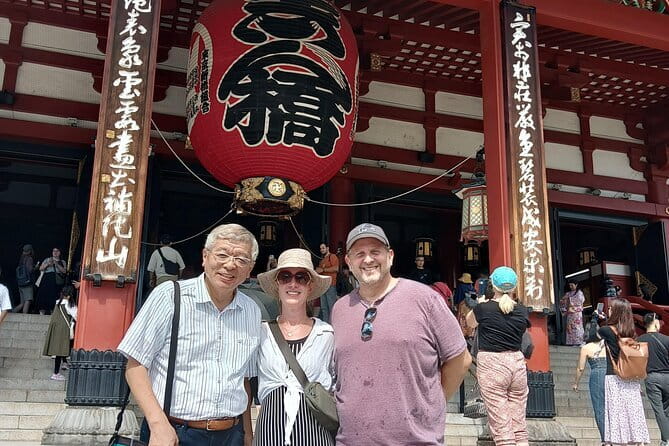
If Tokyo is your first stop in Japan, this kind of guided walking tour is a smart way to get your bearings fast. You start with Tokyo’s most famous market energy, then move into classic spiritual Tokyo, then jump into modern style streets, and end with the world-famous Shibuya Crossing. Even if you know the names of these places already, walking the route with a guide helps you understand how the neighborhoods connect and what to pay attention to.
This is also a practical setup. It’s a private tour/activity, so it’s just your group. It includes hotel pickup and the public transportation fees, which matters because Tokyo can be pricey if you’re constantly hopping on paid transfers to save time. You also get a mobile ticket, which makes day-of logistics easier.
The tour is listed as about 4 to 8 hours, so expect that your pace and how long you pause at each stop will shape the total time. The itinerary may shift due to weather or other reasons, so I like that the tour is framed as flexible rather than rigid.
One more nice detail: the organizer explicitly says you can ask anything and that they’ll do their best to provide unforgettable memories. That’s vague marketing, but in practice it’s a strong sign the guide will be responsive—especially useful when you’re juggling kids, picky eaters, or simply trying to keep a smooth schedule.
Tsukiji Jogai Market: where you can snack and hunt for kitchen finds
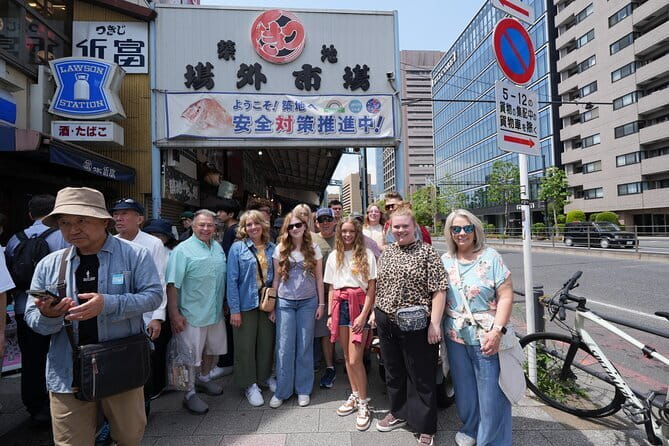
Tsukiji Jogai Market is the kind of place that wakes up your senses. It’s described as Japan’s largest fish market, with about 400 shops. Your time here is about 1 hour, and it’s listed as free admission.
What makes this stop valuable isn’t only seafood—it’s the whole market world. You can browse for fresh seafood, and you can also purchase kitchen tools. That second part is a big deal for souvenir-hunters who like useful items rather than clutter. If you’ve ever wanted a real-looking knife, a utensil that feels like it belongs in your cooking routine, or a small specialty tool, a market like this is where you’ll spot those things.
What you might enjoy most is tasting. Fresh seafood sampling is often where market time feels most fun, but lunch is not included on the tour, so plan for the fact that any snacks you want to buy may cost extra. If you’re budgeting, think of the included time here as a chance to explore first, then spend only if something truly looks worth it.
Drawback to consider: markets can be crowded and loud, and the tour is a walk-based format. If your group prefers quiet sightseeing, Tsukiji might feel intense. Also, if anyone is sensitive to smells or strong visuals, this is the stop most likely to test that.
Asakusa and Senso-ji: learn how temple prayer works, then shop smart
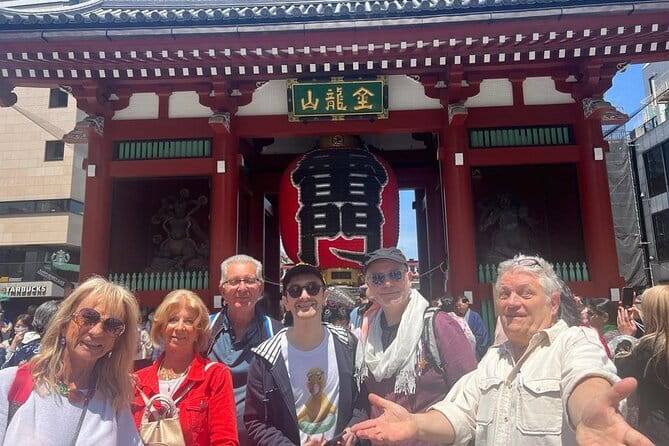
Asakusa is where old Tokyo still shows up in daily life. The highlight here is Senso-ji, described as the oldest temple in Tokyo. Your stop is about 1 hour 30 minutes, again with free admission.
I love this stop because it’s not just sightseeing from the outside. The tour is set up to help you understand how to pray at temples and to share general knowledge about Japanese Buddhism. That turns a photo stop into something more meaningful. When you know what you’re looking at, you spend less time guessing and more time noticing details like the flow of people, how visitors participate, and the meaning behind everyday rituals.
Asakusa is also where you can check out traditional items. Even if you don’t buy anything, walking through the area gives you a sense of what “traditional Tokyo” looks like—shops, crafts, and souvenirs that feel connected to the neighborhood instead of mass-produced.
Potential drawback: with a major temple, you can hit queues and peak crowds. That’s where having a guide helps. You can keep moving without constantly losing time to bottlenecks, and you’ll get a clearer sense of where it’s appropriate to pause versus where to keep walking.
Practical tip: since lunch isn’t included, you can treat Asakusa as a timing checkpoint. If you like to eat early, you might plan to grab something after your Asakusa time so you’re not hungry later when you’re in quicker-moving areas.
Meiji Jingu Shrine: Shinto basics and architecture you can actually pause for
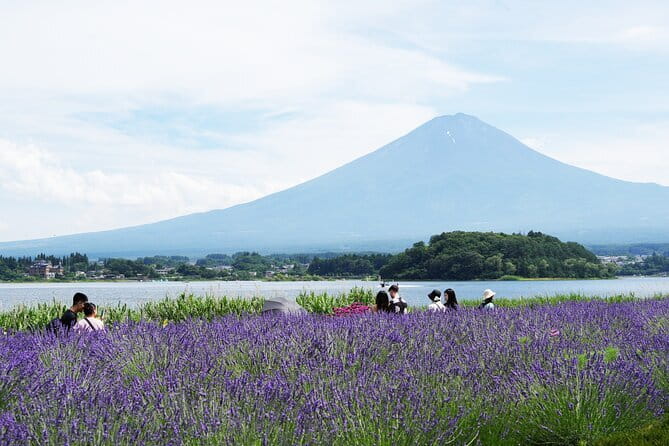
Next up is Meiji Jingu Shrine, one of Japan’s most important shrines. You’ll spend about 1 hour here with free admission.
This stop is a good change of pace. After the market buzz and the busy temple approach at Asakusa, Meiji Jingu gives you a quieter reset. The tour focuses on learning about Shinto and appreciating Japanese architecture. That combination works well because it gives you two ways to enjoy the place: understand the spiritual context, then notice the design elements that shape your experience as you walk through the grounds.
I also like how this stop balances the day. It’s not only about watching crowds or chasing street scenes. You’re encouraged to slow down and look at details—architecture and setting—so the tour doesn’t become nonstop motion.
Possible drawback: one hour can feel fast at a large shrine area, especially if your group really enjoys taking photos or reading what’s around. If that’s your style, you might want to factor in extra time on your own later, even if this guided segment ends when it ends.
Takeshita Street: a fashion street break (and a crowd reality check)
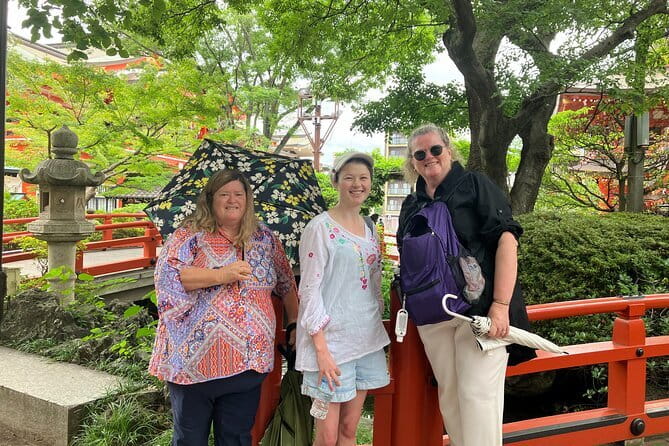
Then comes Takeshita Street, about 1 hour and free admission. The description puts it as the center of Japanese fashion.
This is the part of the day where the vibe shifts. You’re leaving the traditional world and moving into modern style. This is where people-watch in a big way: outfits, accessories, and the general energy of youth fashion culture.
What I like about including Takeshita Street in this lineup is that it gives Tokyo a full-angle view. If your trip only includes temples and museums, you miss the street-level creativity Tokyo is also known for. If you only do modern areas, you miss the cultural grounding. Takeshita helps you get both.
Drawback to plan for: fashion streets tend to be packed, and it can be harder to move when you’re navigating crowds while trying to see everything. That’s where a guide matters—not because they magically change foot traffic, but because they can help you keep your momentum and avoid wasting time.
If someone in your group dislikes shopping or crowds, this is the stop you’ll want to manage carefully. You might spend less time browsing and more time simply walking through the key lanes so everyone still feels like they did the highlight.
Shibuya Crossing: the world’s busiest intersection, handled with a plan
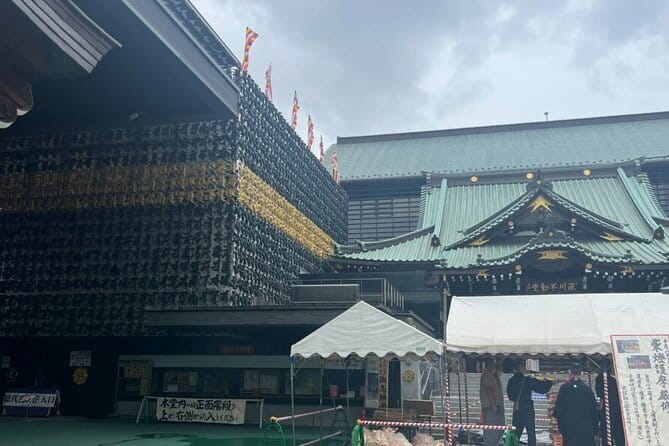
You end with Shibuya Crossing, with about 30 minutes on the schedule and free admission. The tour notes that roughly 3,000 people cross every two minutes—that’s the scale you’re dealing with.
This is one of those experiences that sounds simple until you’re actually standing there. A guide can help you do it without turning it into a stressful shuffle. The description even frames it as a challenge: crossing without touching anyone. That’s a fun mental game and, more importantly, it encourages safer crowd movement.
Why this is a good final stop: it’s visually dramatic and instantly recognizable. Even if you’re tired, you’ll feel like you capped the day with a true Tokyo signature moment.
Possible drawback: because it’s so famous, it can be crowded at almost any hour. If you’re traveling with small kids or someone who gets overwhelmed, this is another stop where your guide’s pacing and your group’s decisions matter most. You can keep it short and sweet if needed.
Public transportation in Tokyo is easier when someone maps it for you
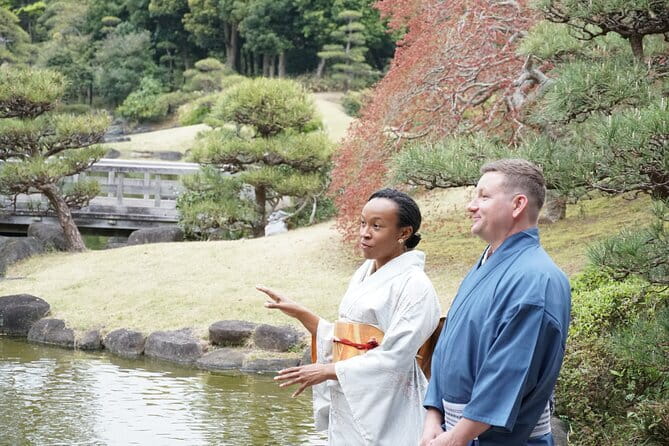
The tour is guided by public transportation, and that’s where the National Licensed guide earns their keep. In Tokyo, the big challenge isn’t only getting on a train—it’s figuring out which line, which entrance, and which route makes sense when you have multiple stops in one day.
One of the strongest praises connected to this tour format is that the guide (noted as Maru in past experiences) helps with navigating the subway system, especially on a first day. That kind of support matters because it prevents the slow spiral of lost time, wrong turns, and second-guessing.
Another thing I appreciate: the tour doesn’t hide behind a script. It explicitly says you can ask anything during the day. That means if you’re unsure about how to move between areas, where to stand, or how to adjust for comfort, you should feel comfortable doing that.
And yes, there’s a real advantage to having a guide who also handles practical help. Past tours described Maru assisting with things beyond the core walk—like reservations, airport transfers, and translation. That doesn’t mean you should expect every extra service without asking, but it does signal a guide who’s willing to help you solve problems, not just point you at sights.
Hotel pickup, included transit, and the value of $118 per person
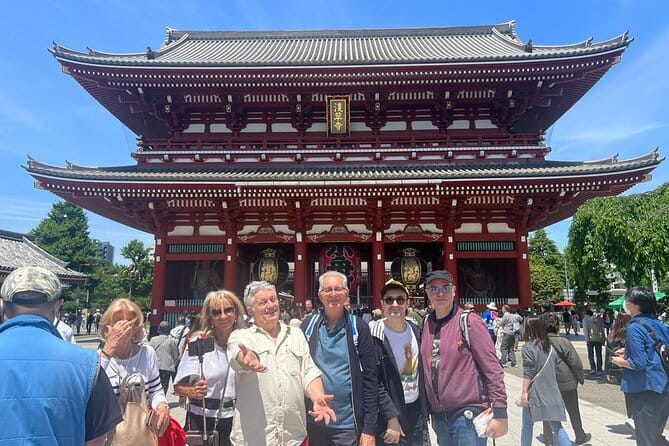
Let’s talk money, because the price is a key question. This tour is $118 per person. For what’s included—hotel pickup, a National Licensed guide, and public transportation fees—it can be good value if you’re factoring in how expensive time lost and misrouting can be.
The itinerary’s major sites are listed as free admission: Tsukiji Jogai Market, Asakusa (Senso-ji), Meiji Jingu Shrine, Takeshita Street, and Shibuya Crossing. That helps keep your day predictable. You’re mainly paying for guidance and the transportation work.
What’s not included is lunch, and it also notes that there could be an admission fee if needed. In a day like this, that usually means you might pay if you add something paid on top of the core route, or if a stop has an optional ticket experience. The safe move is to treat lunch as your main extra cost, plus any snacks at Tsukiji or purchases you decide to make.
Also, this is designed as a private tour/activity, and the listing mentions group discounts. If you’re traveling with family, that private setup can be worth extra because you’re not trying to coordinate with strangers during tight transitions between neighborhoods.
Timing note: it’s described as being booked about 61 days in advance on average. That’s not a promise you’ll struggle to find space, but it does suggest popularity. If your dates are fixed, I’d book earlier rather than later.
Who this tour suits best in Chiba-to-Tokyo style trips
This is a strong fit if you:
- are visiting Tokyo for the first time and want a structured highlight route
- like a mix of culture and modern street life in one day
- prefer public transit guidance instead of doing everything solo
- want a private group experience without strangers in the mix
It’s also helpful for families. One of the praised details tied to this tour is that the guide took photos of children during the tour. That’s the kind of practical care that makes a day feel less chaotic.
If you have dietary needs, you can request accommodations such as vegetarian, vegan, or gluten-free. Just remember lunch isn’t included, so those accommodations likely matter for where you choose to eat while the guide can help you make good decisions.
Walking note: it’s listed as moderate physical fitness. The tour also says they can accommodate members who prefer not to walk long, as long as you let them know. That’s important—don’t wait until the morning. Tell them ahead of time so they can plan the pace and stops.
Good to know: service animals are allowed, and the tour is near public transportation. Weather can change the plan, so build a little flexibility into your day.
Should you book this Tokyo highlights walking tour?
Book it if you want an efficient first-day-or-first-few-days tour that covers major Tokyo highlights in a single flow, with hotel pickup and included transit. The standout value is the guide support—especially if you’re the type who worries about getting lost in the subway system or wants someone to help keep the day smooth.
Skip it or adjust your expectations if:
- your group wants minimal walking and doesn’t do well with crowds
- you plan to spend long, separate blocks of time at each attraction (this tour is structured, not open-ended)
- you’re very budget-sensitive and plan to eat and snack heavily at markets and streets
My practical advice: if you have specific places you want beyond the core route, ask about arranging your destinations based on your interests. That’s the easiest way to turn a highlights tour into a tour that feels custom to your trip.
If you’re trying to get a first taste of Tokyo without wasting time figuring everything out, this is a solid choice.
FAQ
How long does the Tokyo highlights walking tour take?
It runs about 4 to 8 hours.
Is hotel pickup included?
Yes. Hotel pickup is included, and the tour also includes public transportation fees.
What stops are included in the route?
The route includes Tsukiji Jogai Market, Asakusa (Senso-ji), Meiji Jingu Shrine, Takeshita Street, and Shibuya Crossing.
Is lunch included?
No. Lunch is not included.
Are admission fees included for the attractions?
The listed stops are listed as free admission, but admission fees if needed are not included.
What walking level should I expect?
It’s set for travelers with moderate physical fitness. The tour also says it can accommodate someone in your group who prefers not to walk long if you let them know.
Can you handle dietary restrictions?
Yes. Dietary restrictions such as vegetarian, vegan, and gluten-free can be accommodated if you indicate them at booking.
Is this a private tour or will I join others?
This is a private tour/activity. Only your group participates.
What is the cancellation policy?
You can cancel for a full refund up to 24 hours before the experience’s start time. If you cancel less than 24 hours before, the amount paid will not be refunded.