
Reviewed · YOKOHAMA TOURS
Japanese Sweets Making & Tea Ceremony in Yokohama, suburban Tokyo
Sweet, quiet culture starts at home. In this Yokohama suburban workshop, you make seasonal wagashi and learn Japanese tea ceremony guest etiquette in a tatami room. I love how hands-on it is, and I love the small-group format that leaves room to ask questions of Ikuyo-san. One easy consideration: you’ll need socks to step onto the tatami.
You also get a standout moment: the tea setup includes the charcoal procedure, where charcoal is added to boil the water. I like that you don’t just watch. You make the sweets, eat them during the process, and then learn matcha basics by doing it yourself.
Logistics are simple, too. The class starts at Azamino Station (2 Chome Azamino, Aoba Ward, Yokohama) and runs about three hours, ending back at the meeting point. Pickup is offered, and you’ll use a mobile ticket.
In This Review
- Key things I’d circle before you book
- Wagashi and Tea in Yokohama: A Hands-On Culture Class, Not a Show
- From Azamino Station to a Private Tatami Room
- Your First Steps: Wagashi Making in a Seasonal Style
- Why this first hour matters
- Five Sweets, One for the Ceremony, Four for Home
- The Charcoal Procedure: A Tea Detail You Won’t See Often
- A practical way to think about it
- Matcha Mixing: You Do It, Then You Drink It
- How It Feels in a Tiny Group (Max 4)
- Socks, Timing, and What to Wear
- Pair It With Yokohama Ramen Museum (If You Want a Simple Plan)
- Price and Value: What You’re Really Paying For
- Who This Workshop Fits Best
- Should You Book This Wagashi and Tea Class?
- FAQ
- How long is the wagashi and tea ceremony workshop?
- What does the workshop include?
- How many wagashi pieces will I make and eat?
- Do I need to bring anything?
- Where is the meeting point?
- Is pickup available?
- What is the cancellation policy?
Key things I’d circle before you book
- Seasonal wagashi choice: the tea master selects what you’ll make based on the season
- Charcoal tea ritual: you’ll see the water-boil method using charcoal, a rare-feeling detail
- Real guest practice: you learn how to be a tea ceremony guest while eating your own wagashi
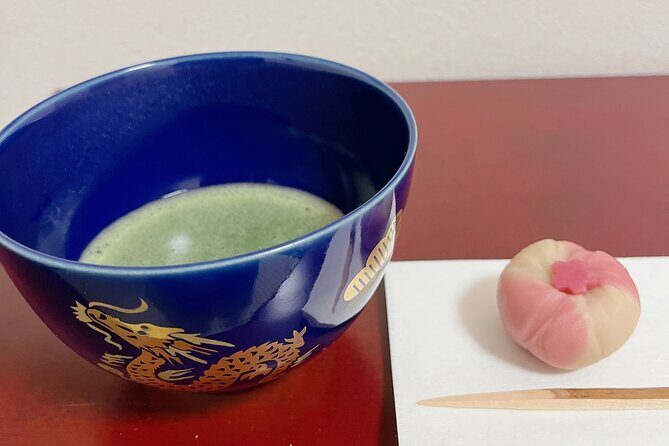
- Hands-on matcha: you mix matcha yourself and drink two cups
- Make and take home: you create 5 pieces of wagashi, use 1 for the ceremony, then take the other 4 home
- Small-group class (max 4): more time for questions and a calmer pace in a private home
Wagashi and Tea in Yokohama: A Hands-On Culture Class, Not a Show
This workshop in Yokohama is designed like a small lesson inside a real home. That matters. You’re not crammed into a big room with a script, and the flow feels personal.
The class blends two Japanese traditions that usually get separate treatment: wagashi making (the sweets) and a tea ceremony that uses those sweets as part of the guest experience. You’ll learn the logic behind what you do, not just copy movements.
If you’re a first-timer, you’re in the right place. Ikuyo-san is the kind of teacher who helps you relax right away, and she’s been doing tea ceremonies since she was young. That calm welcome is a big part of why this experience lands well even if you start with no background.
From Azamino Station to a Private Tatami Room
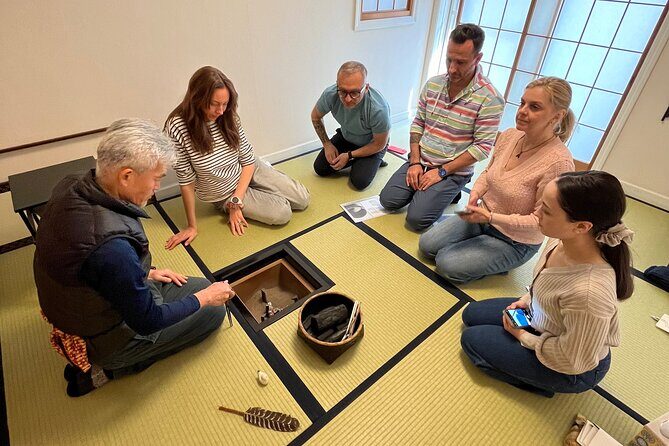
The day starts in an easy-to-find spot: Azamino Station. You meet at 2 Chome Azamino, Aoba Ward, Yokohama, and the start time is 1:30 pm, with the activity ending back at the meeting point.
Pickup is offered, which is a real help in suburban areas. If you’re traveling with luggage, or you just don’t want to battle local trains and station exits, it’s worth using.
You’ll be in a traditional tatami room for part of the workshop. The practical note is simple: bring socks. No socks, no tatami. That one small requirement can be the difference between a smooth start and a frustrating scramble.
Your First Steps: Wagashi Making in a Seasonal Style
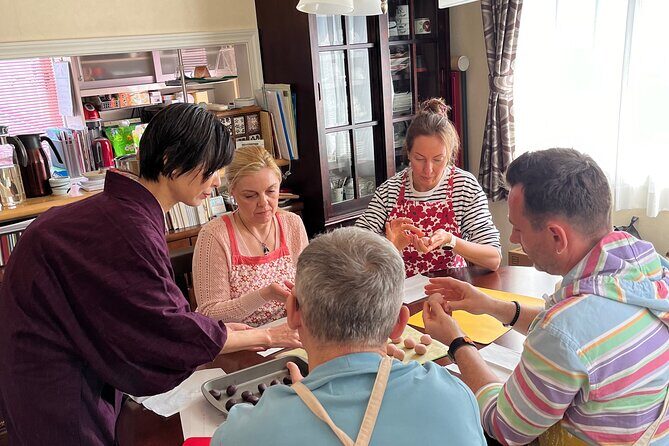
You begin with wagashi making, starting from dough. This is the part where the class feels most like a craft workshop, not a performance. You’ll make 5 pieces of wagashi by yourself.
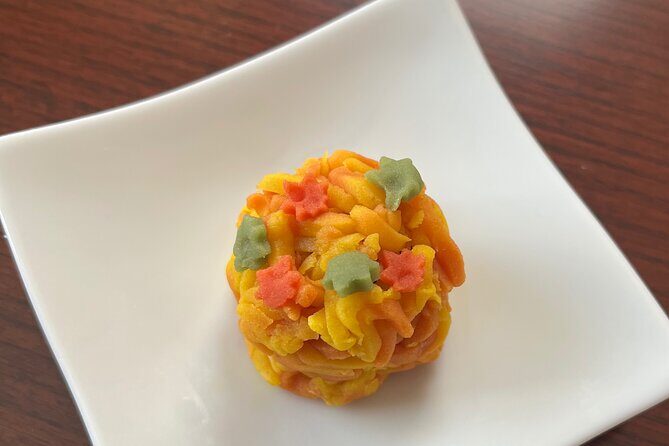
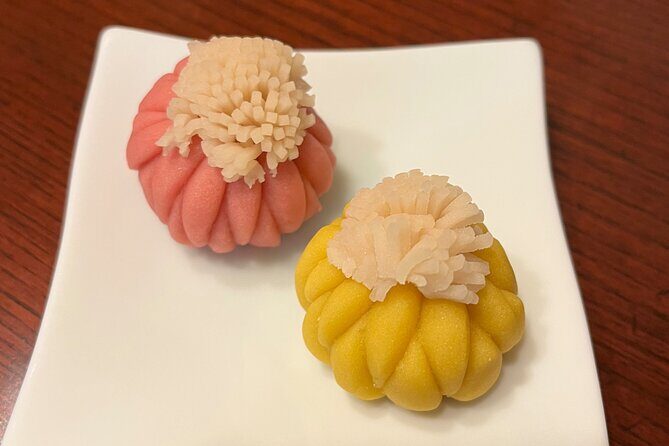
The exact type depends on the season, and the tea master chooses it for you. You might make things like nerikiri, gyuhi (mochi), or manjyu. That selection-by-season approach is one of those quiet details that makes the class feel rooted in real culture instead of a generic demo.
What you’ll actually do is more important than the name. You’ll shape and prepare sweets through steps guided by the teacher, then you’ll use one piece as part of the tea ceremony. The rest become your take-home reward.
Why this first hour matters
Wagashi isn’t just dessert. It’s a themed sweet. Seasonality, texture, and presentation all play a role. When you make it yourself, you start to understand why the tea ceremony includes wagashi in the first place. The sweet and the tea aren’t competing. They’re timed together.
Five Sweets, One for the Ceremony, Four for Home
Here’s how the tasting and take-home part works. You make 5 pieces of wagashi total.
Then you’ll use 1 piece during the tea ceremony. You’ll also eat wagashi during the procedure while the tea is being prepared. When the session ends, you take home the remaining 4 pieces.
That structure is great value in two ways. First, you get to taste what you made at the right moment. Second, you don’t leave with only photos. You leave with something you can share later, which makes the experience stick.
You’ll spend about 1.5 hours on wagashi making. It’s long enough to feel satisfying, but not so long that you lose momentum or energy.
The Charcoal Procedure: A Tea Detail You Won’t See Often
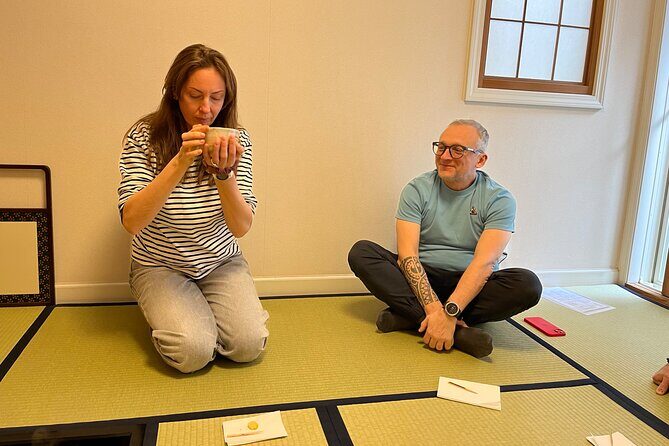
After the wagashi is shaped and ready, you move into the tea ceremony portion. This is where the workshop becomes memorable.
You’ll see the tea master demonstrate how to do the Japanese tea ceremony, including the charcoal procedure. In this method, charcoal is added to boil the water. The class notes that this is a rare experience even for many Japanese people, which matches what it feels like for visitors: you’re watching a step that’s not common in everyday tea making.
During the procedure, you eat the wagashi you made. That timing matters. It connects the sweet you worked on to the tea ritual, instead of treating dessert as an afterthought.
A practical way to think about it
When you watch this kind of careful, tool-and-water sequence, you start noticing how much tea ceremony is about pace and attention. You’ll likely feel it shift from craft mode to ceremony mode, even though you’re still actively participating.
Matcha Mixing: You Do It, Then You Drink It
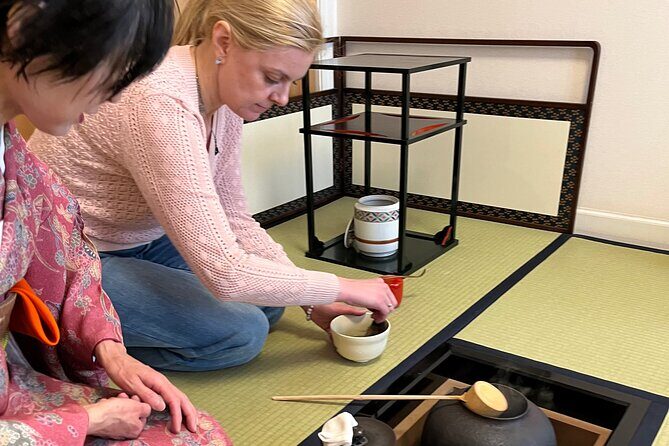
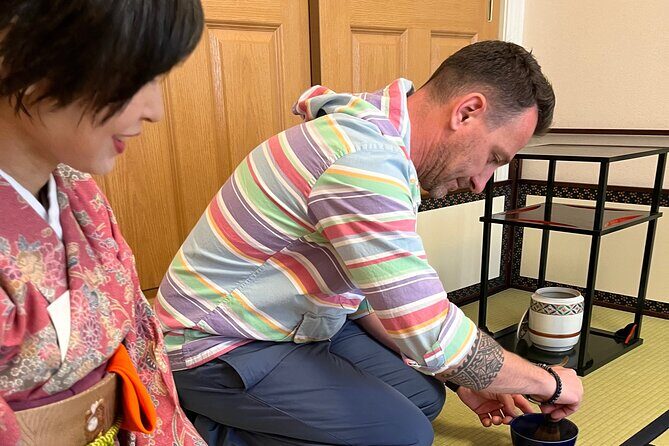
Next comes the matcha. The tea master will prepare matcha for you, and then you get to try mixing it yourself.
In total, you’ll drink two cups of matcha. You’ll also eat two pieces of wagashi during the tea experience. It’s a good ratio for first-timers because you get instruction, tasting, and practice, without turning the class into a marathon.
You’ll also learn how to be a guest in the Japanese tea ceremony. That part is less about formal theory and more about practical behavior in the room. You’ll learn from being shown, and then you’ll follow along in the setting where it actually happens.
The teacher also covers the history of the Japanese tea ceremony. And you can ask questions. That’s one of the best parts of a small private-home class: you can steer the conversation toward what you’re curious about, instead of watching other people’s questions eat up the time.
How It Feels in a Tiny Group (Max 4)
The class is limited to a maximum of 4 travelers. That small number changes everything.
With a small group, you don’t feel like you’re on stage. You also get more chances to correct your technique when you’re making wagashi and mixing matcha. And if you get confused by a step, there’s time for a clear explanation.
This also makes the experience more comfortable if you’re traveling with friends. A couple or small group can keep the pace gentle and enjoy the room without feeling rushed.
Socks, Timing, and What to Wear
The workshop doesn’t ask you to bring anything for the wagashi class. That’s a relief. But you do need socks for the tatami room.
Beyond socks, wear clothing that lets you sit comfortably for a few hours. The class is active during wagashi making, then calmer during the tea ceremony sequence. You’ll likely shift posture a few times, so comfort is your friend.
Also note the start time: 1:30 pm. Plan a light morning. If you try to cram too much before class, you’ll arrive tired, and the tea ceremony part is best experienced with a clear head.
Pair It With Yokohama Ramen Museum (If You Want a Simple Plan)
If you’re already in the Azamino area, Yokohama Ramen Museum can fit nicely into your day. It’s about 15 minutes from Azamino Station.
One easy approach: do the wagashi and tea class first, then head to the museum afterward for lunch or an early dinner plan. You’ll already have dessert covered from the workshop, so keep your ramen order straightforward unless you want to test your stomach’s patience.
Price and Value: What You’re Really Paying For
The price is $97.55 per person for about three hours, including pickup options and a mobile ticket.
At this price point, the value comes from three things you can’t easily replicate at home:
- You make the wagashi yourself (5 pieces), then eat it during the ceremony
- You learn the tea ceremony guest flow, including the charcoal water boil detail
- You mix and drink matcha, not just watch someone else do it
Also, it’s not a huge group. Max 4 travelers means a more careful teacher-to-student ratio. That’s part of why the price feels fair for this specific format.
You’re not just buying sweets. You’re buying time with a teacher, plus a guided experience that connects craft, ritual, and tasting.
Who This Workshop Fits Best
This is a great pick if you want a cultural experience that’s active and practical. You’ll leave with skills you can talk about, plus sweets you can share later.
It also works well for families with older kids. The workshop environment supports hands-on learning, and Ikuyo-san is comfortable teaching people who are new to tea ceremony. If you’re bringing teens, this class often lands well because they get to participate rather than just observe.
If you only want quick sightseeing, this may feel too slow. But if you enjoy hands-on craft and careful food rituals, you’ll likely love the pace.
Should You Book This Wagashi and Tea Class?
Yes, I’d book it if you want something more human than a photo stop. The combination format is the real selling point: wagashi making plus tea ceremony guest practice, with matcha mixing on top.
You should skip it (or at least think twice) if you strongly prefer to choose what you eat. The wagashi type is season-based and chosen by the tea master, so you don’t get to pick the variety.
If the socks requirement is easy for you and you’re okay with a focused three-hour block, this class is a strong value in Yokohama. It’s the kind of experience that gives you something real to remember long after you’re back on the train.
FAQ
How long is the wagashi and tea ceremony workshop?
It runs for about three hours total.
What does the workshop include?
You’ll get ingredients for making wagashi and match (green tea), plus the hands-on wagashi making and tea ceremony experience.
How many wagashi pieces will I make and eat?
You’ll make 5 pieces. One piece is used for the tea ceremony, you’ll eat wagashi during the procedure, and you’ll take home the remaining 4 pieces.
Do I need to bring anything?
You don’t need to bring anything for the wagashi class, but you do need socks to enter the tatami room for the tea ceremony.
Where is the meeting point?
You meet at Azamino Station, 2 Chome Azamino, Aoba Ward, Yokohama, Kanagawa 225-0011, Japan. The activity ends back at the meeting point.
Is pickup available?
Pickup is offered.
What is the cancellation policy?
You can cancel for a full refund up to 24 hours before the experience starts. If you cancel less than 24 hours before, the amount paid is not refunded.
More Tour Reviews in Yokohama






More Tea Rooms Worth Booking
Next Door in Yokohama
Yokohama Tours, compared.
 ★ 4.9EVO, WRX, Skyline – JDM Night Run to Daikoku Car MeetFrom $125478 reviews
Best Price Daikoku Parking Area JDM Car MeetFrom $76192 reviews
★ 4.9EVO, WRX, Skyline – JDM Night Run to Daikoku Car MeetFrom $125478 reviews
Best Price Daikoku Parking Area JDM Car MeetFrom $76192 reviews
 ★ 4.9Daikoku & Tokyo Private JDM Tour by 700HP R34 GT-RFrom $586101 reviews
 ★ 5.0Tokyo 8hr Private Tour with Licensed Guide from YokohamaFrom $20194 reviews
 ★ 5.0【Tokyo】JDM Daikoku Parking Area & Nissan Facility TourFrom $5587 reviews
 ★ 4.5Narita Airport: One Way Private Transfer to Tokyo|Yokohama HotelsFrom $7769 reviews
 ★ 5.0Shuttle Van Transfer, Yokohama(Port)⇒Tokyo, Narita, Haneda, TDRFrom $12263 reviews
 ★ 5.0R34Skyline Daikoku PA Fast & Furious Private ExperienceFrom $10963 reviews
Browse the lists this tour appears in