
Tokyo to Osaka in 10 days is a lot of fun. This One Life Adventures route hits Japan’s big-name highlights while keeping you moving city-to-country with a real sense of what daily life feels like. I really liked the hands-on food moments, like the sushi making class at Tsukiji, and the way the tour uses early starts to make famous places more manageable. I’ll be honest though: this is active and fast-paced, with a lot of walking, so it’s not the best pick if you want slow sightseeing.
A huge part of the experience is your group leader. In the reviews, Ashleigh comes up again and again for energy, kindness, and keeping everyone at ease, plus having smart explanations for each stop. Add in meals that are actually built into the schedule (breakfasts, lunches, and several dinners), and you get a trip that feels structured without feeling like a checklist. If you’re someone who gets tired easily from day after day of transit and stairs, plan around that before you book.
In This Review
- Why This Tour Feels Worth It
- The Real Pitch: A Fast-Paced “Best of Japan” Route You Can Actually Use
- Day 1 in Tokyo: Senso-ji at Night, Plus Food and Group Energy
- Day 2: Orientation, Harajuku Youth Culture, Meiji Jingu Calm, Then Akihabara Neon
- Day 3: Tsukiji Sushi Skills, Shinjuku Skyline, Omoide Yokocho Bites, Shibuya Crossing
- Day 4: Hakone Ropeway, Lake Ashi by Pirate Ship, and Guesthouse Mountain Calm
- Day 5: Bullet Train to the Hida Region, Takayama Morning Markets, Sake Tasting, and Local Beef
- Day 6: Miyagawa Morning Market, Then Kyoto Arrival with Gion Evening Walks
- Day 7: Fushimi Inari Early Gates to Kiyomizu-dera Views
- Day 8: Kinkaku-ji Golden Pavilion, Daitoku-ji Zen Garden, and Kendo at Kyoto Budo Center
- Day 9: Arashiyama Bamboo and Monkey Park, Then Osaka Dotonbori Food and Karaoke
- Day 10: Goodbye in Osaka and Easy Exit Planning
- Price and Value: Is $6,629 Just a Number or a Real Deal?
- Who Should Book This Japan Classic 10 Day Tour
- Final Take: Book It If You Want Momentum and a Guide You Can Follow
- FAQ
- How long is the Japan Classic 10 Day tour?
- Where does the tour start and where does it end?
- What meals are included on the tour?
- Is this tour suitable if I have only moderate fitness?
- What is the group size?
- Is there a mobile ticket?
- What happens if I cancel?
- Is travel insurance included?
Why This Tour Feels Worth It
- Ashleigh’s guided energy keeps a packed schedule feeling fun instead of frantic
- Hands-on food experiences like Tsukiji sushi rolling plus local tastings
- Early-morning temple visits help you enjoy iconic sights with less crowd pressure
- Regional rail days connect Tokyo, Hakone, Takayama, Kyoto, and Osaka smoothly
- Real cultural activities beyond photos, including kendo and karaoke
The Real Pitch: A Fast-Paced “Best of Japan” Route You Can Actually Use
This tour is designed for people who want the highlights and don’t mind doing it with momentum. You’re not just getting a bus tour of landmarks. You’re walking temple grounds, climbing your way through major shrine complexes, riding rail routes between regions, and then turning that into one continuous story from Tokyo all the way to Osaka.
What makes it work is the balance between famous stops and a few off-the-main-track moments. You’ll see the obvious icons—yes, that includes Senso-ji, Fushimi Inari, and Kyoto’s major temples—but you’ll also spend time in quieter areas like Daitoku-ji, where the focus is more on zen atmosphere than souvenir chaos. That mix is what helps a “classic” itinerary still feel fresh.
The other thing you need to know up front: you’ll be on your feet a lot. The tour calls for moderate physical fitness, and that matches what the schedule looks like—stairs, long walking stretches, and early starts that can feel like a full-time job. If you’re fit and you travel with good footwear and a flexible attitude, the pace turns into momentum. If you’re hoping for a slow and scenic stroll every day, you might find it draining.
Day 1 in Tokyo: Senso-ji at Night, Plus Food and Group Energy
Your Tokyo start kicks off in a classic way: temple first vibes, then dinner with the group. You’ll head to Senso-ji, one of Tokyo’s most important temples, and you’ll do it in the evening when the area feels alive and atmospheric.
This is a smart first day because it sets context. Senso-ji isn’t just a pretty building; it’s a real anchor for how Tokyo blends tradition into everyday life. You’ll also spend time meeting your group, which matters because the tour is social by nature. When everyone starts at the same point—same timing, same guide, same first tastes—it’s easier to settle in for what comes next.
If you’re a traveler who likes that first-night comfort of having people around and knowing you’ll be supported the next morning, this Day 1 structure works well. Just remember: night walking can feel longer when you’re jet-lagged, so keep your first evening gentle on yourself even if the sightseeing feels exciting.
Day 2: Orientation, Harajuku Youth Culture, Meiji Jingu Calm, Then Akihabara Neon
Day 2 begins with an orientation class. It’s not about memorizing a language course—it’s about learning simple customs and phrases so you can get around without feeling lost. This type of prep is small but useful. In Japan, confidence matters, and even a few phrases can help you navigate daily interactions smoothly.
After that, you’ll step into Tokyo’s youth and trend culture at Harajuku. From there it’s a contrast move: you go to Meiji Jingu Shrine and Yoyogi Park. That shift is more than aesthetic. It teaches you how different Tokyo can feel block to block—fast fashion and street energy on one side, then a calmer sanctuary atmosphere right nearby.
Then comes Akihabara, the neon world of electronics and pop culture shops. Expect sensory overload in the best way. This is one of those stops where a guide helps you choose what to look at without wasting time. You also get a sense of Tokyo’s tech culture as something you can walk into, not just something you see from a distance.
If there’s a drawback on Day 2, it’s simply the contrast fatigue. You’ll move through styles and neighborhoods quickly. If you love variety, great. If you prefer to settle into one area deeply each day, you may feel like you’re sampling instead of fully exploring.
Day 3: Tsukiji Sushi Skills, Shinjuku Skyline, Omoide Yokocho Bites, Shibuya Crossing
Day 3 is where the tour turns practical and tasty. You head to Tsukiji Fish Market, then you shift from sightseeing to doing. The sushi making class has you learning how to roll sushi and also fry teriyaki. That’s a standout value point because you’re not just eating—it’s a skill moment you can carry home in your memory (and maybe later in your kitchen).
After lunch, you freshen up and then head for skyline time at the Tokyo Metropolitan Government Building Observation Decks. This is a great choice because it gives you big-city perspective without forcing you into a theme-park experience. Then you move to Shinjuku’s nightlife food alley area, where you’ll grab yakitori and beer at Omoide Yokocho, nicknamed Piss Alley. It’s an iconic Tokyo flavor stop: small, lively, and very on-brand.
To close the day, you go to Shibuya Crossing, which is one of those places that looks like a movie until you stand next to it. The guide helps you experience it at the right moment, not just for a quick photo.
This day is also a reminder that Tokyo can drain you if you ignore pacing. You’ll likely be hungry and walking a lot, so build in small breaks even if the schedule looks nonstop.
Day 4: Hakone Ropeway, Lake Ashi by Pirate Ship, and Guesthouse Mountain Calm
Now you’re leaving Tokyo and heading to Hakone via the Romance Car. That’s one of the fun travel aspects of this tour: it treats rail time like part of the experience, not just a necessary transfer.
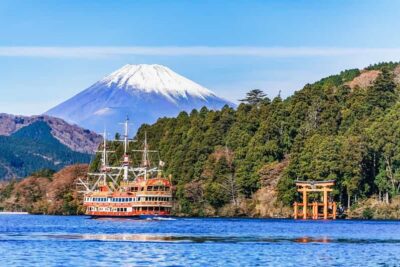
In Hakone, the big highlights are scenic and built for photos, but you still get more than Instagram moments. You’ll use the Hakone Ropeway, then head to Lake Ashi. From there you’ll ride a pirate ship across the water, and on a clear day you can catch a view of Mt. Fuji.
A quick reality check: Mt. Fuji visibility depends on weather, and the tour doesn’t control that. Still, the lake setting and the boat ride are worth it even if Fuji is shy. The point here is the mood shift—Tokyo chaos goes away and you get mountains, water, and a calmer rhythm.
You also end the day with a traditional Japanese nabe dinner at the guesthouse. This is one of those included experiences that makes the tour feel complete. You’re not only seeing places; you’re eating in a setting that feels connected to where you are.
Day 5: Bullet Train to the Hida Region, Takayama Morning Markets, Sake Tasting, and Local Beef
Day 5 is a rail day, and rail days are where this itinerary feels efficient. You’ll take a bullet train to Nagoya, then continue by scenic train through mountainous areas on your way toward the Hida-Takayama region.
When you reach Takayama, the tour shifts from transit into local culture. You’ll have a sake tasting at Harada Sake Brewery, and there’s also time to consider Hida beef. Even if you don’t go all-in on every extra option, the tasting is the key point: you’re learning how local alcohol fits into regional identity.
This day also matters because Takayama is different from Tokyo and different from Kyoto. It feels more grounded. You’ll sleep in the area with the kind of quiet that makes the next morning market feel special, not rushed.
If you’re the kind of traveler who always wants one more city, be ready for this region to slow you down. It’s not a gimmick slowdown—it’s actually a nice reset.
Day 6: Miyagawa Morning Market, Then Kyoto Arrival with Gion Evening Walks
The tour leans into Takayama morning with the Miyagawa Morning Market. You’ll walk around the old town and get guided access to market life by the river. Markets can be overwhelming when you’re on your own, but with a guide you can focus on what’s worth sampling and learn the logic behind what you’re seeing.
After that, you head back toward Nagoya and then continue by bullet train to Kyoto. Kyoto is a different pace: more walking on footpaths, more time looking up at temple architecture, and more of that alleyway feel that makes you want to wander slowly—then you remember your tour schedule keeps moving.
In the evening, you’ll go for a walk in and around Gion. Even if you don’t catch every detail you hope for, this kind of evening walk is how Kyoto clicks. It’s where the city’s tradition feels lived-in rather than staged.
Day 7: Fushimi Inari Early Gates to Kiyomizu-dera Views
Day 7 is an early morning shrine experience at Fushimi Inari-taisha. You’ll arrive early to escape the crowd and move through corridors of red gates. This is one of the most memorable “walk-through” sights in Japan because it pulls you forward physically. You’re not just looking—you’re moving under the gates, which changes how it feels.
Then you go to Kiyomizu-dera. The setting matters: it’s high on the mountainside, with a wooden and bamboo complex that stands out visually and feels dramatic in person. The tour keeps the temple experience structured enough that you don’t feel like you’re wasting time, which is a real win in Kyoto.
If you’re not a morning person, plan to treat your morning like a workout. Wear shoes that support you for uneven ground and stairs. Your legs will thank you, and your photos won’t be shaky because you’re exhausted.
Day 8: Kinkaku-ji Golden Pavilion, Daitoku-ji Zen Garden, and Kendo at Kyoto Budo Center
Day 8 is heavy on atmosphere. First is Kinkaku-ji, the Golden Pavilion, which shines on its own but also because of how it reflects in nearby water. It’s one of those places where even a quick pause feels necessary.
Then the tour heads to Daitoku-ji, a quieter temple area away from the main tourist districts. Here you’ll visit a zen garden. This is where the day slows down emotionally, even if you’re still moving on schedule. You’re shifting from spectacle to stillness.
The afternoon then adds a hands-on cultural activity: a kendo class at the Kyoto Budo Center. Your instructor teaches the way of kendo, and the tour describes the teacher as a descendant of a Japanese Samurai Warrior. Even if you don’t know the rules ahead of time, this kind of class gives you a deeper understanding of discipline and respect in Japanese martial culture.
This is also a good day to remind yourself that not every tour highlight needs to be a landmark. Experiences like this are often the difference between remembering photos and remembering feelings.
Day 9: Arashiyama Bamboo and Monkey Park, Then Osaka Dotonbori Food and Karaoke
Day 9 swings you to Arashiyama early to beat crowds. You’ll wander through Bamboo Forest Street, then climb up to Monkey Park Iwatayama. The steps are part of the job here, but the reward is seeing Japanese macaques in their local setting.
Then you go down and take a private row boat through the valleys. That’s an interesting contrast to the temple days. It’s not about architecture—it’s about water-level views and a slower pace for a short window.
After Arashiyama, you travel to Osaka, check in, and head to Dotonbori, also known as the kitchen of Japan. This is where the trip turns into lights, street energy, and a food tour moment designed to help you taste your way through the area.
Then it ends with karaoke in the evening. Karaoke is such a fun way to close a fast-paced trip because it’s low-pressure bonding. You can be brave, you can be silly, and you can let the day end on your own terms.
If you’re worried about exhaustion, Day 9 is the day to keep energy for the evening. Don’t burn it all early, even if the morning looks packed.
Day 10: Goodbye in Osaka and Easy Exit Planning
Your final day is lighter. You’ll say goodbye to your group and have time in Osaka. The tour ends at your accommodation in Osaka, and the operator provides detailed instructions on reaching the airport. There’s also an option to arrange bullet trains back to Tokyo for an additional cost.
This matters because it prevents that last-day scramble. Plenty of tours end with a vague suggestion to figure it out yourself. Here, you’re given clearer direction, and that’s the kind of practical support you appreciate when your brain is already full.
Price and Value: Is $6,629 Just a Number or a Real Deal?
At $6,629 for 10 days, the price is in the premium zone. The value question isn’t just whether you get enough sights. It’s whether the itinerary reduces hassle while packing meaningful experiences into your time.
Here’s where the value comes from, based on what’s included: lunches, multiple breakfasts and dinners, plus admission-style inclusions for many of the big activities and paid experiences. You also get guided cultural components like sushi rolling, sake tasting, the kendo class, and structured food time. Those are the moments that cost money and time when you plan them yourself.
You’re also getting a clear route that links regions efficiently, with rail days built in and a finish in Osaka rather than looping back. For a first-time Japan trip—especially if you want Kyoto and also want Hakone and Takayama—the route saves you from designing the logic from scratch.
Could you do it cheaper independently? Probably. But the trade-off would be fewer guided moments, more planning stress, and more time spent sorting out which things are actually worth your limited energy.
The main thing I’d say is this: if you’re the type who gets overwhelmed by coordination, this package price can feel fair because it handles the structure for you.
Who Should Book This Japan Classic 10 Day Tour
This tour fits best if you want:
- a high-impact first Japan trip with major sights and a few deeper stops
- structured days with a strong leader, especially if you like explanations and group momentum
- hands-on culture and food moments, not just photos
It’s less ideal if:
- you hate early mornings and lots of walking
- you want a slower, room-to-room travel pace
- you’re looking for maximum downtime each day
Also, the group size is capped at 22 travelers, and the tour notes that you’re near public transportation. That’s a helpful mix: enough people for energy, not so many that you feel swallowed.
Final Take: Book It If You Want Momentum and a Guide You Can Follow
If you’re excited by a fast schedule that still includes real culture, I’d say this is a strong pick. The standouts are the guided experiences—especially the food learning moments and the kendo class—and the way Ashleigh’s energy and humor help keep the days fun even when they’re intense.
Just go in with the right expectations. This isn’t a sit-and-stare vacation. It’s a Japan sampler that rewards energy, curiosity, and comfortable shoes.
FAQ
How long is the Japan Classic 10 Day tour?
It runs for about 10 days.
Where does the tour start and where does it end?
It starts in Tokyo, Japan and ends in Osaka, Japan.
What meals are included on the tour?
Lunch is included. Breakfast is included on 4 mornings, and dinner is included on 3 evenings.
Is this tour suitable if I have only moderate fitness?
The tour notes that you should have a moderate physical fitness level because it is active and includes a lot of walking.
What is the group size?
The tour has a maximum of 22 travelers.
Is there a mobile ticket?
Yes, the tour uses a mobile ticket.
What happens if I cancel?
This experience is non-refundable and cannot be changed for any reason.
Is travel insurance included?
No. Travel insurance is not included.
Tokyo, compared.
 ★ 5.0Mt Fuji and Hakone 1-Day Bus Tour Return by Bullet TrainFrom $16326,383 reviews
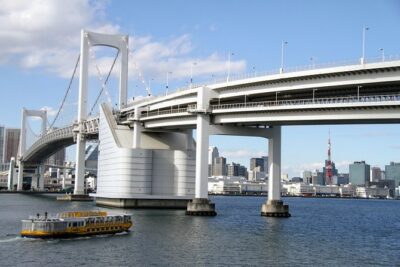 ★ 5.01-Day Tokyo Bus TourFrom $12914,250 reviews
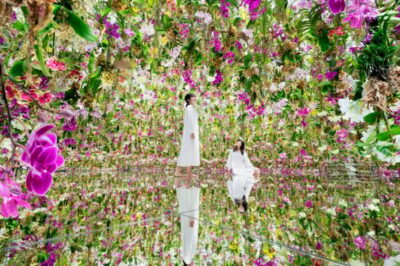 ★ 4.6teamLab Planets TOKYO Digital Art Museum Entry TicketFrom $259,779 reviews
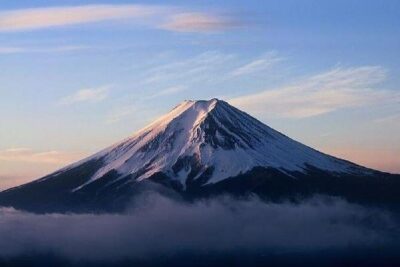 ★ 4.0Mt Fuji & Hakone Cruise, Drum Show Bullet Train 1 Day from TokyoFrom $1497,413 reviews
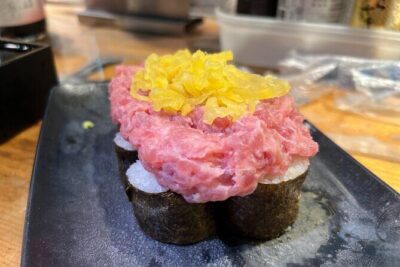 ★ 5.0Shinjuku Food Tour (13 Dishes at 4 Local Eateries)From $866,603 reviews
 ★ 4.4Tokyo Mt Fuji 5th St & Hakone Cruise Bus Tour w/Bullet TrainFrom $1545,024 reviews
 ★ 5.0Flagship 2-Hours Official Street Go-Kart Tour – Tokyo Bay ShopFrom $644,974 reviews
 ★ 4.5From Tokyo: Mount Fuji Full-Day Sightseeing TripFrom $684,970 reviews