
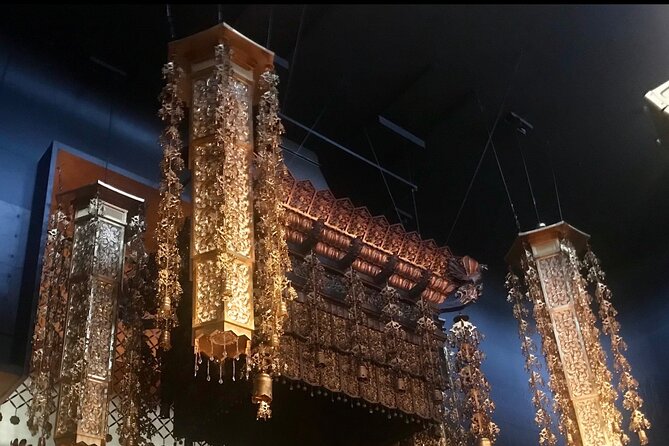
Reviewed · TOKYO
Edo Tokyo Small-Group Tour: History, Culture & Local Experiences
Edo Tokyo is easier to picture here. This small-group walk through real neighborhoods uses Edo-period themes to connect daily life with the sights—starting with a dramatic fire ceremony at Fukagawa Fudodo, then moving through shrine stops and life-sized museum recreations, and ending in a calm garden setting. If you’re lucky enough to get a guide like Sandra, expect clear stories and lots of practical context that make the era feel close instead of stuck in a textbook.
Two moments I’d put at the top: the life-sized streetscapes experience inside the Fukagawa Edo Museum, and the quiet reset at Kiyosumi Teien with its tea house and pond. The tour balances atmosphere (temple and shrine) with everyday scenes (streets and buildings) and then gives you a place to slow down.
One consideration: lunch isn’t included, so plan to grab food before or after. You’ll be moving through several stops over about 4 hours, and you may want something on hand if you’re the type who gets hungry during museum time.
In This Review
- Key highlights you’ll actually feel
- Entering Edo Tokyo in four hours (with a small group advantage)
- Fukagawa Fudodo: the Edo fire display at a temple
- Tomioka Hachimangu: shrine time and sumo memorial stones
- Fukagawa Edo Museum (Fukagawa Library): life-sized streetscapes of everyday Edo life
- The old-fashioned sweet shop in Koto: a quick taste of tradition
- Kiyosumi Teien: garden calm, tea house, and a pond finish
- How a guide like Sandra changes the experience
- Price and value: $48.99 for an all-in culture mix
- Who this tour suits best (and who might skip it)
- Smart planning tips for the 10:00 am start
- Should you book this Edo Tokyo tour?
- FAQ
- How long is the Edo Tokyo small-group tour?
- How large is the group?
- What time does the tour start?
- Where does the tour start and end?
- Is lunch included?
- Is the tour price all-inclusive?
- Do I need tickets for the stops?
- Does the tour use a mobile ticket?
- What is the meeting point like for getting there?
- What if the weather is bad?
- What’s the cancellation window?
- Should you book this Edo Tokyo tour?
Key highlights you’ll actually feel
- Max 7 travelers keeps questions easy and the pace comfortable
- Fukagawa Fudodo fire ceremony delivers Edo-period drama in a temple setting
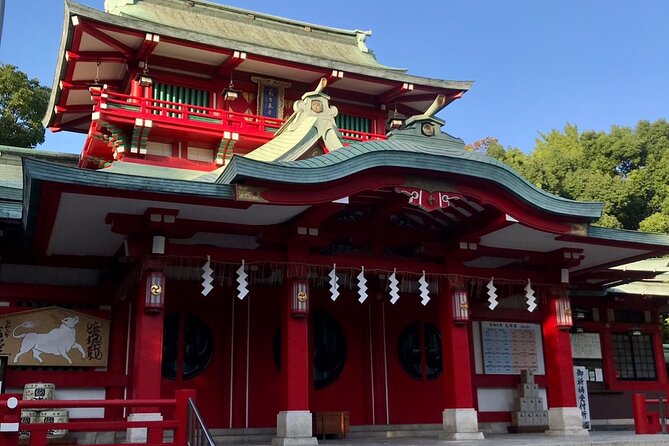
- Tomioka Hachimangu shrine stop includes sumo commemorative memorial stones and a shrine visit
- Fukagawa Edo Museum streetscapes shows Edo life with life-sized recreations
- A short old-fashioned sweet shop break lets you try traditional sweets
- Kiyosumi Teien garden with tea house and pond gives you a peaceful ending
Entering Edo Tokyo in four hours (with a small group advantage)
This is a compact tour, around 4 hours, built for people who want a real taste of Edo-era life without spending an entire day in transit. The max group size of 7 matters more than it sounds. In Tokyo, that small number helps your guide manage pacing, answer questions without rushing, and keep the route smooth between sites.
You start at Monzen-nakacho Station (2 Chome-4 Monzennakacho, Koto City) at 10:00 am and finish at Kiyosumi Gardens (3-chōme-3-9 Kiyosumi, Koto City). Along the way you get a mix of religious sites, an Edo-life museum experience, and an old-school sweets stop, followed by a classic Japanese garden.
Also, the tour uses a mobile ticket, which is one less thing to worry about once you’re on your feet.
Fukagawa Fudodo: the Edo fire display at a temple
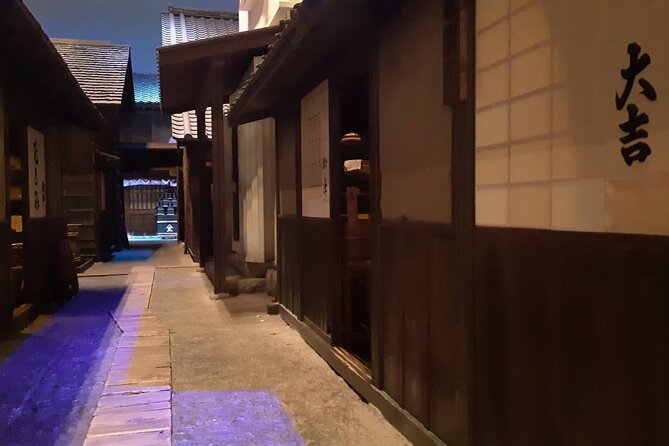
Your first stop, Fukagawa Fudodo, is timed for impact—about 1 hour 20 minutes—and it centers on a spiritual fire display tied to the Edo period. If you like history that hits your senses, this is the kind of scene you’ll remember. It’s not just looking at objects; it’s watching an event-style tradition in a temple setting.
What makes this stop work well on a guided route is how the guide can frame what you’re seeing in plain language. You’re not left to guess what something means. You can also use this first segment to set your “Edo lens” for the rest of the day: after a dramatic ritual, the quieter parts of the tour (museum streets and garden) feel different—in a good way.
Practical thought: since it’s the first stop, you’ll likely want to arrive with a little patience. Fire displays can draw attention and camera flashes, and your time is structured so you can experience it without rushing out the door.
Tomioka Hachimangu: shrine time and sumo memorial stones
Next you head to Tomioka Hachimangu, a Shinto shrine established in 1627. This portion is shorter—about 30 minutes—but it has a memorable detail: sumo commemorative memorial stones.
I like this stop because it shows how Edo-period culture wasn’t only about streets and shops. It also lived in religion and social life—symbolized here through shrine features and memorials. Even if you’re not a hardcore shrine person, a short visit like this is a strong contrast after the fire ceremony.
A tip for making this kind of stop satisfying: slow down for a few minutes instead of sprinting for photos. You’ll get more from the stories when you’re not constantly moving.
Fukagawa Edo Museum (Fukagawa Library): life-sized streetscapes of everyday Edo life
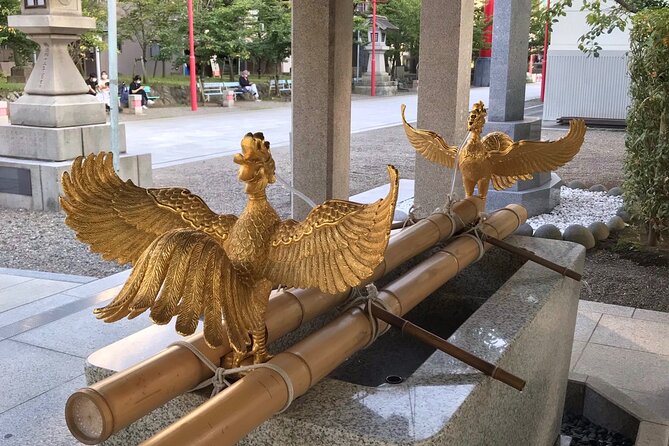
The core history experience comes in the Fukagawa Edo Museum visit—about 1 hour, with admission included at the site. You’ll meet it through Fukagawa Library as part of the stop, and once you’re inside, the highlight is clear: life-sized streetscapes that recreate Edo-era daily life.
This is where the tour earns its name. Fire ceremonies and shrines give you mood and tradition, but museums like this help you picture what people actually did—how they moved through spaces, what kinds of streets looked like, and how a smaller community might feel compared to modern Tokyo.
Why it’s such good value for your time: the tour doesn’t spend the full 4 hours telling you abstract history. It gives you a concrete environment, then you can connect the dots as you walk onward.
If you’re short on time in Tokyo, this museum-style stop is the best “learning per minute” moment on the route.
The old-fashioned sweet shop in Koto: a quick taste of tradition
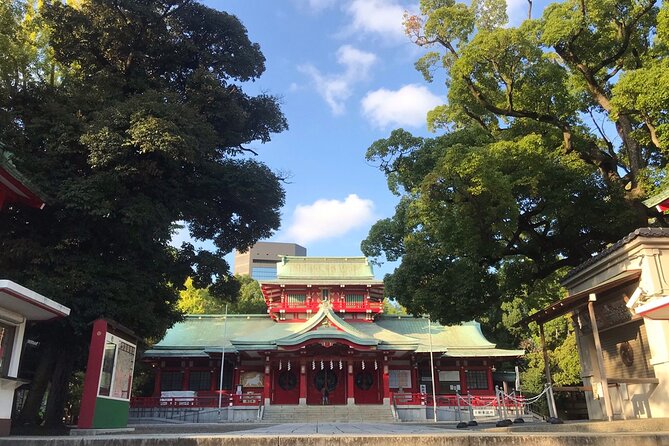
After the museum, you get a breather: the Koto area old-fashioned sweet shop stop lasts about 20 minutes. This is one of those small travel wins I always appreciate—food experiences that don’t require a big time commitment.
The tour gives you the chance to try traditional sweets, which is a straightforward way to connect culture to something you can taste. It also breaks up the schedule so you’re not trying to do only temples and exhibitions for the whole day.
Practical approach: if you’re the type who likes to savor, treat this as a palate reset. If you’re the type who likes to sample widely, ask your guide for any tips on what to try first so you don’t waste your short window.
Kiyosumi Teien: garden calm, tea house, and a pond finish
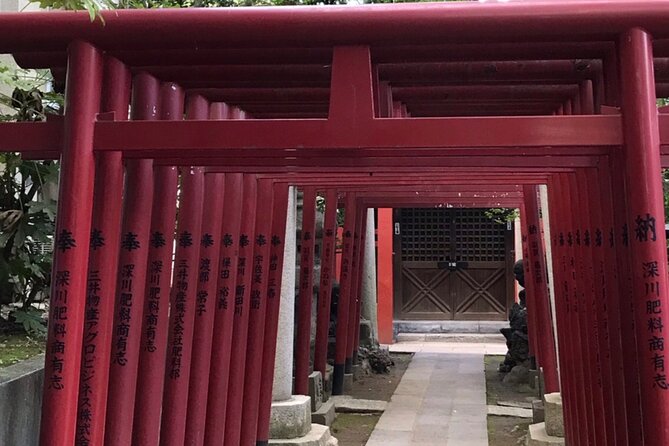
The ending stop is Kiyosumi Teien, about 45 minutes. This is where the tour shifts from Edo spectacle and recreated streets to something quieter: a classic Japanese garden with a tea house and pond.
I love garden endings on tours because they do two useful things. First, they give your feet and brain a rest. Second, the scenery helps you digest what you just saw. After an event-like fire ceremony and a museum built to mimic everyday life, the garden feels like a conclusion you can actually feel.
If you want to make the most of this part, don’t rush the pond and tea-house views. Give yourself a couple minutes to simply look around. Even if you think you’re not a “garden person,” this kind of place works because it’s built for slowing down.
How a guide like Sandra changes the experience
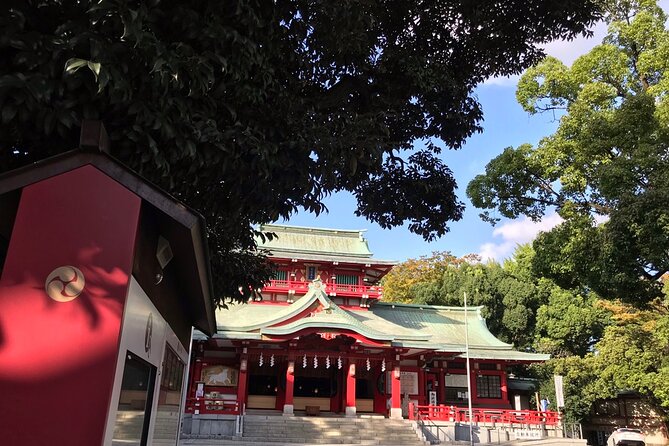
The route is thoughtfully designed, but the guide turns it from a checklist into a story. In the experience I reviewed, the guide Sandra stood out for how she connected the dots—making Tokyo’s Edo-period world understandable and entertaining.
This shows up in practical ways. She’s described as patient and engaging, even with kids, which usually means she’s good at adjusting her pace and explanations. For adults, that same skill matters: you get clearer context, not just facts.
If you’re traveling with family, or if you don’t want a “lectures-only” tour, this kind of guiding style is a big reason to consider booking.
Price and value: $48.99 for an all-in culture mix
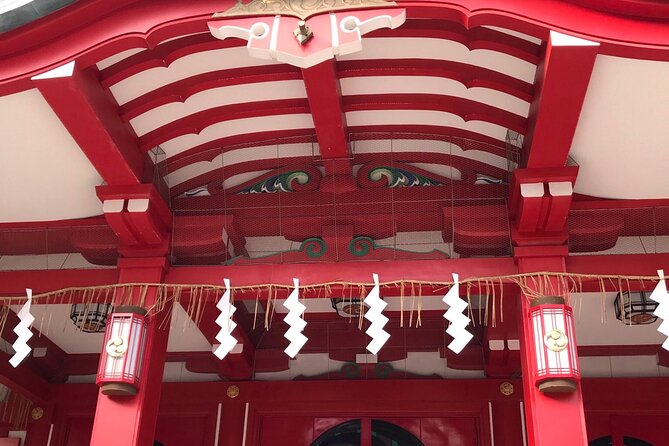
At $48.99 per person, this doesn’t look like a budget-buster, but the real question is whether it feels fair for what you get.
You’re paying for a guided, time-managed route that includes all fees and taxes, plus built-in site time. One of the biggest value points: admissions are handled across the stops. The fire display at Fukagawa Fudodo includes an admission ticket, and the Fukagawa Edo Museum admission is included, while other listed stops have admission marked as included/free.
Lunch isn’t part of the deal, but that’s common on walking tours. If you plan ahead—eat before you start or grab something right after—the overall experience feels like a good “history and local culture” package for the time you spend.
Who this tour suits best (and who might skip it)
This tour is a strong fit if you:
- like Edo-period history that connects to everyday life
- want a short Tokyo cultural route without committing to a full-day plan
- enjoy food culture enough to want a sweets stop, even if it’s brief
- prefer small groups where you can ask questions and keep the pace humane
It might be less ideal if you:
- need more time at a single site (the route is fast by design)
- hate any walking between stops
- are traveling when you expect to need a long indoor day (the experience requires good weather, and that can affect plans)
Smart planning tips for the 10:00 am start
A 10:00 am departure is great for getting the most out of the day, but it also means you’ll want to be ready to move. Wear comfortable shoes. You’ll be hopping between several distinct places—temple, shrine, museum, sweet shop, and garden—and that adds up even at a relaxed guided pace.
Also, since there’s no lunch included, I recommend you treat food like a schedule item. Grab something early or plan a post-tour meal near your route end at Kiyosumi Gardens.
Finally, because it’s dependent on good weather, bring a light layer. Tokyo weather can change fast, and your outdoor time matters most at the garden and between stops.
Should you book this Edo Tokyo tour?
I’d book it if you want Edo history that feels practical and human: a fire display to set the tone, a shrine stop with specific cultural details like the sumo memorial stones, and a museum visit that shows Edo life through life-sized streetscapes. Then you get the calm payoff at Kiyosumi Teien plus a quick hit of traditional sweets.
If your goal is only one big-ticket sight, you might feel the route is too varied. But if you like a balanced tour with a small group, a guide who can explain clearly (like Sandra, based on prior experiences), and an ending that lets you breathe—this is a solid choice.
FAQ
How long is the Edo Tokyo small-group tour?
It runs for about 4 hours.
How large is the group?
The tour has a maximum of 7 travelers.
What time does the tour start?
The start time is 10:00 am.
Where does the tour start and end?
It starts at Monzen-nakacho Station (2 Chome-4 Monzennakacho, Koto City) and ends at Kiyosumi Gardens (3-chōme-3-9 Kiyosumi, Koto City).
Is lunch included?
No, lunch is not included.
Is the tour price all-inclusive?
The price includes all fees and taxes.
Do I need tickets for the stops?
Admission is included for the Fukagawa Fudodo fire display, and the Fukagawa Edo Museum stop notes admission as included/free as part of the tour. Other stops are listed with admission marked as free.
Does the tour use a mobile ticket?
Yes, it includes a mobile ticket.
What is the meeting point like for getting there?
It’s listed as near public transportation.
What if the weather is bad?
The experience requires good weather; if it’s canceled due to poor weather, you’ll be offered a different date or a full refund.
What’s the cancellation window?
You can cancel up to 24 hours in advance for a full refund.
Should you book this Edo Tokyo tour?
Yes—if you want a small-group way to understand Edo life through a mix of ritual, streetscapes, sweets, and a peaceful garden finish. Just plan for no lunch and expect a route with several stops over a single morning block.
Tokyo, compared.
 ★ 5.0Mt Fuji and Hakone 1-Day Bus Tour Return by Bullet TrainFrom $16326,383 reviews
 ★ 5.01-Day Tokyo Bus TourFrom $12914,250 reviews
 ★ 4.6teamLab Planets TOKYO Digital Art Museum Entry TicketFrom $259,779 reviews
 ★ 4.0Mt Fuji & Hakone Cruise, Drum Show Bullet Train 1 Day from TokyoFrom $1497,413 reviews
 ★ 5.0Shinjuku Food Tour (13 Dishes at 4 Local Eateries)From $866,603 reviews
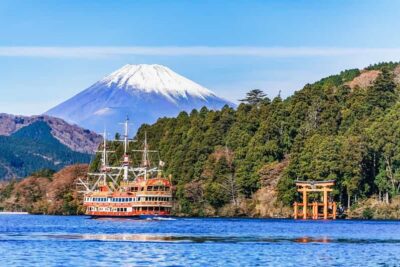 ★ 4.4Tokyo Mt Fuji 5th St & Hakone Cruise Bus Tour w/Bullet TrainFrom $1545,024 reviews
 ★ 5.0Flagship 2-Hours Official Street Go-Kart Tour – Tokyo Bay ShopFrom $644,974 reviews
 ★ 4.5From Tokyo: Mount Fuji Full-Day Sightseeing TripFrom $684,970 reviews