
Reviewed · TOKYO
Day Trip to See the Snow Monkeys from Shinjuku with Lunch Buffet
This day trip turns a far-off bucket-list stop into an organized, low-stress outing. The big win is the Shinjuku coach plus a prebooked entry ticket, so you’re not wrestling with trains and ticket lines before you even reach the snow. I also like that the ride includes an onboard audio guide, which gives you context as the scenery and routines start to change.
What you get at Jigokudani is the classic show: snow monkeys hanging around the hot-spring area, often close enough for real photos if you’re ready with your camera. The main drawback to plan for is simple: it’s a long day in a coach (and the walk on snowy roads can take around 40 minutes), so this is not a good fit if you hate cold, walking, or spending hours on the road.
In This Review
- Key points that matter before you go
- Why this Shinjuku-to-Jigokudani tour feels easier than DIY
- Morning pickup: the 7:45 am start and what it means for your day
- The Suzaka stop: a breather on the route (and a simple meal option)
- Jigokudani Snow Monkey Park: walking in snow, then watching hot-spring life
- A key reality check: monkeys might not be soaking
- Behavior rules: respect distance and don’t feed
- Lunch buffet with 130 foods: the comfort break that makes the long day work
- Vegetarian menu option (and how to use it)
- Alcohol is on sale, not included
- The guide experience: audio narration, escort help, and the real value of timing
- Transport comfort on a 12-hour schedule: what to expect and what to prepare
- Camera and photo tips for monkey hot-spring viewing
- Price and value: why $130+ can make sense here
- Optional museum stop: Shiga Kogen Roman Museum may be cut
- Who this tour is best for (and who should skip it)
- Should you book? My practical take
- FAQ
- What time does the tour start, and when do we get back to Shinjuku?
- Is lunch included, and can I choose a vegetarian option?
- How cold is it, and what should I wear?
- What if the snow monkeys are not soaking in the hot springs?
- Is there an extra fee for the Shiga Kogen Roman Museum?
- Where do we meet, and how big is the group?
Key points that matter before you go
- Coach from Shinjuku saves you from complex public transport on a winter schedule
- Prebooked entry helps you skip time-wasting steps when you arrive
- Audio guide on board adds useful context while you’re traveling
- Jigokudani walk in snow means gloves, warm layers, and comfortable shoes are non-negotiable
- Lunch buffet with 130 foods is the comfort break that keeps the day enjoyable
- Small-group cap (up to 43) keeps things manageable on the bus and at stops
Why this Shinjuku-to-Jigokudani tour feels easier than DIY
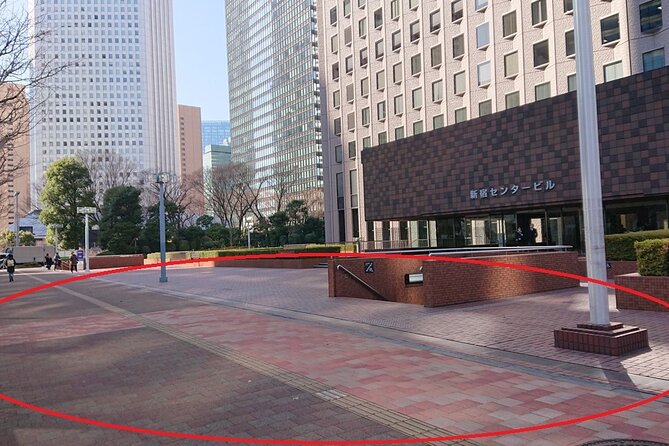
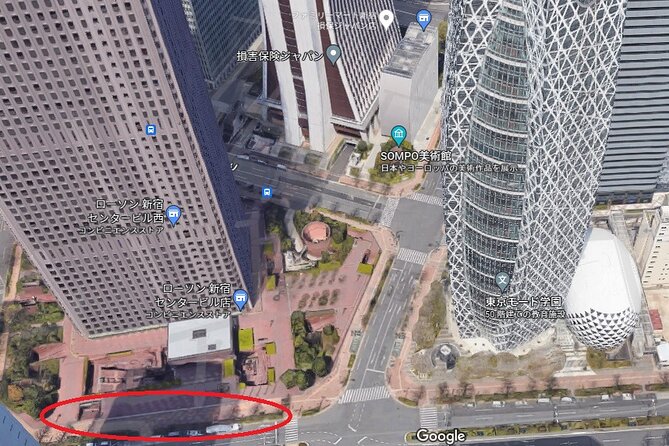
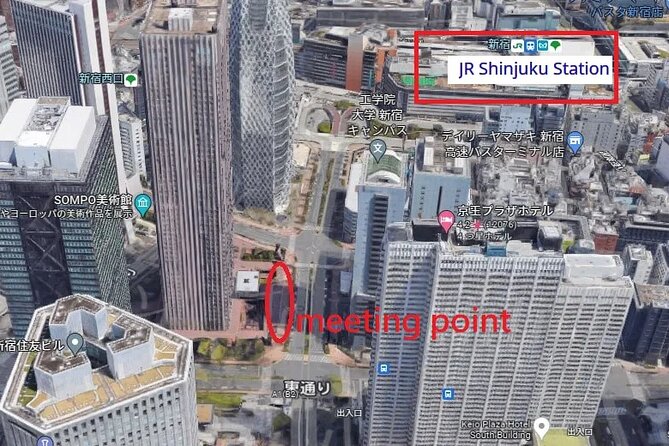
Tokyo to Jigokudani is one of those trips that sounds straightforward until you try to piece it together. You can do it on your own, but you’ll spend time matching train schedules, figuring out transfers, and worrying about timing once winter weather hits. This tour solves that with a coach service that handles transportation from Shinjuku Center Building (meeting at 7:45 am) and returns you to the same area later.
Another thing I like is the structure: you don’t just get dropped somewhere and left to figure it out. You’ll travel with a tour escort/host, plus onboard audio guidance that helps you understand what you’re looking at when you finally reach Jigokudani. Even if you know the basics already, it helps you spot the right behaviors and understand the rules that keep things safe for both monkeys and visitors.
The value pitch here isn’t just the destination. It’s the time management. By bundling transport and entry, you spend less energy on logistics and more on being ready for the best viewing windows.
Morning pickup: the 7:45 am start and what it means for your day
The day begins at 7:45 am at Shinjuku Center Building (1-chōme-25-1 Nishishinjuku). That early start matters because winter days are shorter, and Jigokudani viewing is all about timing—when the monkeys are active and when the hot-spring area is accessible without delays.
This tour runs about 12 hours total, and you should expect a return to Shinjuku around 8:00 pm. Translation: you’ll be on the move a lot, even though the monkey viewing block itself is much shorter than the drive. If you’re the type who wants a slow, wandering itinerary, this may feel like a marathon.
On the plus side, the early start gives you the best shot at a calmer arrival and a smoother day overall. You also avoid the common problem of arriving late and spending your short on-site time just trying to figure out where to go next.
The Suzaka stop: a breather on the route (and a simple meal option)
There’s a stop in Suzaka for about 1 hour. The plan includes a restaurant available for tours, and there’s no admission ticket required for this part. Think of Suzaka as your built-in reset: use the time for the bathroom, stretch your legs, and grab something that keeps you comfortable before the cold walk toward the monkey park.
This is also a helpful moment to adjust your gear. Winter conditions can change quickly—if you’re layered up, check that your gloves are accessible, your camera batteries are warm, and your outer layer still protects against snow.
The only consideration here is that 1 hour disappears fast once people queue, order, and settle in. If you’re traveling with a camera-first mindset, I’d move quickly here so you don’t feel rushed later.
Jigokudani Snow Monkey Park: walking in snow, then watching hot-spring life
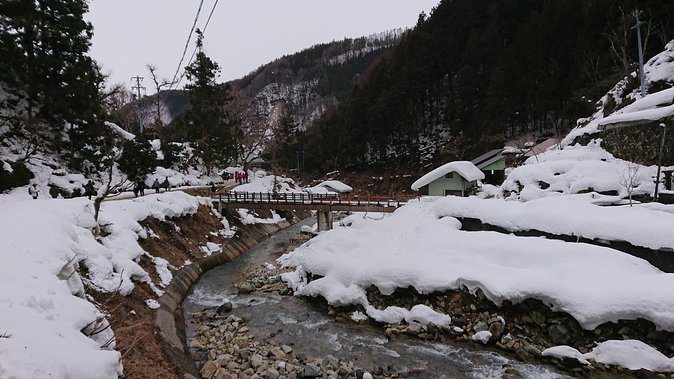
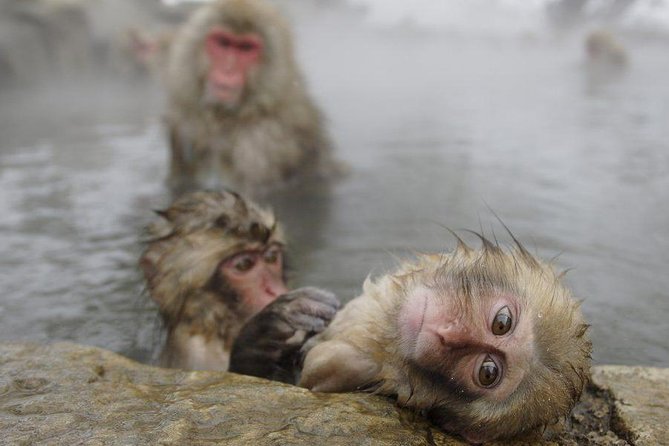
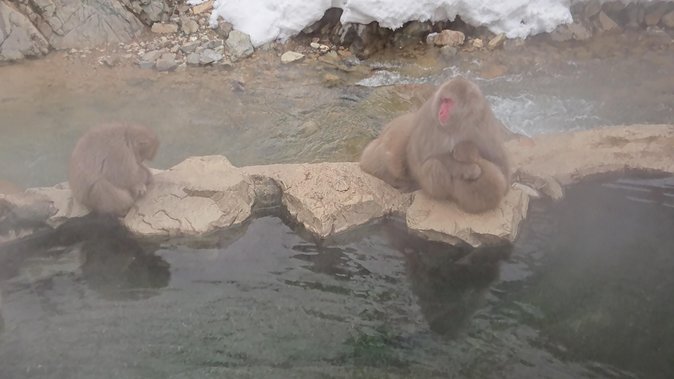
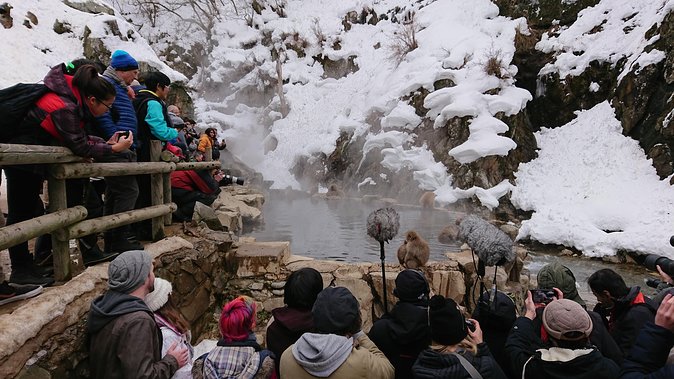
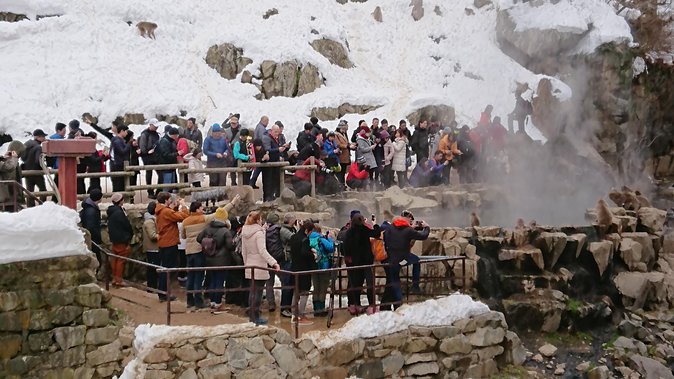
This is the reason you booked. Jigokudani Onsen is where the famous snow monkeys gather, often in a way that makes them look almost posed—except they’re not trying to perform. They’re living their own routine in wild conditions.
Before you get there, plan for a snowy road walk that can take about 40 minutes. That’s why warm clothes, gloves, and comfortable shoes aren’t optional on this tour. If you dress for Tokyo weather only, you’ll be uncomfortable during the trek, and discomfort will steal attention from the viewing experience.
Once you reach the main area, you’ll typically have around 40–60 minutes to spend near the hot springs. The timing is short enough that you’ll want to move efficiently, but long enough to settle into a viewing rhythm—watching how monkeys come and go, and how they react to visitors from different spots.
A key reality check: monkeys might not be soaking
One important note: there’s a possibility the snow monkey won’t be soaking in the hot spring due to seasonal or climatic conditions. If that happens, the tour notes that no refund is made. I’d treat this as part of the nature experience. Winter weather influences behavior, and the monkeys are still wild animals, not a staged show.
What you can do is arrive ready to enjoy what’s there—whether they’re resting near the heat or moving around the area. If you’re only chasing a single “perfect” moment, you may feel disappointed. If you’re open to watching the full pattern, you’ll still come away with great photos and memories.
Behavior rules: respect distance and don’t feed
Snow monkeys live in the wild nature, and they may attach to visitors especially when being fed. The tour instructions are clear: do not feed the monkeys. This isn’t just about rules—it’s about keeping the animals and visitors safe and reducing unwanted contact.
So I’d use a simple strategy: keep your hands to yourself, keep food sealed, and let the monkeys approach on their own terms. If you’re hoping for close-up shots, the best ones usually come from patience and positioning—not from tempting behavior.
Lunch buffet with 130 foods: the comfort break that makes the long day work
You’ll stop for lunch along the way, and the standard option includes an all-you-can-eat buffet. The tour highlights a variety of 130 foods, which is a lot of choice after a morning coach ride and a snowy walk.
This lunch stop isn’t just about calories. It’s also your mental reset. When you’ve been cold and busy, hot food, warm drinks (alcohol isn’t included), and a calm table make the rest of the day feel easier.
Vegetarian menu option (and how to use it)
If you want vegetarian food, the tour notes that you should make note during reservation. That’s worth doing early, because it’s not something you want to sort out after you’ve already sat down and watched your options disappear.
Alcohol is on sale, not included
Alcoholic drinks are available to purchase, but they’re not included. If you want to budget for that, do it now rather than later, especially on a day trip where you may not have many chances to buy things.
The guide experience: audio narration, escort help, and the real value of timing
There’s a tour escort/host on the trip, and the coach ride features an onboard audio guide. In practice, that means you’re not just hearing general statements—you’re getting a guided structure for what you see and why you’re seeing it.
One of the best parts of guided days like this is how the schedule stays intact. Even when conditions get messy—like traffic at night—having someone manage rest stops and keep people moving helps protect the whole group’s rhythm. On a day like this, you don’t want to lose time twice: once waiting for confusion, and again waiting for late arrivals.
Also: follow the time limits. If people run long at stops, it can mean more waiting on the bus for everyone else. You don’t need to be clock-obsessed, but a calm respect for the schedule makes the whole day smoother—and helps you get your best viewing window.
Transport comfort on a 12-hour schedule: what to expect and what to prepare
This is a full-day coach trip with air-conditioned vehicle comfort on the ride. That’s good news because Japanese winter days can swing between cold air and warm interiors, and you’ll likely go from outside snow to warm bus heat repeatedly.
But the key physical effort is outside the bus. The most demanding part is the walk on snowy roads (around 40 minutes). That’s where your preparation pays off.
Here’s what I’d bring:
- Gloves you can use while holding a camera
- Comfortable shoes with grip for snow
- Warm layers so you can adjust between bus heat and outdoor cold
- A camera plan (more about that next)
You’ll be glad you did this when you reach the viewing area and you’re focused on watching instead of rubbing cold hands together.
Camera and photo tips for monkey hot-spring viewing
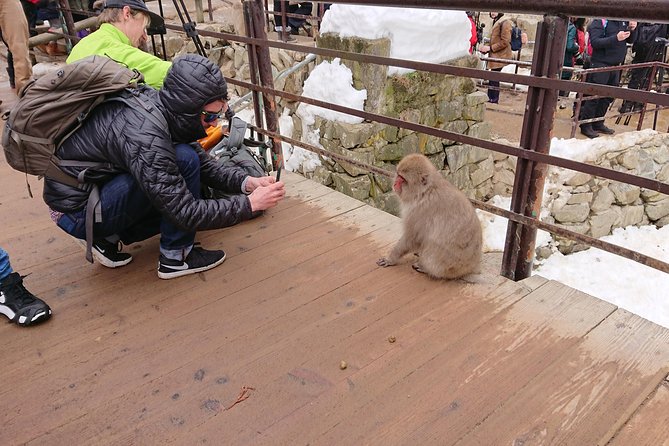
The snow monkey area can produce excellent photos because the monkeys often stay in a concentrated space. Still, you need to work with winter conditions and visitor movement.
I’d aim for two things:
1) Steady positioning: find a spot with a clear view and keep your camera ready.
2) Respect the space: don’t crowd people behind you, and never tempt monkeys with food.
If the monkeys aren’t soaking as you hoped, you can still capture great images of movement and facial expressions. The hot-spring setting itself creates a dramatic backdrop, even when the monkeys are less “posed” than expected.
And because you’re walking through snow, keep your camera workflow simple: clean the lens if needed, consider a protective layer or bag, and watch battery life in cold.
Price and value: why $130+ can make sense here
At about $130.43 per person, this isn’t a cheap outing. But the value comes from what’s bundled.
You’re paying for:
- Round-trip coach transport from Shinjuku
- Prebooked entry ticket to help save time when you arrive
- Tour escort/host
- Onboard audio guidance
- Lunch buffet as part of the standard plan
If you tried to DIY the trip, you’d likely spend time and energy booking pieces separately—and the cost can creep up once you factor in transfers and the effort of timing your arrival. Here, the tour handles the “how do I get there” part and concentrates your energy on the monkey park itself.
The lunch option also changes the math. A buffet with 130 foods can be an easy win on a long day, especially when you’re cold and want something reliably warm.
If you’re the type who doesn’t want lunch included, there’s a plan without lunch, and you can eat on your own near the restaurant used on the tour.
Optional museum stop: Shiga Kogen Roman Museum may be cut
There’s a mention of the Shiga Kogen Romantic Museum. If you want to enter it, you’ll need to pay 500 yen yourself. The museum may be closed temporarily, and the stop may be cut depending on traffic conditions.
So how should you treat this? As a bonus only. If it’s open and time allows, great. If it doesn’t happen, the tour still centers on Jigokudani—and that’s the part you should prioritize.
Who this tour is best for (and who should skip it)
This day trip fits best if you:
- Want a straightforward plan from Tokyo without juggling trains
- Love the idea of seeing the snow monkeys up close with hot-spring surroundings
- Are okay with a long day and the cold winter walk to the park
- Appreciate guided context from audio narration
You might think twice if you:
- Hate being in a coach for most of the day
- Have trouble walking on snowy roads
- Are extremely sensitive to cold and don’t want to layer up
For most people willing to dress properly, it’s a solid way to tackle a famous winter site without the planning headaches.
Should you book? My practical take
I’d book this if your top priority is reaching Jigokudani with minimal fuss. The coach transport from Shinjuku and the prebooked entry are exactly the kind of “small details” that protect your time on a day when winter weather can throw curveballs.
I’d also book with realistic expectations. Sometimes the monkeys may not be soaking in the hot spring, and there’s no refund for that. If you’re okay enjoying the full experience—snowy walk, hot-spring atmosphere, wildlife behavior, and a warm buffet lunch—this is the kind of trip that delivers on its promise.
FAQ
What time does the tour start, and when do we get back to Shinjuku?
The tour starts at 7:45 am at Shinjuku Center Building. It returns to the meeting point area around 8:00 pm.
Is lunch included, and can I choose a vegetarian option?
Lunch is included with the standard plan as an all-you-can-eat buffet. There is also a vegetarian menu option, but you need to note your preference during reservation.
How cold is it, and what should I wear?
You should wear warm clothes, gloves, and comfortable shoes. The tour notes that it will take about 40 minutes to walk on the snowy road.
What if the snow monkeys are not soaking in the hot springs?
There is a possibility the snow monkeys may not be soaking due to seasonal or climatic conditions. In that case, no refund is made.
Is there an extra fee for the Shiga Kogen Roman Museum?
If you choose to enter the Shiga Kogen Roman Museum, admission is 500 yen paid by you. The museum may be closed temporarily, and the stop may be cut due to traffic.
Where do we meet, and how big is the group?
You meet at Shinjuku Center Building (1-chōme-25-1 Nishishinjuku) and the tour ends back there. The tour can have up to 43 travelers, and it needs a minimum of 15 participants to run.
Tokyo, compared.
 ★ 5.0Mt Fuji and Hakone 1-Day Bus Tour Return by Bullet TrainFrom $16326,383 reviews
 ★ 5.01-Day Tokyo Bus TourFrom $12914,250 reviews
 ★ 4.6teamLab Planets TOKYO Digital Art Museum Entry TicketFrom $259,779 reviews
 ★ 4.0Mt Fuji & Hakone Cruise, Drum Show Bullet Train 1 Day from TokyoFrom $1497,413 reviews
 ★ 5.0Shinjuku Food Tour (13 Dishes at 4 Local Eateries)From $866,603 reviews
 ★ 4.4Tokyo Mt Fuji 5th St & Hakone Cruise Bus Tour w/Bullet TrainFrom $1545,024 reviews
 ★ 5.0Flagship 2-Hours Official Street Go-Kart Tour – Tokyo Bay ShopFrom $644,974 reviews
 ★ 4.5From Tokyo: Mount Fuji Full-Day Sightseeing TripFrom $684,970 reviews