Reviewed · TOKYO
【Family pack】Tokyo: Tsukiji fish market food tour
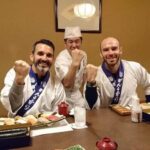
Tsukiji smells like action. This Tokyo fish market food tour is built around the real wholesale atmosphere of the Tsukiji area, where you’ll get practical guidance on what to buy and where to eat it. I like the focus on shopping with people who actually know fish, and I also like the mix of meals and tastings that go beyond just looking at stalls, including Tsukiji Saito Suisan and the yatai-style tuna spot at Kurogin Tsukiji Honten.
The one thing to plan for: food and drinks aren’t included, so you’ll want cash or a credit card ready for tastings, lunch, and any extra bites you decide to add.
In This Review
- Key highlights before you go
- Starting at Tsukiji Honganji Temple Cafe Tsumugi
- Tsukiji Outer Market: what makes it worth the walking
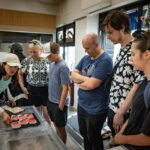
- Tsukiji Saito Suisan: fresh fish you can actually plan around
- Kurogin Tsukiji Honten for yatai-style tuna
- The sweet omelette moment (and why you should make space for it)
- Sake variety tasting: drink choices that match your food
- Matcha ice cream, drinks, and the match-making photo moment
- Timing and how an 18-hour duration should affect your plans
- Private guide, three languages: how Y’s guide changes your experience
- Price: is $161 per group up to 6 good value?
- What to bring (and what not to bring)
- Who this Tsukiji family pack fits best
- Should you book the Tokyo Tsukiji fish market food tour?
- FAQ
- Where does the tour start?
- How long is the guided part?
- What’s included in the price?
- What’s not included?
- Is it private or group style?
- What languages are available?
- Is it okay to bring a stroller or pets?
- Is it suitable for food allergies or gluten intolerance?
Key highlights before you go
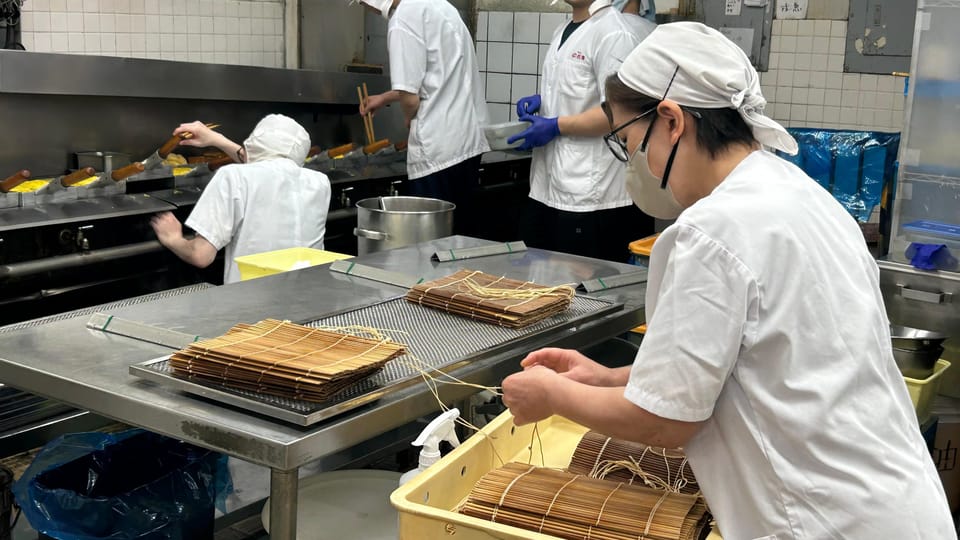
- Tsukiji Saito Suisan fresh-fish stop, chosen for what you can realistically turn into a great meal
- Kurogin Tsukiji Honten yatai-style tuna restaurant experience
- Japanese sweet omelette and market-style snacking that fits the pace
- Sake variety tasting that helps you choose what to drink with your food
- Matcha ice cream, drinks, and match-making photo moment for a fun, memorable finish
- Led by Y’s guide in a private group up to 6 with English/Chinese/Japanese support
Before you commit, see how this one stacks up against a few Chuo City favourites:
- Tokyo: Sushi Making with Pro Chef & Tsukiji Fish Market Tour★ 4.6 · 49 reviews
- Tokyo: Tsukiji Fish Market food Tour★ 4.8 · 7 reviews
- Tsukiji Fish Market Culture Walking and Food Tour★ 5.0 · 7 reviews
Starting at Tsukiji Honganji Temple Cafe Tsumugi
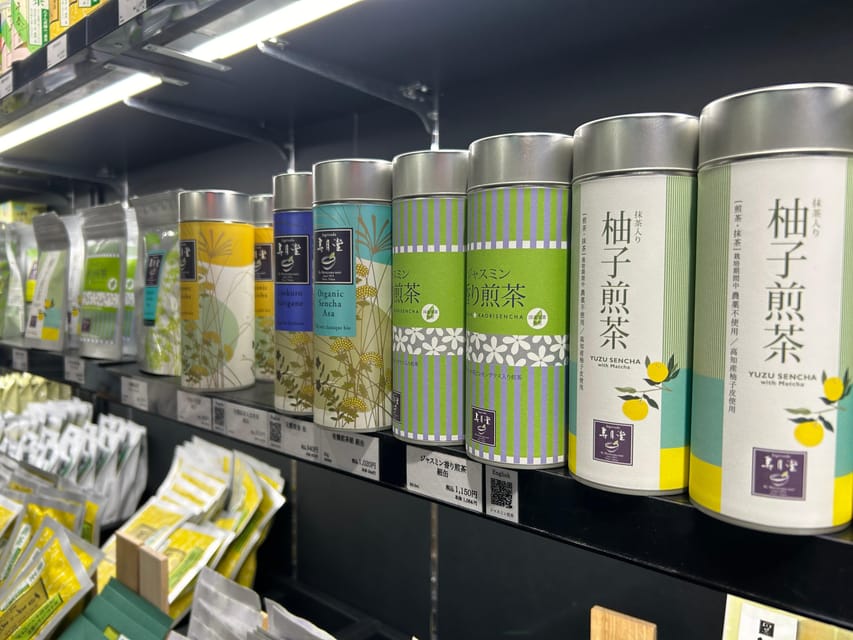
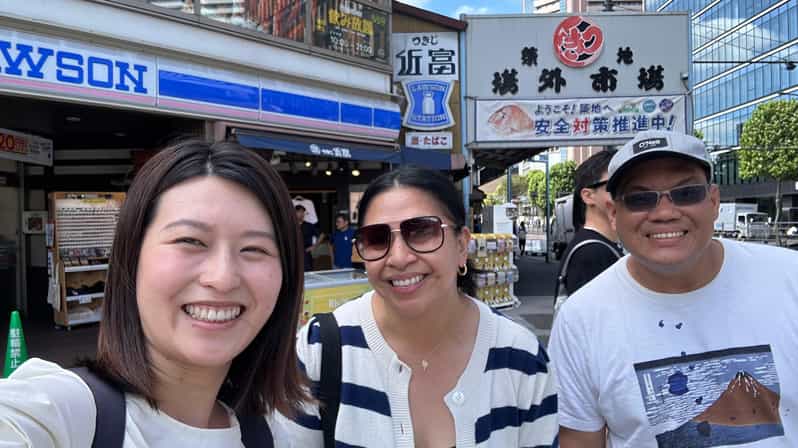
You meet at 築地本願寺カフェ Tsumugi (inside/connected to Tsukiji Honganji Temple). This matters more than it sounds. It’s a clean, calm starting point in the middle of a dense area, so you can get your bearings fast before the market action starts.
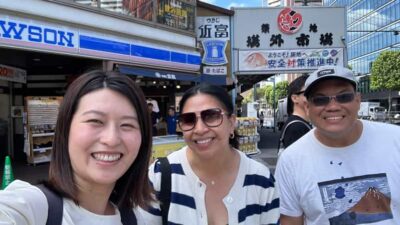
From that meeting spot, the tour is designed around walking into Tsukiji Outer Market, where the vibe is different from a souvenir-shopping strip. You’re in a wholesale environment, and that changes how people talk, point, and recommend what to eat. I like that this tour doesn’t treat the market like a museum. It treats it like a place with daily decisions.
Also, this is a private group (up to 6). That gives your guide space to slow down when you want more explanation, or speed up if you’d rather just get food and keep moving.
Tsukiji Outer Market: what makes it worth the walking
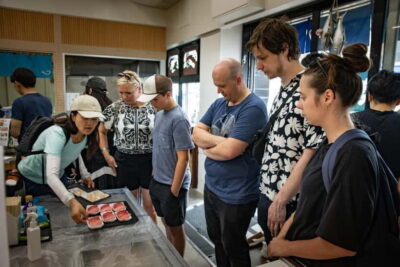
The main time on the ground is spent in Tsukiji Outer Market with a guided walk and food market visit (about 3 hours once you’re in the market area). The key word here is consultation. You’re not stuck guessing what a fish stall recommends.
Tsukiji’s energy comes from volume and variety. Even after the central wholesale market relocated, the area you visit is still a working food district. You’ll see big fish and lots of options you simply don’t find at a typical supermarket. And the “why” behind it is useful for you: market vendors can match what they sell with how you want to eat it (quick bites, lunch, or a more specific dish).
One practical upside: having a guide helps you notice the differences between shops fast. In a place like Tsukiji, that’s half the battle. You can spend your time wandering, or you can follow someone who’s steering your feet toward the best options.
Tsukiji Saito Suisan: fresh fish you can actually plan around
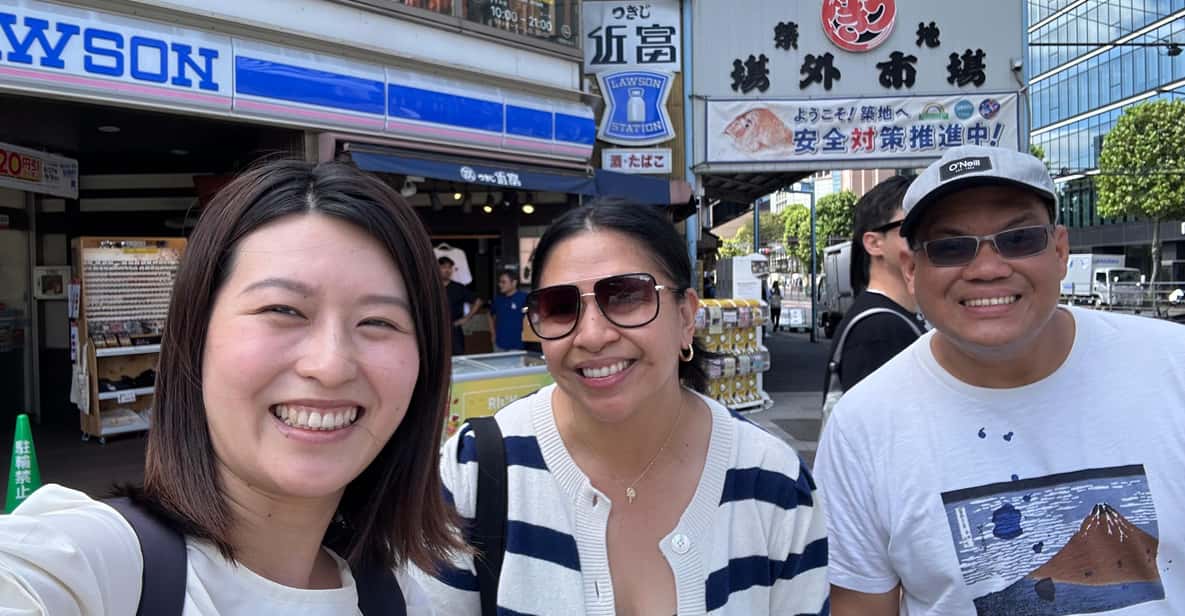
One of the biggest named stops is Tsukiji Saito Suisan. This is the kind of place where you can see quality up close—freshness, cut styles, and what’s moving that day. The tour highlight calls out enjoying the fresh fish here, and the way I read the value is simple: your guide helps you translate a confusing display into a decision that makes sense for your taste and appetite.
Why that’s valuable: if you show up cold, you might buy something you later regret because you don’t know what you’re getting or how it will be served. With a guide, you can ask questions and build a dish plan as you go.
What you’ll like most is the shopkeeper conversation. It’s not just about buying. It’s about figuring out what dish works best with the fish you’re looking at, so your time in the market becomes a meal you want to finish rather than a gamble.
Kurogin Tsukiji Honten for yatai-style tuna
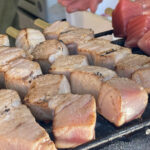
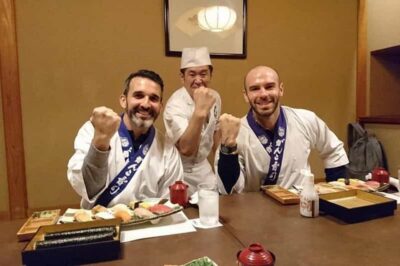
Next up is the yatai-style tuna experience at Kurogin Tsukiji Honten. The highlight here is clear: tuna done right in a market-food style you can understand quickly—grab food, sit nearby or enjoy the atmosphere, and keep the tour moving.
This part of the experience hits a few traveler needs at once:
- You get a seafood meal without having to research lunch on the fly.
- Tuna is a great “anchor” taste in Tsukiji because it’s iconic and easy to judge for quality.
- Yatai-style (street-food style) fits the market pace better than a long, formal meal.
I also like that this stop gives you a chance to reset before tastings ramp up. You’re not only sampling; you’re eating something that feels like lunch, not just snack duty.
The sweet omelette moment (and why you should make space for it)
The tour includes Japanese sweet omelette as one of the highlighted foods. It’s a smart addition for families and mixed-age groups because it’s familiar enough to many palates while still feeling like a real Japanese market bite.
It also balances the meal rhythm. After fish and tuna, a sweeter, egg-based snack can make everything feel more complete. I’d treat this as your “pause bite” during the walk—something you can enjoy without needing a fork, a full course, or a major flavor commitment.
Even if you’re the type who thinks you want only seafood, this stop usually changes minds because it’s not trying to compete with fish. It complements it.
Sake variety tasting: drink choices that match your food
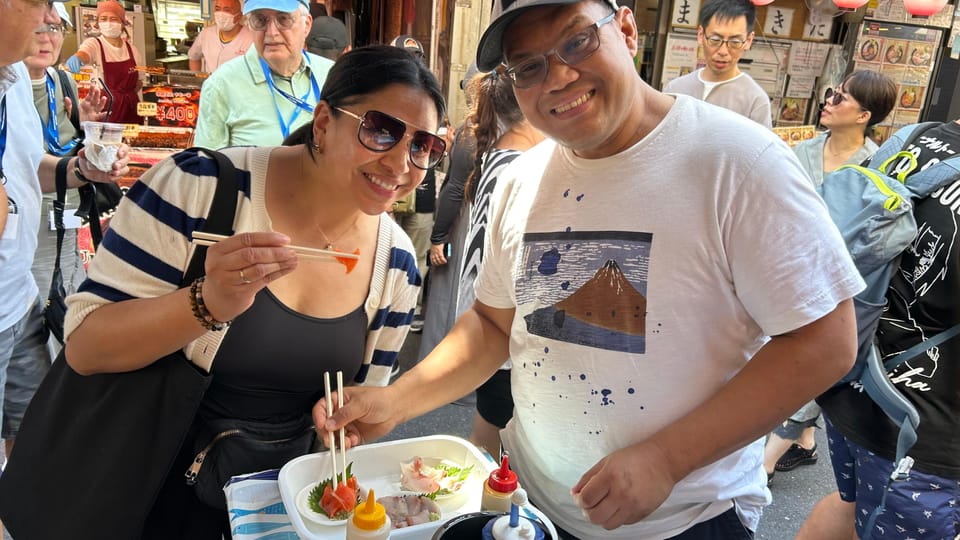
If you like experimenting, the tour brings in a variety of Japanese sakes as a tasting component. This is valuable because sake is one of the fastest ways to understand how Japanese dining is built: pair the drink with the food, not with your guesswork.
A guide helps here in a very practical way. You can taste more than one option and decide what fits you best—then carry that knowledge into how you eat the rest of your bites. Even if you’re not a heavy alcohol drinker, you can often find a softer entry style through guidance (the exact pours depend on the shop and what’s available that day).
And for families: you can also treat this part like a learning experience. The guide’s job isn’t just handing you a cup—it’s helping you understand what you’re tasting and why it’s being served alongside market food.
Matcha ice cream, drinks, and the match-making photo moment
The fun, visual payoff comes with matcha ice cream and drinks plus a playful moment where you can take a picture of them making matcha (making match). That combination matters because it gives you two things at once:
1) a cool sweet finish after walking and seafood,
2) a memory you can bring home that isn’t just a receipt or a photo of a stall.
Matcha in particular is an easy crowd-pleaser, so this works well even for groups with different tastes. If you’re traveling with kids, this is the part that often turns the tour from “educational” into genuinely entertaining.
Timing and how an 18-hour duration should affect your plans
The booking info lists a duration of 18 hours, and it also says to check availability to see starting times. Since the in-market guided visit is specifically called out as about 3 hours, I’d treat the 18-hour number as a scheduling window rather than a simple, literal “you’ll be walking for 18 hours.”
Translation for your planning: keep your day flexible and confirm the exact start time when you book, so you don’t get stuck trying to squeeze the tour into a tight itinerary. If you’re coordinating train times or day trips, build a buffer.
Private guide, three languages: how Y’s guide changes your experience
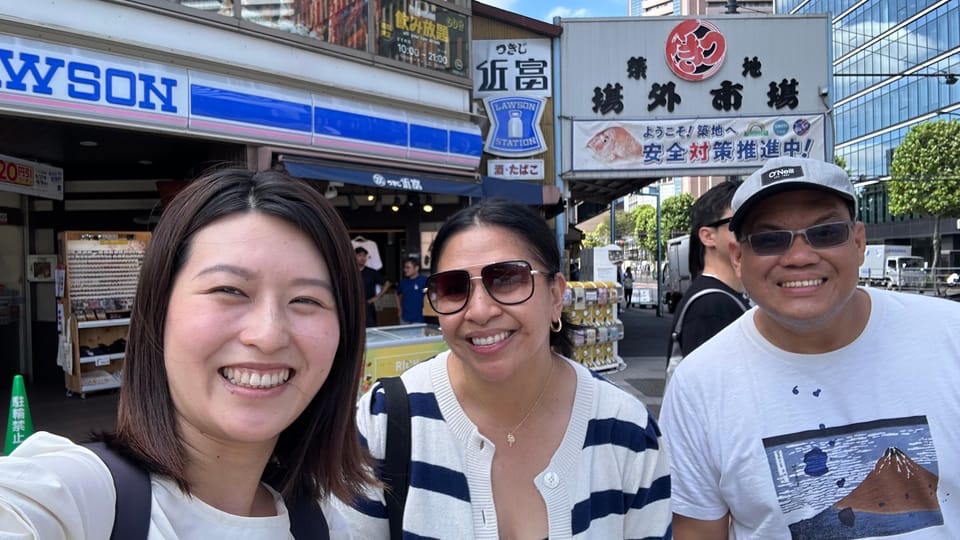
This is a private group tour, and it’s led by Y’s guide. Language support includes English, Chinese, and Japanese, so you’re not stuck with broken translation during the most important part: asking shop questions.
The reviews support something you’ll feel on the ground: a guide who’s genuinely attentive. That means:
- Your requests can be taken seriously without derailing the plan.
- You get recommendations that adjust to what you want to eat, not just a standard script.
- You might get pointed to an off-the-radar eating stop as the day develops, including an end-of-tour BBQ-style spot that’s described as delightful.
That kind of “personal touch” is a big deal in Tsukiji. The market isn’t designed for casual wandering. It’s designed for buyers and quick decisions.
Price: is $161 per group up to 6 good value?
At $161 per group (up to 6), you’re paying for a private, guided experience plus walking orientation in the Tsukiji Outer Market area. Guide and walking tour are included. What’s not included is equally important: foods and drinks, spot fees (like temple-related fees), and transport such as taxis or train tickets.
So is it worth it? For me, the value depends on how you travel:
- If you’re a confident self-planner and only want to browse, you could skip this and just walk around on your own.
- If you want to actually eat well and ask questions at fish shops, the guide cost can quickly pay for itself by helping you choose better items and better prepared meals.
- If you’re traveling as a family of a few people, the per-group pricing makes it easier to justify than per-person tours.
Because food and drinks aren’t included, I recommend planning a realistic food budget on top. You’ll likely spend more than you expect if you let the market recommendations run wild—but that’s exactly why you’d book the guide in the first place.
What to bring (and what not to bring)
You should bring cash and a credit card. That’s a practical combo for a market day where payments can vary by shop.
You should also note what’s not allowed:
- No pets
- No baby strollers
And there are clear limits on who it fits best:
- Not suitable for people with food allergies
- Not suitable for people with gluten intolerance
If any of those are relevant to your group, I’d treat this as a deal-breaker rather than something to “work around.” Markets move fast, and the tour data doesn’t promise substitutions or special handling.
Who this Tsukiji family pack fits best
This tour is a strong choice if you want:
- a guided walk through Tsukiji Outer Market without guessing,
- a mix of seafood and classic market sides (like the sweet omelette),
- tastings that include sake and matcha,
- a private setting with a guide who can respond to what your group actually wants to eat.
It’s less ideal if:
- your group needs gluten-free planning,
- you’re managing serious allergies,
- you rely on strollers or need pet-friendly access.
Should you book the Tokyo Tsukiji fish market food tour?
Book it if you want Tsukiji food with direction—fresh fish shopping guidance, a tuna lunch in yatai-style, plus sake and matcha stops that feel like a complete meal day rather than a quick photo walk. The private group setup and the multi-language support are also a big win for families who want the market experience without confusion.
Skip it if your group has allergy or gluten needs, or if you’d rather control everything on your own and keep costs strictly fixed. Also, remember that food and drinks are on you, so set expectations and budget for tastings.
If your goal is to eat your way through Tsukiji with help from someone who knows where to point, this family pack is one of the more practical ways to do it.
FAQ
Where does the tour start?
You meet at 築地本願寺カフェ Tsumugi in the Tsukiji Honganji Temple area.
How long is the guided part?
The Tsukiji Outer Market portion is listed as about 3 hours, and the overall activity shows a duration of 18 hours (with starting times shown via availability).
What’s included in the price?
The tour includes a guide and a walking tour.
What’s not included?
Foods and drinks, spot fees (for places like the temple), taxi fees, train tickets, and souvenirs you buy are not included.
Is it private or group style?
It’s a private group experience, with a family pack price for a group up to 6.
What languages are available?
The live tour guide offers English, Chinese, and Japanese.
Is it okay to bring a stroller or pets?
Pets are not allowed, and baby strollers are not allowed.
Is it suitable for food allergies or gluten intolerance?
It is not suitable for people with food allergies or for people with gluten intolerance.